
Caligula: A Biography of the Infamous Roman Emperor
Caligula: The infamous Roman emperor who ruled with tyranny and madness.
How Do You Learn Best?
Learn by Reading
Immerse yourself in the 10-minute visual lesson for a comprehensive understanding of the topic.
Learn by Reviewing
Jump directly to the key facts, timeline, and vocabulary lists to build a solid foundation of details.
Learn by Doing
Challenge yourself! Jump straight into the interactive games to learn by trial, error, and discovery.
Caligula: A Biography of the Infamous Roman Emperor in 10 Minutes
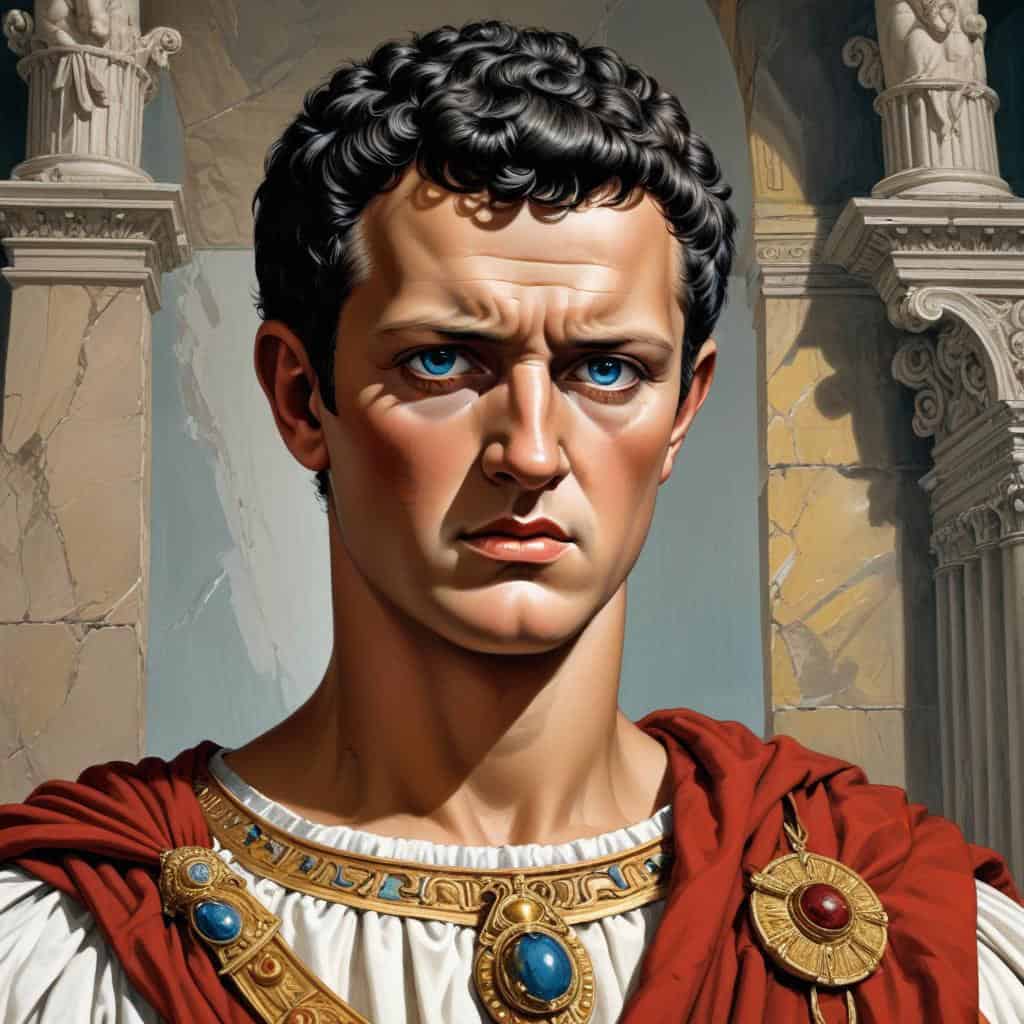
Introduction
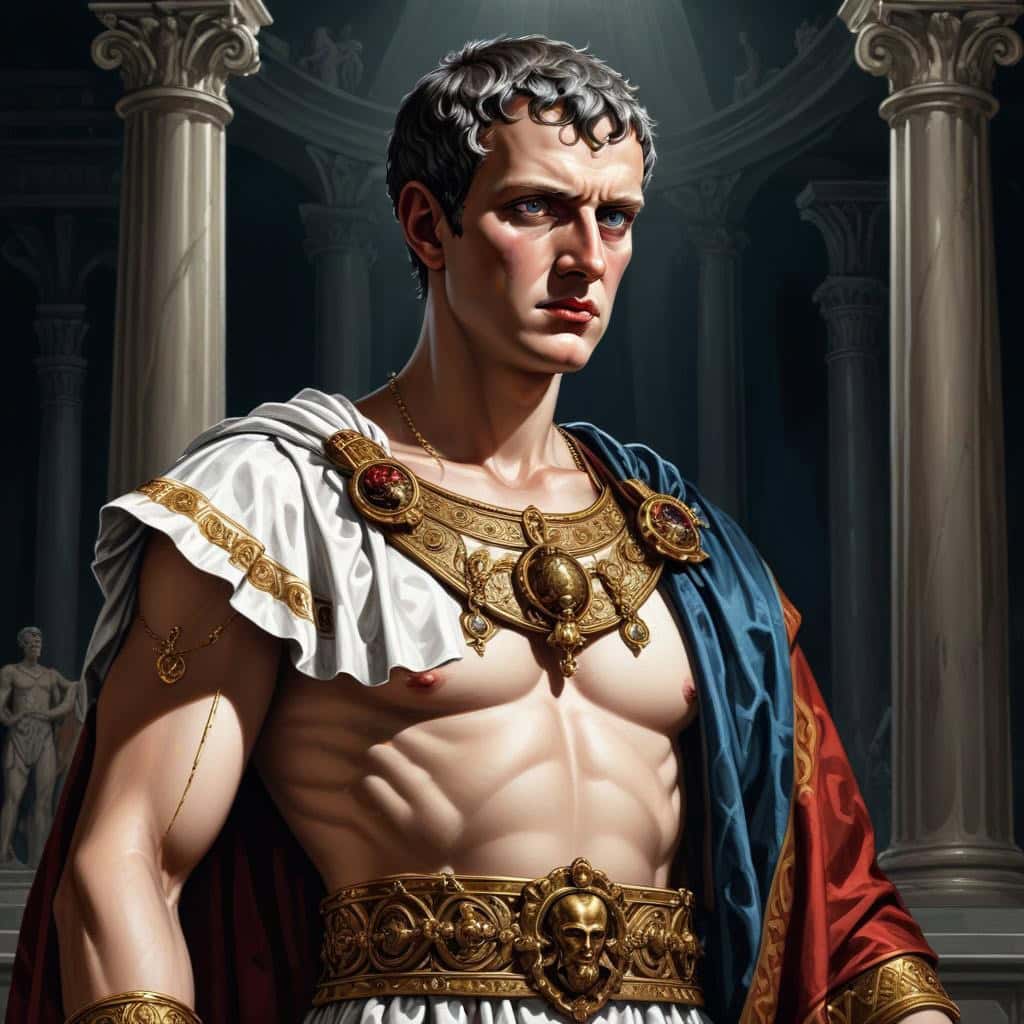
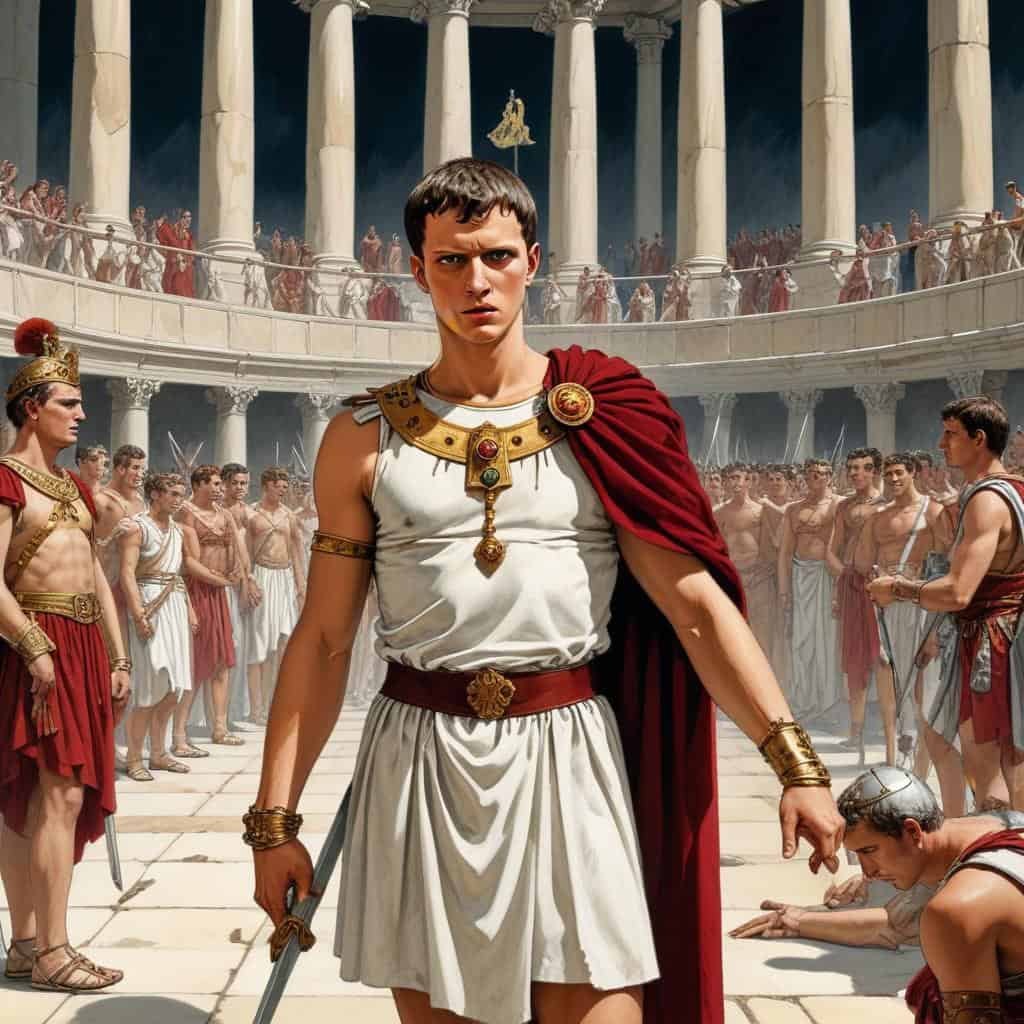
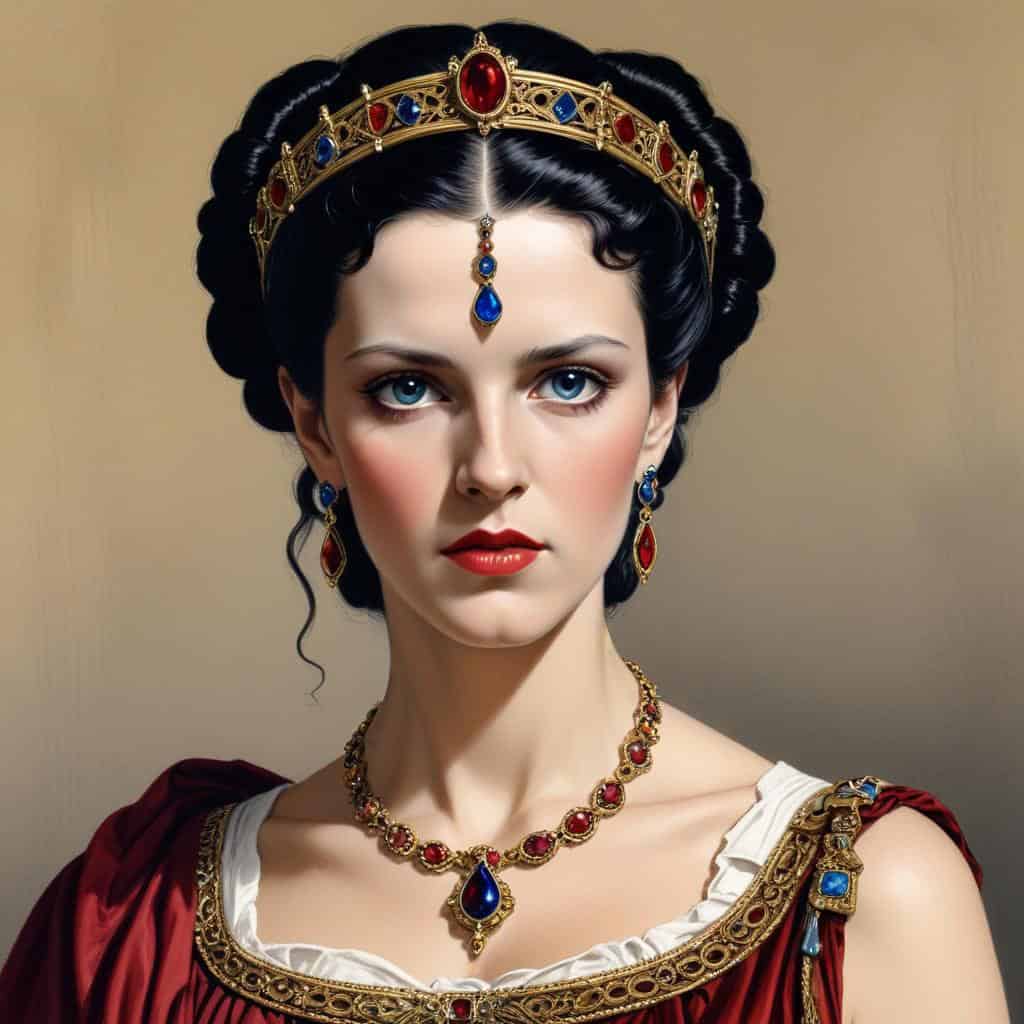
Drusilla
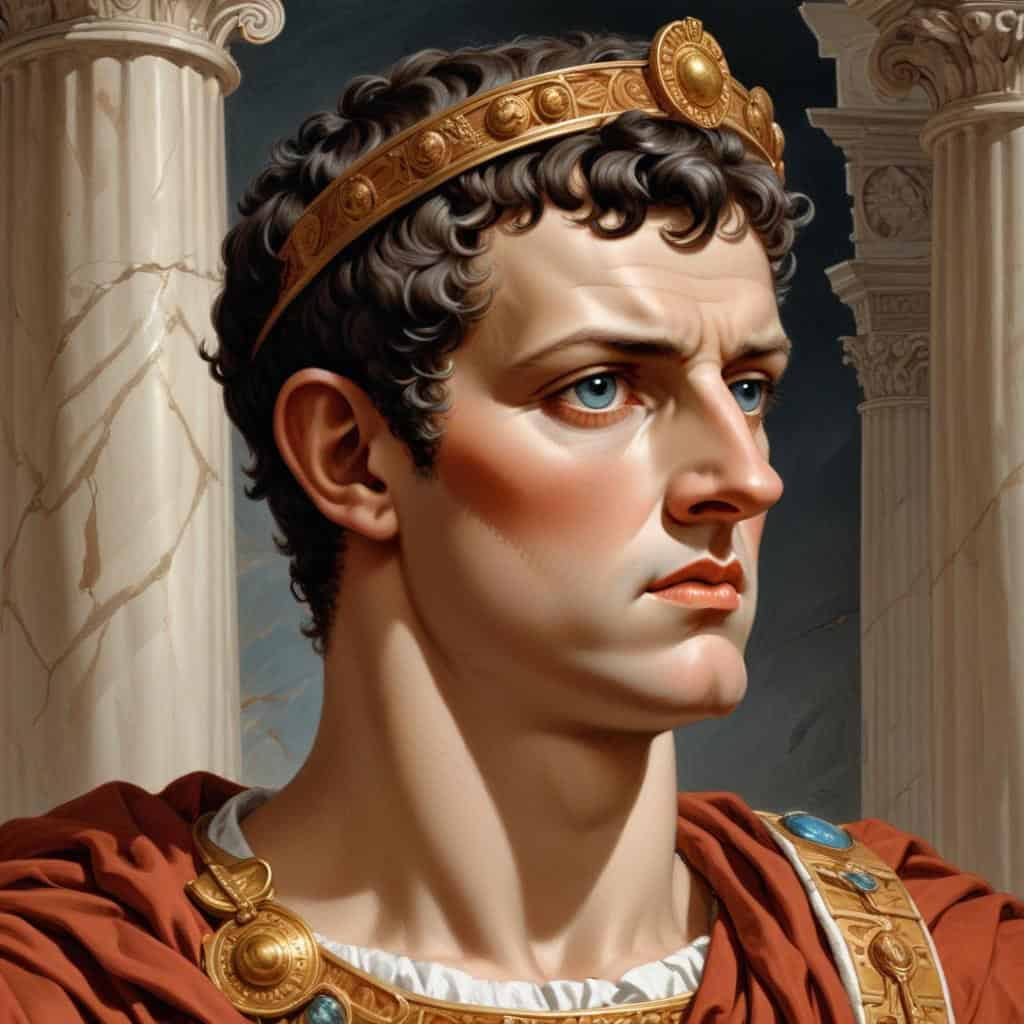
Tiberius
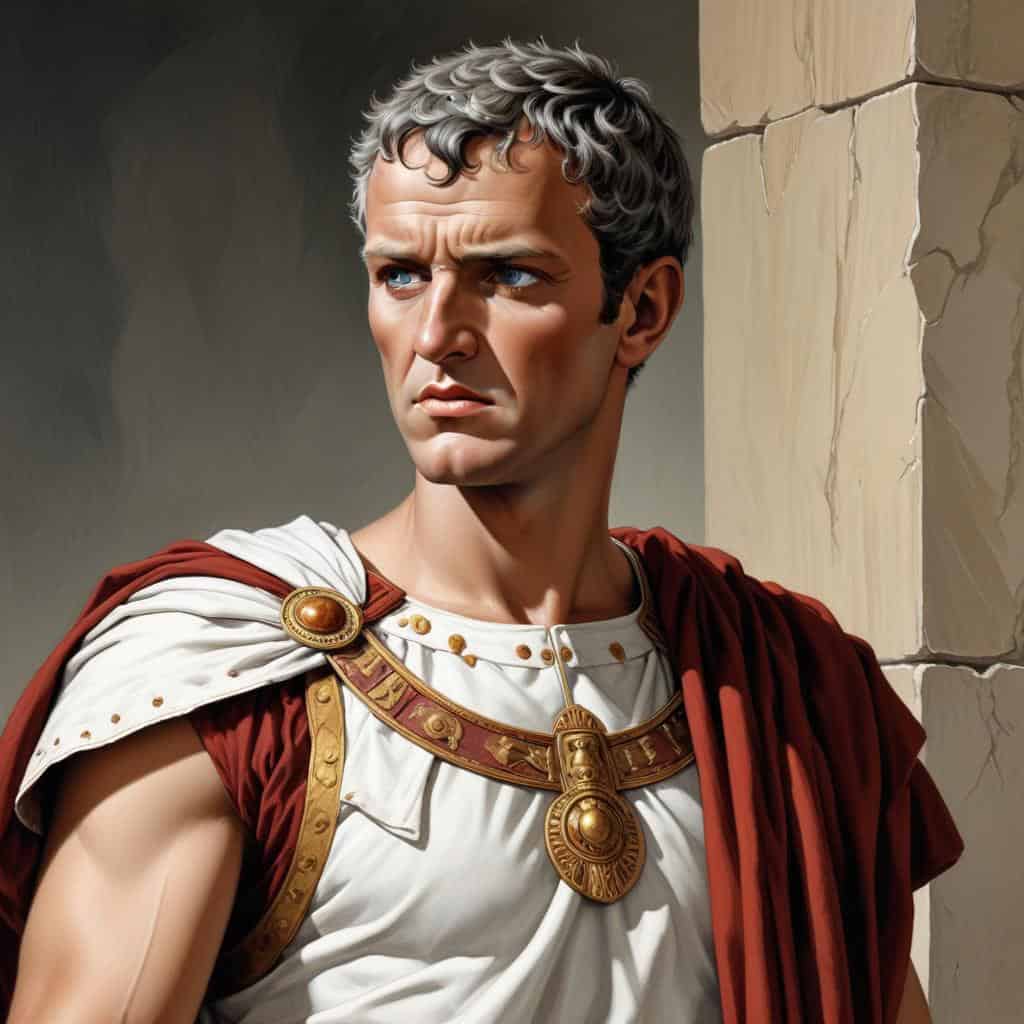
Claudius
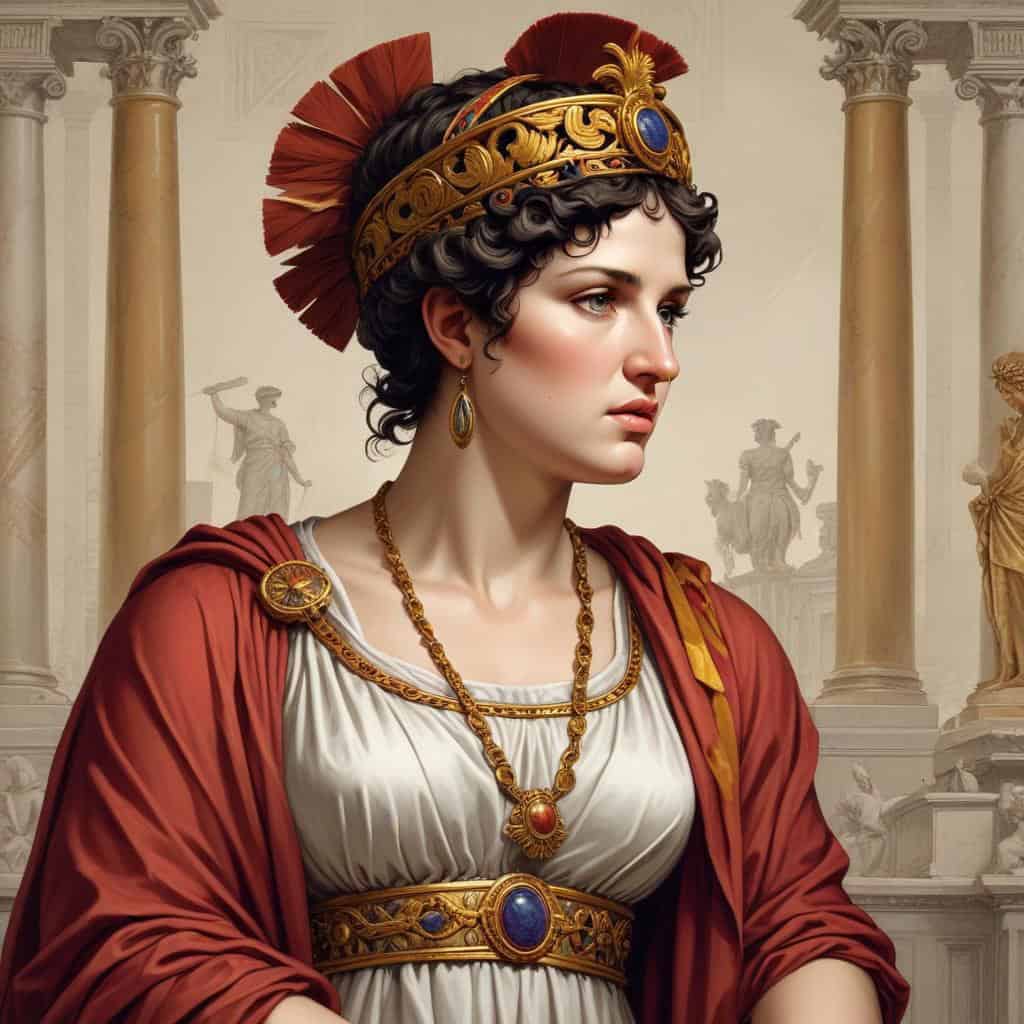
Agrippina the Younger
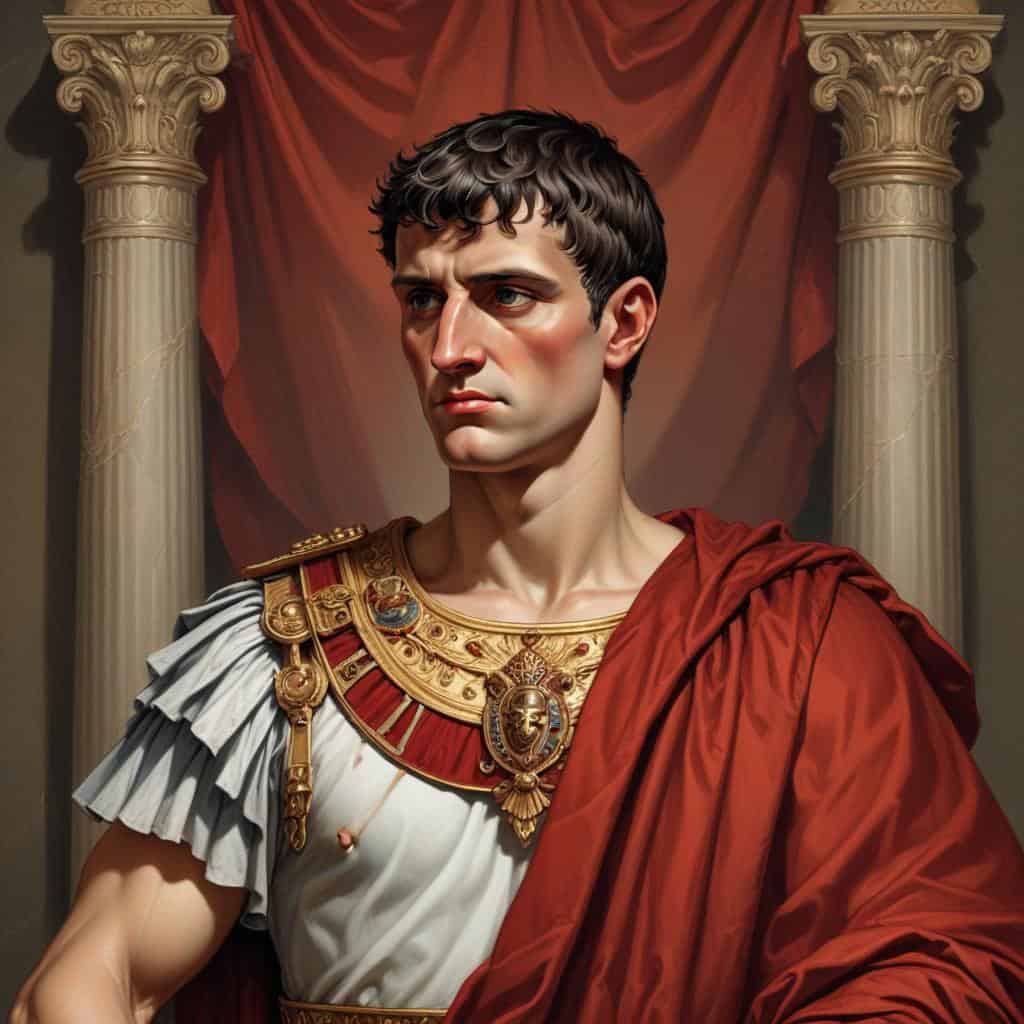
Germanicus
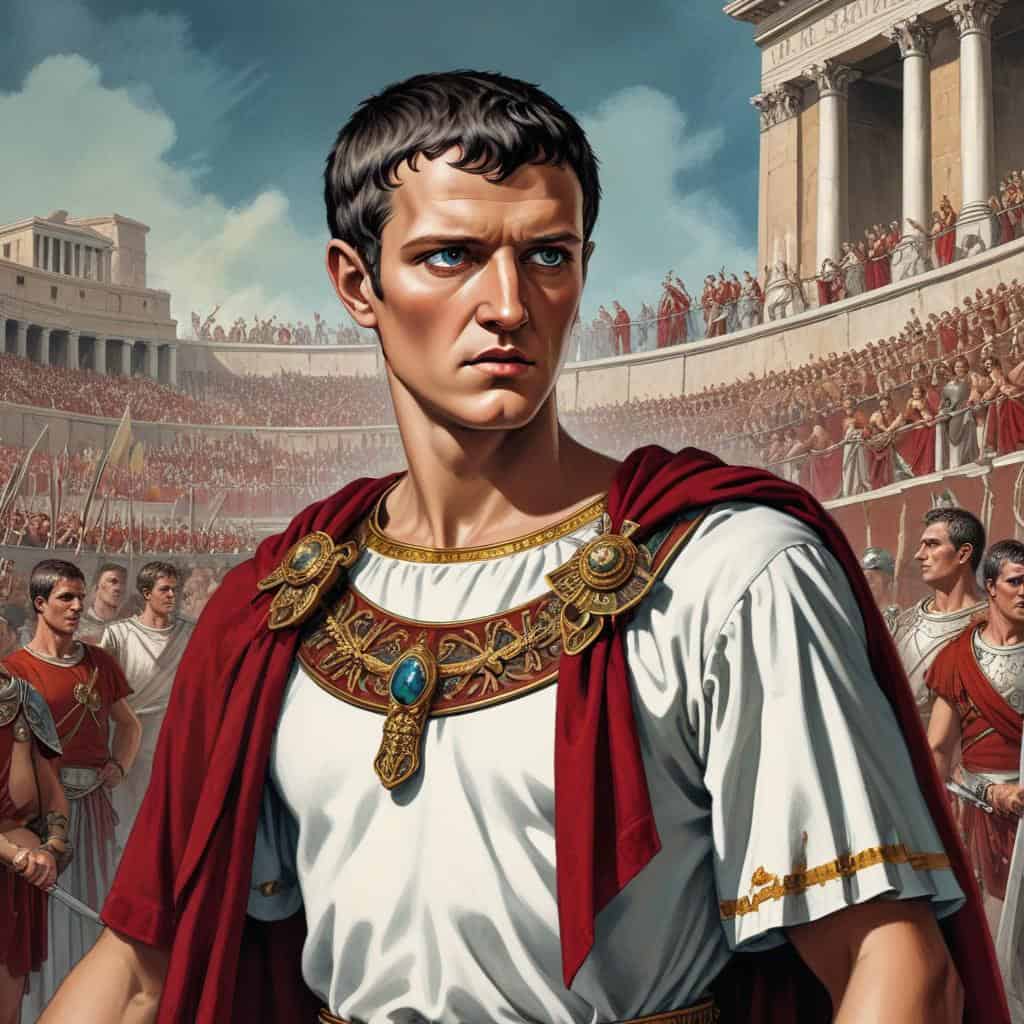
The Rise of Caligula
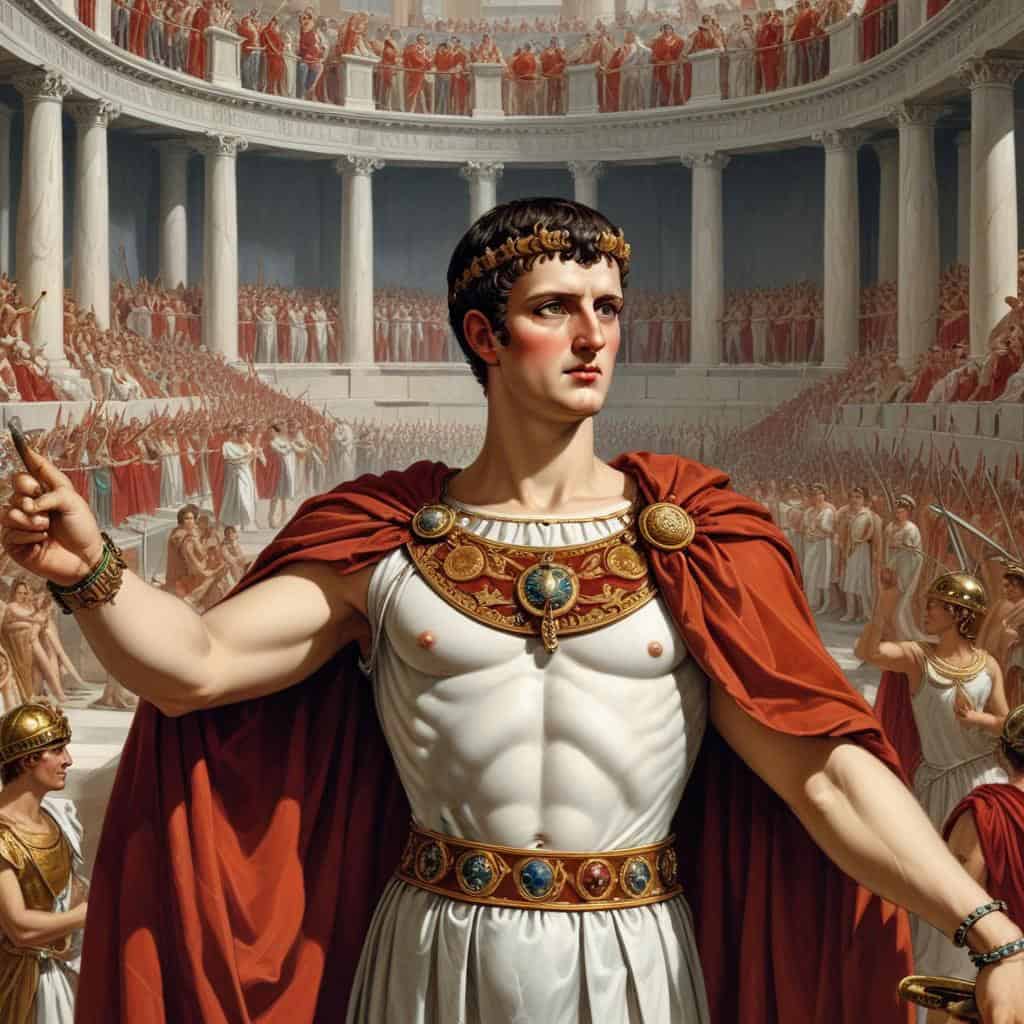
Early Reforms and Popularity
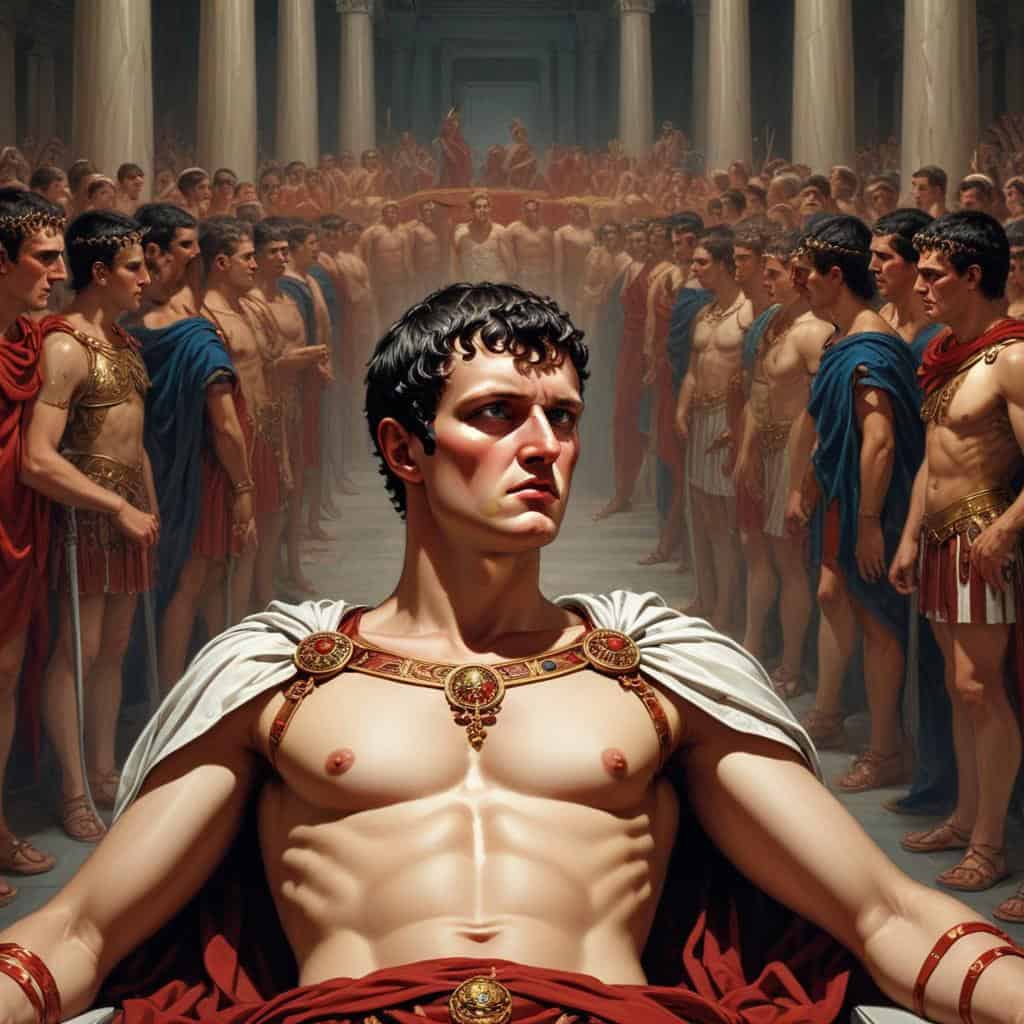
Turning Point: Illness and Transformation
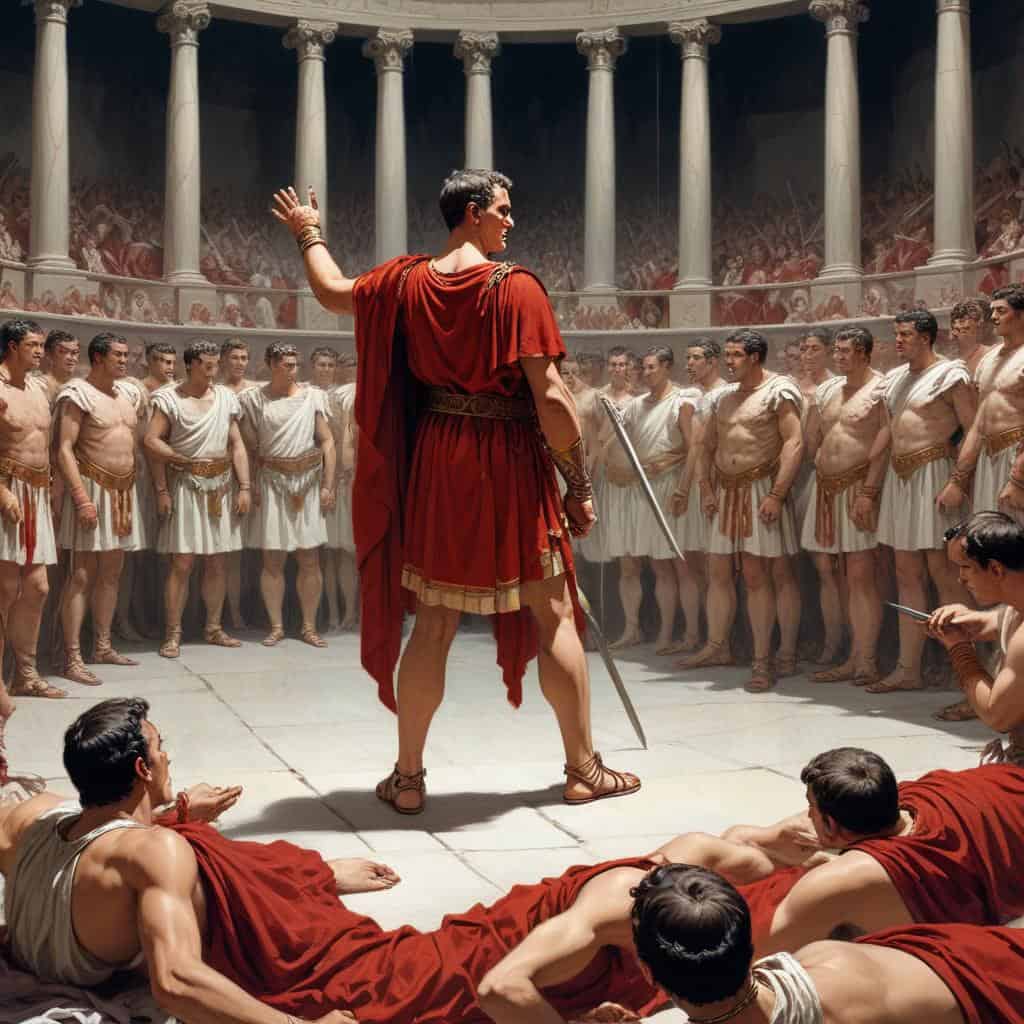
Reign of Terror

Deification and Insanity
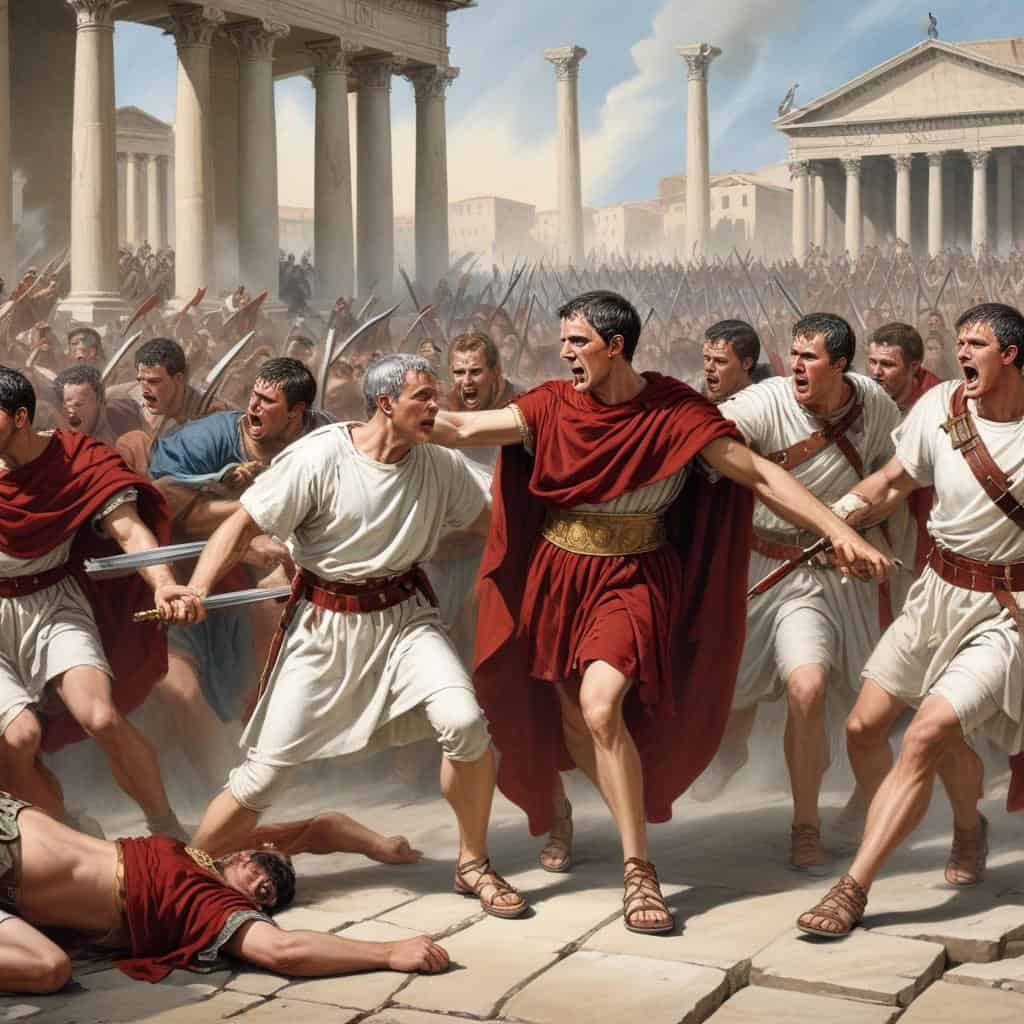
Assassination Plot
Legacy of Caligula
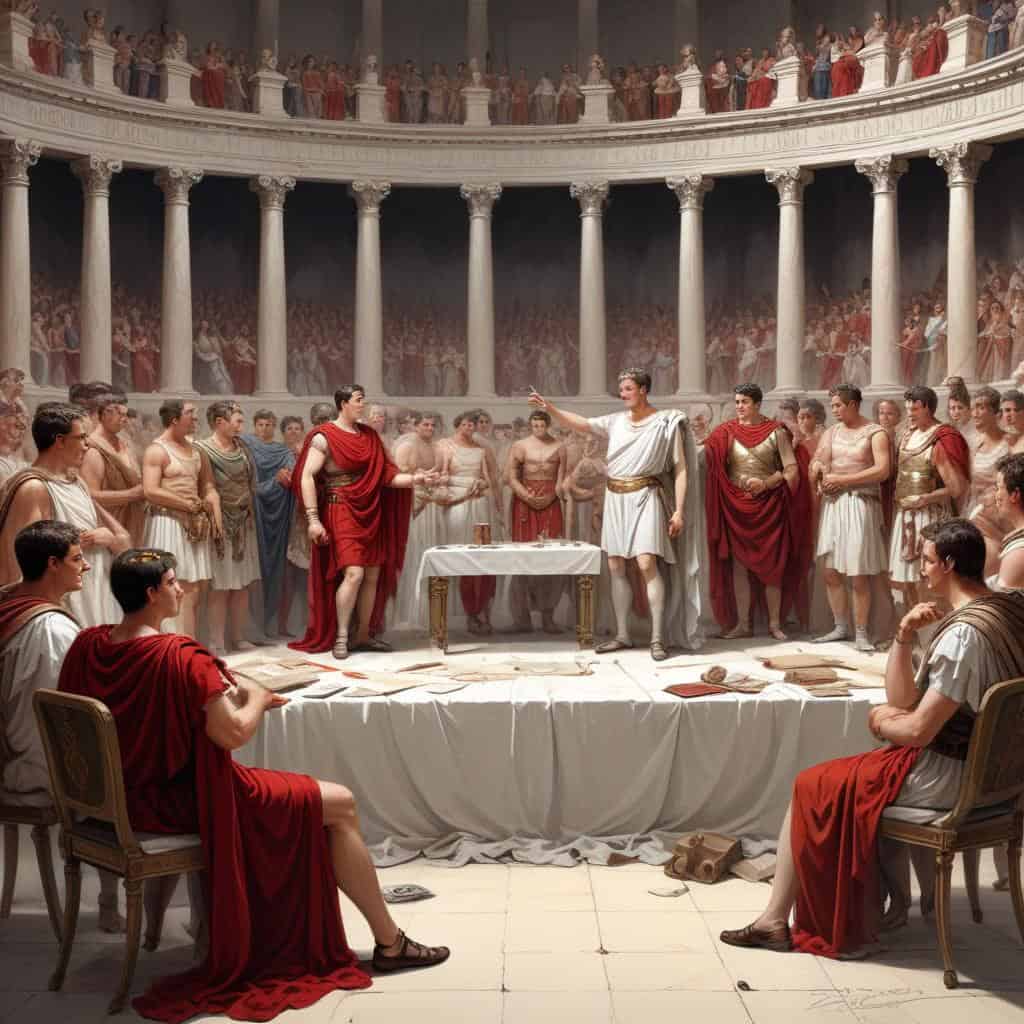
Historical Debate
Enduring Fascination
Lesson Details & Resources
In a Nutshell
- Who: Roman Emperor known as Caligula
- When: Lived: 12 AD – 41 AD
- Known For: Infamous for his cruelty, extravagance, and erratic behavior
- Legacy: His reign is remembered as one of the most tyrannical in Roman history
Timeline of Caligula: A Biography of the Infamous Roman Emperor
Birth of Caligula (Gaius Julius Caesar Augustus Germanicus)
Caligula's father, Germanicus, dies
Caligula's mother, Agrippina the Elder, is exiled
Tiberius becomes emperor of Rome
Caligula is named as joint heir to Tiberius
Tiberius dies and Caligula becomes the third Roman emperor
Caligula restores treason trials and increases imperial power
Caligula orders construction of a bridge across the Bay of Baiae
Caligula's sister, Drusilla, dies
Caligula declares himself a god and demands to be worshipped
Caligula orders the cruel execution of many political opponents
Caligula plans to invade Britain but never carries it out
Caligula builds an extravagant floating palace called the 'Nemi Ships'
Caligula marries his sister, Julia Drusilla
Caligula's behavior becomes increasingly erratic and unpredictable
Caligula orders the assassination of his cousin, Gemellus
Caligula is assassinated by Cassius Chaerea and other conspirators
Caligula's uncle, Claudius, becomes the fourth Roman emperor
Caligula's memory is condemned and his statues are destroyed
Caligula's reign is seen as a period of tyranny and extravagance
Vocabulary List
- Caligula
- Caligula was a Roman emperor who ruled from 37 AD to 41 AD.
- Roman
- Caligula was a Roman emperor, belonging to the Julio-Claudian dynasty.
- Emperor
- Caligula held the title of Roman emperor during his reign.
- Julio-Claudian
- Caligula was a member of the Julio-Claudian dynasty, which also included emperors like Augustus, Tiberius, Claudius, and Nero.
- Dynasty
- The Julio-Claudian dynasty was a line of Roman emperors that descended from Augustus.
- Reign
- Caligula's reign lasted from 37 AD to 41 AD.
- Roman Empire
- Caligula ruled over the Roman Empire during his time as emperor.
- Assassination
- Caligula was assassinated in 41 AD by members of the Praetorian Guard.
- Praetorian Guard
- The Praetorian Guard was an elite military unit tasked with protecting the Roman emperors.
- Madness
- Caligula's reign is often associated with his alleged madness and tyrannical behavior.
Key Facts
This is the information used in the fact matching game
- Caligula was a Roman Emperor who ruled from 37 AD to 41 AD.
- Caligula was born Gaius Julius Caesar Augustus Germanicus in 12 AD.
- Caligula was the third Emperor of the Julio-Claudian dynasty.
- Caligula was known for his cruel and tyrannical rule.
- Caligula declared himself a god and demanded to be worshipped as such.
- Caligula had a tumultuous relationship with the Roman Senate and often clashed with them.
- Caligula had a reputation for extravagant spending and lavish parties.
- Caligula ordered the construction of a floating bridge across the Bay of Baiae for his triumphal procession.
- Caligula had a scandalous relationship with his sister Drusilla, whom he later made his empress.
- Caligula was assassinated by members of the Praetorian Guard in 41 AD.
- After Caligula's death, his uncle Claudius became the next Roman Emperor.
- Caligula was the first Roman Emperor to be assassinated.
- Caligula reportedly made his horse, Incitatus, a consul.
- Caligula was known for his erratic behavior and unpredictable mood swings.
- Caligula had a lavish palace built for himself called the Domus Augustana.
- Caligula was fond of gladiatorial games and often participated in chariot races.
- Caligula was the great-grandson of Augustus, the first Roman Emperor.
- Caligula was only 24 years old when he became Emperor.
- Caligula's reign was marked by political unrest and accusations of treason.
- Caligula's body was buried in a humble tomb after his assassination.
Analysis & Significance
Major Accomplishments
Caligula, the third Roman Emperor, is known for his extravagant spending, cruel tyranny, and erratic behavior during his short reign from 37 AD to 41 AD. He completed several public works projects, including an aqueduct and a lighthouse, but his reign was mostly marked by political turmoil and violence.
Impact on the World
Caligula’s reign had a lasting impact on the Roman Empire, as his actions led to increased tensions between the emperor and the Senate, as well as widespread fear and paranoia among the people. His rule also highlighted the dangers of absolute power and the importance of checks and balances in government.
Enduring Legacy
Today, Caligula is remembered as one of the most notorious and despotic emperors in Roman history. His name has become synonymous with cruelty, excess, and madness. Despite his short reign, Caligula’s legacy serves as a cautionary tale about the dangers of unchecked power and the consequences of a leader’s unchecked ego.
Caligula: A Biography of the Infamous Roman Emperor Games


Take Your Learning Offline
Want a convenient, print-ready study guide for this lesson? Become a Memory Wizards Pro member to unlock the downloadable " Memory Scrolls" for this topic and our entire library!
- ✓ Complete Vocabulary Lists
- ✓ Key Facts & Timelines
- ✓ Beautifully Formatted for Print & Mobile