
Aurelian: The Emperor’s Biography
The visionary Roman Emperor who restored the Empire and conquered the barbarian invasions.
How Do You Learn Best?
Learn by Reading
Immerse yourself in the 10-minute visual lesson for a comprehensive understanding of the topic.
Learn by Reviewing
Jump directly to the key facts, timeline, and vocabulary lists to build a solid foundation of details.
Learn by Doing
Challenge yourself! Jump straight into the interactive games to learn by trial, error, and discovery.
Aurelian: The Emperor’s Biography in 10 Minutes
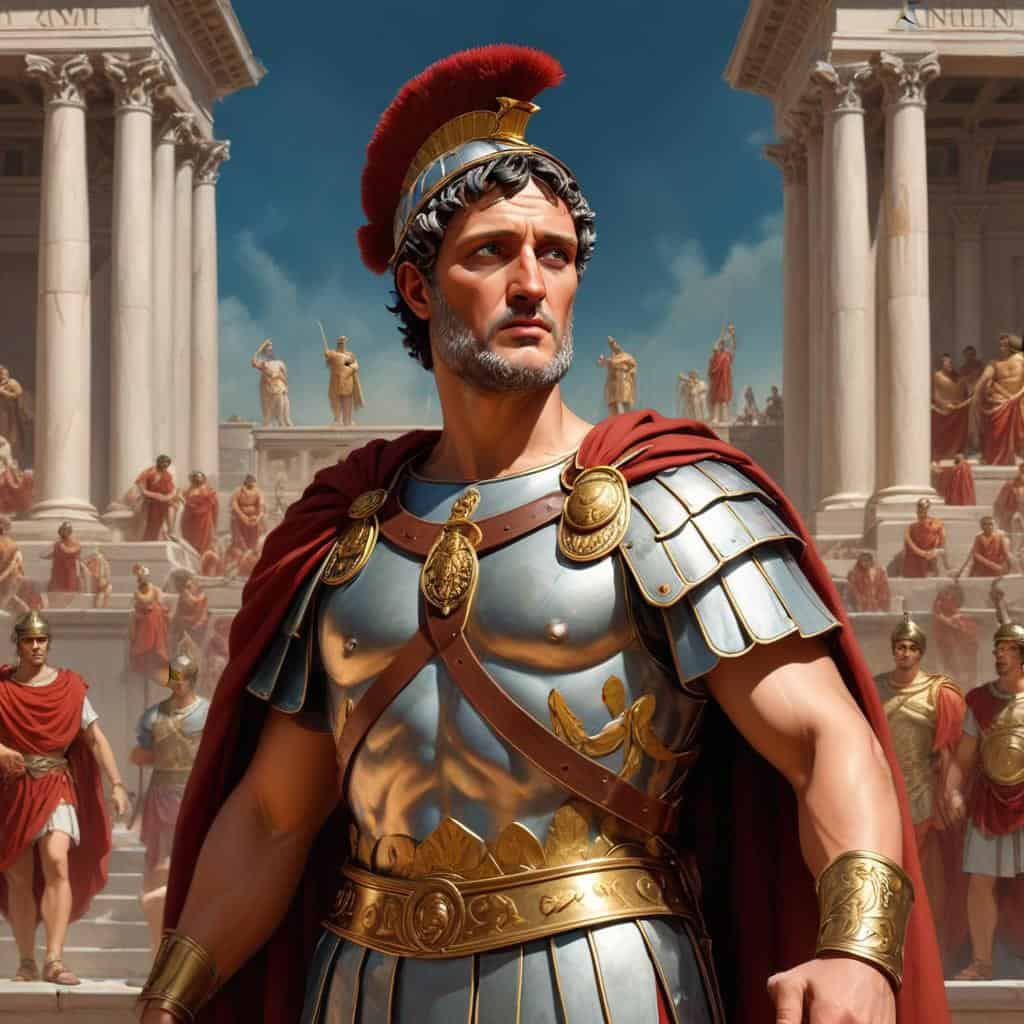
Introduction
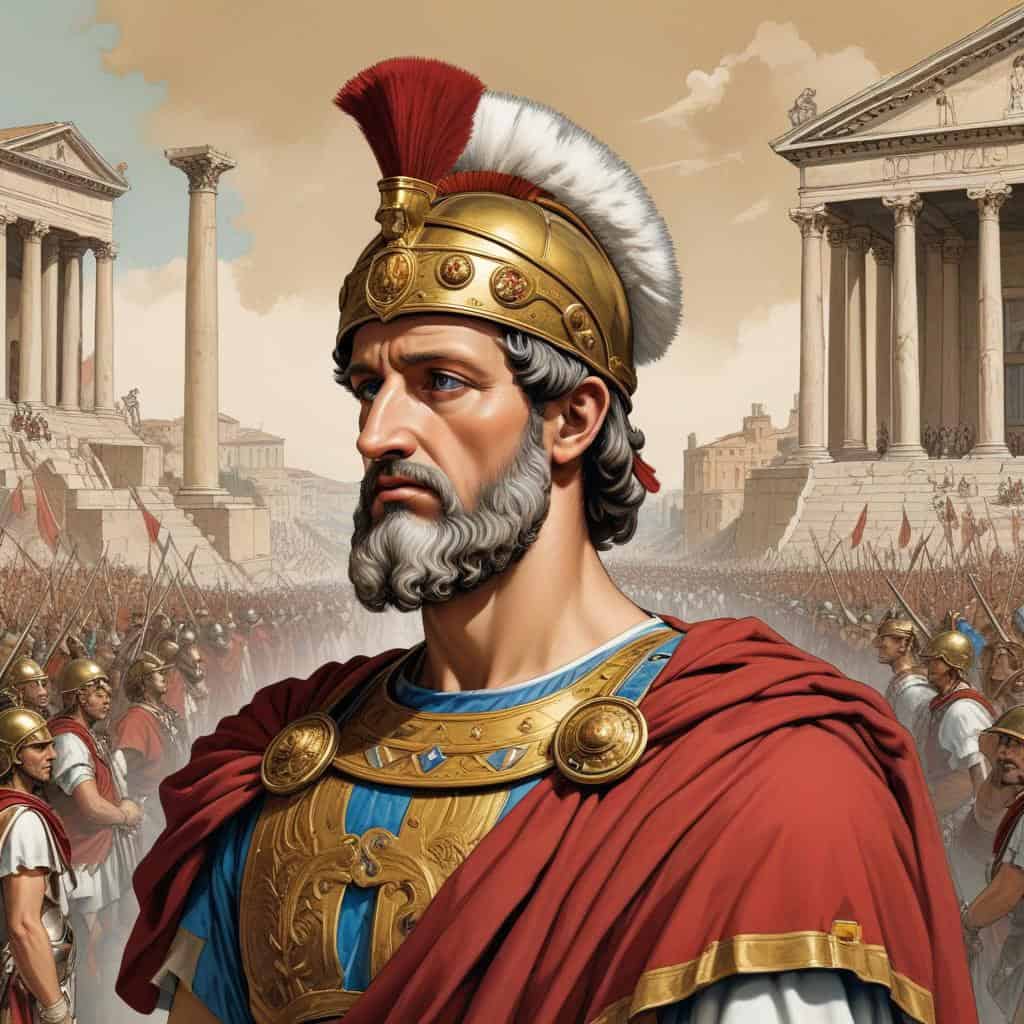
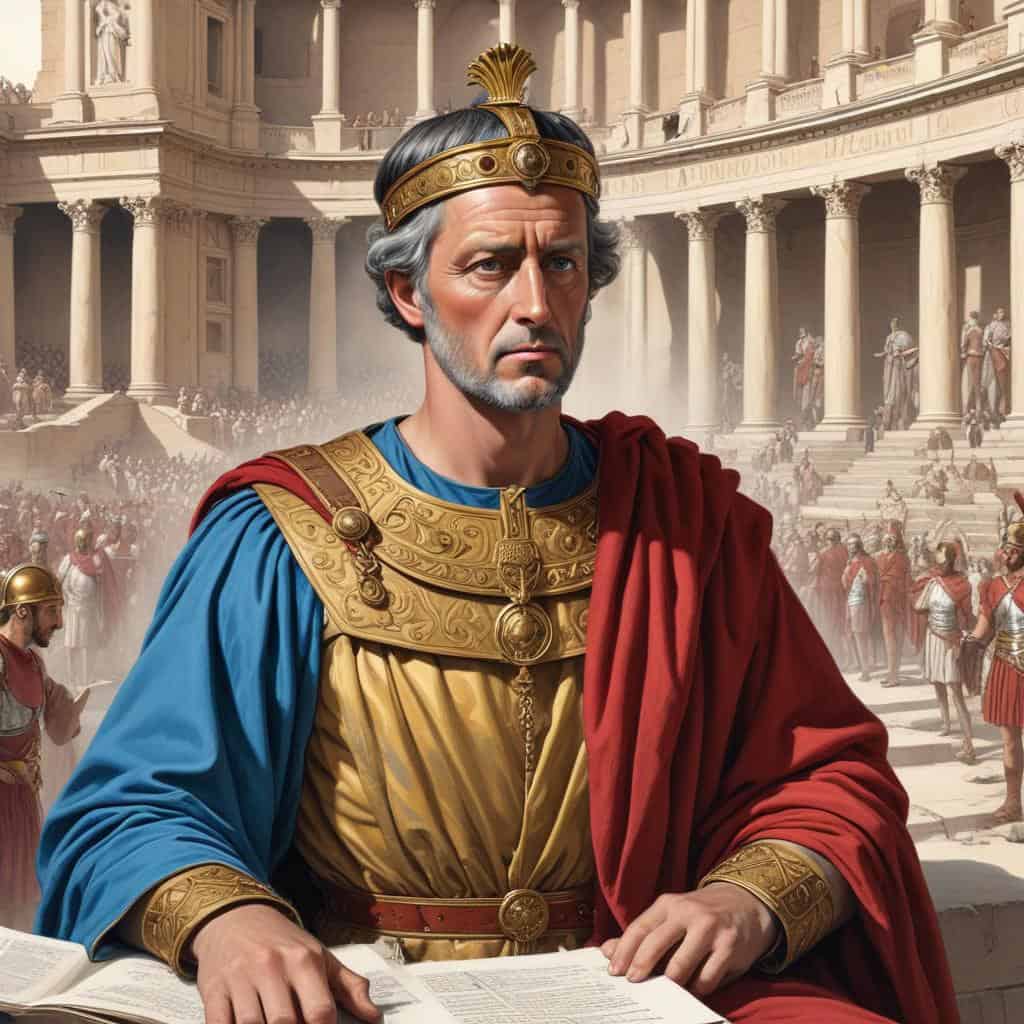
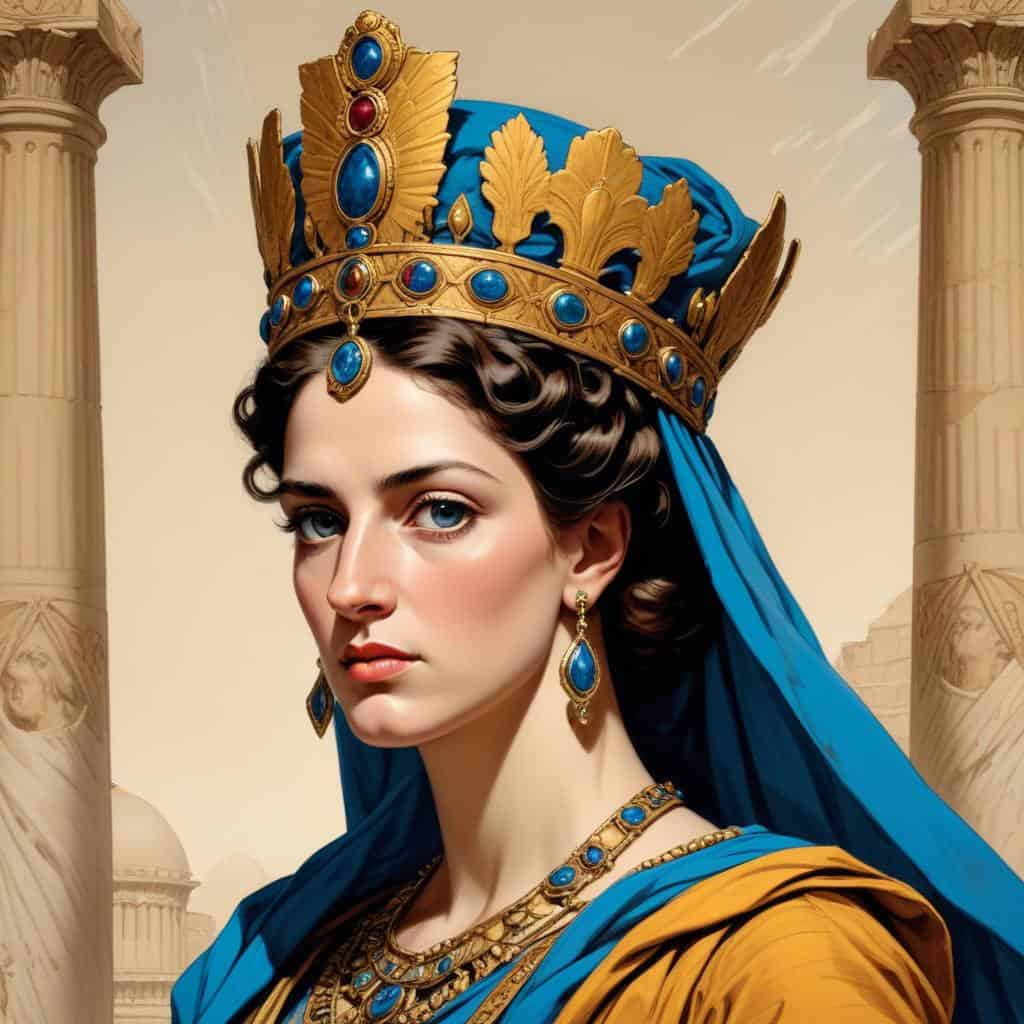
Julia Aurelia Zenobia
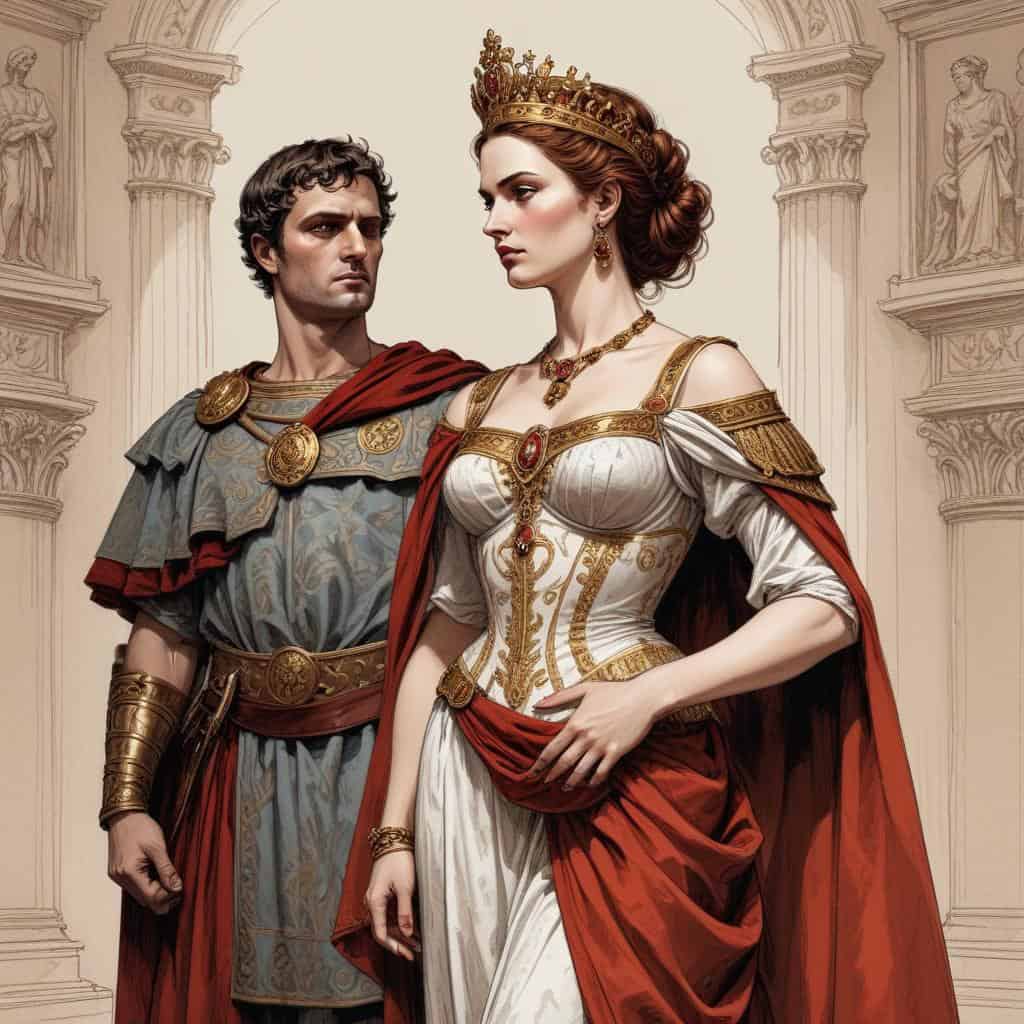
Severina
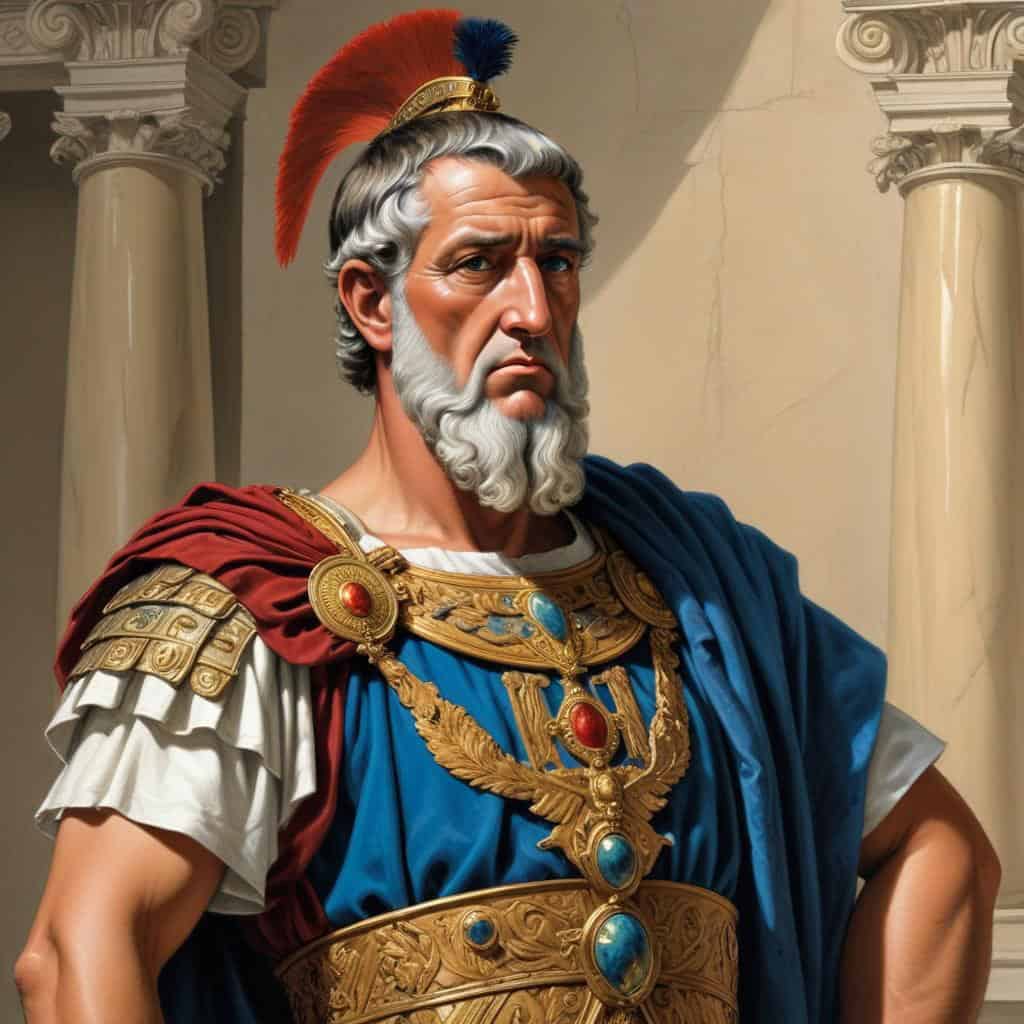
Quintillus
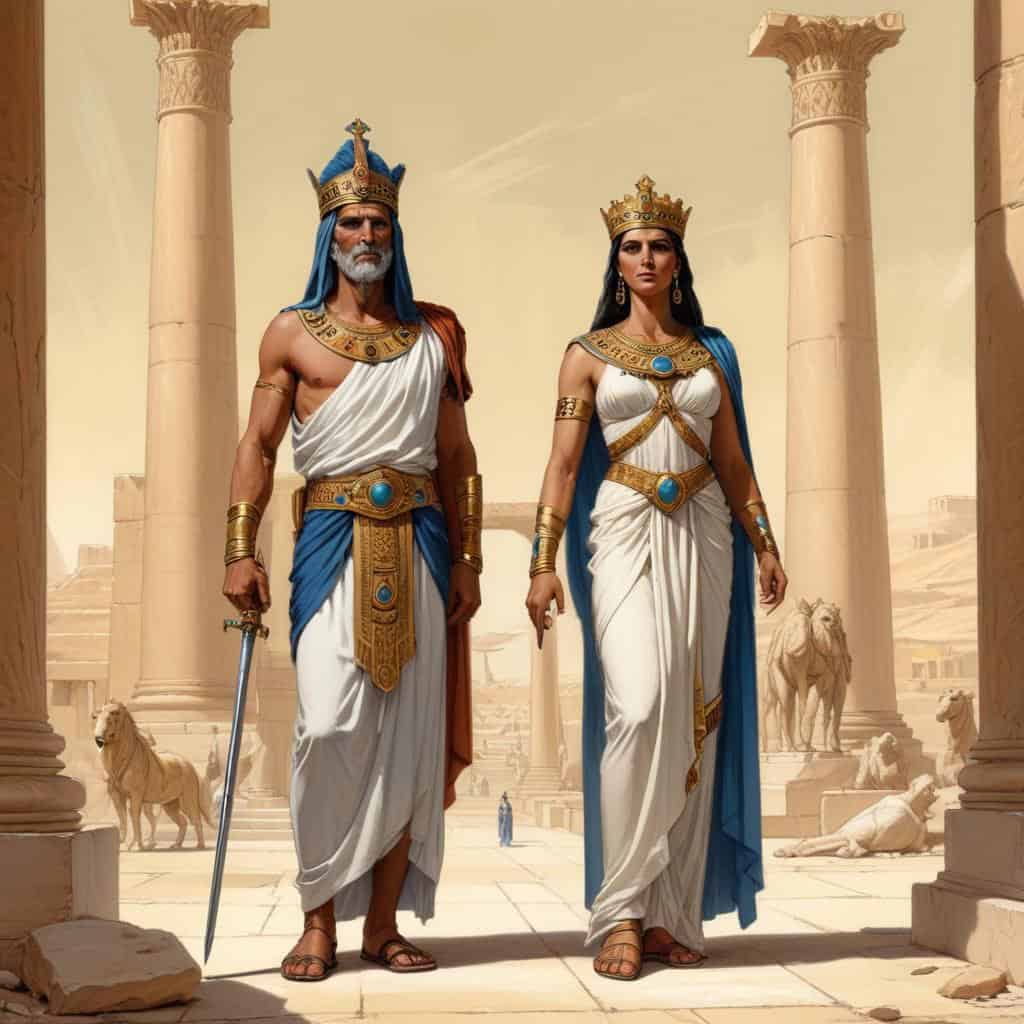
Vabalathus
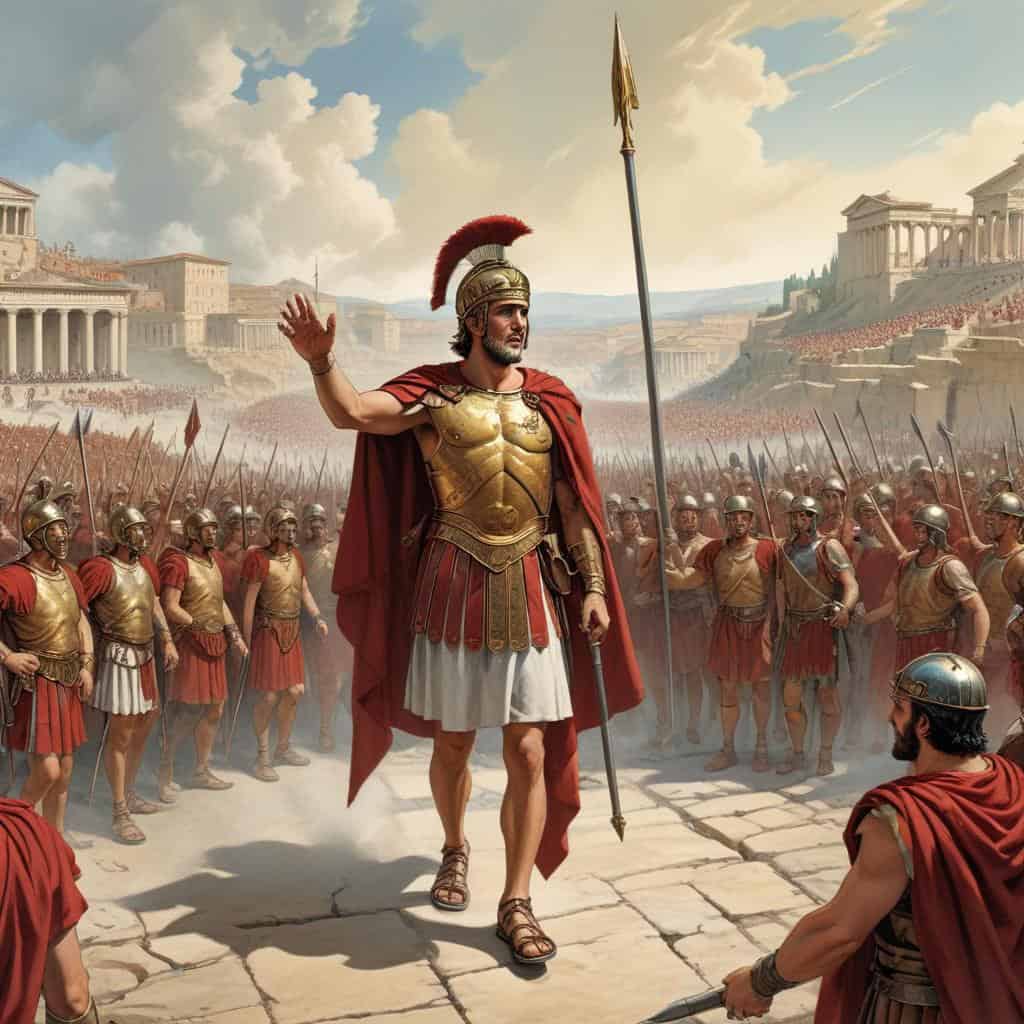
The Rise of Aurelian
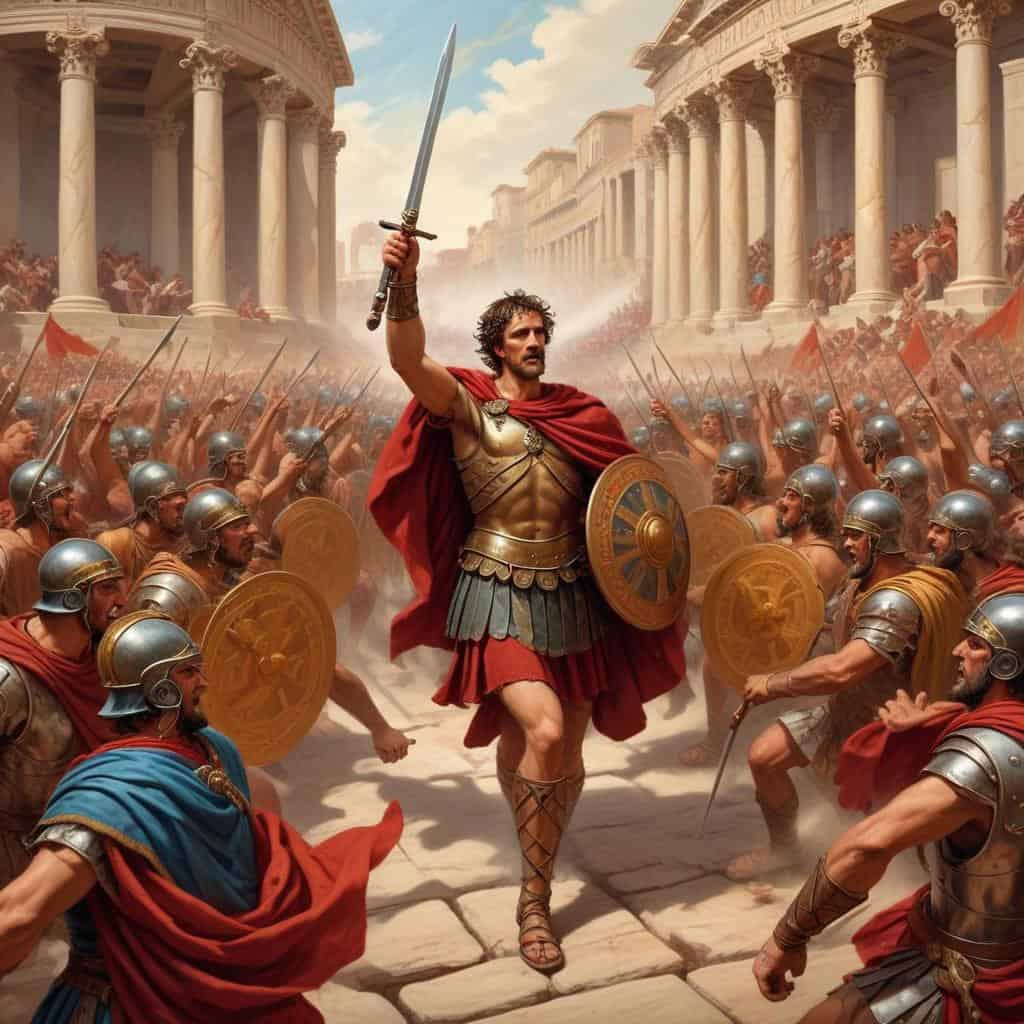
Reuniting the Empire
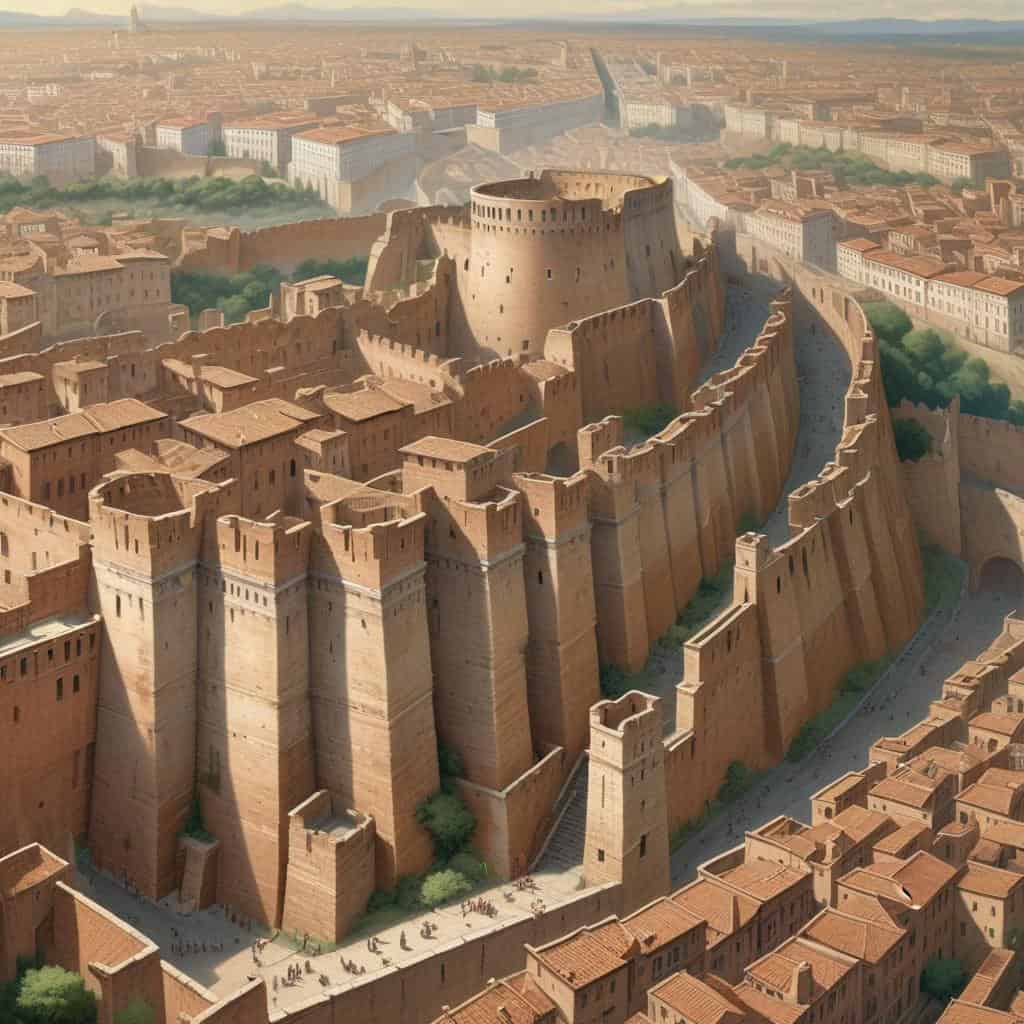
The Walls of Aurelian
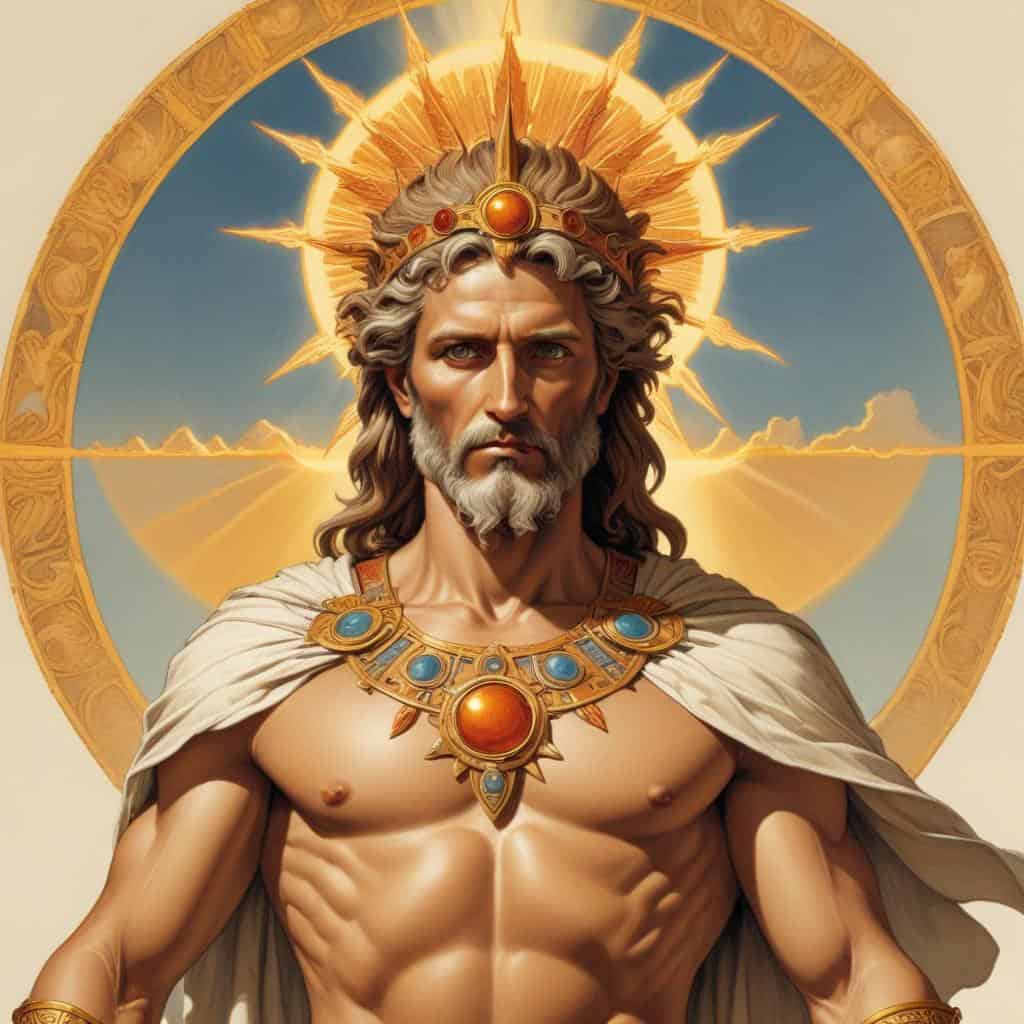
The Sun God
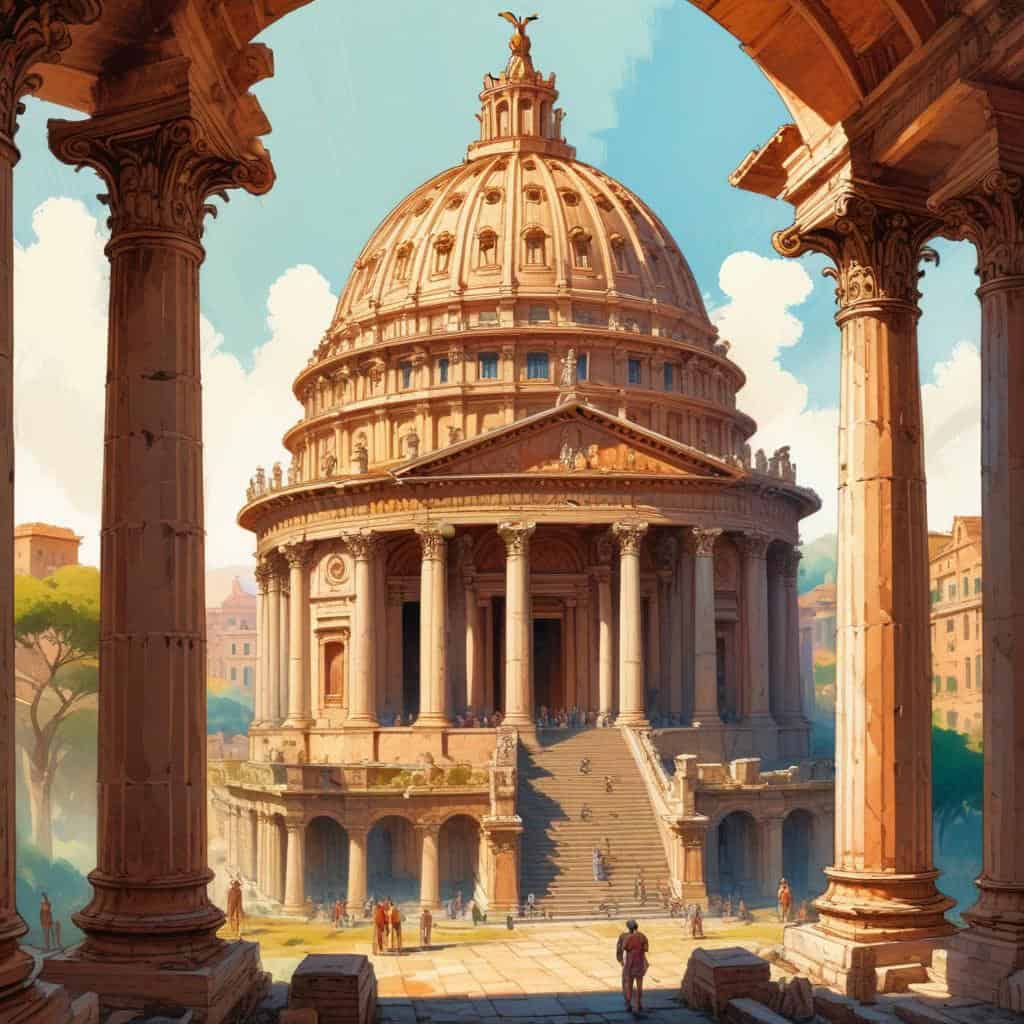
The Temple of the Sun
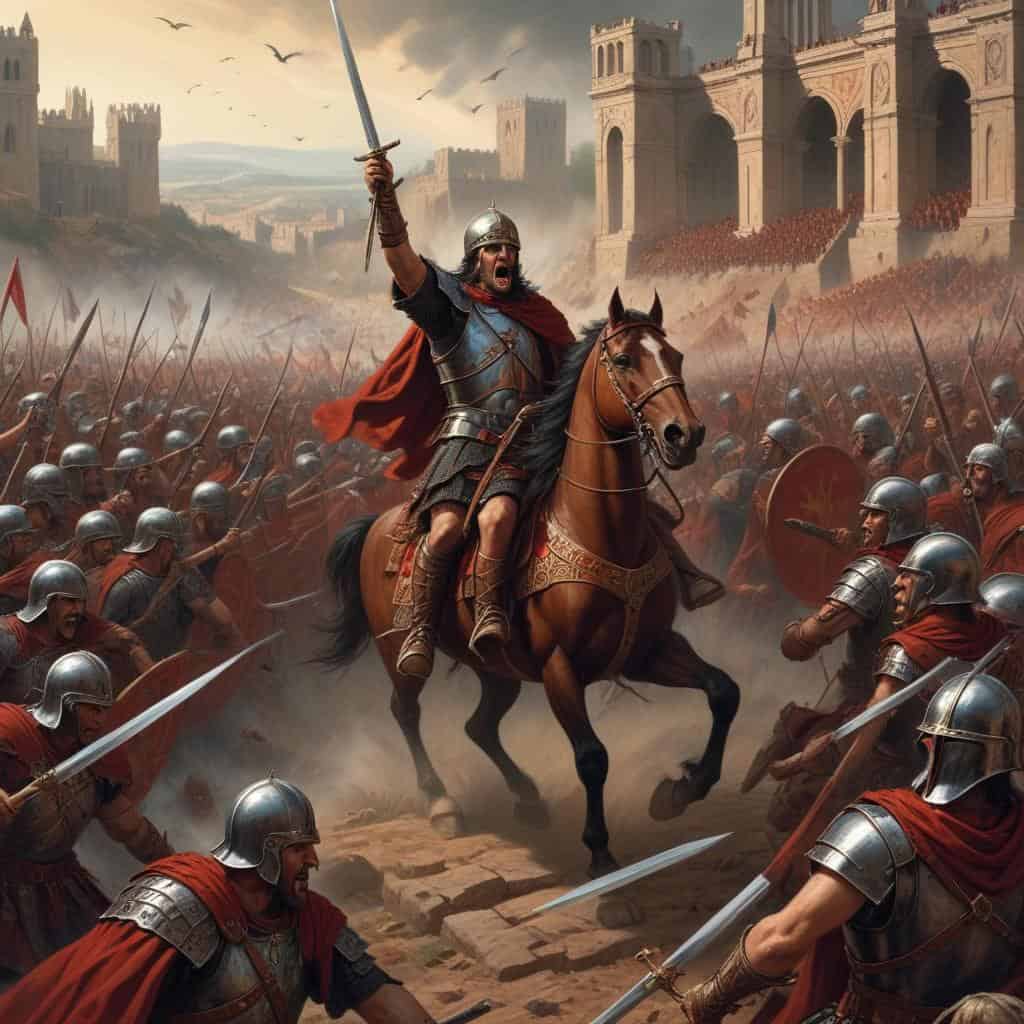
The Gothic War
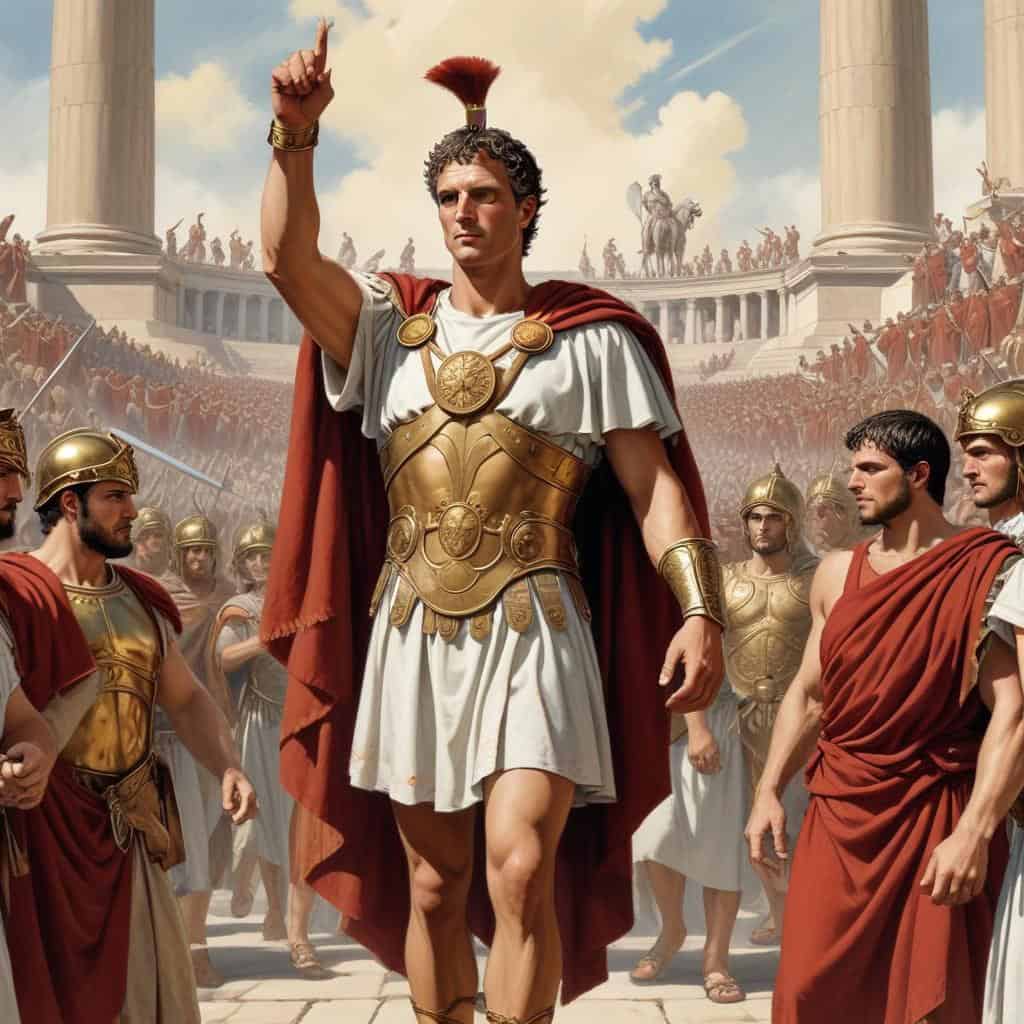
The Zenith of Power
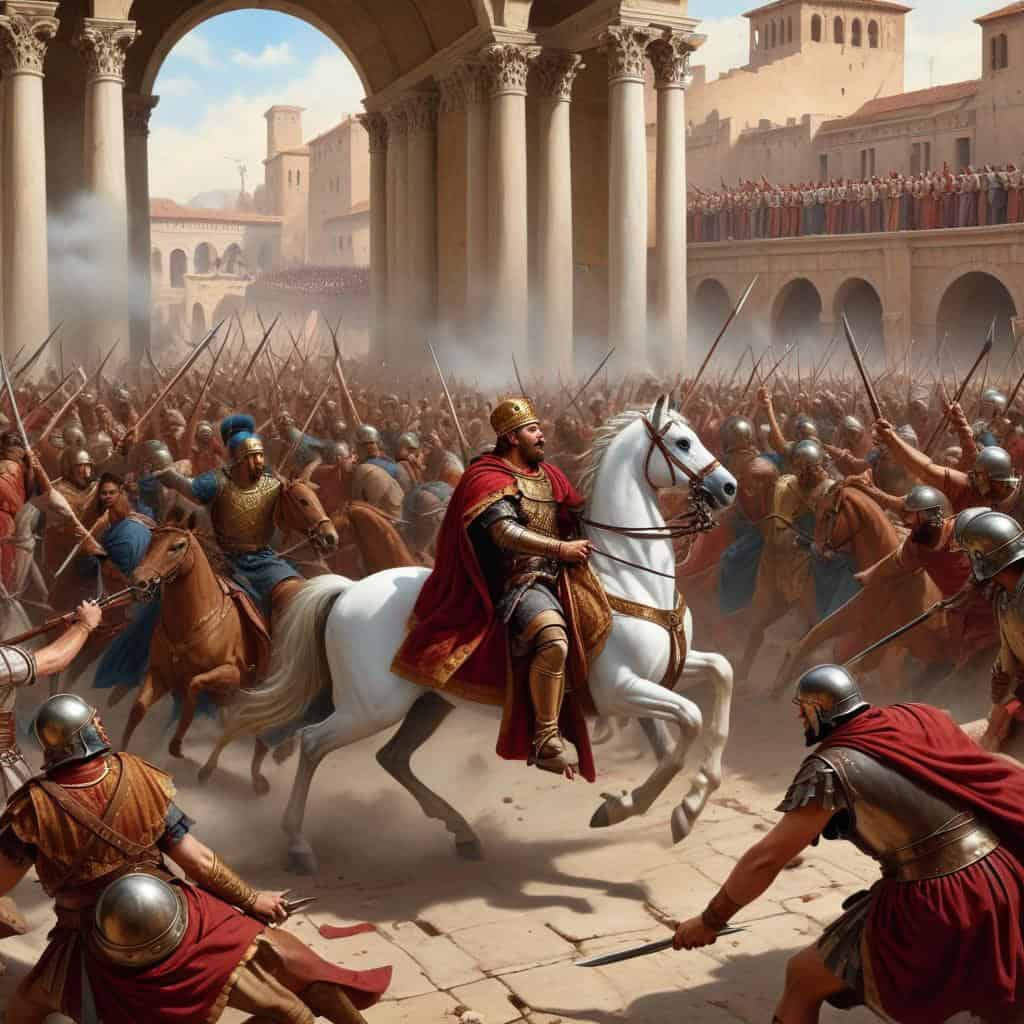
The Assassination
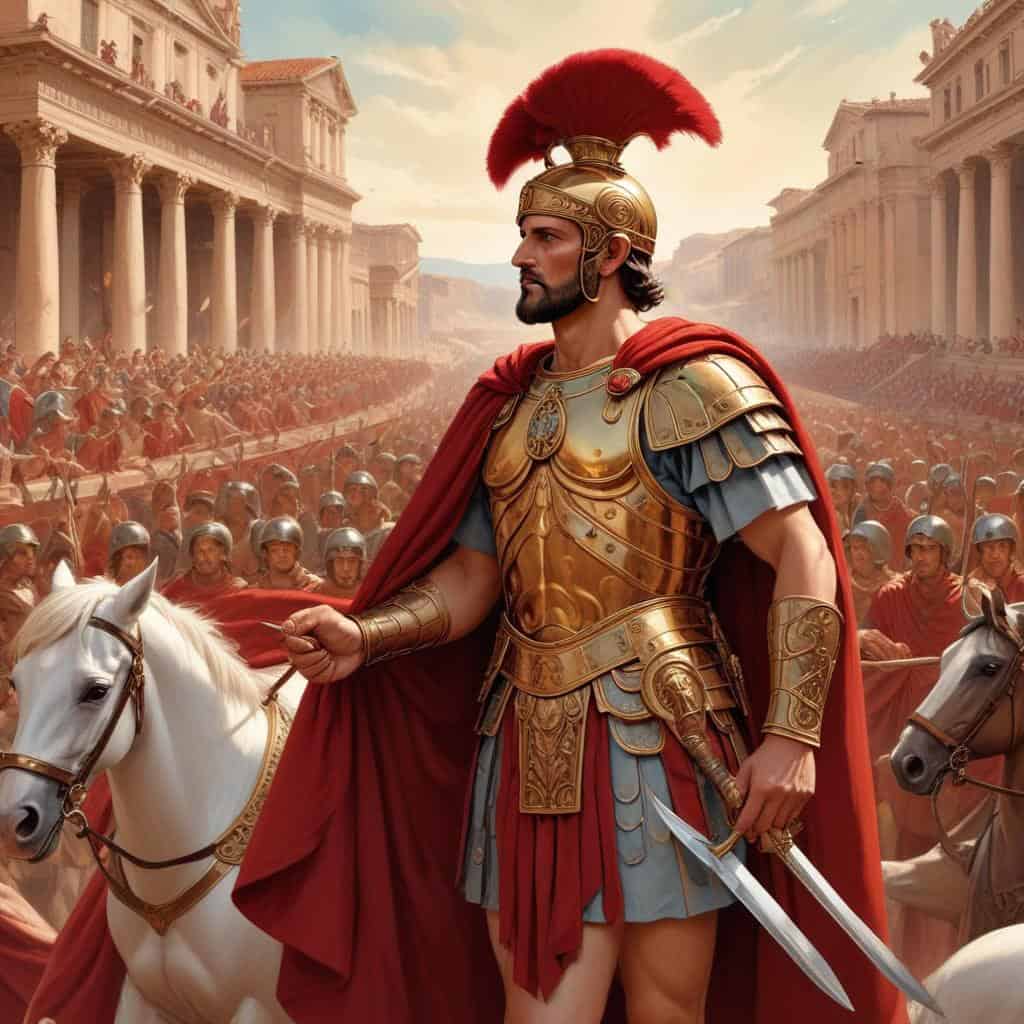
The Legacy of Aurelian
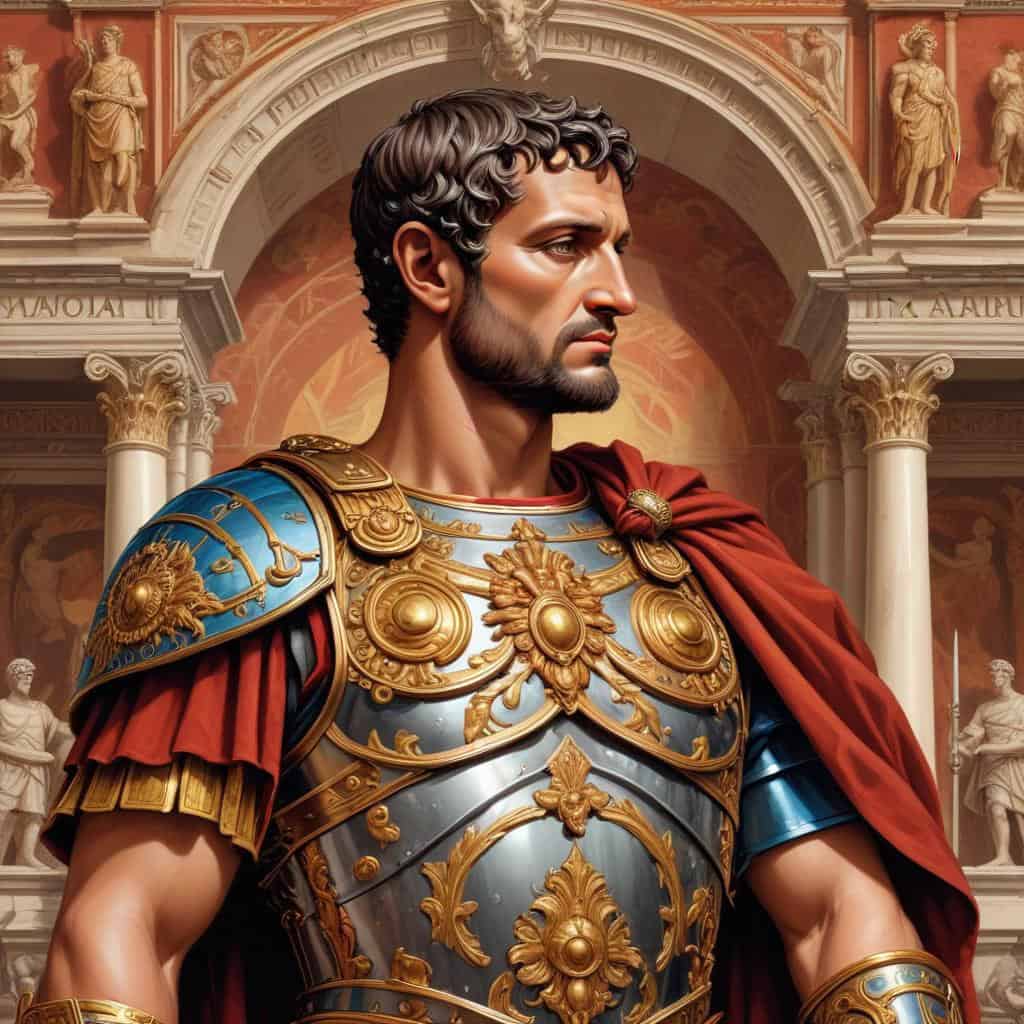
Remembering Aurelian
Lesson Details & Resources
In a Nutshell
- Who: Roman Emperor
- When: Lived: 214 – 275 AD
- Known For: Restoring the Roman Empire's borders and defeating the Palmyrene Empire and the Gallic Empire
- Legacy: Establishing a stable and unified Roman Empire for a short period after a period of crisis
Timeline of Aurelian: The Emperor’s Biography
Aurelian becomes Roman Emperor
Defeats the Alamanni at Placentia
Defeats the Vandals in Moesia
Recaptures the city of Palmyra from Zenobia
Defeats the Palmyrene Empire at the Battle of Emesa
Recaptures the city of Tyana from the Gallic Empire
Defeats the Gallic Empire at the Battle of Châlons
Secures the Danube frontier against invasions
Begins construction of the Aurelian Walls around Rome
Reforms the coinage system of the Roman Empire
Establishes the cult of Sol Invictus as the official religion of the empire
Assassinates by his own officers
Vocabulary List
- Aurelian
- Aurelian was a Roman Emperor who ruled from 270 to 275 AD.
- Palmyrene
- Aurelian defeated the Palmyrene Empire and brought it back under Roman control.
- Reunification
- Aurelian is known for his efforts in reunifying the Roman Empire after a period of division.
- Siege
- Aurelian conducted several successful sieges during his reign to expand the Roman Empire.
- Military campaigns
- Aurelian led numerous military campaigns to defend the Roman Empire and expand its borders.
- Reforms
- Aurelian implemented several administrative and military reforms during his rule.
- Coinage
- Aurelian issued new coinage to help stabilize the economy of the Roman Empire.
- Defender
- Aurelian is often remembered as a defender of the Roman Empire against external threats.
Key Facts
This is the information used in the fact matching game
- Aurelian was a Roman emperor who reigned from 270 to 275 AD.
- He was born in 214 AD in the province of Moesia (modern-day Serbia).
- Aurelian is known for his military victories and for reuniting the Roman Empire after a period of fragmentation.
- He was a skilled military commander and was responsible for defeating the Gallic Empire in 274 AD.
- Aurelian also defeated the Palmyrene Empire in 272 AD, bringing Syria and Egypt back under Roman control.
- During his reign, Aurelian built a massive wall around Rome known as the Aurelian Walls to protect the city from invasions.
- He was known for his strict military discipline and for his efforts to reform the Roman army.
- Aurelian was also responsible for introducing a new coin denomination, the aureus, to help stabilize the Roman economy.
- He was a devoted follower of the sun god Sol Invictus and was responsible for promoting the cult of Sol throughout the empire.
- Aurelian was assassinated in 275 AD by members of his own army who were unhappy with his reforms and policies.
- After his death, Aurelian was deified by the Roman Senate and was honored as a hero and a savior of the Roman Empire.
- His reign is considered a turning point in Roman history, marking the beginning of the Crisis of the Third Century.
- Aurelian was known for his humility and frugality, often dressing in plain clothing and eating simple meals.
- He was married to Ulpia Severina, who was likely of noble descent.
- Aurelian was the first Roman emperor to come from the Danube frontier, breaking the tradition of Italian-born emperors.
- He was known for his energy and determination, often working long hours and personally leading his troops in battle.
- Aurelian was a skilled diplomat and was able to secure alliances with neighboring tribes and kingdoms to strengthen the Roman Empire.
- He was responsible for rebuilding many of the cities and infrastructure that had been destroyed during the Crisis of the Third Century.
- Aurelian was posthumously honored as one of the 'Five Good Emperors' by later historians for his contributions to the empire.
- His legacy as a military leader and reformer is still celebrated by historians today.
Analysis & Significance
Major Accomplishments
Aurelian was a master of memory techniques, able to memorize vast amounts of information with ease. He developed innovative mnemonic devices and strategies that revolutionized the way people approached memory training.
Impact on the World
Aurelian’s work had a profound impact on education and scholarship, as his memory techniques were widely adopted and taught. His methods improved learning efficiency and retention, leading to advancements in various fields of study.
Enduring Legacy
Today, Aurelian is remembered as one of the greatest Memory Wizards of all time. His legacy lives on in the memory training techniques that are still used today, and his influence can be seen in modern education practices that emphasize the importance of memory and cognitive skills.
Aurelian: The Emperor’s Biography Games


Take Your Learning Offline
Want a convenient, print-ready study guide for this lesson? Become a Memory Wizards Pro member to unlock the downloadable " Memory Scrolls" for this topic and our entire library!
- ✓ Complete Vocabulary Lists
- ✓ Key Facts & Timelines
- ✓ Beautifully Formatted for Print & Mobile