
Augustus: The Life of Rome’s First Emperor
The visionary ruler who transformed Rome and laid the foundations of an empire.
How Do You Learn Best?
Learn by Reading
Immerse yourself in the 10-minute visual lesson for a comprehensive understanding of the topic.
Learn by Reviewing
Jump directly to the key facts, timeline, and vocabulary lists to build a solid foundation of details.
Learn by Doing
Challenge yourself! Jump straight into the interactive games to learn by trial, error, and discovery.
Augustus: The Life of Rome’s First Emperor in 10 Minutes
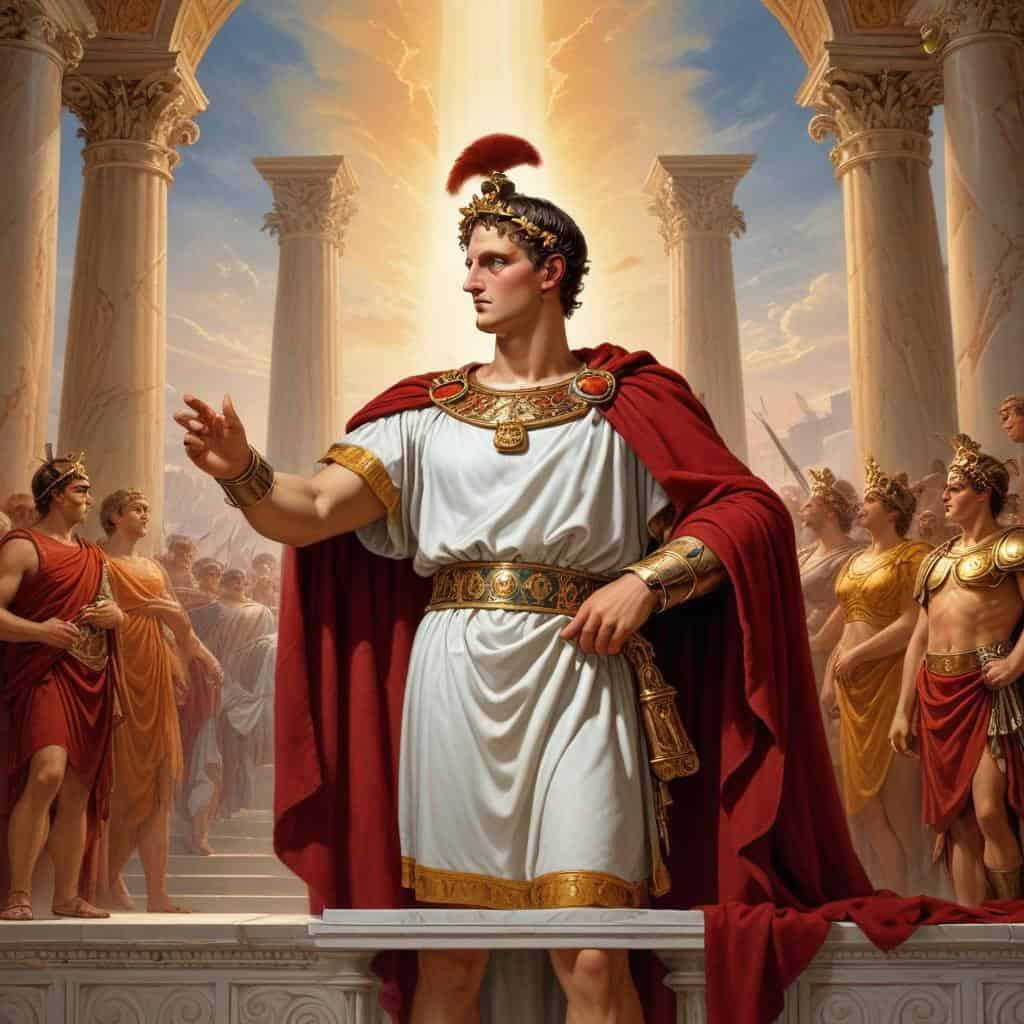
Introduction
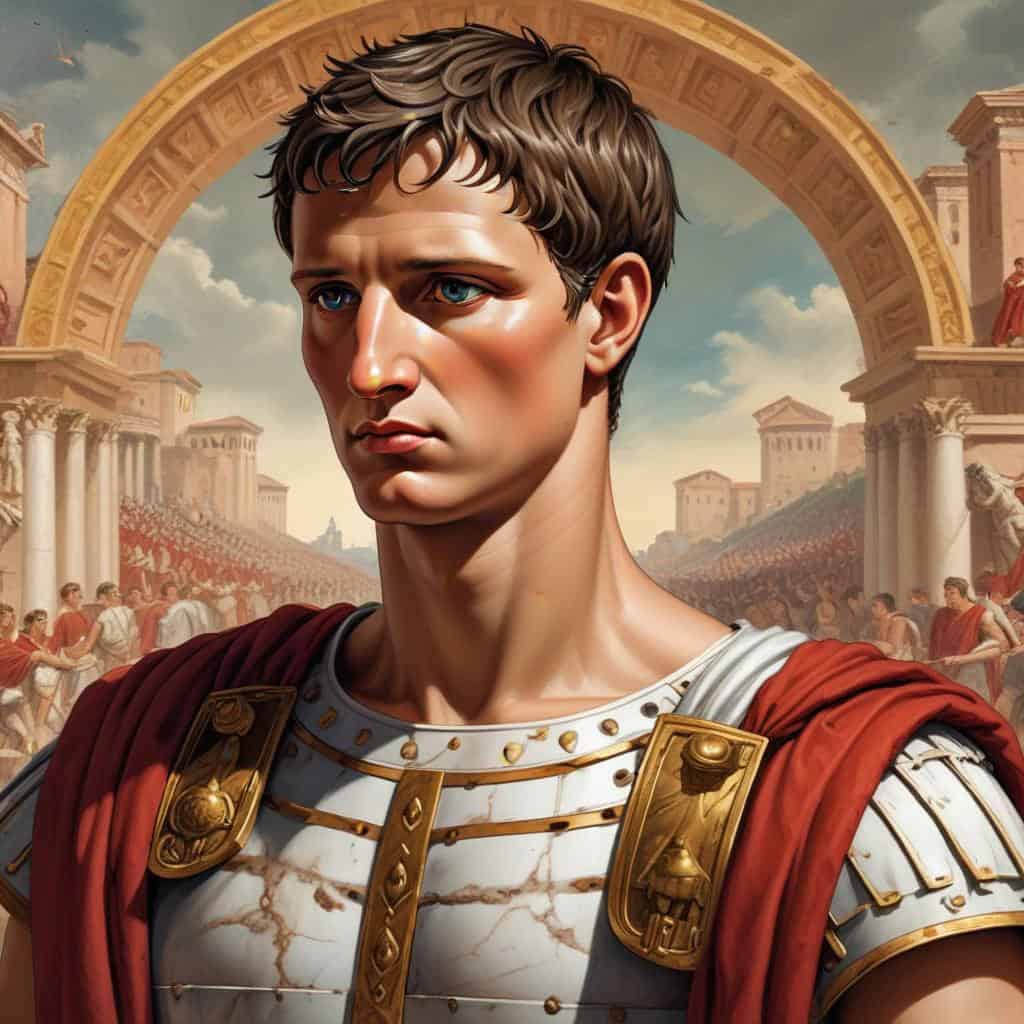
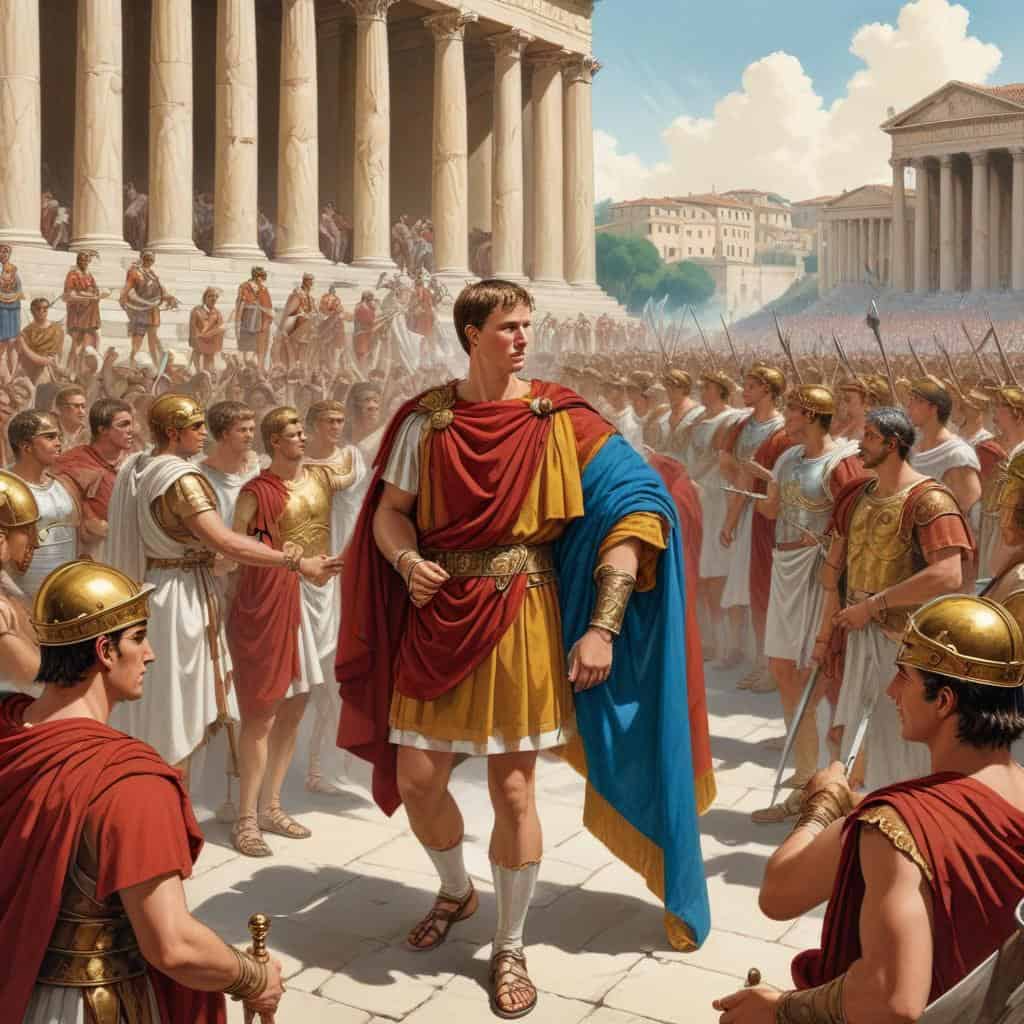
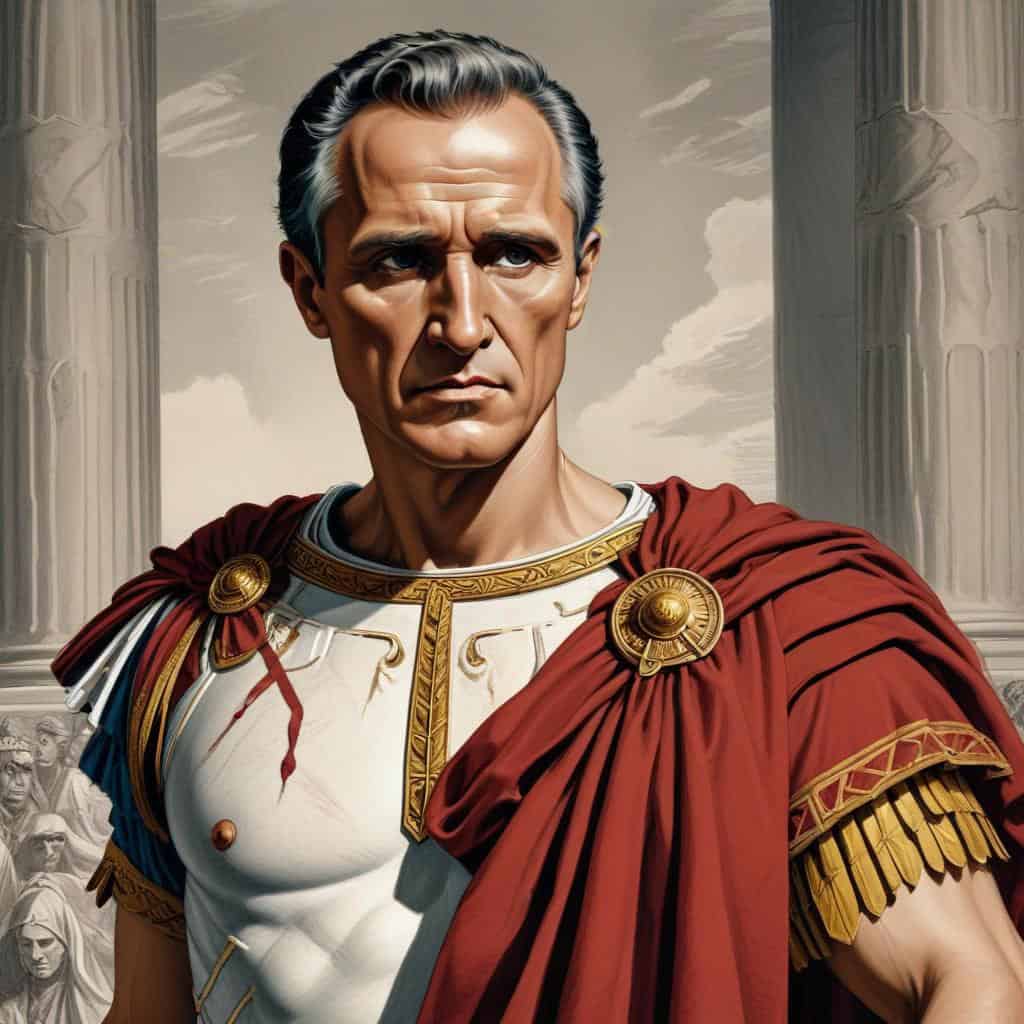
Julius Caesar
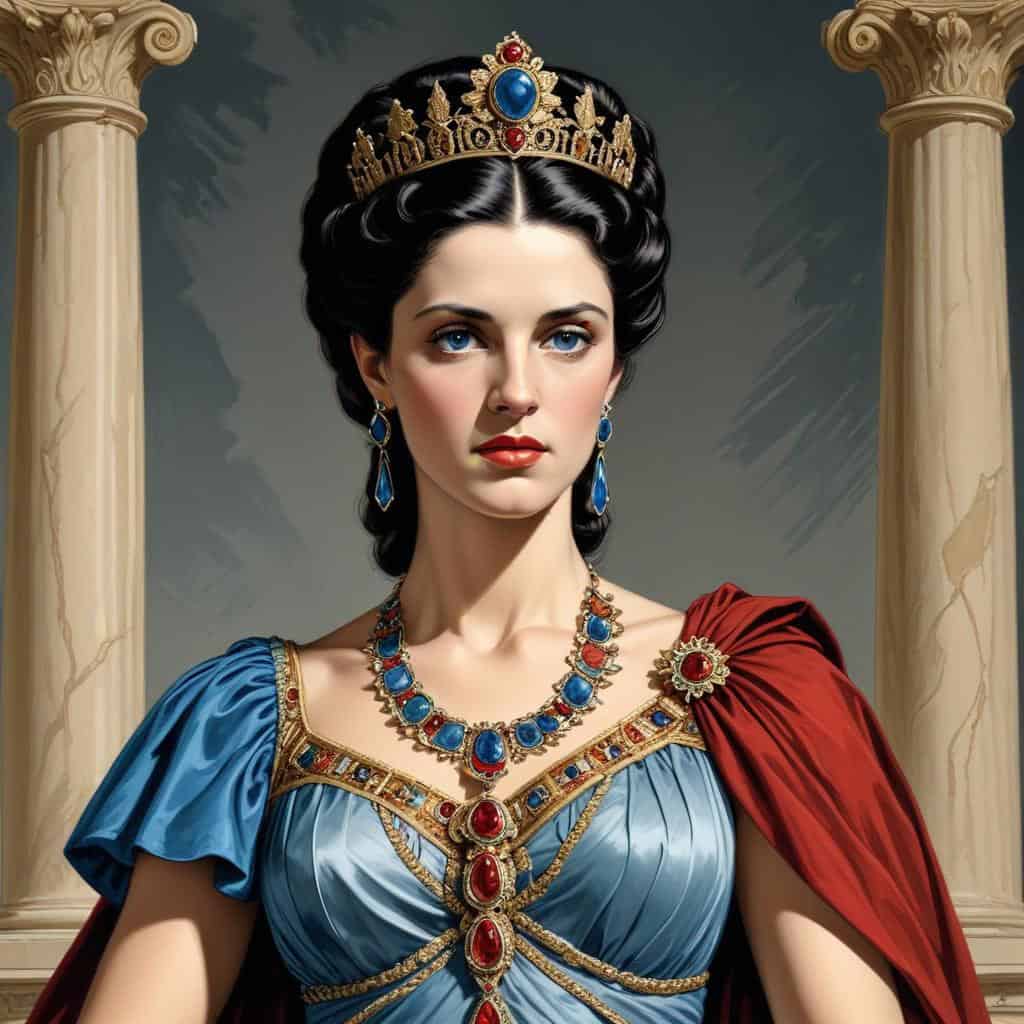
Livia Drusilla
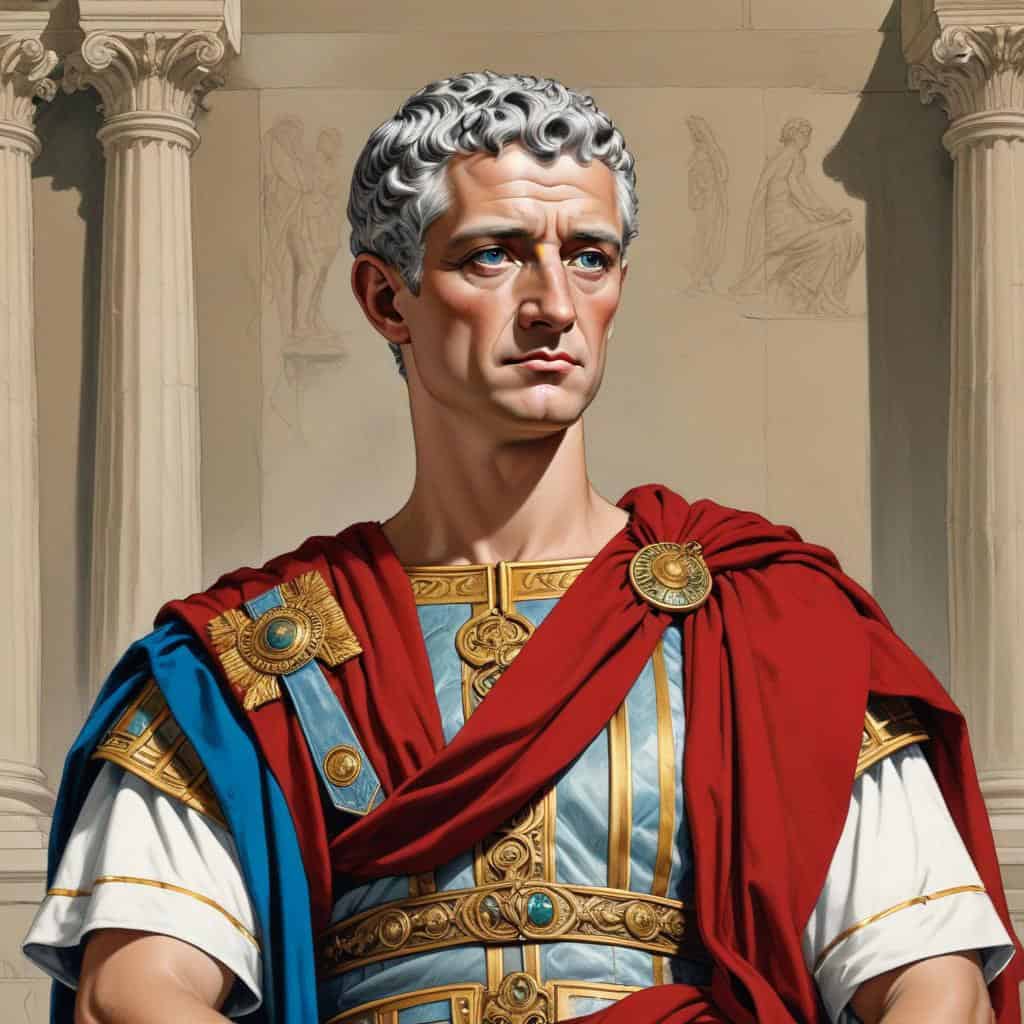
Tiberius

Julia the Elder

Rise to Power
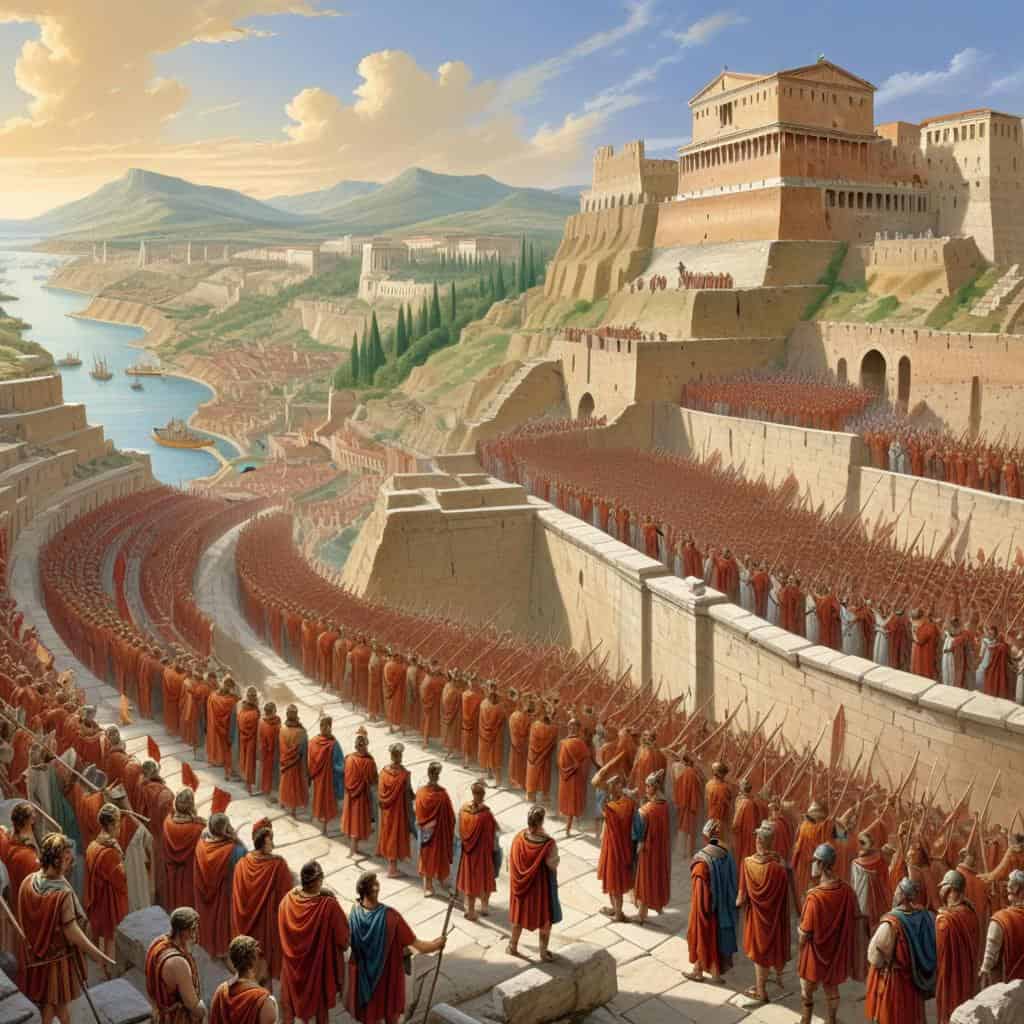
Reforms and Achievements
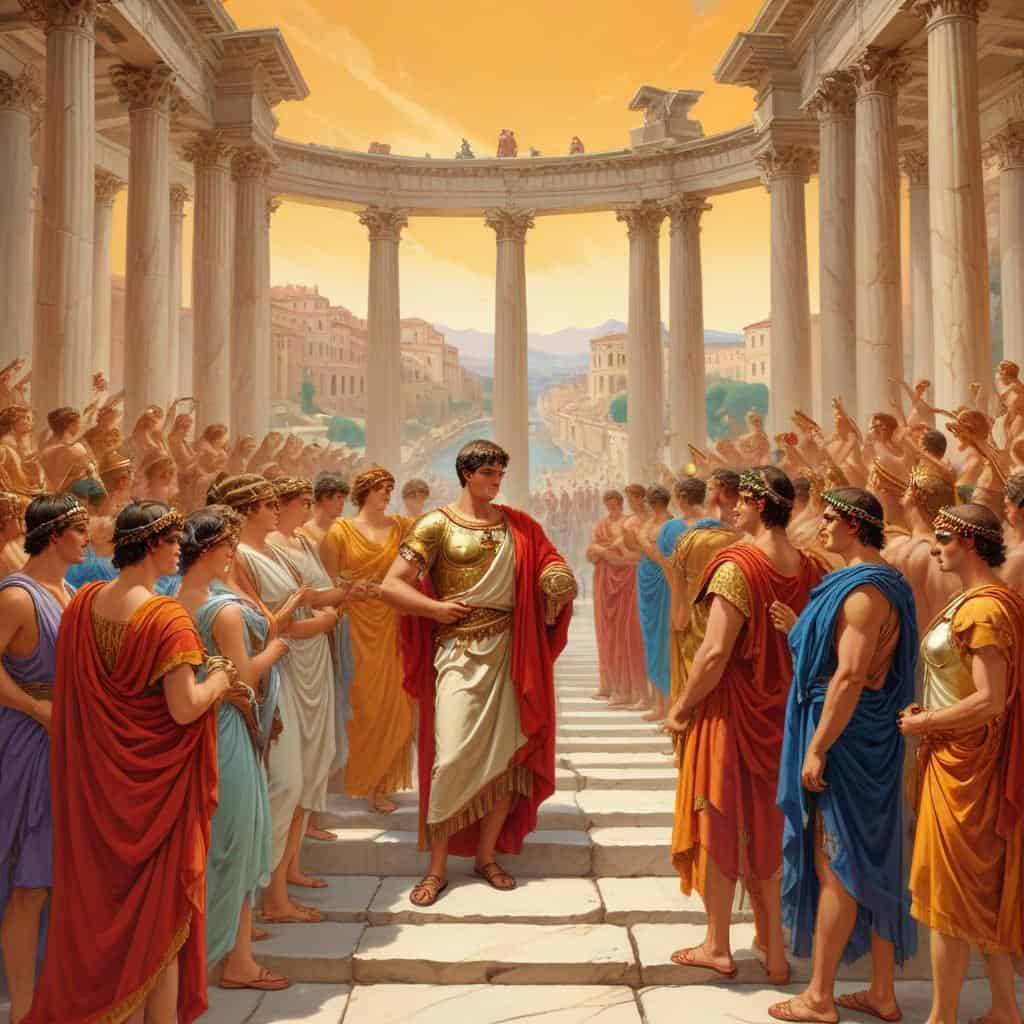
Pax Romana
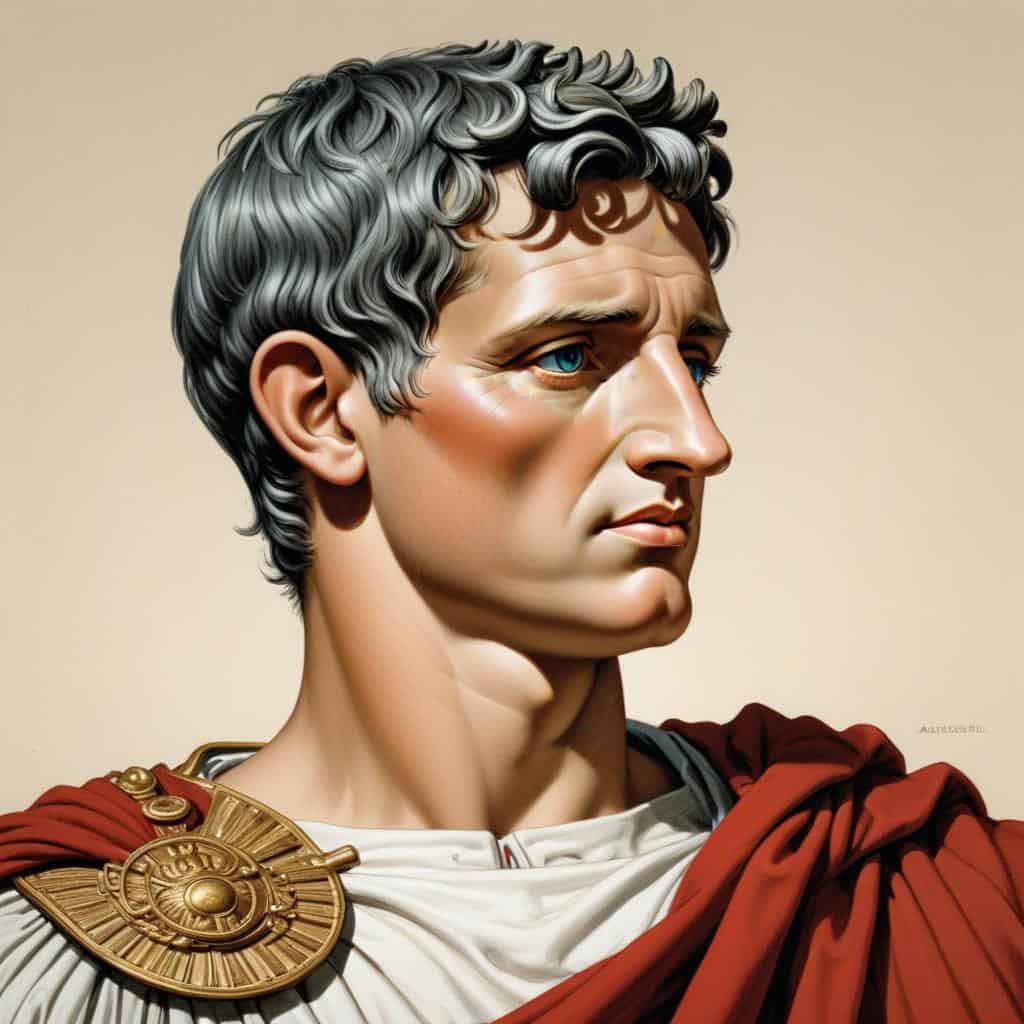
Title of Augustus
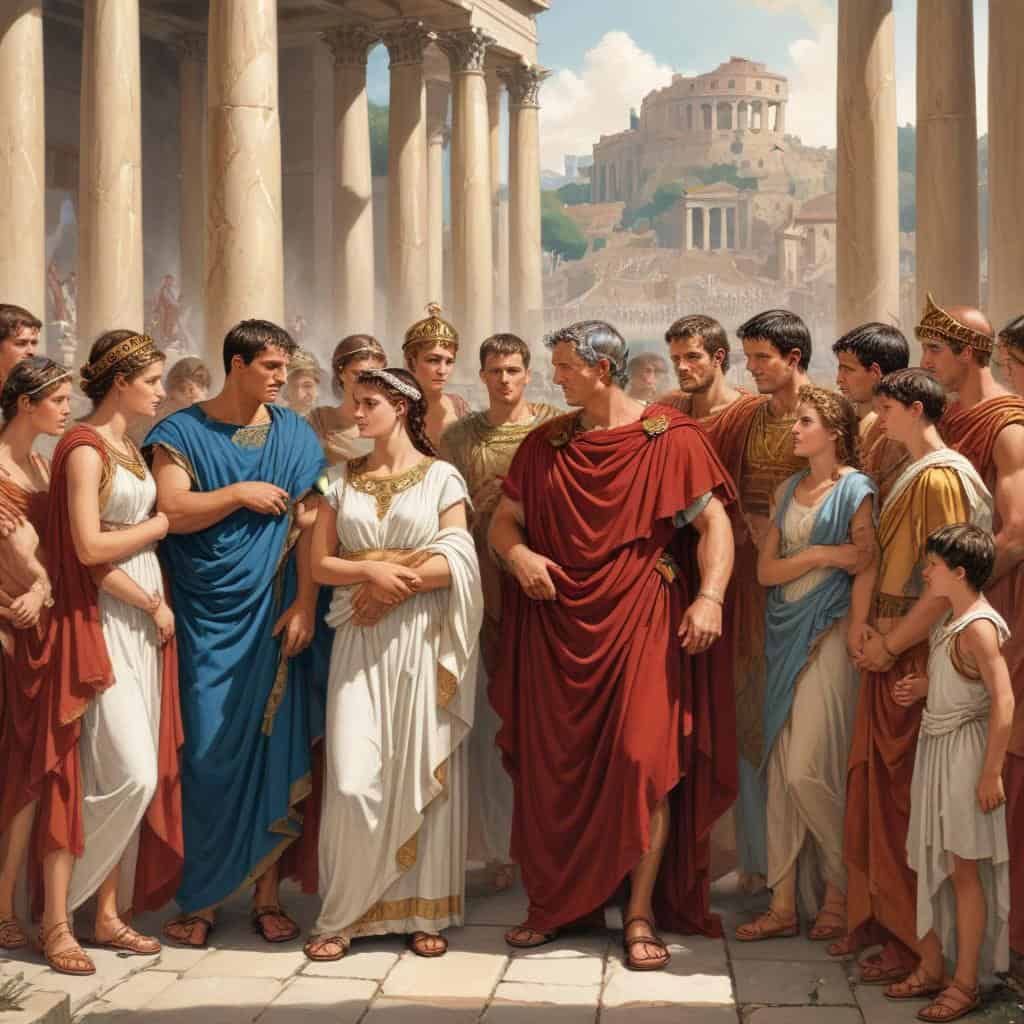
Family and Succession
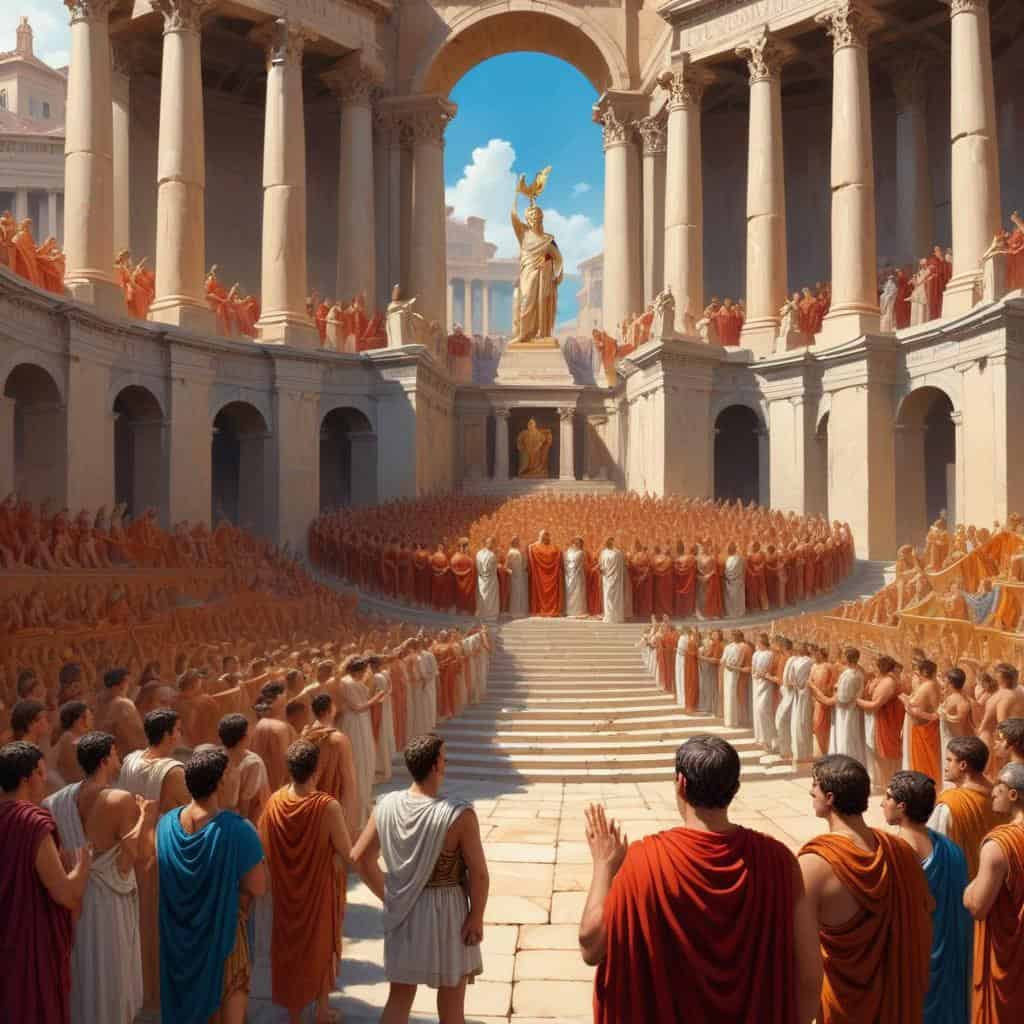
Cult of Augustus
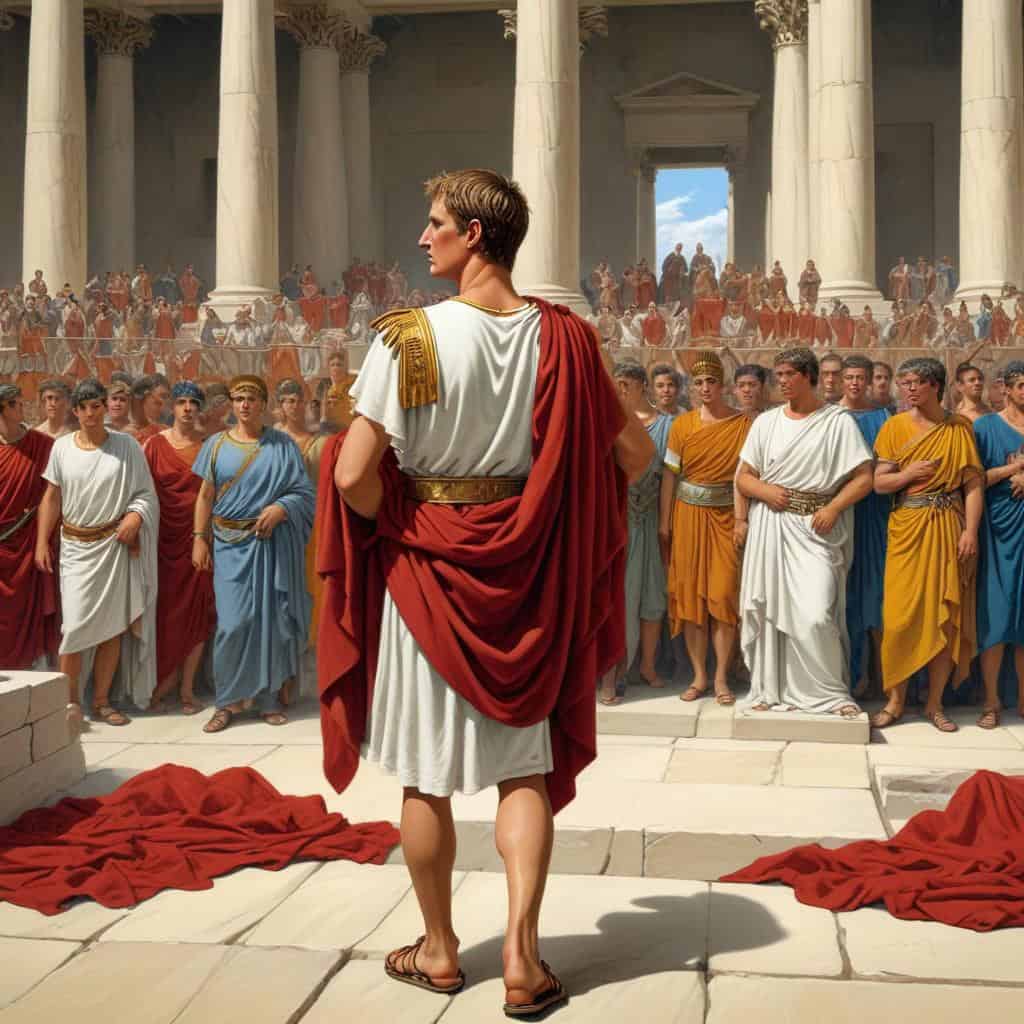
Death and Legacy
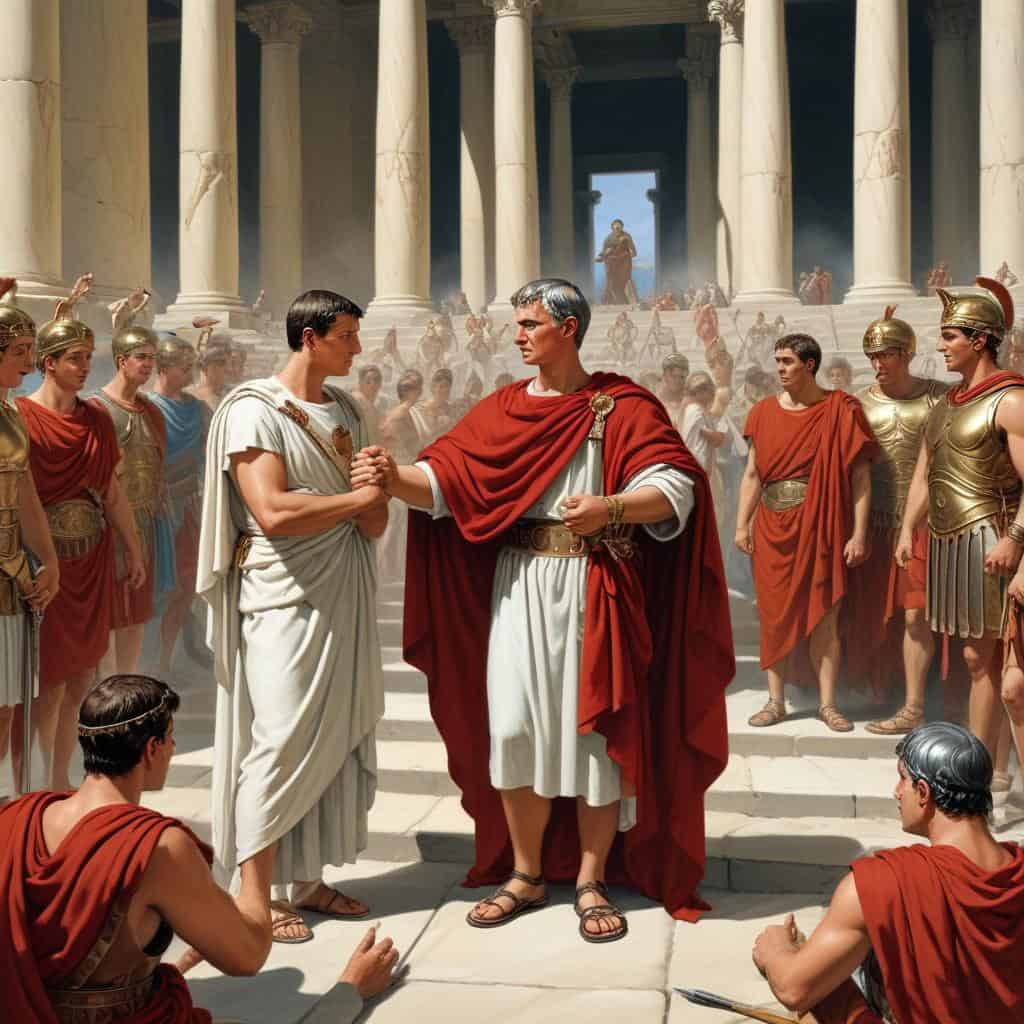
Impact on Roman Society
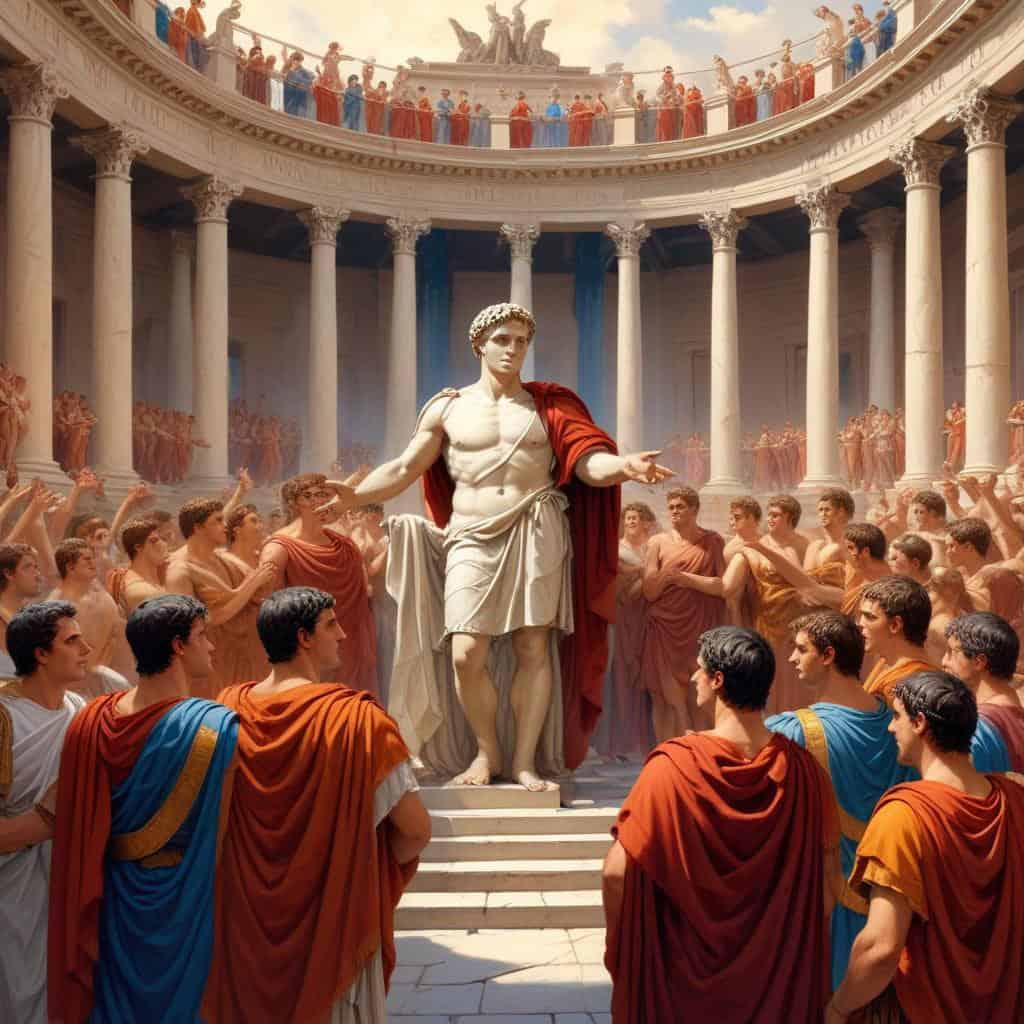
Cultural Patronage
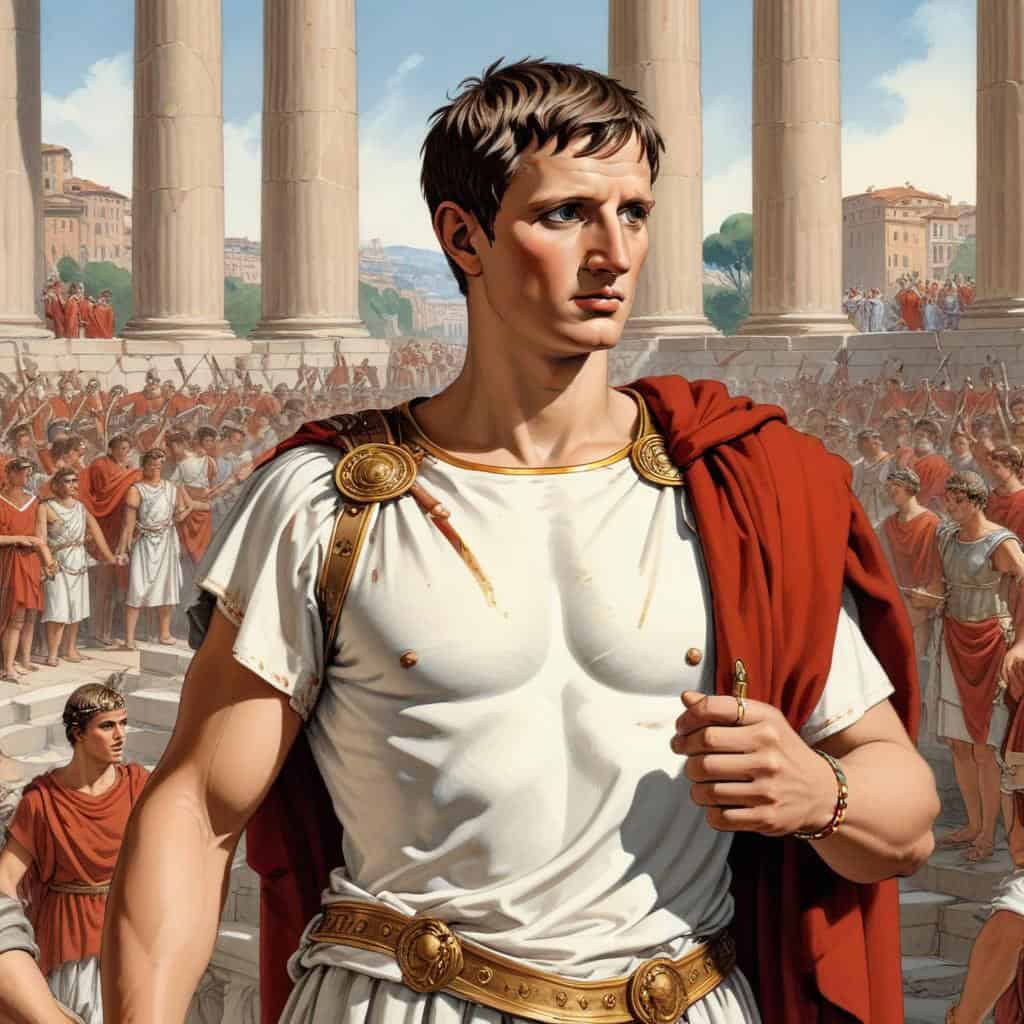
Lasting Influence
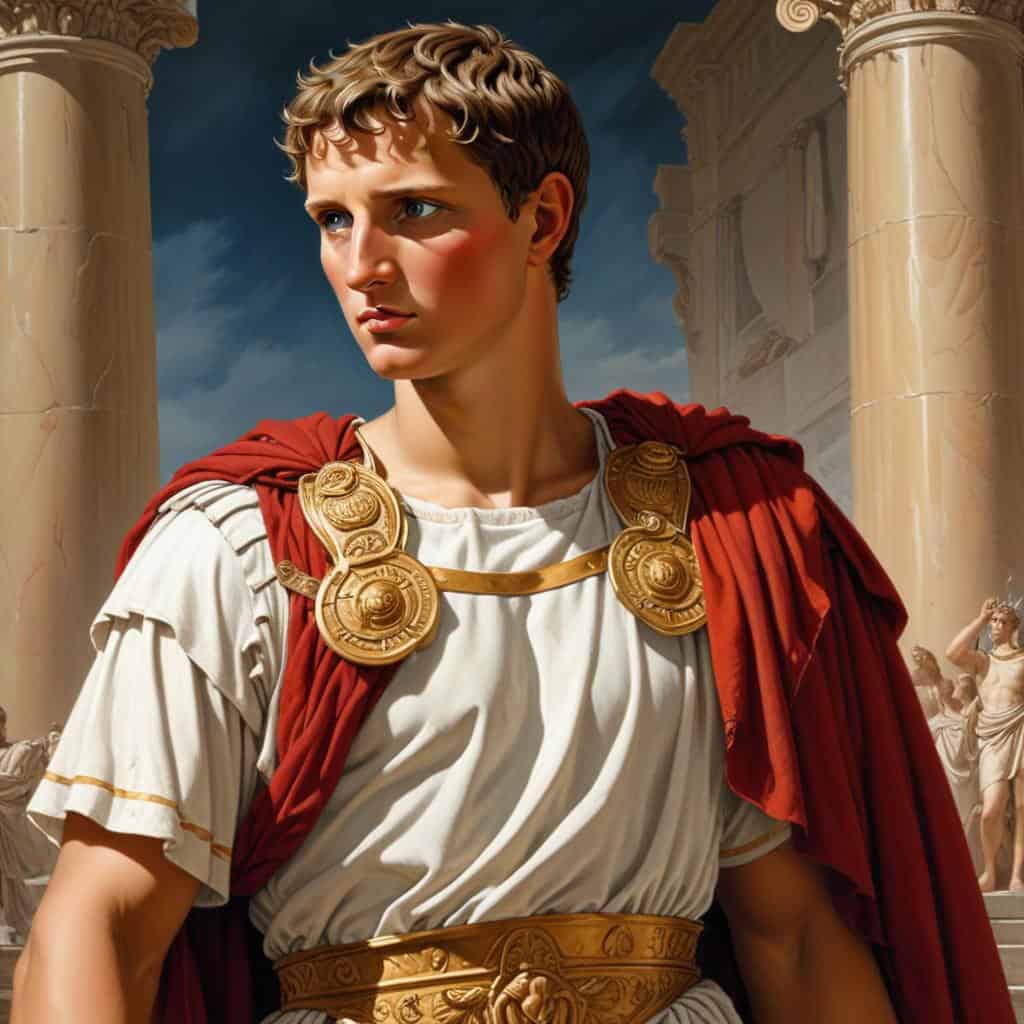
Lesson Details & Resources
In a Nutshell
- Who: Roman Emperor
- When: Lived: 63 BC – AD 14
- Known For: Establishing the Roman Empire and bringing peace to the region
- Legacy: Augustus is known for transforming the Roman Republic into the Roman Empire and laying the foundation for the Pax Romana, a period of relative peace and stability that lasted for approximately 200 years.
Timeline of Augustus: The Life of Rome’s First Emperor
Birth of Augustus (then known as Octavian)
Assassination of Julius Caesar
Octavian becomes a member of the Second Triumvirate
Octavian defeats Brutus and Cassius in the Battle of Philippi
Octavian takes the name 'Augustus'
Augustus becomes the first Roman Emperor
Augustus establishes the Praetorian Guard
Augustus expands the Roman Empire through military campaigns
Augustus reorganizes the Roman government
Augustus implements various reforms and policies
Construction of various buildings and monuments in Rome, including the Temple of Caesar and the Forum of Augustus
Augustus' military victories in Hispania and Gaul
Death of Augustus' grandsons, Gaius and Lucius
Augustus adopts Tiberius as his successor
Augustus' campaigns in Germania
Death of Augustus' wife, Livia
Augustus becomes gravely ill
Death of Augustus
Augustus' body is cremated and deified
Augustus' adopted son, Tiberius, becomes the next Roman Emperor
Vocabulary List
- Caesar
- Augustus was the adopted son of Julius Caesar.
- Imperator
- Augustus was given the title of Imperator, meaning commander, by the Roman Senate.
- Pax Romana
- Augustus is known for bringing about a period of relative peace and stability in the Roman Empire known as Pax Romana.
- Octavian
- Before becoming Augustus, he was known as Octavian.
- Princeps
- Augustus referred to himself as Princeps, meaning first citizen, rather than emperor.
- Res Gestae
- Augustus wrote Res Gestae Divi Augusti, a record of his achievements and reign.
- Tribune
- Augustus held the title of Tribune, which gave him the power to veto decisions made by the Roman Senate.
Key Facts
This is the information used in the fact matching game
- Augustus was the first emperor of Rome, ruling from 27 BC until his death in AD 14.
- Augustus was born Gaius Octavius Thurinus on September 23, 63 BC.
- Augustus was adopted by his great-uncle Julius Caesar in his will, making him his heir.
- Augustus defeated Marc Antony and Cleopatra in the Battle of Actium in 31 BC, solidifying his power in Rome.
- Augustus implemented a series of reforms in Rome, including the establishment of a professional army and a civil service.
- Augustus' rule marked the beginning of the Pax Romana, a period of relative peace and stability in the Roman Empire.
- Augustus was given the title 'Princeps,' meaning 'first citizen,' rather than 'emperor' to maintain the appearance of a republic.
- Augustus' reign saw the construction of many famous Roman landmarks, including the Pantheon and the Ara Pacis.
- Augustus' wife, Livia, played a significant role in his reign and was later deified as Augusta.
- Augustus' rule was characterized by a program of moral legislation aimed at restoring traditional Roman values.
- Augustus' death in AD 14 marked the end of the Roman Republic and the beginning of the Roman Empire.
- Augustus was deified after his death, with temples and cults dedicated to him throughout the Empire.
- Augustus' reign saw the expansion of the Roman Empire to its greatest territorial extent.
- Augustus' rule saw the implementation of a system of public works, including roads, bridges, and aqueducts.
- Augustus was known for his patronage of the arts and literature, including the poet Virgil and the historian Livy.
- Augustus' reign saw the establishment of a new imperial coinage system in Rome.
- Augustus was known for his political cunning and ability to manipulate public opinion.
- Augustus' rule saw the implementation of a system of taxation and census-taking in the Roman Empire.
- Augustus was succeeded by his stepson Tiberius as emperor of Rome.
- Augustus' legacy as the first Roman emperor has had a lasting impact on Western civilization.
Analysis & Significance
Major Accomplishments
Augustus, the first Roman emperor, achieved numerous military victories, expanded the Roman Empire, and implemented a series of political reforms that ushered in a period of peace and prosperity known as the Pax Romana.
Impact on the World
Augustus’ reign marked a pivotal moment in Roman history, as he solidified the transition from Republic to Empire and laid the foundation for centuries of imperial rule. His policies and institutions shaped the future of Western civilization and influenced the development of government and law.
Enduring Legacy
Today, Augustus is remembered as one of the most influential figures in ancient history, revered for his statesmanship and leadership. His legacy as the founder of the Roman Empire and the architect of its golden age continues to inspire scholars, historians, and leaders around the world, cementing his status as a pivotal figure in the annals of human history.
Augustus: The Life of Rome’s First Emperor Games


Take Your Learning Offline
Want a convenient, print-ready study guide for this lesson? Become a Memory Wizards Pro member to unlock the downloadable " Memory Scrolls" for this topic and our entire library!
- ✓ Complete Vocabulary Lists
- ✓ Key Facts & Timelines
- ✓ Beautifully Formatted for Print & Mobile