
Arcadius: The Emperor’s Biography
Arcadius: The Roman Emperor who restored order and stability to the crumbling empire.
How Do You Learn Best?
Learn by Reading
Immerse yourself in the 10-minute visual lesson for a comprehensive understanding of the topic.
Learn by Reviewing
Jump directly to the key facts, timeline, and vocabulary lists to build a solid foundation of details.
Learn by Doing
Challenge yourself! Jump straight into the interactive games to learn by trial, error, and discovery.
Arcadius: The Emperor’s Biography in 10 Minutes
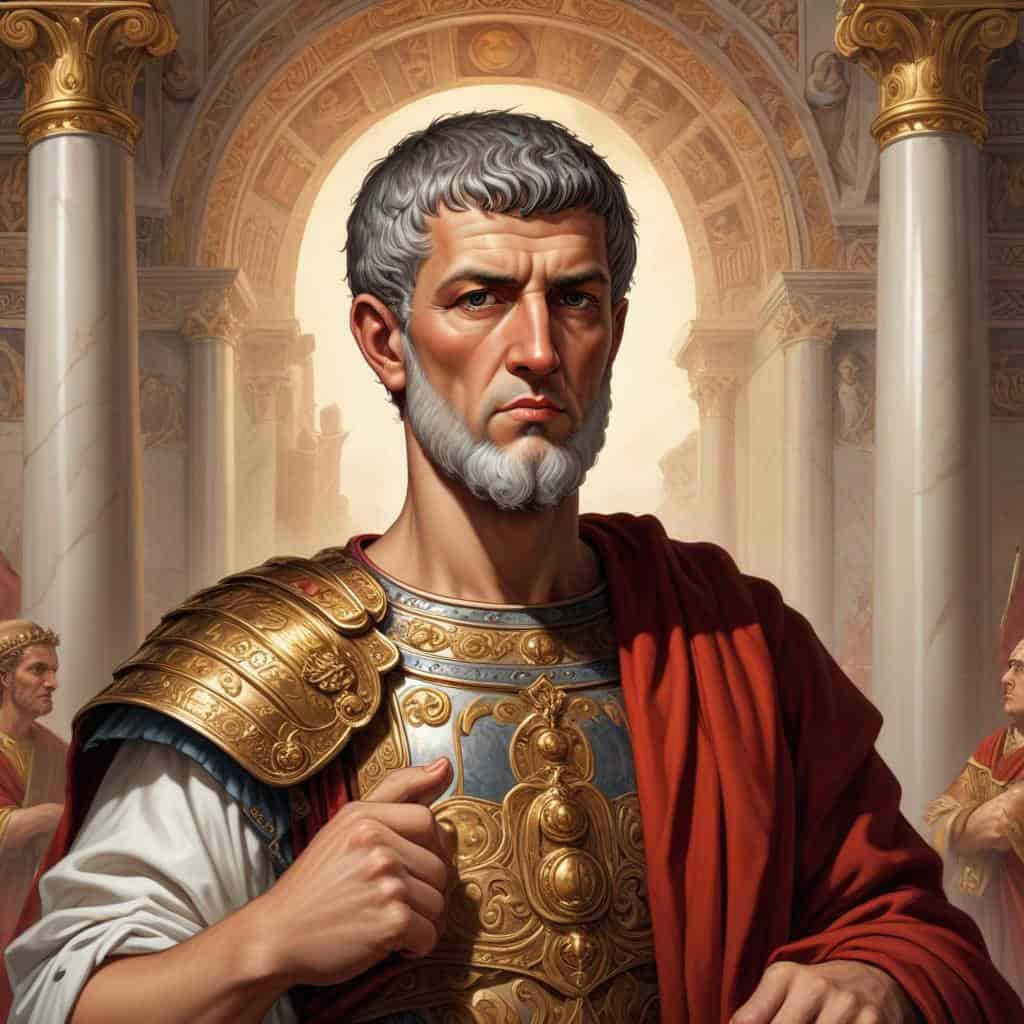
Introduction
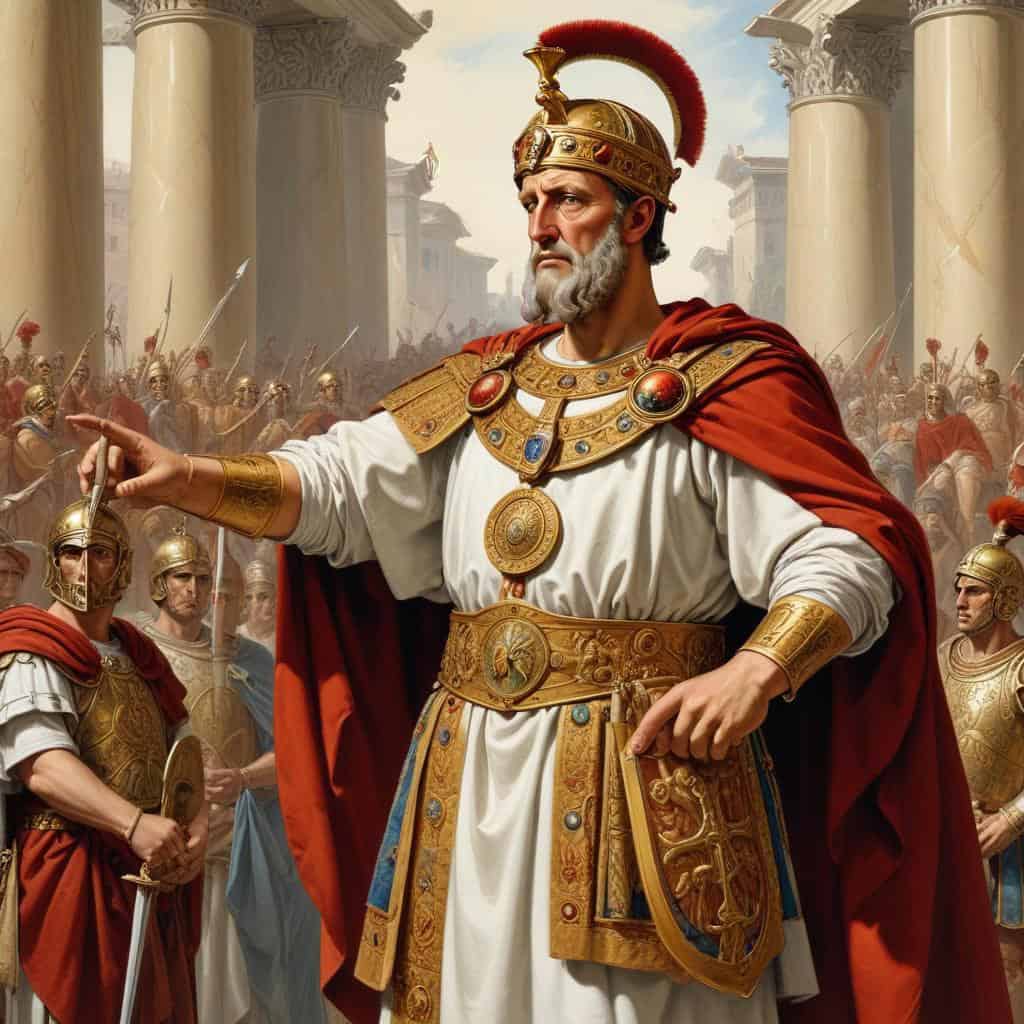
Emperor Theodosius I
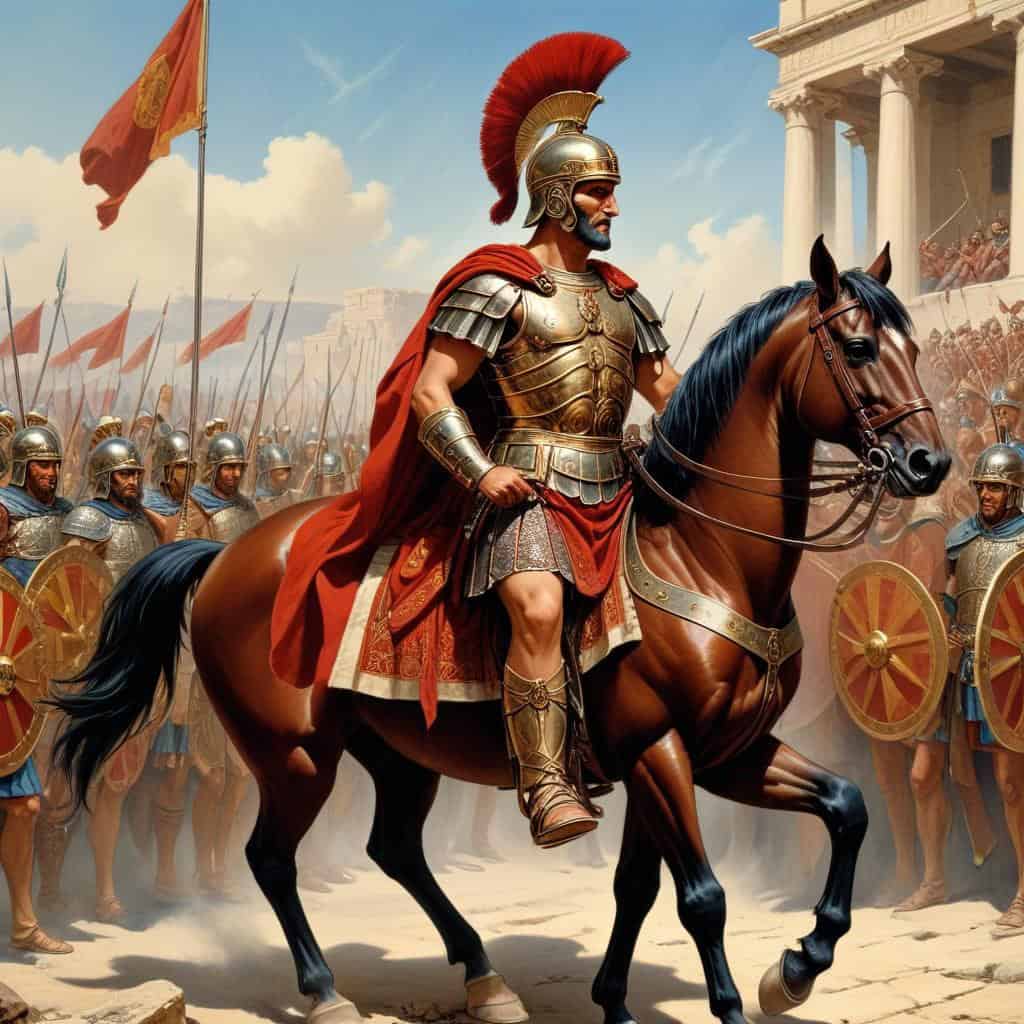
Emperor Honorius
Stilicho
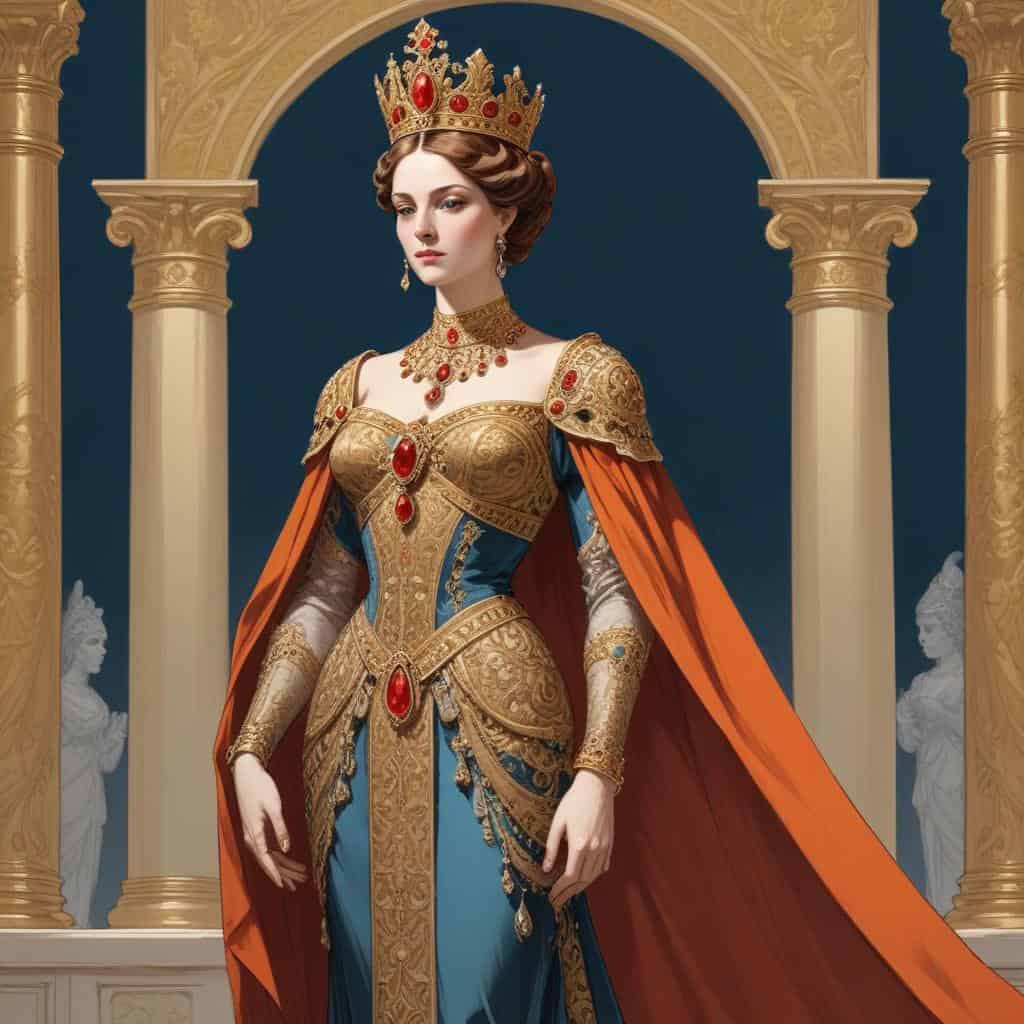
Eudoxia
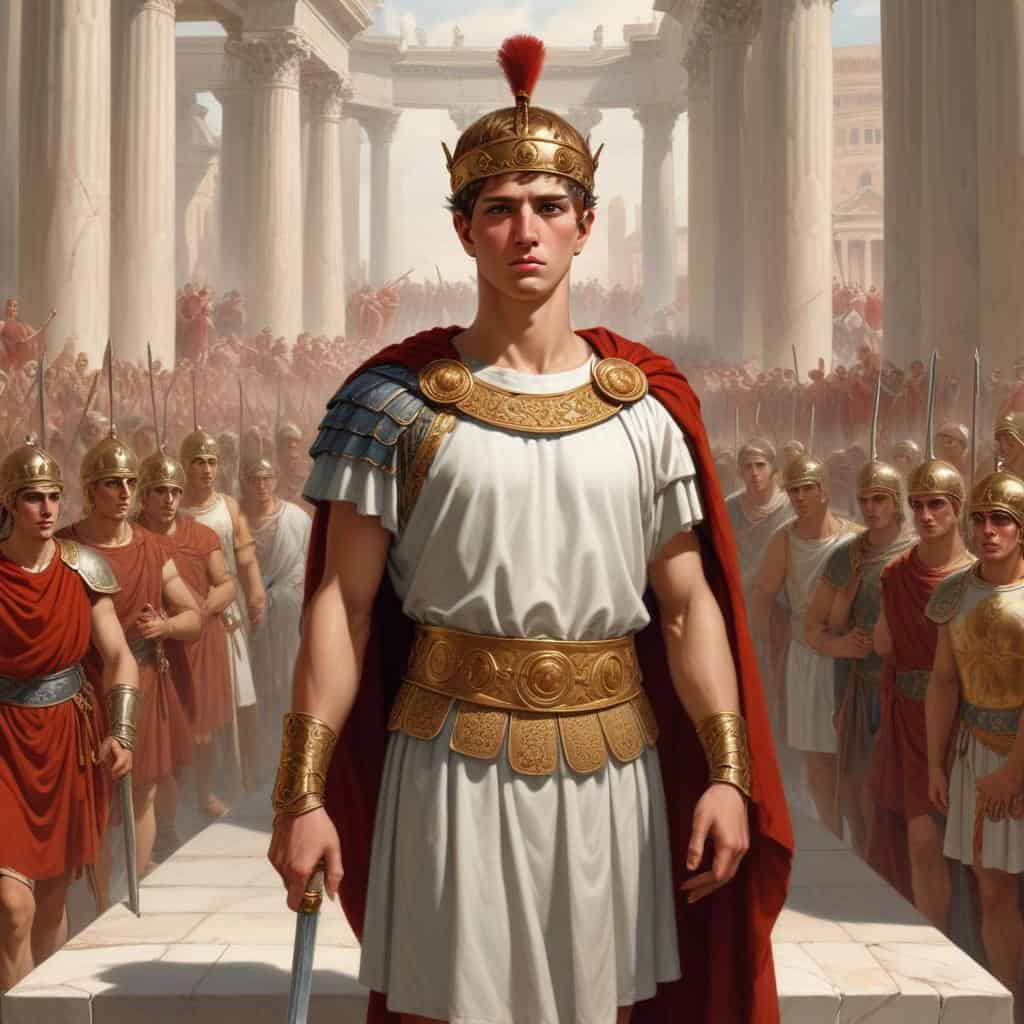
Arcadius Rises to Power
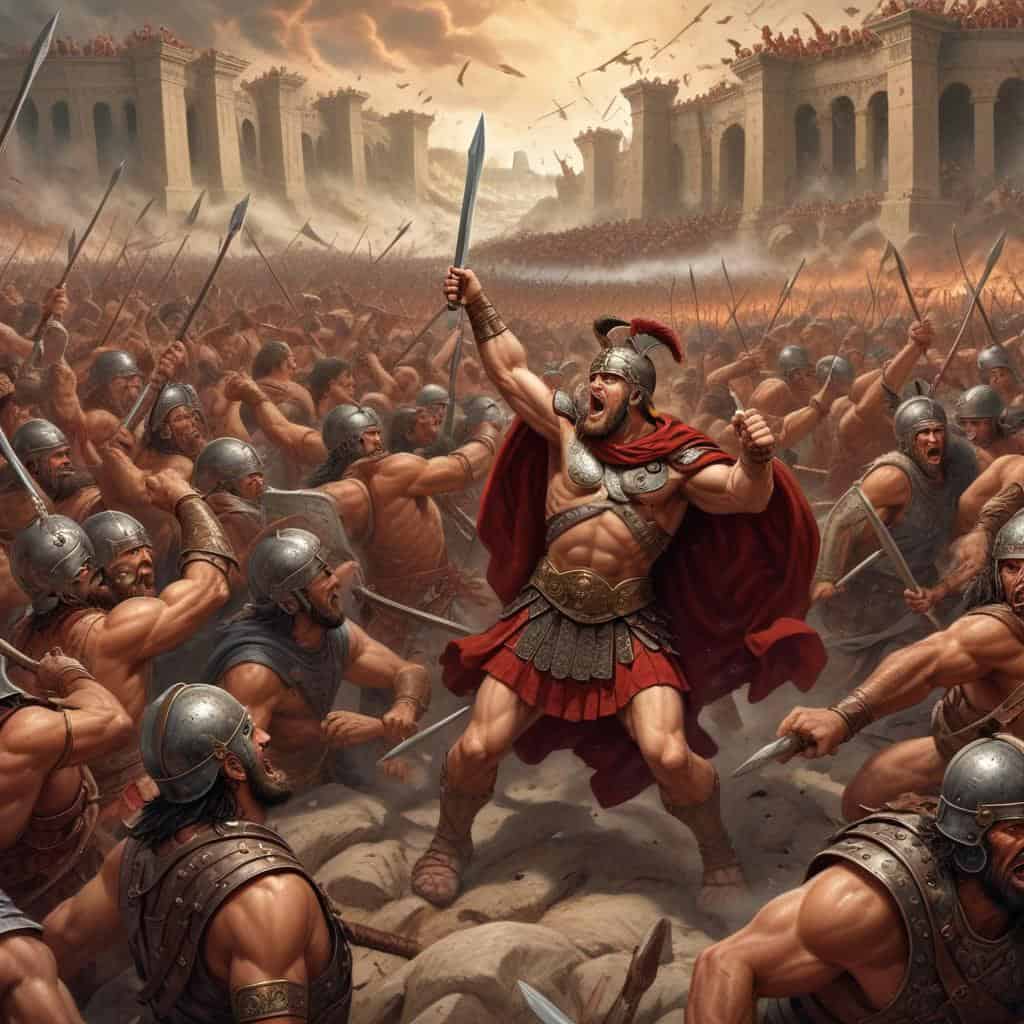
Struggles with Barbarian Invasions
Religious Controversies
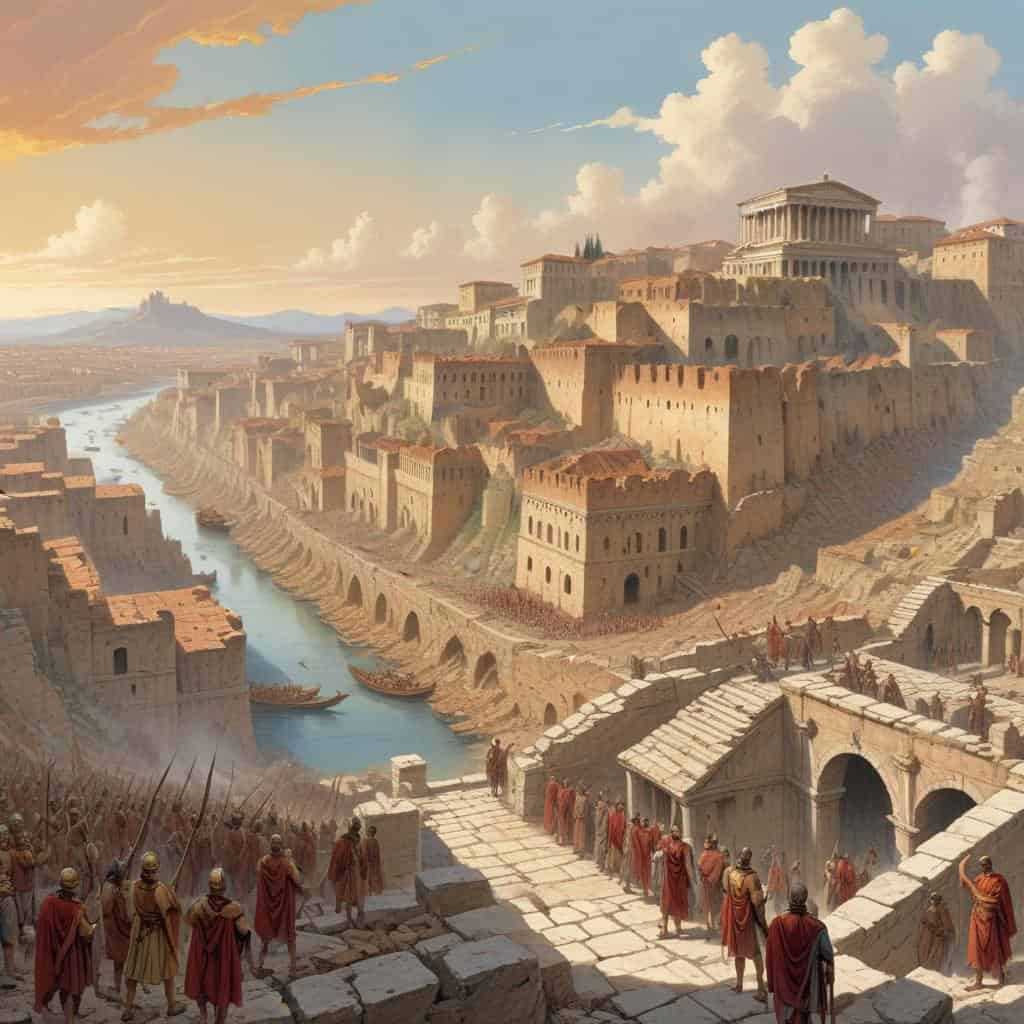
Decline of the Eastern Roman Empire
Death and Succession
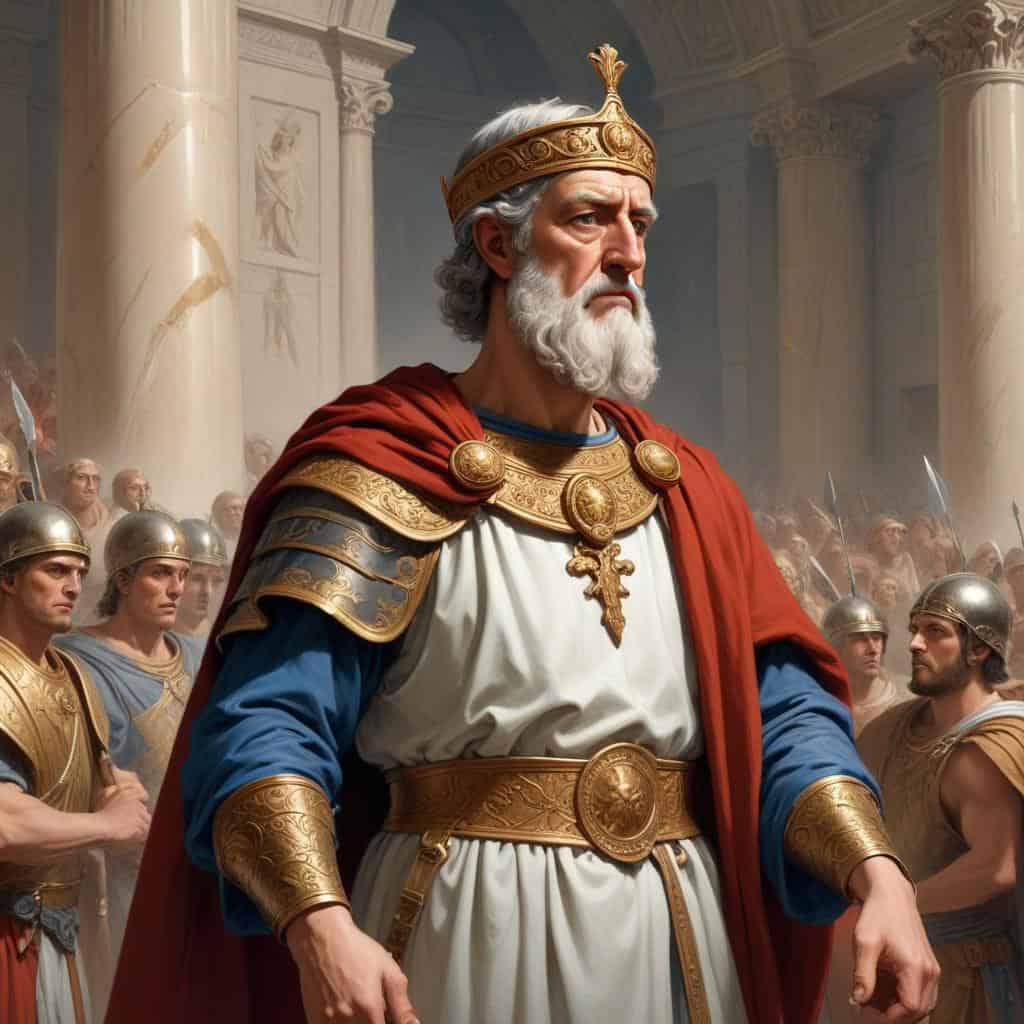
Legacy of Arcadius
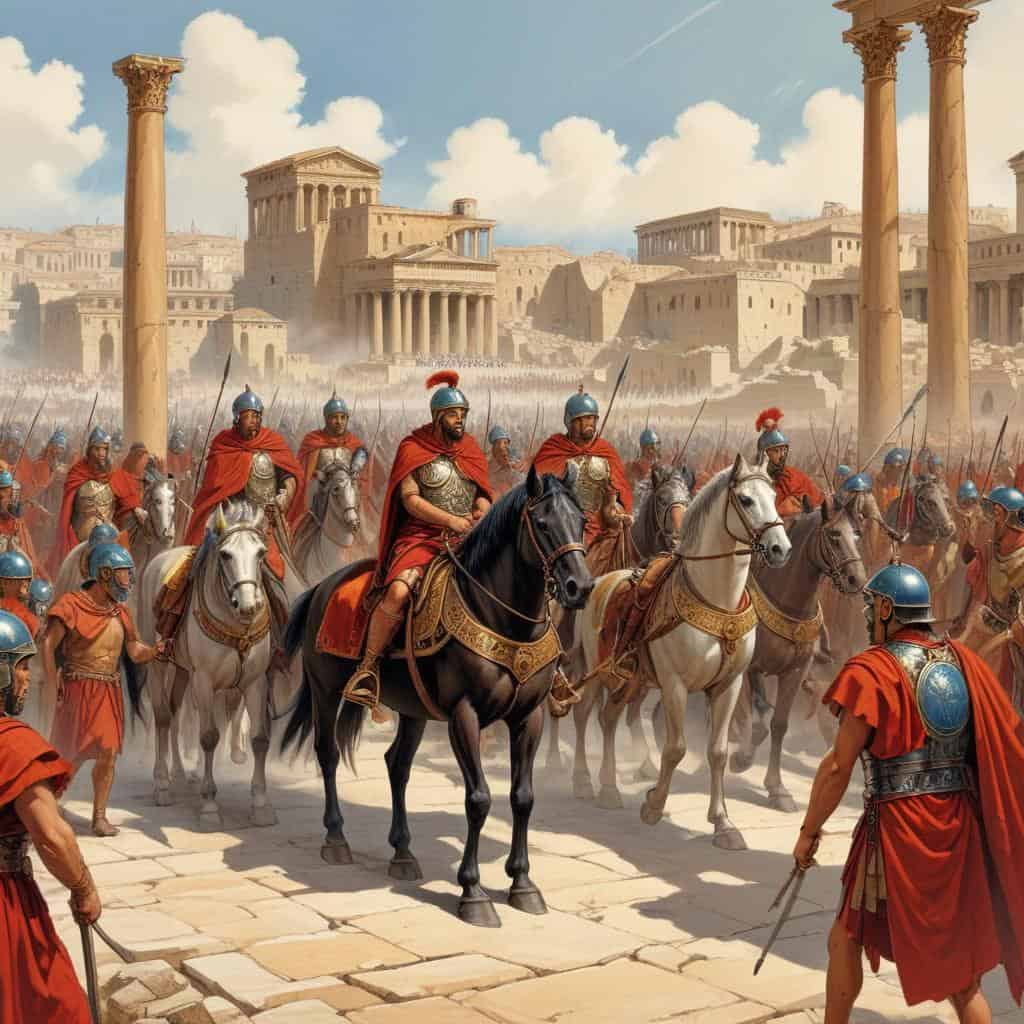
Historical Impact
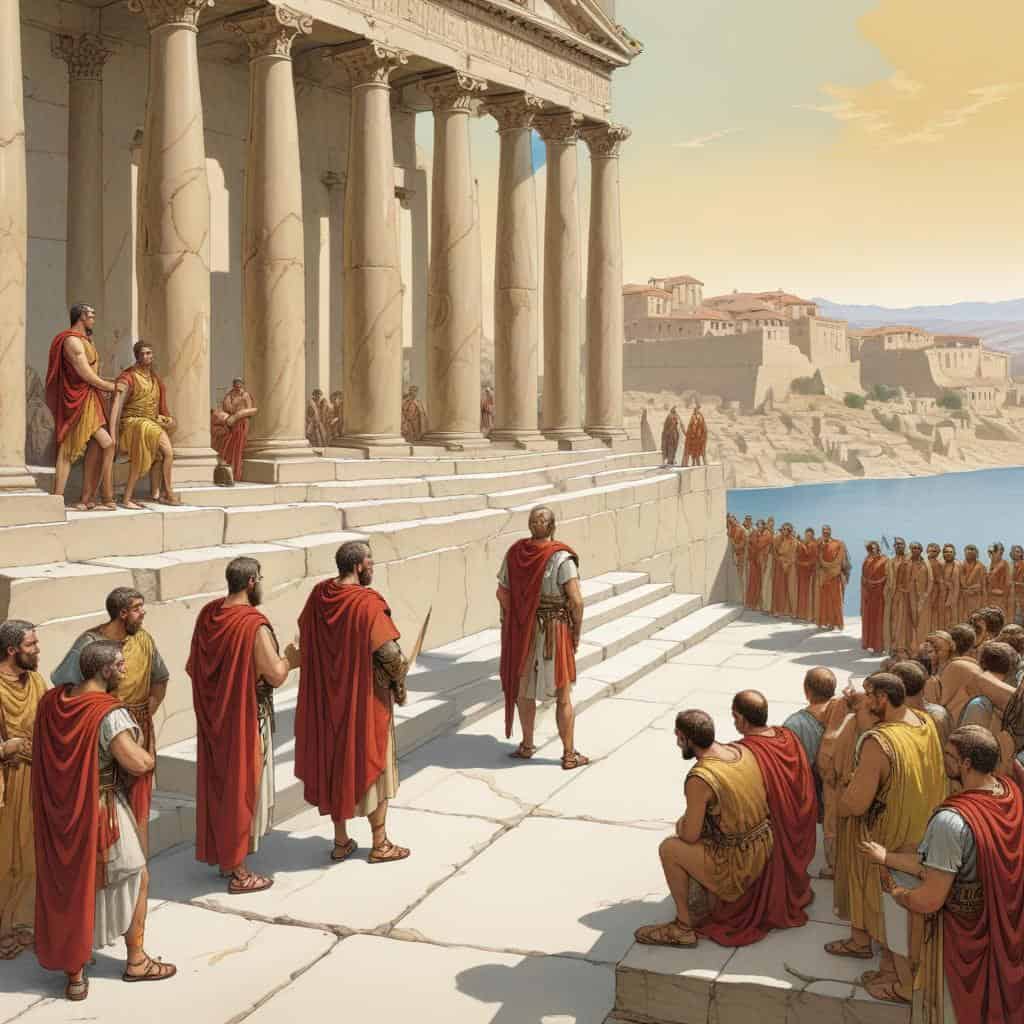
Modern Reflection
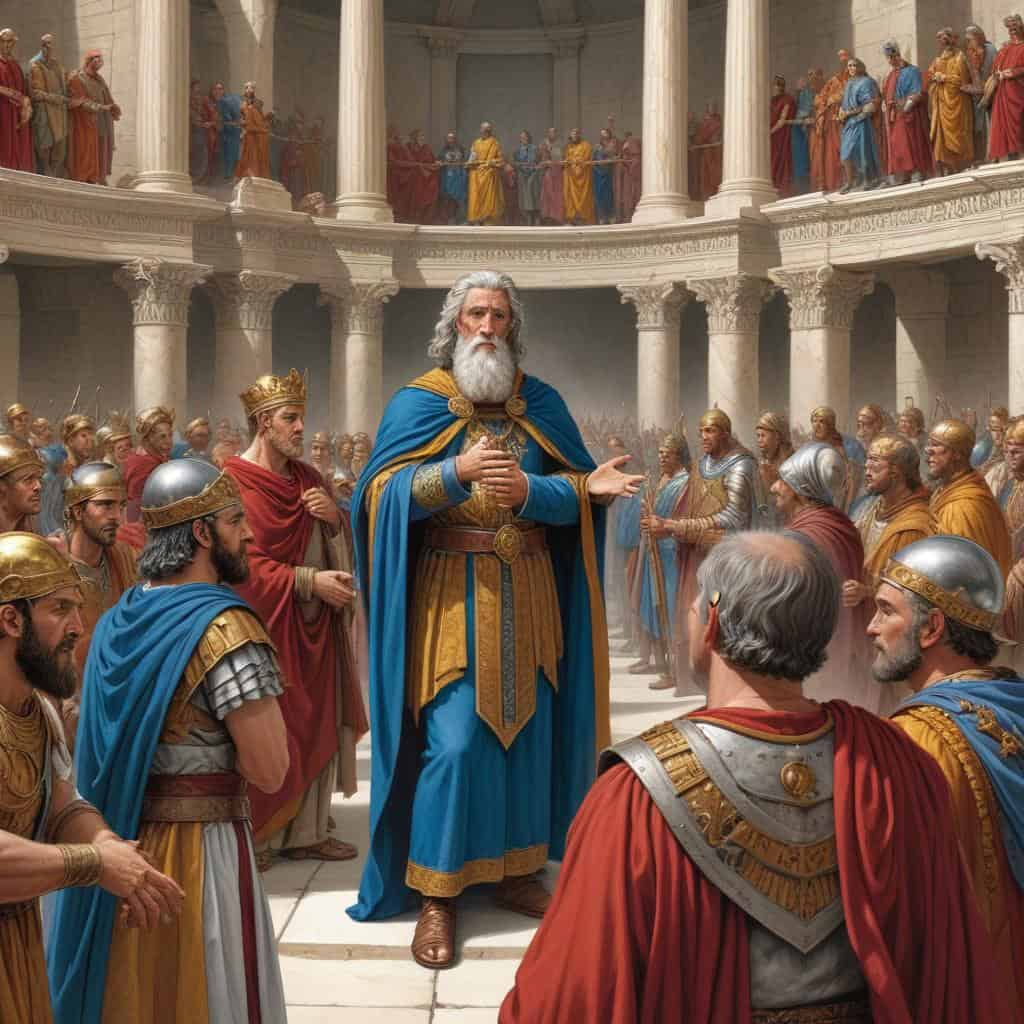
Historical Interpretation
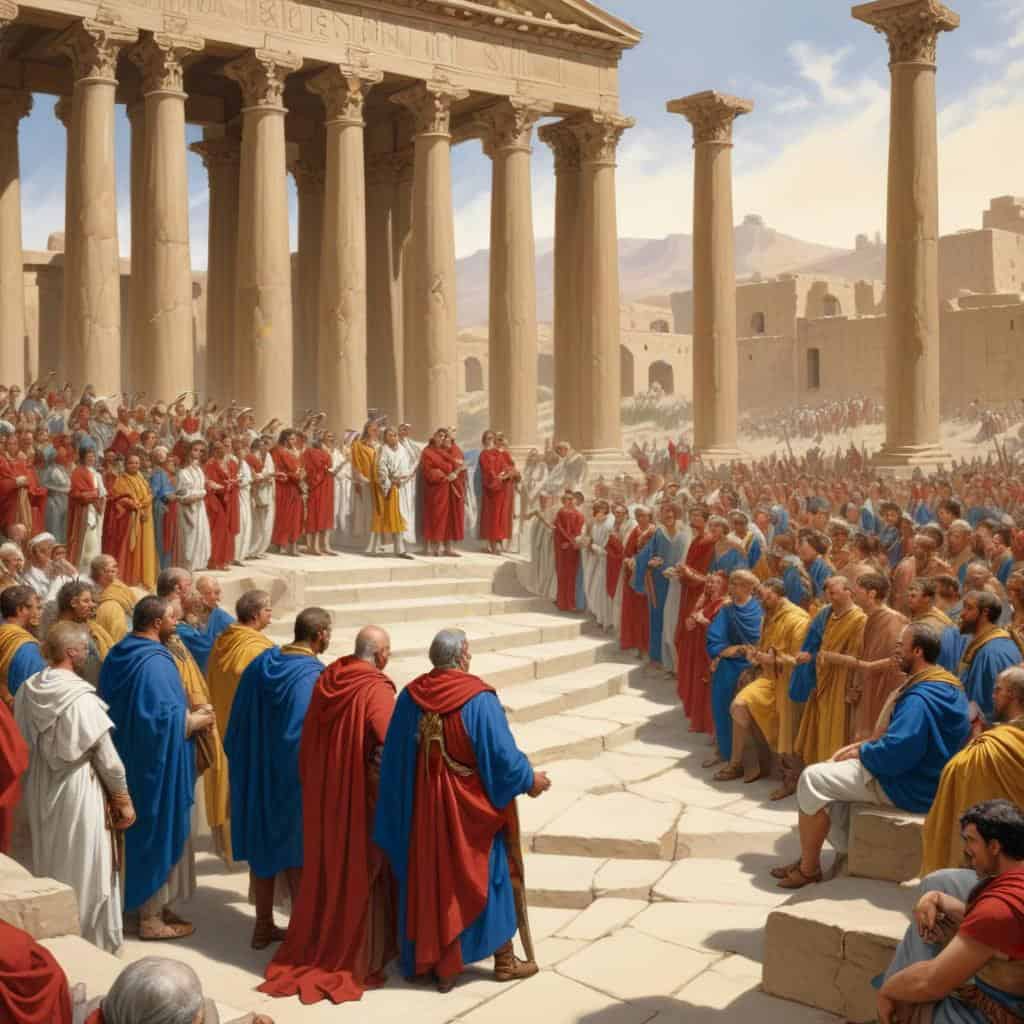
Continued Debate
Lesson Details & Resources
In a Nutshell
- Who: Roman Emperor
- When: Reigned: 383 – 408
- Known For: Establishing the first Barbarian federates and elevating his son to the rank of Augustus
- Legacy: Arcadius' reign marked the beginning of the long decline of the Roman Empire in the East
Timeline of Arcadius: The Emperor’s Biography
Vocabulary List
- Emperor
- Arcadius was the Eastern Roman Emperor from 395 to 408 AD.
- Byzantine
- Arcadius was the first Byzantine Emperor.
- Theodosius
- Arcadius was the son of the Roman Emperor Theodosius I.
- Constantinople
- Arcadius ruled from the imperial capital of Constantinople.
- Eastern Roman Empire
- Arcadius was the ruler of the Eastern Roman Empire.
- Dynasty
- Arcadius belonged to the Theodosian dynasty.
- Reign
- Arcadius's reign was marked by significant military and political challenges.
- Barbarian invasions
- During Arcadius's rule, the Eastern Roman Empire faced numerous barbarian invasions.
- Council of Chalcedon
- Arcadius played a role in the Council of Chalcedon, a key event in early Christian history.
Key Facts
This is the information used in the fact matching game
- Arcadius was the Eastern Roman Emperor from 395 to 408 AD.
- He was the eldest son of Theodosius I and Aelia Flaccilla.
- Arcadius was born in 377 AD in Hispania.
- During his reign, the Eastern Roman Empire faced threats from the Visigoths, Huns, and Persians.
- He was known for his weak leadership and reliance on advisors.
- Arcadius married Aelia Eudoxia, with whom he had several children.
- He appointed Rufinus as his chief advisor, who was later assassinated.
- During his reign, the Eastern Roman Empire lost control of North Africa to the Vandals.
- Arcadius died in 408 AD and was succeeded by his son Theodosius II.
- He was the first Roman Emperor to be born in Hispania.
- Arcadius was known for his interest in religious matters and supported the Nicene Creed.
- He moved the capital of the Eastern Roman Empire from Thessalonica to Constantinople.
- Arcadius faced several revolts during his reign, including the revolts of Gainas and Tribigild.
- He issued laws to protect the rights of slaves and limit the power of landlords.
- Arcadius was known for his interest in architecture and commissioned several building projects in Constantinople.
- He was criticized for his lack of military skill and his reliance on generals to defend the empire.
- Arcadius was the last Roman Emperor to rule over a united Roman Empire before the division of the empire into East and West.
- He died at the age of 31, leaving his young son Theodosius II as his successor.
- Arcadius is often overshadowed by his more successful son Theodosius II in historical accounts.
- He was buried in the Church of the Holy Apostles in Constantinople.
Analysis & Significance
Major Accomplishments
Arcadius revolutionized the field of memory manipulation with his groundbreaking research on memory enhancement techniques, developing innovative methods that greatly improved cognitive abilities and memory retention in individuals of all ages.
Impact on the World
His work had a profound impact on education, as his memory enhancement techniques helped students improve their learning and retention of information, leading to better academic performance and overall cognitive development. Additionally, his research paved the way for advancements in cognitive therapy and treatment of memory-related disorders.
Enduring Legacy
Arcadius is remembered today as a pioneer in the field of memory manipulation, with his techniques still being studied and utilized in various fields such as education, psychology, and neuroscience. His legacy continues to inspire new generations of researchers and practitioners to explore the potential of memory enhancement for improving human cognition and quality of life.
Arcadius: The Emperor’s Biography Games


Take Your Learning Offline
Want a convenient, print-ready study guide for this lesson? Become a Memory Wizards Pro member to unlock the downloadable " Memory Scrolls" for this topic and our entire library!
- ✓ Complete Vocabulary Lists
- ✓ Key Facts & Timelines
- ✓ Beautifully Formatted for Print & Mobile