
Anthemius: A Biography
Master architect of the Hagia Sophia and renowned mathematician in the Byzantine Empire.
How Do You Learn Best?
Learn by Reading
Immerse yourself in the 10-minute visual lesson for a comprehensive understanding of the topic.
Learn by Reviewing
Jump directly to the key facts, timeline, and vocabulary lists to build a solid foundation of details.
Learn by Doing
Challenge yourself! Jump straight into the interactive games to learn by trial, error, and discovery.
Anthemius: A Biography in 10 Minutes
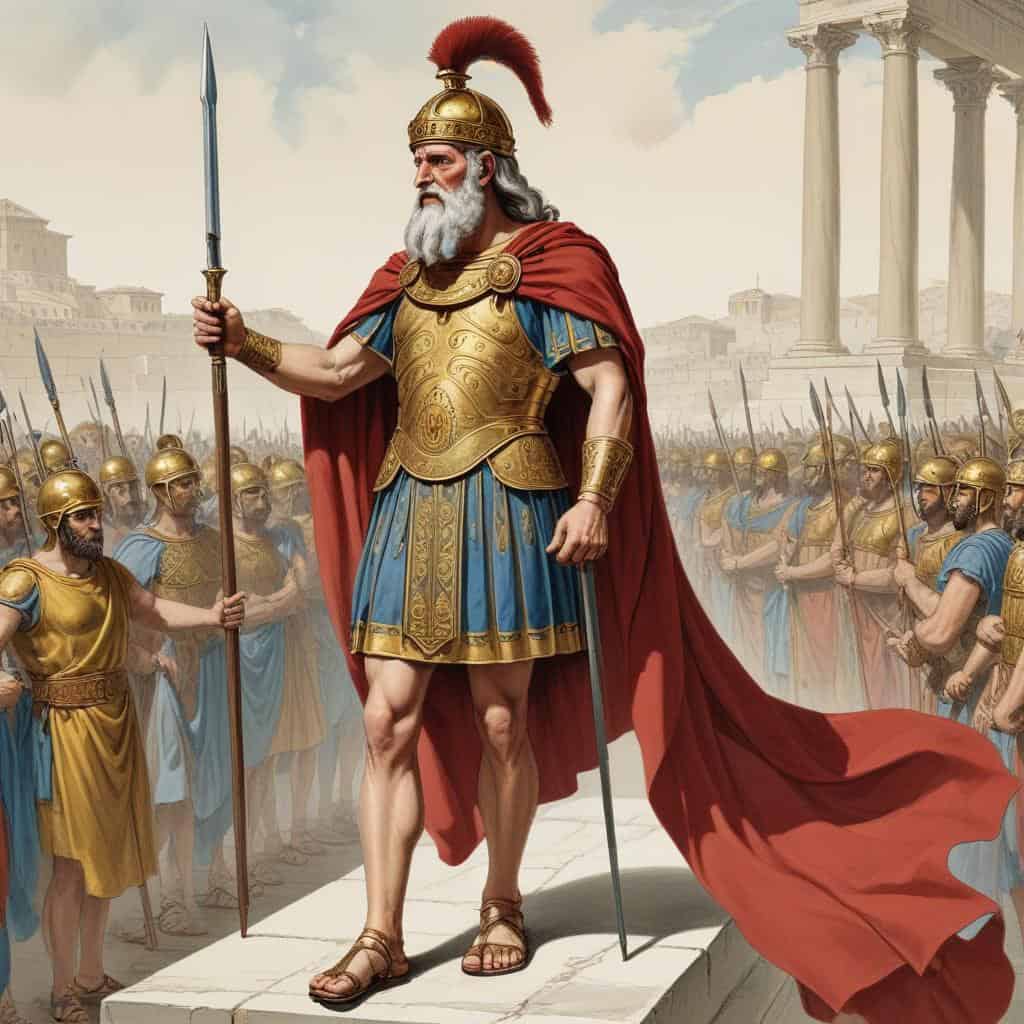
Introduction
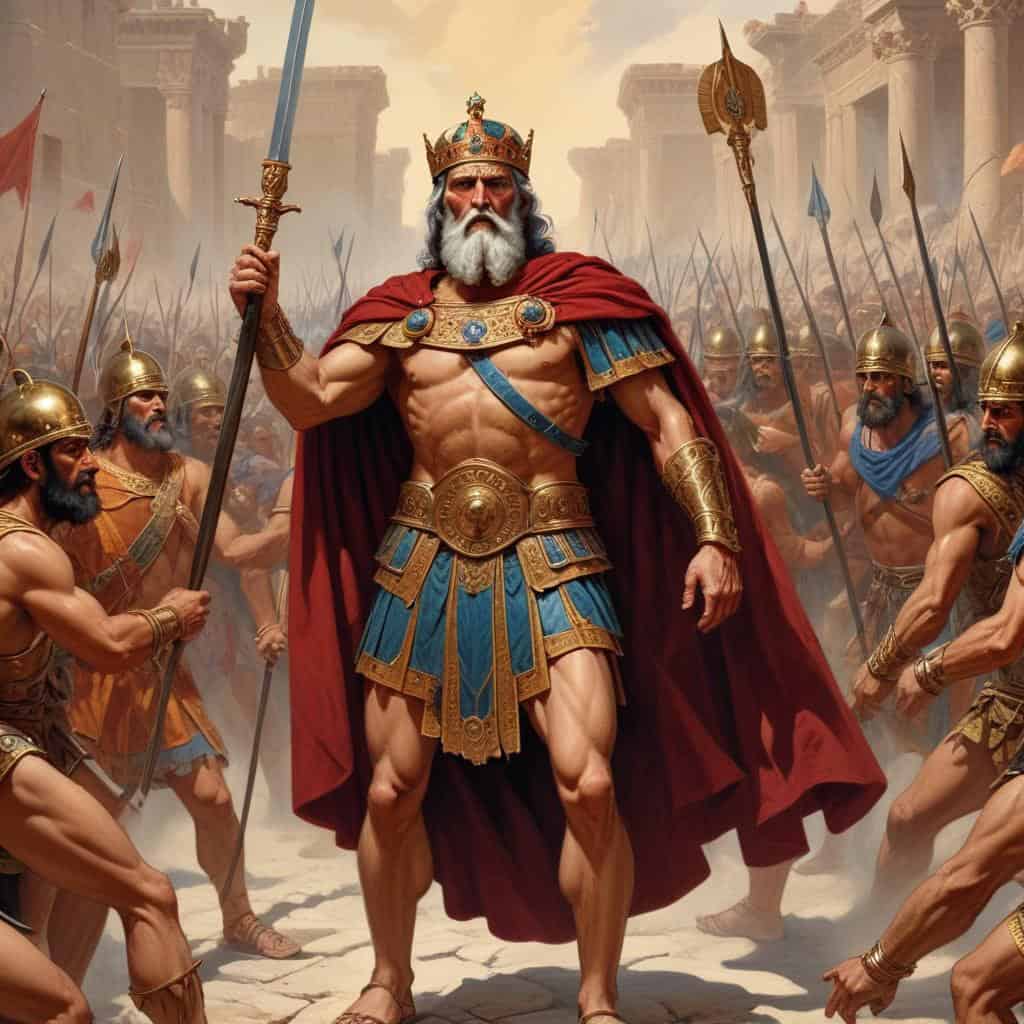
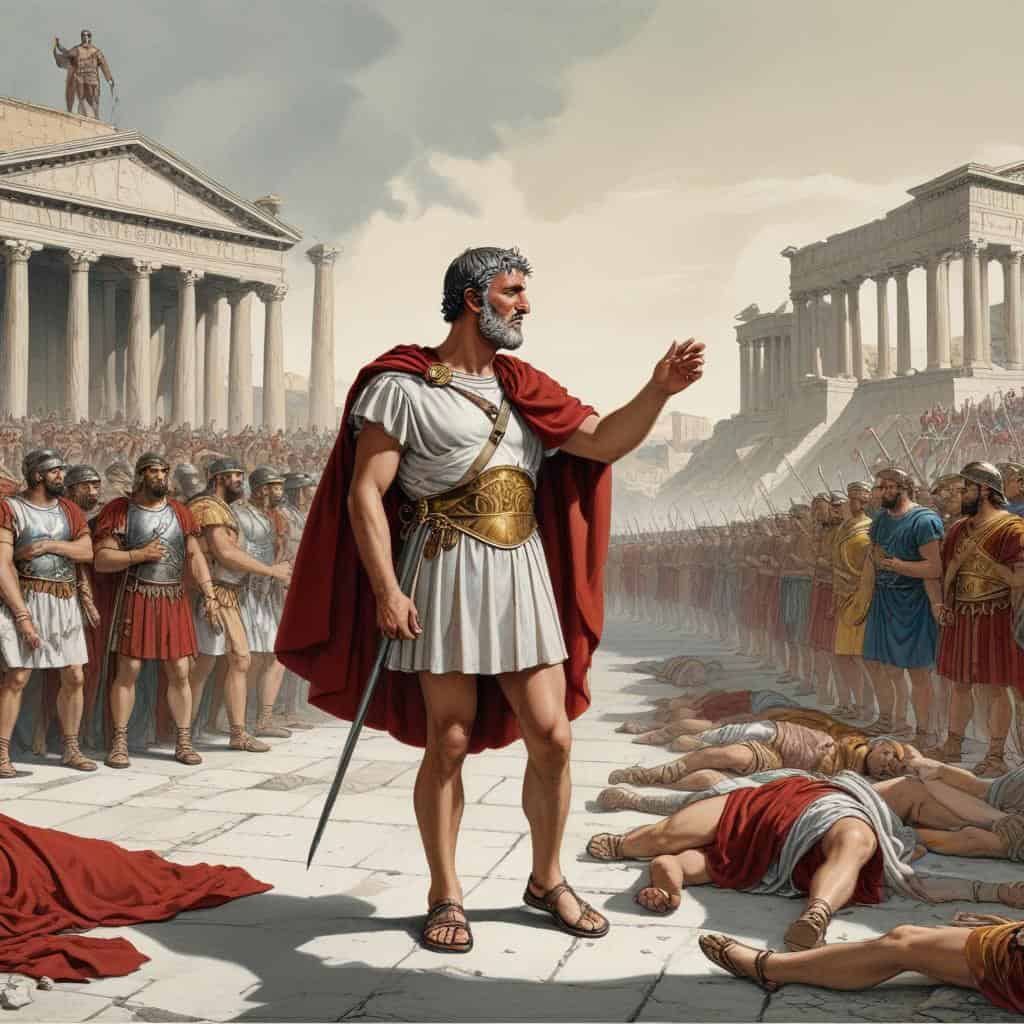

Empress Euphemia
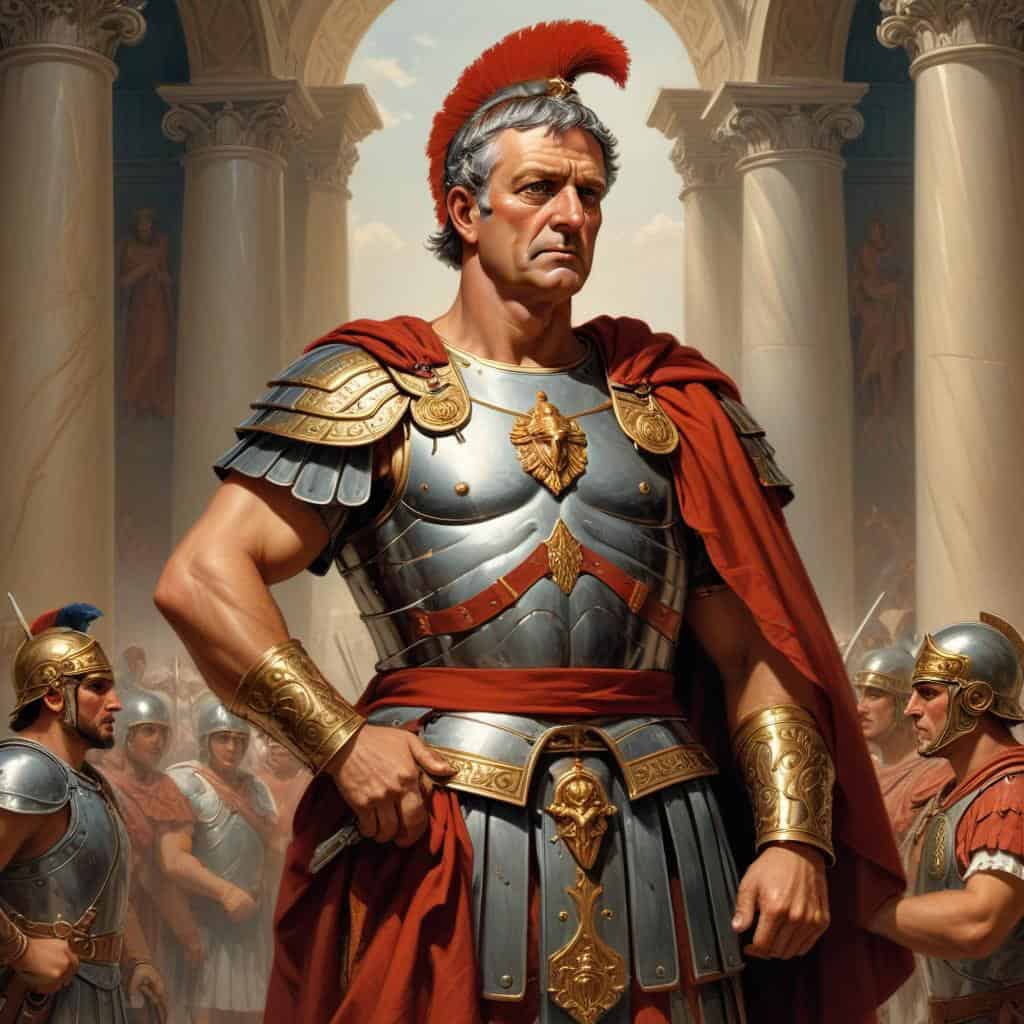
General Ricimer

Princess Alypia
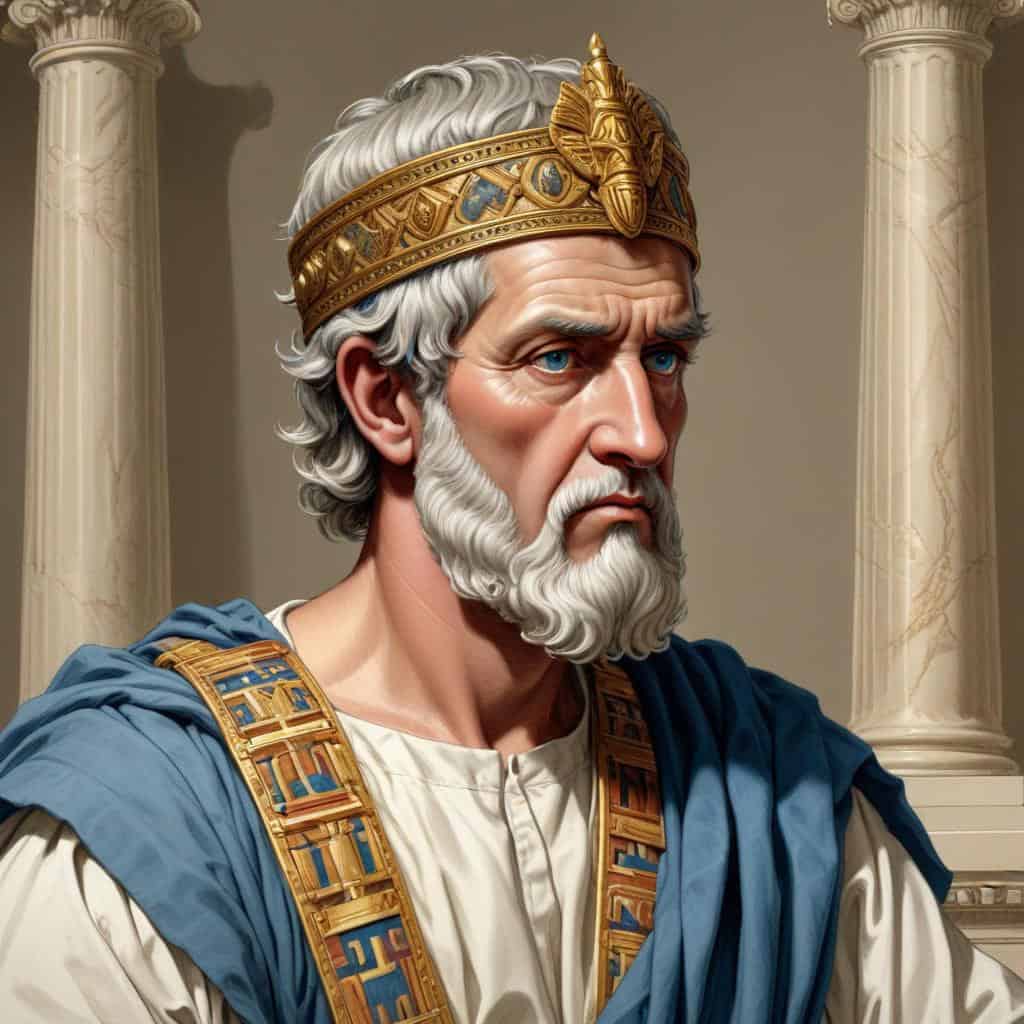
Senator Flavius
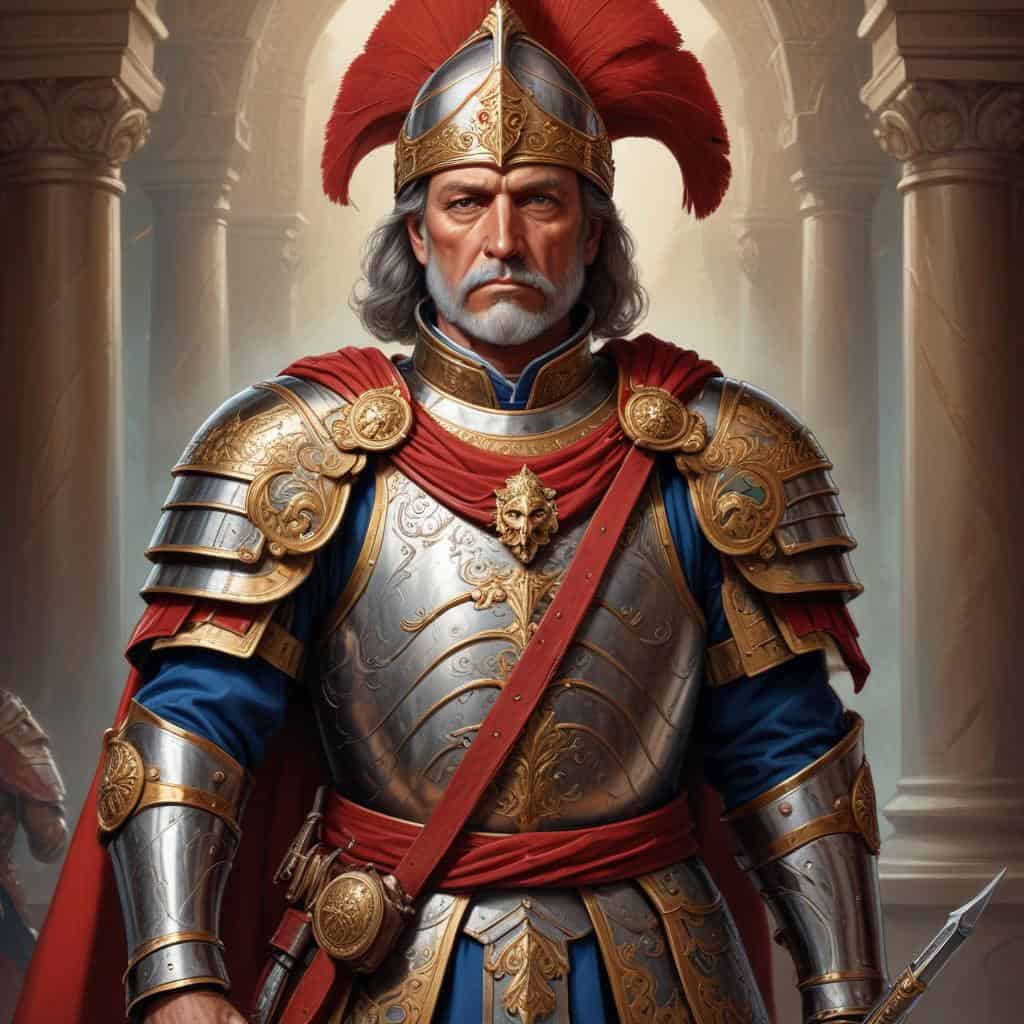
General Marcellinus
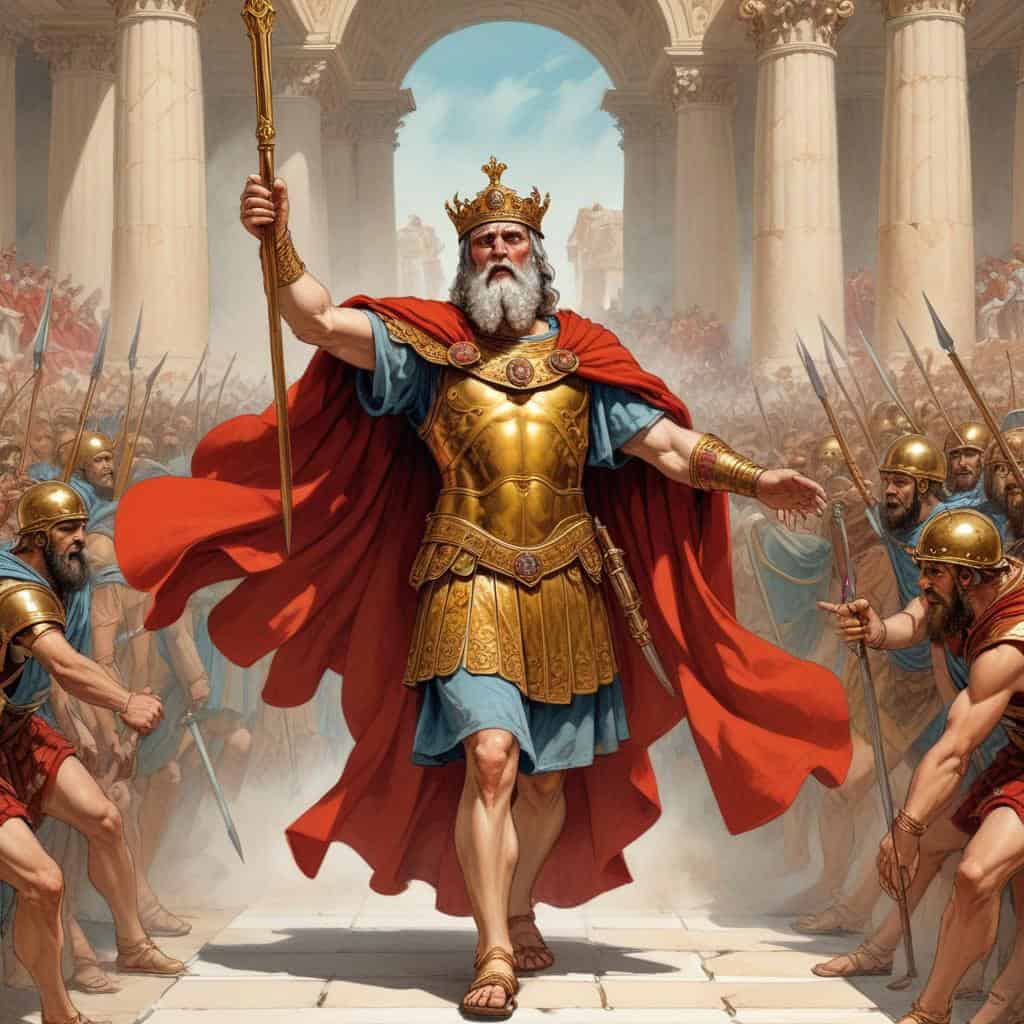
1. Rise to Power
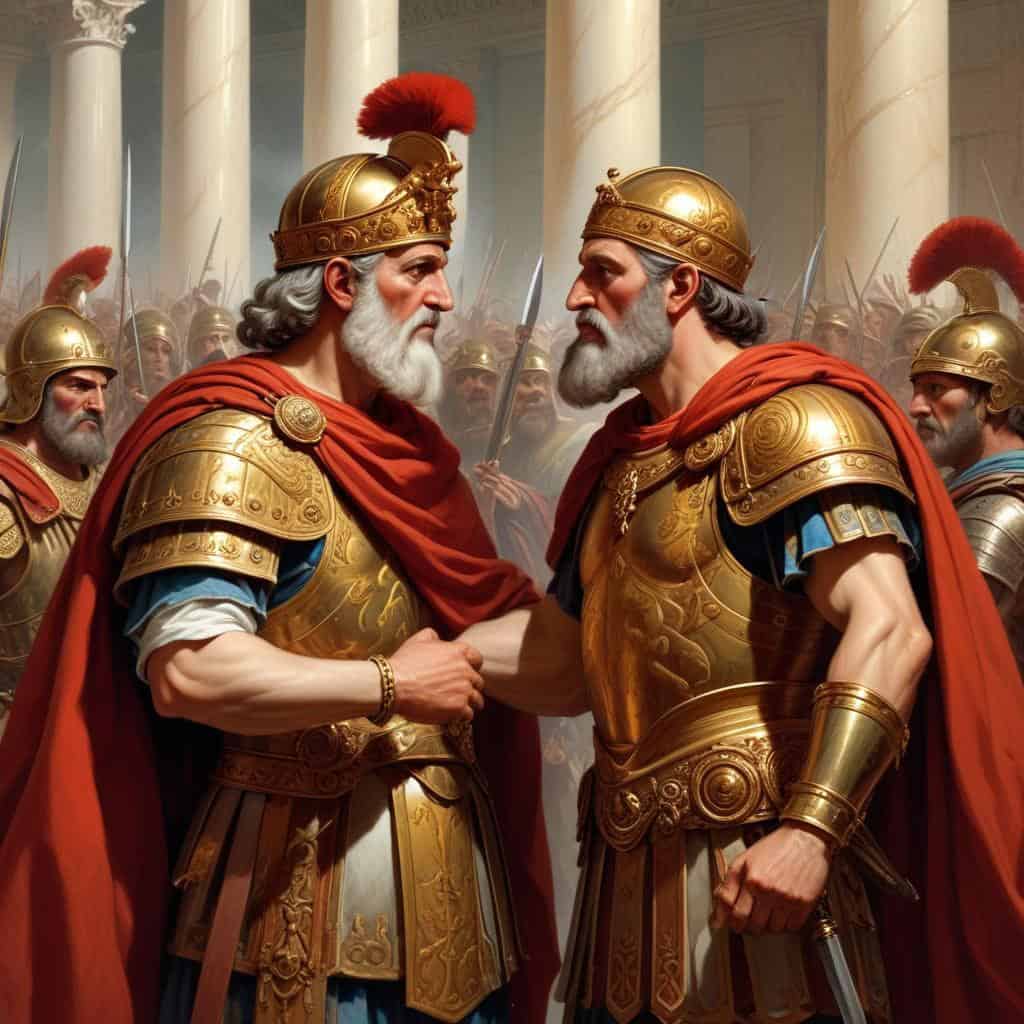
2. Relationship with Ricimer
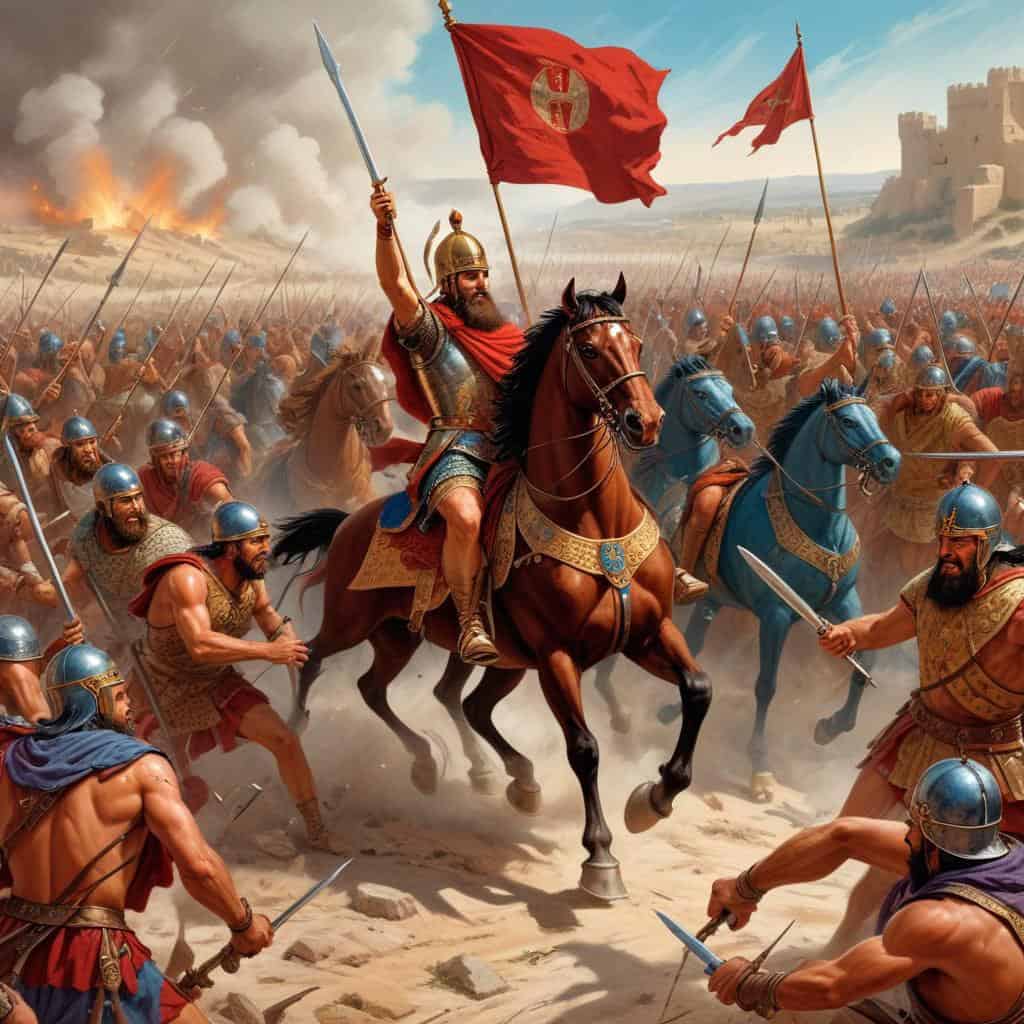
3. Military Campaigns
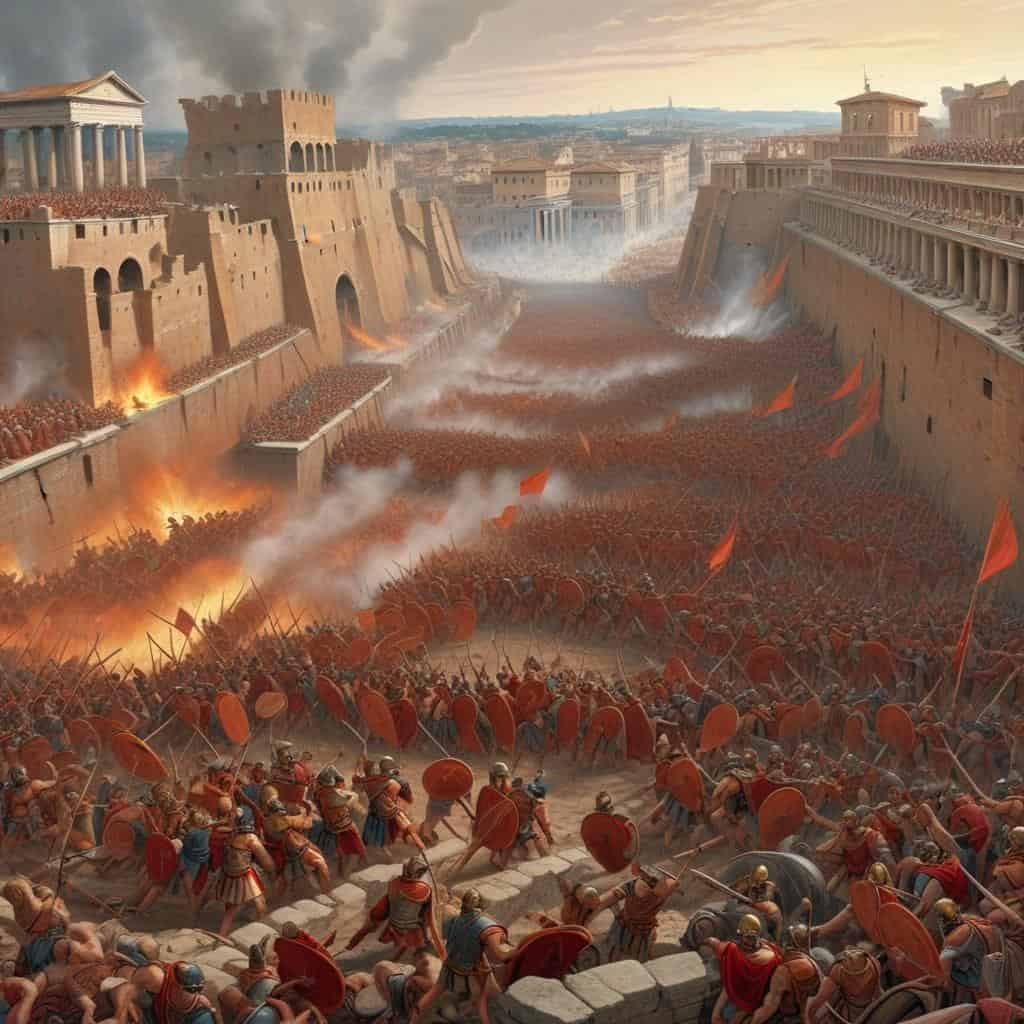
4. Siege of Rome
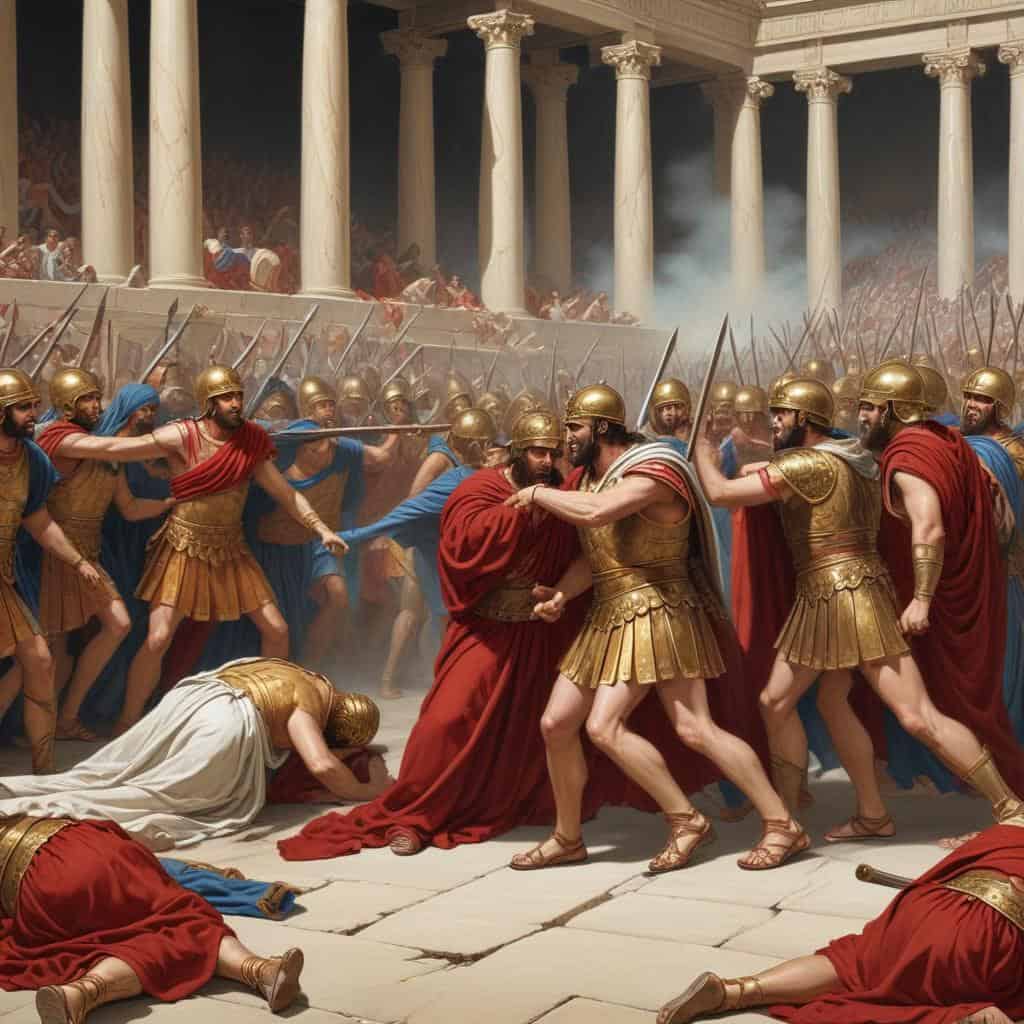
5. Death of Anthemius
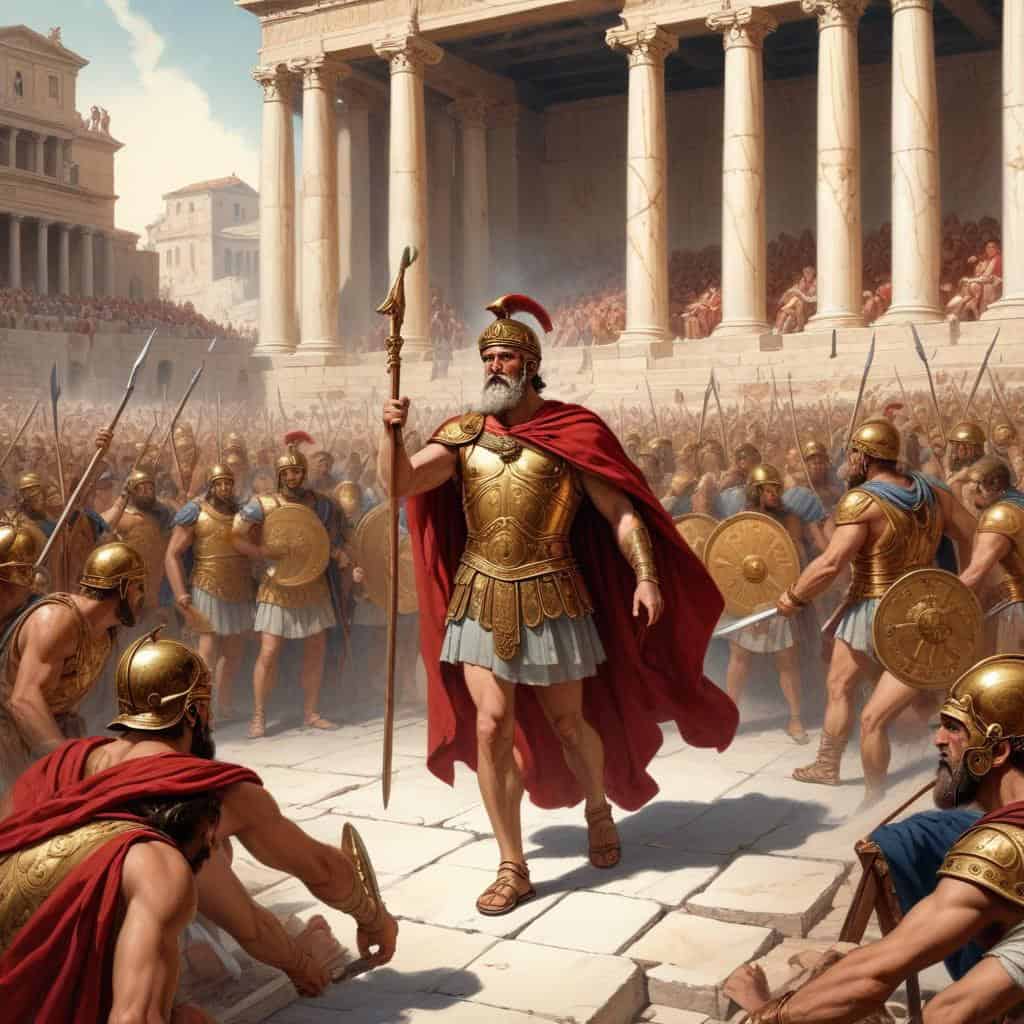
6. Legacy
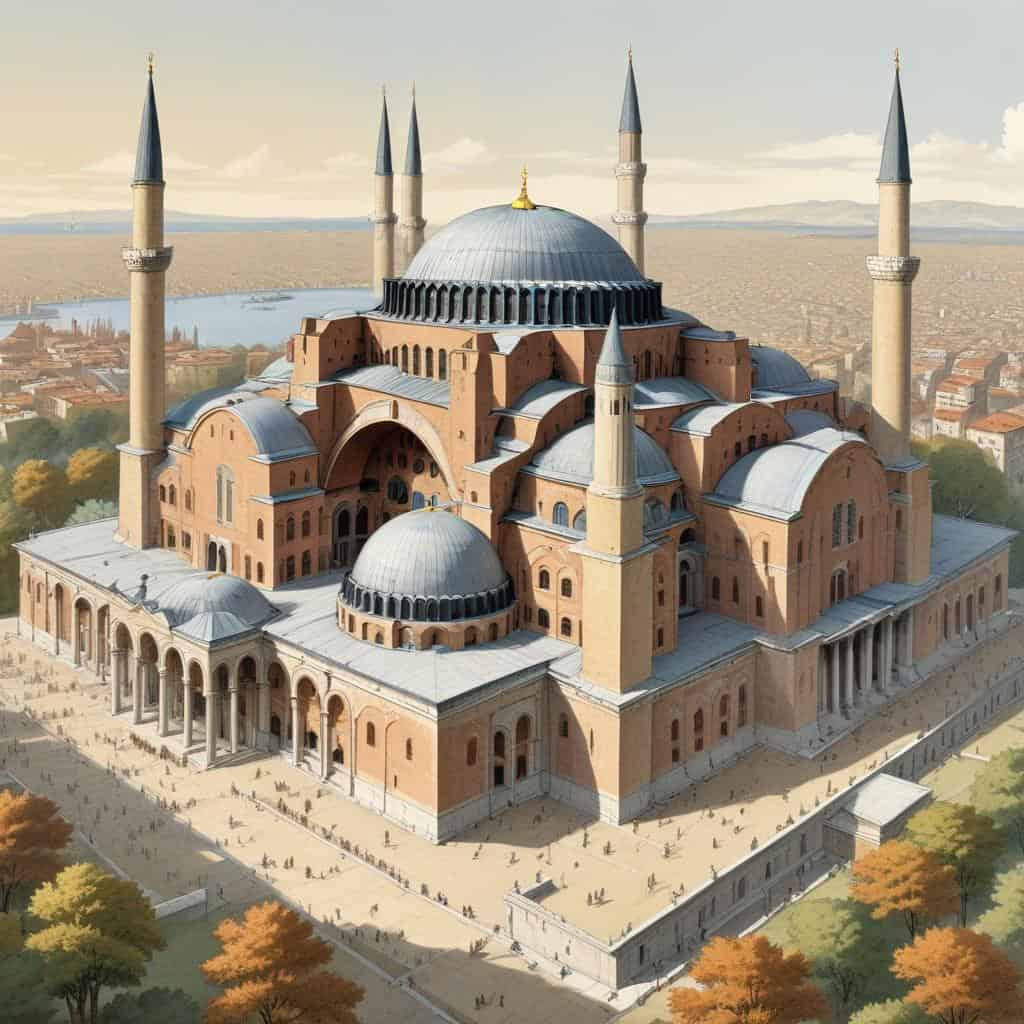
7. Architectural Contributions
8. Family and Descendants
9. Historical Accounts
10. Impact on the Roman Empire
Lesson Details & Resources
In a Nutshell
- Who: Byzantine mathematician and engineer
- When: Lived: 474 – 534 AD
- Known For: Designing the Hagia Sophia in Constantinople
- Legacy: Anthemius is most known for his architectural contributions, particularly the innovative design of the Hagia Sophia which has influenced countless buildings throughout history.
Timeline of Anthemius: A Biography
Anthemius is born in 420 AD
Anthemius becomes the Emperor of the Western Roman Empire
Anthemius marries Marcia Euphemia
Anthemius is appointed as the Western Roman Emperor by Leo I
Anthemius launches a military campaign against the Vandals in North Africa
Anthemius allies with Theodoric II of the Visigoths against the Vandals
Anthemius is assassinated by Ricimer, a Germanic general
Anthemius is buried in the Church of Santa Maria in Trastevere, Rome
Anthemius' sons are executed by Ricimer
Anthemius' widow, Marcia Euphemia, is exiled to Jerusalem
Anthemius is succeeded by Olybrius as the Emperor of the Western Roman Empire
Anthemius' reign is considered a period of relative peace and stability in the Western Roman Empire
Anthemius is a skilled mathematician and architect, known for his work on the Hagia Sophia in Constantinople
Anthemius collaborates with Isidore of Miletus on the construction of the Hagia Sophia
Anthemius is praised for his engineering skills and innovative architectural designs
Anthemius' legacy lives on through his contributions to the Byzantine architecture and engineering
Anthemius' work on the Hagia Sophia influences later architectural styles in the Byzantine Empire
Anthemius' mathematical treatises and writings on geometry are studied and admired by later scholars
Anthemius' reputation as a talented mathematician and architect endures through the centuries
Anthemius' life and achievements are remembered and celebrated in historical and architectural circles
Vocabulary List
- Anthemius
- Anthemius of Tralles was a Byzantine Greek mathematician and architect who worked on the Hagia Sophia in Istanbul.
- Byzantine
- Anthemius lived during the Byzantine Empire, which was the continuation of the Roman Empire in the East.
- Hagia Sophia
- Anthemius collaborated with Isidore of Miletus to construct the Hagia Sophia, a famous Byzantine church and architectural marvel.
- Architect
- Anthemius was not only a mathematician but also an architect, known for his innovative designs and engineering skills.
- Mathematician
- Anthemius was a skilled mathematician who applied his knowledge to his architectural projects, such as the Hagia Sophia.
Key Facts
This is the information used in the fact matching game
- Anthemius was a Western Roman Emperor who reigned from 467 to 472 AD.
- He was born in Constantinople around 420 AD.
- Anthemius was married to Marcia Euphemia, the daughter of a Roman senator.
- He was appointed as the Western Roman Emperor by the Eastern Roman Emperor Leo I.
- Anthemius' reign was marked by military conflicts with the Visigoths and Vandals.
- He attempted to strengthen the Roman defenses against barbarian invasions.
- Anthemius was known for his interest in mathematics and astronomy.
- He commissioned the construction of the Anthemius of Tralles, a famous mathematician and architect, to design the Hagia Sophia in Constantinople.
- Anthemius was deposed and killed in 472 AD by his political rival Ricimer.
- His reign is considered to be a period of decline for the Western Roman Empire.
- Anthemius was a supporter of Chalcedonian Christianity.
- He was a skilled orator and diplomat, known for his ability to negotiate with foreign powers.
- Anthemius faced challenges from both internal and external threats during his reign.
- He was the last Western Roman Emperor to be appointed by the Eastern Roman Emperor.
- Anthemius was a member of the Theodosian dynasty, which ruled the Roman Empire for several generations.
- He was known for his extravagant spending on public works and patronage of the arts.
- Anthemius was a skilled military commander, known for his strategic planning and leadership in battle.
- He was overthrown following a rebellion led by Ricimer, a powerful barbarian general.
- Anthemius' reign was marked by political instability and economic decline in the Western Roman Empire.
- He is considered to be one of the last effective Roman Emperors before the fall of the Western Roman Empire.
Analysis & Significance
Major Accomplishments
Anthemius was a skilled mathematician and engineer who co-designed the Hagia Sophia in Constantinople, one of the greatest architectural achievements of the Byzantine Empire. He also served as the chief architect for the construction of the Theodosian Walls, which protected the city from invasions for centuries.
Impact on the World
Anthemius’ architectural and engineering innovations not only left a lasting mark on the Byzantine Empire but also influenced the development of future structures and fortifications. His work demonstrated the importance of advanced mathematical and engineering principles in creating monumental and functional buildings that stood the test of time.
Enduring Legacy
Today, Anthemius is remembered as a pioneering figure in the fields of architecture and engineering, with his designs continuing to inspire architects and engineers around the world. His contributions to the construction of iconic structures like the Hagia Sophia and Theodosian Walls solidify his place as a significant historical figure whose legacy lives on through his enduring architectural masterpieces.
Anthemius: A Biography Games


Take Your Learning Offline
Want a convenient, print-ready study guide for this lesson? Become a Memory Wizards Pro member to unlock the downloadable " Memory Scrolls" for this topic and our entire library!
- ✓ Complete Vocabulary Lists
- ✓ Key Facts & Timelines
- ✓ Beautifully Formatted for Print & Mobile