
Aemilianus: A Military Leader’s Biography
The Roman general who briefly ruled the Empire with ambition and determination.
How Do You Learn Best?
Learn by Reading
Immerse yourself in the 10-minute visual lesson for a comprehensive understanding of the topic.
Learn by Reviewing
Jump directly to the key facts, timeline, and vocabulary lists to build a solid foundation of details.
Learn by Doing
Challenge yourself! Jump straight into the interactive games to learn by trial, error, and discovery.
Aemilianus: A Military Leader’s Biography in 10 Minutes
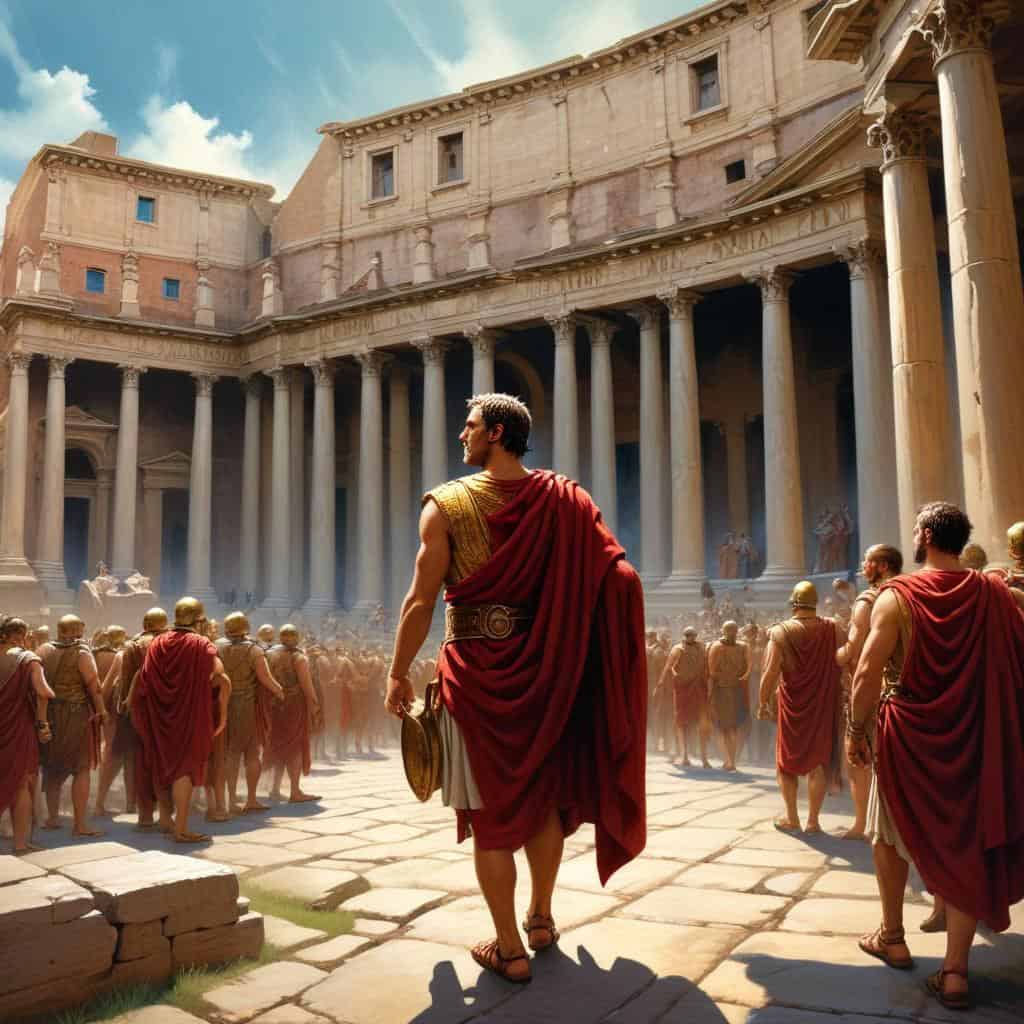
Introduction
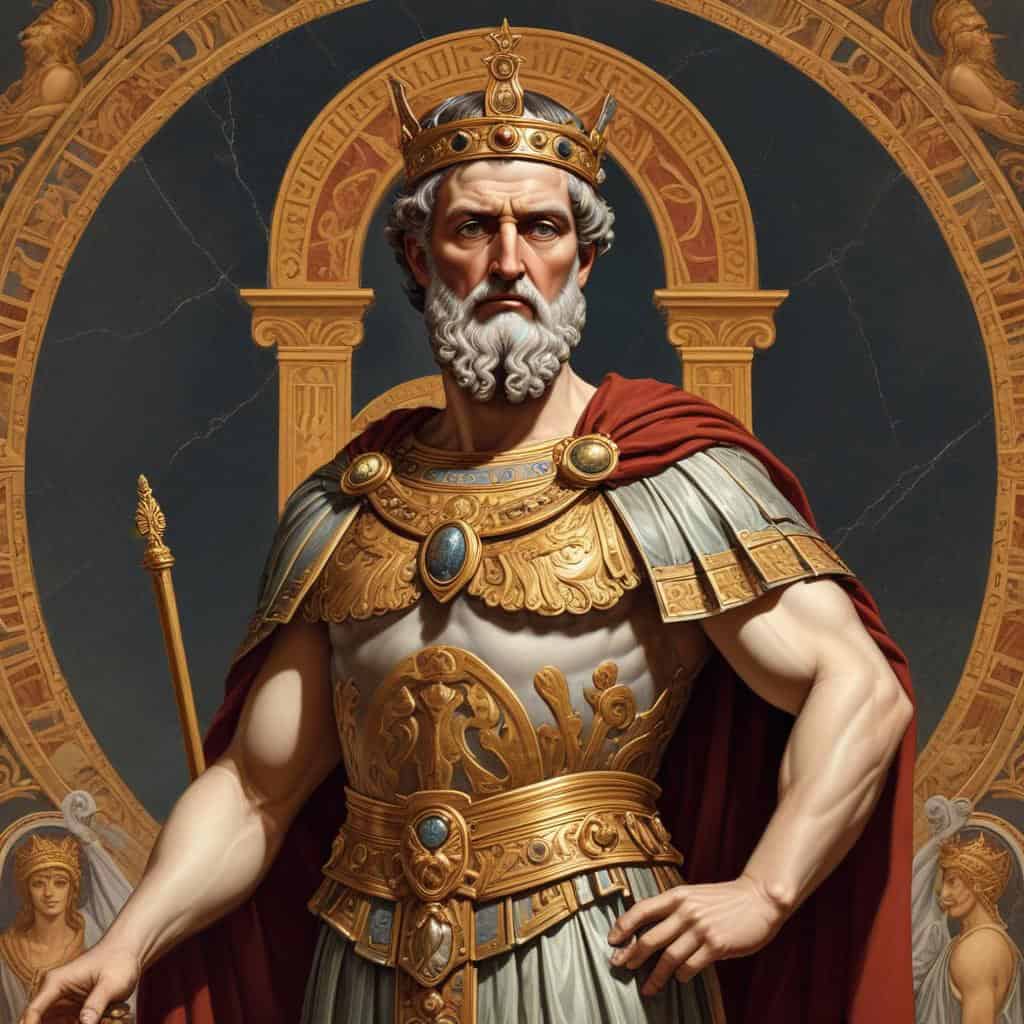
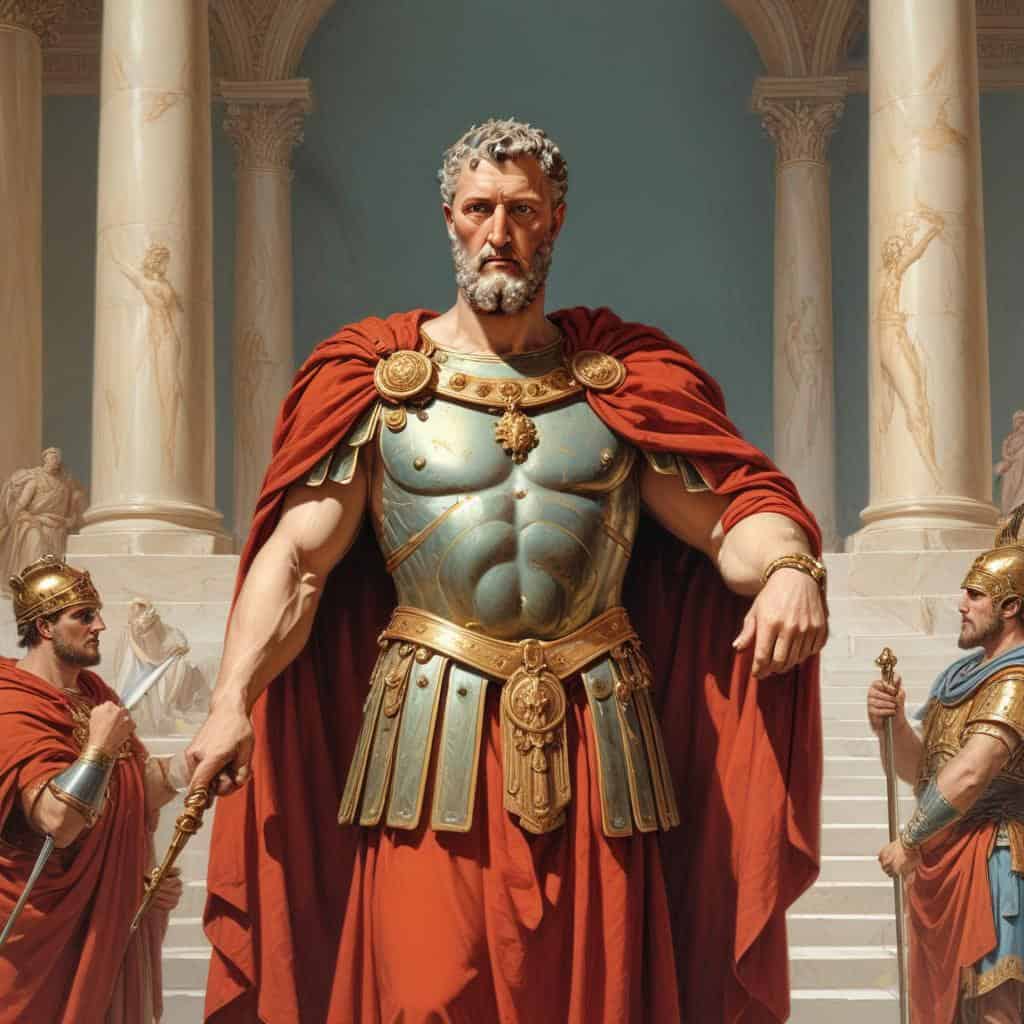
Emperor Valerian
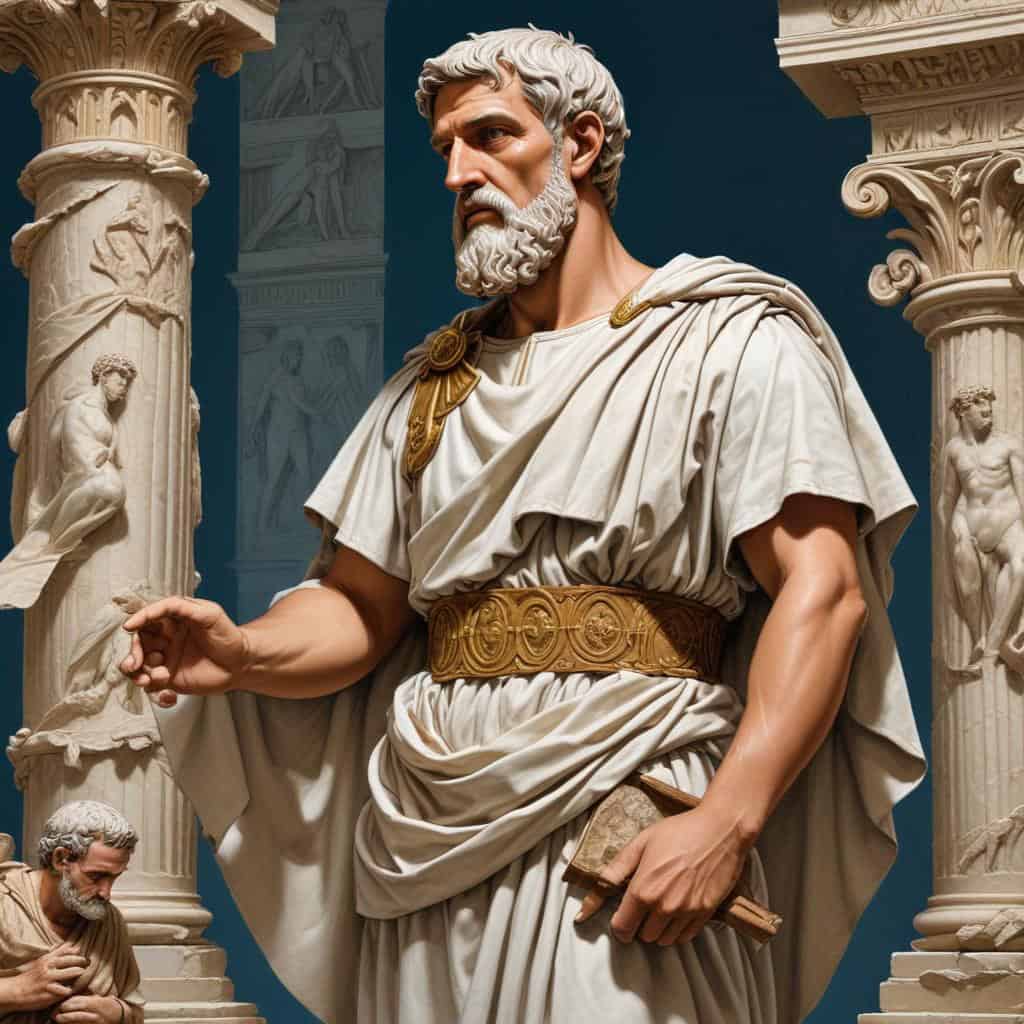
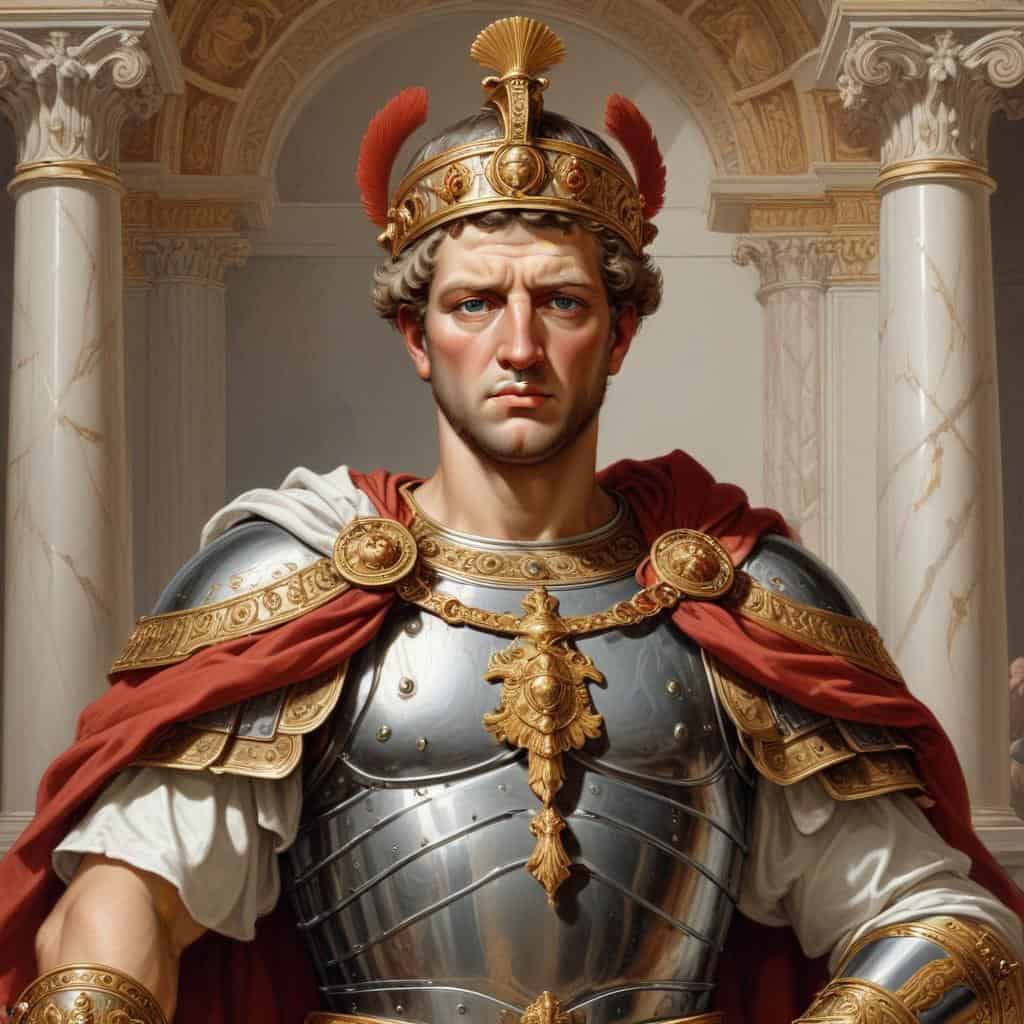
Emperor Gallienus
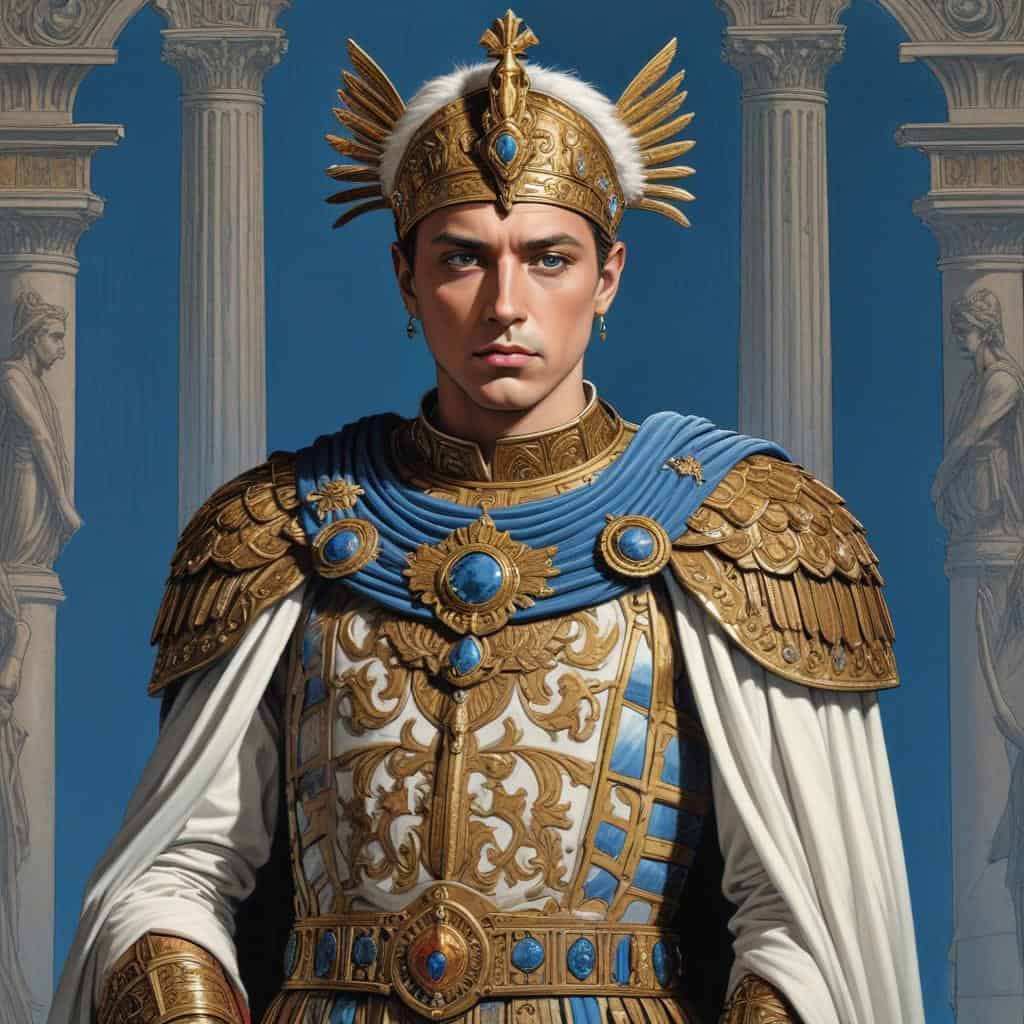
Emperor Claudius II
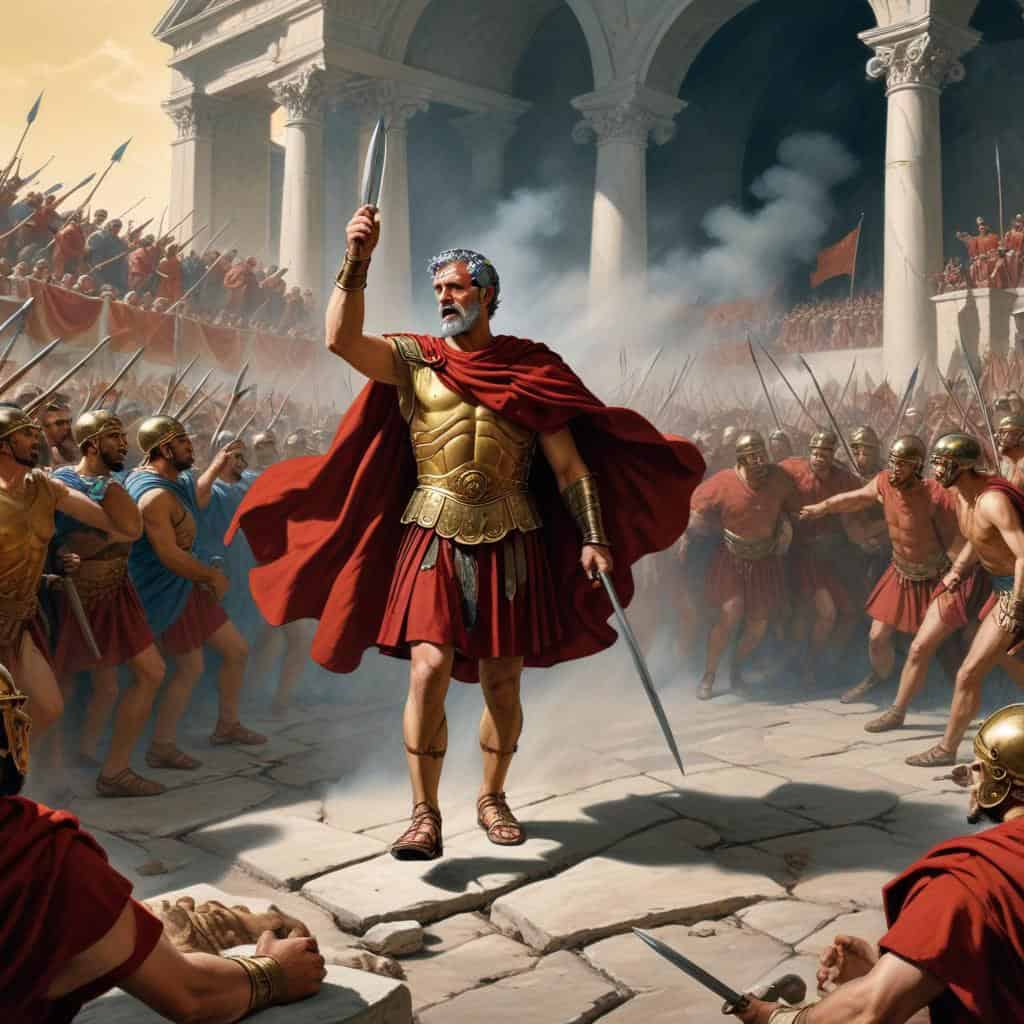
The Rise of Aemilianus
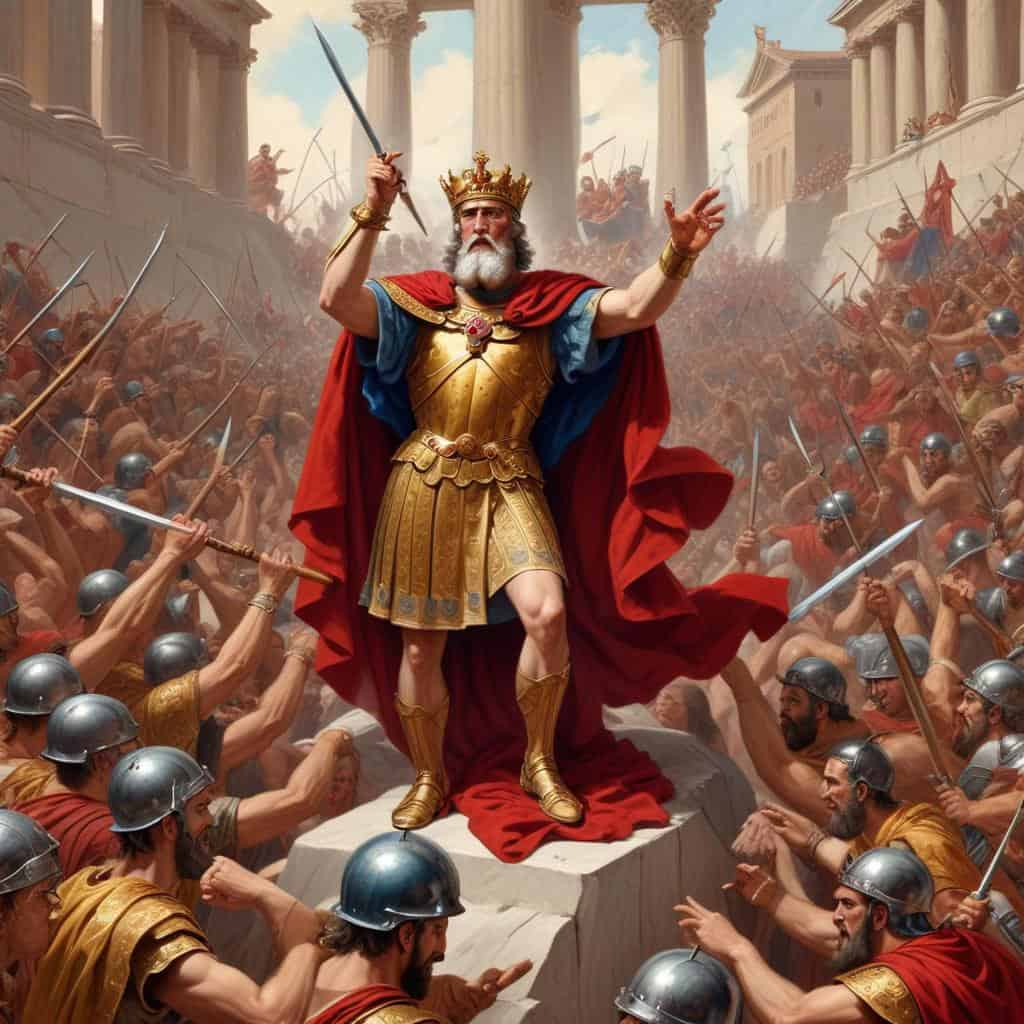
Challenges and Conflicts
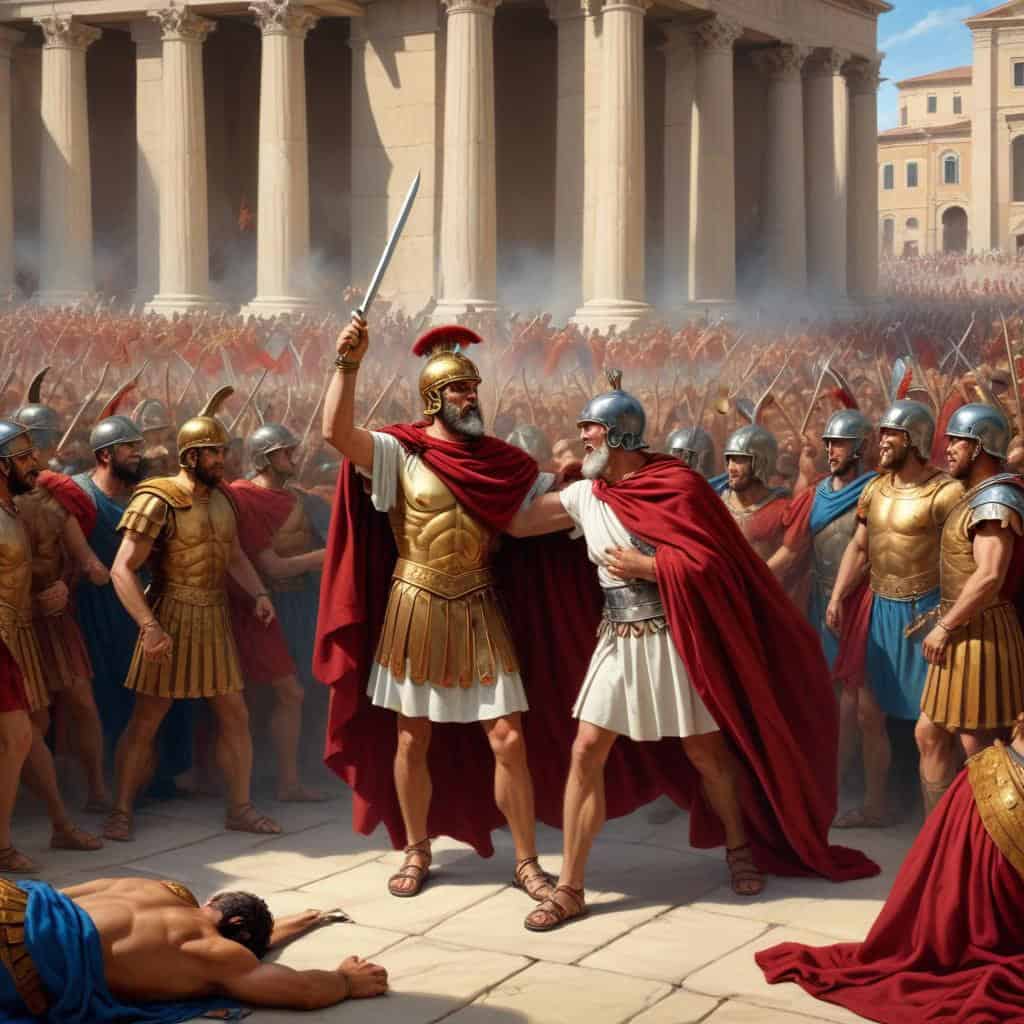
Short Reign and Death
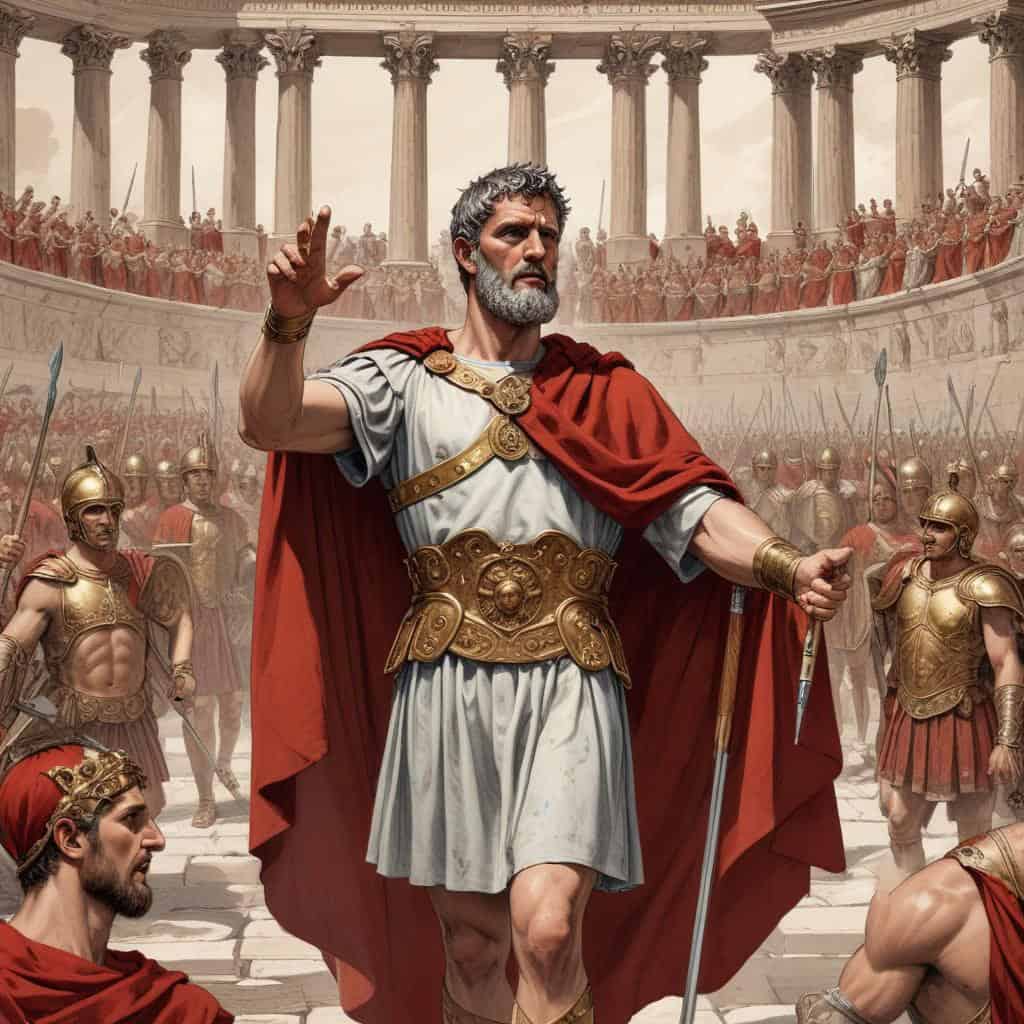
Legacy and Historical Significance
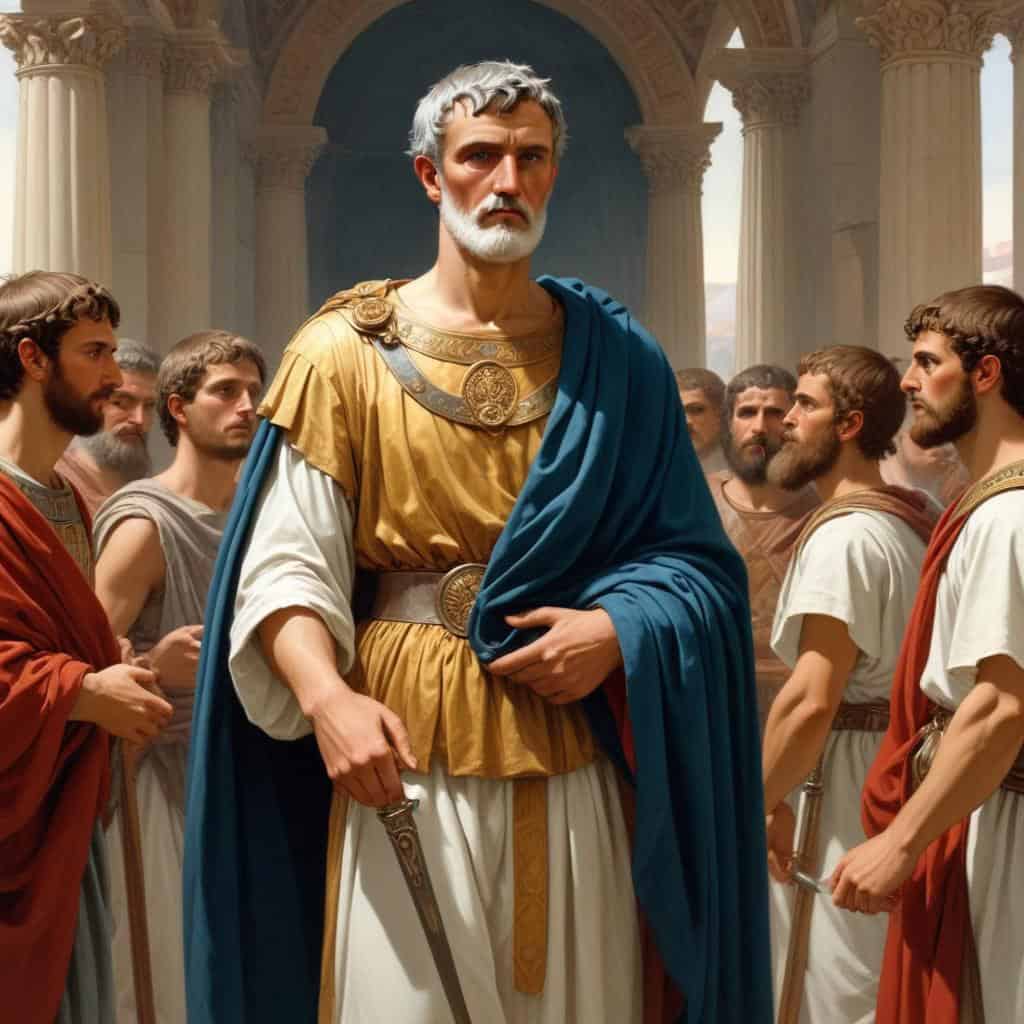
Historical Accounts and Interpretations
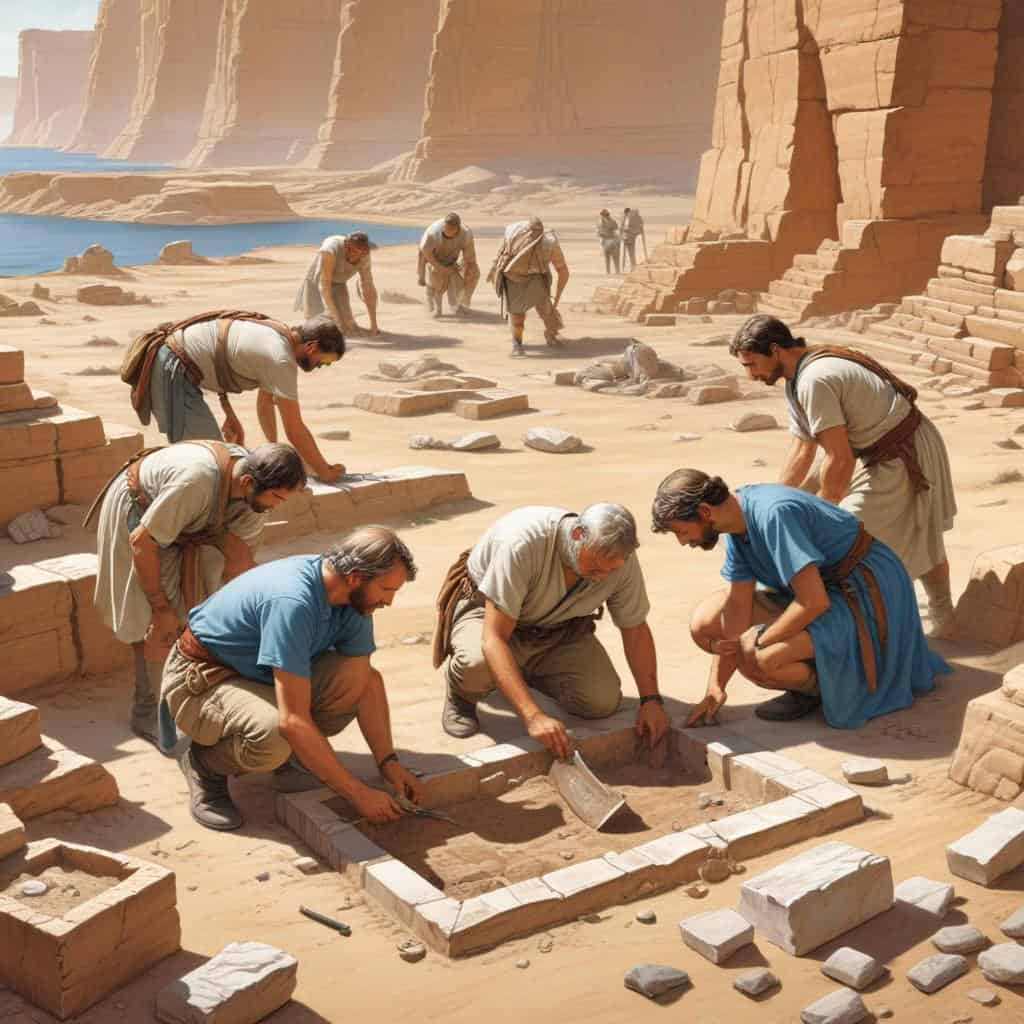
Archaeological Discoveries
Historiographical Debates
Popular Culture Depictions
Continuing Interest and Research
Lesson Details & Resources
In a Nutshell
- Who: Roman Emperor
- When: Lived: 207 – 253 AD
- Known For: Being a soldier-emperor who ruled briefly during the Crisis of the Third Century
- Legacy: Aemilianus is known for his short reign and his attempt to stabilize the Roman Empire during a tumultuous period
Timeline of Aemilianus: A Military Leader’s Biography
Aemilianus is born
Serves as a military commander under Emperor Severus Alexander
Defeats Germanic tribes in battle
Proclaimed Emperor by his troops
Assassinates Emperor Trebonianus Gallus in a coup
Receives recognition as Emperor by the Senate
Embarks on a military campaign against the Goths
Defeats the Goths and regains control of Moesia
Begins construction of a new wall along the Danube river
Devalues the Roman currency, leading to hyperinflation
Assassinated by his own troops during a mutiny
Gallienus becomes the new Emperor
Aemilianus' memory is condemned and erased from official records
Coins bearing Aemilianus' image are melted down and recast
Aemilianus' family is executed to prevent any potential challenges to Gallienus' rule
Aemilianus is officially declared a usurper
Historical accounts and inscriptions mentioning Aemilianus are destroyed
Aemilianus' name is removed from the official list of Roman Emperors
Aemilianus' reign is largely forgotten in subsequent Roman history
Rediscovery of Aemilianus' existence through archaeological findings
Vocabulary List
- Aemilianus
- Aemilianus was a Roman Emperor who reigned for a brief period in 253 AD.
- Roman Emperor
- A Roman Emperor is the ruler of the Roman Empire, holding the highest position of power and authority.
- 253 AD
- 253 AD refers to the year when Aemilianus became the Roman Emperor.
- Reigned
- Aemilianus reigned as the Roman Emperor for a short time before being assassinated.
- Assassinated
- Aemilianus was assassinated by his own troops after a reign of only a few months.
Key Facts
This is the information used in the fact matching game
- Aemilianus was a Roman Emperor for a very short period in 253 AD.
- He was proclaimed emperor by his troops in Moesia after the assassination of the previous emperor, Trebonianus Gallus.
- Aemilianus was known for his military prowess and was a respected general.
- His reign as emperor lasted only three months before he was defeated and killed by the forces of the future emperor Valerian.
- Aemilianus was the first emperor to be born in the province of Africa.
- He was also the first emperor to have a senatorial background, as opposed to being from the military or equestrian class.
- Aemilianus was married to Cornelia Supera and had at least one son, who may have been named Vabalathus.
- During his brief reign, Aemilianus minted coins that depicted his family members, including his wife and son.
- He was known for his efforts to reform the Roman army and strengthen its discipline.
- Aemilianus was considered a usurper by the Senate and was not officially recognized as emperor.
- His reign was marked by civil unrest and rebellion in various parts of the empire.
- Aemilianus was killed in Thrace while attempting to confront the forces of Valerian, who had been declared emperor by his own troops.
- After his death, Aemilianus was officially condemned and his memory was erased from public records.
- Some modern historians believe that Aemilianus may have been unfairly maligned by later sources and that he was actually a capable leader.
- There are very few surviving accounts of Aemilianus's reign, and much of what is known about him comes from later historians who may have had their own biases.
- Aemilianus's brief reign is seen as a chaotic and turbulent period in Roman history.
- He is often overshadowed by other emperors of the Crisis of the Third Century, such as Valerian and Gallienus.
- Despite his short-lived rule, Aemilianus left a lasting impact on the Roman Empire through his military reforms and policies.
- His legacy has been the subject of debate among historians, with some viewing him as a failed usurper and others as a potential reformer.
- Aemilianus's coinage and inscriptions are some of the few surviving artifacts that provide insight into his reign and character.
Analysis & Significance
Major Accomplishments
Aemilianus was known for his groundbreaking research in the field of memory enhancement techniques, developing innovative strategies that revolutionized the way people retain and recall information.
Impact on the World
His work had a profound impact on education, cognitive psychology, and self-improvement, inspiring countless individuals to improve their memory skills and optimize their learning potential.
Enduring Legacy
Today, Aemilianus is remembered as a pioneer in the field of memory enhancement, with his techniques still being studied and utilized by researchers, educators, and individuals seeking to improve their memory and cognitive abilities. His legacy continues to shape the way we understand and harness the power of memory in our daily lives.
Aemilianus: A Military Leader’s Biography Games


Take Your Learning Offline
Want a convenient, print-ready study guide for this lesson? Become a Memory Wizards Pro member to unlock the downloadable " Memory Scrolls" for this topic and our entire library!
- ✓ Complete Vocabulary Lists
- ✓ Key Facts & Timelines
- ✓ Beautifully Formatted for Print & Mobile