
Summary of The Romanization of Britain
Uncover the enchanting story of how Rome shaped ancient Britannia.
How Do You Learn Best?
Learn by Reading
Immerse yourself in the 10-minute visual lesson for a comprehensive understanding of the topic.
Learn by Reviewing
Jump directly to the key facts, timeline, and vocabulary lists to build a solid foundation of details.
Learn by Doing
Challenge yourself! Jump straight into the interactive games to learn by trial, error, and discovery.
The Romanization of Britain in 10 Minutes
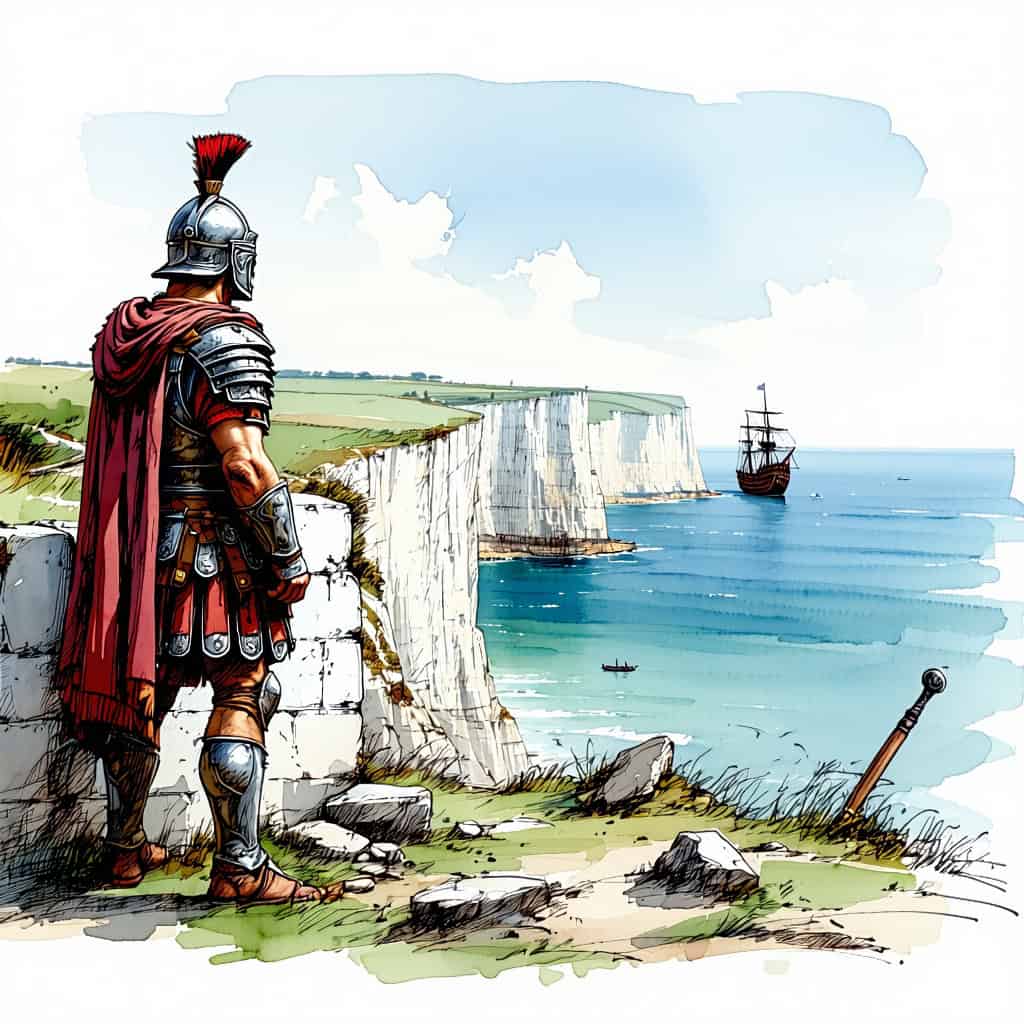
Introduction
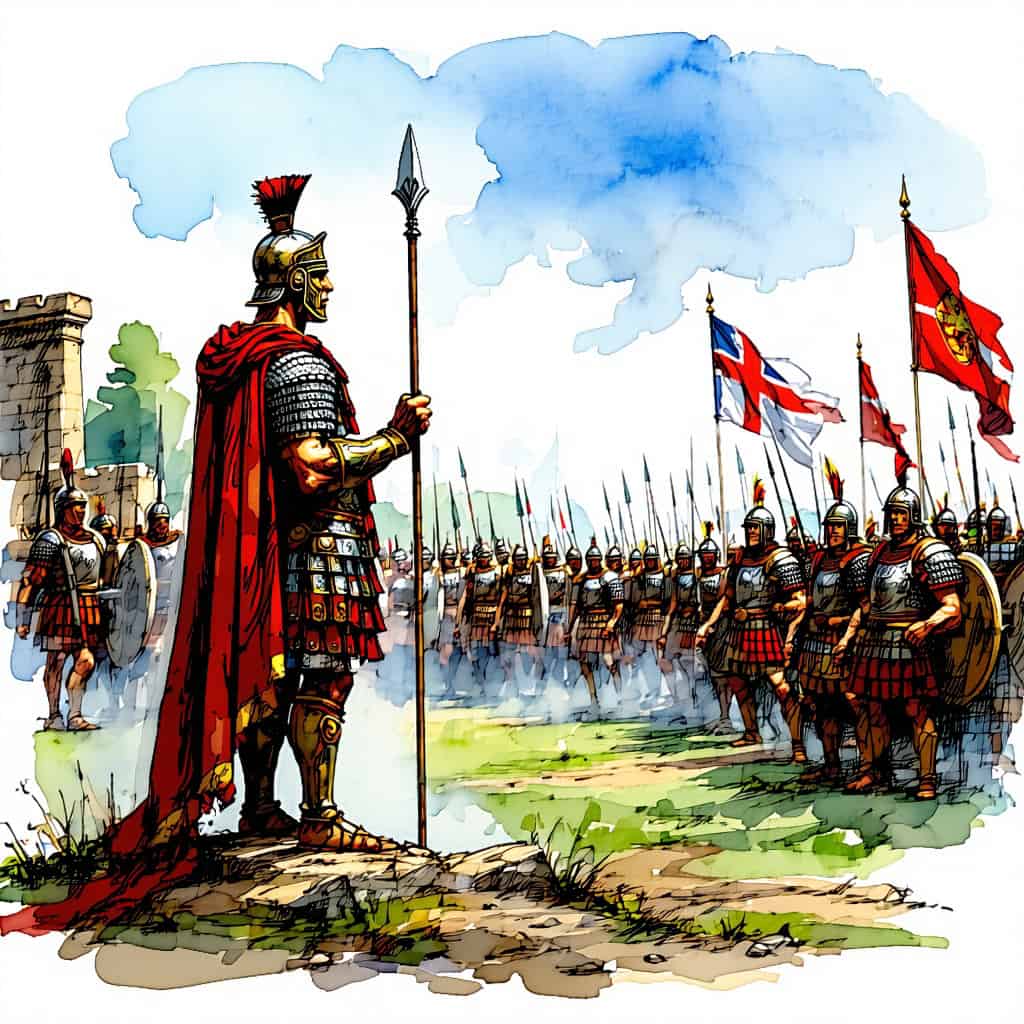
Emperor Claudius
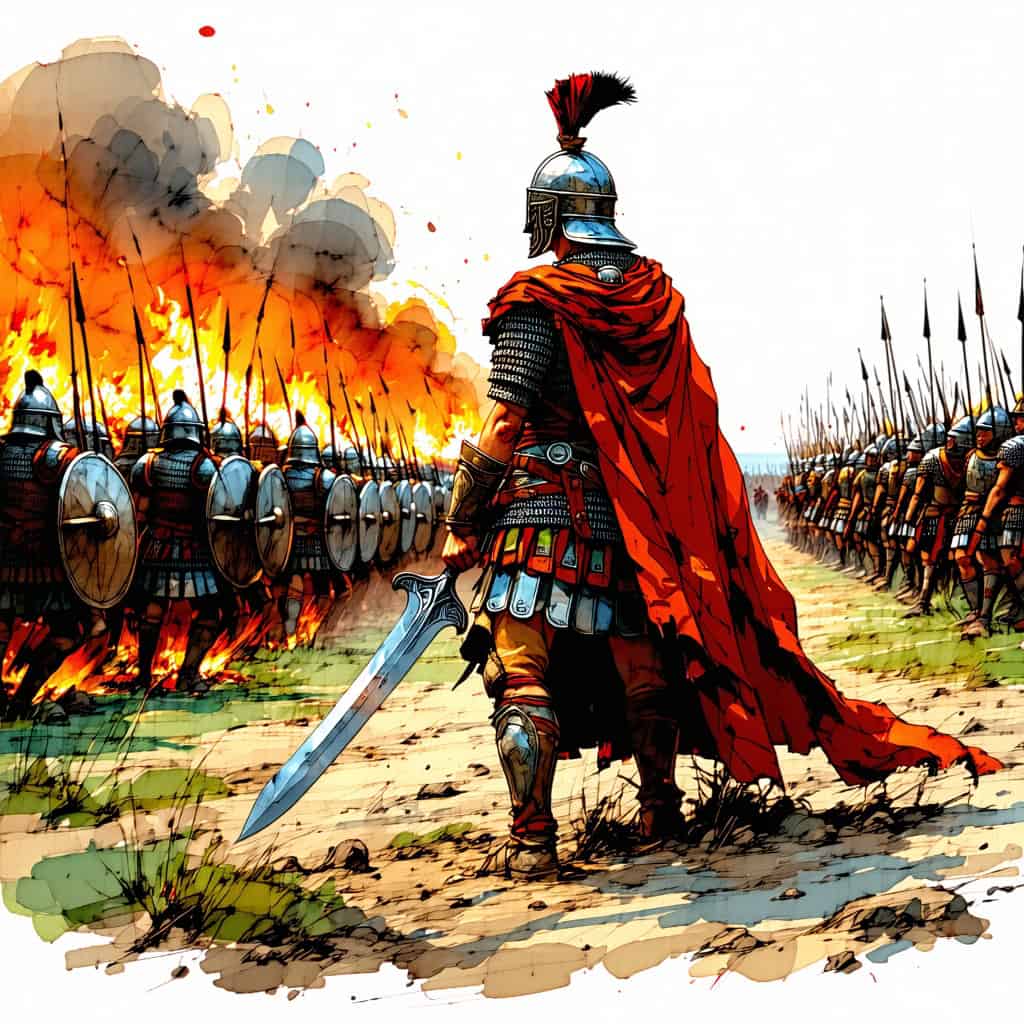
Boudica
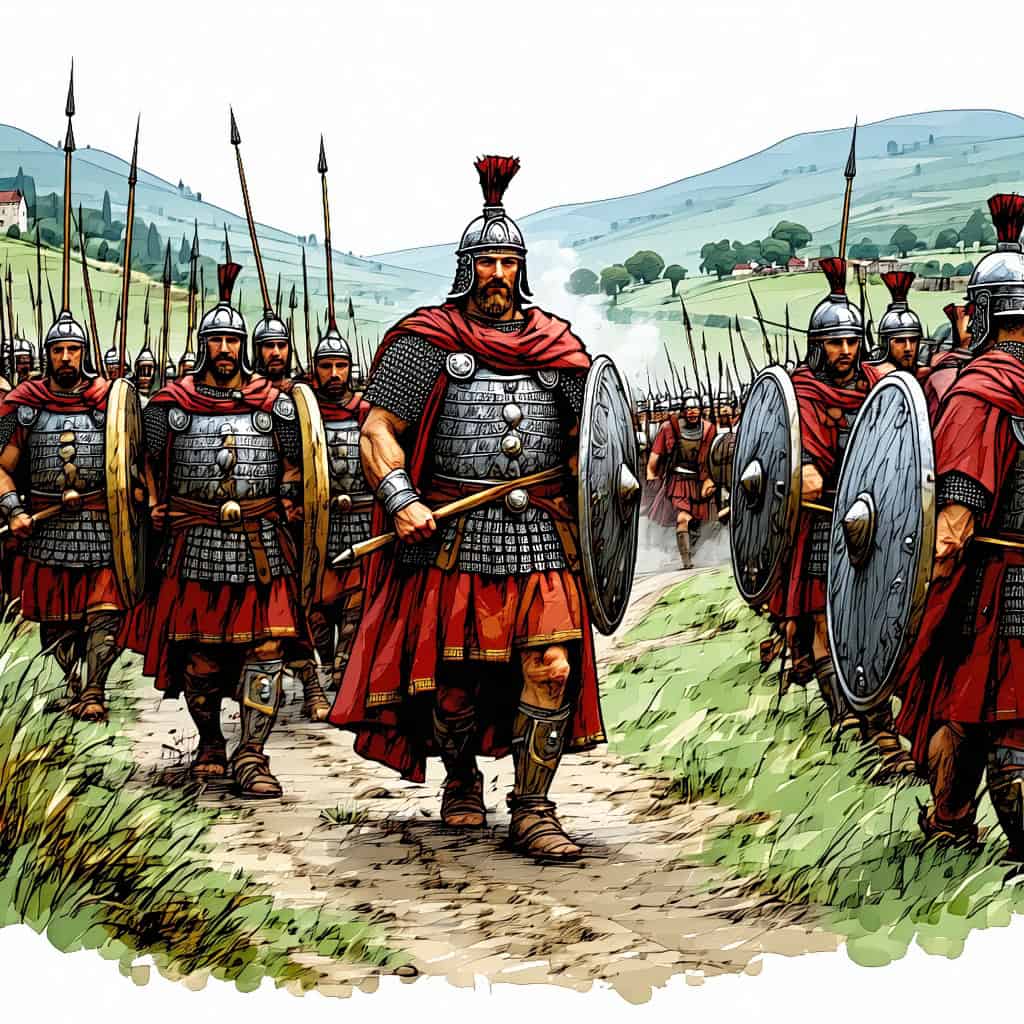
Julius Agricola
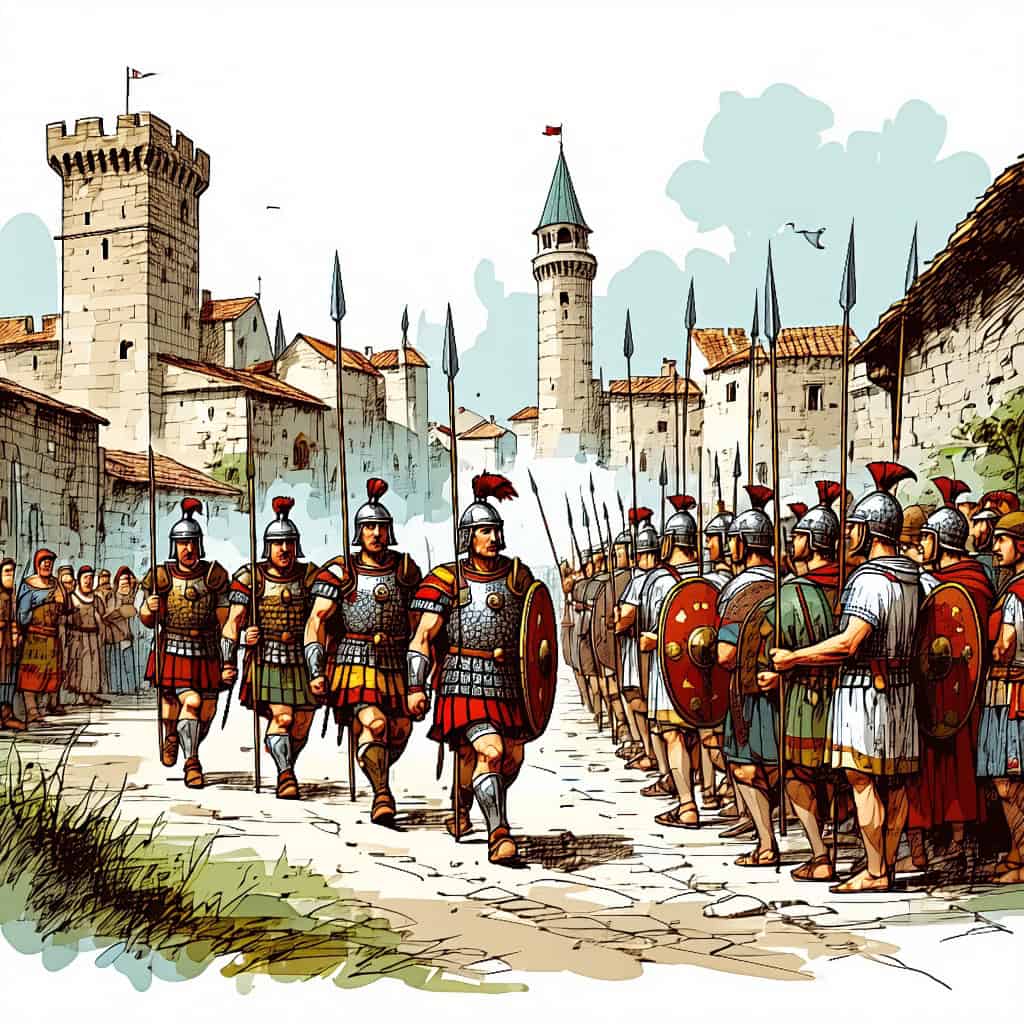
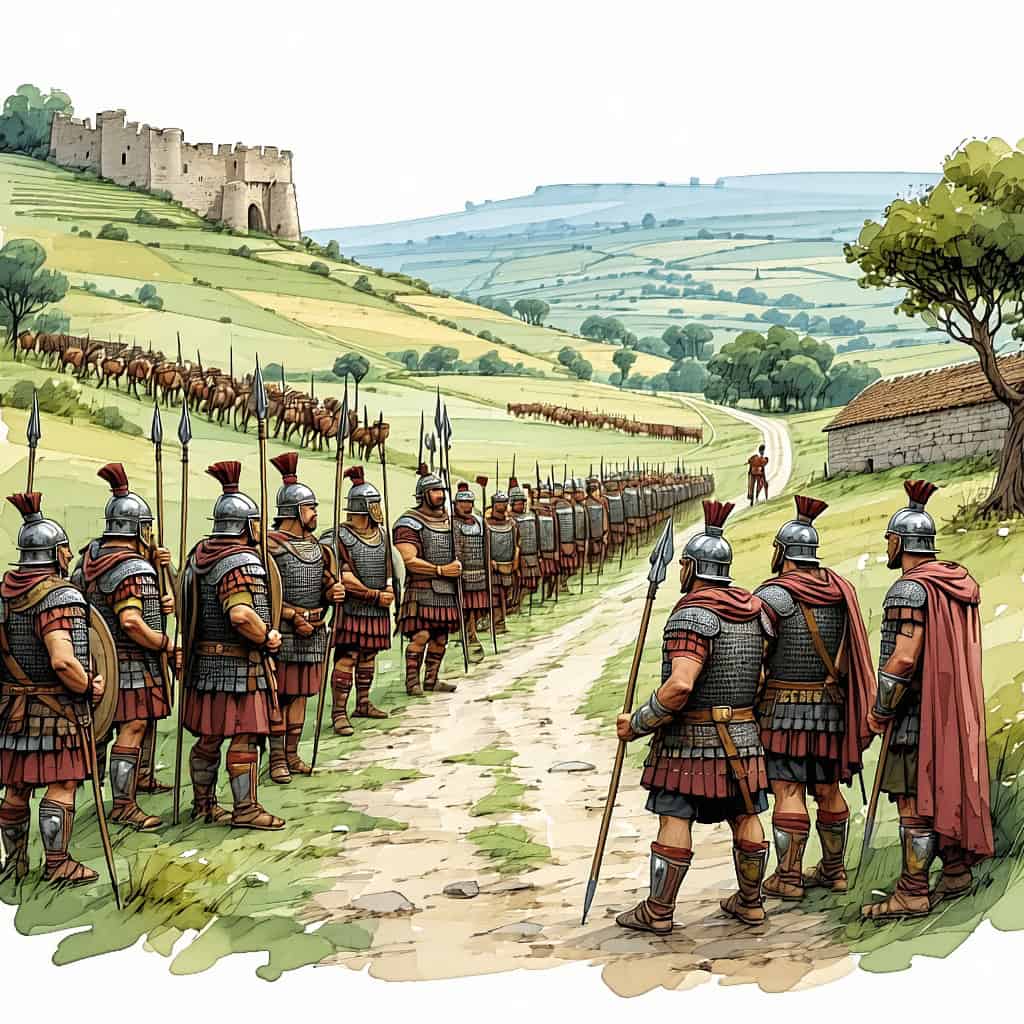
Roman Soldiers

British Tribal Leaders

The Roman Conquest of Britain

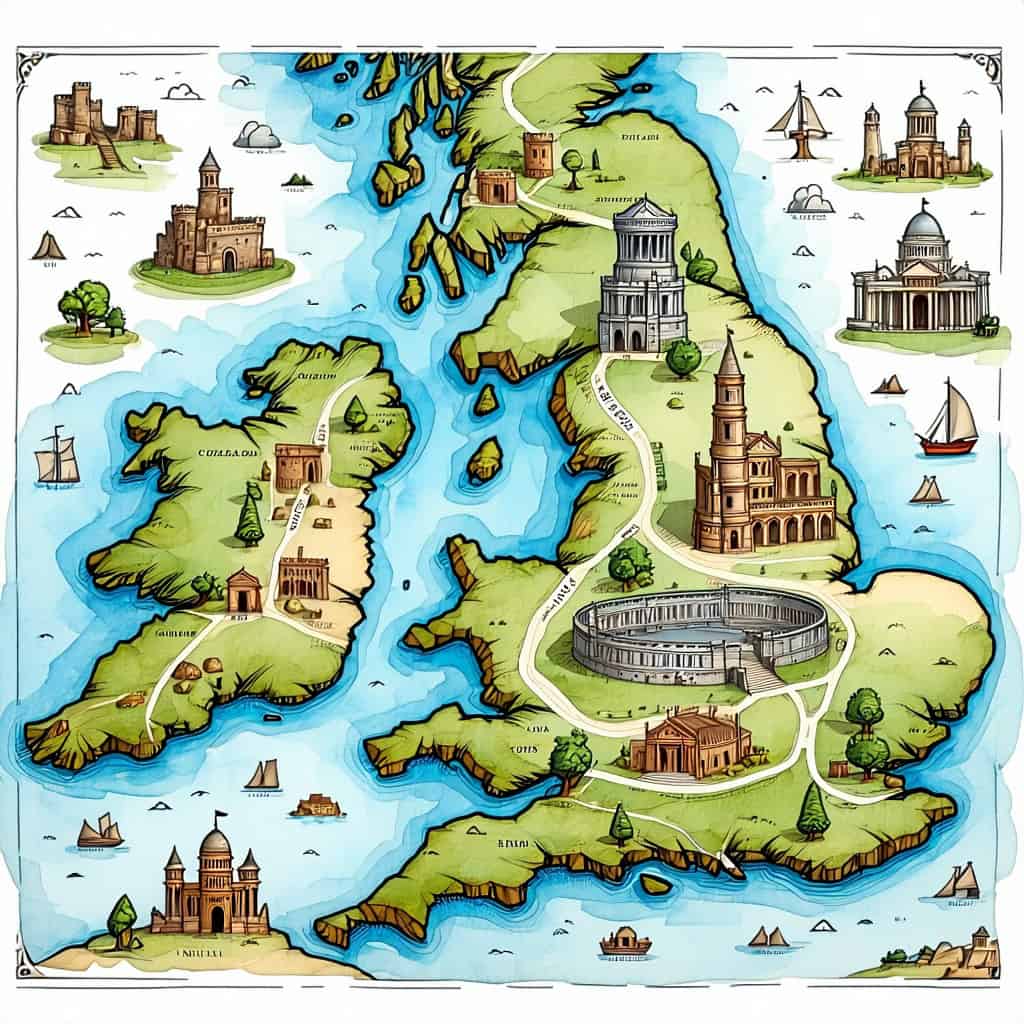
Building Infrastructure

Spread of Roman Culture

Urbanization of Britain
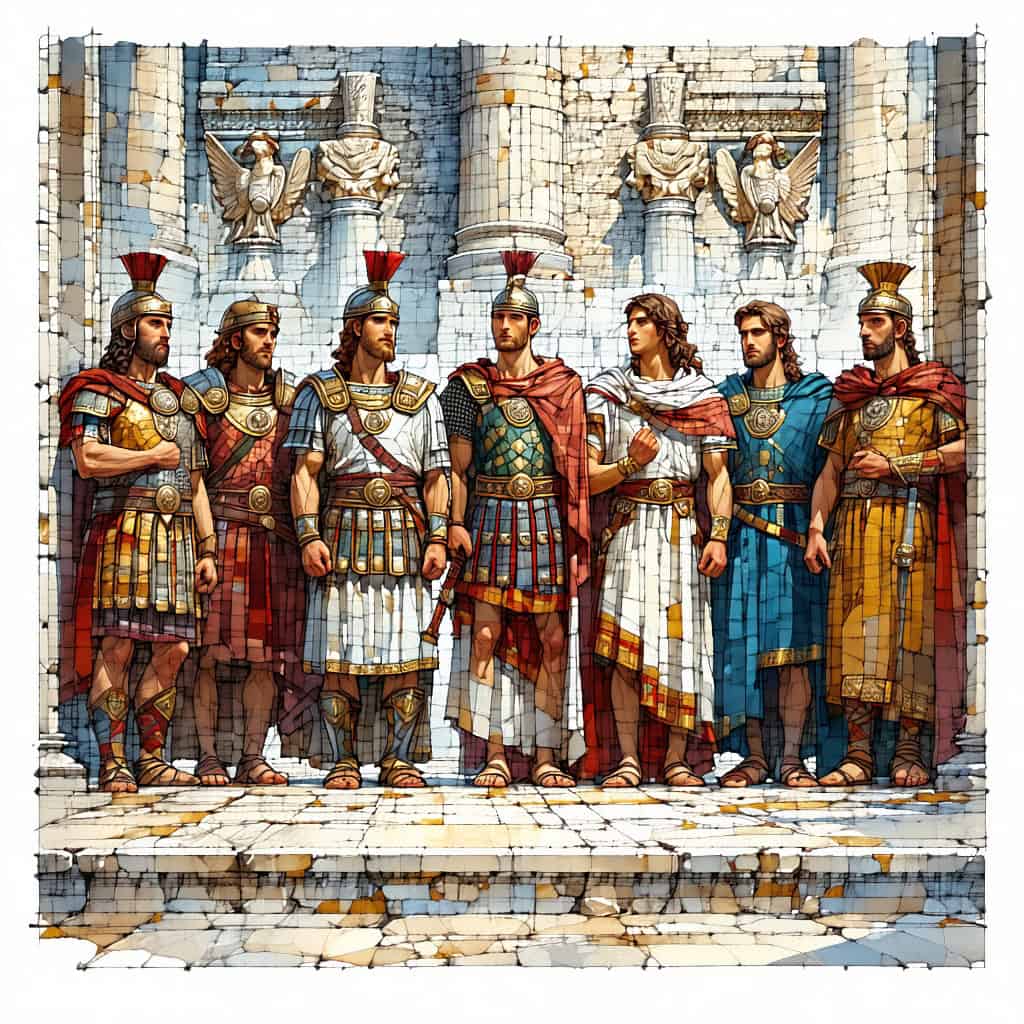
Romanization of Religion

Military Presence

Integration of Celtic Tribes

Economic Prosperity

Decline of Roman Influence

Legacy of Roman Britain
Lesson Details & Resources
In a Nutshell
- What: The Romanization of Britain involved the process of Roman influence and rule in Britain.
- When: 43 AD – 410 AD
- Who: Roman soldiers, Roman administrators, Celtic tribes in Britain
- Outcome: Significant cultural, social, and economic changes in Britain due to Roman presence and influence.
Famous Figures in the The Romanization of Britain
-
Emperor Claudius
Emperor Claudius - The Roman Emperor who led the Roman conquest of Britain in AD 43.
-
Boudica
Boudica - The queen of the British Celtic Iceni tribe who led an uprising against the Roman occupation of Britain in AD 60 or 61.
-
Agricola
Agricola - A Roman general responsible for expanding the Roman Empire in Britain during the late 1st century AD.
-
Hadrian
Hadrian - The Roman Emperor who ordered the construction of Hadrian's Wall, a fortification in northern Britain built to defend the Roman province.
-
Septimius Severus
Septimius Severus - A Roman Emperor who visited Britain in AD 208 and initiated military campaigns to strengthen the Roman hold on the island.
Timeline of The Romanization of Britain
Roman invasion of Britain under Julius Caesar
Second Roman invasion of Britain under Emperor Claudius
Construction of Hadrian's Wall
Roman conquest of Wales
Establishment of Londinium (London) as a major Roman city
Construction of the Roman town of Bath (Aquae Sulis)
Romanization of the native Britons through the spread of Roman culture, language, and technology
Introduction of Roman law and governance in Britain
Building of Roman roads across Britain, including the Fosse Way and Watling Street
Establishment of Roman forts and settlements throughout Britain
Spread of Christianity in Roman Britain
End of Roman rule in Britain with the departure of the legions
Anglo-Saxon migration and settlement in Britain
Integration of Roman and Celtic cultures in post-Roman Britain
Survival of Roman infrastructure and technology in Britain after the fall of the Western Roman Empire
Influence of Latin language and Roman customs on early medieval Britain
Archaeological evidence of Roman presence in Britain, such as villas, baths, and mosaics
Continued use of Roman coinage and trade networks in post-Roman Britain
Legacy of Roman civilization in the development of British culture and society
Modern archaeological discoveries and research shedding light on the Romanization of Britain
Vocabulary List
- Romanization
- The process of incorporating Roman culture, language, and customs into a society.
- Colonia
- A Roman settlement established in conquered territories, often with Roman citizens.
- Villa
- A Roman country house or estate, often owned by wealthy Roman citizens.
- Forum
- A public square or marketplace in a Roman town used for politics, commerce, and social gatherings.
- Bathhouse
- A Roman building for communal bathing, often with heated rooms and steam baths.
- Hypocaust
- A Roman system of central heating using hot air circulated beneath the floors of buildings.
- Celtic
- The indigenous culture and language of the pre-Roman inhabitants of Britain.
- Hadrian's Wall
- A defensive fortification built by the Romans in northern Britain to protect against invasions from the north.
Key Facts
This is the information used in the fact matching game
- The Romanization of Britain occurred during the Roman conquest of Britain from 43 AD to 410 AD.
- The Romans introduced new infrastructure to Britain, including roads, bridges, and aqueducts.
- Latin became the official language of administration and law in Roman Britain.
- The Romans built luxurious bathhouses and introduced the concept of public bathing to Britain.
- The Roman occupation of Britain had a significant impact on the local Celtic tribes.
- Roman Britain had a well-developed road network, including major routes like Watling Street and Fosse Way.
- The Romans introduced advanced agricultural techniques to Britain, improving crop yields and introducing new crops.
- Roman Britain saw the development of towns and cities, with London (Londinium) becoming the largest urban center.
- The Romans brought Christianity to Britain, with the first recorded Christian martyrs in the country being executed in the early 4th century.
- Roman Britain had a diverse population, including Romans, Britons, and immigrants from other parts of the Roman Empire.
- The Romans established a system of governance and administration in Britain, with local officials called magistrates.
- Roman Britain had a thriving economy based on agriculture, trade, and mining.
- The Romans built forts and walls, such as Hadrian's Wall, to defend their conquests in Britain.
- Roman Britain had a complex social structure, with a ruling elite, free citizens, and slaves.
- The Romans introduced new technologies, such as underfloor heating (hypocaust), to Britain.
- Roman Britain had a well-organized military presence, with legions stationed across the country.
- The Romans established a system of taxation in Britain to fund their administration and military activities.
- The Romans introduced the concept of urban planning and built grand public buildings in their cities.
- Roman Britain had a rich artistic and cultural heritage, influenced by both Roman and local traditions.
- The Romans left a lasting legacy in Britain, with many Roman structures and artifacts still visible today.
Analysis & Significance
Immediate Consequences
The Romanization of Britain in the 1st century AD led to immediate changes in the region, including the introduction of Roman infrastructure, laws, and customs. The Romans built roads, forts, and towns, which facilitated trade and communication, but also brought about cultural shifts and conflicts with the native Britons.
Long-Term Impact
The long-term impact of Romanization on Britain was profound. It laid the foundation for the development of a Romanized society that lasted for centuries after the Roman withdrawal. The Roman legacy can be seen in the architecture, language, and legal systems of Britain, shaping its culture and society for generations to come.
Cultural Significance Today
The Romanization of Britain continues to hold cultural significance today, with Roman ruins and artifacts scattered throughout the country. The Roman influence is evident in modern British society, from the layout of cities to the words in the English language. The legacy of Romanization serves as a reminder of the interconnectedness of civilizations and the lasting impact of ancient cultures on our world today.
The Romanization of Britain Games


Take Your Learning Offline
Want a convenient, print-ready study guide for this lesson? Become a Memory Wizards Pro member to unlock the downloadable " Memory Scrolls" for this topic and our entire library!
- ✓ Complete Vocabulary Lists
- ✓ Key Facts & Timelines
- ✓ Beautifully Formatted for Print & Mobile