
Summary of Roman Baths in Britain
Uncover the secrets of ancient Roman luxury in British soil.
How Do You Learn Best?
Learn by Reading
Immerse yourself in the 10-minute visual lesson for a comprehensive understanding of the topic.
Learn by Reviewing
Jump directly to the key facts, timeline, and vocabulary lists to build a solid foundation of details.
Learn by Doing
Challenge yourself! Jump straight into the interactive games to learn by trial, error, and discovery.
Roman Baths in Britain in 10 Minutes
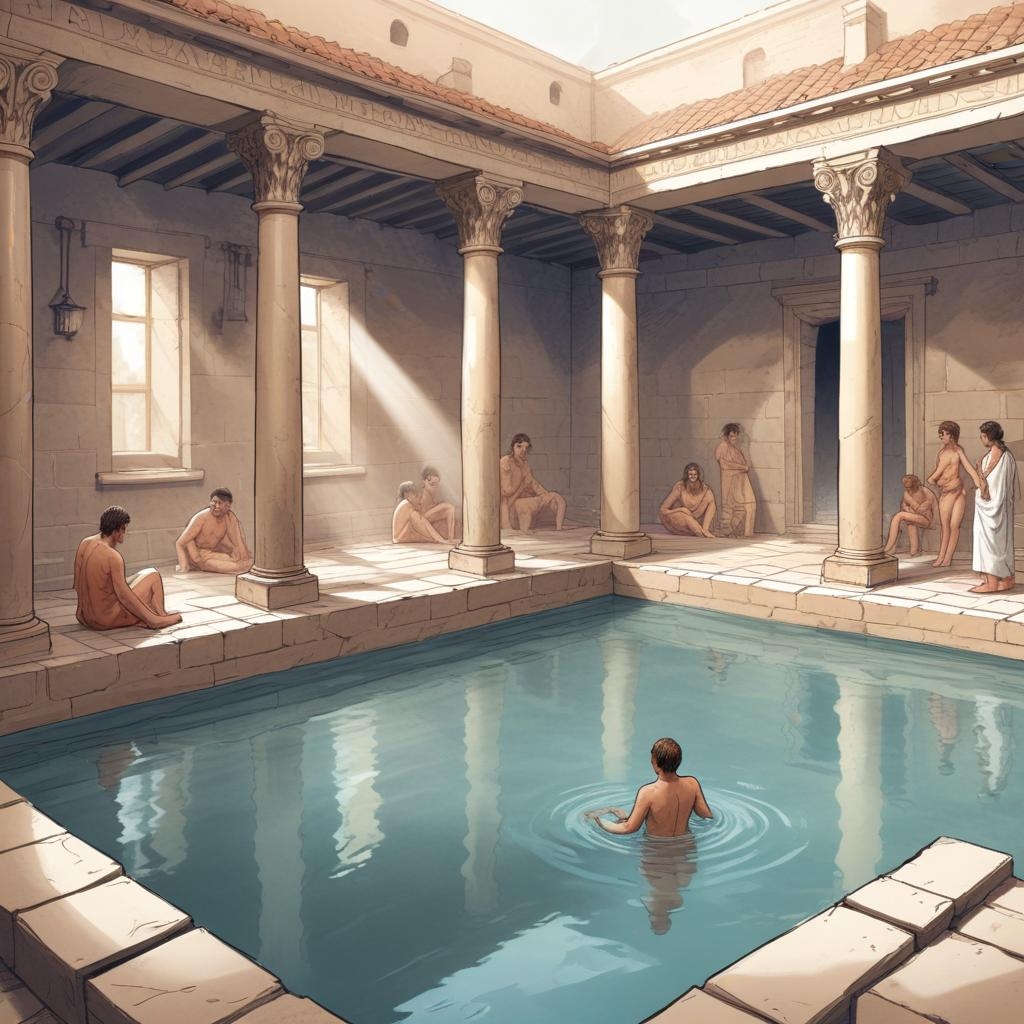
Introduction
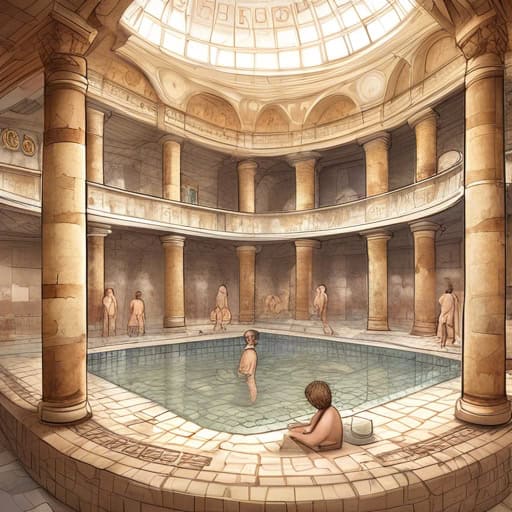
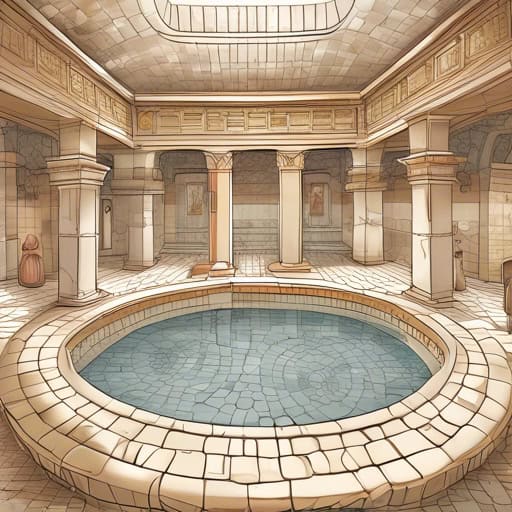
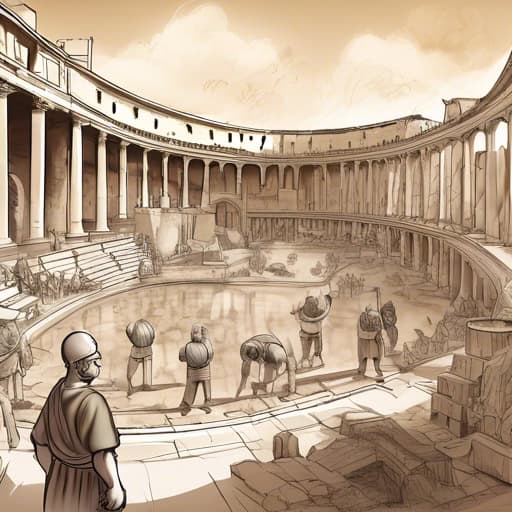
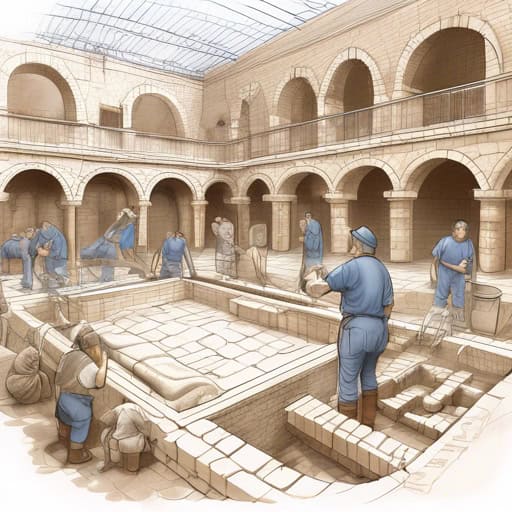
Emperor Vespasian
Architect Lucius
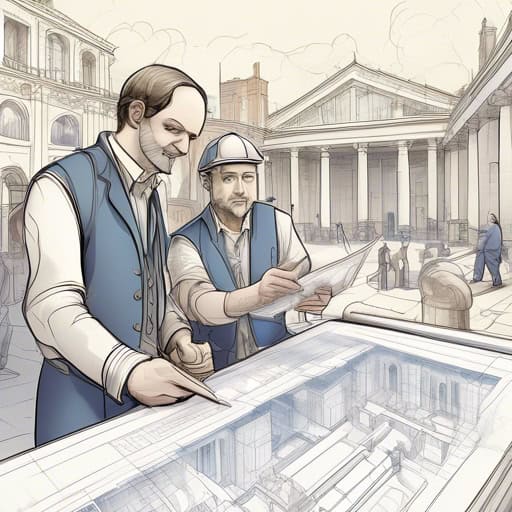
Engineer Marcus
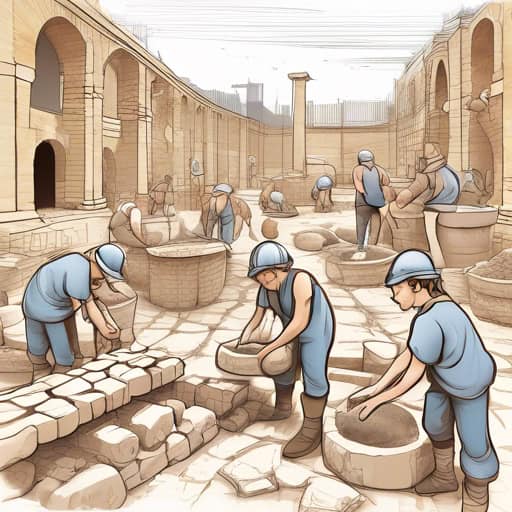
Local laborers
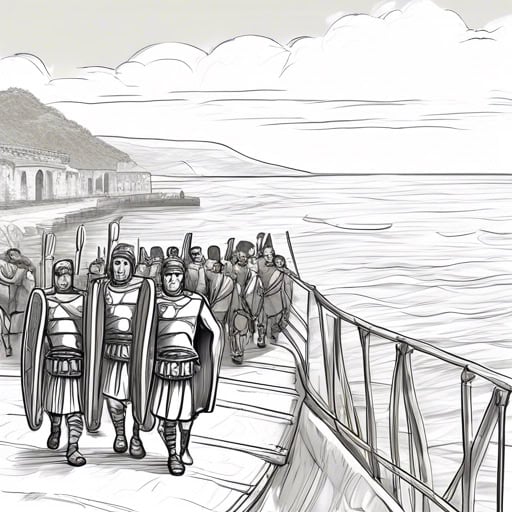
1. Roman Arrival in Britain
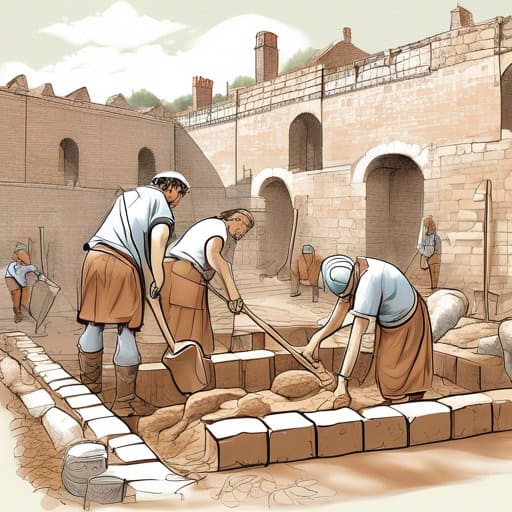
2. Construction Begins

3. Heating System
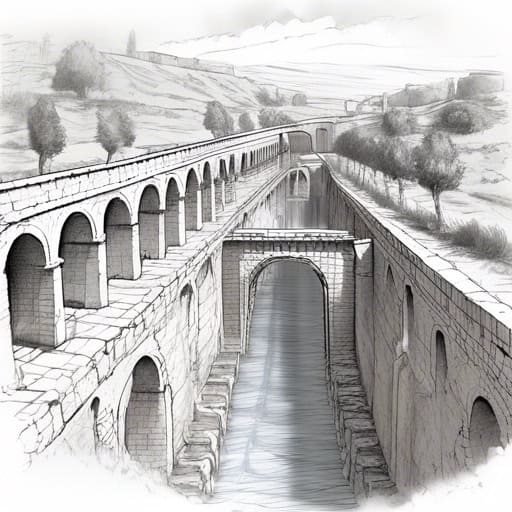
4. Water Supply

5. Different Rooms
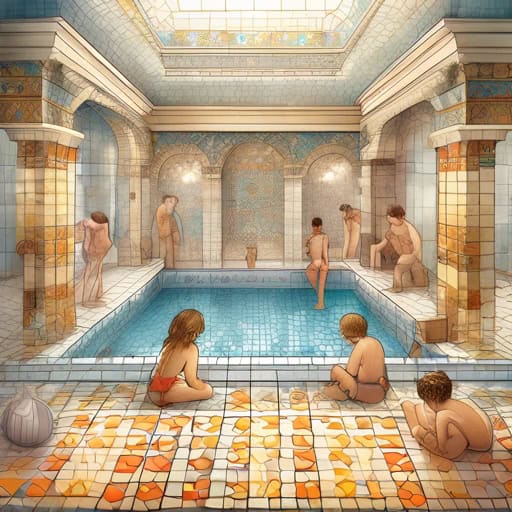
6. Mosaics and Decorations

7. Socializing and Relaxation

8. Public and Private Baths

9. Decline and Abandonment

10. Legacy of Roman Baths
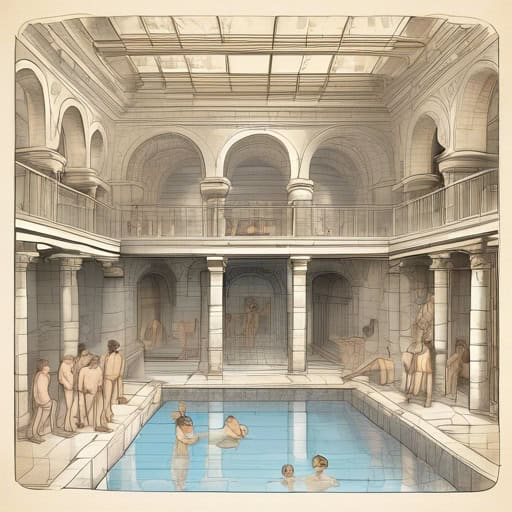
Lesson Details & Resources
In a Nutshell
- What: The construction of Roman Baths in Britain (75 AD)
- When: 75 AD
- Who: Roman engineers and laborers
- Outcome: Establishment of public bathing facilities in Britain
Famous Figures in the Roman Baths in Britain
-
Gaius Julius Agricola
Gaius Julius Agricola was a Roman general who played a significant role in the construction of Roman baths in Britain during his time as governor.
-
Marcus Vipsanius Agrippa
Marcus Vipsanius Agrippa was a Roman statesman and military general known for his contributions to the construction of various Roman architectural projects, including the baths in Britain.
-
Lucius Junius Moderatus Columella
Lucius Junius Moderatus Columella was a Roman writer and philosopher who wrote extensively about agriculture and engineering, providing valuable insights for the construction of Roman baths in Britain.
-
Gaius Maecenas
Gaius Maecenas was an influential patron of arts and architecture in ancient Rome, and his support played a crucial role in the construction of Roman baths in Britain.
-
Gaius Plinius Secundus
Gaius Plinius Secundus, commonly known as Pliny the Elder, was a Roman author and naturalist who documented various aspects of Roman life, including the construction of Roman baths in Britain.
-
Sextus Julius Frontinus
Sextus Julius Frontinus was a Roman senator and aqueduct commissioner who oversaw the construction and maintenance of aqueducts, including those associated with the Roman baths in Britain.
-
Publius Aelius Hadrianus
Publius Aelius Hadrianus, or Hadrian, was a Roman emperor who was known for his extensive building projects, including the construction of baths in various parts of the empire, including Britain.
-
Titus Flavius Vespasianus
Titus Flavius Vespasianus, commonly known as Vespasian, was a Roman emperor who initiated the construction of the famous Baths of Caracalla in Rome, which served as a model for baths in Britain.
Timeline of Roman Baths in Britain
Construction of the first Roman baths in Britain begins
Building of the thermae (hot baths) at Aquae Sulis (modern-day Bath) starts
Completion of the thermae at Aquae Sulis
Roman baths are introduced to other cities in Britain
Construction of the baths at Wroxeter (Viroconium) begins
Baths at Wroxeter are expanded and upgraded
Construction of the baths at Bath House in Chester starts
Baths at Bath House in Chester are completed
Building of the baths at Buxton begins
Baths at Buxton are finished
Construction of the baths at Carrawburgh (Brocolitia) begins
Baths at Carrawburgh are completed
Building of the baths at Cirencester starts
Baths at Cirencester are expanded
Construction of the baths at London (Londinium) begins
Baths at London are finished
Building of the baths at Caerleon (Isca Augusta) starts
Baths at Caerleon are upgraded
Construction of the baths at Richborough (Rutupiae) begins
Baths at Richborough are completed
Vocabulary List
- Aqueduct
- The Roman baths in Britain were supplied with water through an aqueduct system.
- Hypocaust
- The hypocaust heating system was used in Roman baths to heat the floors and walls.
- Frigidarium
- The frigidarium was the cold room in Roman baths where bathers could cool off after using the hot rooms.
- Tepidarium
- The tepidarium was the warm room in Roman baths where bathers prepared for the hot baths.
- Caldarium
- The caldarium was the hot room in Roman baths where bathers enjoyed hot baths and steam.
- Natatio
- The natatio was the outdoor swimming pool in Roman baths where bathers could swim.
- Apodyterium
- The apodyterium was the changing room in Roman baths where bathers would undress and store their belongings.
- Labrum
- The labrum was a large stone basin used for cold water in Roman baths.
- Laconicum
- The laconicum was a small dry sauna room in Roman baths.
- Palaestra
- The palaestra was an exercise area in Roman baths where bathers would engage in physical activities.
Key Facts
This is the information used in the fact matching game
- The construction of the Roman Baths in Britain began around 75 AD during the Roman occupation.
- The Roman Baths in Britain were built as a place for communal bathing, socializing, and relaxation.
- The main components of the Roman Baths included the caldarium (hot bath), tepidarium (warm bath), and frigidarium (cold bath).
- Water for the Roman Baths was supplied from nearby natural hot springs, which were considered sacred by the Romans.
- The Roman Baths were not just for bathing but also served as social centers, with libraries, shops, and meeting rooms surrounding the bathing complex.
- The construction of the Roman Baths required advanced engineering techniques, including underfloor heating systems (hypocausts) to heat the bathhouse.
- The Roman Baths in Britain were often decorated with intricate mosaic floors and marble walls, showcasing the wealth and opulence of the Roman Empire.
- The Roman Baths were not exclusively for the wealthy; people from all social classes could use the facilities, although some areas were segregated.
- The Roman Baths in Britain were also used for religious ceremonies and offerings to the Roman deities.
- The construction of the Roman Baths required extensive labor and materials, including imported marble and lead pipes for water distribution.
- The Roman Baths were a popular destination for both locals and visitors, attracting people from various parts of the Roman Empire.
- The Roman Baths remained in use for several centuries, even after the end of Roman rule in Britain.
- The decline of the Roman Baths in Britain began in the 5th century AD with the fall of the Roman Empire.
- Over time, the Roman Baths in Britain fell into disrepair and were eventually buried under layers of sediment.
- The rediscovery and excavation of the Roman Baths in Britain started in the late 18th century, leading to their restoration and preservation.
- The Roman Baths in Britain are now a major tourist attraction and a UNESCO World Heritage site.
- The Roman Baths complex in Britain covers an area of approximately 1.5 acres (0.6 hectares).
- The hot springs that supplied the Roman Baths in Britain still flow with natural thermal water to this day.
- The Roman Baths in Britain attract more than one million visitors annually, making it one of the most visited heritage sites in the UK.
- The Roman Baths were featured in many works of literature, including the famous novel 'The Eagle of the Ninth' by Rosemary Sutcliff.
Analysis & Significance
Immediate Consequences
The construction of Roman baths in Britain in 75 AD marked a significant advancement in public health and social infrastructure. The immediate consequence was the improved hygiene and well-being of the local population as they now had access to communal bathing facilities.
Long-Term Impact
This development had a lasting impact on the cultural landscape of Britain, influencing the design and construction of future public baths and inspiring the development of other communal spaces. The Roman baths also played a role in shaping the social interactions and leisure activities of the society, contributing to a sense of community and shared experience.
Cultural Significance Today
The legacy of Roman baths in Britain can still be seen in the architectural remains and historical sites that continue to attract visitors and researchers. The concept of communal bathing as a social activity has endured through the centuries, with modern-day spas and wellness centers drawing inspiration from the Roman tradition. The construction of Roman baths in Britain serves as a reminder of the enduring impact of ancient civilizations on contemporary culture and lifestyle.
Roman Baths in Britain Games


Take Your Learning Offline
Want a convenient, print-ready study guide for this lesson? Become a Memory Wizards Pro member to unlock the downloadable " Memory Scrolls" for this topic and our entire library!
- ✓ Complete Vocabulary Lists
- ✓ Key Facts & Timelines
- ✓ Beautifully Formatted for Print & Mobile