
Summary of Hadrian’s Wall
Uncover the secrets behind the ancient marvel of Hadrian's Wall.
How Do You Learn Best?
Learn by Reading
Immerse yourself in the 10-minute visual lesson for a comprehensive understanding of the topic.
Learn by Reviewing
Jump directly to the key facts, timeline, and vocabulary lists to build a solid foundation of details.
Learn by Doing
Challenge yourself! Jump straight into the interactive games to learn by trial, error, and discovery.
Hadrian’s Wall in 10 Minutes
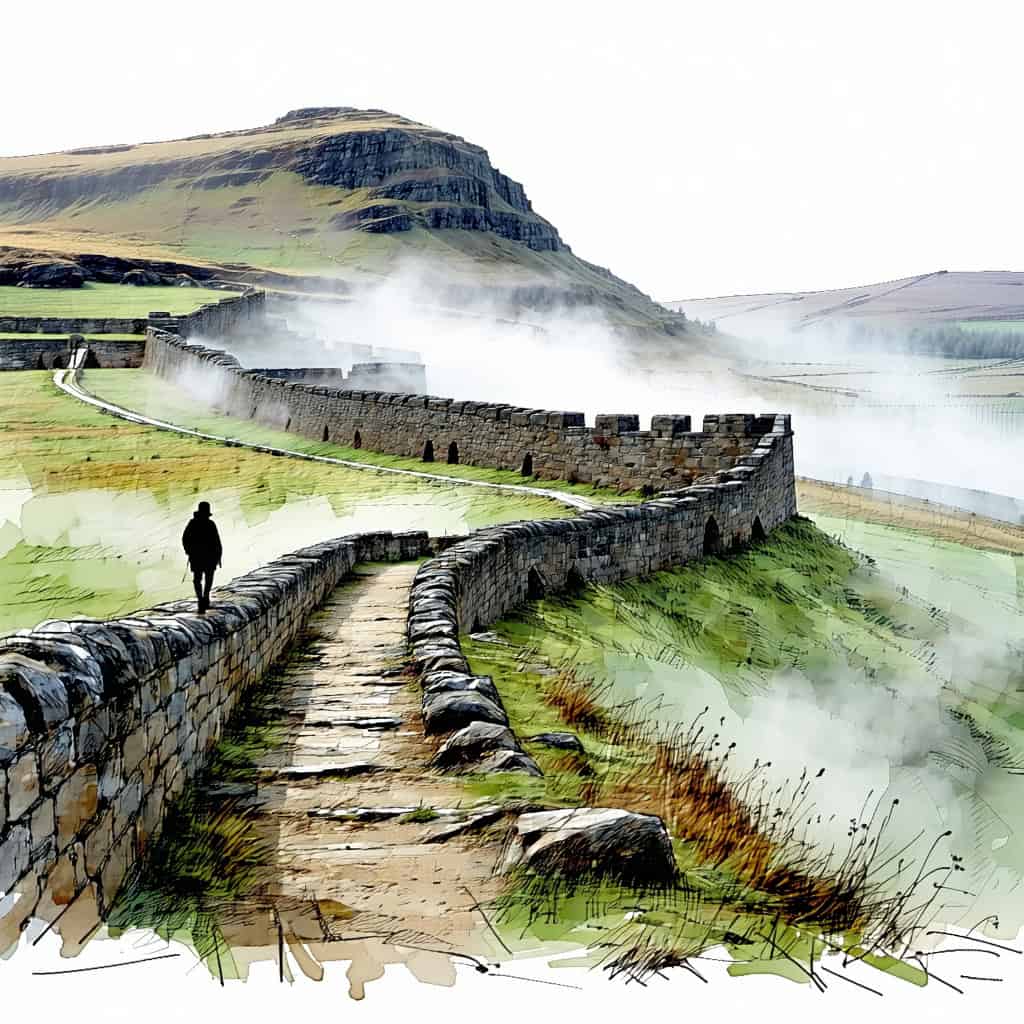
Introduction
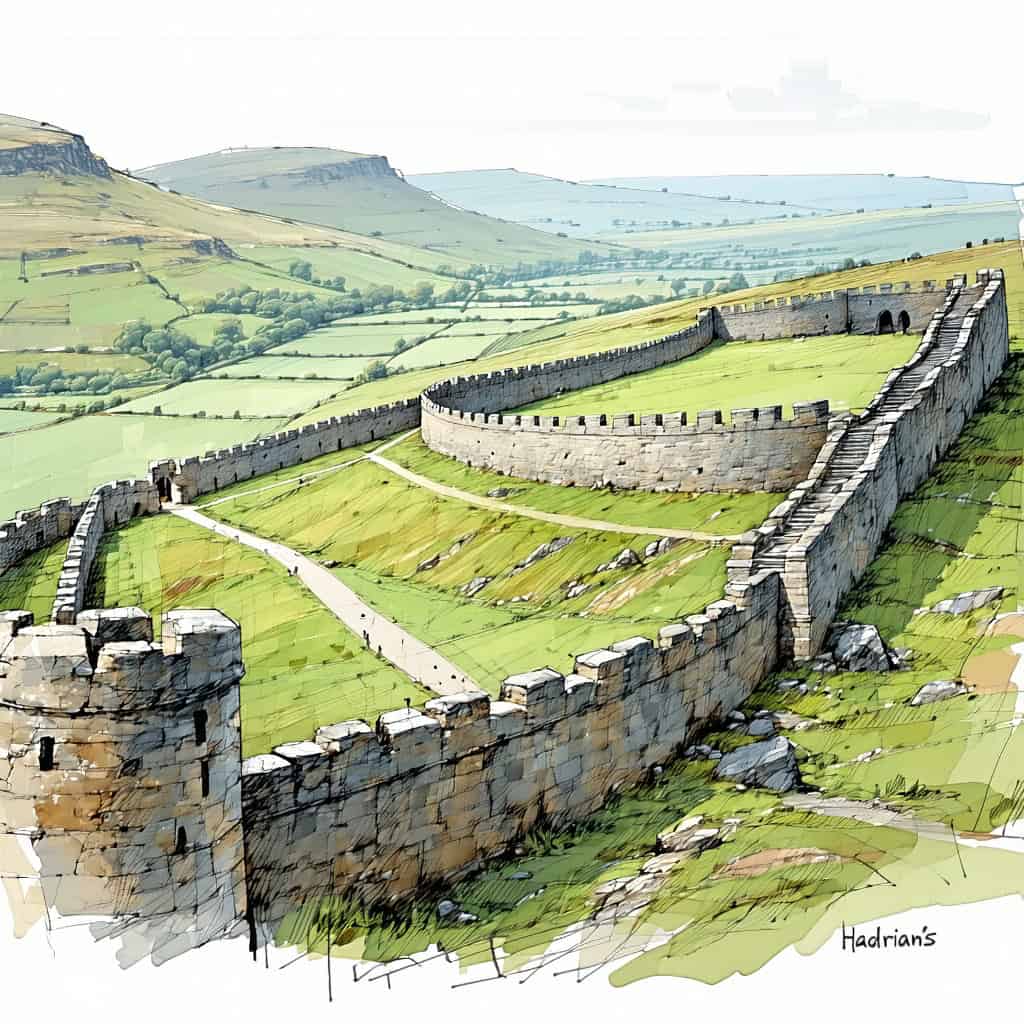

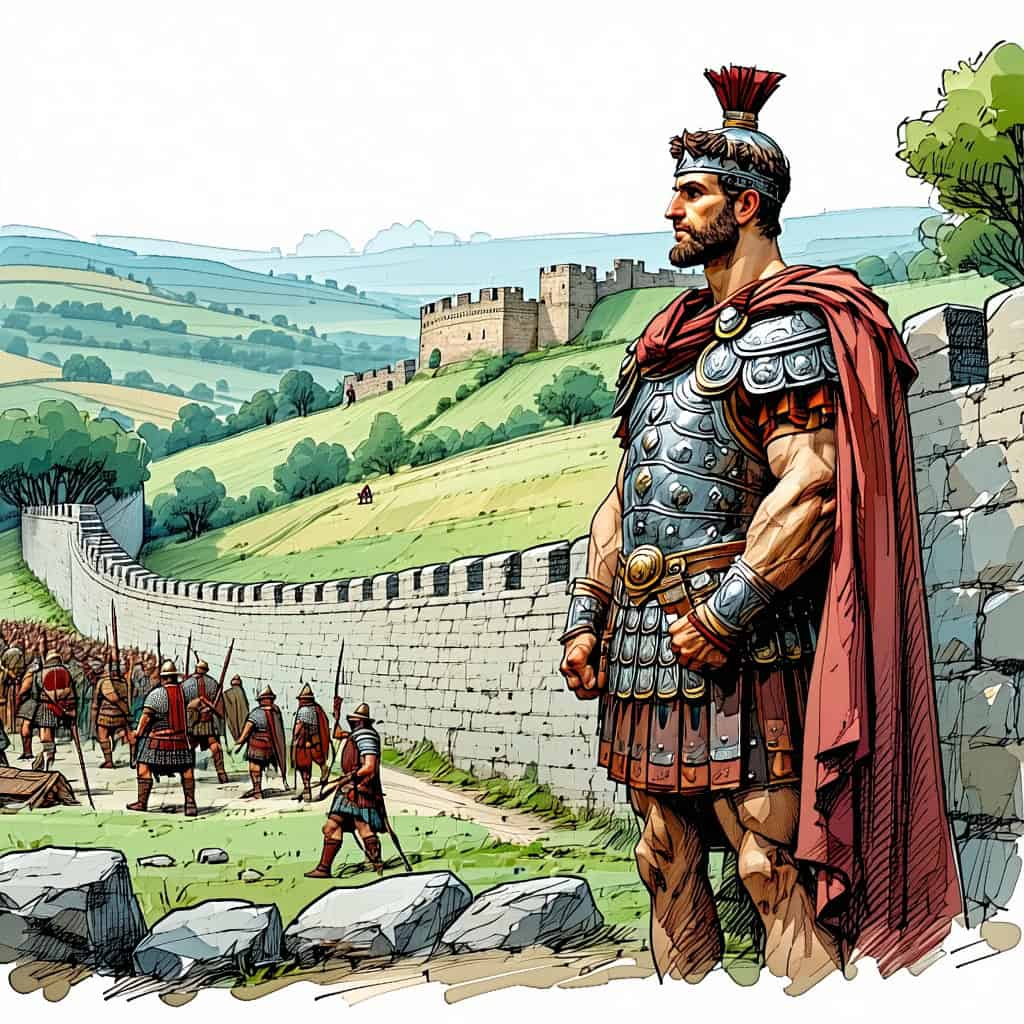
Emperor Hadrian
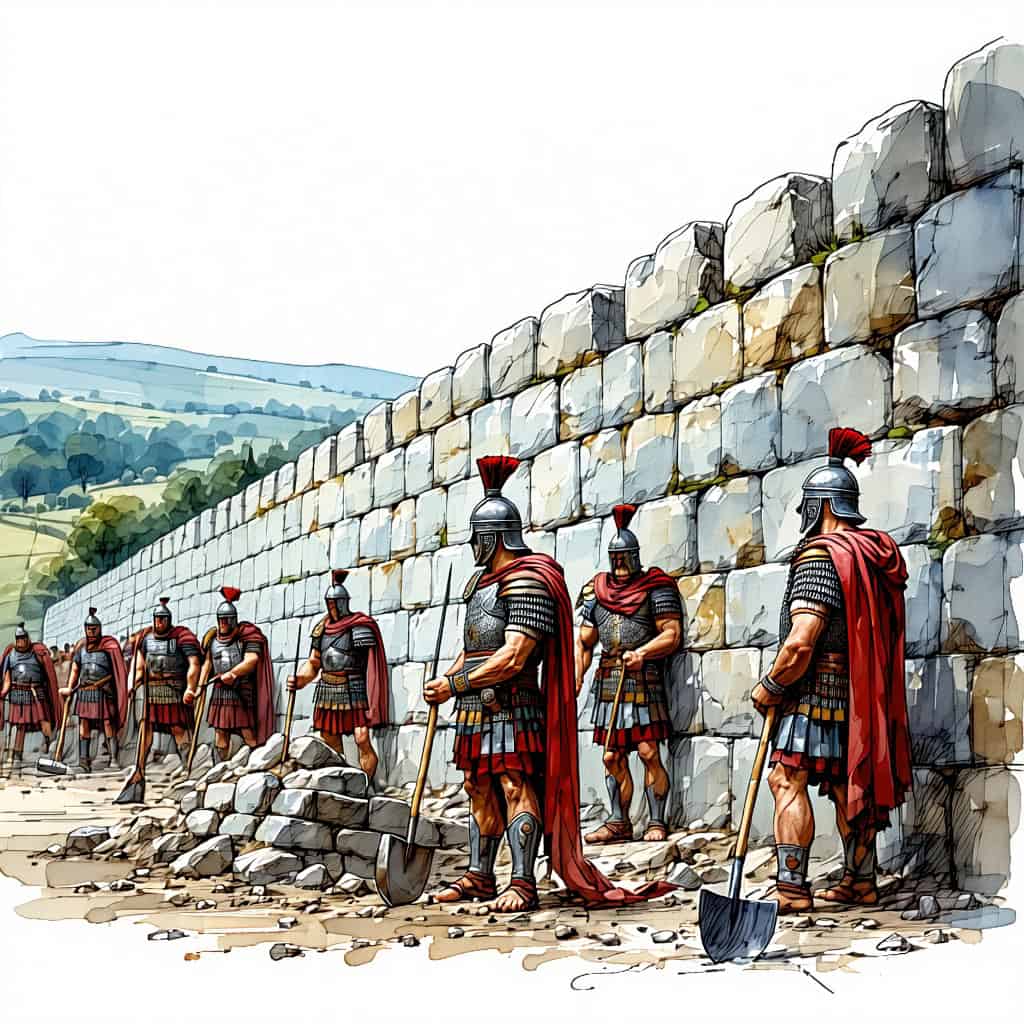
Legionnaires
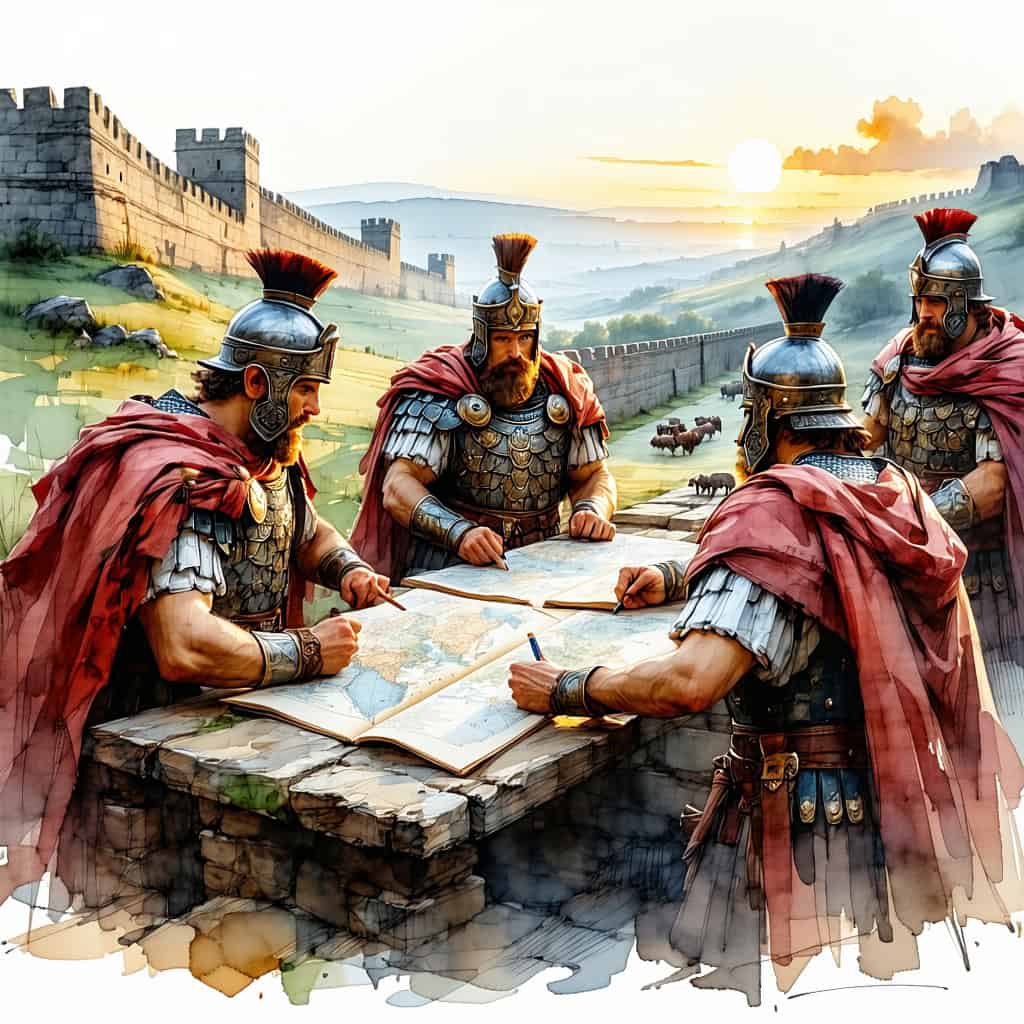
Engineers
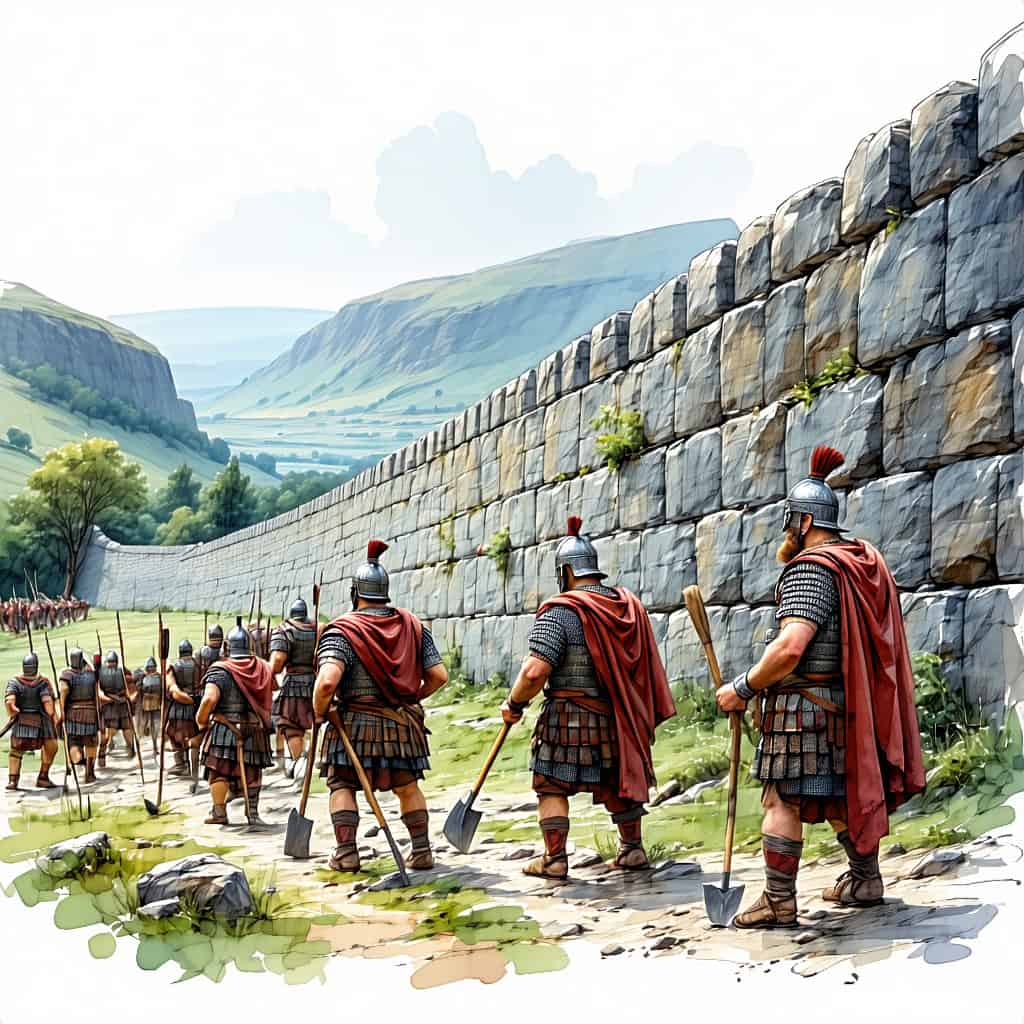
Local Laborers
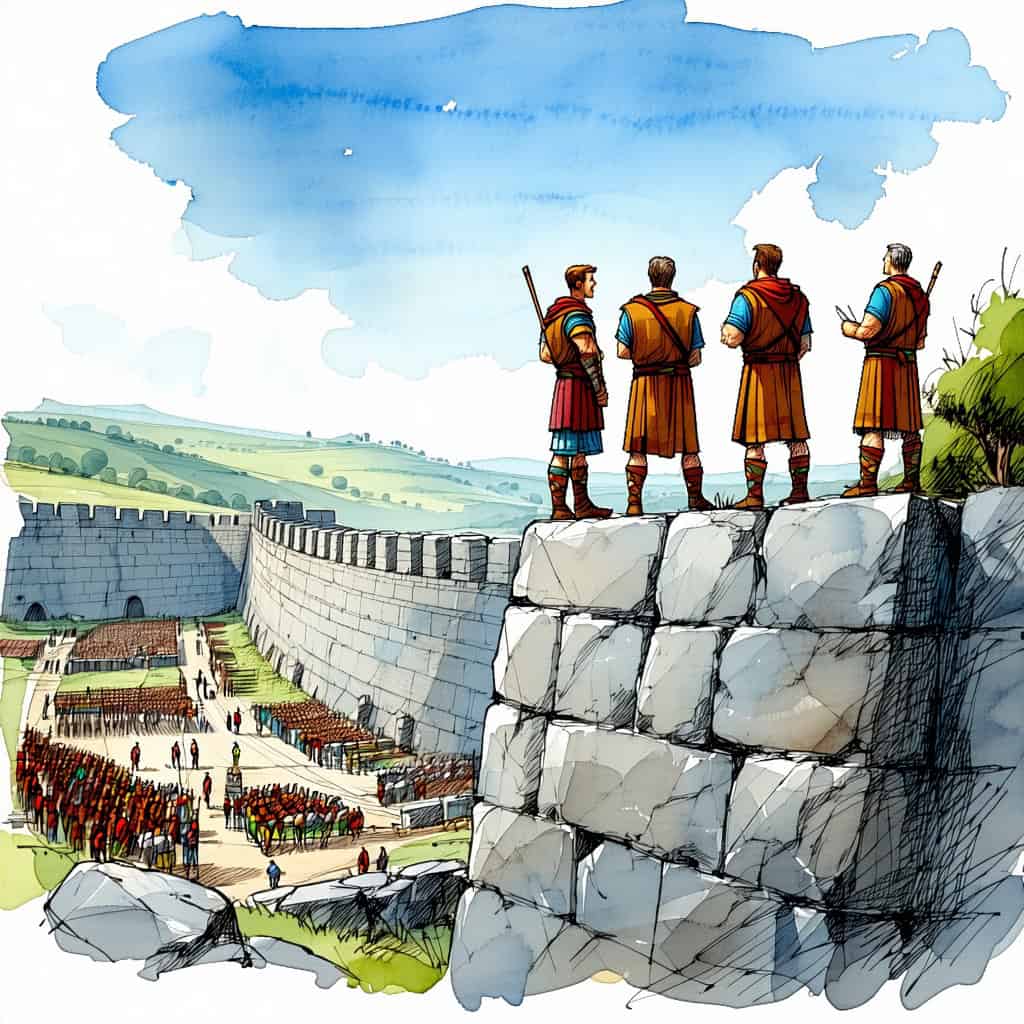
Supervisors

1. Emperor Hadrians Vision
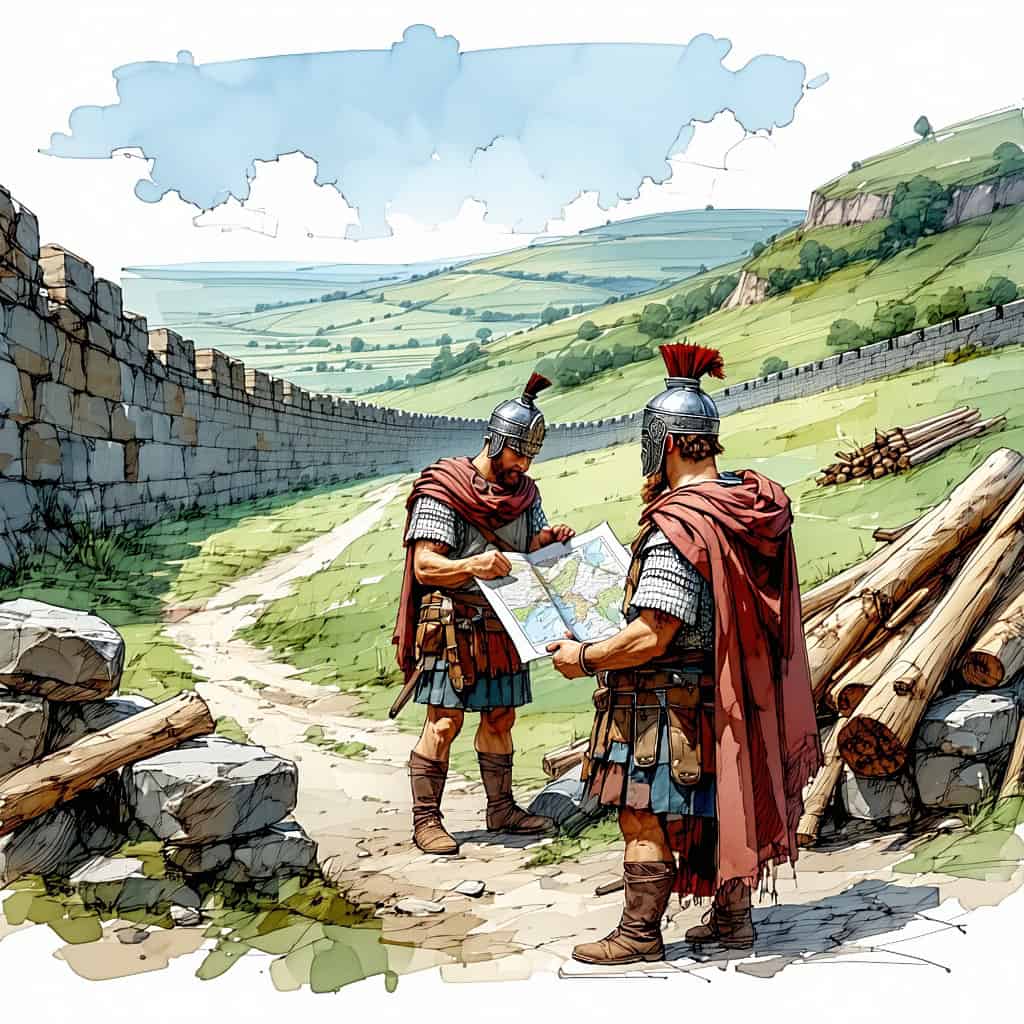
2. Planning and Preparation

3. Building the Foundation

4. Erecting the Wall

5. Adding Defensive Features

6. Maintaining the Wall

7. Symbol of Roman Power

8. Abandonment and Decay
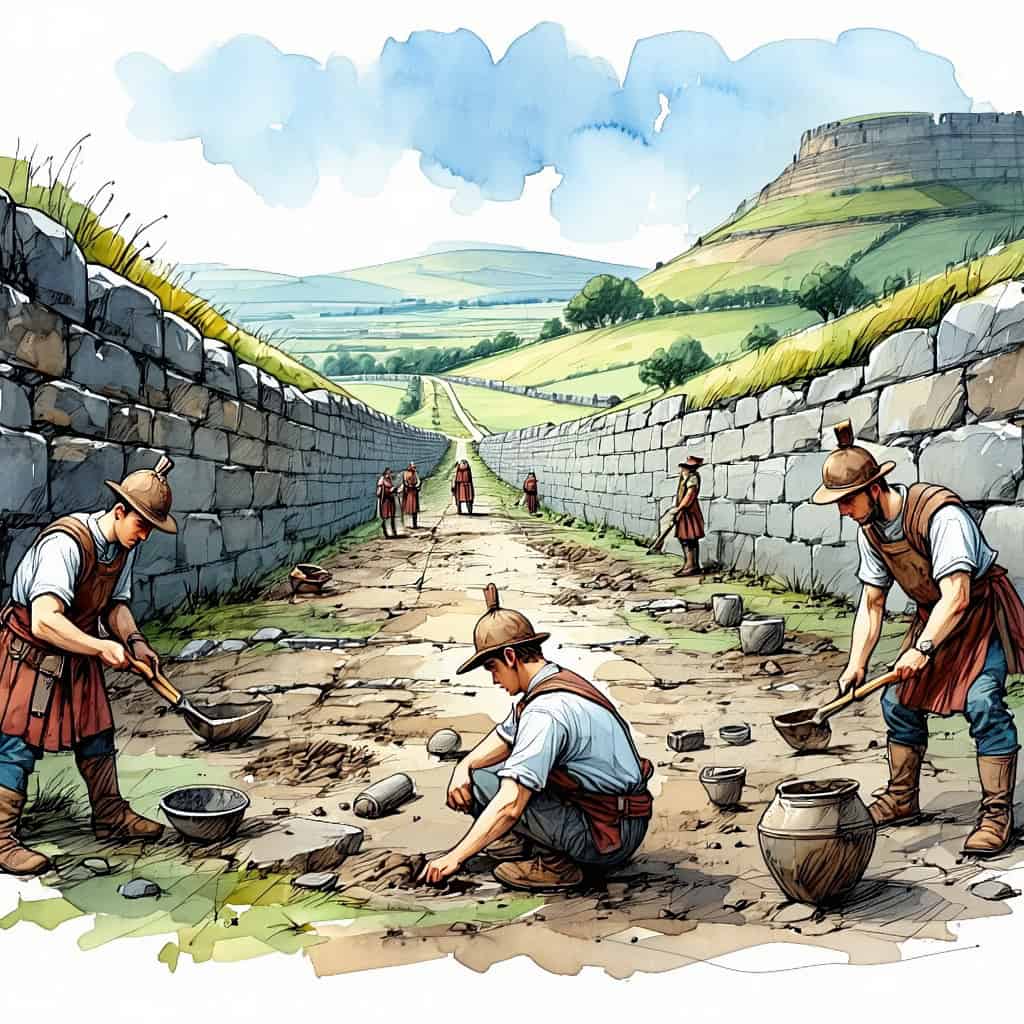
9. Archaeological Discoveries

10. UNESCO World Heritage Site
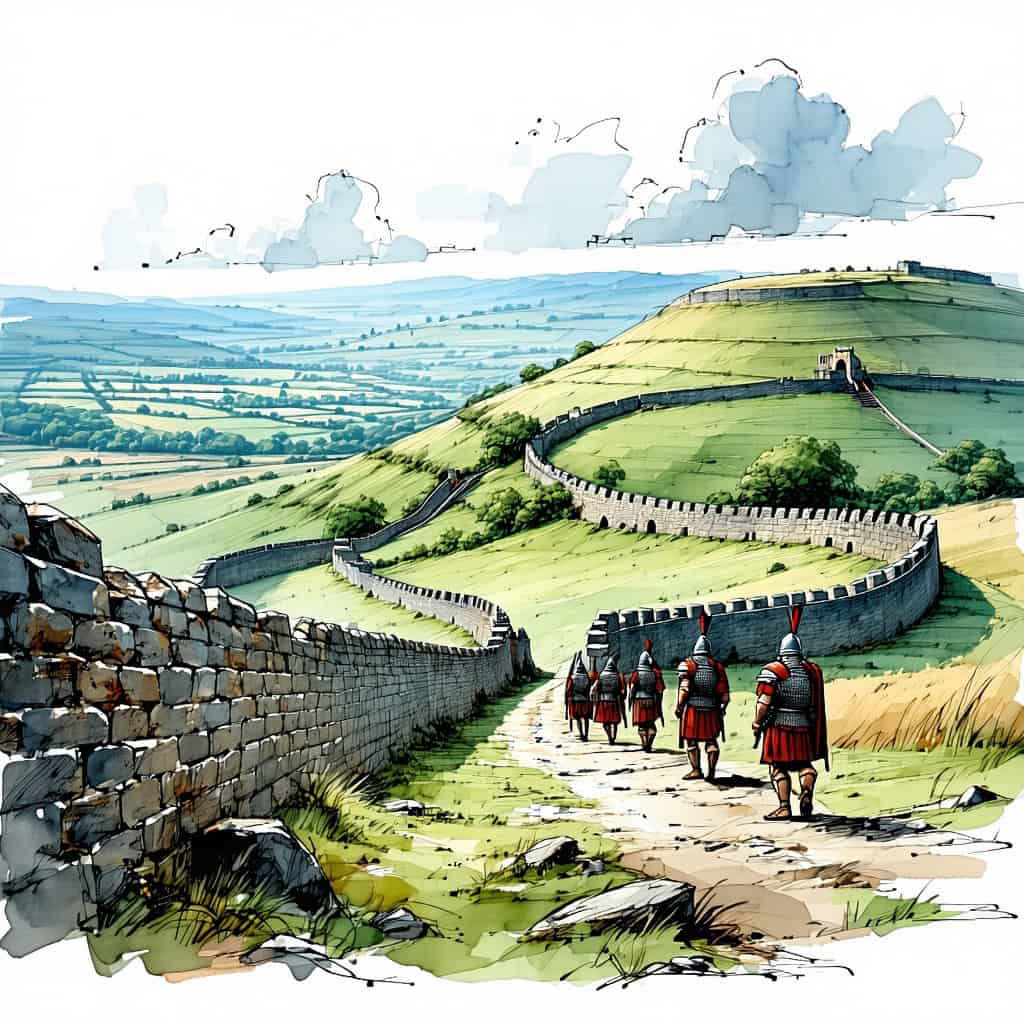
Lesson Details & Resources
In a Nutshell
- What: A defensive fortification built by the Romans in Britain.
- When: 122 AD
- Who: Emperor Hadrian, Roman soldiers, Scottish tribes
- Outcome: Marked the northernmost boundary of the Roman Empire in Britain.
Famous Figures in the Hadrian’s Wall
-
Emperor Hadrian
Emperor Hadrian was the Roman emperor who ordered the construction of Hadrian's Wall.
-
Aulus Platorius Nepos
Aulus Platorius Nepos was the governor of Britannia at the time of the wall's construction.
-
Quintus Pompeius Falco
Quintus Pompeius Falco was a general who likely played a role in overseeing the construction of the wall.
-
Gnaeus Julius Agricola
Gnaeus Julius Agricola was a Roman general and governor of Britannia who may have been involved in the early planning of the wall.
-
Tiberius Aelius Hadrianus Antoninus
Tiberius Aelius Hadrianus Antoninus was the adopted son of Emperor Hadrian and a possible contributor to the wall's construction.
-
Gaius Avidius Nigrinus
Gaius Avidius Nigrinus was a Roman general and governor of Britannia who may have been involved in the later stages of the wall's construction.
Timeline of Hadrian’s Wall
Emperor Hadrian orders the construction of Hadrian's Wall
Initial construction begins on the wall
Construction of Milecastle 42 starts
Work begins on the Vallum
Building of Turrets along the wall commences
Roman soldiers start building the earthwork and foundation for the wall
Construction of the wall reaches the River Tyne
The first forts are built along the wall
Building of the wall reaches the Solway Firth
Roman soldiers complete the construction of Milecastle 42
The Vallum is finished
Hadrian inspects the completed sections of the wall
Construction of the wall's defensive ditches begins
Roman soldiers construct the Military Road alongside the wall
Hadrian's Wall is declared complete
The wall is garrisoned by Roman soldiers
Construction of the wall's gates and milecastles is finalized
Final touches are made to the wall's fortifications
Hadrian's Wall is officially inaugurated
The construction project comes to an end
Vocabulary List
- Hadrian
- Hadrian's Wall was named after the Roman emperor Hadrian, who ordered its construction.
- Construction
- The construction of Hadrian's Wall began in the year 122 AD.
- Fortification
- Hadrian's Wall served as a fortified defense line against invasions from the north.
- Roman Empire
- The construction of Hadrian's Wall was a project undertaken by the Roman Empire.
- Boundary
- Hadrian's Wall marked the northern boundary of the Roman Empire in Britain.
- Stone
- The wall was primarily constructed using stone, which was abundant in the region.
- Garrison
- The wall was manned by Roman garrisons stationed at regular intervals along its length.
- Milecastle
- Milecastles were small fortresses located at approximately one-mile intervals along the wall.
- Turret
- Turrets were small towers positioned between the milecastles along the length of the wall.
- Frontiers
- Hadrian's Wall was one of the frontiers established by the Roman Empire to secure its borders.
Key Facts
This is the information used in the fact matching game
- Hadrian's Wall was built in 122 AD.
- The construction of Hadrian's Wall started during the reign of Emperor Hadrian.
- Hadrian's Wall was built to mark the northernmost frontier of the Roman Empire in Britain.
- The wall stretched approximately 73 miles (117 kilometers) across northern England.
- Hadrian's Wall was built to defend Roman Britain against the northern tribes of Scotland.
- The construction of the wall took around six years to complete.
- The wall was made of stone and had various forts, milecastles, and turrets along its length.
- Hadrian's Wall was around 10 feet (3 meters) wide and 15 feet (4.5 meters) high.
- The wall had a defensive ditch on the northern side and a military road running parallel to it.
- The construction of Hadrian's Wall involved thousands of soldiers, auxiliary troops, and laborers.
- The wall served as a symbol of Roman power and control in Britain.
- Hadrian's Wall was abandoned as a frontier defense in the 5th century.
- Today, Hadrian's Wall is a UNESCO World Heritage Site and a popular tourist attraction.
- The wall marked the boundary between Roman Britain and the unconquered lands to the north.
- Hadrian's Wall had 80 milecastles at regular intervals, providing accommodation for troops.
- The wall was constructed using locally sourced stone, such as sandstone and limestone.
- Hadrian's Wall had strategically placed gates that controlled movement along the wall.
- The wall had a system of mileposts known as milestones to measure distances.
- Hadrian's Wall was built using advanced Roman engineering techniques.
- The wall was primarily manned by Roman soldiers stationed at the forts along its length.
Analysis & Significance
Immediate Consequences
The construction of Hadrian’s Wall in 122 AD marked a significant shift in Roman military strategy, as it aimed to control and defend the northern frontier of Roman Britain from invading tribes such as the Picts and Scots. The immediate consequence was the establishment of a physical barrier that helped regulate trade, movement of people, and military defense in the region.
Long-Term Impact
Hadrian’s Wall had a lasting impact on the cultural and historical landscape of Britain. It became a symbol of Roman power and authority in the region, showcasing their ability to engineer large-scale construction projects. The wall also influenced the development of local communities and trade routes, shaping the socio-political dynamics of the area for centuries to come.
Cultural Significance Today
Today, Hadrian’s Wall remains a UNESCO World Heritage Site and a popular tourist destination, attracting visitors from around the world to marvel at its impressive ruins and learn about Roman history. The wall serves as a reminder of the ancient Roman presence in Britain and continues to inspire fascination and research into the military, engineering, and cultural achievements of the Roman Empire.
Hadrian’s Wall Games


Take Your Learning Offline
Want a convenient, print-ready study guide for this lesson? Become a Memory Wizards Pro member to unlock the downloadable " Memory Scrolls" for this topic and our entire library!
- ✓ Complete Vocabulary Lists
- ✓ Key Facts & Timelines
- ✓ Beautifully Formatted for Print & Mobile