
Summary of Londinium
Uncover the ancient enchantment of London's birth in 43 AD.
How Do You Learn Best?
Learn by Reading
Immerse yourself in the 10-minute visual lesson for a comprehensive understanding of the topic.
Learn by Reviewing
Jump directly to the key facts, timeline, and vocabulary lists to build a solid foundation of details.
Learn by Doing
Challenge yourself! Jump straight into the interactive games to learn by trial, error, and discovery.
Londinium in 10 Minutes
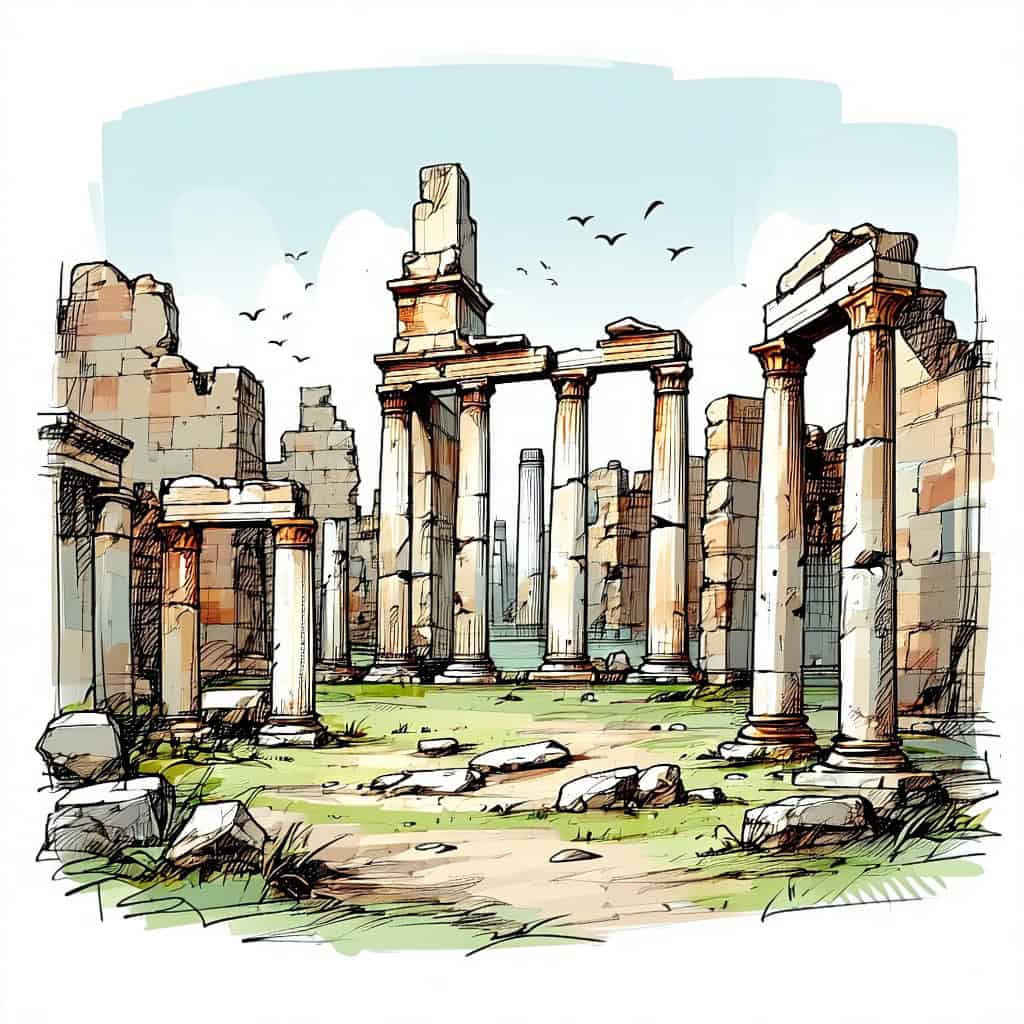
Introduction

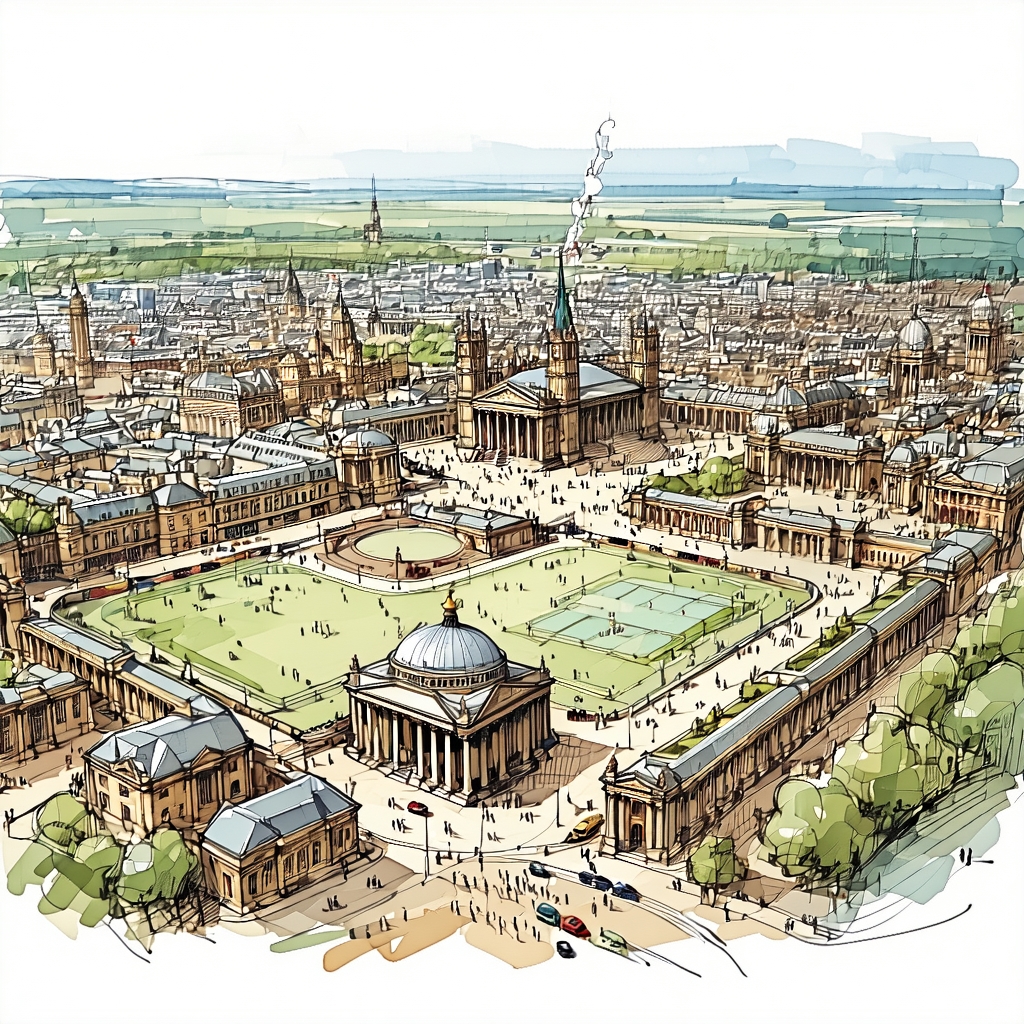

Emperor Claudius
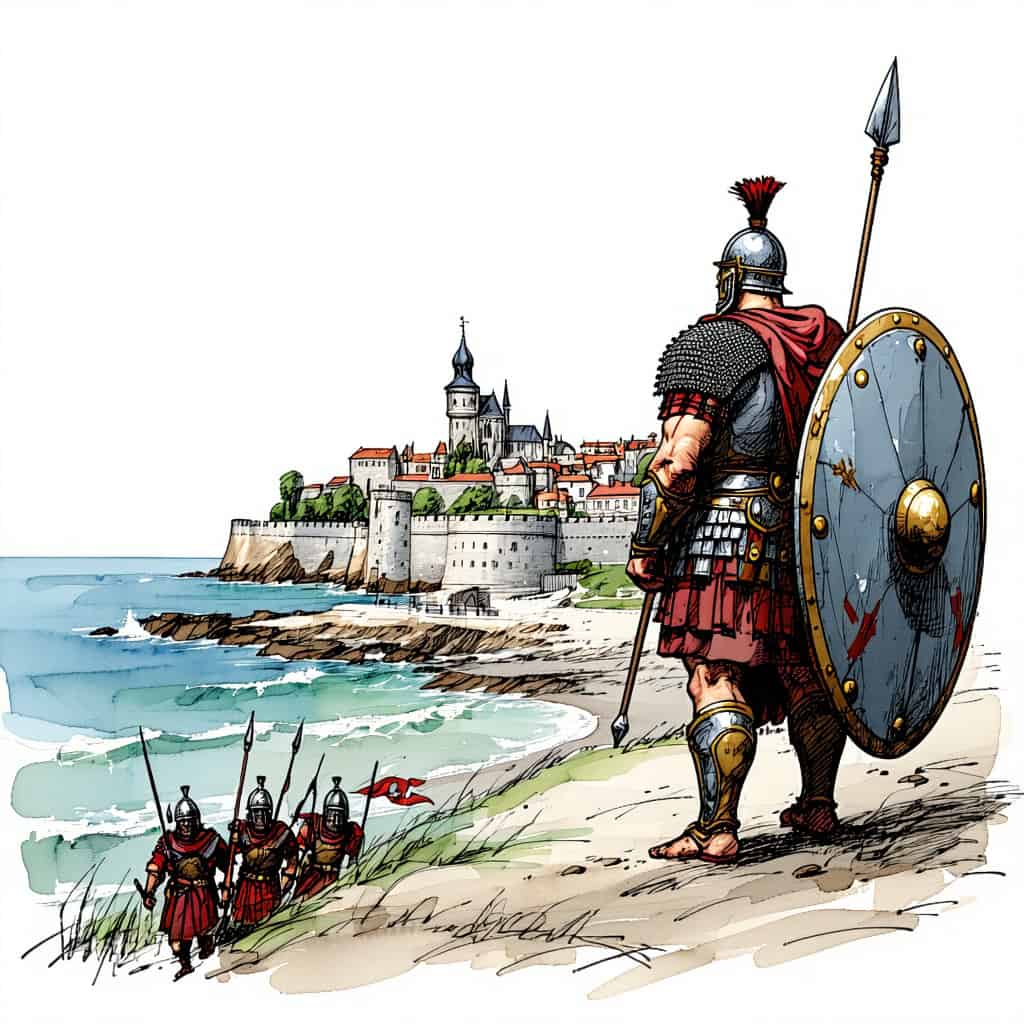
Aulus Plautius
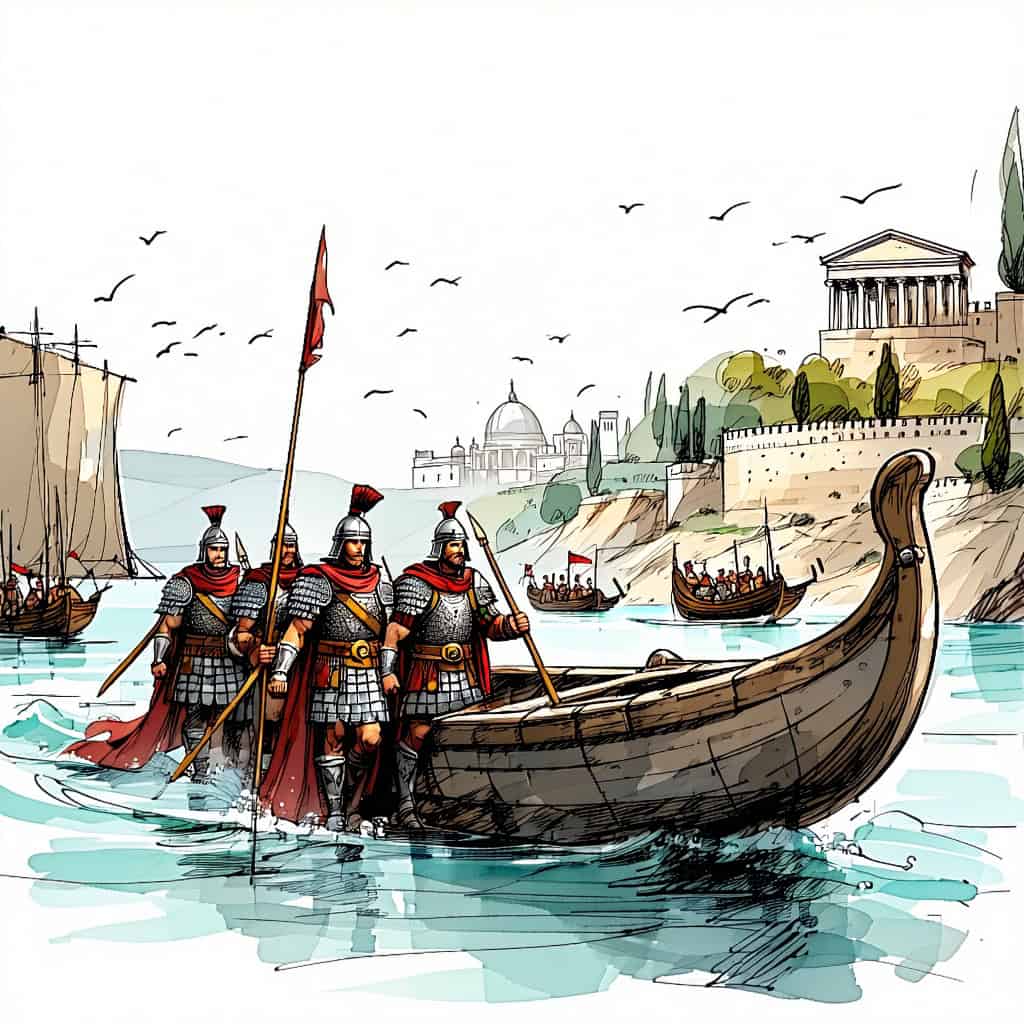
Founding Colonists
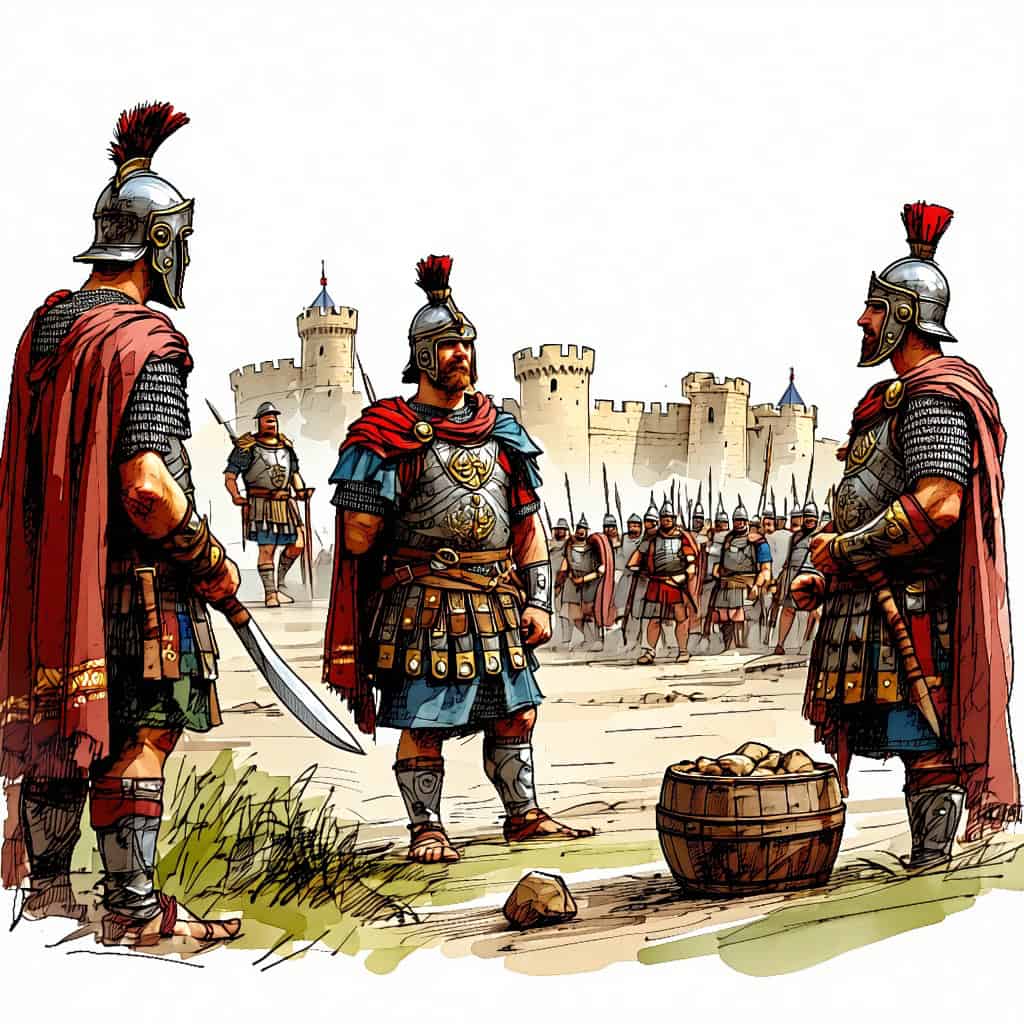
Local Britons

The Arrival of the Romans

The Strategic Location

The Development of Londinium

The Roman Influence

The Wall of Londinium

The Decline of Londinium

The Saxon Settlement

The Viking Raids

The Norman Conquest

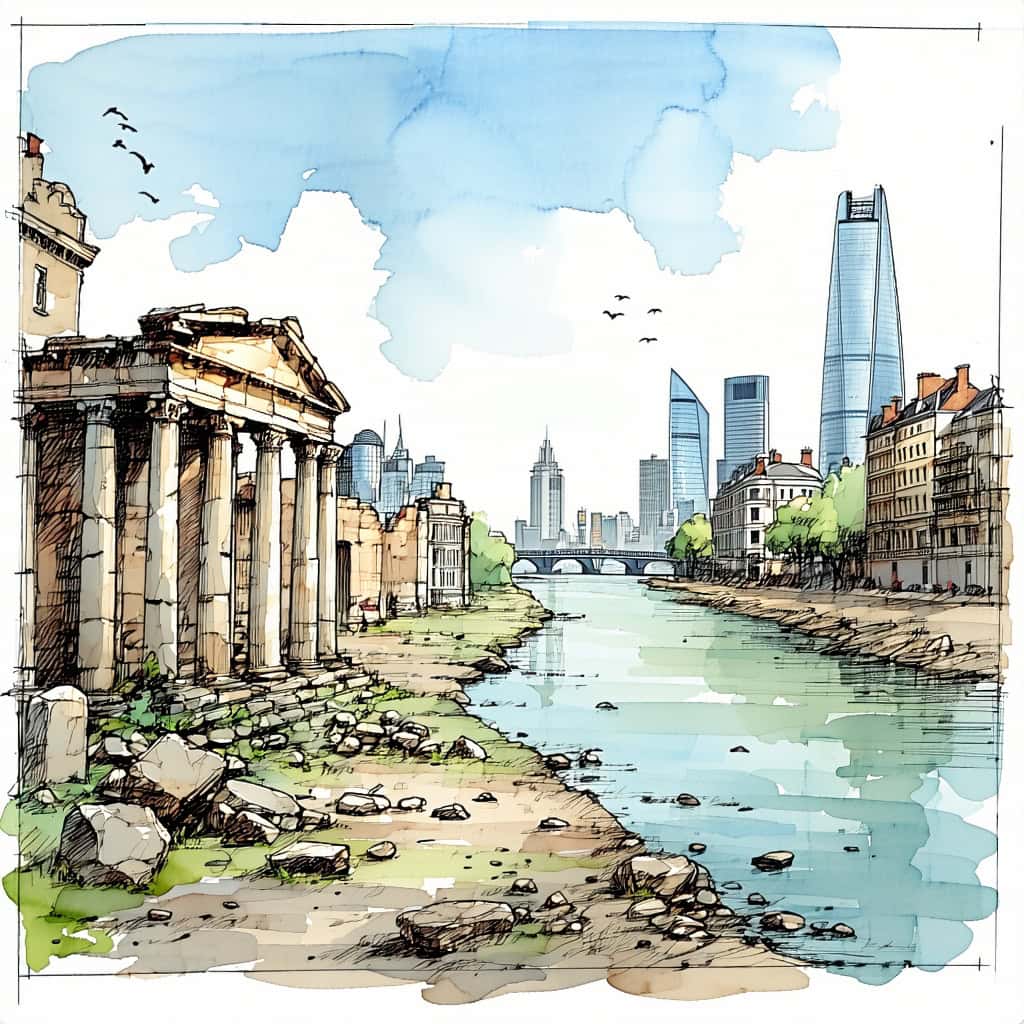
The Legacy of Londinium
Lesson Details & Resources
In a Nutshell
- What: The establishment of Londinium in 43 AD
- When: 43 AD
- Who: Roman Emperor Claudius, Roman soldiers, Celtic tribes
- Outcome: Londinium became an important Roman settlement and eventually evolved into modern-day London.
Famous Figures in the Londinium
-
Aulus Plautius
Aulus Plautius was the Roman general who led the Roman conquest of Britain in 43 AD, establishing Londinium as a major Roman settlement.
-
Claudius
Emperor Claudius played a significant role in the establishment of Londinium, as he ordered the invasion and conquest of Britain.
-
Boudica
Boudica, or Queen Boadicea, was a Celtic queen who led an uprising against the Roman occupation of Britain in 60 AD, causing destruction in Londinium.
-
Tacitus
Tacitus, a Roman historian, documented the early history of Londinium and its significance as a thriving Roman settlement.
-
Cunobelinus
Cunobelinus, also known as Cymbeline, was a powerful king of the Catuvellauni tribe and his interactions with the Romans influenced the establishment of Londinium.
Timeline of Londinium
Roman conquest of Britain
Claudius orders the construction of a bridge across the Thames
The Romans establish a small settlement on the north bank of the Thames
The settlement is named Londinium
The first wooden bridge, known as London Bridge, is built
The Roman governor Scapula establishes Londinium as a major trading center
Londinium becomes an important port for trade with the Roman Empire
Construction of defensive walls around Londinium begins
Londinium is granted the status of a municipium
Londinium becomes the capital of the province of Britannia
The Roman temple of Mithras is built in Londinium
Londinium suffers a major fire, destroying a large portion of the city
Reconstruction efforts begin in Londinium
Londinium becomes an important administrative and commercial center
The London Wall is completed
The population of Londinium reaches its peak, estimated at around 60,000
Londinium becomes a center of Christianity
The Roman Empire starts to decline, impacting Londinium's prosperity
The Saxon raids begin, leading to the eventual abandonment of Londinium
Londinium is largely abandoned and falls into ruin
Vocabulary List
- Londinium
- Londinium was established as a Roman settlement in 43 AD.
- Roman
- The establishment of Londinium marked Roman influence in Britain.
- Settlement
- Londinium was initially a small settlement that grew over time.
- Colonia
- Londinium was later granted the status of Colonia by the Romans.
- Trade
- Londinium became a major center of trade and commerce.
- Port
- Londinium's location on the River Thames made it an important port.
- Fort
- The Romans built a fort to protect Londinium from external threats.
- Infrastructure
- The establishment of Londinium led to the development of roads, buildings, and other infrastructure.
- Civitas
- Londinium eventually became the capital of the Roman civitas of the Trinovantes.
- Bridges
- Londinium had several bridges that connected it to other parts of Roman Britain.
Key Facts
This is the information used in the fact matching game
- Londinium was established by the Romans in 43 AD as a commercial and administrative center.
- The Romans built a bridge, known as London Bridge, to connect Londinium with the south bank of the River Thames.
- Londinium quickly grew in size and became an important trading hub within the Roman Empire.
- The city's strategic location made it a vital transportation and communication hub for the Romans.
- Londinium was heavily influenced by Roman culture, architecture, and governance systems.
- The Romans constructed defensive walls around Londinium to protect it from potential threats.
- Londinium had a Roman forum, which served as a central marketplace and meeting place for the city's inhabitants.
- The Romans built public baths in Londinium, providing a place for bathing and socializing.
- Londinium had a basilica, a multi-purpose public building used for legal and civic purposes.
- The Romans established a road network from Londinium, connecting it to other parts of Roman Britain.
- Londinium served as the capital of Roman Britain until the decline of the Roman Empire.
- Roman London was a diverse city with inhabitants from various cultural backgrounds and occupations.
- The Romans introduced Christianity to Londinium, and early Christian communities emerged in the city.
- Londinium was a prosperous city with a thriving economy based on trade and commerce.
- The city had a port on the River Thames, facilitating trade with other parts of the Roman Empire.
- Londinium was affected by fires and destruction, including the Boudiccan revolt in 60/61 AD.
- The Romans constructed a wall around the city to enhance its defense and control access.
- Londinium had a population estimated to be around 60,000 to 70,000 people during its peak.
- The Romans introduced a sewer system, including the famous Cloaca Maxima, to improve sanitation in Londinium.
- Londinium's decline began in the 4th century AD due to various factors, including attacks by barbarian tribes.
Analysis & Significance
Immediate Consequences
The establishment of Londinium in 43 AD marked the beginning of Roman rule in Britain, bringing with it new infrastructure, trade opportunities, and a significant military presence. The city quickly became a bustling hub of commerce and administration, attracting people from all over the Roman Empire.
Long-Term Impact
The lasting impact of Londinium’s establishment is evident in the city’s transformation into the thriving metropolis of London we know today. Its strategic location along the River Thames and its status as a Roman provincial capital laid the foundation for London’s future as a global economic and cultural powerhouse.
Cultural Significance Today
Londinium’s legacy lives on in the rich tapestry of London’s history, from its iconic landmarks like the Tower of London and Roman walls to its diverse population and vibrant cultural scene. The city’s Roman roots continue to influence its architecture, language, and traditions, making it a living testament to its ancient past.
Londinium Games


Take Your Learning Offline
Want a convenient, print-ready study guide for this lesson? Become a Memory Wizards Pro member to unlock the downloadable " Memory Scrolls" for this topic and our entire library!
- ✓ Complete Vocabulary Lists
- ✓ Key Facts & Timelines
- ✓ Beautifully Formatted for Print & Mobile