
Summary of Emperor Hadrian Visit to Britain
Uncover the secrets of Emperor Hadrian's journey to ancient Britannia.
How Do You Learn Best?
Learn by Reading
Immerse yourself in the 10-minute visual lesson for a comprehensive understanding of the topic.
Learn by Reviewing
Jump directly to the key facts, timeline, and vocabulary lists to build a solid foundation of details.
Learn by Doing
Challenge yourself! Jump straight into the interactive games to learn by trial, error, and discovery.
Emperor Hadrian Visit to Britain in 10 Minutes
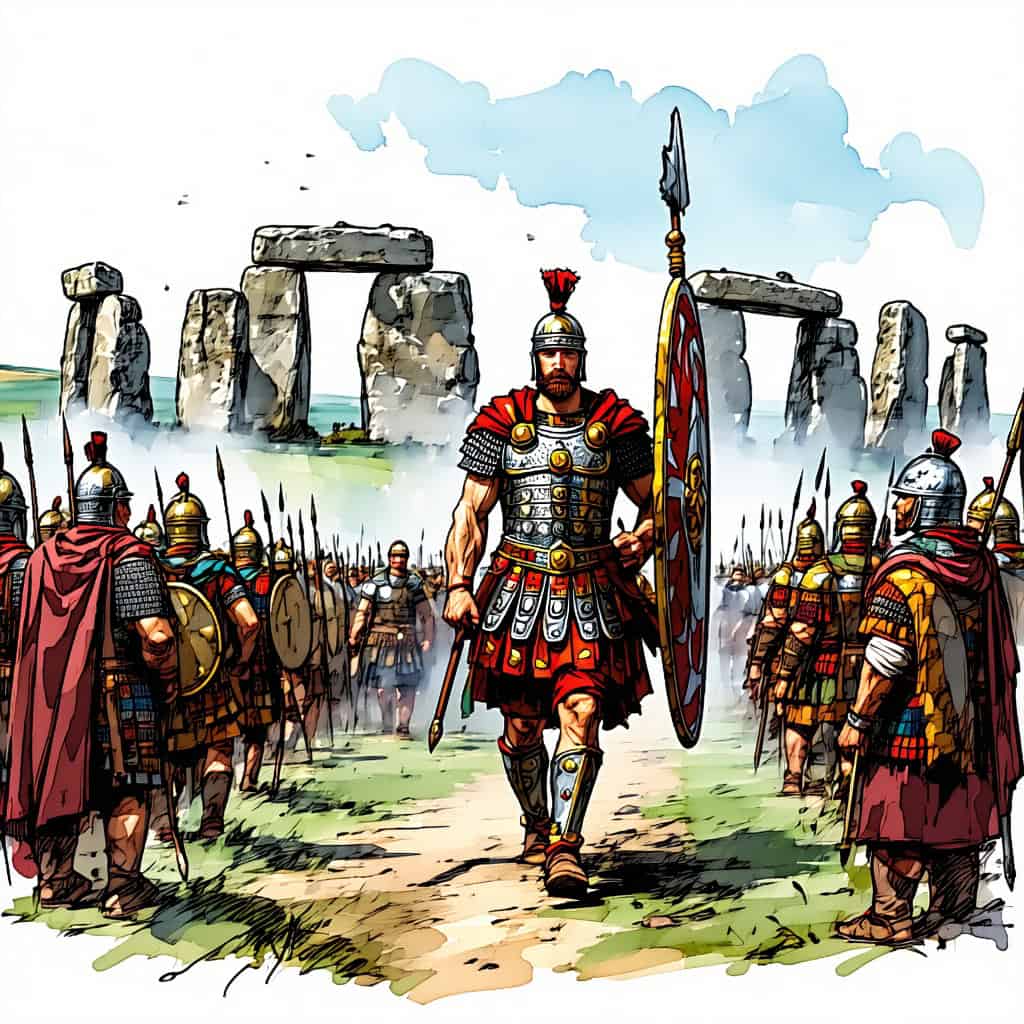
Introduction
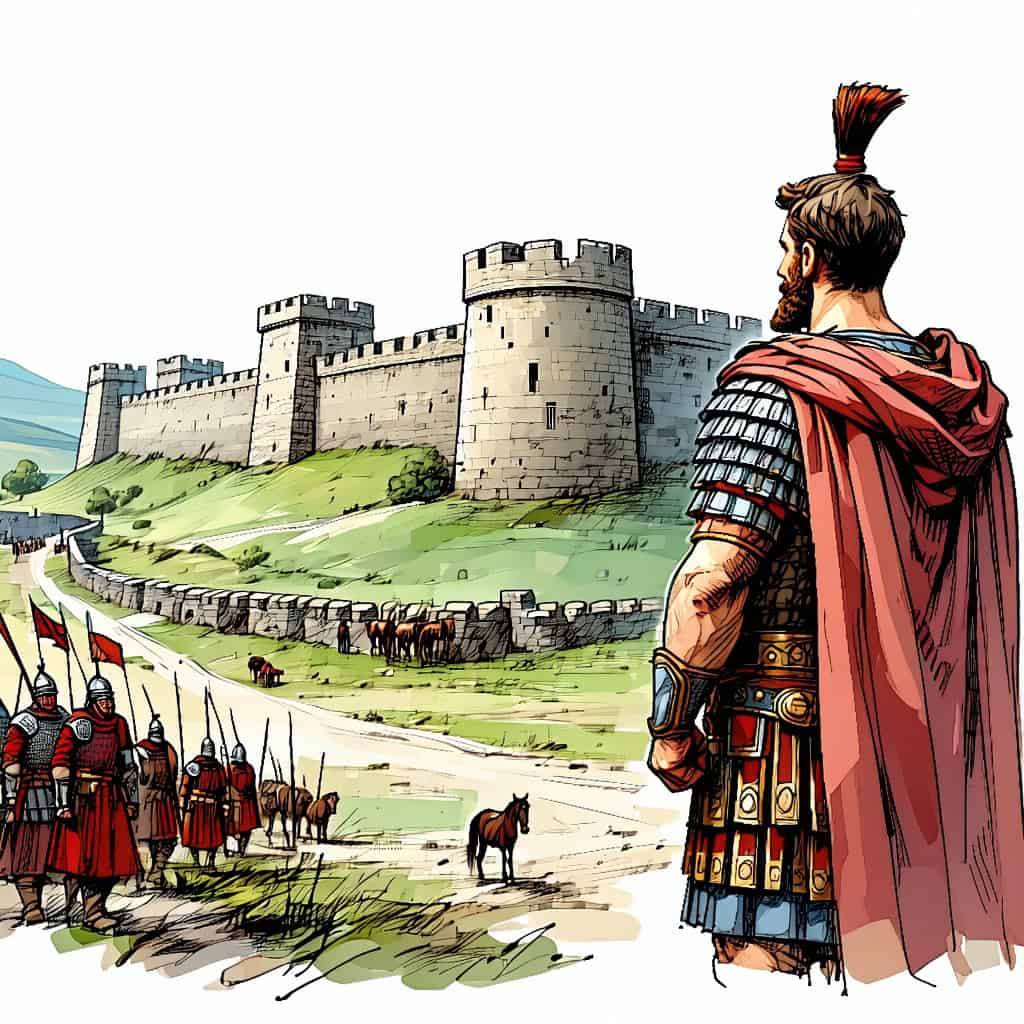
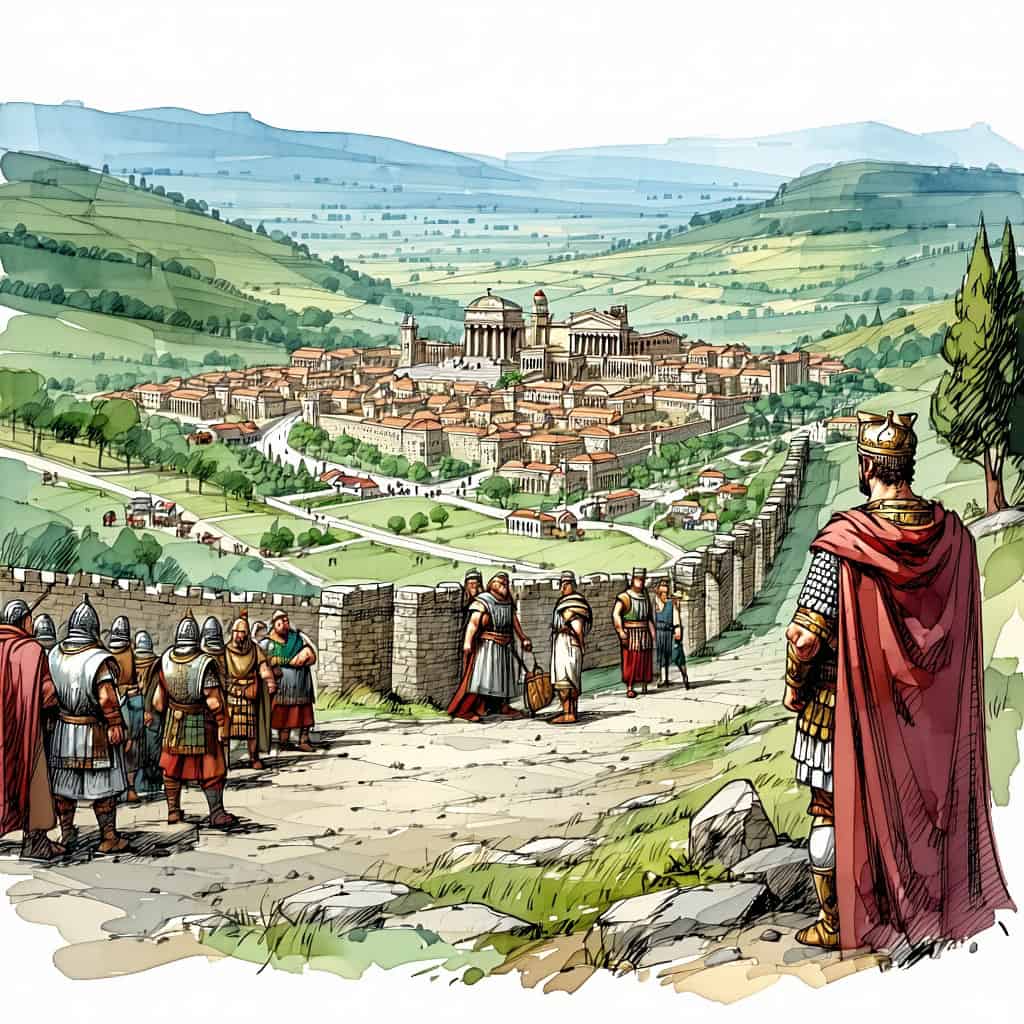
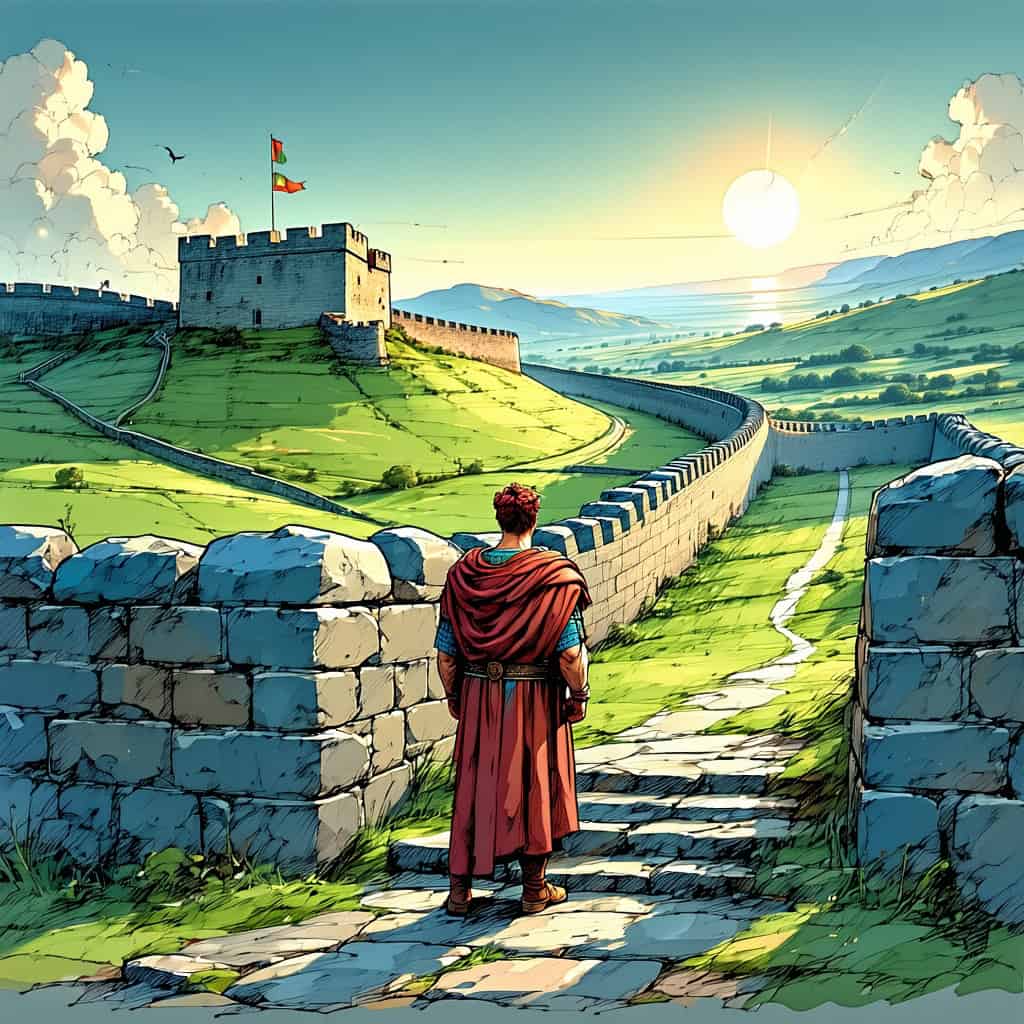
Emperor Hadrian
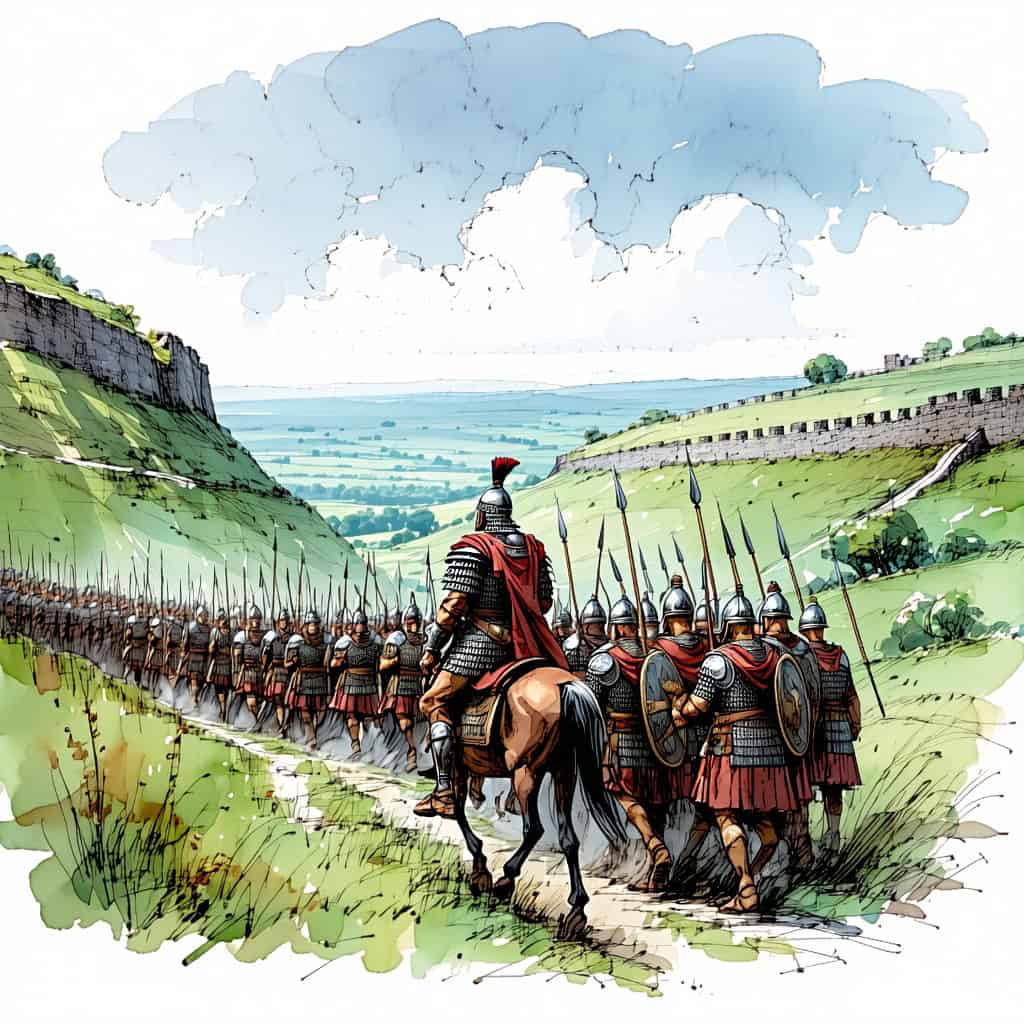
Quintus Pompeius Falco
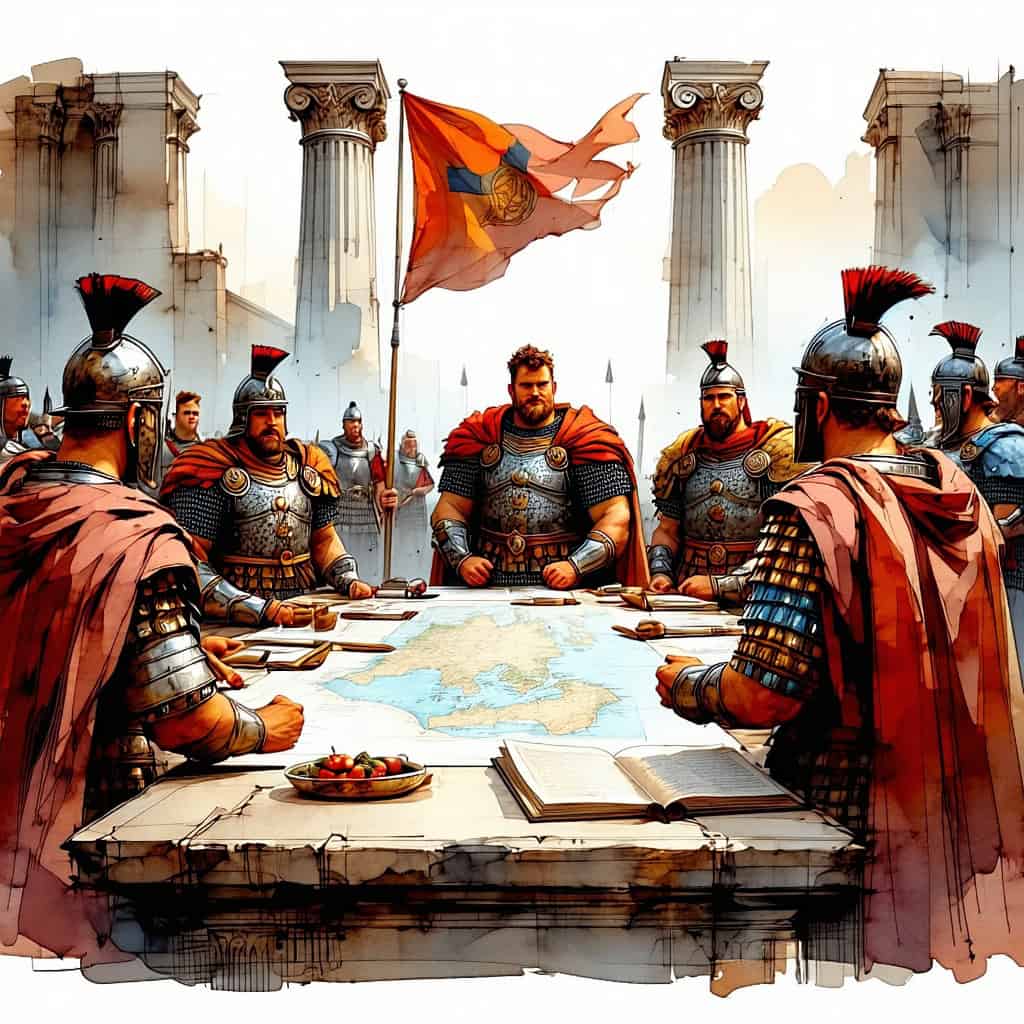
British Chieftains
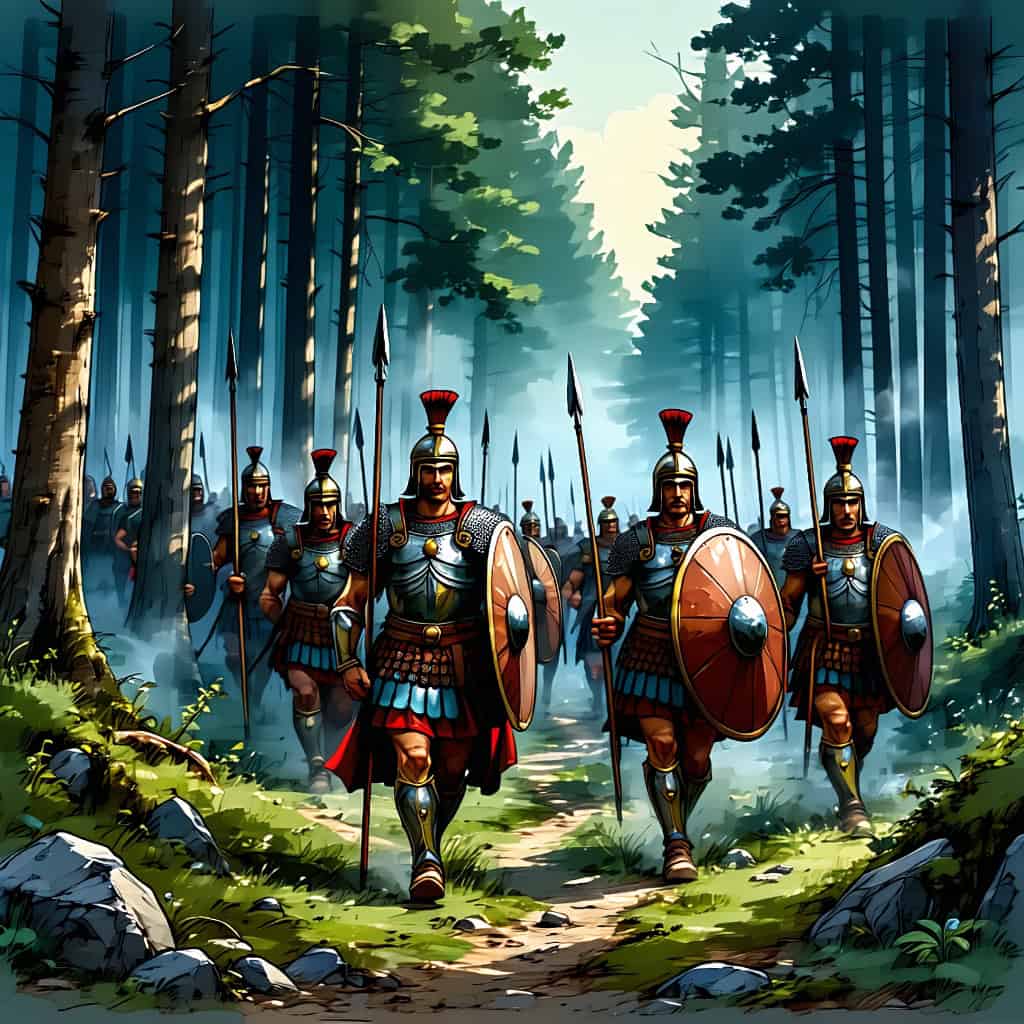
Roman Soldiers
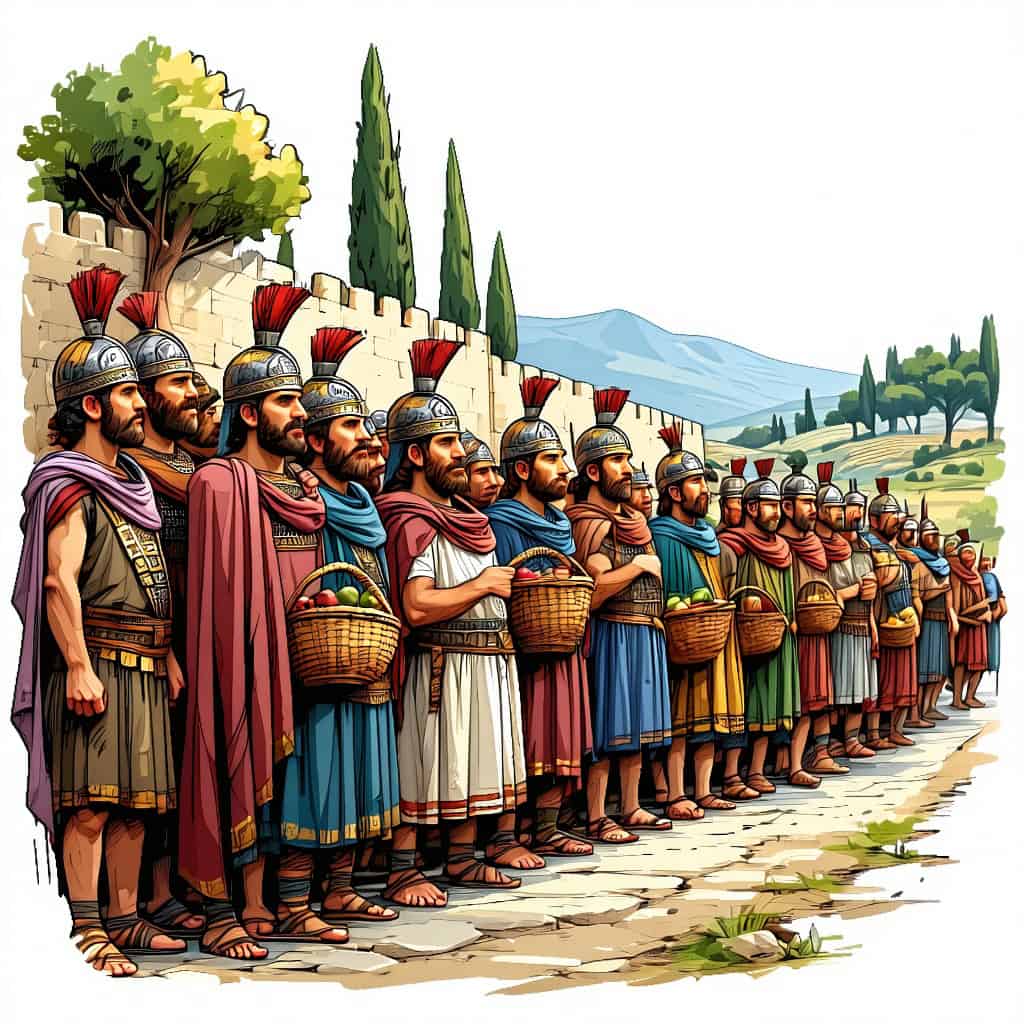
Local Tribespeople

Emperor Hadrians Arrival in Britain

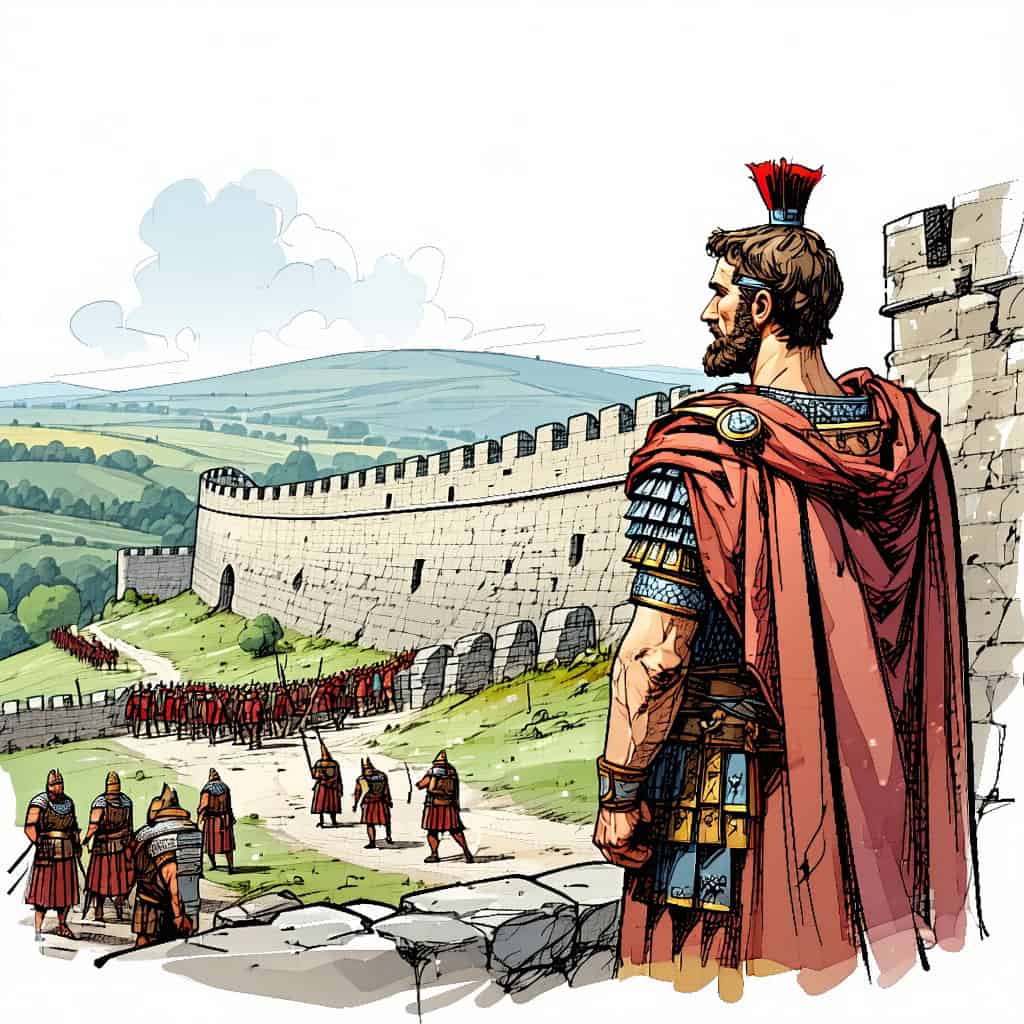
Inspection of Hadrians Wall

Meetings with Local Tribes

Construction of Roman Forts

Public Address in Londinium

Visit to Roman Bathhouses

Departure from Britain

Legacy of Hadrians Visit
Lesson Details & Resources
In a Nutshell
- What: The visit of Emperor Hadrian to Britain in 122 AD
- When: 122 AD
- Who: Emperor Hadrian
- Outcome: Construction of Hadrian’s Wall to mark the northern boundary of the Roman Empire in Britain
Famous Figures in the Emperor Hadrian Visit to Britain
-
Emperor Hadrian
Emperor Hadrian: Roman Emperor who visited Britain in 122 AD. He is known for building Hadrian's Wall, a defensive fortification in Northern England.
-
Aulus Platorius Nepos
Aulus Platorius Nepos: Roman governor of Britannia at the time of Hadrian's visit. He oversaw the preparations for the Emperor's arrival and hosted him during his stay.
-
Sextus Julius Severus
Sextus Julius Severus: Roman general who accompanied Hadrian during his visit to Britain. He played a crucial role in maintaining peace and order during the Emperor's stay.
-
Publius Aelius Hadrianus Afer
Publius Aelius Hadrianus Afer: Cousin of Emperor Hadrian and a prominent Roman senator. He likely accompanied Hadrian on his visit to Britain.
-
Gaius Julius Alpinus Classicianus
Gaius Julius Alpinus Classicianus: Roman procurator of Britannia during Hadrian's visit. He represented the Emperor's interests and provided administrative support during the visit.
Timeline of Emperor Hadrian Visit to Britain
Hadrian becomes Roman Emperor
Hadrian begins planning visit to Britain
Hadrian departs from Rome
Hadrian arrives in Gaul (modern-day France)
Hadrian crosses the English Channel to reach Britain
Hadrian arrives in Londinium (London)
Hadrian travels to Verulamium (St Albans)
Hadrian visits Eboracum (York)
Hadrian travels to Deva (Chester)
Hadrian visits Venta Icenorum (Caistor St Edmund)
Hadrian travels to Lindum Colonia (Lincoln)
Hadrian visits Glevum (Gloucester)
Hadrian travels to Aquae Sulis (Bath)
Hadrian visits Isca Dumnoniorum (Exeter)
Hadrian travels to Camulodunum (Colchester)
Hadrian returns to Londinium
Hadrian leaves Britain
Hadrian arrives back in Rome
Hadrian begins construction of Hadrian's Wall
Hadrian's Wall is completed
Vocabulary List
- Emperor Hadrian
- The ruler of the Roman Empire who visited Britain in 122 AD.
- Visit
- The act of Emperor Hadrian traveling to Britain in 122 AD.
- Britain
- The island country that Emperor Hadrian visited in 122 AD.
- 122 AD
- The specific year when Emperor Hadrian visited Britain.
- Rome
- The capital city of the Roman Empire from where Emperor Hadrian started his journey.
- Roman Empire
- The vast empire ruled by Emperor Hadrian, which included Britain.
- Historical Event
- The visit of Emperor Hadrian to Britain in 122 AD is considered a significant historical event.
- Archaeology
- The study of ancient artifacts and ruins related to Emperor Hadrian's visit to Britain.
- Romanization
- The process of spreading Roman culture and influence in Britain during Emperor Hadrian's visit.
- Fortifications
- The construction of defensive structures by Emperor Hadrian during his visit to secure the Roman borders in Britain.
- Antonine Wall
- A turf fortification built by the Romans under Emperor Hadrian's rule in Scotland.
- Roman Legions
- The military units of the Roman Empire that accompanied Emperor Hadrian during his visit to Britain.
- Cultural Exchange
- The interaction and sharing of ideas between the Romans and the local Britons during Emperor Hadrian's visit.
- Infrastructure
- The development of roads, bridges, and other facilities by Emperor Hadrian in Britain.
- Hadrian's Wall
- A stone fortification built by Emperor Hadrian to mark the northernmost boundary of the Roman Empire in Britain.
Key Facts
This is the information used in the fact matching game
- Emperor Hadrian visited Britain in 122 AD as part of his grand tour of the Roman Empire.
- Hadrian's visit to Britain lasted for two years, from 122 to 124 AD.
- During his visit, Hadrian ordered the construction of Hadrian's Wall, a defensive fortification across the northern border of Roman Britain.
- Hadrian's Wall stretched approximately 73 miles (117 km) from the River Tyne to the Solway Firth.
- The purpose of Hadrian's Wall was to separate Roman Britain from the unconquered northern tribes and to control trade and movement.
- Hadrian's Wall consisted of a stone wall with forts, milecastles, and observation towers along its length.
- The construction of Hadrian's Wall involved the labor of thousands of soldiers, slaves, and local Britons.
- Hadrian's visit to Britain aimed to consolidate Roman control and pacify the unruly northern frontier.
- During his stay, Hadrian traveled extensively across the province and visited major Roman settlements like London and York.
- Hadrian's visit to Britain marked the first time a reigning Roman Emperor set foot on the island.
- Hadrian was known for his interest in architecture, and his visit to Britain inspired the construction of impressive buildings and structures.
- Hadrian established the city of Colonia Aelia Capitolina (modern-day York) during his visit to Britain.
- The Antonine Wall, another Roman defensive wall in Scotland, was begun during Hadrian's visit, although it was completed by his successor.
- Hadrian's visit to Britain had a significant impact on the cultural and social development of the province.
- During his visit, Hadrian held meetings with local tribal leaders and implemented policies to improve governance in the region.
- Hadrian's visit to Britain was part of his broader policy of visiting and inspecting various parts of the Roman Empire.
- Hadrian's Wall became a UNESCO World Heritage Site in 1987 and is now a popular tourist attraction.
- The visit of Emperor Hadrian to Britain in 122 AD marked a significant period in Roman-British history.
- Hadrian's Wall served as a symbol of Roman power and civilization for nearly three centuries.
- The visit of Emperor Hadrian to Britain brought economic benefits to the region, as trade and commerce flourished under Roman rule.
Analysis & Significance
Immediate Consequences
The visit of Emperor Hadrian to Britain in 122 AD had immediate consequences on the Roman administration in the region. It marked a significant shift in policy towards consolidating Roman control and fortifying the frontier against potential invasions.
Long-Term Impact
The long-term impact of Hadrian’s visit to Britain was the construction of Hadrian’s Wall, a monumental barrier that stretched across northern England. This structure not only served as a physical defense but also symbolized the Roman Empire’s commitment to maintaining its borders.
Cultural Significance Today
Today, the visit of Emperor Hadrian to Britain continues to be of cultural significance as Hadrian’s Wall remains a UNESCO World Heritage Site and a popular tourist attraction. It stands as a testament to the engineering prowess of the Romans and serves as a reminder of the enduring legacy of their empire.
Emperor Hadrian Visit to Britain Games


Take Your Learning Offline
Want a convenient, print-ready study guide for this lesson? Become a Memory Wizards Pro member to unlock the downloadable " Memory Scrolls" for this topic and our entire library!
- ✓ Complete Vocabulary Lists
- ✓ Key Facts & Timelines
- ✓ Beautifully Formatted for Print & Mobile