
How Do You Learn Best?
Learn by Reading
Immerse yourself in the 10-minute visual lesson for a comprehensive understanding of the topic.
Learn by Reviewing
Jump directly to the key facts, timeline, and vocabulary lists to build a solid foundation of details.
Learn by Doing
Challenge yourself! Jump straight into the interactive games to learn by trial, error, and discovery.
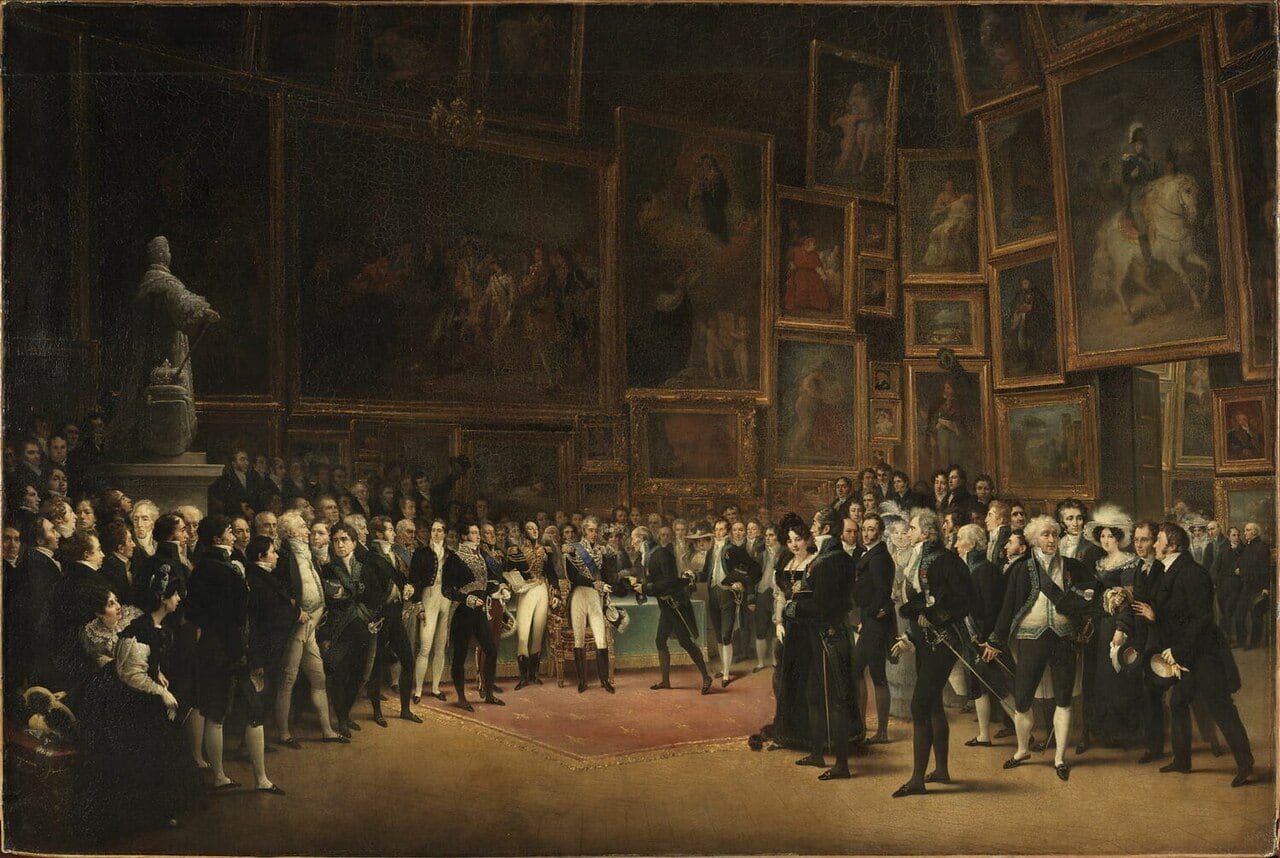
The Masterpiece: Charles X Distributing Awards to Artists - François Joseph Heim
Deconstructing the Masterpiece
Central Figure: Charles X
The positioning of the French monarch as the central figure signifies his importance and authority in bestowing awards upon the artists.
Portrait Gallery of Artists
The inclusion of portraits of leading artists at the Paris Salon of 1824 highlights their recognition and contribution to the arts during that period.
Military Uniform of National Guard
Charles X wearing the uniform of the National Guard symbolizes his connection to the military and his role as a protector of the nation's cultural heritage.
Ceremonial Setting
The depiction of the awards ceremony held on 15 January 1825 creates a sense of grandeur and formality, emphasizing the significance of the event.
The French Salon: An Analysis in 10 Minutes

Introduction
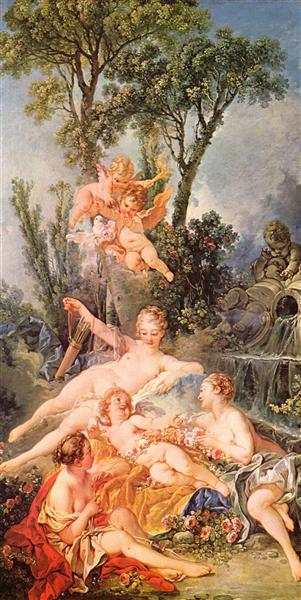
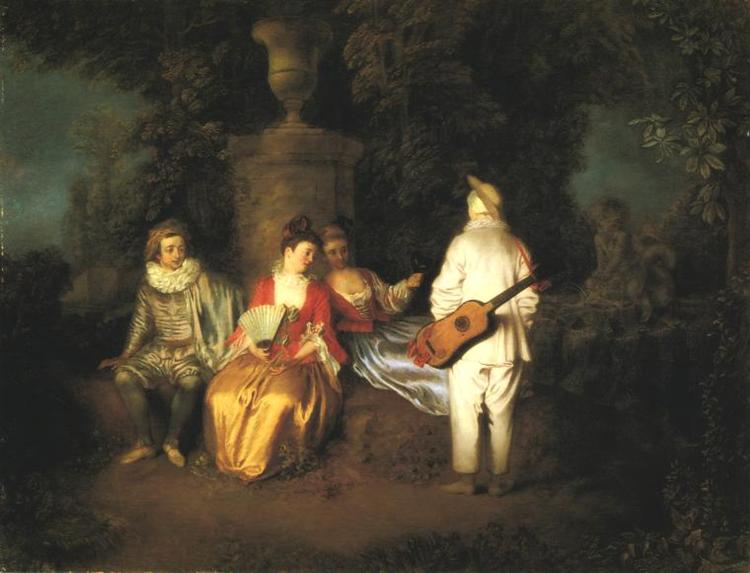
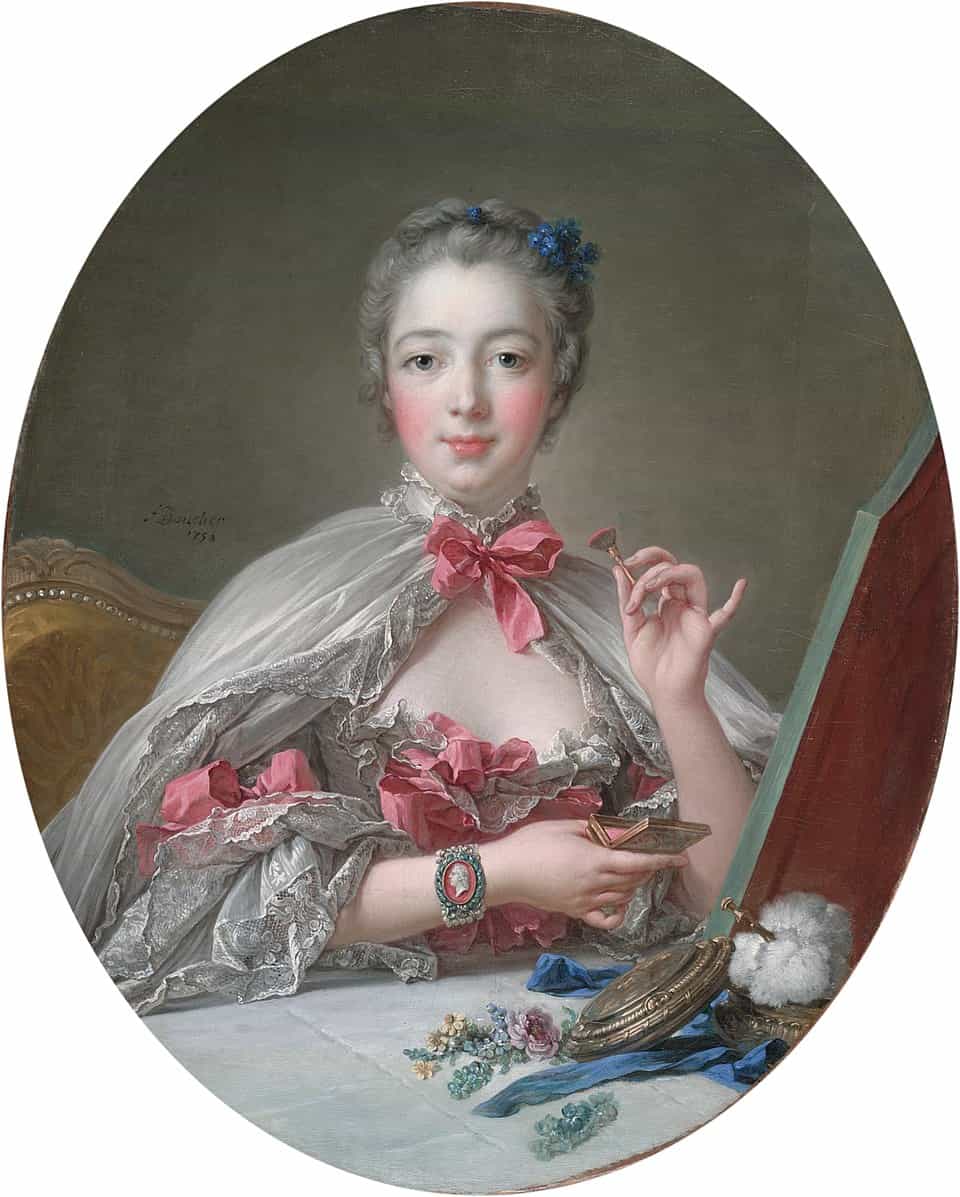
Madame de Pompadour
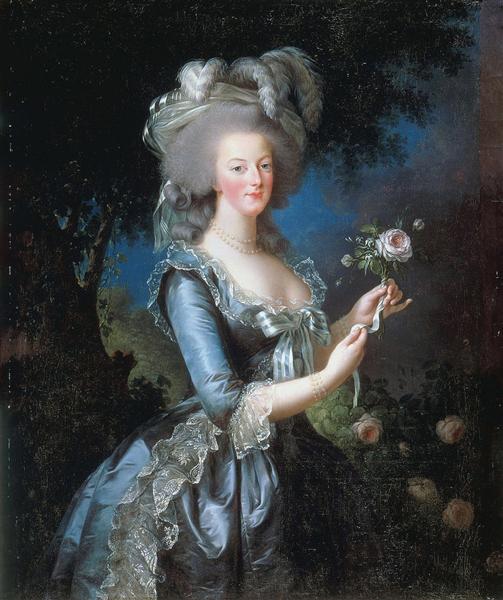
Marie Antoinette
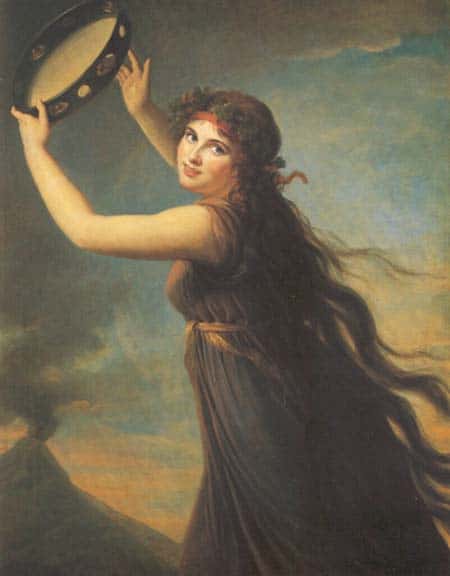
Élisabeth Vigée Le Brun
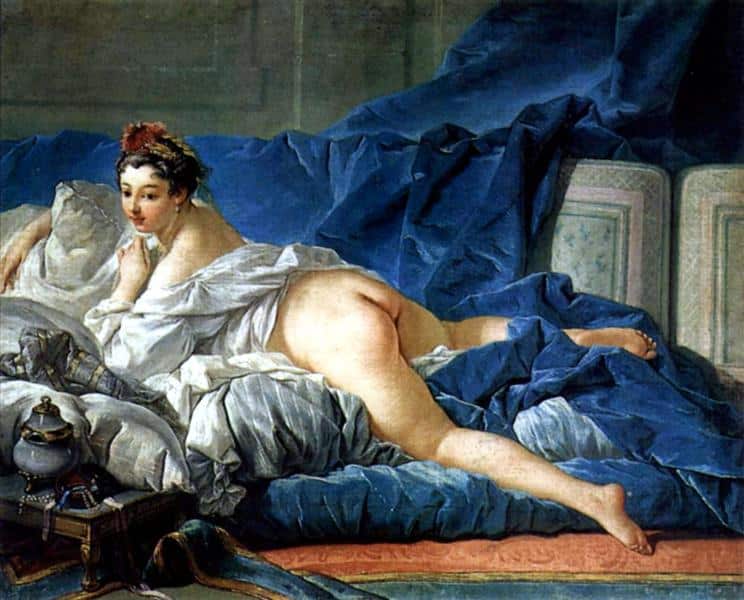
Origins of the French Salon
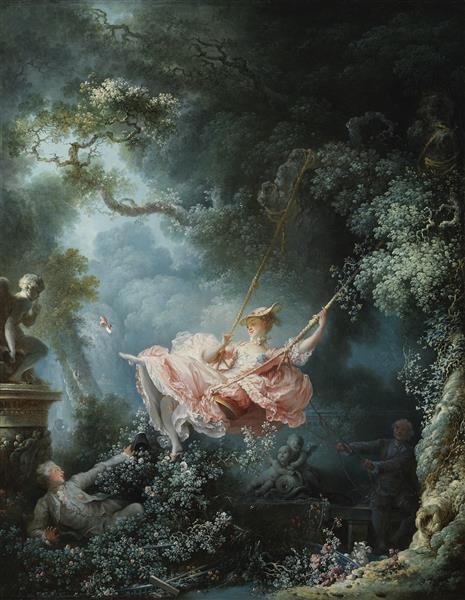
Rise of Rococo Art
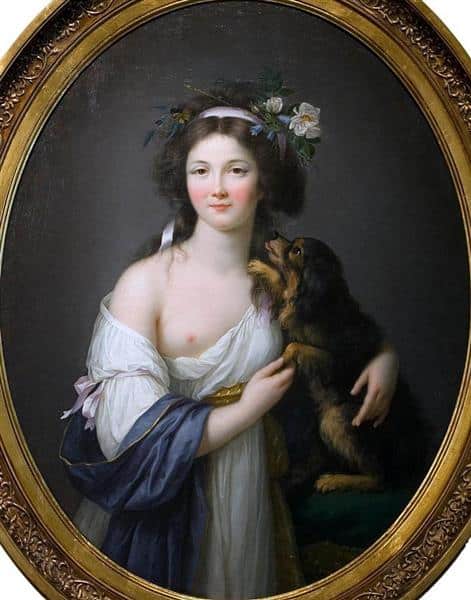
Salon de Paris
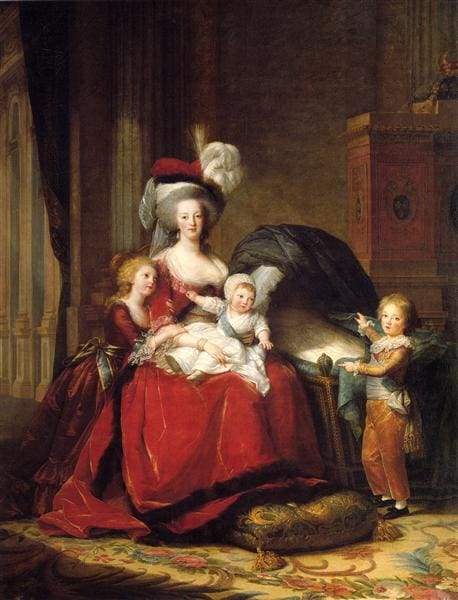
Salon Culture
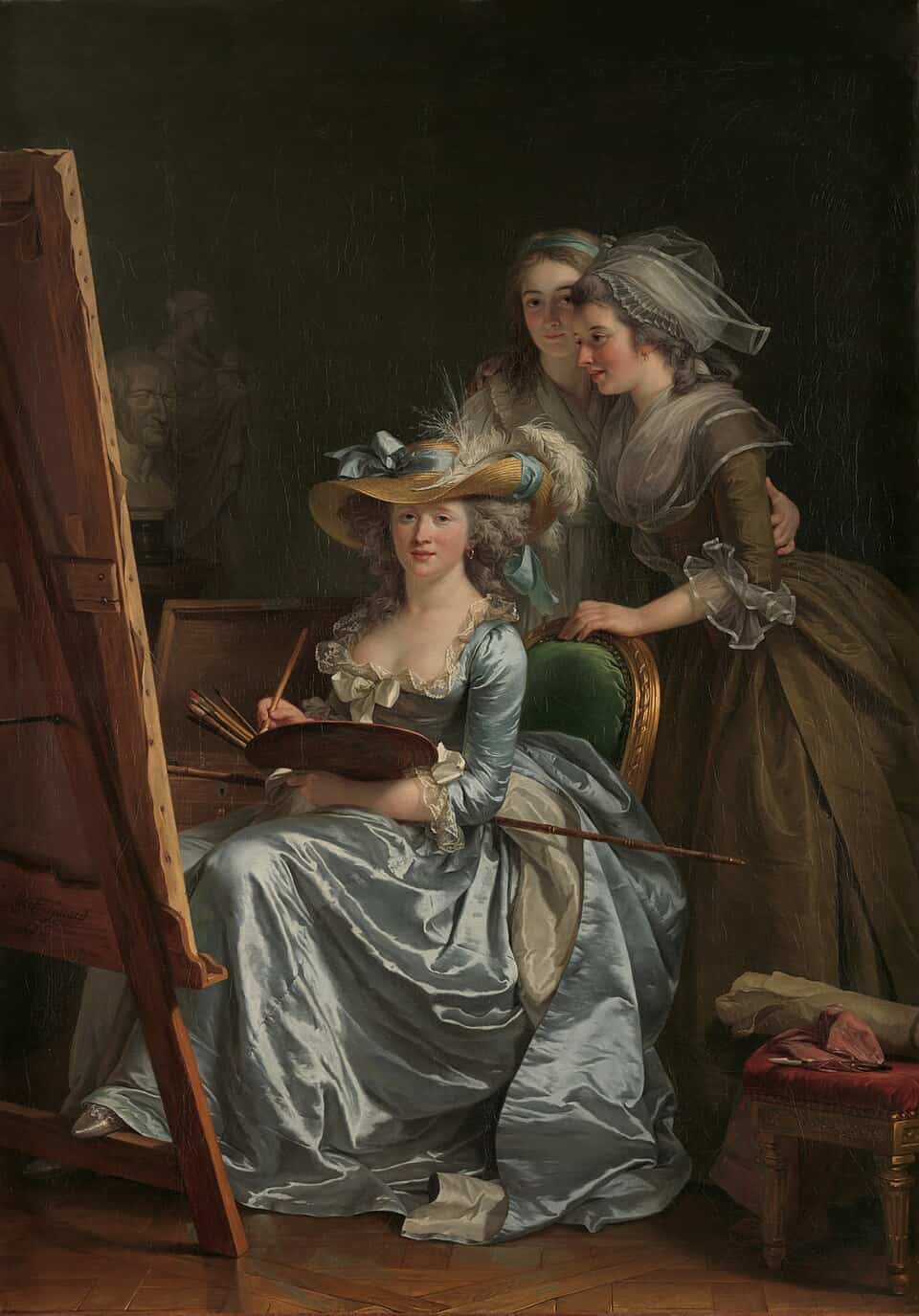
Female Artists at the Salon

Criticism and Controversy
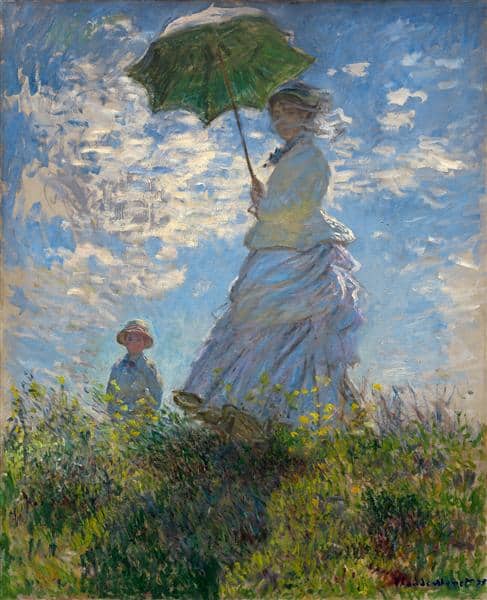
Decline of the Salon
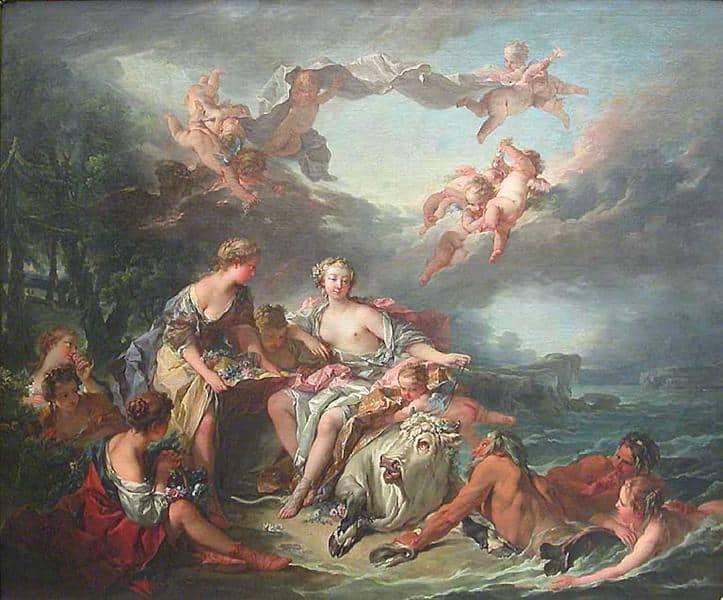
Legacy of the French Salon
Lesson Details & Resources
In a Nutshell
- Artist: Various
- Year: 18th -19th century
- Medium: Various
- Location: Paris
Vocabulary List
- Frivolous
- The French Salon often showcased paintings of frivolous subjects, such as aristocratic parties and romantic scenes.
- Ornate
- The Rococo style of the French Salon was known for its ornate decorations and intricate details.
- Elaborate
- The artists of the French Salon created elaborate compositions with intricate patterns and designs.
- Fashionable
- The French Salon was a place where fashionable society members gathered to appreciate and critique the latest art trends.
- Opulent
- The artwork displayed at the French Salon often depicted opulent interiors and luxurious lifestyles.
- Gallant
- Many paintings at the French Salon depicted gallant scenes of courtship and romance.
- Graceful
- The figures in Rococo paintings were often depicted in graceful poses and movements.
- Chic
- The French Salon was a chic gathering place for artists, nobility, and art enthusiasts.
- Flamboyant
- The Rococo style was characterized by flamboyant colors, exaggerated forms, and playful motifs.
- Exquisite
- The French Salon featured exquisite paintings and sculptures by some of the most talented artists of the time.
- Elegant
- The artwork displayed at the French Salon was known for its elegant compositions and refined aesthetics.
- Sophisticated
- The French Salon was a sophisticated cultural institution that showcased the finest art of the period.
- Luxurious
- The French Salon was a luxurious space filled with opulent decorations and sumptuous furnishings.
- Refined
- The artists of the French Salon were known for their refined techniques and attention to detail.
- Aesthetic
- The Rococo style of the French Salon prioritized beauty and aesthetic appeal in art and design.
- Dainty
- Rococo paintings often featured dainty figures in delicate poses and settings.
- Lavish
- The French Salon was known for its lavish parties and extravagant displays of art.
- Sumptuous
- The artwork displayed at the French Salon was often described as sumptuous and luxurious.
- Regal
- The French Salon showcased paintings of regal figures, noble subjects, and grandiose landscapes.
- Opulence
- The Rococo style of the French Salon was a celebration of wealth, luxury, and opulence.
Timeline of The French Salon: An Analysis
First recognized French salon held by Catherine de Vivonne, marquise de Rambouillet
Salon de la Princesse established by Madame de Pompadour at the Hôtel de Soubise
Madame Geoffrin opens her salon, becoming a prominent meeting place for artists and intellectuals
Denis Diderot publishes the Encyclopédie with support from Madame Geoffrin's salon
Madame de Genlis holds literary and political salons at the Château de Bellechasse
Death of Madame Geoffrin, marking the decline of her salon as a cultural hub
The French Revolution leads to the decline of many salons as aristocrats lose power and influence
Salons begin to shift focus towards political discussions and activism during the Revolution
Napoleon Bonaparte's rise to power sees the resurgence of salons as social gatherings
Salon de Madame Récamier becomes a popular meeting place for artists, writers, and politicians
Salon de Delphine de Girardin attracts notable literary figures such as Victor Hugo and Alfred de Musset
Salon des Muses hosted by Marie d'Agoult becomes a center for Romanticism in literature and art
Decline of traditional salons with the rise of cafes and other social meeting places in Paris
Salon des Refusés organized by Emperor Napoleon III showcases rejected artworks from the official Salon exhibitions
Salon of the Société Nationale des Beaux-Arts established as an alternative to the official Salon exhibitions
Final Salon exhibition held in Paris before World War II breaks out
Salon des Réalités Nouvelles founded as a platform for abstract art and non-representational works
Contemporary salons continue to be held in Paris and other cities, showcasing diverse forms of art and culture
Key Facts
This is the information used in the fact matching game
- The French Salon was an official art exhibition held in Paris from the 17th to the 19th centuries.
- Artworks exhibited at the French Salon were judged by the members of the Académie des Beaux-Arts.
- The French Salon played a significant role in shaping the tastes and trends of the art world during its time.
- The Salon was initially held in the Salon Carré of the Louvre, before moving to the Salon de l'École in the Palais Royal.
- The French Salon was an annual event that attracted artists, critics, and art enthusiasts from all over Europe.
- The Salon was a highly competitive exhibition, with artists vying for recognition and prestigious awards.
- Artworks at the Salon were categorized into different genres, such as history painting, portrait, landscape, and still life.
- The French Salon served as a platform for artists to gain exposure, patrons, and potential commissions.
- The Salon also provided a space for art critics to evaluate and discuss the latest trends in art.
- Women artists faced challenges in gaining recognition at the Salon due to gender biases and societal norms.
- The Salon exhibitions were known for their grandeur and opulence, with elaborate decorations and displays.
- The Salon was a hub for artistic innovation and experimentation, showcasing new techniques and styles.
- Artists such as Jacques-Louis David, Élisabeth Vigée Le Brun, and Jean-Honoré Fragonard gained fame through their participation in the Salon.
- The Salon was criticized for its conservative tastes and exclusionary practices, leading to the rise of alternative exhibitions and art movements.
- The Salon played a key role in establishing the hierarchy of genres in art, with history painting being considered the highest form of art.
- The Salon's influence extended beyond the art world, shaping fashion, design, and cultural trends of the time.
- The Salon exhibitions often sparked debates and controversies, with artists and critics engaging in heated discussions about the merits of different artworks.
- The French Revolution brought about changes to the Salon, including the abolition of the Académie des Beaux-Arts and the introduction of a more democratic selection process.
- The Salon continued to evolve in the 19th century, embracing new styles such as Romanticism and Realism.
- The legacy of the French Salon can be seen in the modern-day art world, with many contemporary art exhibitions and galleries following its traditions and formats.
Analysis & Significance
Artistic Innovation
The French Salon revolutionized the way art was exhibited and appreciated by the public. It introduced the concept of an annual, juried exhibition where artists could showcase their work to a wide audience, creating a platform for emerging talents to gain recognition and patronage. The Salon also played a crucial role in shaping the artistic taste of the time, influencing the development of various art movements.
Influence on Art History
The French Salon had a significant impact on the course of art history, as it dictated the prevailing styles and subjects that artists were expected to adhere to. It set the standards for academic art and traditional techniques, while also sparking debates about the role of art in society and the importance of artistic freedom. The Salon’s influence can be seen in the evolution of art institutions and exhibition practices to this day.
Cultural Significance Today
Although the French Salon is no longer held in its original form, its legacy continues to shape the art world and cultural discourse. The Salon’s emphasis on academic standards and the promotion of established artists over avant-garde movements has been both celebrated and criticized. Today, the Salon’s impact on the art market, art education, and the concept of taste remains a topic of scholarly inquiry and debate.
The French Salon: An Analysis Games


Take Your Learning Offline
Want a convenient, print-ready study guide for this lesson? Become a Memory Wizards Pro member to unlock the downloadable " Memory Scrolls" for this topic and our entire library!
- ✓ Complete Vocabulary Lists
- ✓ Key Facts & Timelines
- ✓ Beautifully Formatted for Print & Mobile