
How Do You Learn Best?
Learn by Reading
Immerse yourself in the 10-minute visual lesson for a comprehensive understanding of the topic.
Learn by Reviewing
Jump directly to the key facts, timeline, and vocabulary lists to build a solid foundation of details.
Learn by Doing
Challenge yourself! Jump straight into the interactive games to learn by trial, error, and discovery.
The Masterpiece: Jean-Honoré-Fragonard-Blind-Man’s_Buff
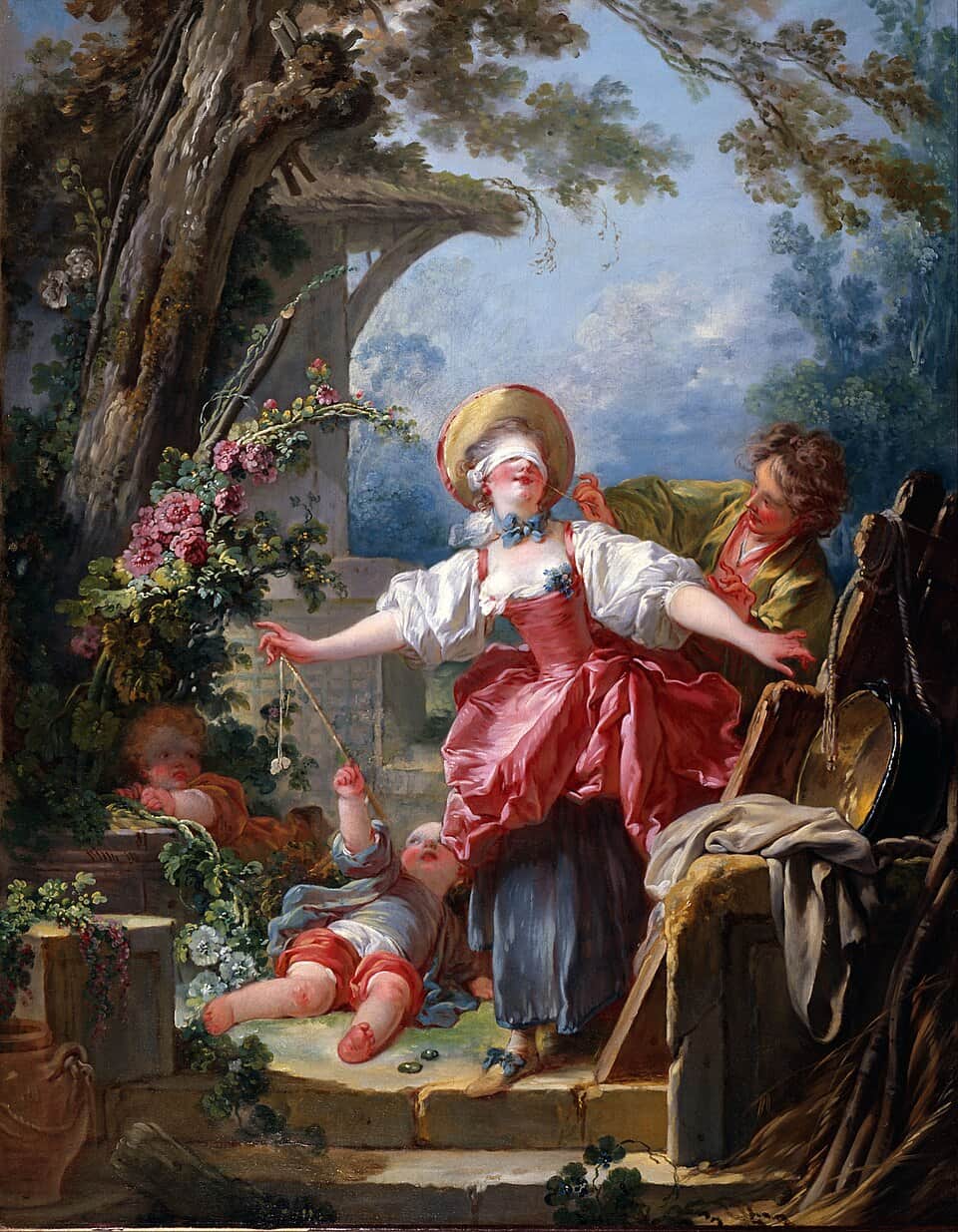
Deconstructing the Masterpiece
Playful Interactions
The figures engage in a lively game of Blindman's Bluff, creating a sense of movement and spontaneity.
Pastel Color Palette
Soft, delicate hues and light brushwork contribute to the painting's overall light-hearted and whimsical atmosphere.
Hidden Faces
The obscured faces of the blindfolded woman and others add an element of mystery and intrigue to the scene.
Jean-Honoré Fragonard: An Analysis in 10 Minutes
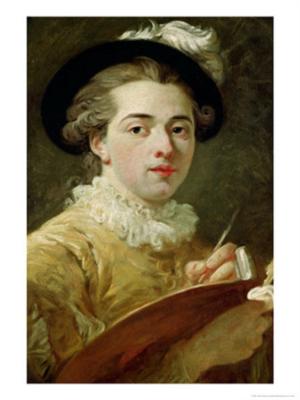
The Early Life of Fragonard
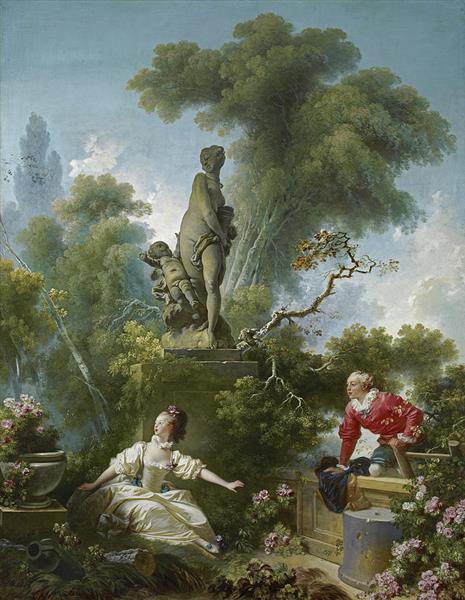
Mastering the Rococo Style
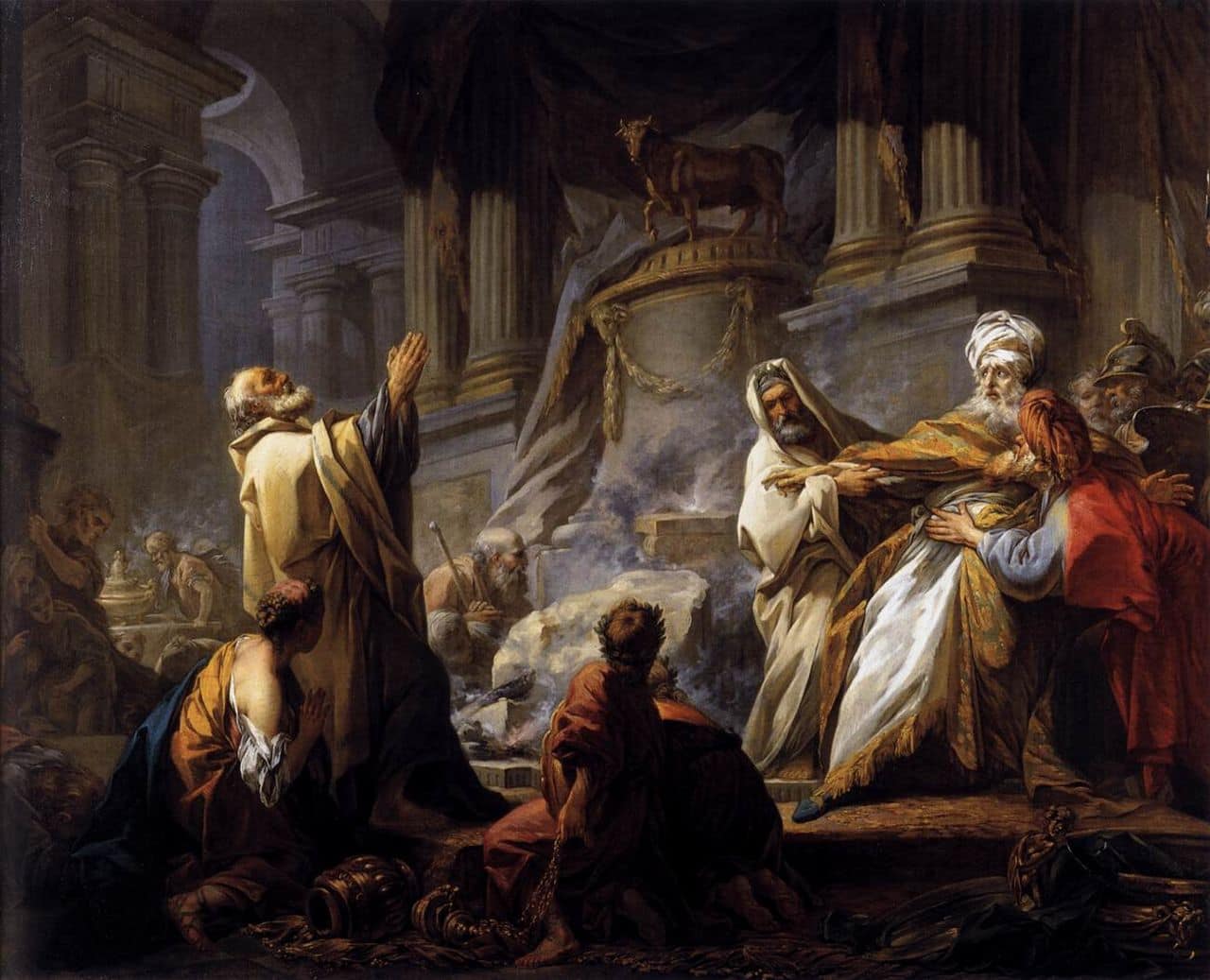
Success as a Painter
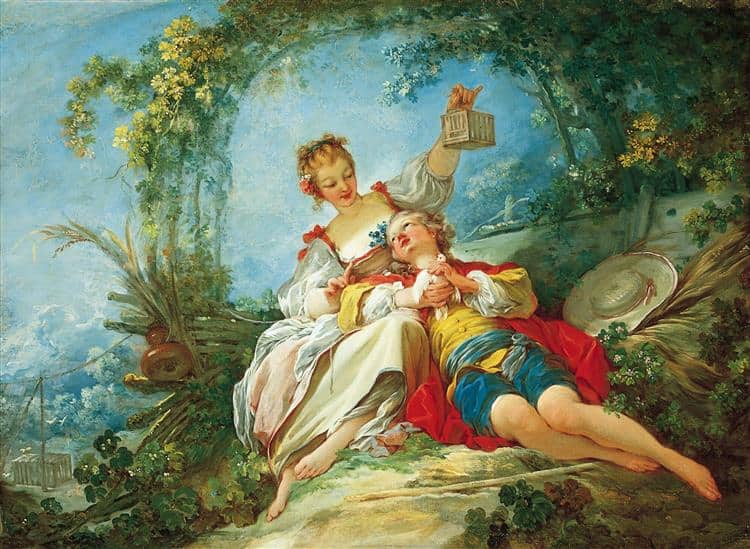
Patronage of the French Aristocracy
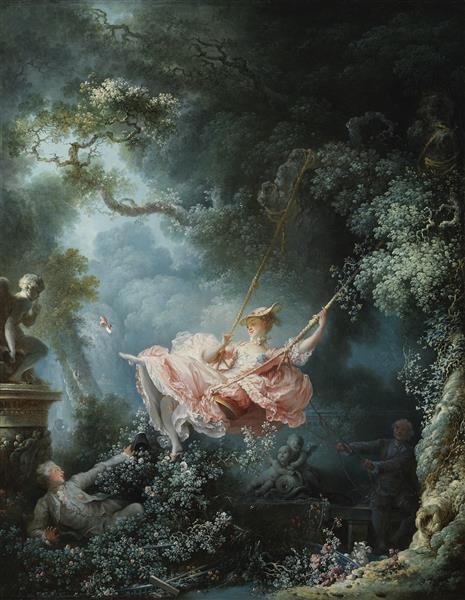
The Swing
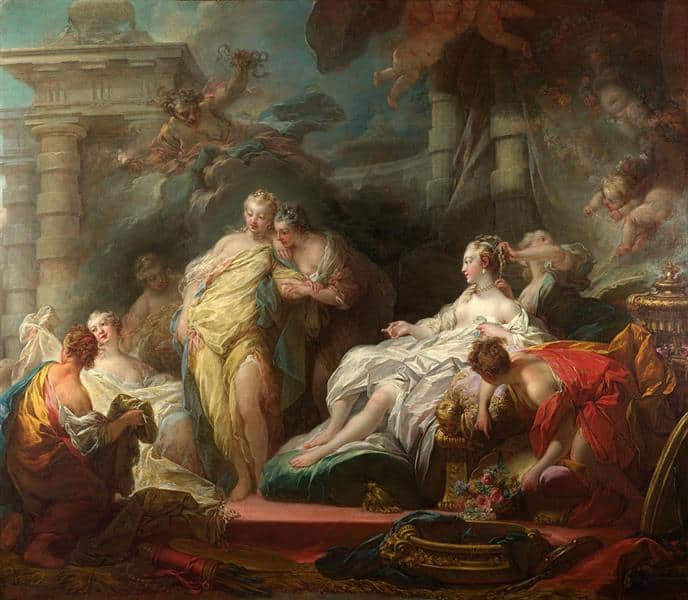
Later Years and Decline of Rococo
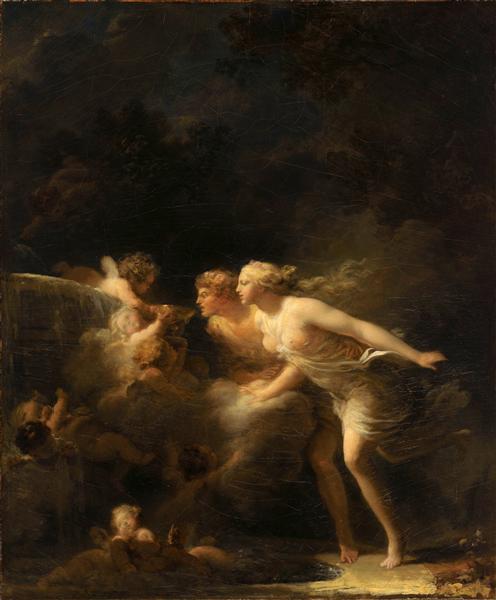
Legacy of Fragonard
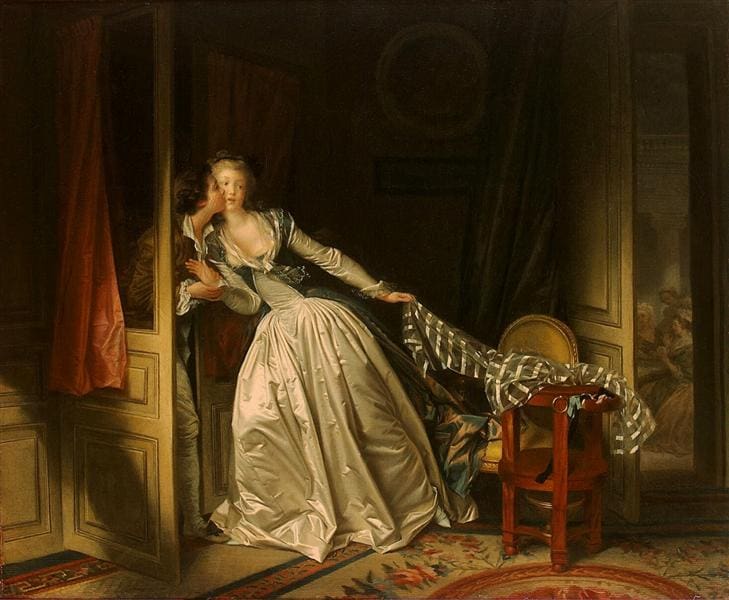
Influence on Later Artists
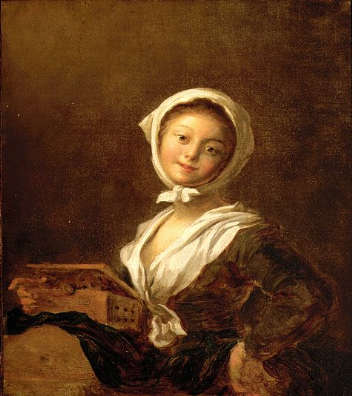
Rediscovery in the 20th Century
Lesson Details & Resources
In a Nutshell
- Artist: Jean-Honoré Fragonard
- Year: 1771
- Medium: Oil on canvas
- Location: The Louvre Museum, Paris
Vocabulary List
- Rococo
- Fragonard was a prominent artist in the Rococo style, known for its intricate details and pastel colors.
- Fête galante
- Fragonard often depicted scenes of fête galante, which were elegant outdoor gatherings popular in the 18th century.
- Pastoral
- Many of Fragonard's paintings have a pastoral theme, featuring idyllic countryside settings.
- Chiaroscuro
- Fragonard was skilled in the use of chiaroscuro, creating dramatic contrasts of light and shadow in his works.
- Feminine
- Fragonard's paintings often portrayed women in delicate and feminine poses.
- Frothy
- The artist's style has been described as frothy, with its light and airy compositions.
- Frivolity
- Critics of Fragonard's work often accused him of promoting frivolity and superficiality.
- Pouf
- The pouf hairstyle, popular in the 18th century, is often seen in Fragonard's portraits.
- Gallant
- Fragonard's paintings often depicted gallant scenes of courtship and romance.
- Fauve
- Some of Fragonard's works exhibit elements of the Fauve movement, with their bold colors and expressive brushwork.
- Floral
- Fragonard's paintings often featured intricate floral motifs, adding to their decorative appeal.
- Coquettish
- The women in Fragonard's paintings are often depicted in a coquettish manner, playing up their charms.
- Dainty
- The artist's delicate brushstrokes and dainty figures lend a sense of elegance to his works.
- Fresco
- Fragonard experimented with fresco painting, creating large-scale murals in the Rococo style.
- Gilded
- Many of Fragonard's frames were gilded, adding to the opulence of his paintings.
- Quaint
- Fragonard's scenes often have a quaint charm, evoking a sense of nostalgia for a bygone era.
- Serene
- Despite the lively and playful nature of his works, Fragonard also captured moments of serene beauty.
- Trompe l'oeil
- Fragonard was known for his skillful use of trompe l'oeil techniques, creating realistic illusions in his paintings.
- Vignette
- Fragonard's paintings often feature vignettes, small scenes within a larger composition.
- Whimsical
- The artist's whimsical and imaginative style set him apart from his contemporaries.
Timeline of Jean-Honoré Fragonard: An Analysis
Jean-Honoré Fragonard is born in Grasse, France
Fragonard moves to Paris to study under François Boucher
Fragonard wins the Prix de Rome scholarship
Fragonard travels to Italy as part of his scholarship
Fragonard returns to Paris and establishes himself as a successful painter
Fragonard marries Marie-Anne Gérard
Fragonard completes 'The Swing,' one of his most famous paintings
Fragonard becomes a member of the French Royal Academy
Fragonard's style falls out of favor with the rise of Neoclassicism
Fragonard dies in Paris
Fragonard's work experiences a revival in the 20th century
Fragonard's paintings are featured in major exhibitions and retrospectives
Key Facts
Analysis & Significance
Artistic Innovation
Jean-Honoré Fragonard’s use of vibrant colors, dynamic brushwork, and playful compositions in his Rococo paintings introduced a sense of lightness, movement, and frivolity that was groundbreaking for its time. He captured fleeting moments of joy, love, and pleasure with a sense of spontaneity and charm, departing from the formal, grandiose style of the Baroque era.
Influence on Art History
Fragonard’s work influenced later artists such as Élisabeth Louise Vigée Le Brun and Antoine Watteau, who adopted his lighthearted approach and focus on intimate, domestic scenes. His rejection of strict academic rules paved the way for the Romantic movement, emphasizing emotion, individualism, and nature over traditional grand narratives, leaving a lasting impact on art history.
Cultural Significance Today
Today, Fragonard’s paintings are celebrated for their beauty, elegance, and sense of joie de vivre. His masterpiece, “The Swing,” continues to captivate audiences with its sensuality, playfulness, and intricate details. As a prominent figure of the Rococo period, Fragonard’s work remains a vital part of art history, admired for its technical skill and enduring charm.
Jean-Honoré Fragonard: An Analysis Games


Take Your Learning Offline
Want a convenient, print-ready study guide for this lesson? Become a Memory Wizards Pro member to unlock the downloadable " Memory Scrolls" for this topic and our entire library!
- ✓ Complete Vocabulary Lists
- ✓ Key Facts & Timelines
- ✓ Beautifully Formatted for Print & Mobile