
How Do You Learn Best?
Learn by Reading
Immerse yourself in the 10-minute visual lesson for a comprehensive understanding of the topic.
Learn by Reviewing
Jump directly to the key facts, timeline, and vocabulary lists to build a solid foundation of details.
Learn by Doing
Challenge yourself! Jump straight into the interactive games to learn by trial, error, and discovery.
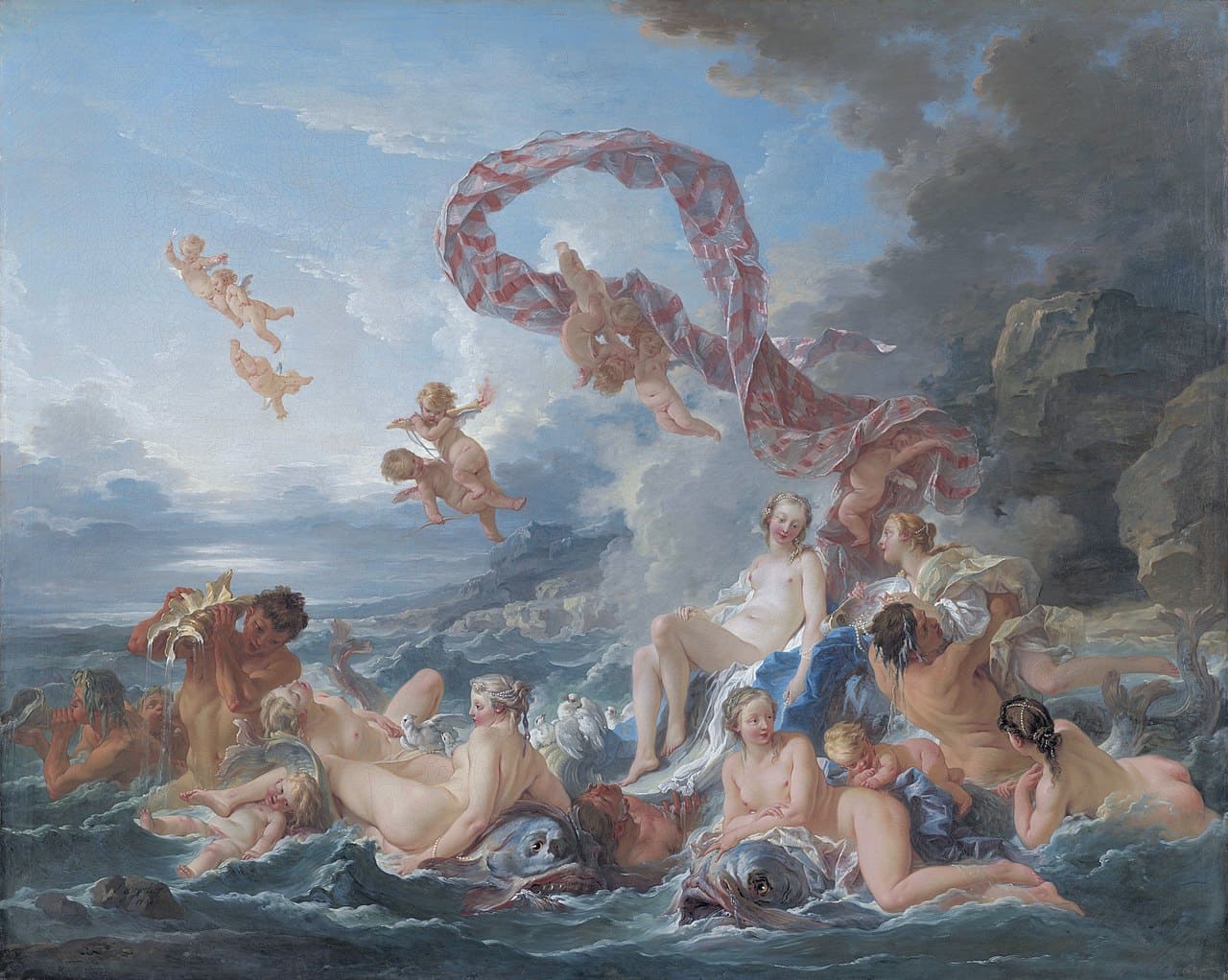
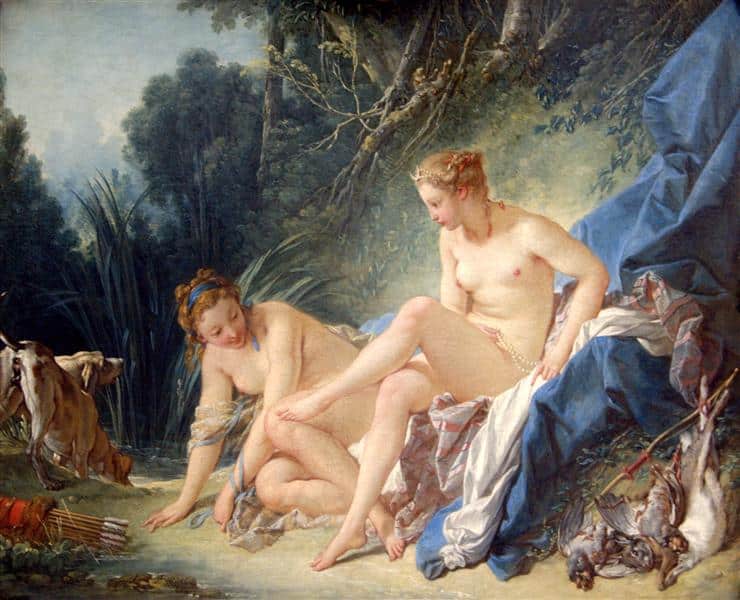
The Masterpiece: Triumph-of-Venus-by_François-Boucher
Deconstructing the Masterpiece
Rococo Style
Elaborate ornamentation, pastel colors, and playful themes characteristic of the Rococo period.
Sensual Figures
Soft, rounded forms and delicate, graceful poses of the figures emphasize beauty, sensuality, and elegance.
Mythological Theme
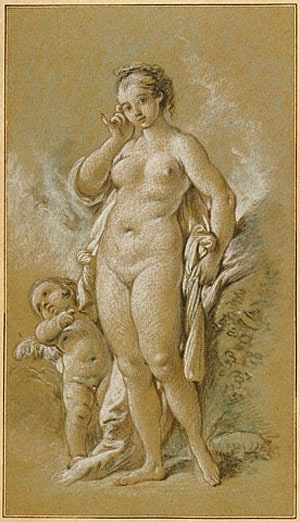
Depiction of Venus, the goddess of love, surrounded by cherubs and symbols of love and desire.
Lush Landscape
Richly detailed and idyllic background with lush foliage and flowing water, adding to the romantic and dream-like quality of the scene.
François Boucher: An Analysis in 10 Minutes
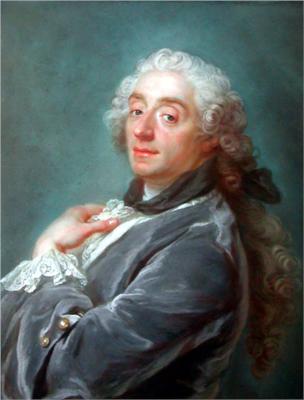
Early Life and Education
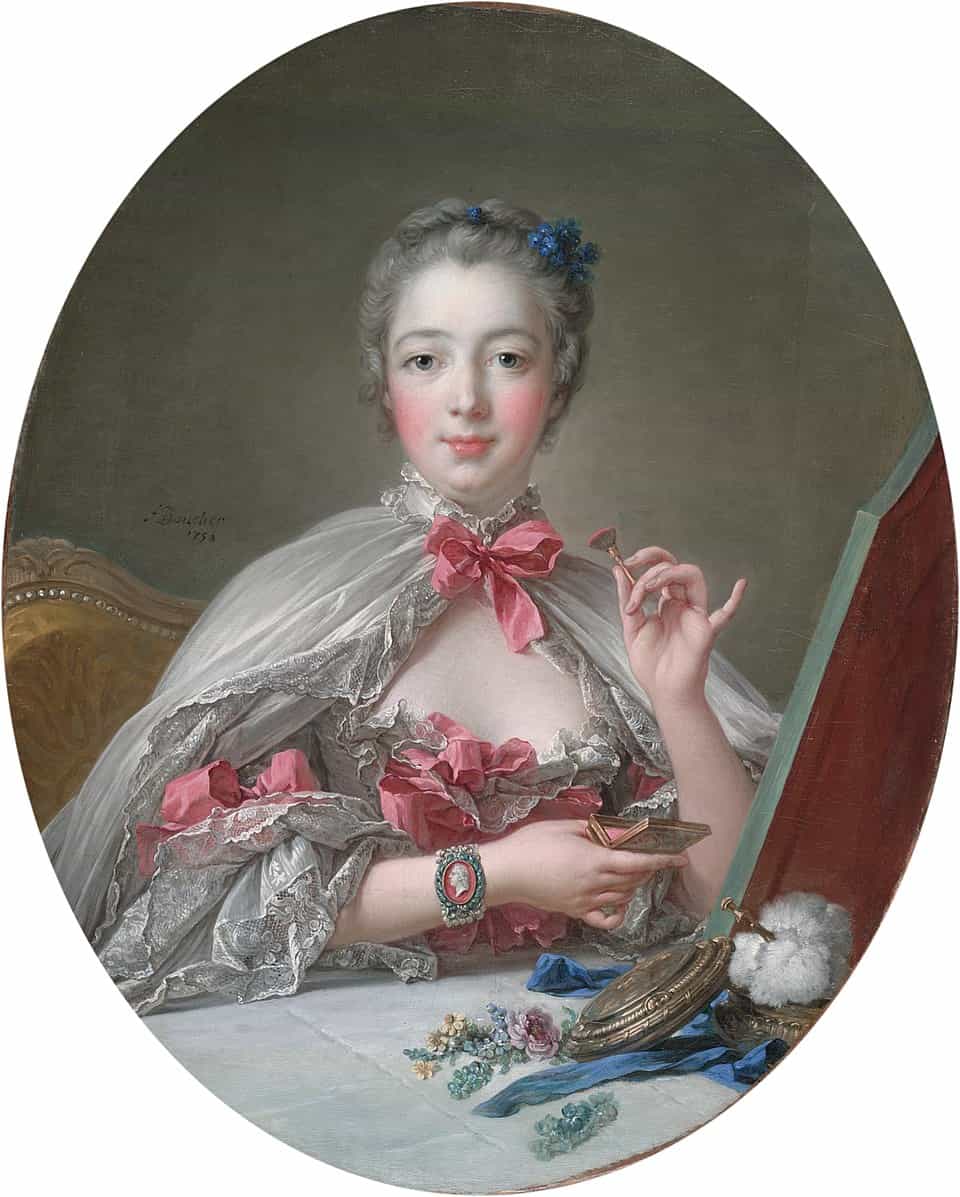
Rise to Prominence
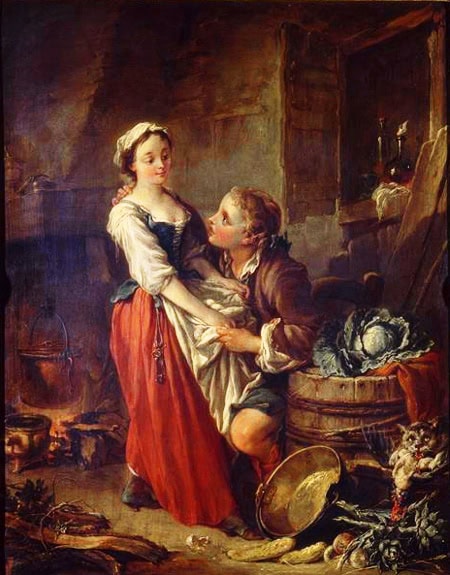
Style and Influence
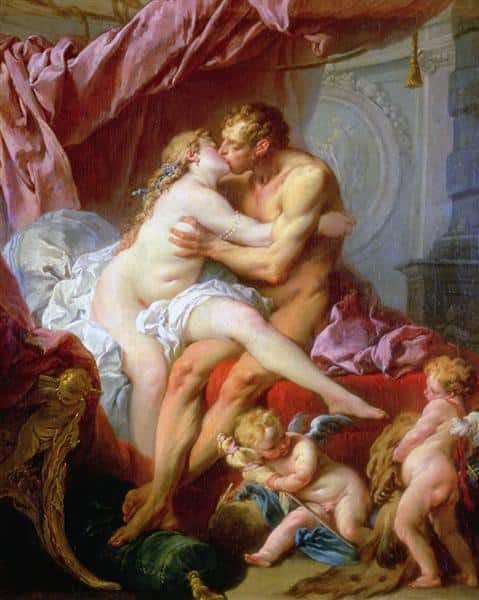
Subjects and Themes
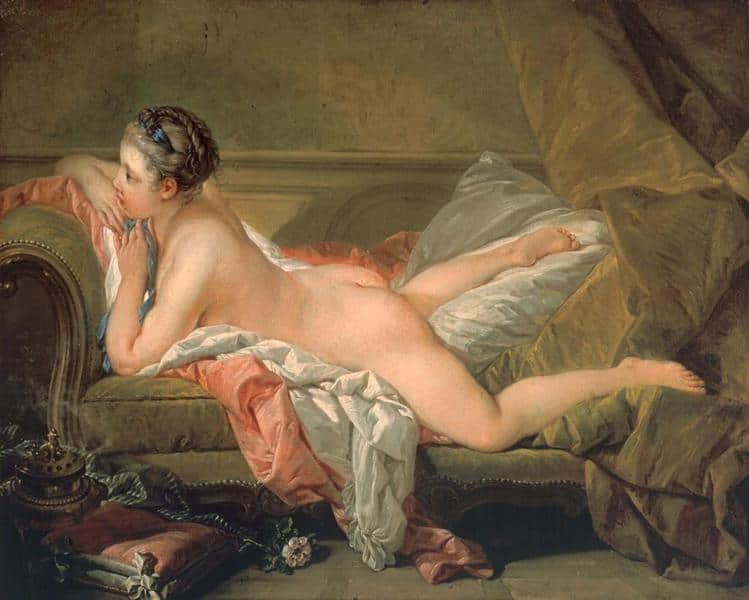
Techniques and Medium
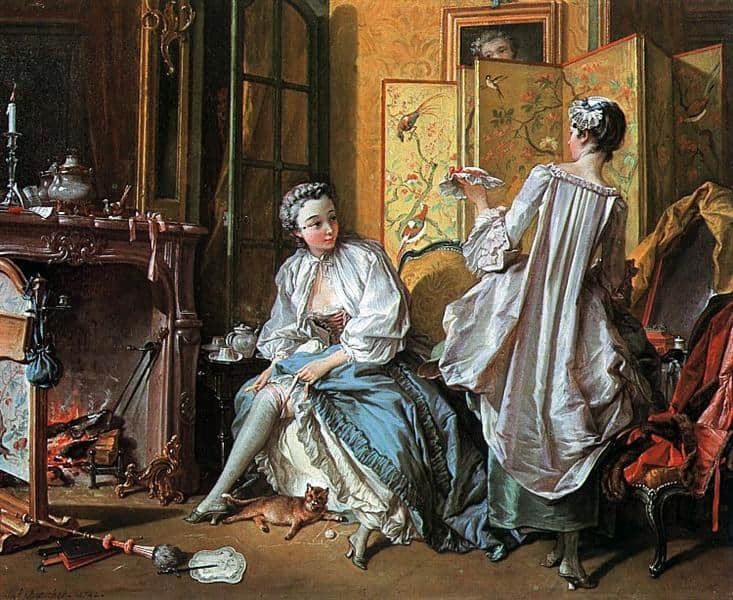
Controversy and Criticism
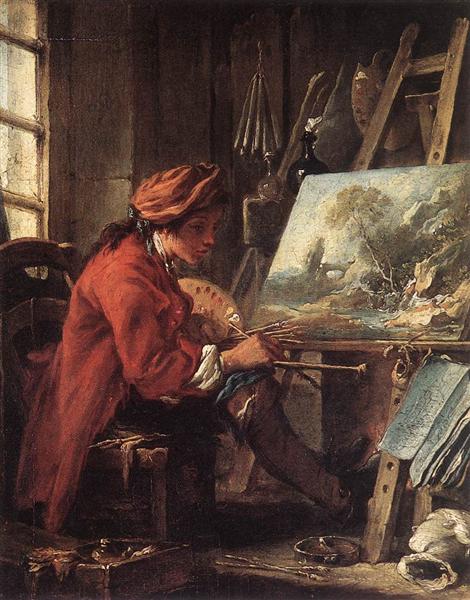
Legacy and Impact
Later Years and Death
Recognition and Honors
Lesson Details & Resources
In a Nutshell
- Artist: François Boucher
- Year: 1734
- Medium: Oil on canvas
- Location: Louvre Museum, Paris
Vocabulary List
- Rococo
- François Boucher was a prominent Rococo painter.
- Pastoral
- Boucher often depicted pastoral scenes in his artwork.
- Allegory
- Many of Boucher's paintings contain allegorical elements.
- Chinoiserie
- Boucher incorporated Chinoiserie elements in some of his designs.
- Elegance
- Boucher's artwork is known for its elegance and refinement.
- Feminine
- Boucher often portrayed women in his paintings.
- Mythology
- Boucher frequently depicted scenes from classical mythology.
- Pastel
- Boucher was skilled in the use of pastel colors in his paintings.
- Sensual
- Boucher's artwork often evokes a sense of sensuality.
- Floral
- Boucher's paintings often feature intricate floral patterns.
- Goddess
- Boucher painted many depictions of goddesses from Greek and Roman mythology.
- Romantic
- Boucher's paintings are often seen as romantic in nature.
- Cherub
- Cherubs are a common motif in Boucher's artwork.
- Silk
- Boucher's paintings often feature luxurious fabrics like silk.
- Whimsical
- Boucher's artwork is known for its whimsical and playful elements.
- Graceful
- Boucher's figures are often depicted in graceful poses.
- Harmony
- Boucher's paintings exude a sense of harmony and balance.
- Cheerful
- Boucher's paintings have a cheerful and light-hearted quality.
- Palatial
- Boucher often painted scenes set in lavish palaces.
- Serpentine
- Boucher's compositions often have a serpentine flow.
Timeline of François Boucher: An Analysis
François Boucher is born in Paris, France
Boucher begins his apprenticeship with the engraver Jean-François Cars
He wins the Prix de Rome, a prestigious art scholarship
Boucher travels to Italy as part of his scholarship
He returns to Paris and becomes a member of the Royal Academy of Painting and Sculpture
Boucher is appointed as the chief designer for the Beauvais tapestry factory
He is named as the first painter to the king, Louis XV
Boucher is elected as the director of the Royal Academy of Painting and Sculpture
He creates the painting 'The Toilet of Venus' for Madame de Pompadour
Boucher paints 'The Triumph of Venus' for the king's mistress, Madame du Barry
He collaborates with the architect Ange-Jacques Gabriel on the design of the Petit Trianon at Versailles
Boucher is commissioned to paint the ceilings of the Royal Palace of Versailles
He is appointed as the rector of the Royal Academy of Painting and Sculpture
Boucher dies in Paris at the age of 67
Key Facts
Analysis & Significance
Artistic Innovation
François Boucher’s Rococo style introduced a sense of playful elegance and sensuality to the art world. His use of pastel colors, delicate brushwork, and graceful compositions created a new standard of beauty and refinement in 18th-century France.
Influence on Art History
Boucher’s work had a profound impact on the development of Rococo art, influencing artists such as Fragonard and Watteau. His depictions of mythological scenes and pastoral settings set a precedent for the decorative and whimsical themes that would define the Rococo movement.
Cultural Significance Today
Today, Boucher’s paintings are celebrated for their charm, elegance, and technical skill. His works continue to be admired for their beauty and grace, making them sought-after pieces in major art collections around the world. Boucher’s legacy as a master of the Rococo style endures, captivating audiences with his luxurious and enchanting compositions.
François Boucher: An Analysis Games


Take Your Learning Offline
Want a convenient, print-ready study guide for this lesson? Become a Memory Wizards Pro member to unlock the downloadable " Memory Scrolls" for this topic and our entire library!
- ✓ Complete Vocabulary Lists
- ✓ Key Facts & Timelines
- ✓ Beautifully Formatted for Print & Mobile