
Summary of Restoration of the Monarchy (1660)
Uncover the dramatic return of kings in the 17th century.
How Do You Learn Best?
Learn by Reading
Immerse yourself in the 10-minute visual lesson for a comprehensive understanding of the topic.
Learn by Reviewing
Jump directly to the key facts, timeline, and vocabulary lists to build a solid foundation of details.
Learn by Doing
Challenge yourself! Jump straight into the interactive games to learn by trial, error, and discovery.
Restoration of the Monarchy in 10 Minutes
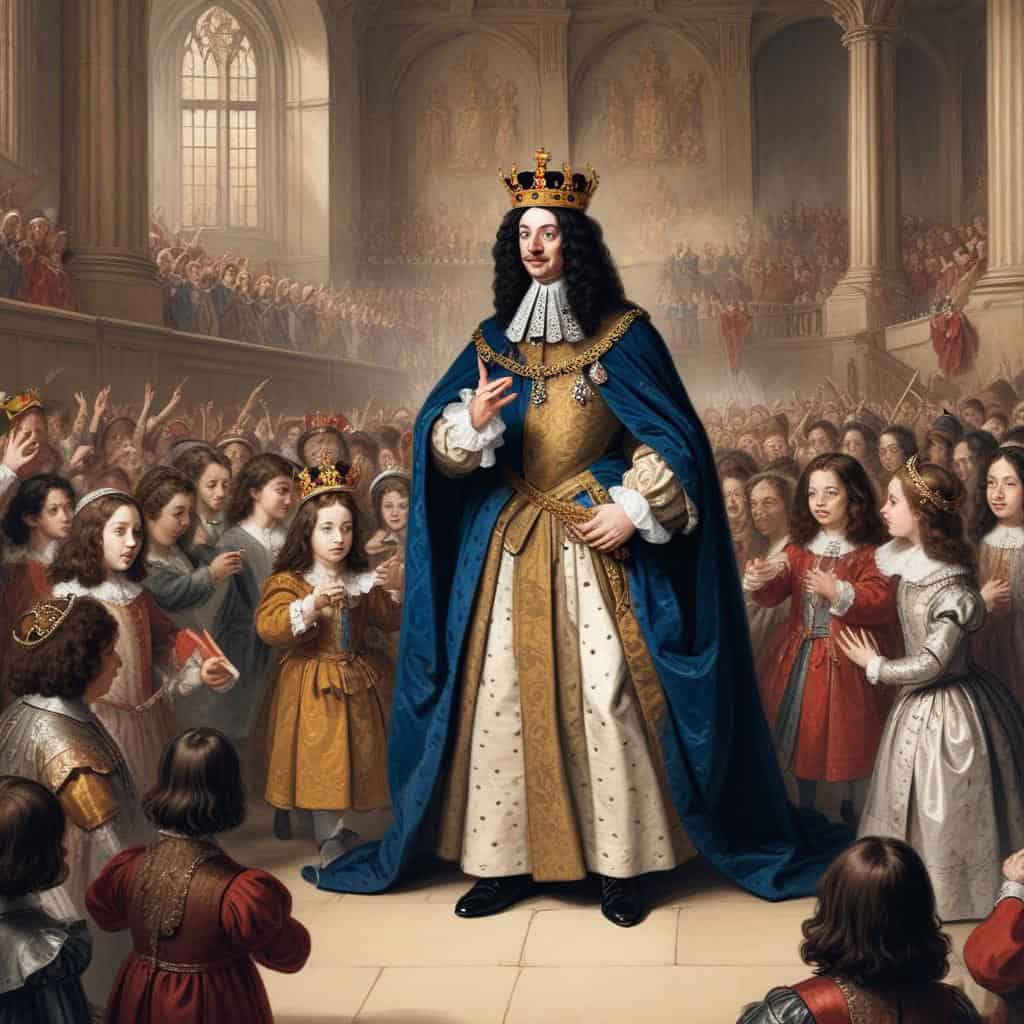
Introduction
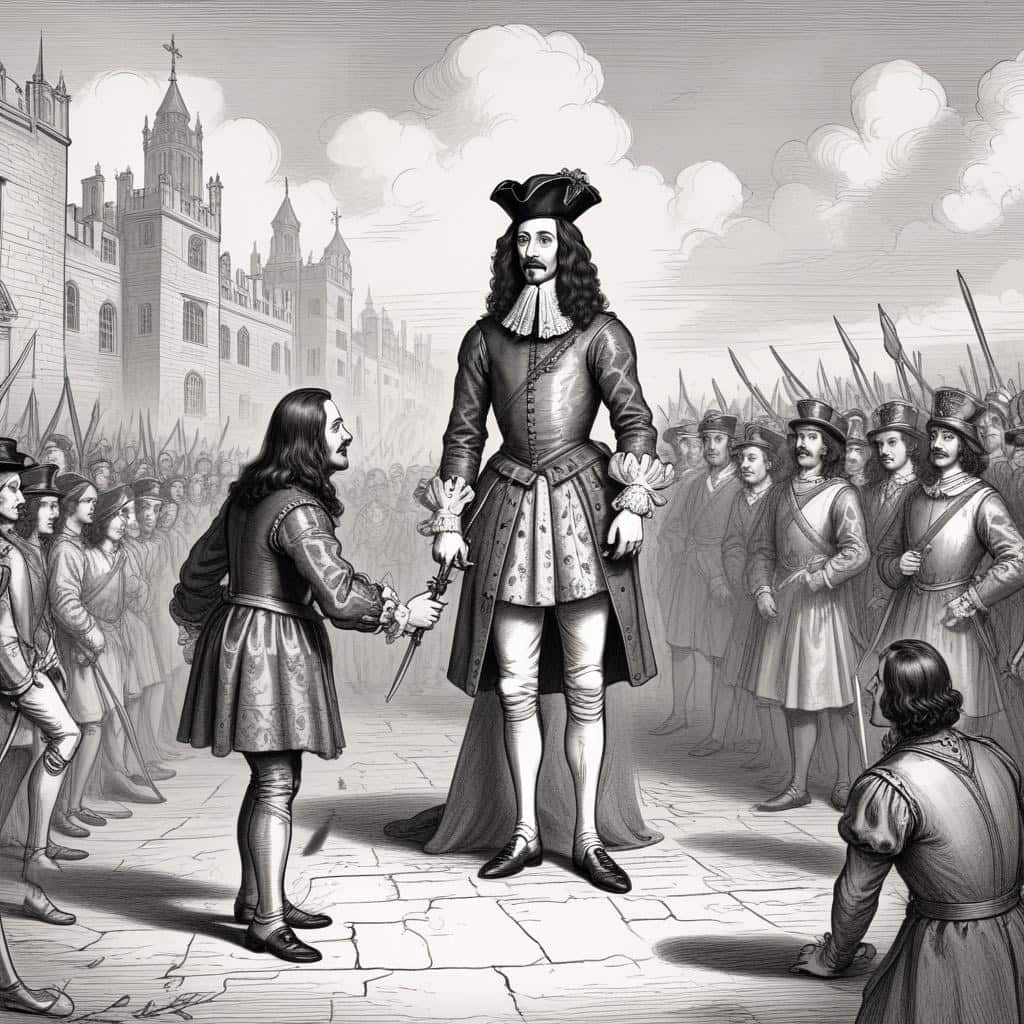
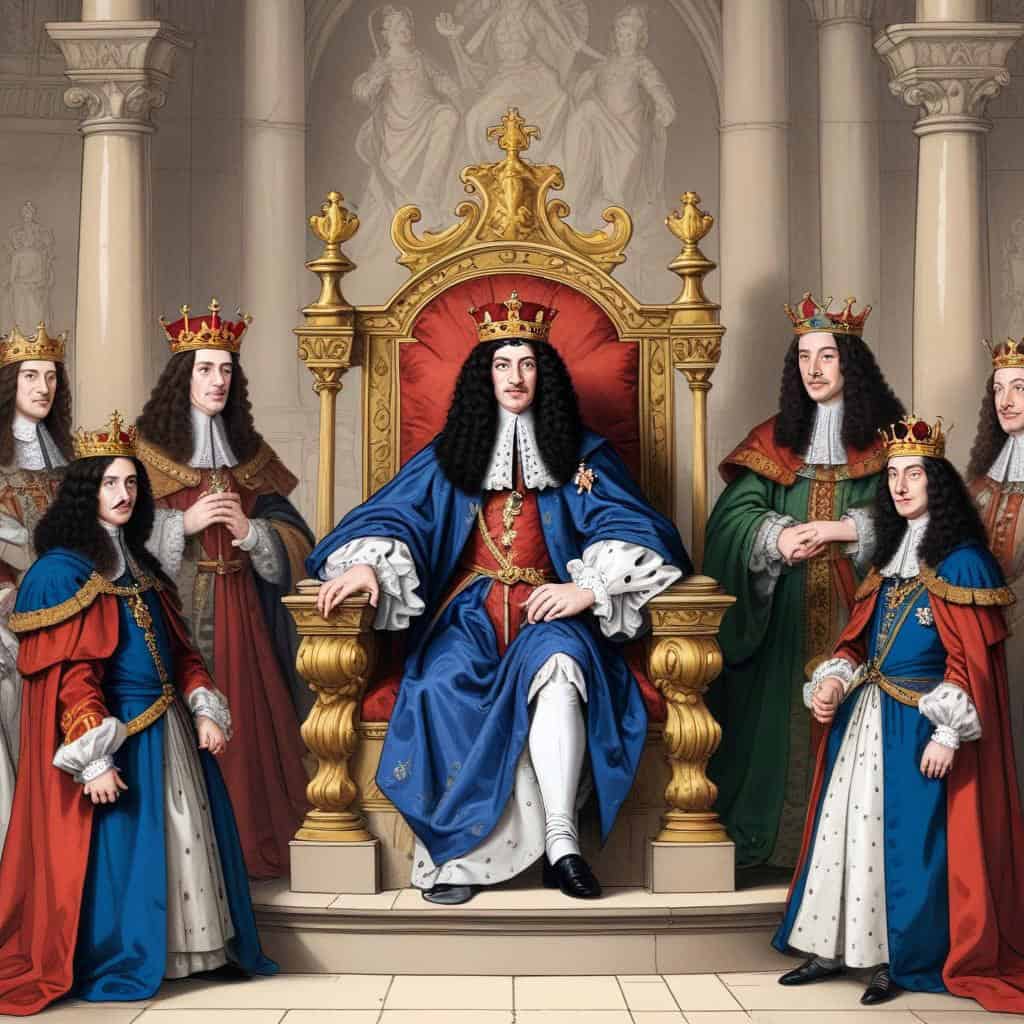
Charles II
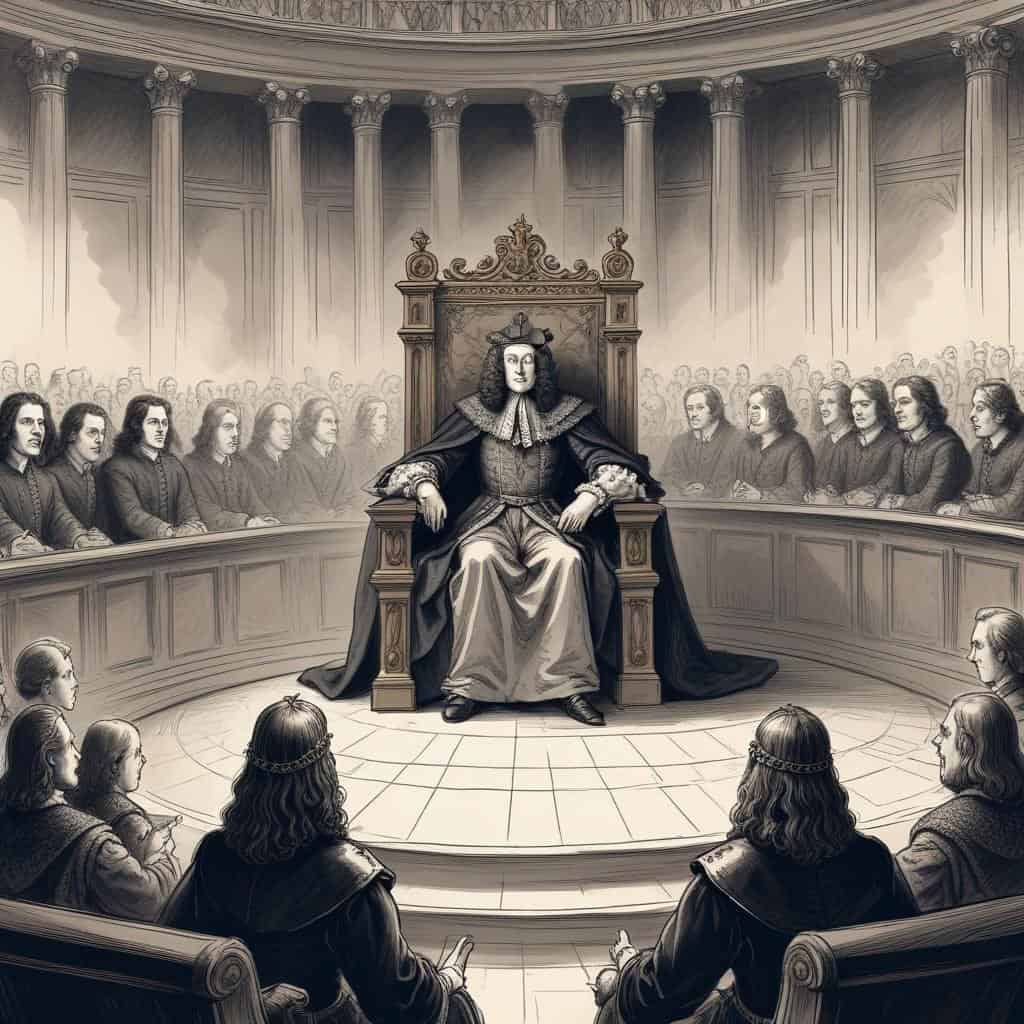
James II
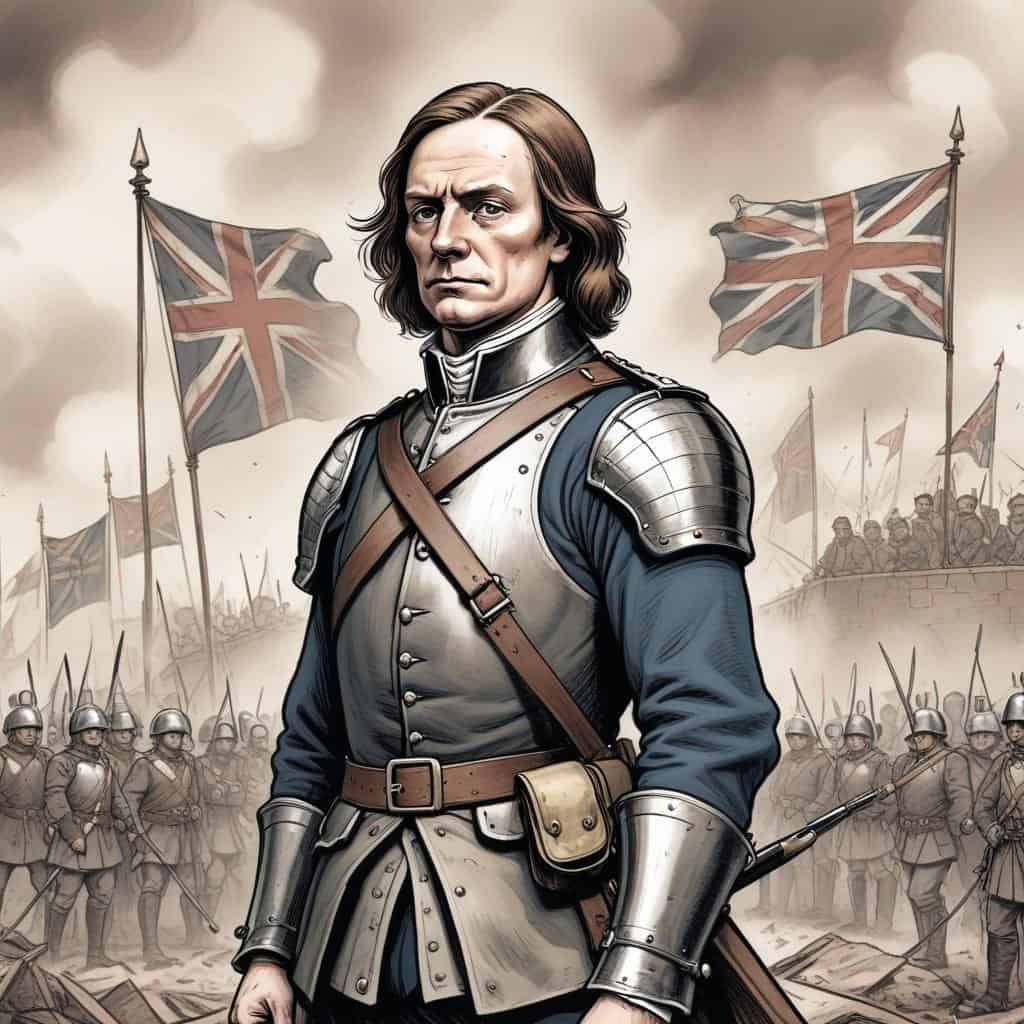
Oliver Cromwell
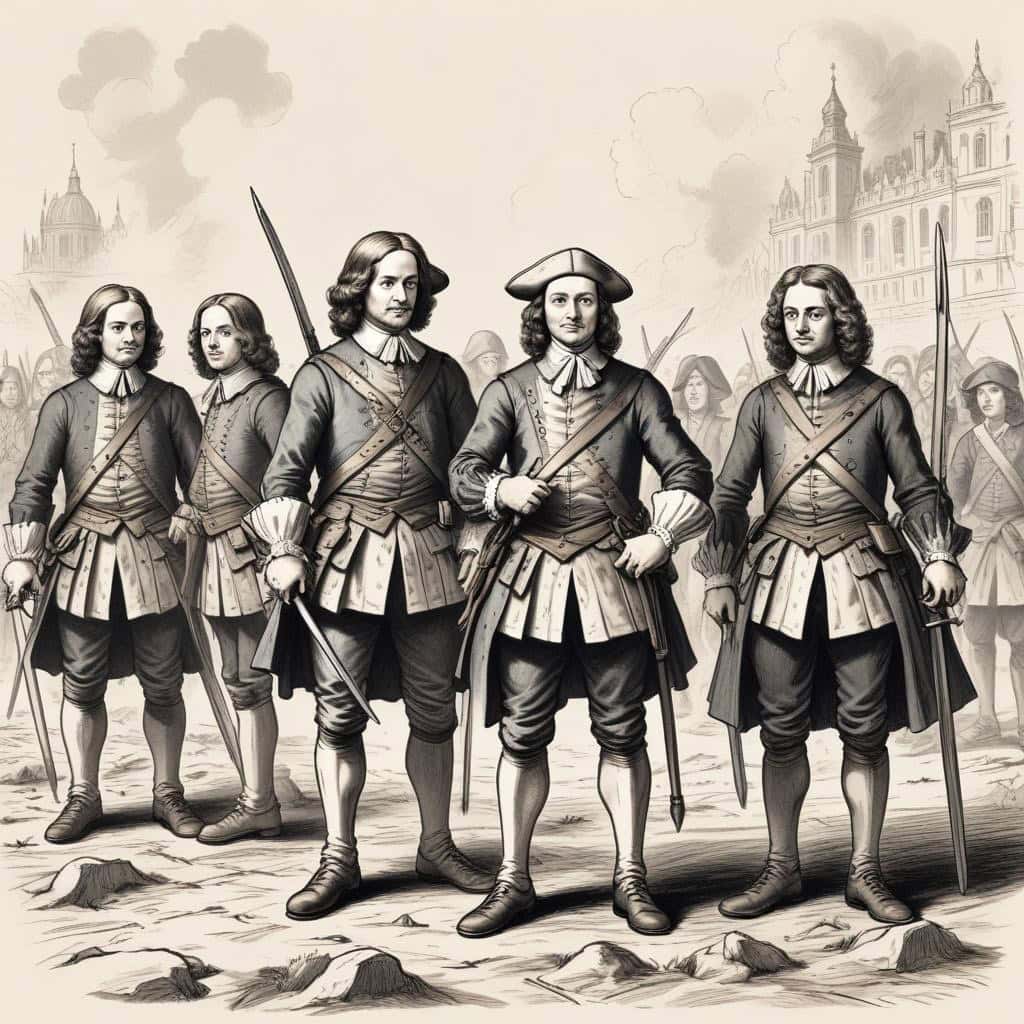
Parliamentarians
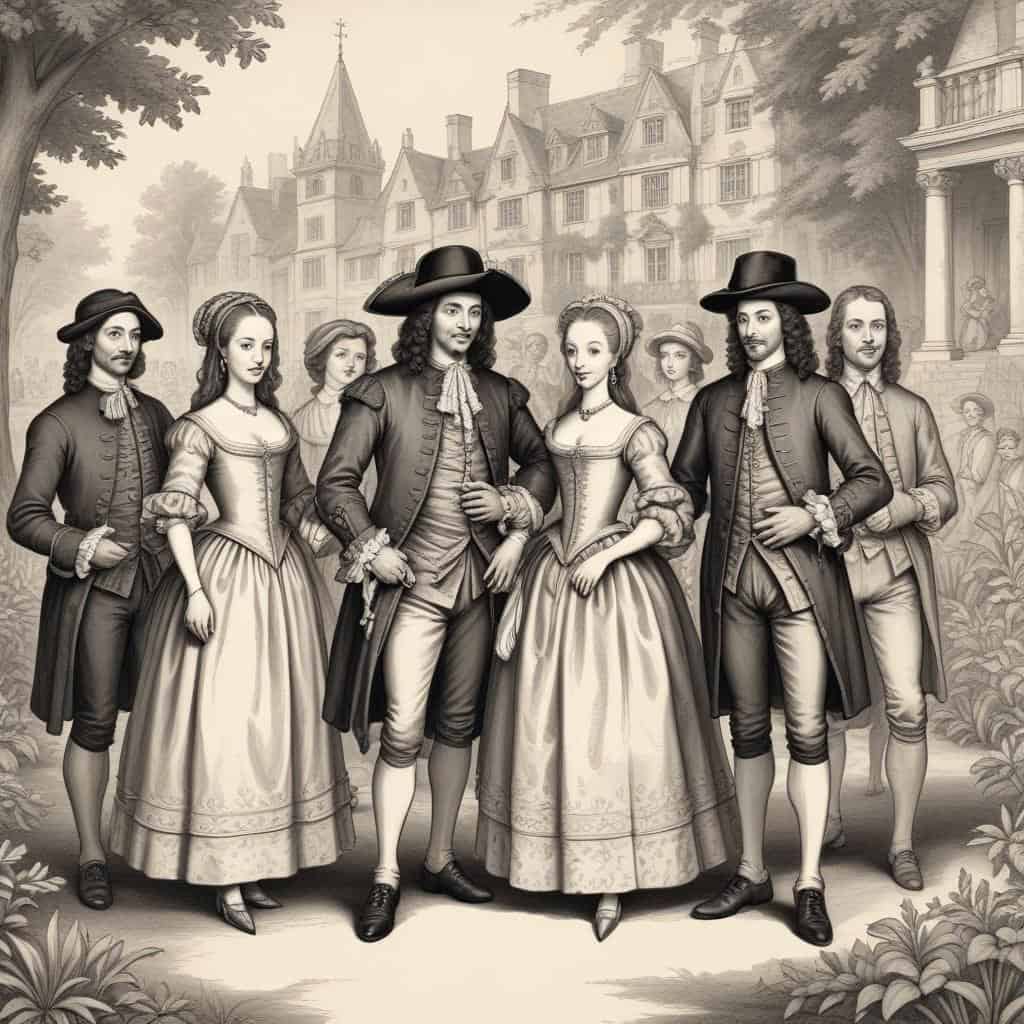
Royalists

1. Charles II Returns to England

2. The Restoration of the Monarchy
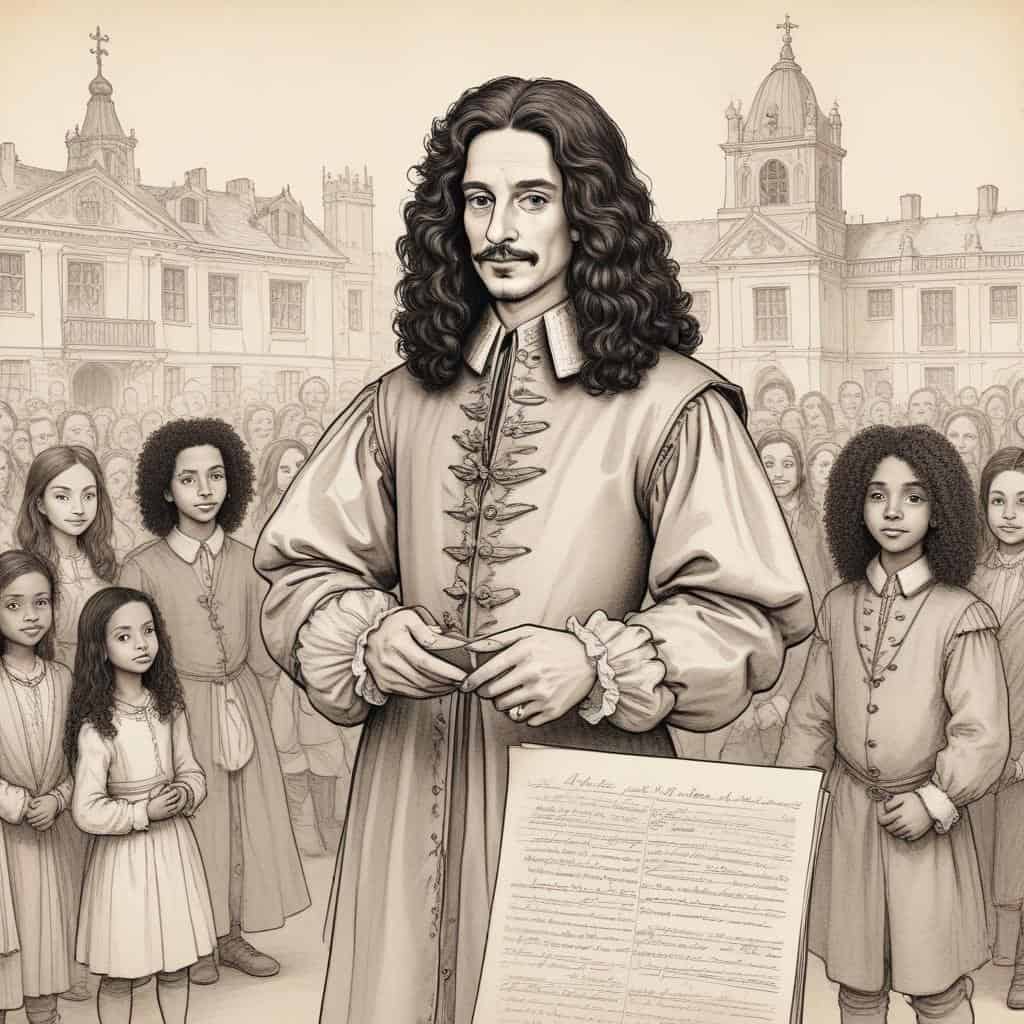
3. The Declaration of Breda

4. The Coronation of Charles II

5. The Clarendon Code

6. The Popish Plot

7. The Exclusion Crisis

8. The Treaty of Dover

9. The Glorious Revolution

10. The Legacy of the Restoration

Lesson Details & Resources
In a Nutshell
- What: The restoration of the monarchy in 1660.
- When: 1660
- Who: King Charles II, Royalists, Parliamentarians
- Outcome: The return of the monarchy in England after the English Civil War and the Interregnum period.
Famous Figures in the Restoration of the Monarchy
-
Charles II
Charles II: Known as the Merry Monarch, he reigned as King of England, Scotland, and Ireland from 1660 to 1685. His restoration marked the end of the English Interregnum.
-
Samuel Pepys
Samuel Pepys: A naval administrator and Member of Parliament, Pepys is famous for his detailed diary that provides valuable insights into the Restoration period.
-
John Milton
John Milton: An influential poet and political writer, Milton was known for his epic poem 'Paradise Lost.' He supported the Commonwealth during the Interregnum but continued to write during the Restoration.
-
John Locke
John Locke: An English philosopher, Locke's ideas on government and individual rights had a profound impact on the political climate during the Restoration era.
-
Sir Christopher Wren
Sir Christopher Wren: An architect, Wren played a significant role in rebuilding London after the Great Fire of 1666. He designed iconic structures such as St Paul's Cathedral.
-
Sir Isaac Newton
Sir Isaac Newton: A renowned mathematician, physicist, and astronomer, Newton's groundbreaking scientific discoveries, including the laws of motion and universal gravitation, were made during the Restoration.
Timeline of Restoration of the Monarchy
Execution of Charles I
Declaration of the Commonwealth
Cromwell becomes Lord Protector
Death of Oliver Cromwell
Richard Cromwell resigns as Lord Protector
Restoration of the Monarchy proclaimed
Charles II returns to England
Charles II crowned King of England
Act of Uniformity passed
Great Plague of London
Great Fire of London
Treaty of Breda signed
Second Anglo-Dutch War ends
Habeas Corpus Act passed
Exclusion Crisis begins
Popish Plot discovered
Glorious Revolution begins
William and Mary proclaimed joint monarchs
Bill of Rights passed
Act of Settlement passed
Vocabulary List
- Restoration
- The period of time when the monarchy was reinstated in England after the Commonwealth era.
- Monarchy
- A form of government in which a single ruler, usually a king or queen, holds supreme power.
- Charles II
- The King of England, Scotland, and Ireland who was restored to the throne in 1660.
- Commonwealth
- The period in English history when England, Scotland, and Ireland were governed as a republic without a monarch.
- Oliver Cromwell
- The military and political leader who led the Commonwealth of England and later became the Lord Protector of England, Scotland, and Ireland.
- Glorious Revolution
- The bloodless revolution in 1688 that led to the overthrow of James II and the establishment of William III and Mary II as joint monarchs.
- Divine Right of Kings
- The belief that a monarch's authority to rule comes directly from God and is not subject to questioning or challenge.
- Theatre Royal
- A leading London playhouse that was reopened during the Restoration period, showcasing many famous plays and actors.
- Cavaliers
- The royalist supporters of King Charles I and Charles II during the English Civil War and the Restoration period.
- Roundheads
- The supporters of the Parliamentarians and Oliver Cromwell during the English Civil War and opponents of the monarchy during the Restoration period.
Key Facts
This is the information used in the fact matching game
- Charles II was restored to the English throne in 1660 after the period of the English Civil War and the Interregnum.
- The Restoration of the monarchy marked the end of the Commonwealth and the Protectorate under Oliver Cromwell.
- Charles II was the son of Charles I, who was executed during the English Civil War.
- The restoration of the monarchy in 1660 brought stability to England after years of political turmoil.
- Charles II's reign was known for its extravagance and hedonism, with the king hosting lavish parties and indulging in mistresses.
- The Restoration Parliament passed the Clarendon Code, a series of laws that aimed to restrict the rights of dissenters and reinforce the Church of England.
- The Restoration period saw a revival of the arts, with the reopening of theaters and the flourishing of literature and music.
- The Great Plague of London in 1665 and the Great Fire of London in 1666 were significant events that occurred during Charles II's reign.
- The Test Acts were passed during the Restoration period, requiring public officials to take an oath of loyalty to the Church of England.
- Charles II's marriage to Catherine of Braganza, a Portuguese princess, helped to secure an alliance between England and Portugal.
- The Restoration of the monarchy led to the return of many royalists who had been exiled during the Interregnum.
- Charles II granted a royal charter to the Royal Society in 1662, establishing it as a leading scientific institution.
- The Popish Plot of 1678, a fictitious conspiracy to assassinate Charles II, led to a wave of anti-Catholic hysteria in England.
- The Declaration of Indulgence issued by Charles II in 1672 granted religious freedom to dissenters, but was later withdrawn under pressure from Parliament.
- The Treaty of Dover in 1670 allied England with France against the Dutch Republic, leading to the Third Anglo-Dutch War.
- The Cabal Ministry, a group of ministers appointed by Charles II, played a significant role in shaping English foreign policy during the Restoration period.
- The Act of Uniformity 1662 required all clergymen in England to use the Book of Common Prayer and conform to the practices of the Church of England.
- The Restoration of the monarchy in 1660 led to the rebuilding of London after the Great Fire, with many new buildings designed in the fashionable Baroque style.
- The Rye House Plot of 1683, a conspiracy to assassinate Charles II and his brother James, Duke of York, was uncovered and led to a crackdown on dissenters.
- The Glorious Revolution of 1688 resulted in the overthrow of James II and the establishment of a constitutional monarchy in England.
Analysis & Significance
Immediate Consequences
Following the restoration of the monarchy in 1660, King Charles II was welcomed back to the throne with great enthusiasm. The Stuart dynasty was reinstated, marking the end of the English Commonwealth. The political landscape shifted as the power dynamics between the monarchy and parliament were redefined.
Long-Term Impact
The restoration of the monarchy had lasting effects on British history. It solidified the principle of constitutional monarchy and paved the way for the Glorious Revolution of 1688. The events of 1660 set the stage for the development of modern parliamentary democracy in Britain, influencing the country’s governance for centuries to come.
Cultural Significance Today
The restoration of the monarchy continues to hold cultural significance today, shaping the British identity and its political institutions. It serves as a reminder of the importance of the rule of law and the balance of power between the monarch and parliament. The legacy of 1660 is evident in the continued reverence for the monarchy in British society and its role in the constitutional framework of the country.
Restoration of the Monarchy Games


Take Your Learning Offline
Want a convenient, print-ready study guide for this lesson? Become a Memory Wizards Pro member to unlock the downloadable " Memory Scrolls" for this topic and our entire library!
- ✓ Complete Vocabulary Lists
- ✓ Key Facts & Timelines
- ✓ Beautifully Formatted for Print & Mobile