
Summary of The Great Plague of London (1665)
Uncover the secrets of the deadly plague that ravaged London.
How Do You Learn Best?
Learn by Reading
Immerse yourself in the 10-minute visual lesson for a comprehensive understanding of the topic.
Learn by Reviewing
Jump directly to the key facts, timeline, and vocabulary lists to build a solid foundation of details.
Learn by Doing
Challenge yourself! Jump straight into the interactive games to learn by trial, error, and discovery.
The Great Plague of London in 10 Minutes
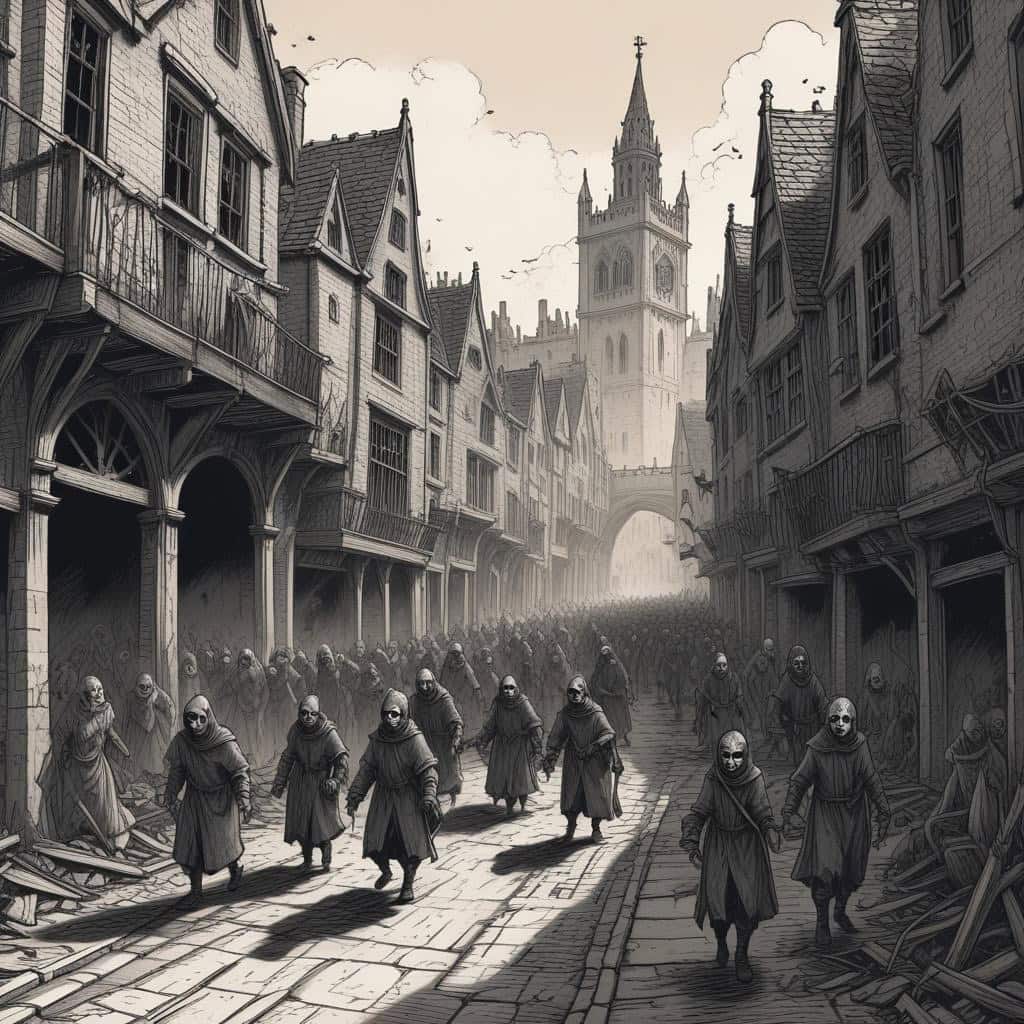
Introduction
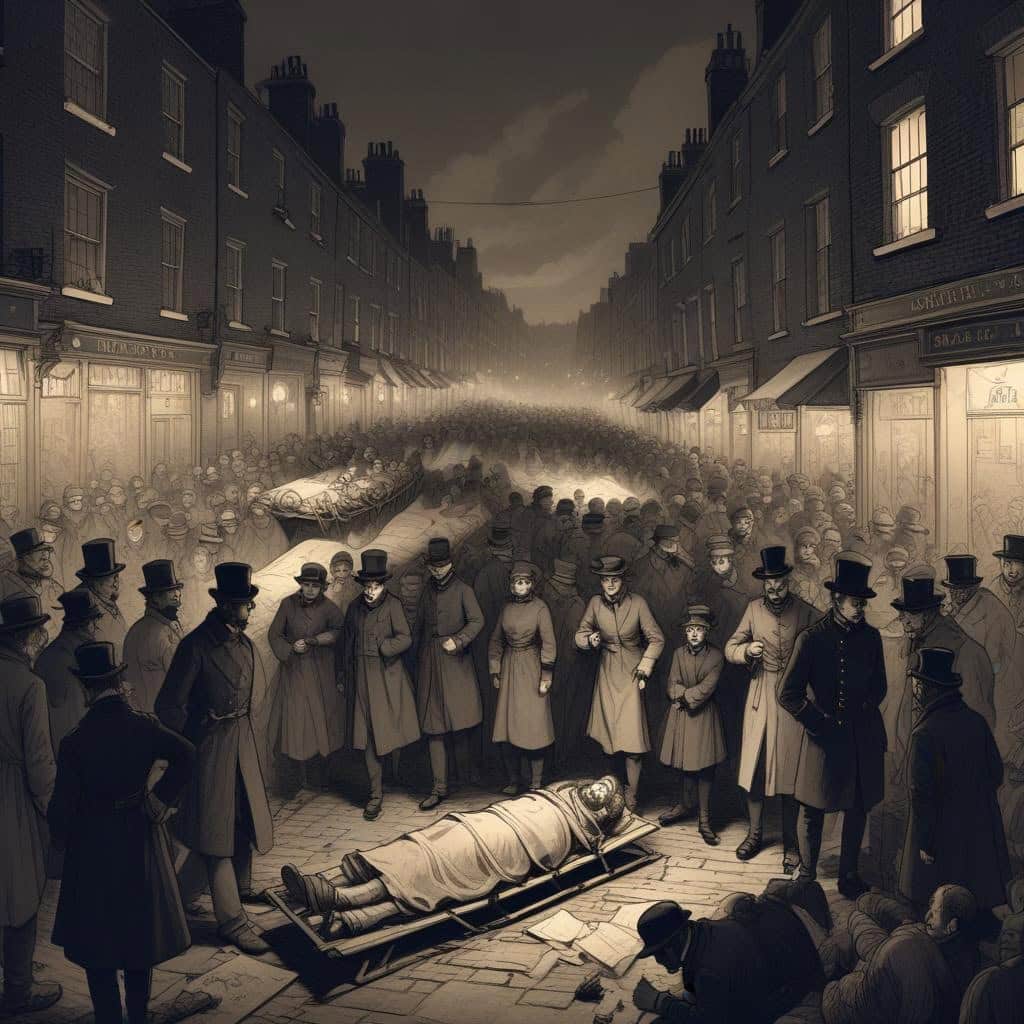

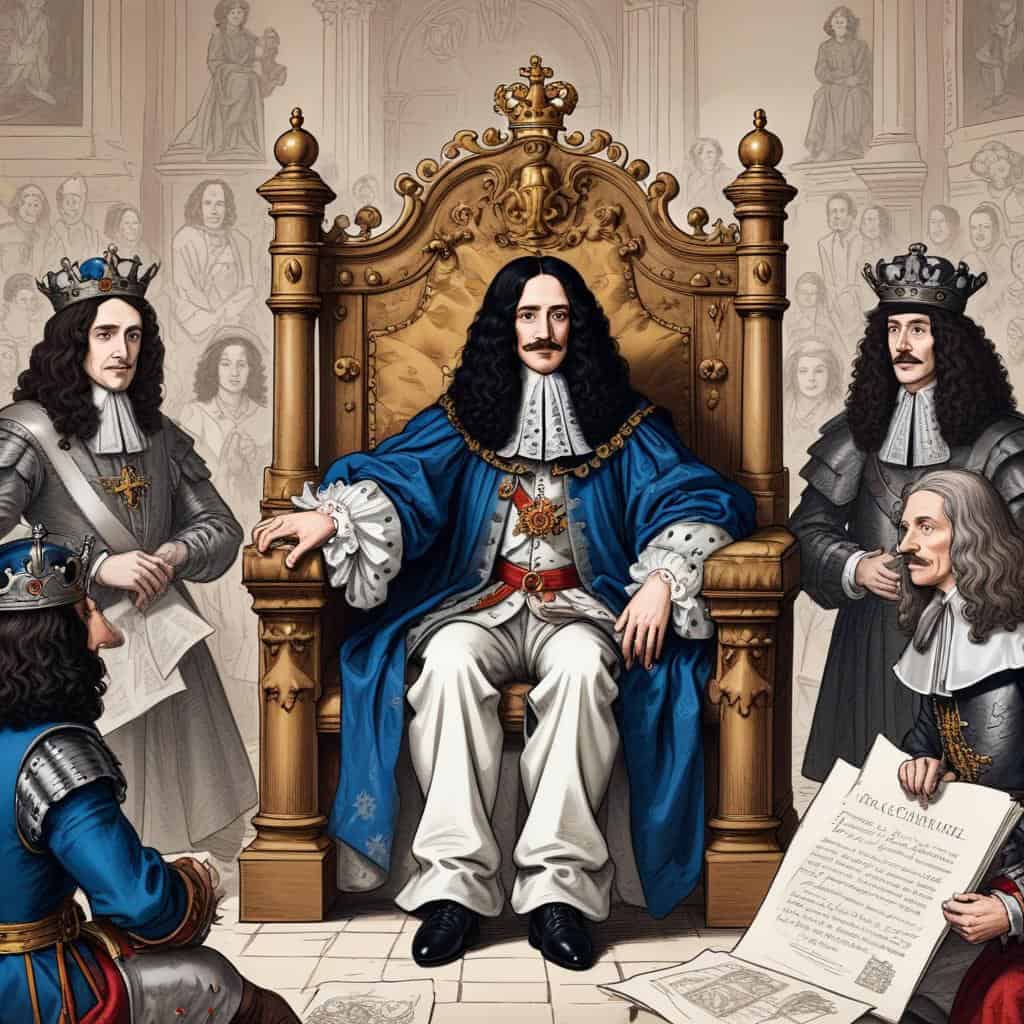
King Charles II

Thomas Sydenham

Samuel Pepys
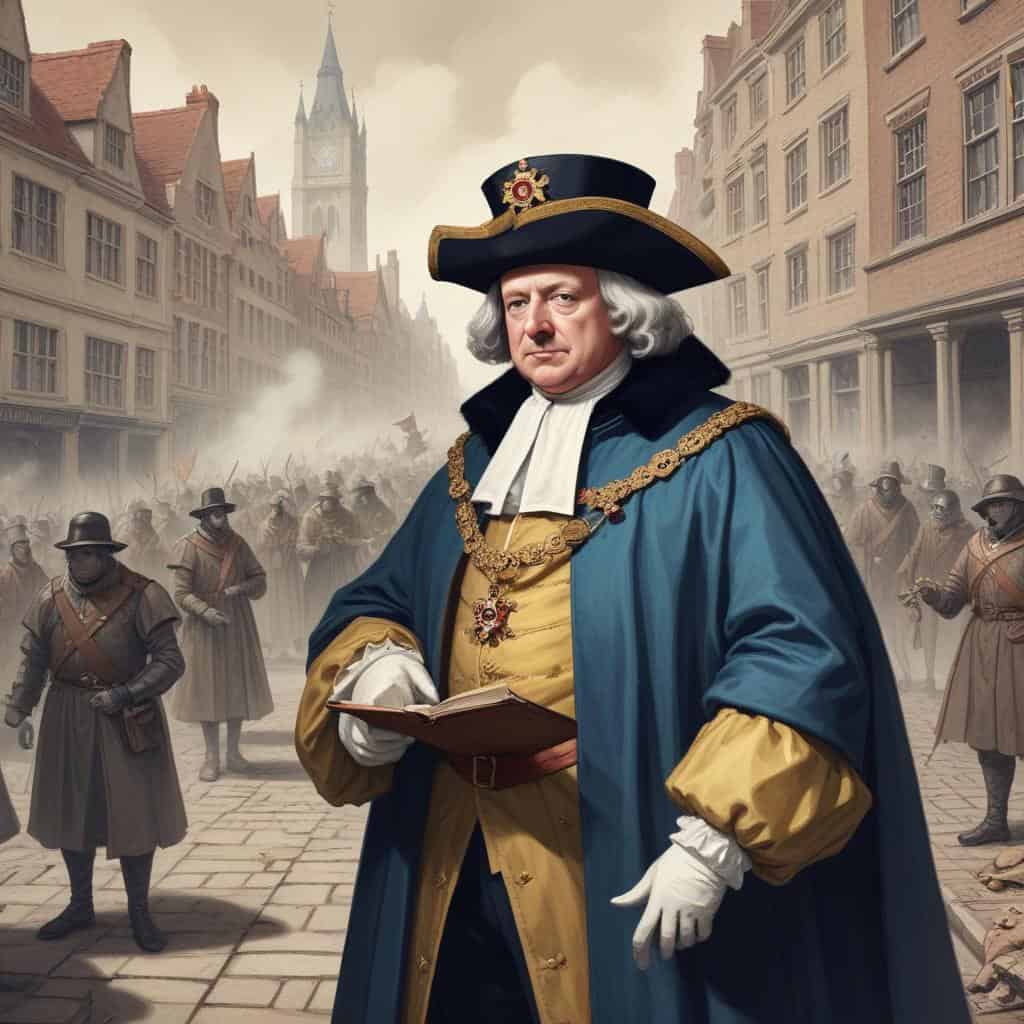
William Boghurst
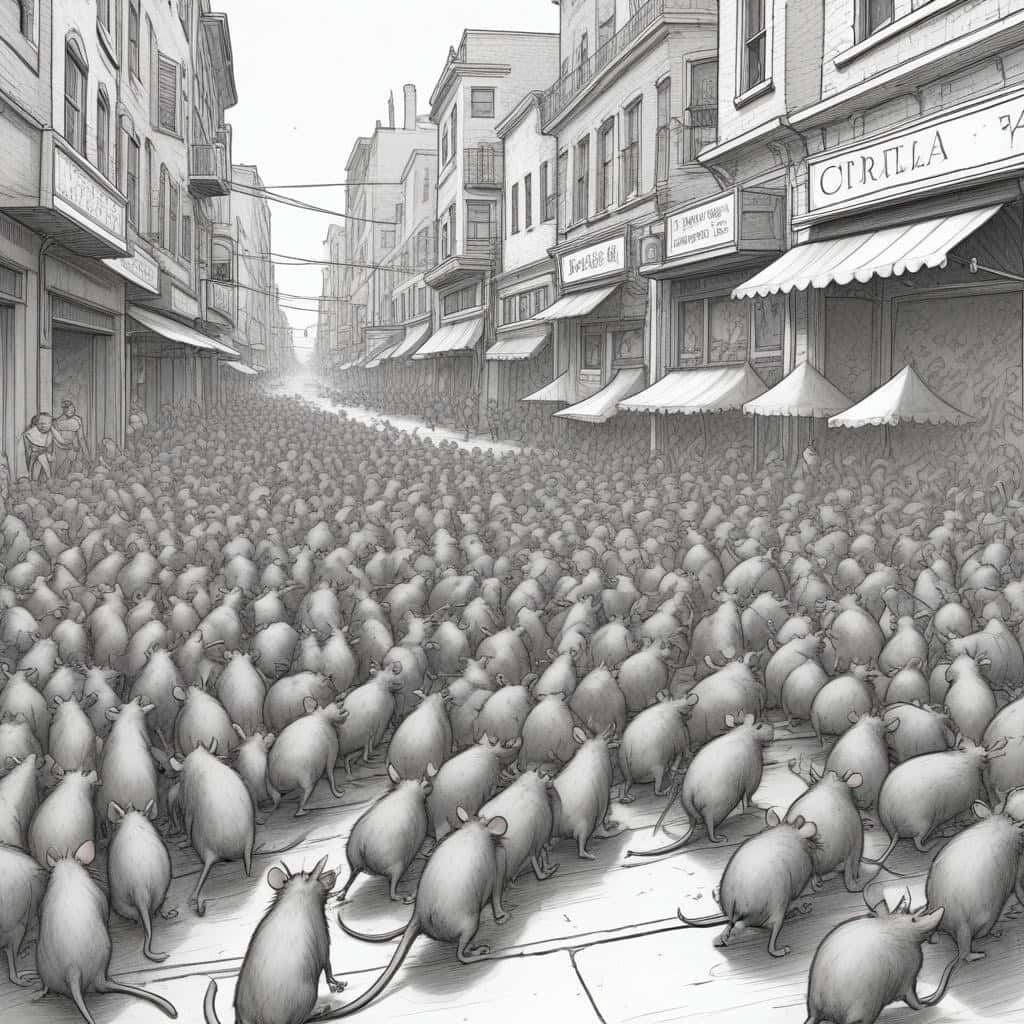
1. The Spread of Disease

2. Overcrowded Living Conditions
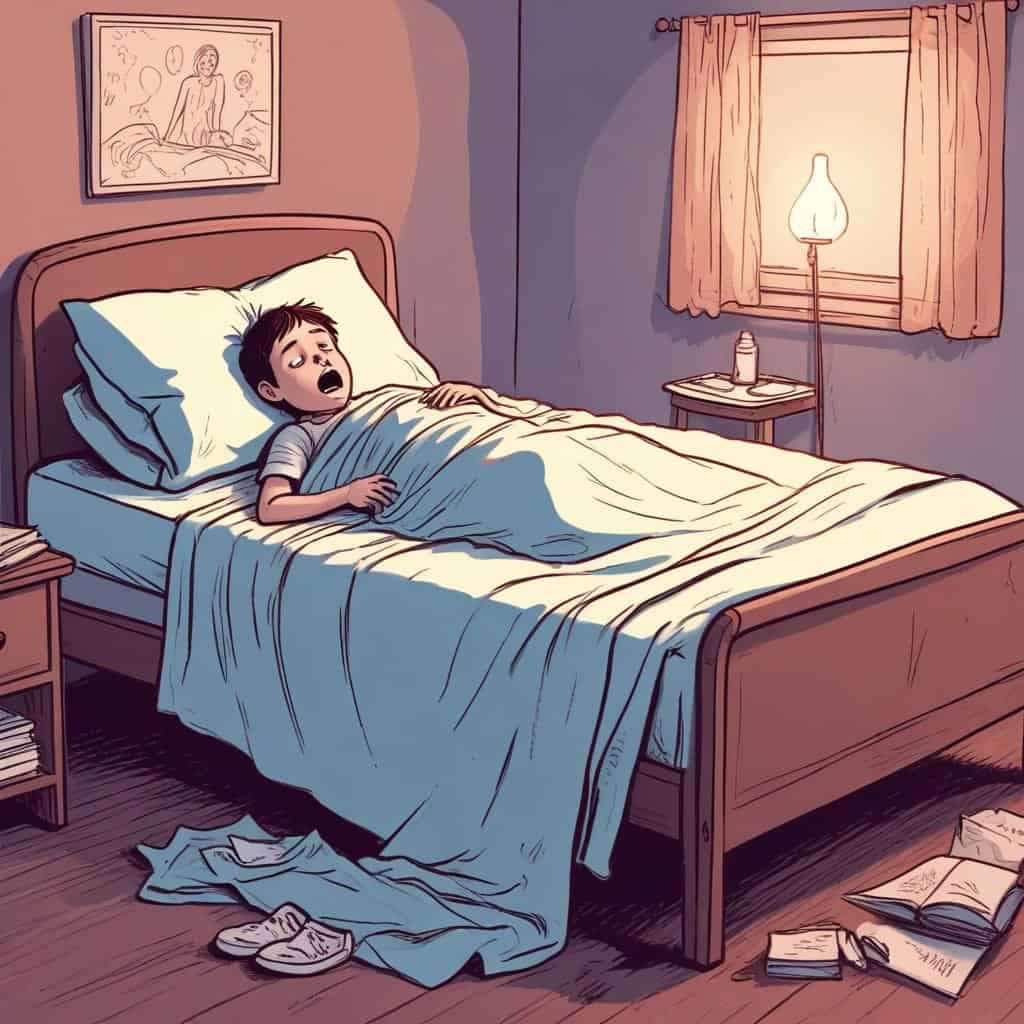
3. Symptoms and Death Toll
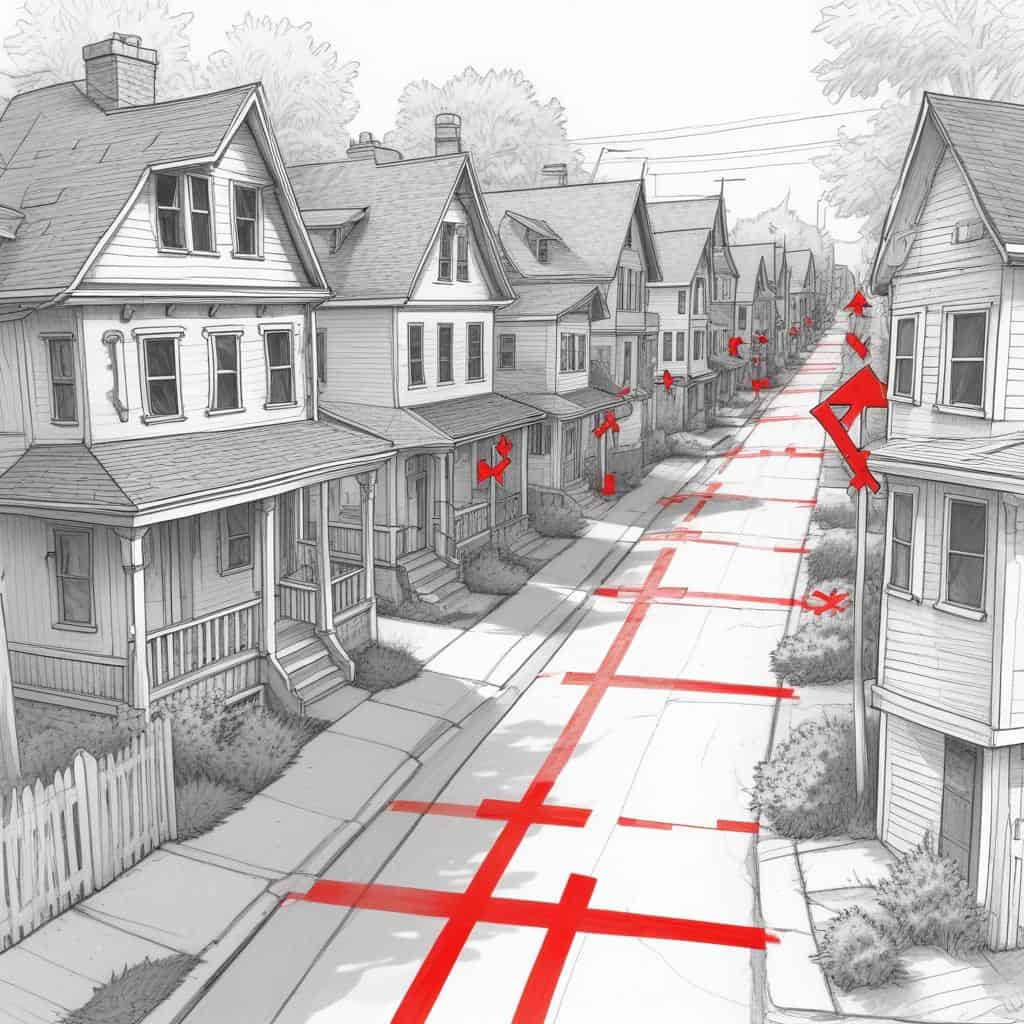
4. Quarantine Measures

5. Impact on Daily Life
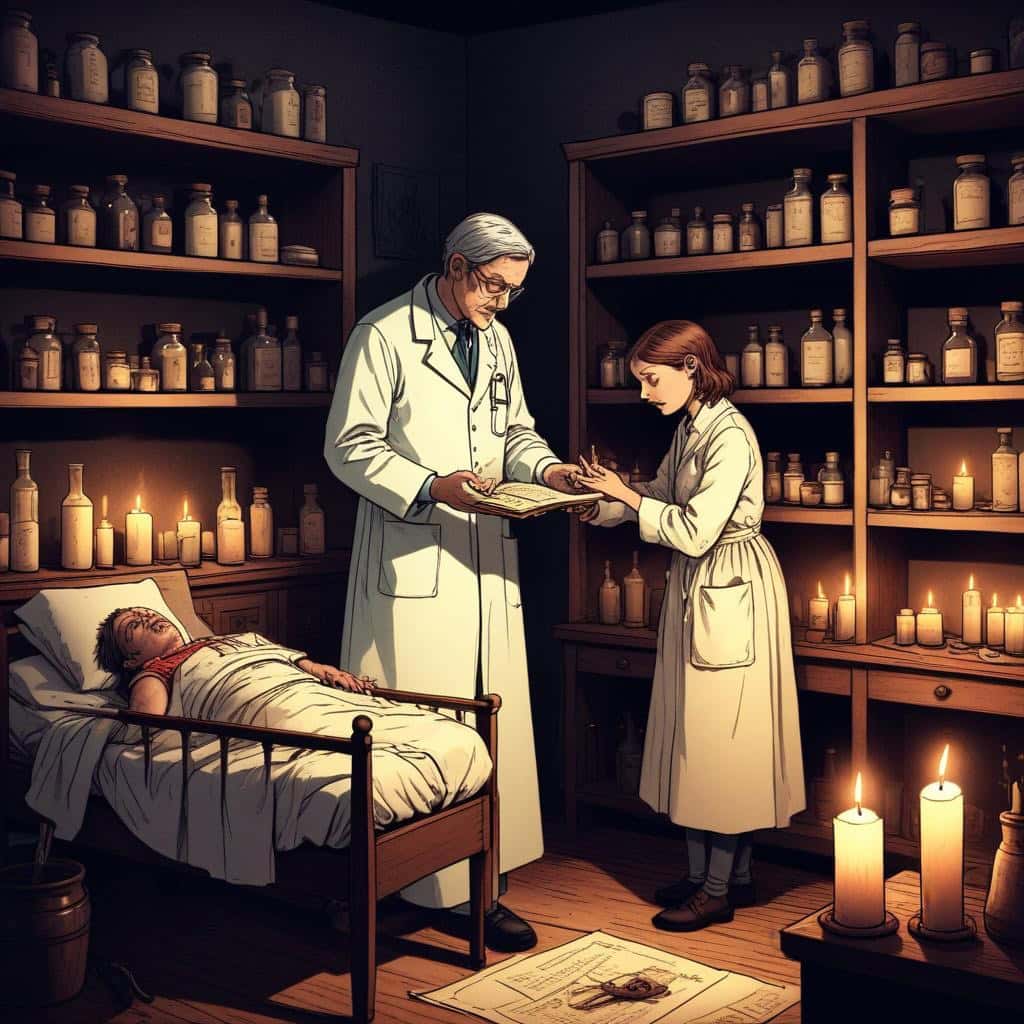
6. The Role of Physicians
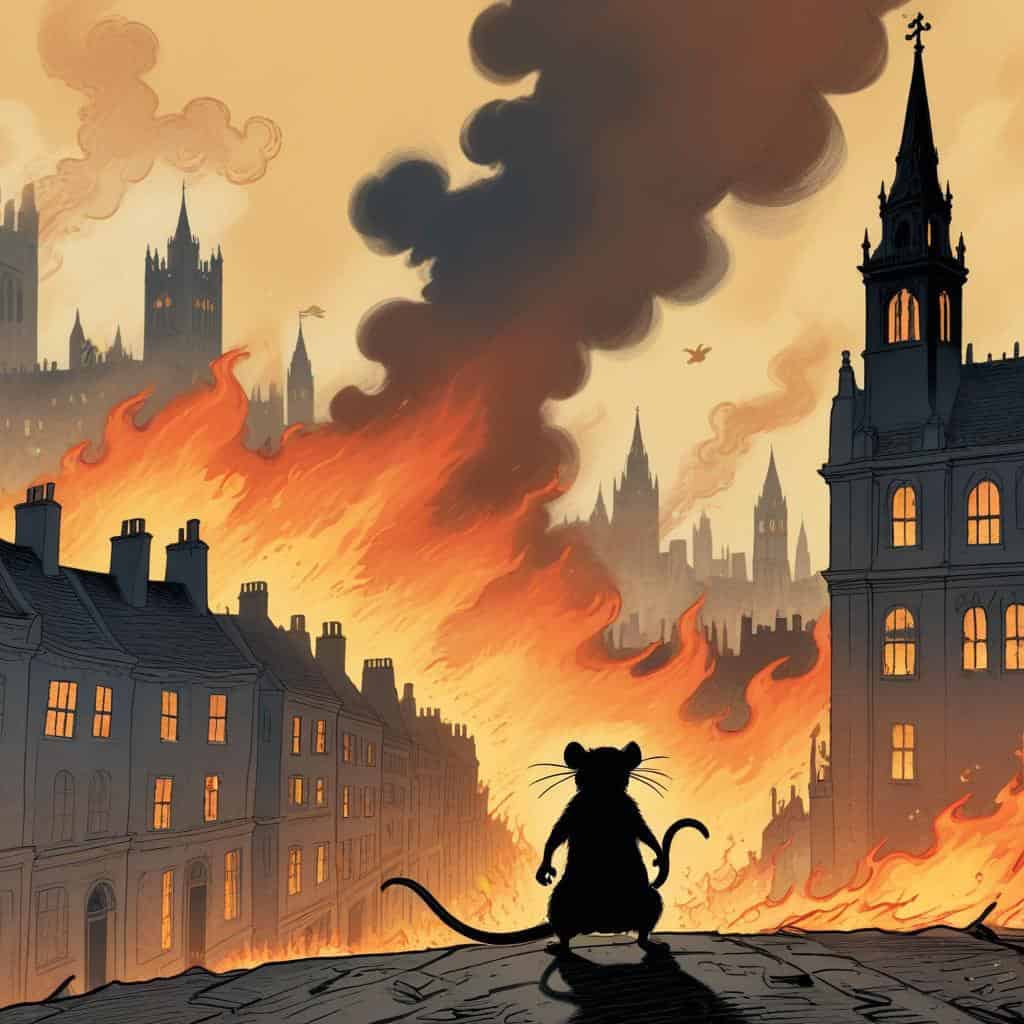
7. The Fire of London

8. End of the Plague

9. Legacy of the Plague
10. Remembering the Tragedy
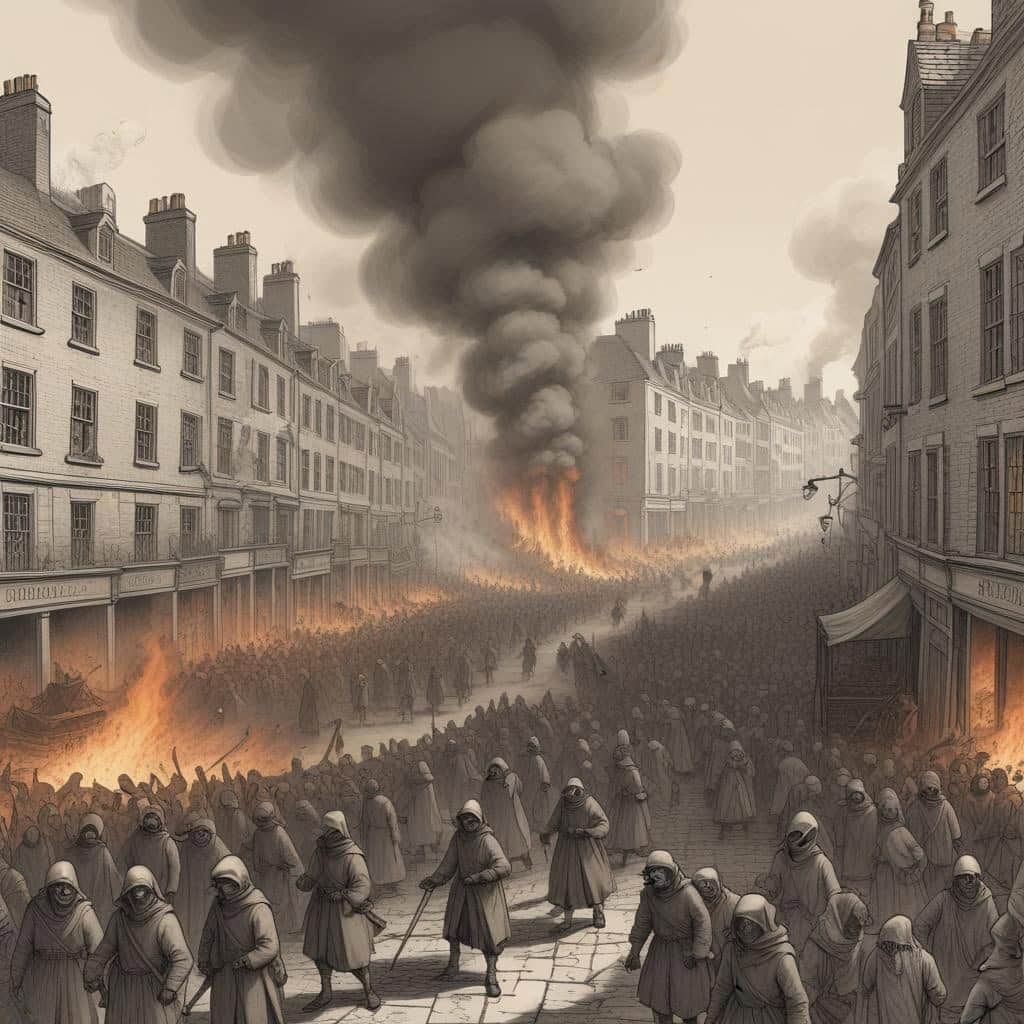
Lesson Details & Resources
In a Nutshell
- What: A devastating outbreak of bubonic plague in London.
- When: 1665.
- Who: London residents, medical practitioners, King Charles II.
- Outcome: Resulted in the death of an estimated 100,000 people and led to significant changes in public health practices.
Famous Figures in the The Great Plague of London
-
Samuel Pepys
Samuel Pepys was a British naval administrator and Member of Parliament who documented his experiences during the Great Plague in his famous diary.
-
Daniel Defoe
Daniel Defoe was an English writer and journalist who wrote a fictionalized account of the Great Plague in his novel 'A Journal of the Plague Year'.
-
John Dryden
John Dryden was an English poet, literary critic, and playwright who wrote a poem titled 'Annus Mirabilis' that mentioned the Great Plague and the Great Fire of London.
-
Isaac Newton
Isaac Newton, the renowned physicist and mathematician, was a student at Trinity College, Cambridge during the Great Plague and was forced to return home to continue his studies.
-
Robert Hooke
Robert Hooke, a prominent scientist and architect, worked on rebuilding London after the Great Fire and also studied the nature of the Great Plague.
-
Thomas Sydenham
Thomas Sydenham, an English physician, is known for his observations and writings on various diseases, including the Great Plague of London.
-
William Harvey
William Harvey, a renowned physician, was alive during the Great Plague and contributed to the understanding of the disease and its impact on the human body.
-
William Penn
William Penn, the founder of Pennsylvania, was in London during the Great Plague and witnessed its effects on the city and its inhabitants.
Timeline of The Great Plague of London
The Great Plague of London begins
The first death from the plague is recorded
Plague spreads rapidly throughout London
King Charles II and his court flee London to escape the plague
The Great Fire of London breaks out, helping to halt the spread of the plague
The death toll from the plague reaches its highest point
Quarantine regulations and measures are implemented
The plague starts to decline as winter approaches
The number of plague deaths decreases significantly
The Great Plague comes to an end
Rebuilding efforts begin after the Great Fire of London
The King returns to London
Plague pits are dug to bury the victims of the plague
Efforts to prevent the spread of the plague continue
Plague regulations and restrictions are gradually lifted
The city of London starts to recover from the devastation
The Great Fire of London is completely extinguished
The rebuilding of London begins
The population of London slowly starts to increase again
The city of London is declared safe from the plague
Vocabulary List
- Plague
- The Great Plague of London was a devastating outbreak of the bubonic plague.
- London
- The Great Plague of London occurred in the city of London in 1665.
- Outbreak
- The Great Plague of London was a major outbreak of the bubonic plague.
- Bubonic
- The Great Plague of London was caused by the bubonic plague, which is transmitted by fleas.
- Epidemic
- The Great Plague of London was an epidemic that caused widespread death and suffering.
- Pandemic
- The Great Plague of London is considered one of the deadliest pandemics in human history.
- Disease
- The Great Plague of London was a deadly disease that spread rapidly through the population.
- Quarantine
- During the Great Plague of London, people were placed under quarantine to prevent the spread of the disease.
- Mortality
- The Great Plague of London resulted in a high mortality rate, with thousands of people succumbing to the disease.
- Death
- The Great Plague of London caused widespread death and devastation in the city.
Key Facts
This is the information used in the fact matching game
- The Great Plague of London was an outbreak of bubonic plague that occurred in 1665 and lasted for about 18 months.
- It is estimated that the plague killed around 100,000 people in London, which was almost a quarter of the city's population at the time.
- The disease was spread by fleas that lived on rats, which were common in the crowded and unsanitary conditions of 17th century London.
- The plague was at its worst in the summer months, when the warm weather helped the fleas to multiply and spread more easily.
- Many people believed that the plague was a punishment from God for the sins of the people, and some resorted to self-flagellation and other extreme measures to try to appease God.
- The Lord Mayor of London at the time, Sir John Lawrence, implemented measures to try to contain the spread of the disease, such as quarantine and the burning of infected houses.
- Many doctors and medical professionals fled the city during the plague, leaving the sick and dying without proper care or treatment.
- One of the most famous accounts of the Great Plague is that of Samuel Pepys, a diarist who documented his experiences during the outbreak.
- The plague spread beyond London to other parts of England, including the city of Eyam in Derbyshire, where the residents voluntarily quarantined themselves to prevent the disease from spreading further.
- The Great Plague eventually subsided in 1666, due in part to the onset of colder weather, which killed off the fleas that spread the disease.
- The Great Fire of London in 1666 is believed to have helped bring an end to the plague, as it destroyed many of the rat-infested buildings where the disease was spreading.
- The plague had a lasting impact on London and led to improvements in public health and sanitation, including the creation of regulations for the cleaning of streets and removal of waste.
- The Great Plague of London was not the first outbreak of bubonic plague in England, as there had been previous epidemics in the 14th and 16th centuries.
- The plague affected people of all social classes, but the poor and overcrowded areas of London were hit the hardest by the disease.
- During the plague, many people fled the city in an attempt to escape the disease, but this only helped to spread it to other areas of the country.
- The outbreak of the Great Plague led to the closure of public gatherings, such as theaters and churches, in an effort to prevent the spread of the disease.
- The bodies of plague victims were often buried in mass graves or thrown into pits, as there were too many dead to give them individual burials.
- The Great Plague of London had a significant impact on the economy of the city, as many businesses shut down and trade was disrupted by the outbreak.
- The outbreak of the Great Plague led to a decrease in the population of London, as many people died or fled the city during the epidemic.
- The Great Plague of London was one of the last major outbreaks of bubonic plague in England, as improvements in public health and sanitation helped to prevent further epidemics in the following centuries.
Analysis & Significance
Immediate Consequences
The Great Plague of London in 1665 led to a rapid spread of the disease, causing panic and chaos throughout the city. The death toll soared, and people were forced to flee, leaving behind their homes and belongings.
Long-Term Impact
The lasting impact of the Great Plague of London can be seen in the significant changes it brought to public health practices. The outbreak prompted advancements in sanitation and urban planning, leading to improvements in hygiene and disease prevention measures that still influence modern healthcare systems.
Cultural Significance Today
The legacy of the Great Plague of London is remembered as a pivotal event in history that highlighted the importance of disease control and prevention. It serves as a cautionary tale that reminds us of the devastating consequences of unchecked epidemics and the importance of swift and coordinated responses to public health emergencies.
The Great Plague of London Games


Take Your Learning Offline
Want a convenient, print-ready study guide for this lesson? Become a Memory Wizards Pro member to unlock the downloadable " Memory Scrolls" for this topic and our entire library!
- ✓ Complete Vocabulary Lists
- ✓ Key Facts & Timelines
- ✓ Beautifully Formatted for Print & Mobile