
Summary of The Clarendon Code (1661-1665)
Uncover the mysterious laws that shaped England's tumultuous past.
How Do You Learn Best?
Learn by Reading
Immerse yourself in the 10-minute visual lesson for a comprehensive understanding of the topic.
Learn by Reviewing
Jump directly to the key facts, timeline, and vocabulary lists to build a solid foundation of details.
Learn by Doing
Challenge yourself! Jump straight into the interactive games to learn by trial, error, and discovery.
The Clarendon Code in 10 Minutes
Introduction
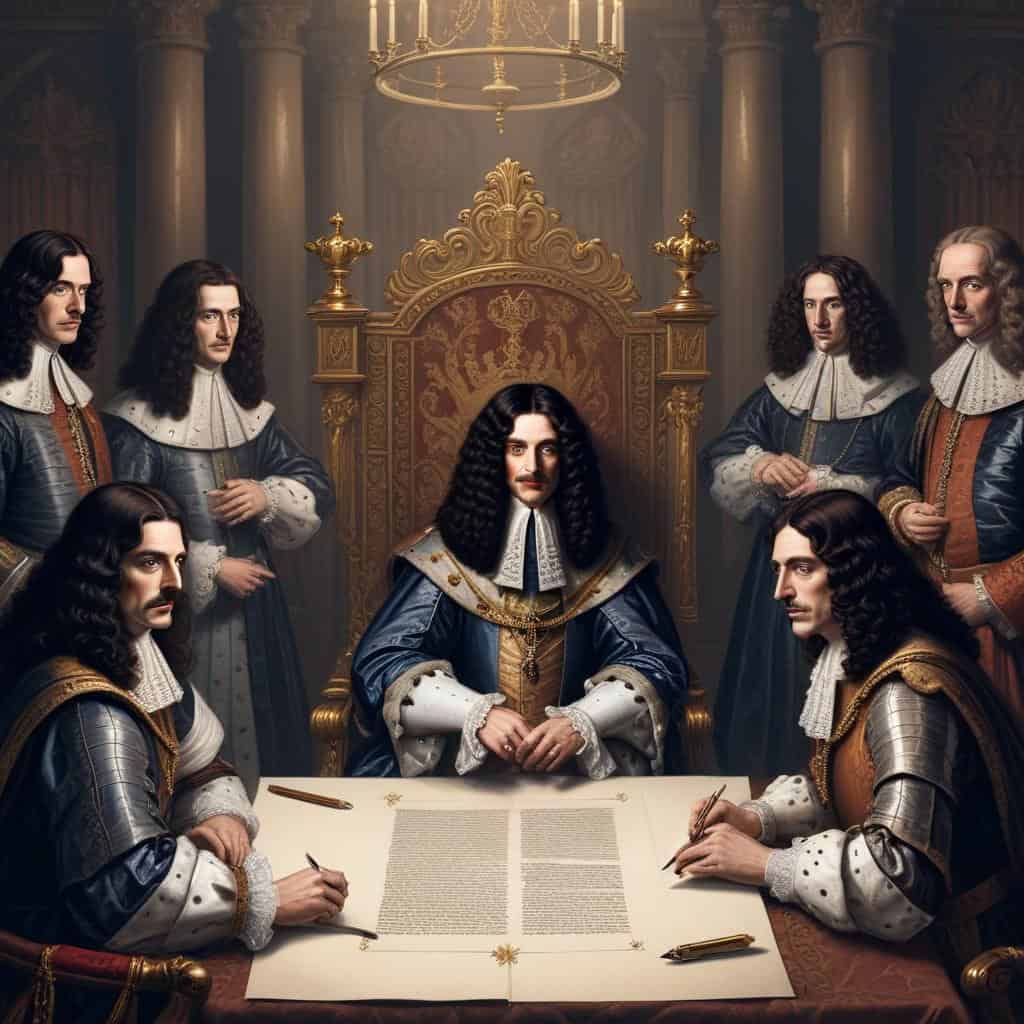
King Charles II
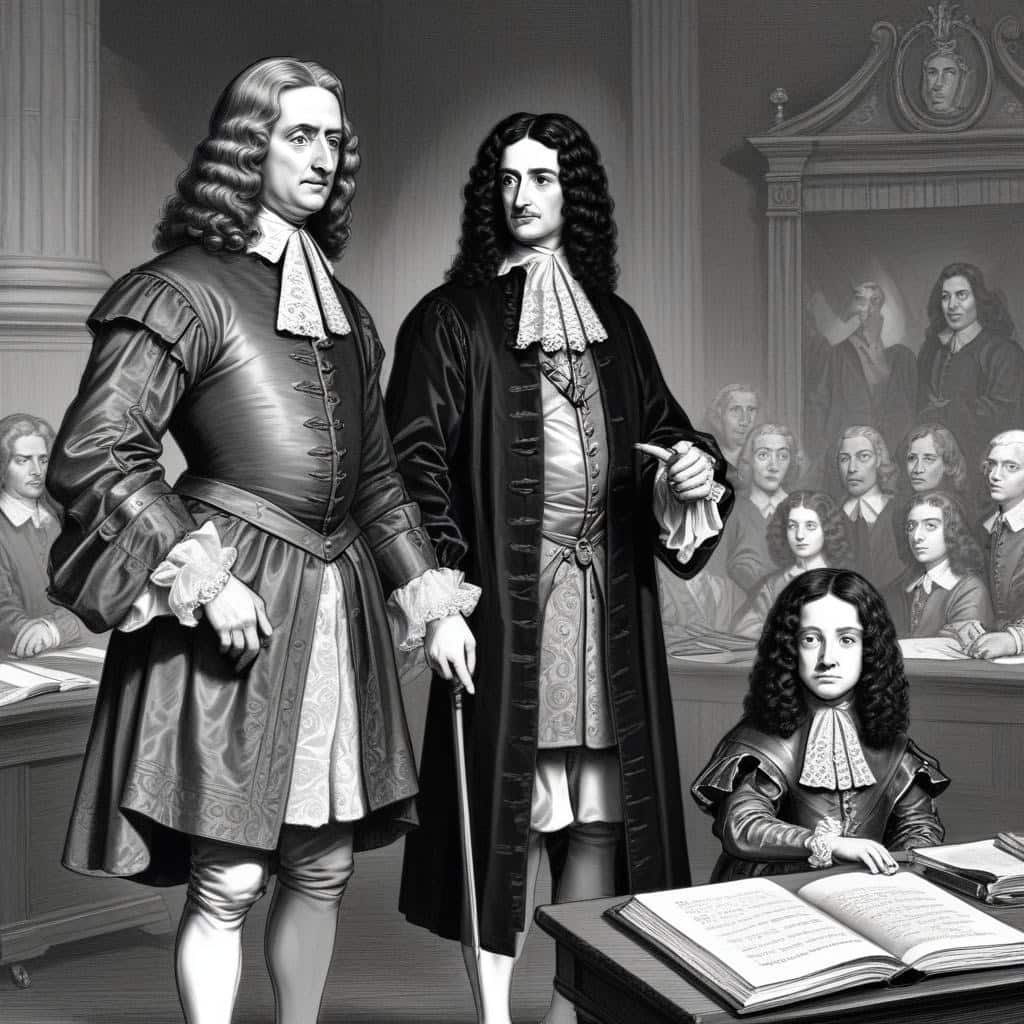
Edward Hyde, 1st Earl of Clarendon
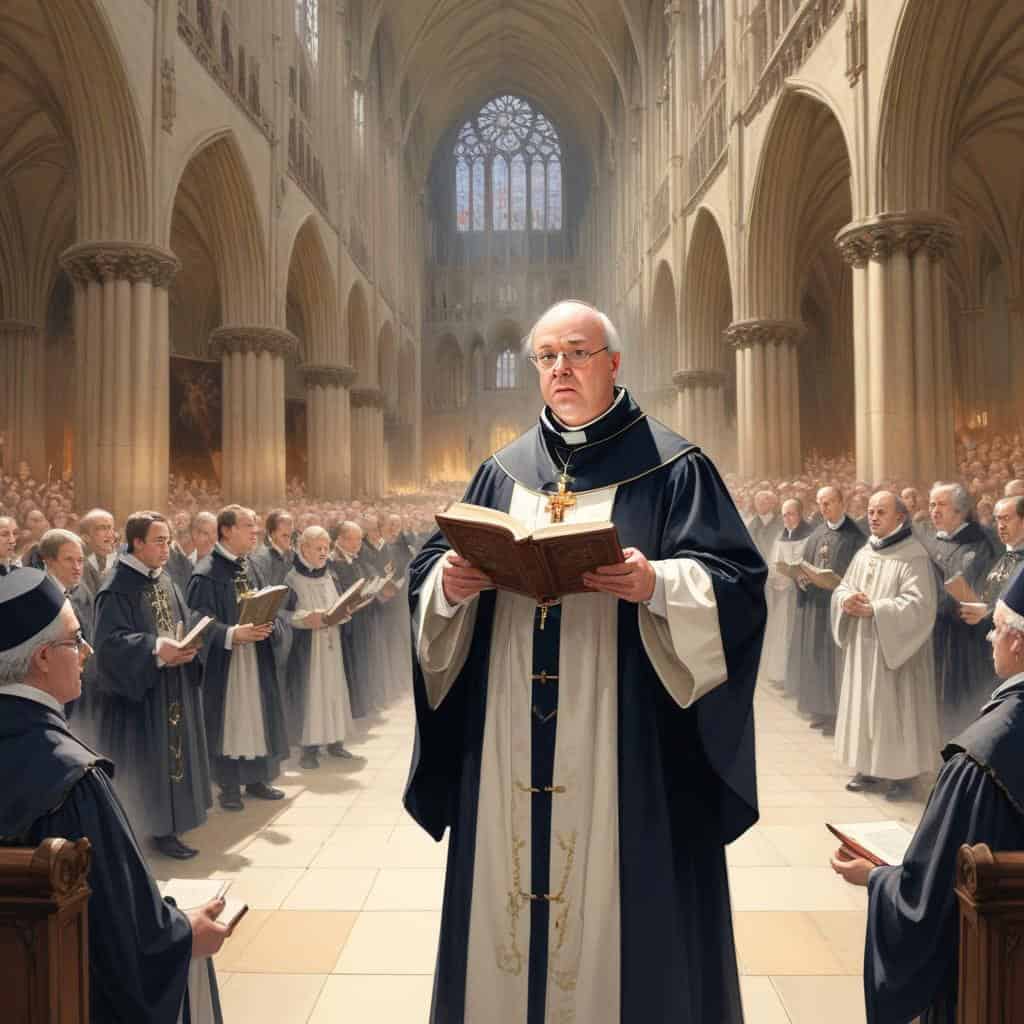
William Laud
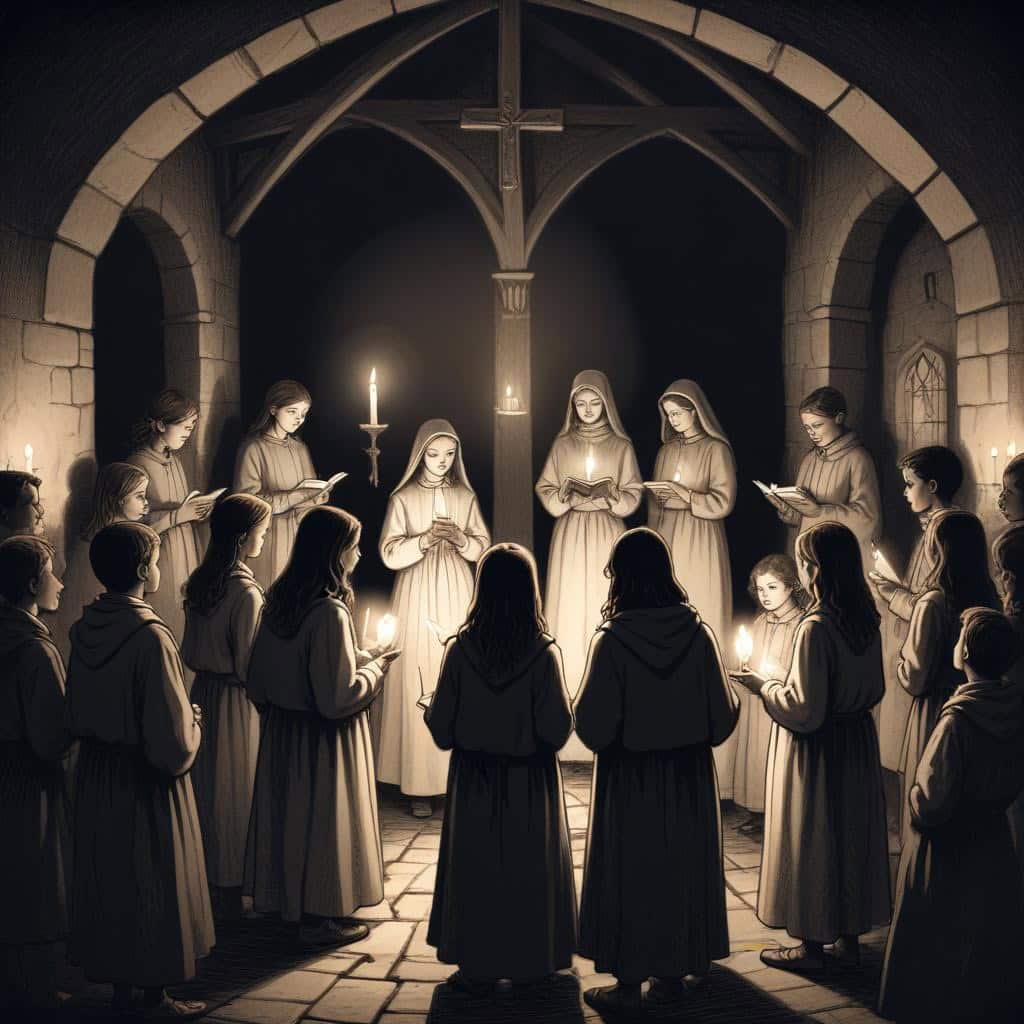
Nonconformists

1. Introduction of the Clarendon Code

2. The Corporation Act of 1661

3. The Act of Uniformity of 1662

4. The Conventicle Act of 1664

5. The Five-Mile Act of 1665

6. Impact on Nonconformists

7. Response from Nonconformists

8. Long-Term Effects
9. Repeal and Reversal

10. Legacy of the Clarendon Code
Lesson Details & Resources
In a Nutshell
- What: A series of laws passed by the English Parliament to restrict the rights of Catholics and dissenters.
- When: 1661-1665
- Who: English Parliament, King Charles II
- Outcome: The Clarendon Code reinforced the Anglican Church’s supremacy and limited the rights of Catholics and non-conformists in England.
Famous Figures in the The Clarendon Code
-
Charles II of England
Charles II of England - King of England during The Clarendon Code period.
-
Edward Hyde
Edward Hyde - Known as Lord Chancellor, played a prominent role in the development and implementation of The Clarendon Code.
-
Anthony Ashley Cooper
Anthony Ashley Cooper - English politician and one of the key figures involved in the drafting of The Clarendon Code.
-
George Monck
George Monck - Played a crucial role in the restoration of the monarchy in England and supported the implementation of The Clarendon Code.
-
William Laud
William Laud - English archbishop who influenced the religious policies leading up to The Clarendon Code.
-
Oliver Cromwell
Oliver Cromwell - Played a significant role in the English Civil War, which influenced the need for The Clarendon Code.
-
John Bunyan
John Bunyan - English writer and preacher who faced persecution under The Clarendon Code for his religious beliefs.
-
John Locke
John Locke - English philosopher and political thinker who criticized The Clarendon Code's religious restrictions.
Timeline of The Clarendon Code
Restoration of the Monarchy
Dissolution of the Long Parliament
The Corporation Act
The Act of Uniformity
The Conventicle Act
The Five-Mile Act
The Great Plague of London
Execution of James Guthrie
Execution of Archibald Campbell
Execution of William Lithgow
Execution of Christopher Love
Execution of John Biddle
Execution of James Nayler
Execution of Vavasor Powell
Execution of Algernon Sidney
Execution of William Robinson
Execution of Marmaduke Stevenson
Execution of William Leddra
Execution of Mary Dyer
Execution of Edward Whalley
Vocabulary List
- The Clarendon Code
- The series of laws passed in England between 1661 and 1665 that aimed to strengthen the position of the Church of England and suppress nonconformists.
- Conformists
- Those who complied with the regulations and practices of the Church of England as outlined in The Clarendon Code.
- Nonconformists
- Protestants who refused to conform to the regulations and practices of the Church of England as outlined in The Clarendon Code.
- Test Act
- An act passed in 1673 as part of The Clarendon Code that prohibited nonconformists from holding public office.
- Five Mile Act
- An act passed in 1665 as part of The Clarendon Code that prohibited nonconformist ministers from residing within five miles of any corporate town.
- Licensing Act
- An act passed in 1662 as part of The Clarendon Code that required authors and printers to obtain a license from the government before publishing any books or pamphlets.
Key Facts
This is the information used in the fact matching game
- The Clarendon Code refers to a series of four acts passed during the reign of Charles II between 1661 and 1665.
- The acts were designed to strengthen the position of the Church of England and suppress dissenting religious groups.
- The Corporation Act of 1661 required all municipal officials to take communion in the Church of England.
- The Act of Uniformity of 1662 required all clergymen to use the Book of Common Prayer and declare their loyalty to the Church of England.
- The Conventicle Act of 1664 prohibited religious assemblies of more than five people outside the Church of England.
- The Five Mile Act of 1665 prohibited non-conformist ministers from living within five miles of a town or parish where they had served.
- The Clarendon Code was named after Edward Hyde, the Earl of Clarendon and a close advisor to Charles II.
- The Clarendon Code was seen as a reaction to the religious turmoil of the English Civil War and Interregnum period.
- The Acts of Uniformity were intended to restore the traditional Anglican liturgy and practices that had been disrupted during the Civil War.
- The Conventicle Act aimed to prevent the growth of non-conformist religious groups, such as the Puritans and Quakers.
- The Five Mile Act was intended to limit the influence of non-conformist ministers on local communities.
- The Clarendon Code was criticized for its harsh treatment of dissenters and restrictions on religious freedom.
- The Clarendon Code remained in force until the Toleration Act of 1689 granted greater religious freedom to dissenters.
- The Corporation Act of 1661 led to the removal of many dissenters from public office, particularly in London.
- The Act of Uniformity of 1662 resulted in over 2,000 clergymen being ejected from their positions for refusing to comply with its requirements.
- The Conventicle Act of 1664 was used to suppress non-conformist meetings and punish those who attended or organized them.
- The Five Mile Act of 1665 forced many non-conformist ministers to move away from their congregations, leading to a disruption of religious life in some areas.
- The Clarendon Code was part of a broader effort by the government to reassert control over religious and political life in England.
- The Acts of Uniformity and Conventicles were particularly harsh on dissenters, who faced fines, imprisonment, and other penalties for non-compliance.
- The Clarendon Code reflected the desire of the Restoration government to create a more unified and stable society after the upheaval of the Civil War and Interregnum.
Analysis & Significance
Immediate Consequences
The Clarendon Code, consisting of a series of laws passed between 1661 and 1665, aimed to suppress Nonconformist religious practices in England. The immediate consequence was the restriction and persecution of dissenting religious groups, such as Presbyterians, Baptists, and Quakers. Many ministers were ejected from their churches and faced fines or imprisonment.
Long-Term Impact
The Clarendon Code had a lasting impact on the religious landscape of England. It solidified the dominance of the Church of England and limited the rights of religious minorities for decades to come. The restrictions imposed by the Code contributed to the growth of dissenting religious movements and fueled tensions between different religious groups.
Cultural Significance Today
The legacy of the Clarendon Code can still be seen in the religious diversity and tolerance of modern-day England. The Code played a role in shaping the principles of religious freedom and separation of church and state. It serves as a reminder of the importance of protecting religious liberties and respecting the rights of individuals to practice their faith without fear of persecution.
The Clarendon Code Games


Take Your Learning Offline
Want a convenient, print-ready study guide for this lesson? Become a Memory Wizards Pro member to unlock the downloadable " Memory Scrolls" for this topic and our entire library!
- ✓ Complete Vocabulary Lists
- ✓ Key Facts & Timelines
- ✓ Beautifully Formatted for Print & Mobile