
Summary of Qin’s Terracotta Army Unearthed (197 BCE)
Secrets of an ancient army guarding China's first emperor.
How Do You Learn Best?
Learn by Reading
Immerse yourself in the 10-minute visual lesson for a comprehensive understanding of the topic.
Learn by Reviewing
Jump directly to the key facts, timeline, and vocabulary lists to build a solid foundation of details.
Learn by Doing
Challenge yourself! Jump straight into the interactive games to learn by trial, error, and discovery.
Qin’s Terracotta Army Unearthed in 10 Minutes
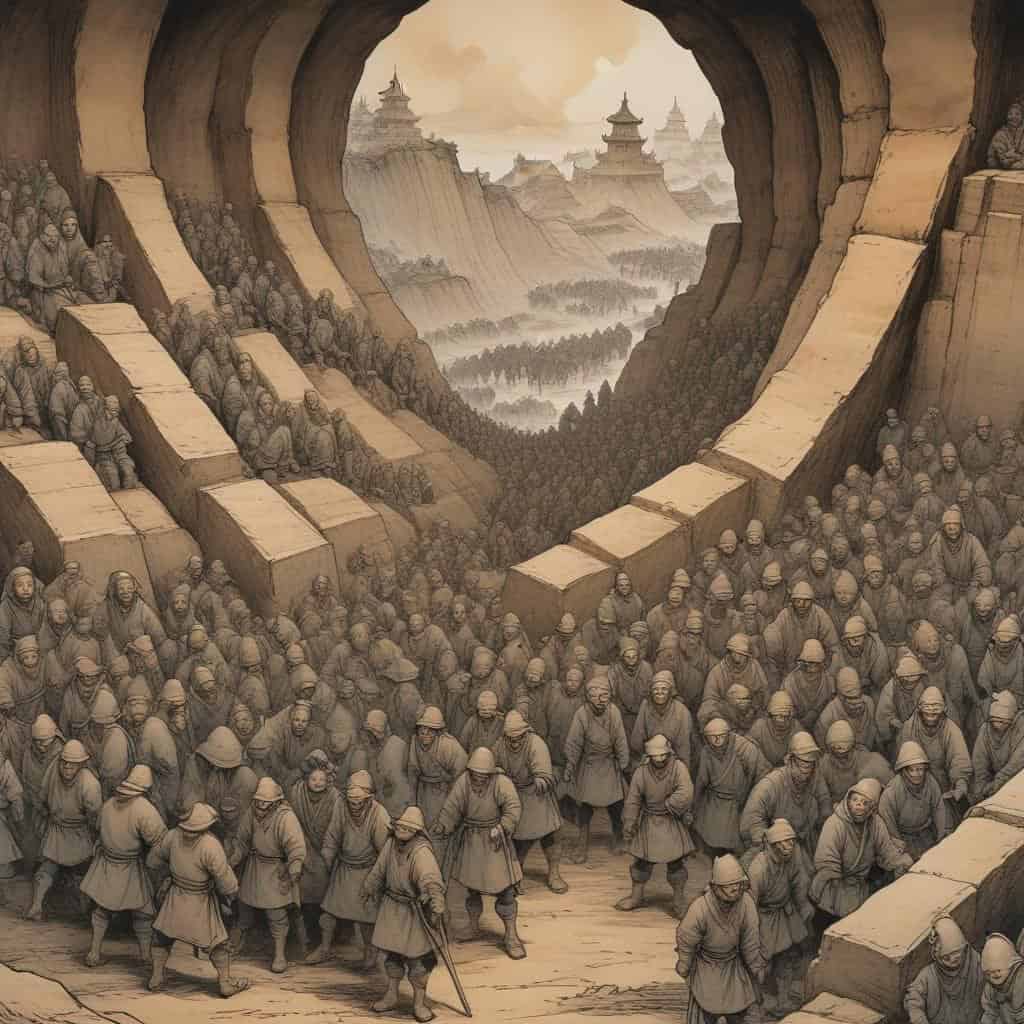
Introduction
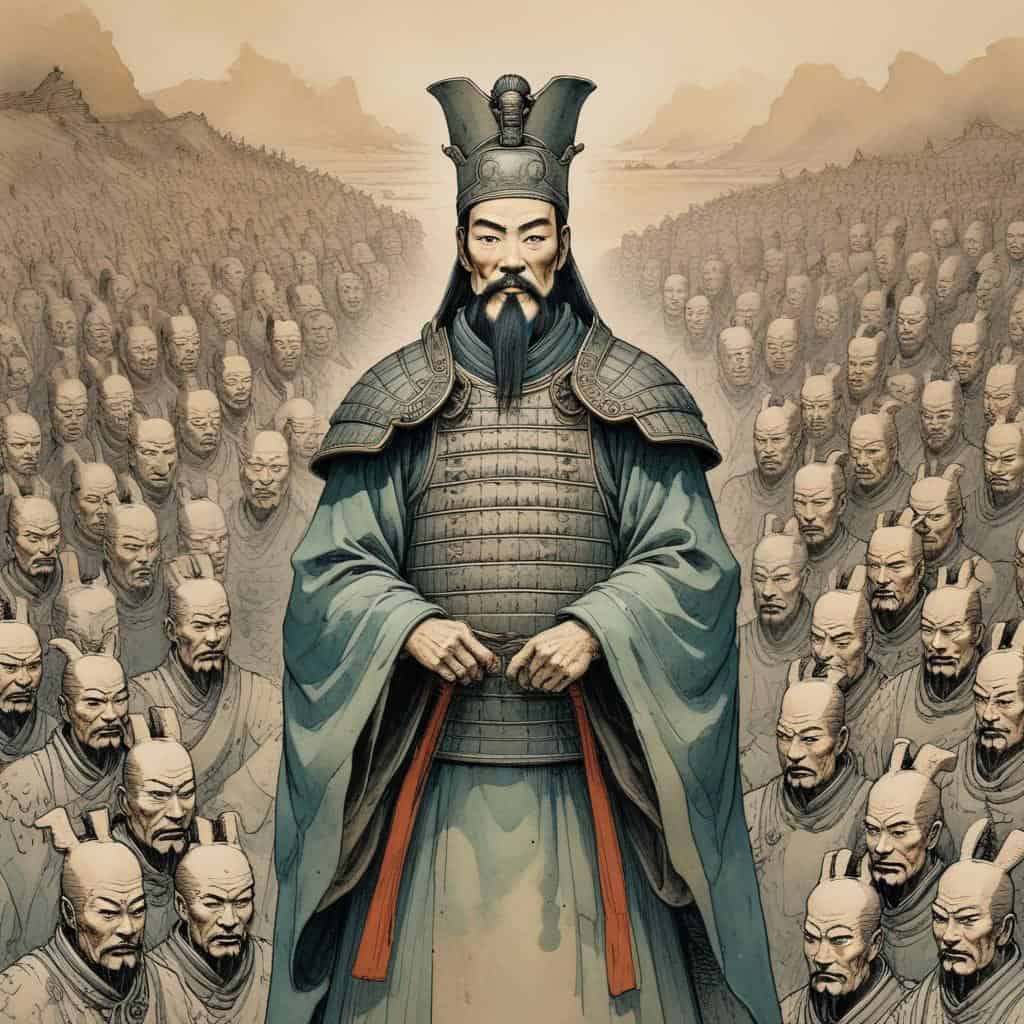
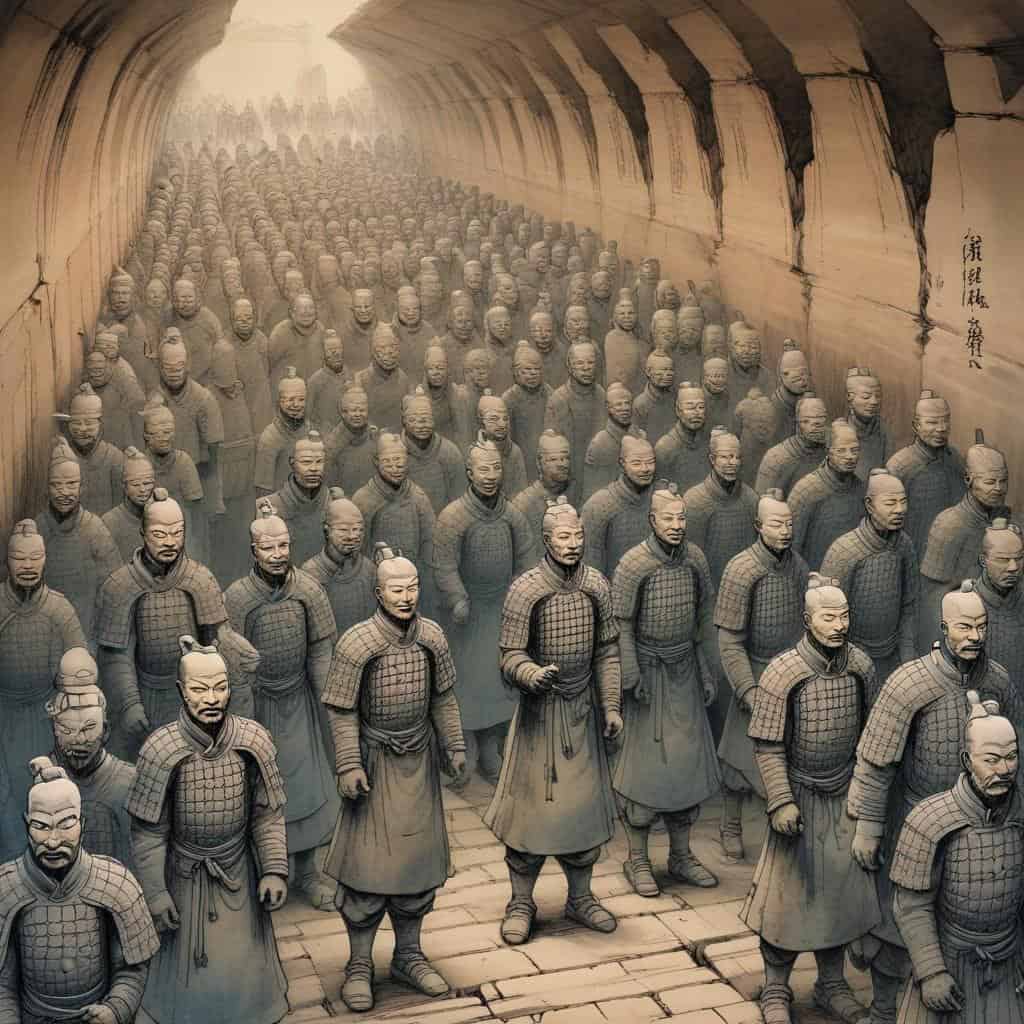
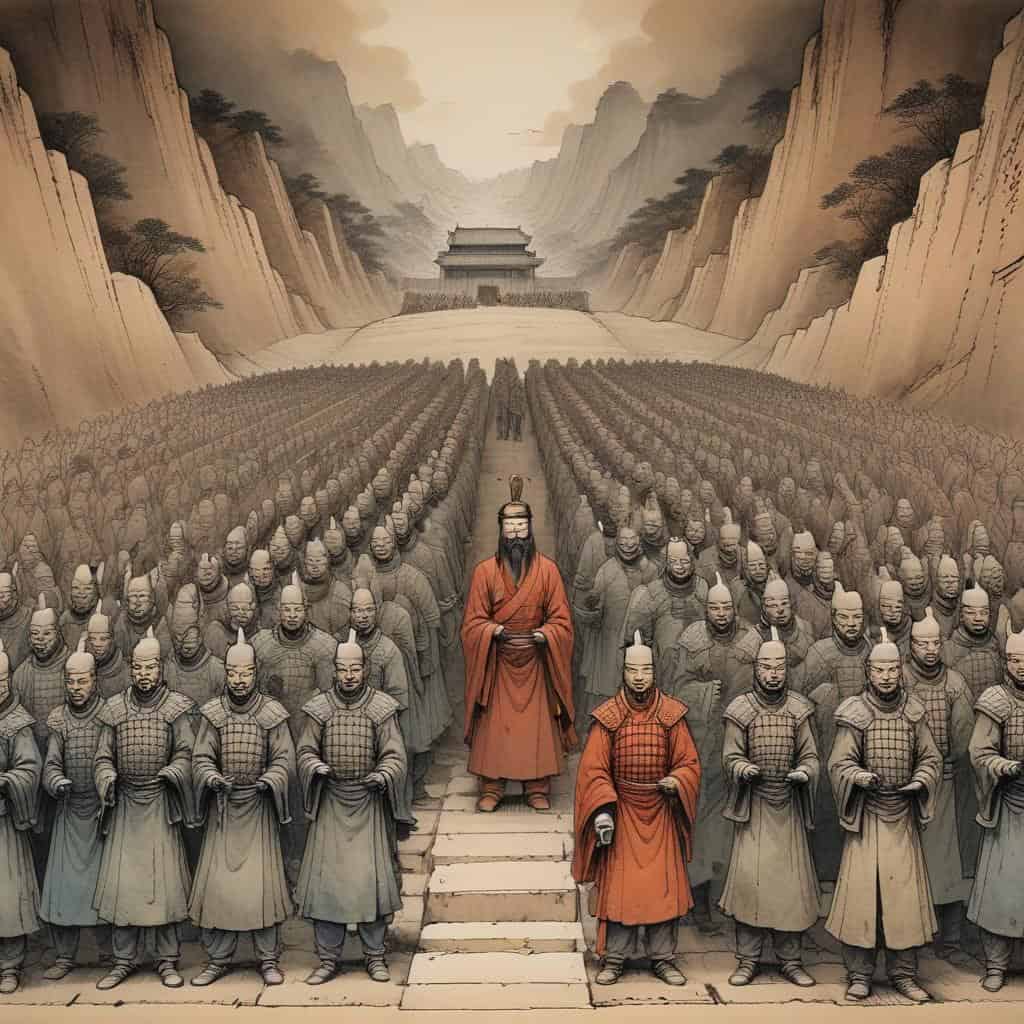
Emperor Qin Shi Huang
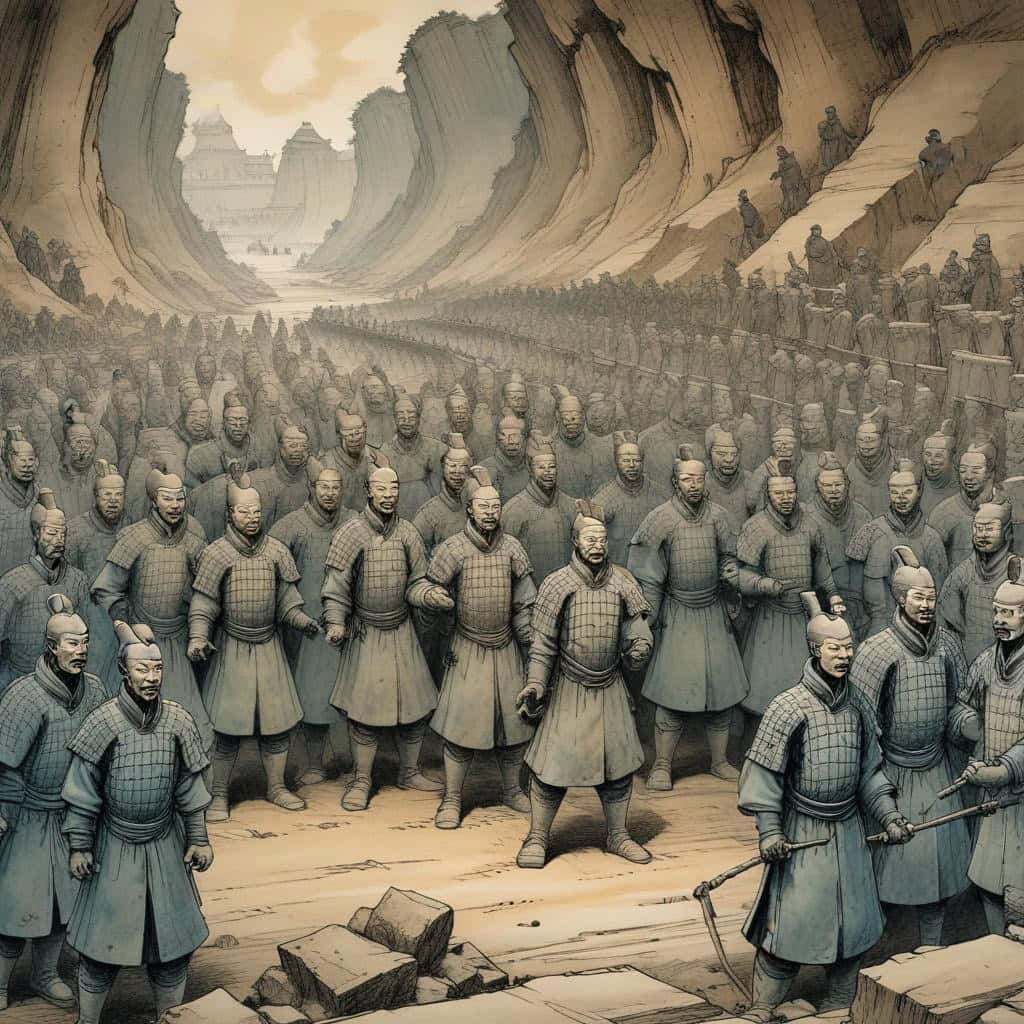
Terracotta Warriors
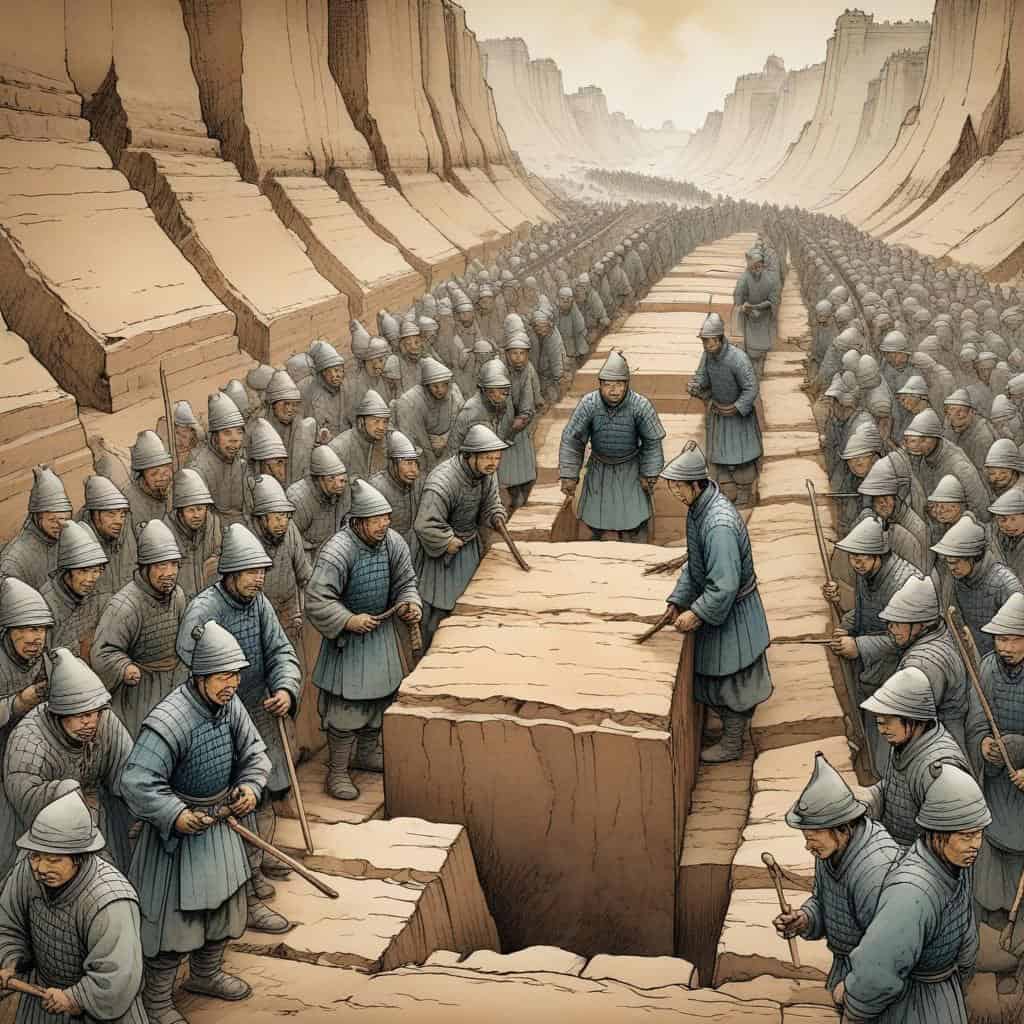
Archaeologists

The Incredible Discovery

The Emperors Tomb

Thousands of Soldiers

Guardians of the Emperor

Discovery and Excavation

Archaeological Significance

Preservation Efforts

Global Recognition

Ongoing Research

A Timeless Wonder
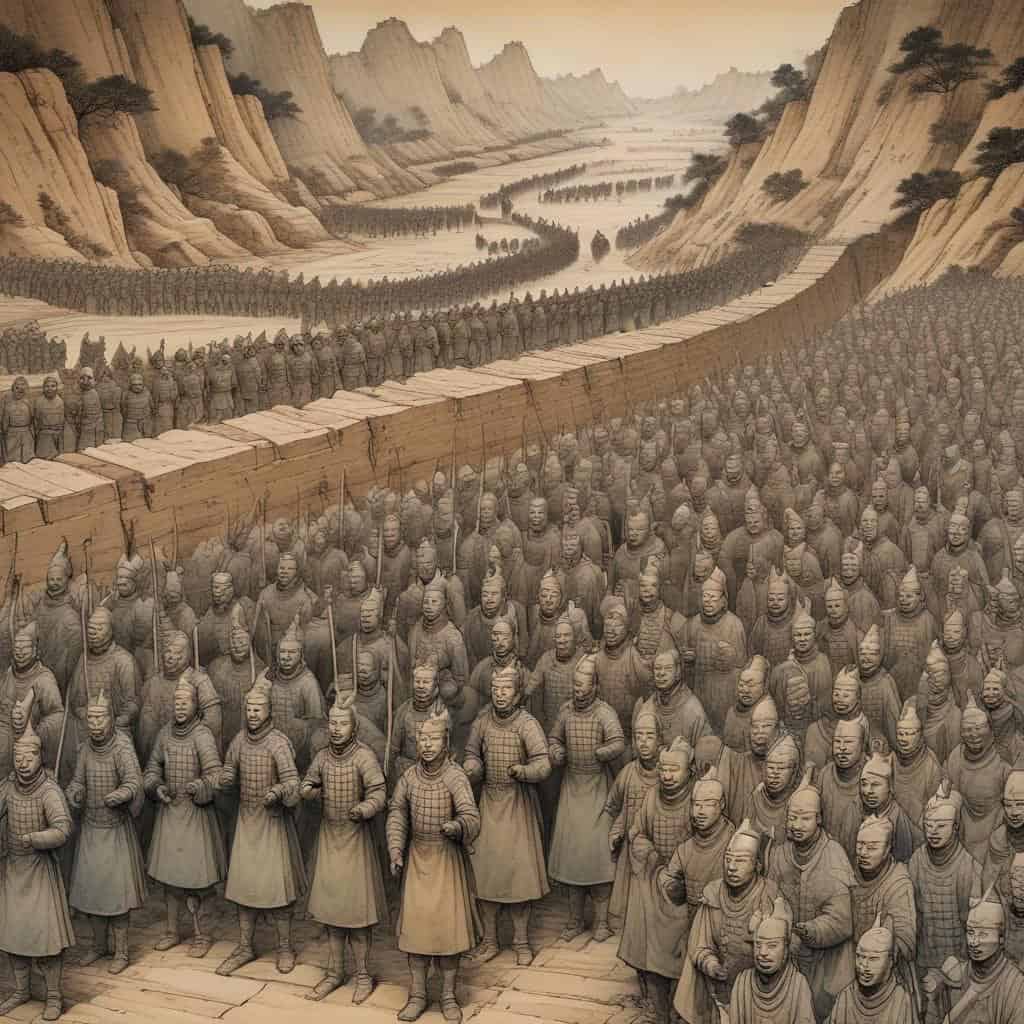
Lesson Details & Resources
In a Nutshell
- What: A massive collection of terracotta statues buried near the tomb of China’s first emperor, Qin Shi Huang.
- When: 197 BCE
- Who: Emperor Qin Shi Huang
- Outcome: The discovery of an incredible archaeological find that sheds light on ancient Chinese history and craftsmanship.
Famous Figures in the Qin’s Terracotta Army Unearthed
-
Qin Shi Huang
Qin Shi Huang was the first Emperor of China who ordered the construction of the Terracotta Army.
-
Ying Zheng
Ying Zheng was the name of Qin Shi Huang before he became the Emperor of China.
-
Li Si
Li Si was a prominent politician and advisor to Qin Shi Huang during the construction of the Terracotta Army.
-
Zhao Gao
Zhao Gao was a eunuch who played a significant role in the power struggle after Qin Shi Huang's death.
Timeline of Qin’s Terracotta Army Unearthed
Construction of Qin's Terracotta Army begins
Qin Shi Huang becomes the first Emperor of China
Qin Shi Huang dies
Qin's Terracotta Army unearthed by farmers
Excavation of the Terracotta Army begins
Thousands of life-sized clay soldiers, horses, and chariots discovered
Pit 1 of the Terracotta Army fully excavated
Pits 2 and 3 of the Terracotta Army excavated
Discovery of the Bronze Chariots near Qin's tomb
Archaeologists uncover more than 8,000 soldiers in Pit 1
Excavation of the Terracotta Army continues for several years
Terracotta Army becomes a UNESCO World Heritage Site
Terracotta Army exhibition held at the British Museum
Ongoing research and preservation efforts at the Terracotta Army site
Vocabulary List
- Qin Shi Huang
- The first emperor of China who ordered the construction of the Terracotta Army to protect him in the afterlife.
- Terracotta Army
- A collection of terracotta sculptures depicting the armies of Qin Shi Huang, unearthed near Xi'an in 197 BCE.
- Unearthed
- The act of digging up or uncovering something, such as the Terracotta Army being unearthed by archaeologists in 197 BCE.
- Archaeologists
- Scientists who study past human cultures by excavating and analyzing artifacts, such as the archaeologists who discovered the Terracotta Army.
- Emperor
- A ruler of an empire, such as Qin Shi Huang who was the emperor of the Qin Dynasty in ancient China.
- Afterlife
- The belief in a life after death, which was why Qin Shi Huang had the Terracotta Army created to protect him in the afterlife.
Key Facts
This is the information used in the fact matching game
- The Terracotta Army was discovered in 1974 by farmers digging a well near Xi'an, China.
- The army was created to accompany the first Emperor of China, Qin Shi Huang, in the afterlife.
- The army consists of over 8,000 life-sized soldiers, 130 chariots with 520 horses, and 150 cavalry horses.
- Each soldier was individually crafted with unique facial features and hairstyles.
- The soldiers were originally painted in bright colors, but the paint has mostly worn off over time.
- The Terracotta Army is believed to have been buried in 210 BCE, shortly after the death of Qin Shi Huang.
- Archaeologists have also discovered bronze weapons and artifacts in the pits surrounding the army.
- The discovery of the Terracotta Army has greatly expanded our understanding of ancient Chinese burial practices.
- The army is located in three separate pits, with Pit 1 being the largest and most impressive.
- Qin Shi Huang's tomb, which is believed to be located nearby, has not yet been excavated.
- The Terracotta Army is now a UNESCO World Heritage Site and a major tourist attraction in China.
- The site is still an active archaeological dig, with new discoveries being made regularly.
- The soldiers were made using a combination of molds and hand sculpting techniques.
- The army was buried in an underground complex that covers an area of 38 square miles.
- The discovery of the Terracotta Army has revolutionized our understanding of Qin Dynasty art and culture.
- The site of the Terracotta Army was originally discovered by farmers looking for water.
- The Terracotta Army was built over a period of 38 years by an estimated 700,000 laborers.
- The discovery of the army has also shed light on the advanced metallurgical techniques of the Qin Dynasty.
- The soldiers were originally equipped with real weapons, but these were looted shortly after the army was buried.
- The discovery of the Terracotta Army has inspired numerous cultural exchanges between China and other countries.
Analysis & Significance
Immediate Consequences
Upon the discovery of Qin’s Terracotta Army in 197 BCE, it immediately captured the attention of historians and archaeologists worldwide. The sheer scale and intricacy of the army stunned observers and shed new light on the level of sophistication achieved by the Qin Dynasty.
Long-Term Impact
The unearthing of the Terracotta Army has had a lasting impact on our understanding of ancient Chinese history and military tactics. It has provided invaluable insights into the cultural and technological advancements of the Qin Dynasty and has influenced archaeological practices in the region.
Cultural Significance Today
Today, the Terracotta Army stands as a symbol of China’s rich cultural heritage and serves as a major tourist attraction, drawing millions of visitors each year. Its discovery continues to inspire awe and fascination, showcasing the remarkable achievements of ancient Chinese civilization to a global audience.
Qin’s Terracotta Army Unearthed Games


Take Your Learning Offline
Want a convenient, print-ready study guide for this lesson? Become a Memory Wizards Pro member to unlock the downloadable " Memory Scrolls" for this topic and our entire library!
- ✓ Complete Vocabulary Lists
- ✓ Key Facts & Timelines
- ✓ Beautifully Formatted for Print & Mobile