
Summary of The Fall of the Qin Dynasty (206 BCE)
Unravel the mysterious downfall of the powerful Qin Dynasty.
How Do You Learn Best?
Learn by Reading
Immerse yourself in the 10-minute visual lesson for a comprehensive understanding of the topic.
Learn by Reviewing
Jump directly to the key facts, timeline, and vocabulary lists to build a solid foundation of details.
Learn by Doing
Challenge yourself! Jump straight into the interactive games to learn by trial, error, and discovery.
The Fall of the Qin Dynasty in 10 Minutes
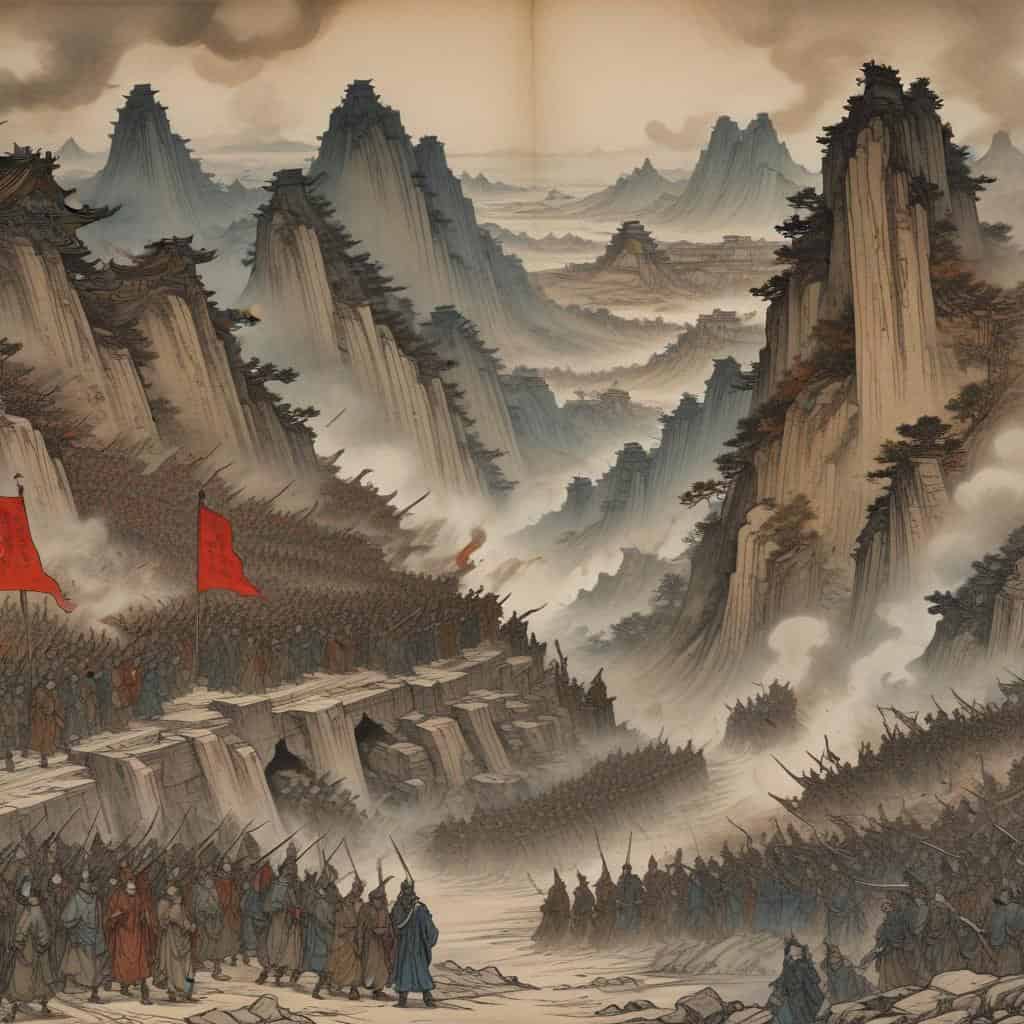
Introduction

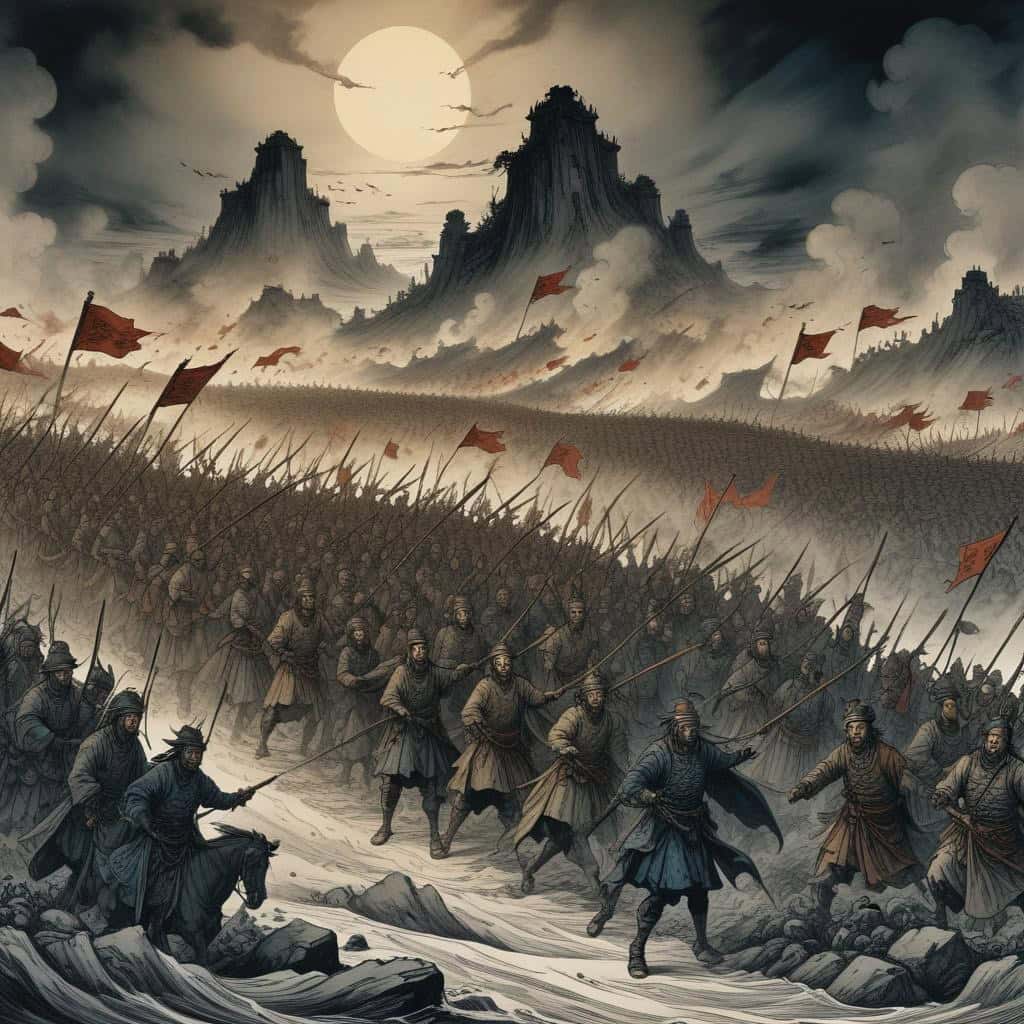

Emperor Qin Shi Huang
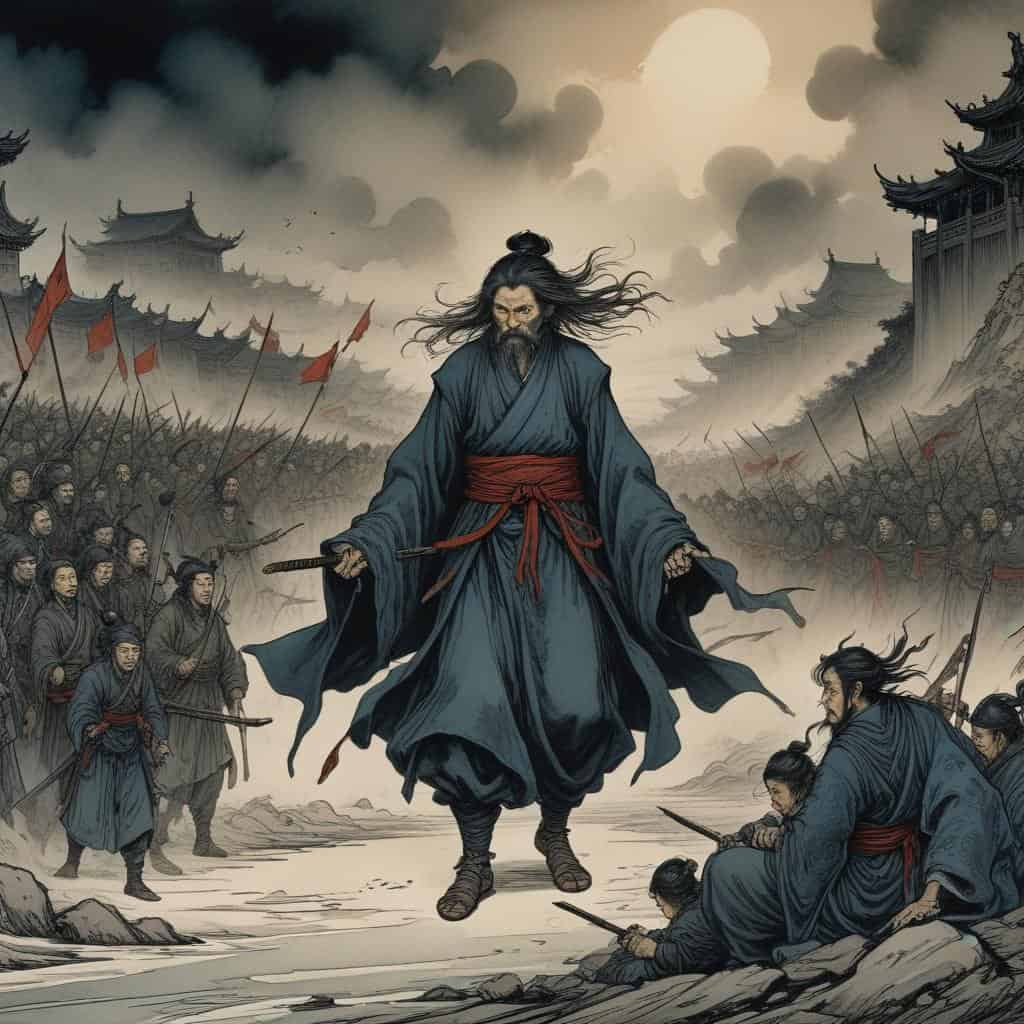
Li Si
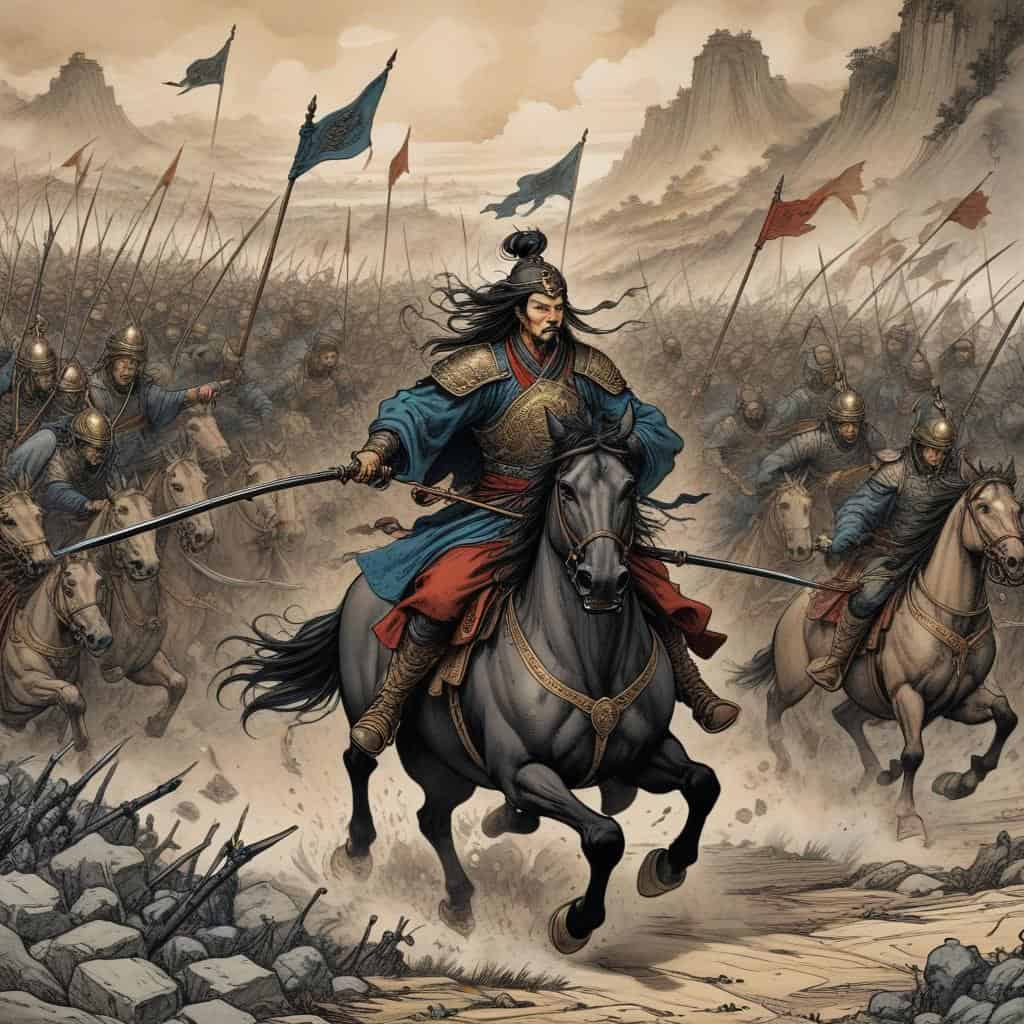
Xiang Yu
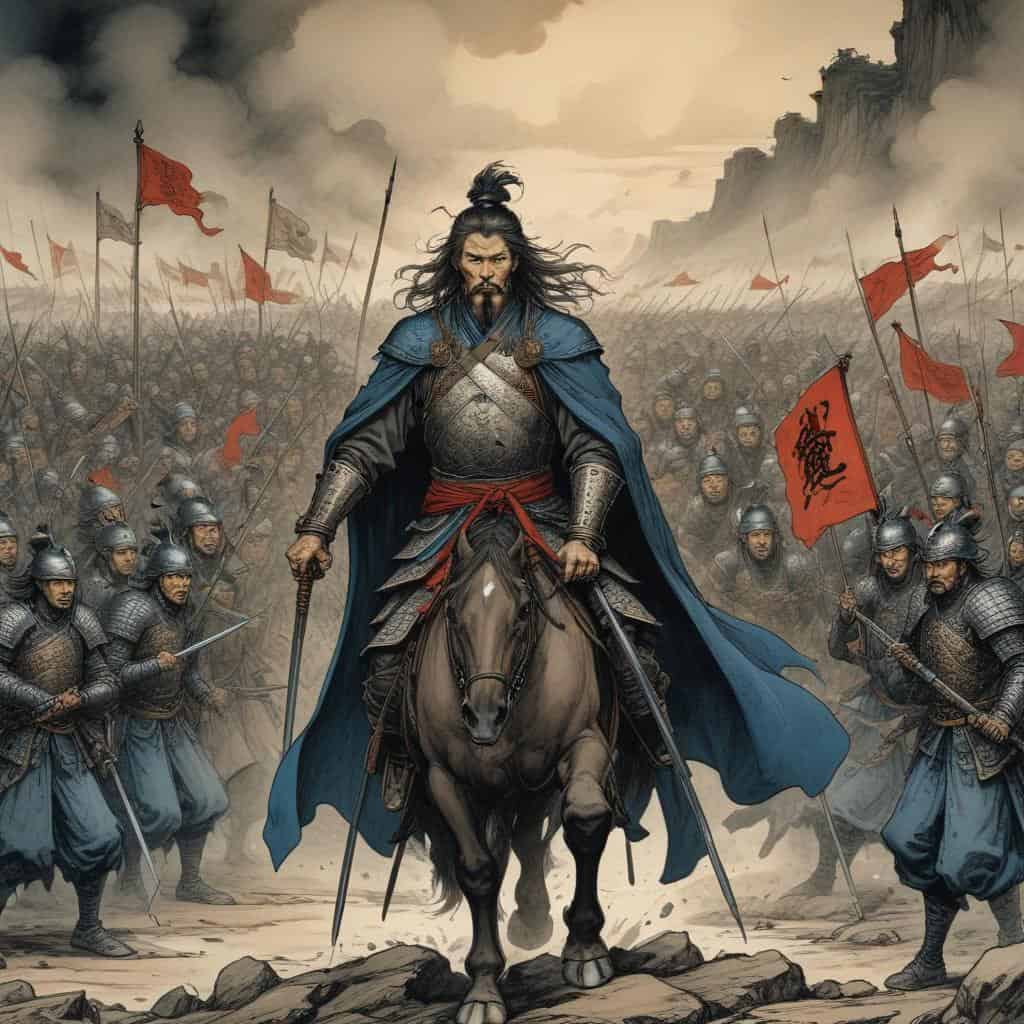
Liu Bang

Chancellor Lu Buwei
The Rise of the Qin Dynasty

Expansion and Conquest

The Great Wall of China

The Fall of Qin Shi Huang

The Weak Successors

The Rebellion of Chen Sheng and Wu Guang

The Fall of the Qin Capital

The End of the Qin Dynasty

Legacy of the Qin Dynasty

The Lessons Learned
Lesson Details & Resources
In a Nutshell
- What: The fall of the Qin Dynasty (206 BCE)
- When: 206 BCE
- Who: Qin Dynasty, Liu Bang, Xiang Yu
- Outcome: End of the Qin Dynasty, beginning of the Han Dynasty
Famous Figures in the The Fall of the Qin Dynasty
-
Liu Bang
Liu Bang, also known as Emperor Gaozu of Han, was the founding emperor of the Han dynasty.
-
Xiang Yu
Xiang Yu was a prominent military leader during the Chu-Han Contention, a power struggle that led to the fall of the Qin dynasty.
-
Han Xin
Han Xin was a military general who played a key role in the overthrow of the Qin dynasty.
-
Zhao Gao
Zhao Gao was a eunuch who played a significant role in the downfall of the Qin dynasty.
-
Li Si
Li Si was a prominent politician and adviser to the Qin dynasty, who ultimately played a role in its downfall.
Timeline of The Fall of the Qin Dynasty
Emperor Qin Shi Huang dies
Power struggle among Qin officials
Rebellion breaks out in different parts of the empire
Chu-Han Contention begins
Battle of Julu
Han forces capture Xianyang, the Qin capital
Emperor Ziying surrenders to Liu Bang of the Han Dynasty
Emperor Ziying executed by Liu Bang
End of the Qin Dynasty
Liu Bang becomes Emperor Gaozu of the Han Dynasty
Han Dynasty established
Reign of Emperor Qin Er Shi, the last Qin emperor
Destruction of the Qin Dynasty's mausoleum
Vocabulary List
- Qin Dynasty
- The Qin Dynasty was the first imperial dynasty of China, ruling from 221 to 206 BCE.
- Emperor Qin Shi Huang
- Emperor Qin Shi Huang was the first emperor of the Qin Dynasty, known for his authoritarian rule and the construction of the Great Wall of China.
- Legalism
- Legalism was the political philosophy adopted by the Qin Dynasty, emphasizing strict laws and harsh punishments to maintain order.
- Xiang Yu
- Xiang Yu was a prominent military general who played a key role in the fall of the Qin Dynasty.
- Liu Bang
- Liu Bang was a rebel leader who eventually overthrew the Qin Dynasty and established the Han Dynasty in 202 BCE.
- Rebellion
- Rebellions and uprisings across China contributed to the downfall of the Qin Dynasty.
- Han Dynasty
- The Han Dynasty succeeded the Qin Dynasty and ruled China for over 400 years, known for its cultural and technological advancements.
- Civil War
- The fall of the Qin Dynasty led to a period of civil war as various factions vied for power in China.
- Confucianism
- Confucianism, a moral and ethical philosophy, gained prominence during the Han Dynasty and influenced its governance.
- Burning of Books and Burying of Scholars
- Emperor Qin Shi Huang ordered the burning of books and burial of scholars as part of his efforts to centralize power and control information.
- Dynastic Cycle
- The fall of the Qin Dynasty and the rise of the Han Dynasty exemplifies the dynastic cycle in Chinese history, where dynasties rise and fall in a recurring pattern.
Key Facts
This is the information used in the fact matching game
- The fall of the Qin Dynasty in 206 BCE marked the end of the first imperial dynasty of China.
- The fall of the Qin Dynasty was preceded by a series of peasant uprisings and revolts against the harsh rule of the Qin emperors.
- The last ruler of the Qin Dynasty, Ziying, surrendered to the rebel leader Liu Bang in 206 BCE.
- The fall of the Qin Dynasty led to the establishment of the Han Dynasty, which lasted for over 400 years.
- The fall of the Qin Dynasty was also attributed to the tyrannical rule of its first emperor, Qin Shi Huang.
- The Qin Dynasty was known for its centralized government, strict legal code, and public works projects like the Great Wall of China.
- The fall of the Qin Dynasty resulted in a period of civil war and chaos known as the Chu-Han Contention.
- The fall of the Qin Dynasty also saw the rise of powerful warlords and regional rulers who vied for control of China.
- The fall of the Qin Dynasty marked the beginning of a new era in Chinese history known as the Western Han period.
- The fall of the Qin Dynasty led to the burning of the imperial palace in Xianyang, the capital of the Qin Empire.
- The fall of the Qin Dynasty was a turning point in Chinese history, leading to the consolidation of power by the Han Dynasty.
- The fall of the Qin Dynasty was also attributed to the failed policies of its rulers, including high taxes, forced labor, and harsh punishments.
- The fall of the Qin Dynasty saw the rise of new philosophical and religious movements, such as Confucianism and Daoism.
- The fall of the Qin Dynasty led to a period of political instability and fragmentation in China, with various factions competing for power.
- The fall of the Qin Dynasty had a lasting impact on Chinese society and culture, shaping the course of Chinese history for centuries to come.
- The fall of the Qin Dynasty was a result of both internal unrest and external pressures from nomadic tribes on the northern borders of China.
- The fall of the Qin Dynasty led to the establishment of a new imperial capital at Chang'an by the Han Dynasty.
- The fall of the Qin Dynasty marked the end of the Legalist philosophy that had dominated Chinese politics during the Qin period.
- The fall of the Qin Dynasty resulted in the destruction of many of the monuments and artifacts associated with the Qin emperors.
- The fall of the Qin Dynasty led to a period of reconstruction and consolidation under the Han Dynasty, which sought to learn from the mistakes of its predecessor.
Analysis & Significance
Immediate Consequences
The fall of the Qin Dynasty in 206 BCE resulted in political instability and power struggles among various factions vying for control. This led to a period of chaos and warfare known as the Chu-Han Contention, which ultimately paved the way for the rise of the Han Dynasty.
Long-Term Impact
The fall of the Qin Dynasty had a profound impact on Chinese history, as it marked the end of centralized imperial rule and the beginning of a new era of dynastic rule. The establishment of the Han Dynasty brought about significant cultural and political changes, shaping the course of Chinese civilization for centuries to come.
Cultural Significance Today
The fall of the Qin Dynasty is remembered as a pivotal moment in Chinese history that marked the transition from one imperial dynasty to another. The legacy of this event can still be seen in Chinese culture and society today, as it continues to influence the way in which modern China views its past and shapes its future.
The Fall of the Qin Dynasty Games


Take Your Learning Offline
Want a convenient, print-ready study guide for this lesson? Become a Memory Wizards Pro member to unlock the downloadable " Memory Scrolls" for this topic and our entire library!
- ✓ Complete Vocabulary Lists
- ✓ Key Facts & Timelines
- ✓ Beautifully Formatted for Print & Mobile