
Summary of Emperor Qin Shi Huang
Unveiling the mysterious rise of China's first emperor.
How Do You Learn Best?
Learn by Reading
Immerse yourself in the 10-minute visual lesson for a comprehensive understanding of the topic.
Learn by Reviewing
Jump directly to the key facts, timeline, and vocabulary lists to build a solid foundation of details.
Learn by Doing
Challenge yourself! Jump straight into the interactive games to learn by trial, error, and discovery.
Emperor Qin Shi Huang in 10 Minutes

Introduction
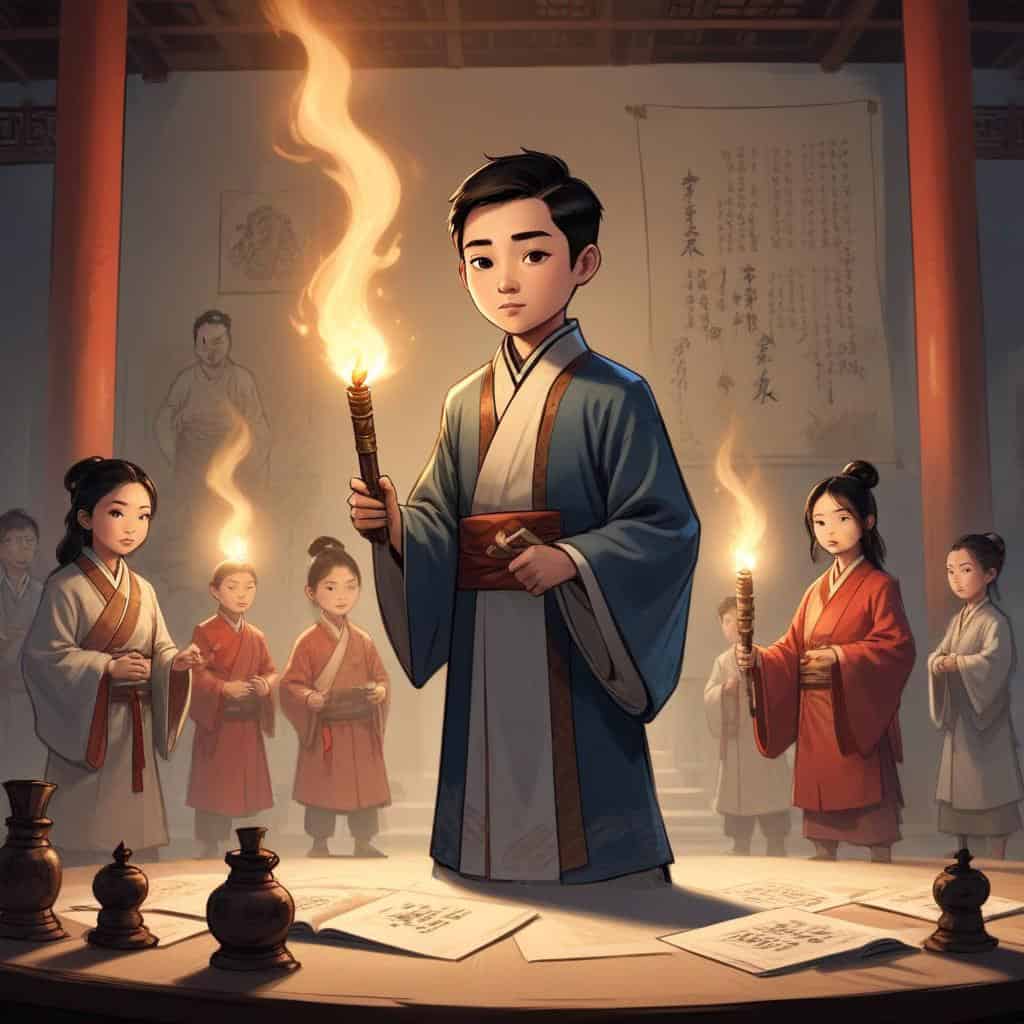
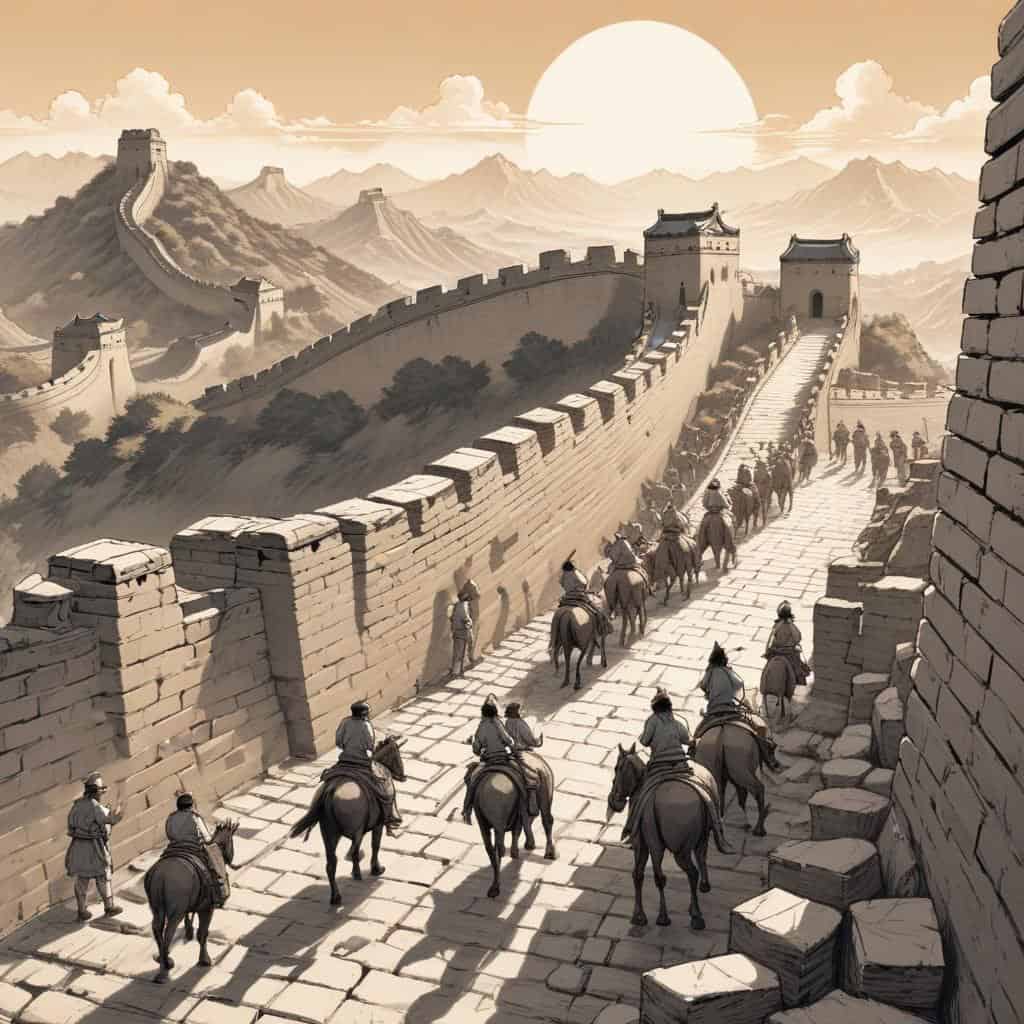
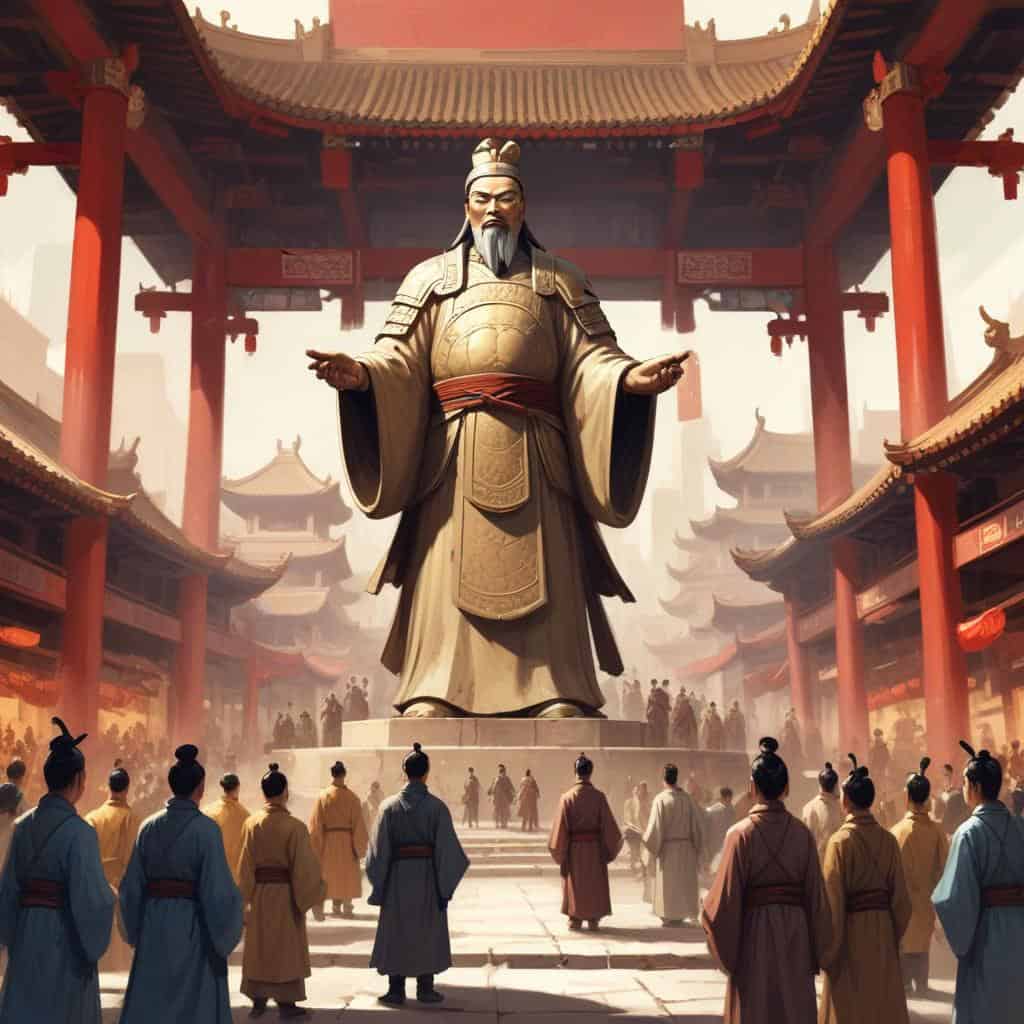
Emperor Qin Shi Huang
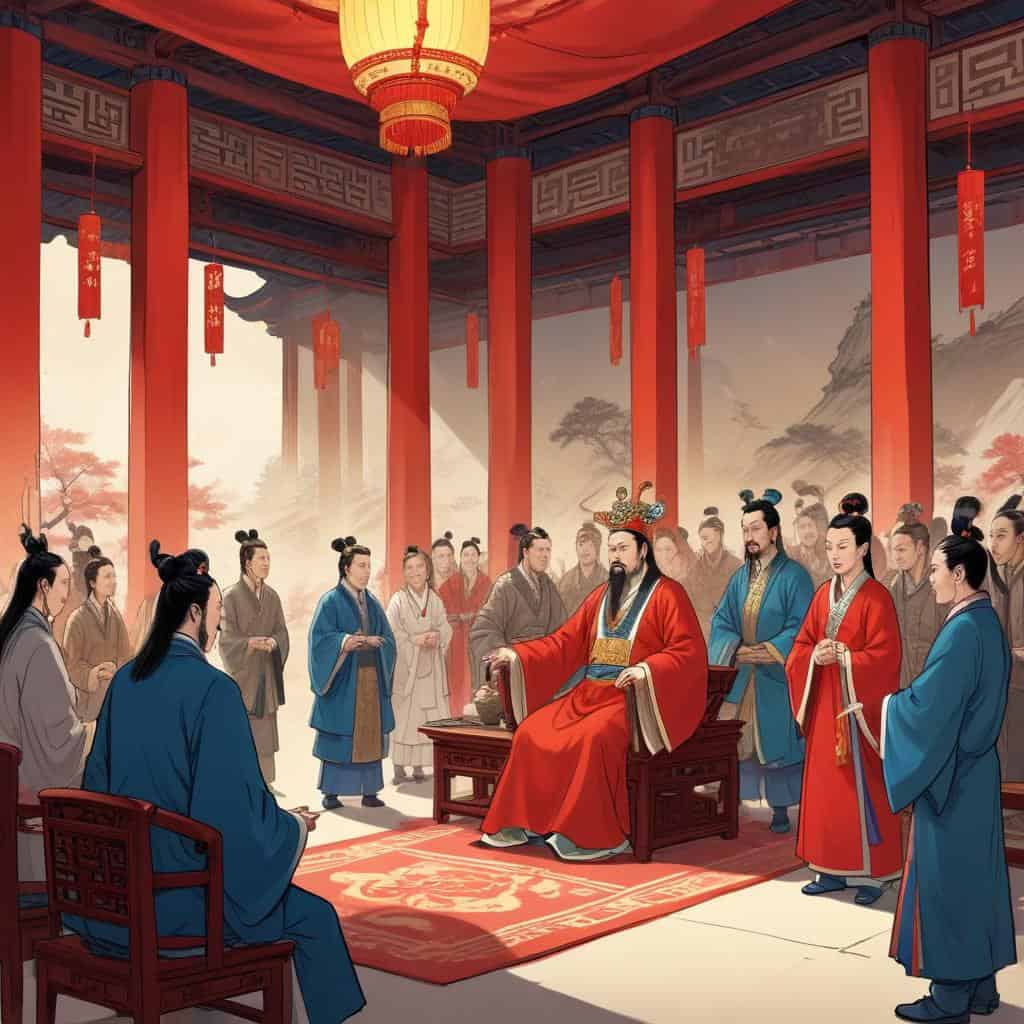
Lü Buwei

Li Si
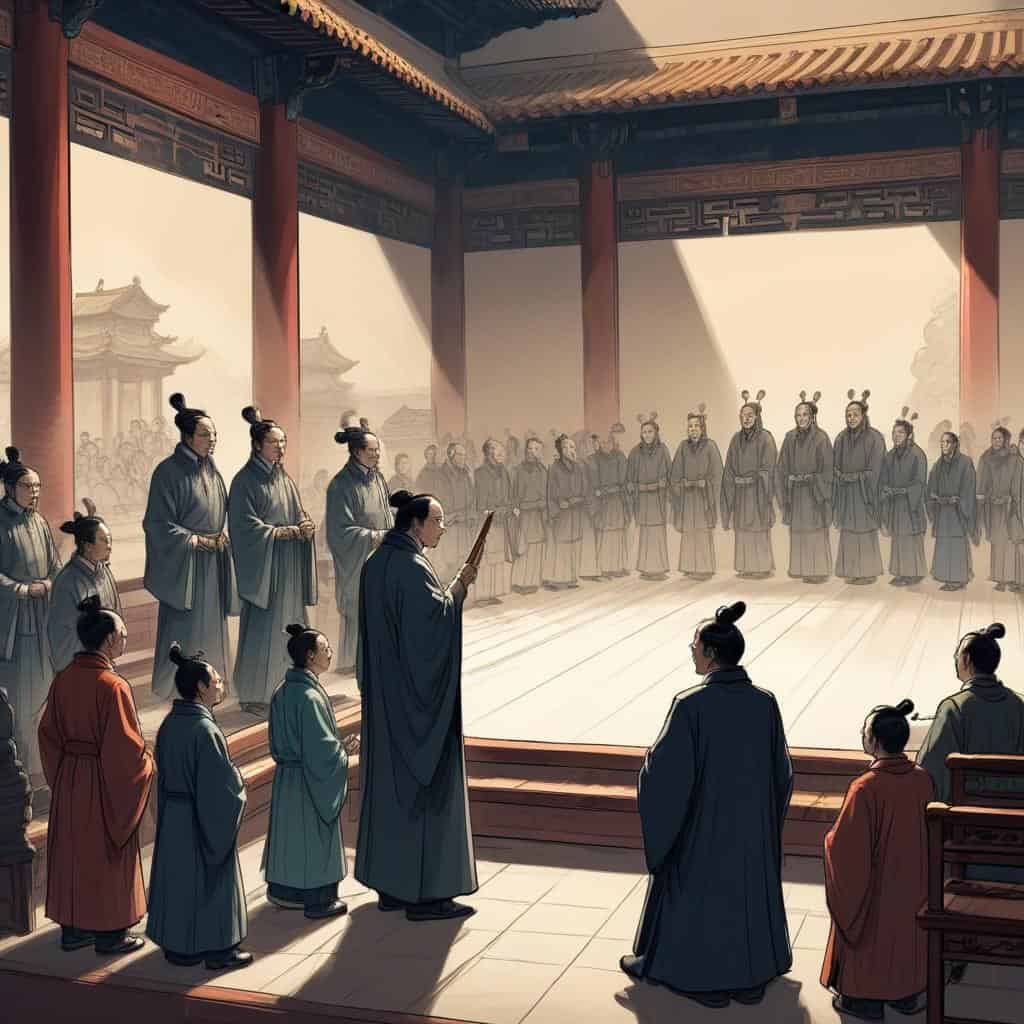
Zhao Gao
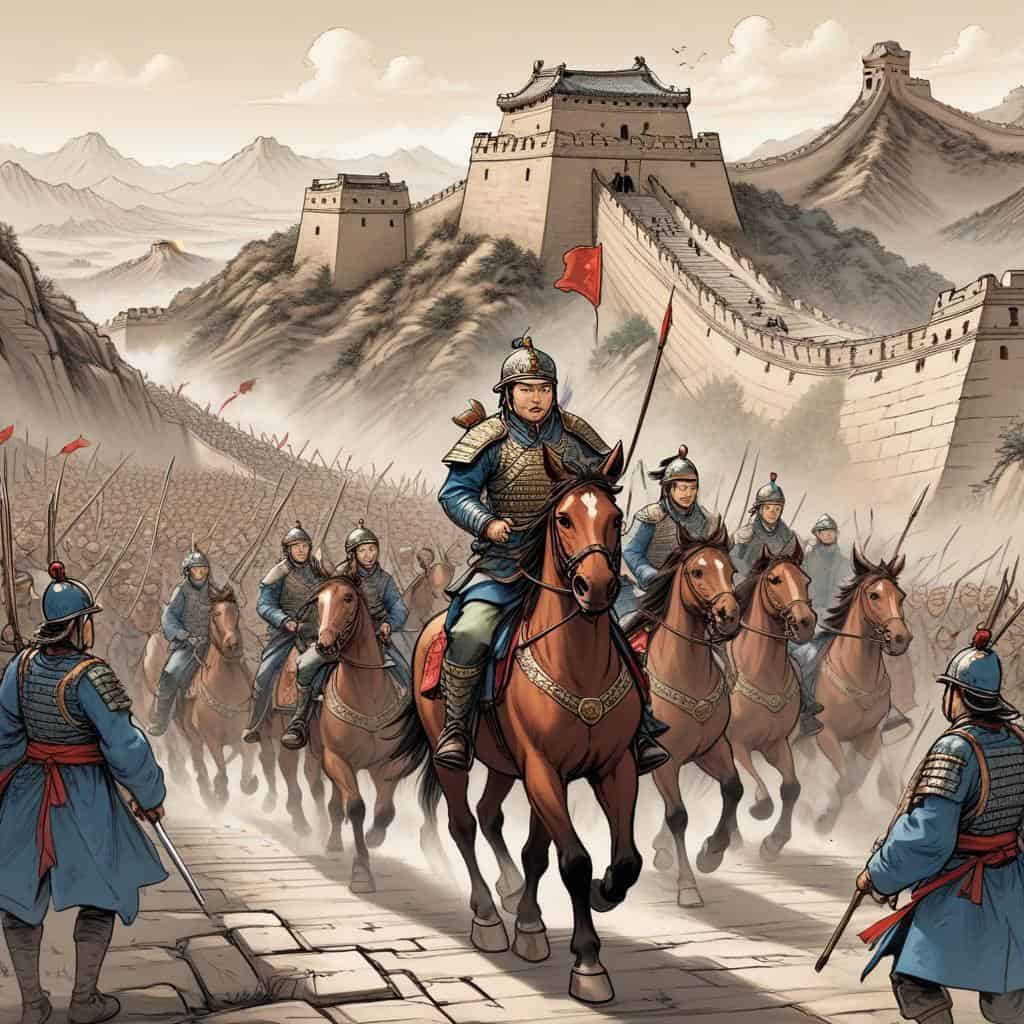
Fan Ju

1. Birth of Qin Shi Huang

2. Accession to the Throne

3. Military Campaigns

4. Unification of China

5. Centralization of Power

6. Construction of the Great Wall

7. Standardization of Writing

8. Persecution of Scholars

9. Legacy of Qin Shi Huang

10. Death and Succession
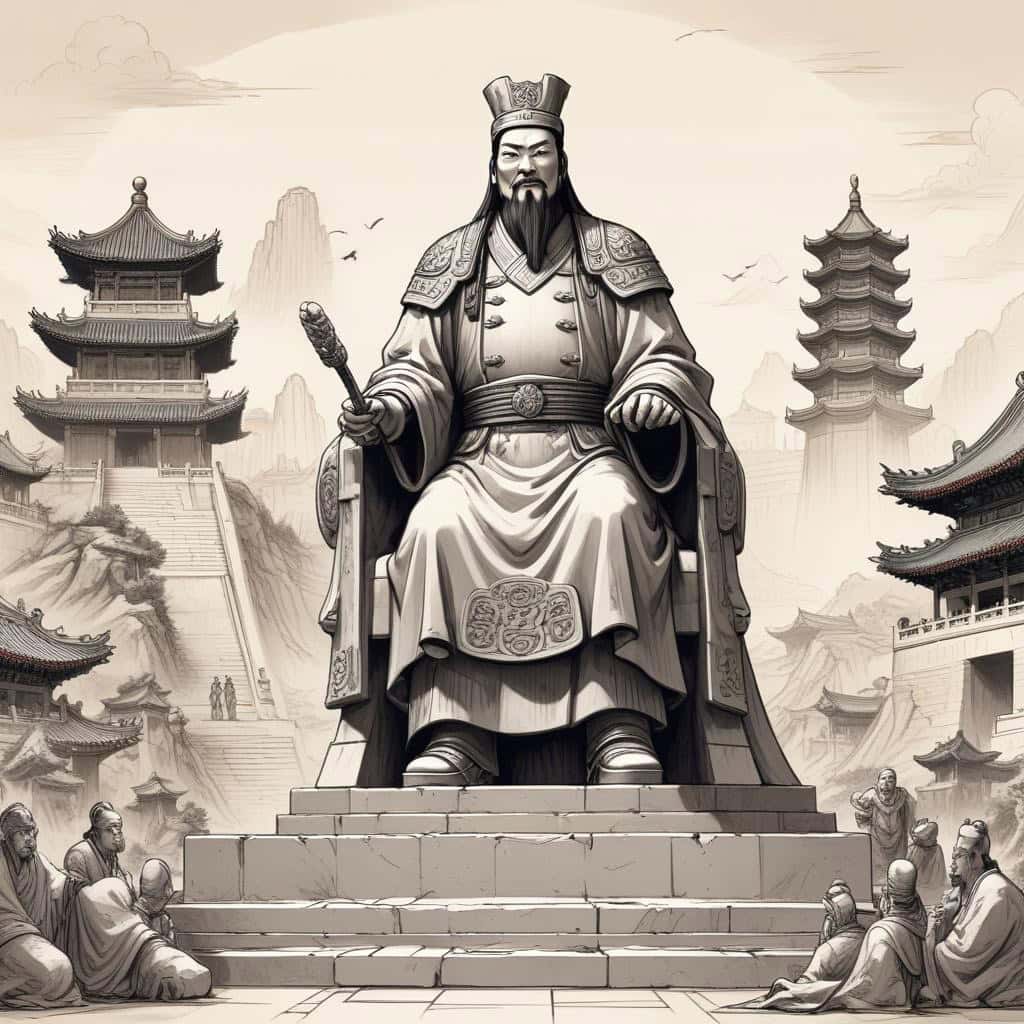
Lesson Details & Resources
In a Nutshell
- What: Emperor Qin Shi Huang ascends the throne as the first emperor of China.
- When: 221 BCE
- Who: Emperor Qin Shi Huang
- Outcome: Establishment of the Qin Dynasty, unification of China, and laying the foundation for the Great Wall.
Famous Figures in the Emperor Qin Shi Huang
-
Emperor Qin Shi Huang
Emperor Qin Shi Huang was the first emperor of a unified China and is known for his brutal rule and construction of the Great Wall.
-
Li Si
Li Si was a prominent statesman and advisor to Emperor Qin Shi Huang, playing a key role in the unification of China.
-
Zhao Gao
Zhao Gao was a eunuch who held significant power during Emperor Qin Shi Huang's reign and was involved in several political intrigues.
-
Lu Buwei
Lu Buwei was a wealthy merchant and politician who played a key role in the rise of Emperor Qin Shi Huang to power.
Timeline of Emperor Qin Shi Huang
Emperor Qin Shi Huang ascends the throne as King of Qin
King of Qin conquers the six other states and unifies China under the Qin Dynasty
Emperor Qin Shi Huang proclaims himself as the first Emperor of China
Construction of the Great Wall of China begins under Emperor Qin Shi Huang
Emperor Qin Shi Huang standardizes weights, measures, and writing system throughout the empire
Construction of the Terracotta Army begins to guard Emperor Qin Shi Huang's tomb
Emperor Qin Shi Huang orders the burning of books and burying of scholars
Emperor Qin Shi Huang dies while on a tour of eastern China
Qin Dynasty collapses shortly after Emperor Qin Shi Huang's death
Rebellion against the Qin Dynasty led by Xiang Yu and Liu Bang
Liu Bang establishes the Han Dynasty after defeating Xiang Yu
Emperor Qin Shi Huang's tomb is discovered by farmers in 1974
Terracotta Army excavation and restoration begins at Emperor Qin Shi Huang's tomb
Emperor Qin Shi Huang's tomb is declared a UNESCO World Heritage Site
Terracotta Army becomes a major tourist attraction in Xi'an, China
Vocabulary List
- Emperor Qin Shi Huang
- The first emperor of China, who unified the country in 221 BCE.
- Ascends the Throne
- Refers to the moment when Emperor Qin Shi Huang officially became the ruler of China.
- Unified
- To bring together different parts into a single whole, as Emperor Qin Shi Huang did with the warring states of China.
- Dynasty
- A sequence of rulers from the same family, such as the Qin Dynasty founded by Emperor Qin Shi Huang.
- Terra-cotta Army
- A collection of life-size clay soldiers buried with Emperor Qin Shi Huang to protect him in the afterlife.
- Legalism
- A political philosophy that emphasizes strict laws and harsh punishments, which Emperor Qin Shi Huang employed to govern his empire.
Key Facts
This is the information used in the fact matching game
- Emperor Qin Shi Huang ascended the throne in 221 BCE.
- He was the first emperor of the Qin dynasty.
- Qin Shi Huang's birth name was Ying Zheng.
- He was only 13 years old when he became king of Qin.
- Qin Shi Huang unified China and declared himself the first emperor.
- He implemented a centralized government system.
- Qin Shi Huang is famous for building the Great Wall of China.
- He standardized weights, measures, and currency across his empire.
- Qin Shi Huang ordered the burning of many books and the burying of scholars alive.
- He was obsessed with finding the elixir of immortality.
- Qin Shi Huang is buried in the mausoleum complex of the Terracotta Army.
- He is credited with standardizing the Chinese script.
- Qin Shi Huang's reign marked the beginning of the imperial era in China.
- He was known for his harsh and authoritarian rule.
- Qin Shi Huang built a network of roads and canals to improve communication and transportation.
- He conducted large-scale public works projects, including the construction of his own tomb.
- Qin Shi Huang's tomb has not been fully excavated, as it is believed to contain traps and treasures.
- He was deified after his death and became a central figure in Chinese mythology.
- Qin Shi Huang's reign lasted until his death in 210 BCE.
- He left a lasting impact on Chinese history and culture.
Analysis & Significance
Immediate Consequences
Emperor Qin Shi Huang’s ascension to the throne in 221 BCE marked the unification of China under one ruler, bringing an end to the Warring States period. This consolidation of power led to the creation of a centralized government, standardized currency, and uniform writing system.
Long-Term Impact
The establishment of the Qin Dynasty by Emperor Qin Shi Huang had a profound impact on Chinese history. His reign saw the construction of the Great Wall of China and the beginning of the Terracotta Army. Additionally, his legalist policies laid the foundation for future dynasties.
Cultural Significance Today
Emperor Qin Shi Huang’s legacy continues to influence Chinese culture and history. The Terracotta Army stands as a testament to his power and ambition, attracting millions of visitors each year. His rule also serves as a cautionary tale of the dangers of authoritarianism and the importance of preserving cultural heritage.
Emperor Qin Shi Huang Games


Take Your Learning Offline
Want a convenient, print-ready study guide for this lesson? Become a Memory Wizards Pro member to unlock the downloadable " Memory Scrolls" for this topic and our entire library!
- ✓ Complete Vocabulary Lists
- ✓ Key Facts & Timelines
- ✓ Beautifully Formatted for Print & Mobile