
Summary of The Death of Emperor Qin Shi Huang (210 BCE)
Unravel the mystery of China's first emperor's eternal resting place.
How Do You Learn Best?
Learn by Reading
Immerse yourself in the 10-minute visual lesson for a comprehensive understanding of the topic.
Learn by Reviewing
Jump directly to the key facts, timeline, and vocabulary lists to build a solid foundation of details.
Learn by Doing
Challenge yourself! Jump straight into the interactive games to learn by trial, error, and discovery.
The Death of Emperor Qin Shi Huang in 10 Minutes
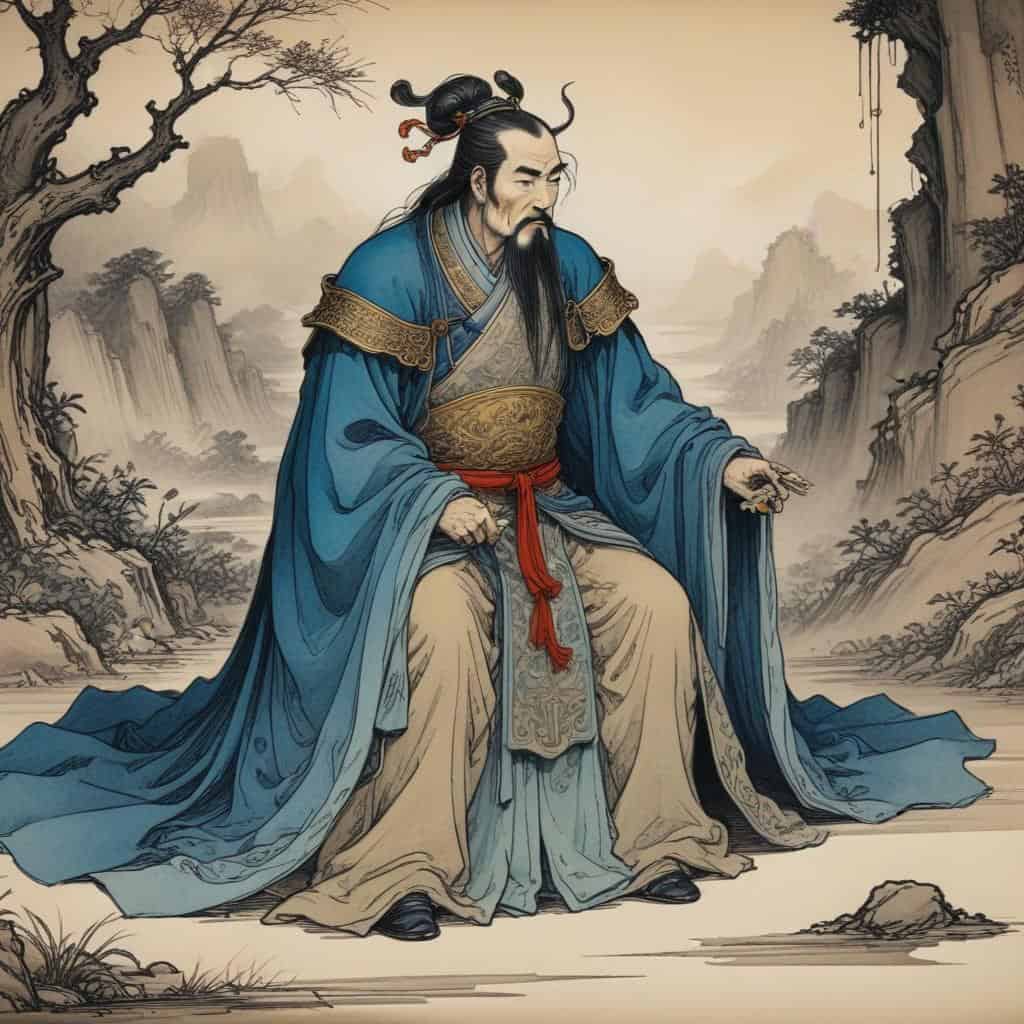
Introduction
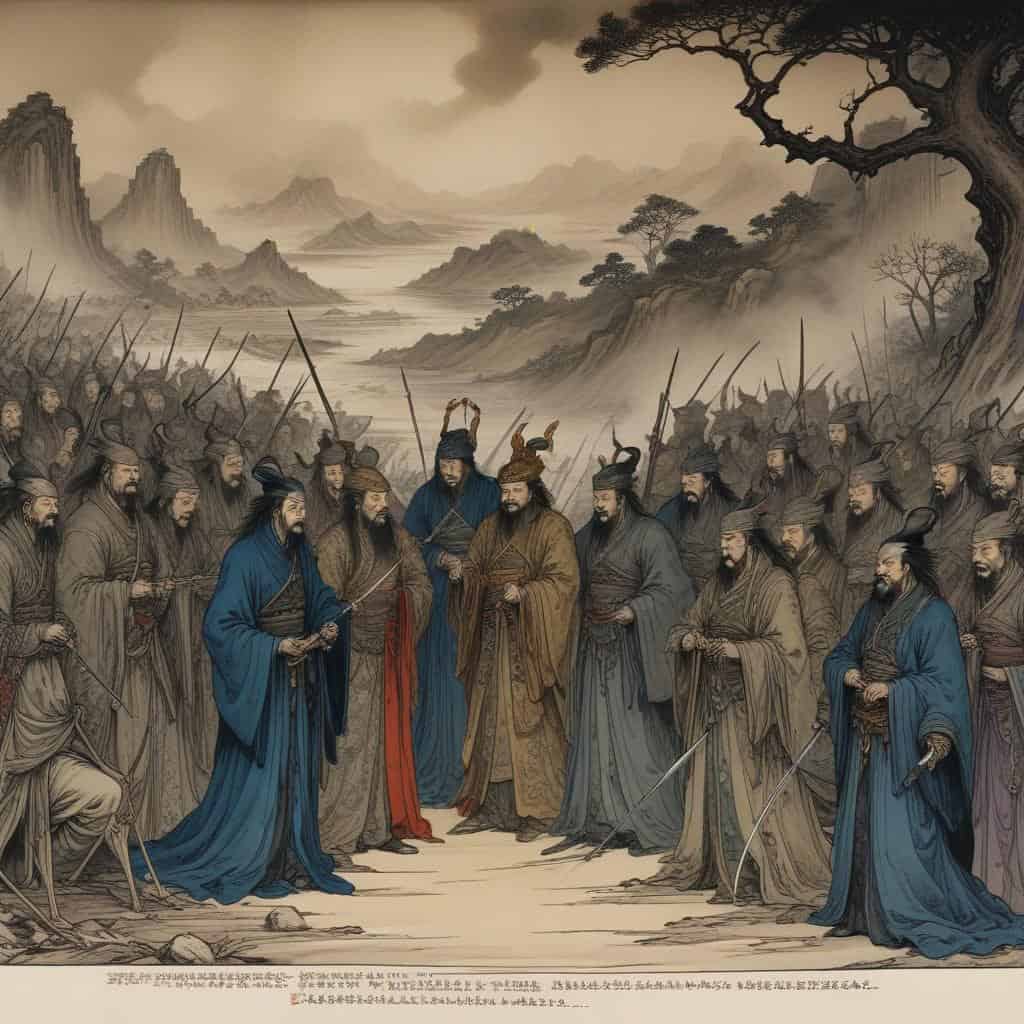
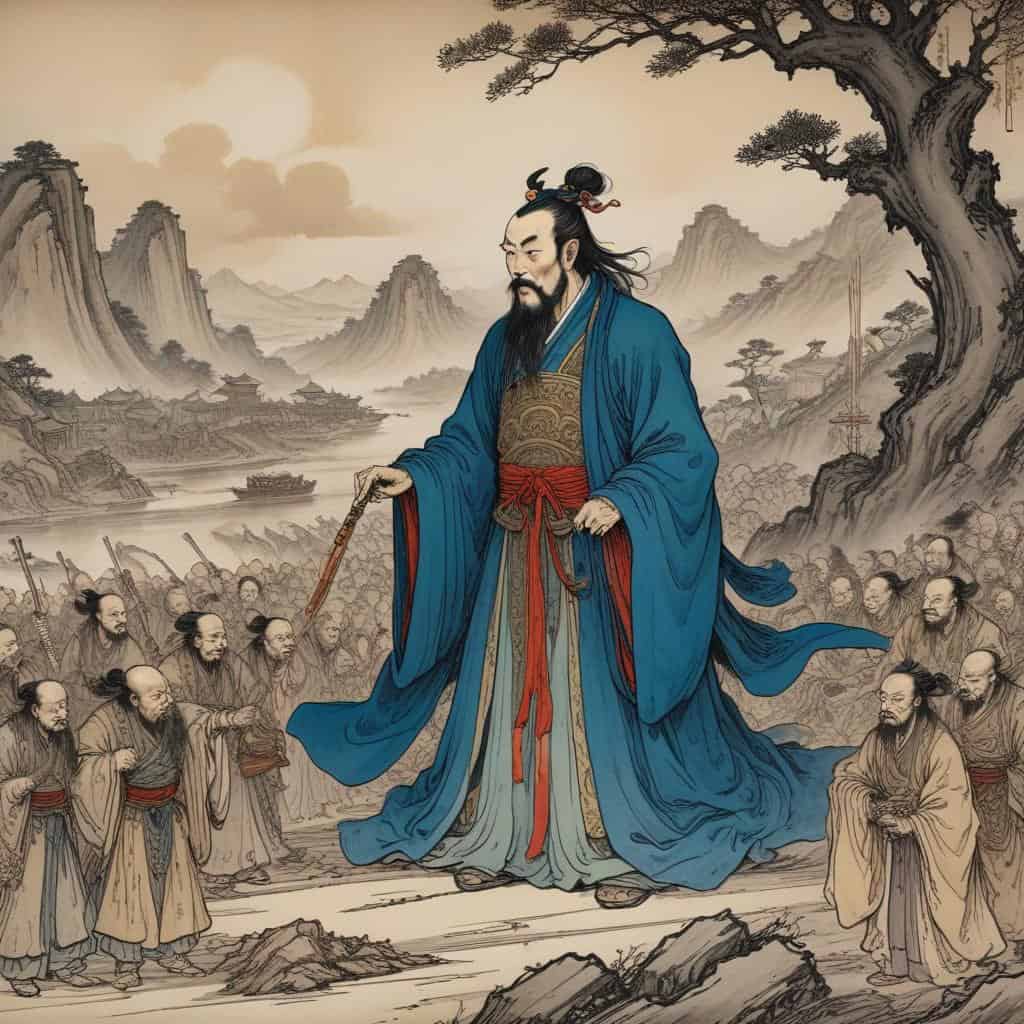
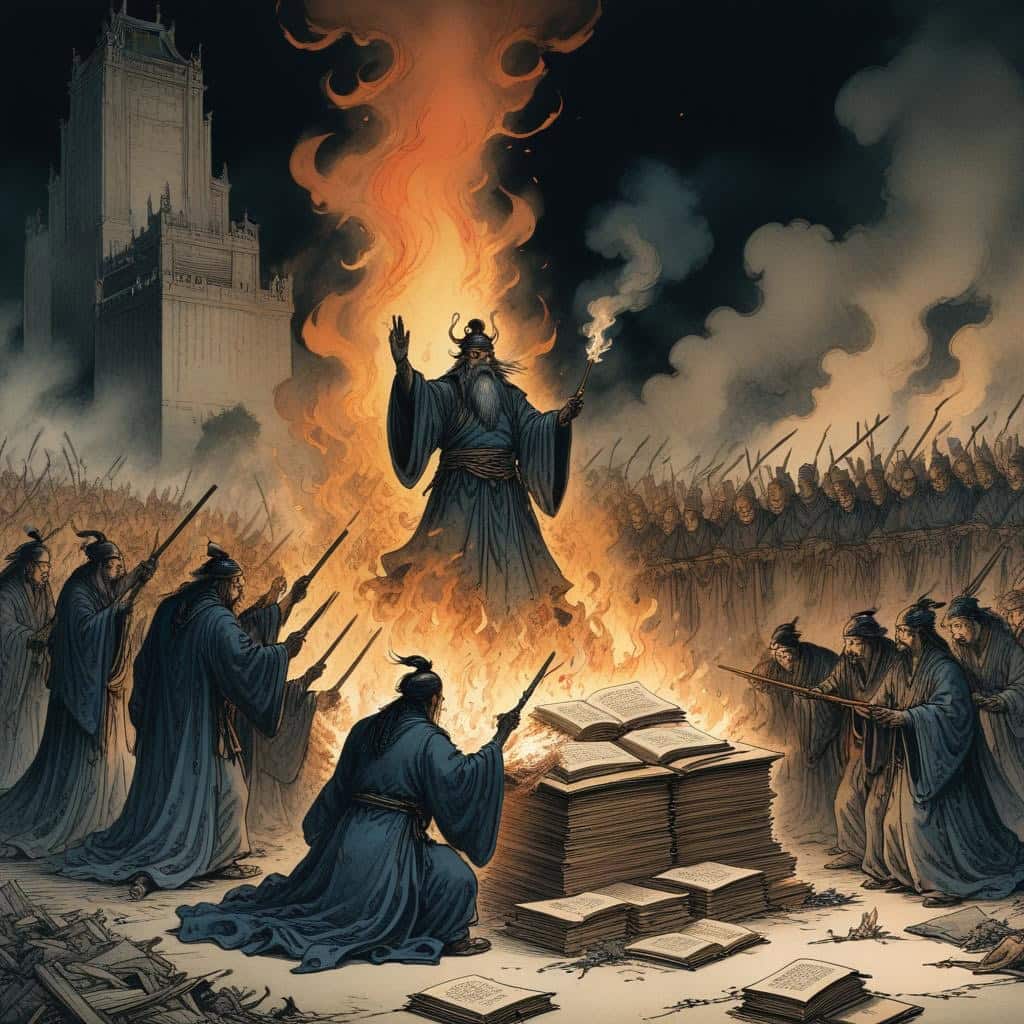
Emperor Qin Shi Huang
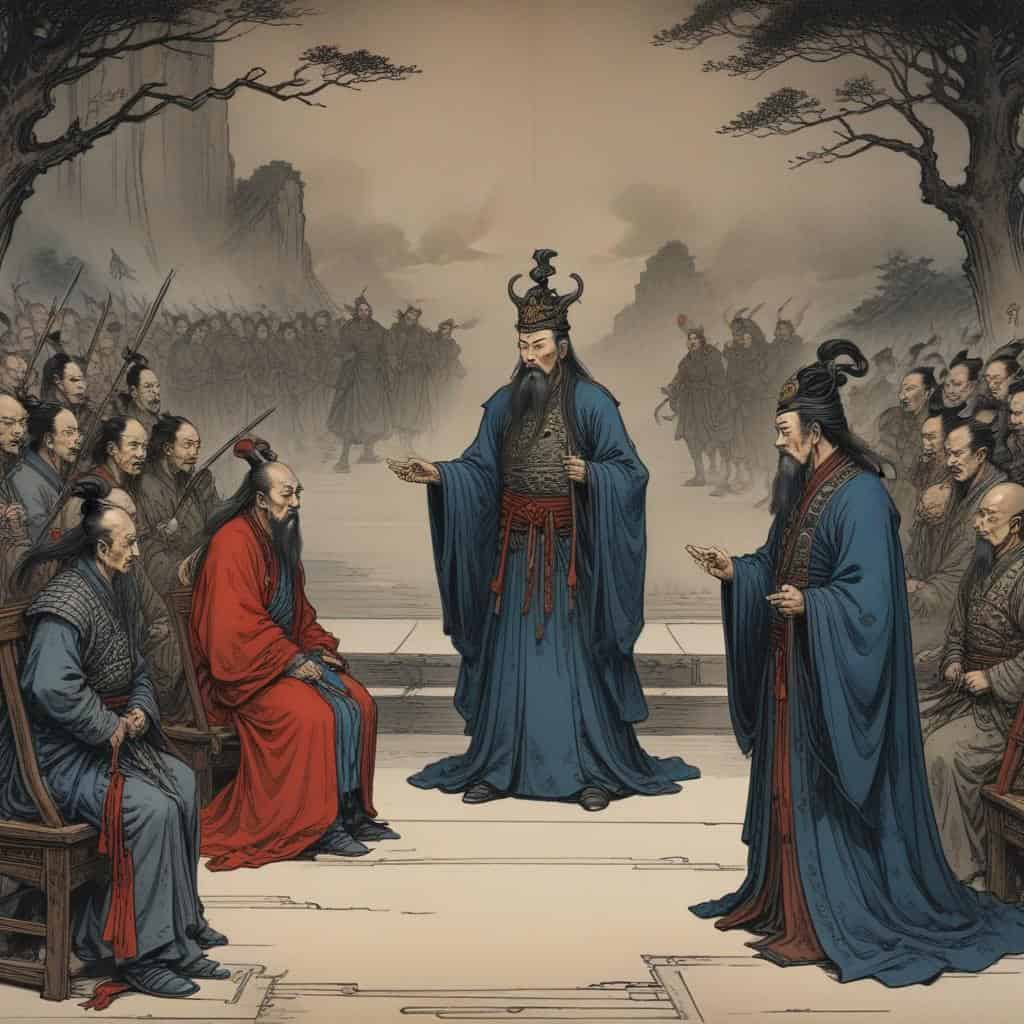
Li Si
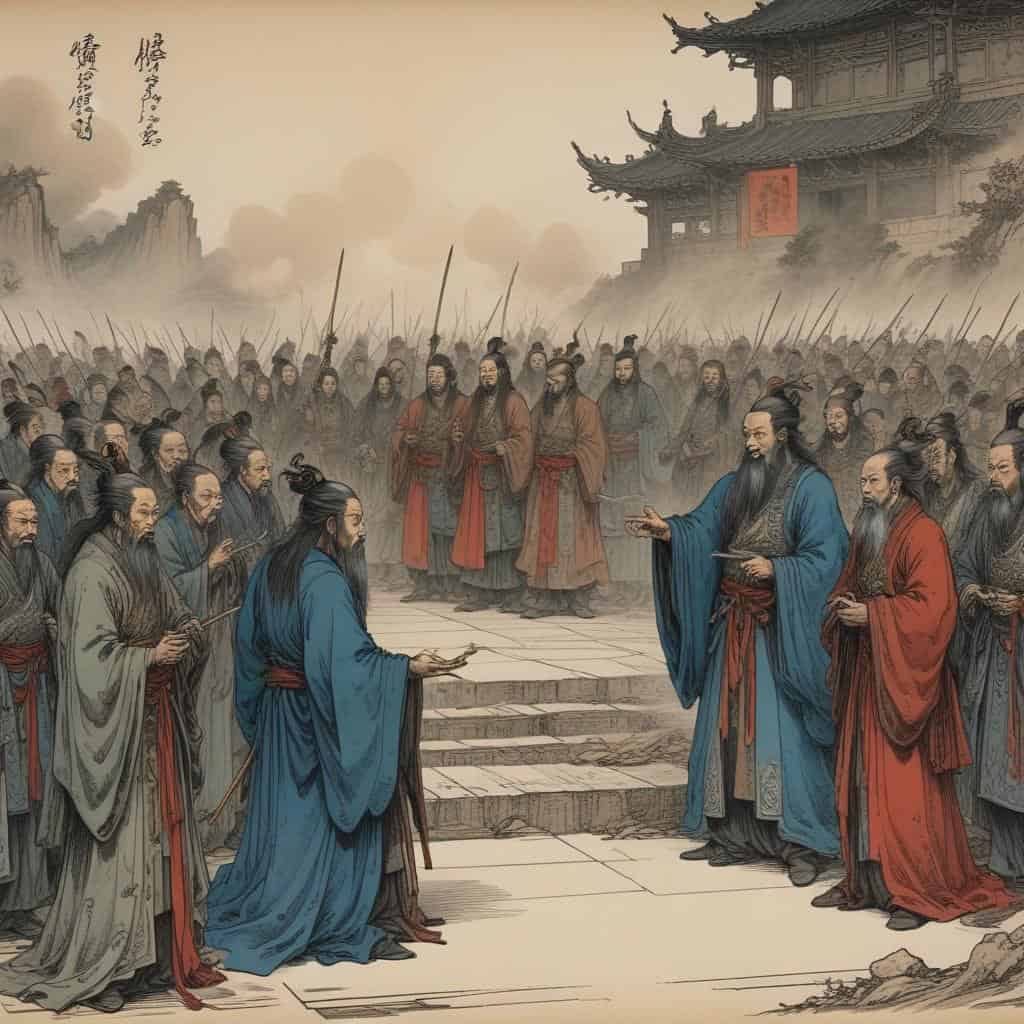
Historians and Scholars
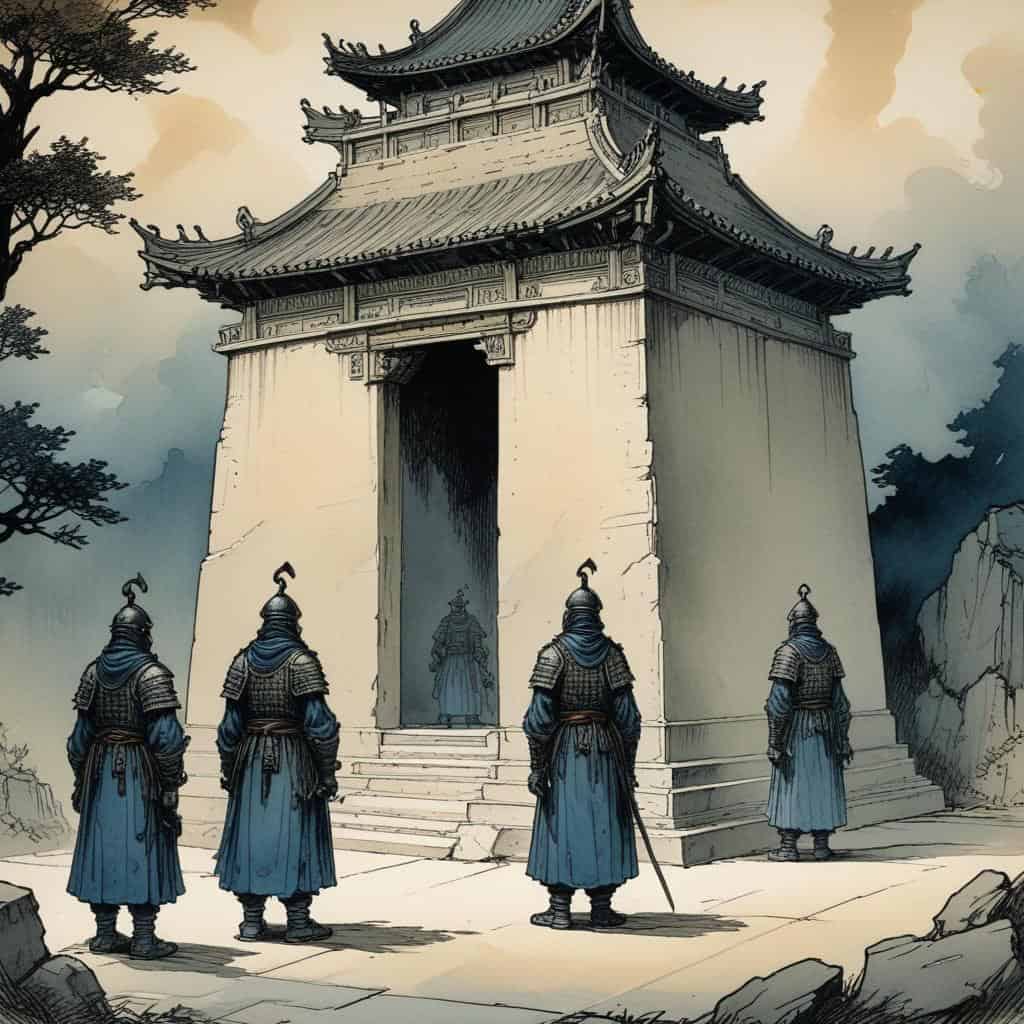
Mausoleum Guards

The Rise to Power

The Construction of the Great Wall

The Quest for Immortality

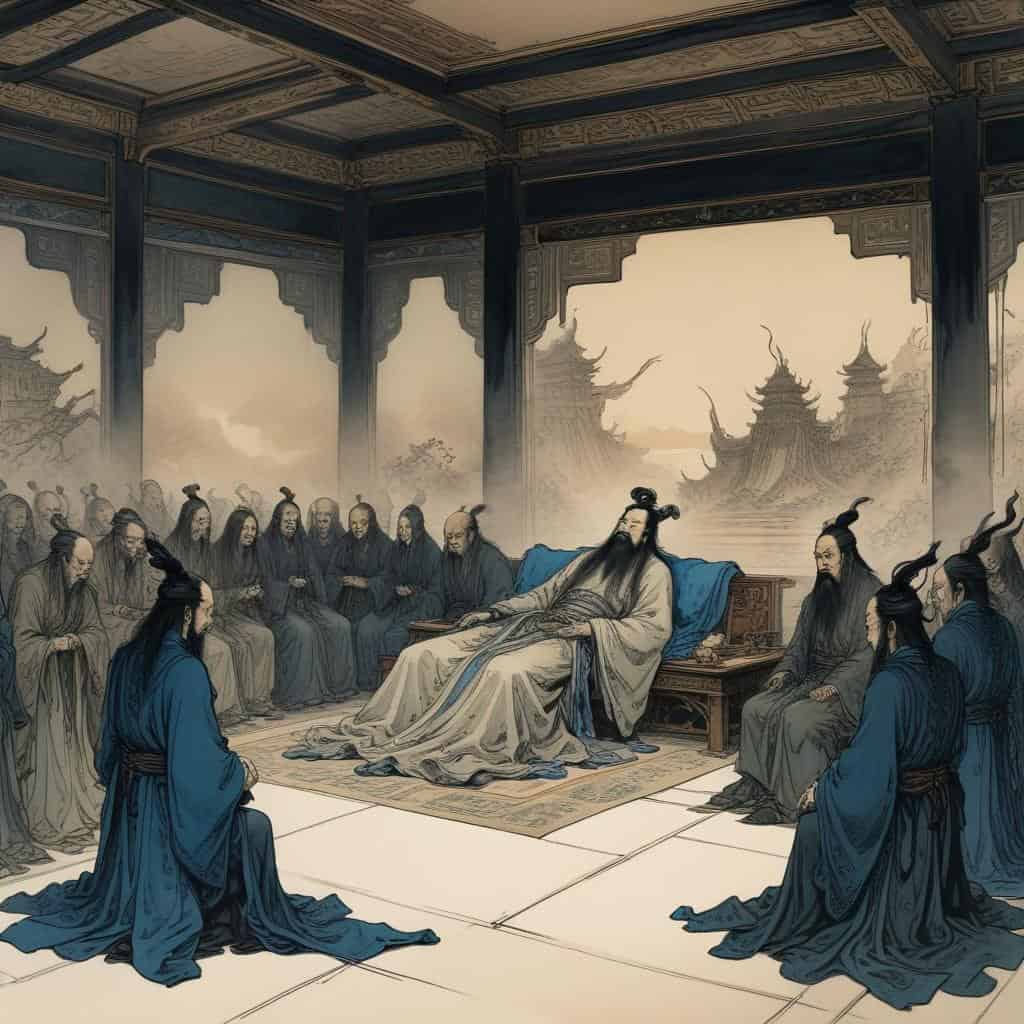
The Mysterious Death

The Power Struggle

The Fall of the Qin Dynasty

The Legacy of Emperor Qin Shi Huang

The Terracotta Army Discovery

The Enduring Mysteries
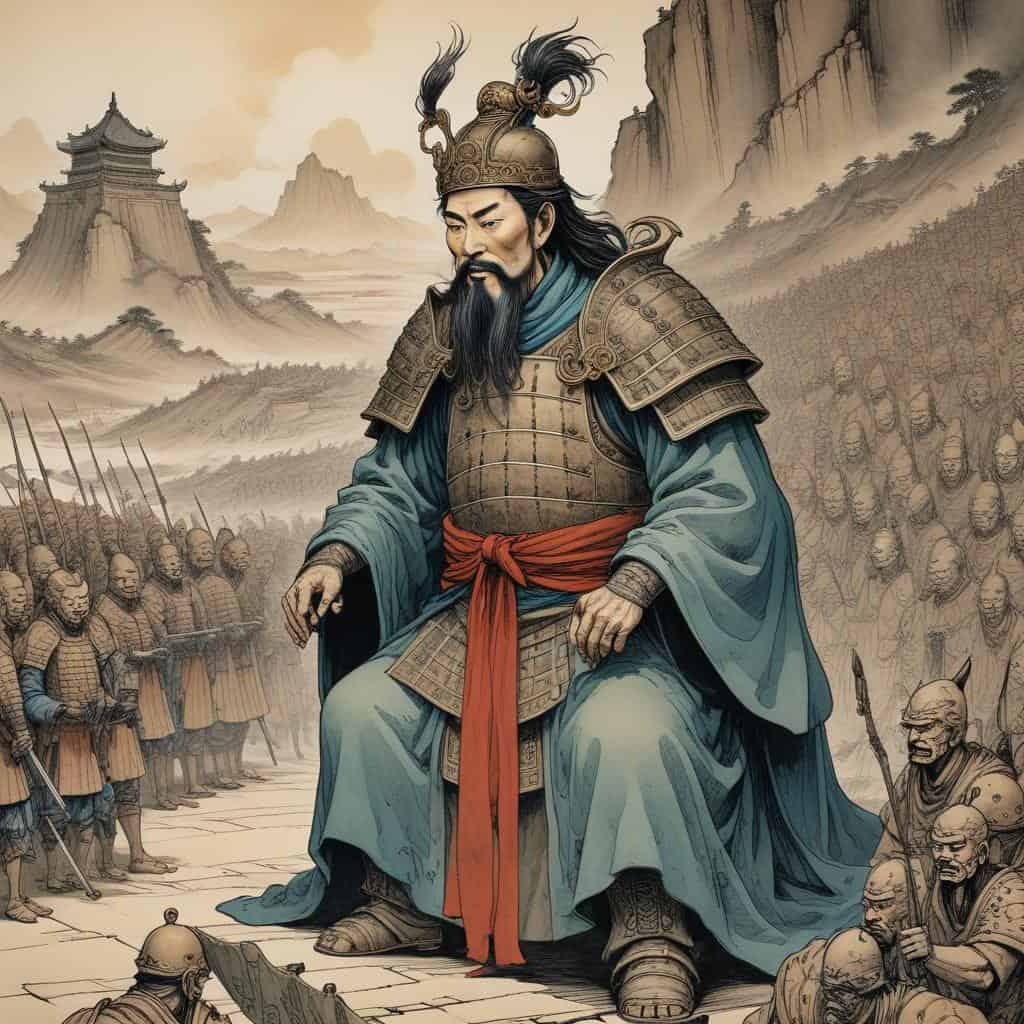
The First Emperors Lasting Impact
Lesson Details & Resources
In a Nutshell
- What: The Death of Emperor Qin Shi Huang in 210 BCE
- When: 210 BCE
- Who: Emperor Qin Shi Huang
- Outcome: The death of the first Emperor of China, leading to the collapse of the Qin Dynasty
Famous Figures in the The Death of Emperor Qin Shi Huang
-
Simaqian
Simaqian was a Chinese historian who wrote extensively about the life and reign of Emperor Qin Shi Huang.
-
Li Si
Li Si was a prominent statesman during the reign of Emperor Qin Shi Huang and played a key role in the implementation of his policies.
-
Zhao Gao
Zhao Gao was a powerful eunuch who played a significant role in the events following the death of Emperor Qin Shi Huang.
Timeline of The Death of Emperor Qin Shi Huang
Emperor Qin Shi Huang dies
His death is kept secret for several months
His son, Qin Er Shi, becomes the new emperor
Power struggles ensue among the emperor's advisors
Rebellions break out in various parts of the empire
Qin Er Shi is eventually overthrown and killed
The Qin dynasty collapses
The Han dynasty is established
The new emperor, Liu Bang, takes control
The Terracotta Army is created to protect Emperor Qin Shi Huang's tomb
Construction of the emperor's mausoleum begins
The mausoleum is completed after several years
The emperor's body is buried in the mausoleum
Various artifacts and treasures are buried with the emperor
Legends and myths surrounding the emperor's death and tomb begin to circulate
Excavations of the emperor's tomb begin centuries later
The emperor's tomb remains largely unexplored due to fears of curses
Emperor Qin Shi Huang's legacy continues to influence Chinese history and culture
Vocabulary List
- Emperor Qin Shi Huang
- The ruler of the Qin dynasty who died in 210 BCE.
- Terracotta Army
- A collection of clay soldiers buried with Emperor Qin Shi Huang to protect him in the afterlife.
- Great Wall of China
- A massive wall built during the Qin dynasty to protect against invaders.
- Legalism
- The political philosophy that Emperor Qin Shi Huang followed, emphasizing strict laws and harsh punishments.
- Unified China
- Emperor Qin Shi Huang is known for unifying the warring states of China into one empire.
- Burning of books and burying of scholars
- Emperor Qin Shi Huang ordered the destruction of many books and the killing of scholars who disagreed with his policies.
- Mercury poisoning
- Some historians believe that Emperor Qin Shi Huang's death may have been caused by ingesting mercury pills in an attempt to achieve immortality.
- Tomb complex
- Emperor Qin Shi Huang's tomb is part of a large complex that includes the Terracotta Army and has not been fully excavated.
Key Facts
This is the information used in the fact matching game
- Emperor Qin Shi Huang died in 210 BCE at the age of 49.
- It is believed that Emperor Qin Shi Huang died from ingesting mercury pills in an attempt to achieve immortality.
- The emperor's death led to a power struggle among his successors, ultimately leading to the downfall of the Qin Dynasty.
- Emperor Qin Shi Huang's tomb is believed to contain a vast underground palace filled with treasures and elaborate traps to deter grave robbers.
- The emperor's death marked the end of his ambitious plans to unify China and standardize its laws, currency, and writing system.
- The emperor's death also led to the construction of the famous Terracotta Army, which was meant to protect him in the afterlife.
- The Terracotta Army is made up of thousands of life-sized clay soldiers, horses, and chariots.
- The emperor's tomb has yet to be fully excavated, as archaeologists fear damaging the artifacts inside.
- The emperor's death left a power vacuum that was eventually filled by the Han Dynasty, which ruled China for over 400 years.
- Emperor Qin Shi Huang's death is shrouded in mystery and conspiracy theories, with some suggesting foul play was involved.
- The emperor's death led to the burning of many books and the burying of scholars alive, as part of his efforts to suppress dissent.
- The emperor's death was followed by a period of civil war and unrest, as different factions vied for control of the empire.
- Emperor Qin Shi Huang was known for his brutal and tyrannical rule, leading to resentment and opposition among his subjects.
- The emperor's death marked the beginning of a new era in Chinese history, with the rise of the Han Dynasty and the eventual unification of China.
- The emperor's death is a subject of fascination and study for historians and archaeologists, who continue to uncover new insights into his life and reign.
- Emperor Qin Shi Huang's death had a lasting impact on Chinese culture and society, shaping the course of history for centuries to come.
- The emperor's death was a turning point in Chinese history, marking the end of the Warring States period and the beginning of the Imperial era.
- The emperor's death left a legacy of fear and oppression, as his ruthless methods of rule continued to influence Chinese governance for generations.
- The emperor's death was met with both mourning and relief by the people of China, who had suffered under his rule but feared the chaos that might follow.
- The emperor's death remains a subject of debate and speculation among historians, who continue to uncover new evidence and theories about the circumstances surrounding his demise.
Analysis & Significance
Immediate Consequences
The death of Emperor Qin Shi Huang in 210 BCE led to immediate turmoil and power struggles within the Qin Dynasty. His sudden passing left a power vacuum that resulted in political instability and unrest among his successors, ultimately leading to the collapse of the dynasty.
Long-Term Impact
The death of Emperor Qin Shi Huang had a profound impact on Chinese history. It marked the end of the Qin Dynasty and paved the way for the rise of the Han Dynasty, which would go on to shape China’s political and cultural landscape for centuries to come. Additionally, his death also had lasting effects on the construction of the Terracotta Army and the legacy of his rule.
Cultural Significance Today
The death of Emperor Qin Shi Huang continues to hold cultural significance today as it serves as a reminder of the fleeting nature of power and the importance of succession planning in leadership. His legacy is remembered through the awe-inspiring Terracotta Army, which attracts millions of visitors each year and stands as a testament to his ambition and influence on Chinese history.
The Death of Emperor Qin Shi Huang Games


Take Your Learning Offline
Want a convenient, print-ready study guide for this lesson? Become a Memory Wizards Pro member to unlock the downloadable " Memory Scrolls" for this topic and our entire library!
- ✓ Complete Vocabulary Lists
- ✓ Key Facts & Timelines
- ✓ Beautifully Formatted for Print & Mobile