
Summary of Kingdom of Songhai
Uncover the legendary rise and fall of the Kingdom of Songhai.
How Do You Learn Best?
Learn by Listening
Start with the 3-minute audio summary to get the key facts and narrative highlights quickly.
Learn by Reading
Immerse yourself in the 10-minute visual lesson for a comprehensive understanding of the topic.
Learn by Reviewing
Jump directly to the key facts, timeline, and vocabulary lists to build a solid foundation of details.
Learn by Doing
Challenge yourself! Jump straight into the interactive games to learn by trial, error, and discovery.
Audio Library
As one of our featured lessons, this topic includes premium audio guides.
Unlock the Wizard's Cram Session
This powerful audio study guide is a Pro-exclusive feature. Upgrade to Memory Wizards Pro to access this and all of our premium learning tools.
Upgrade to ProKingdom of Songhai in 10 Minutes
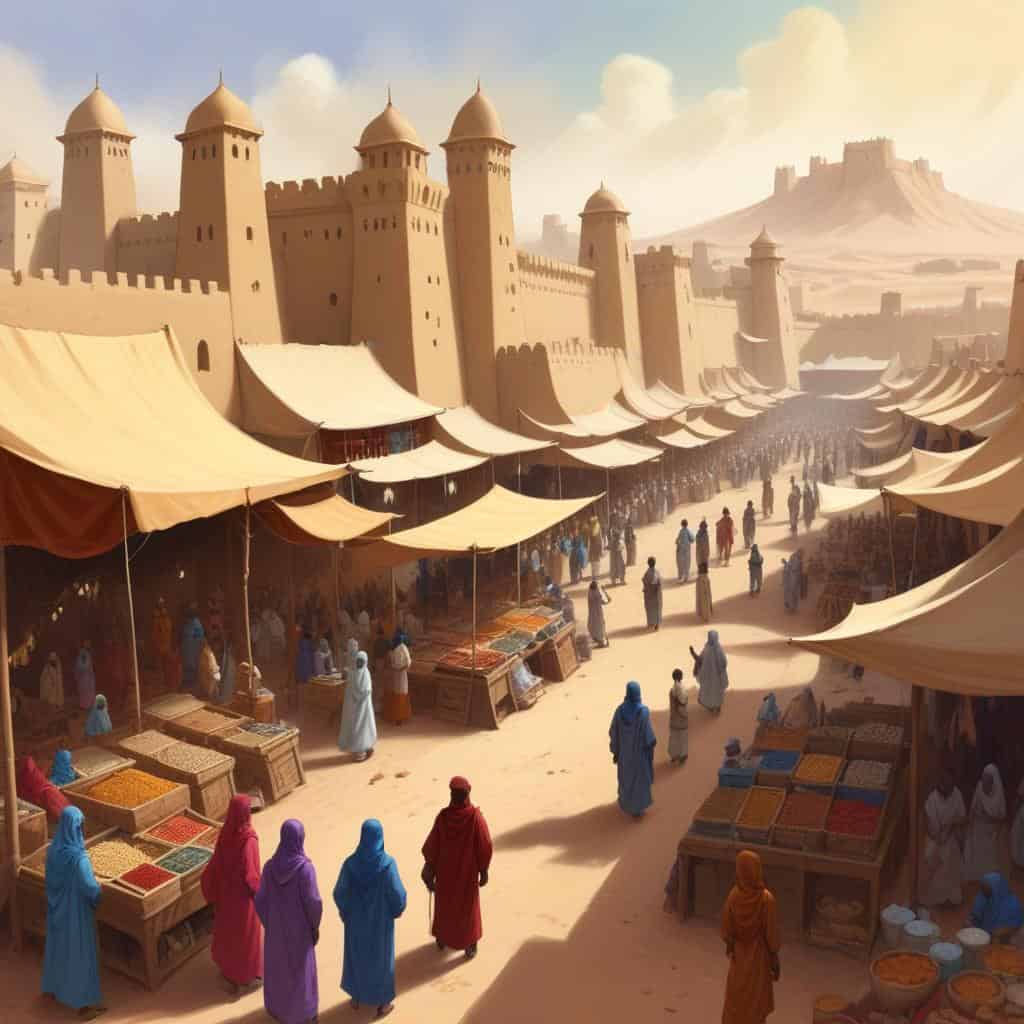
Introduction
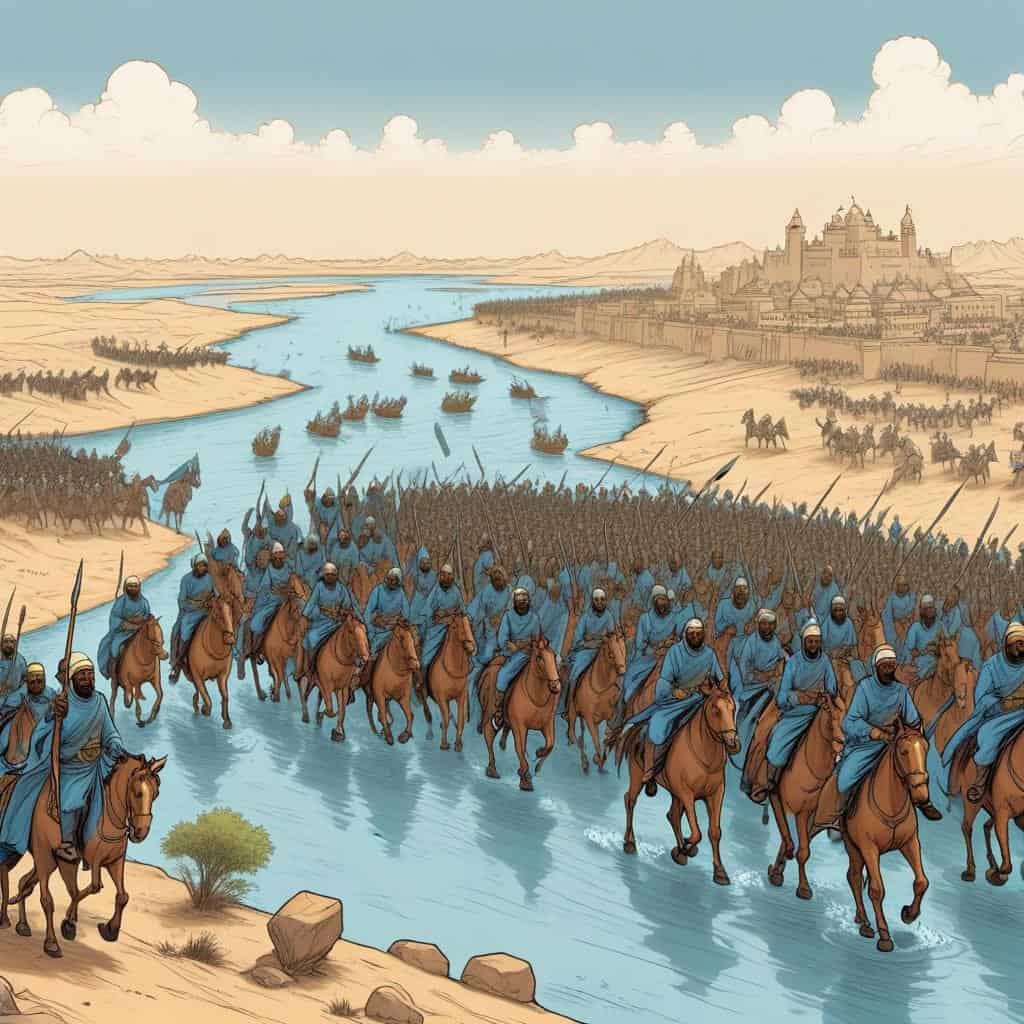
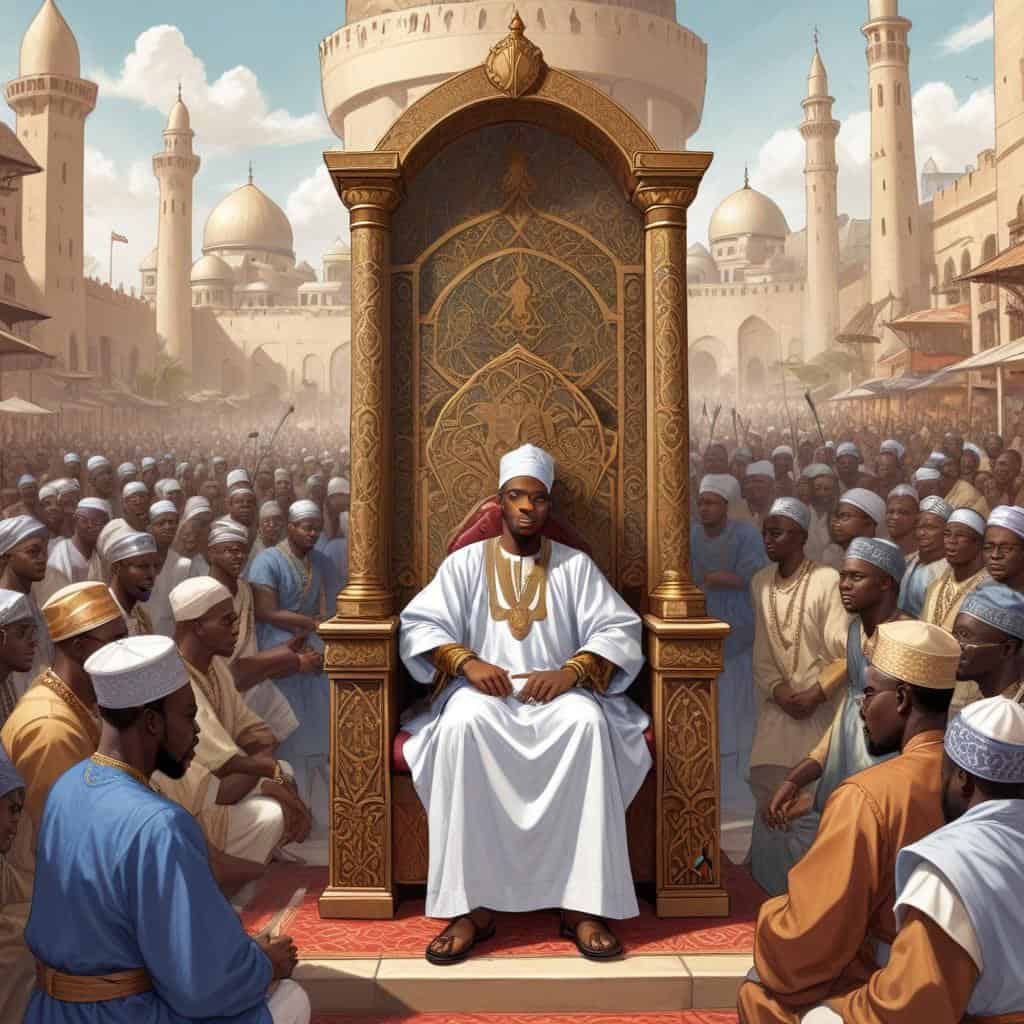
Askia Muhammad
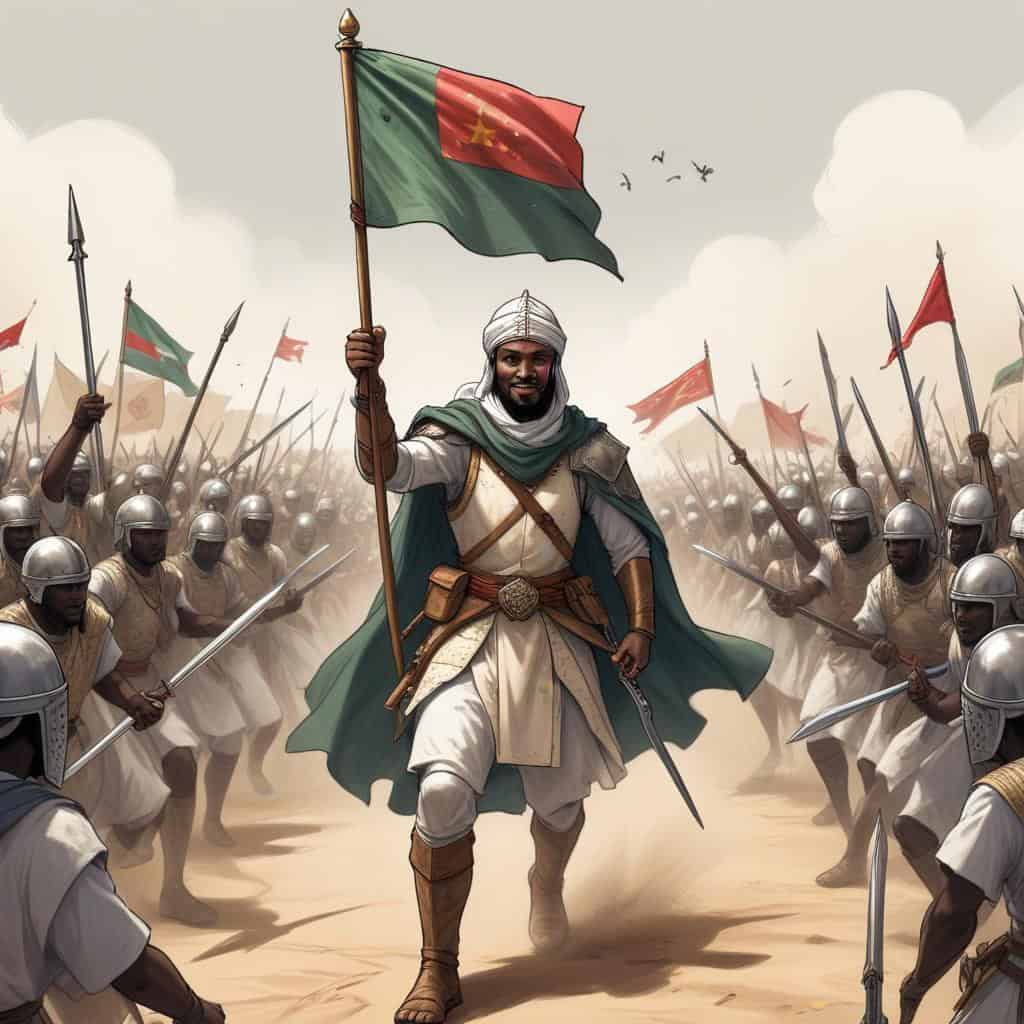
Sunni Ali Ber
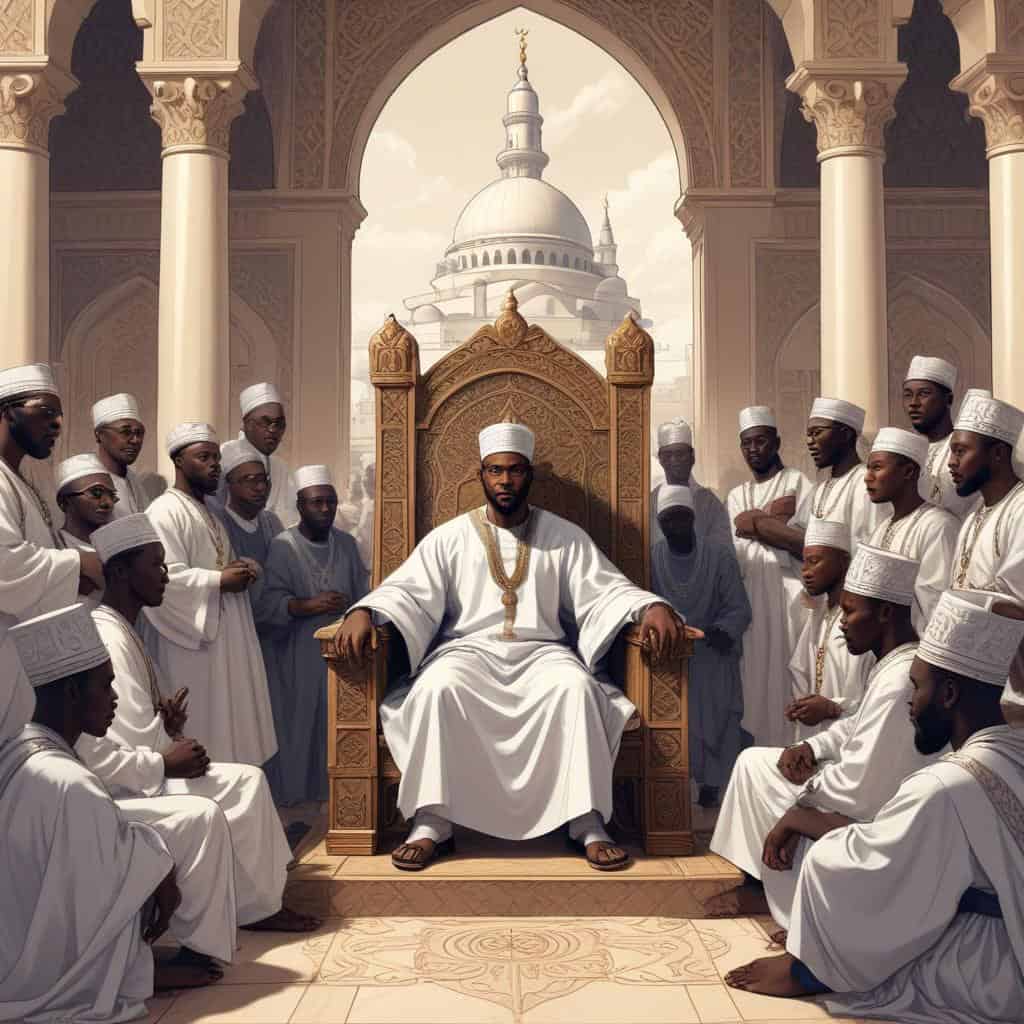
Askia the Great
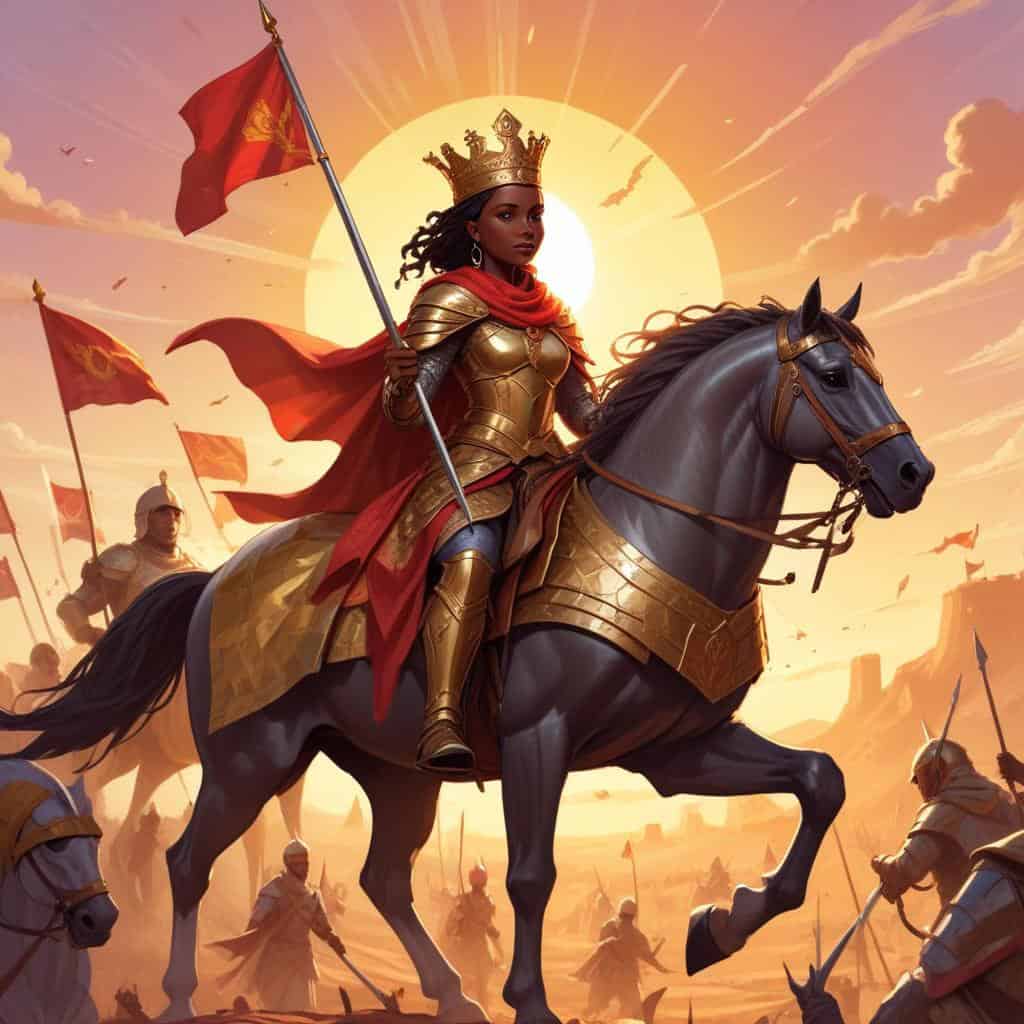
Queen Amina

Rise of the Kingdom of Songhai

Expansion and Conquest

Golden Age of Songhai

Decline and Fall

Economy and Trade

Religion and Culture

Government and Administration
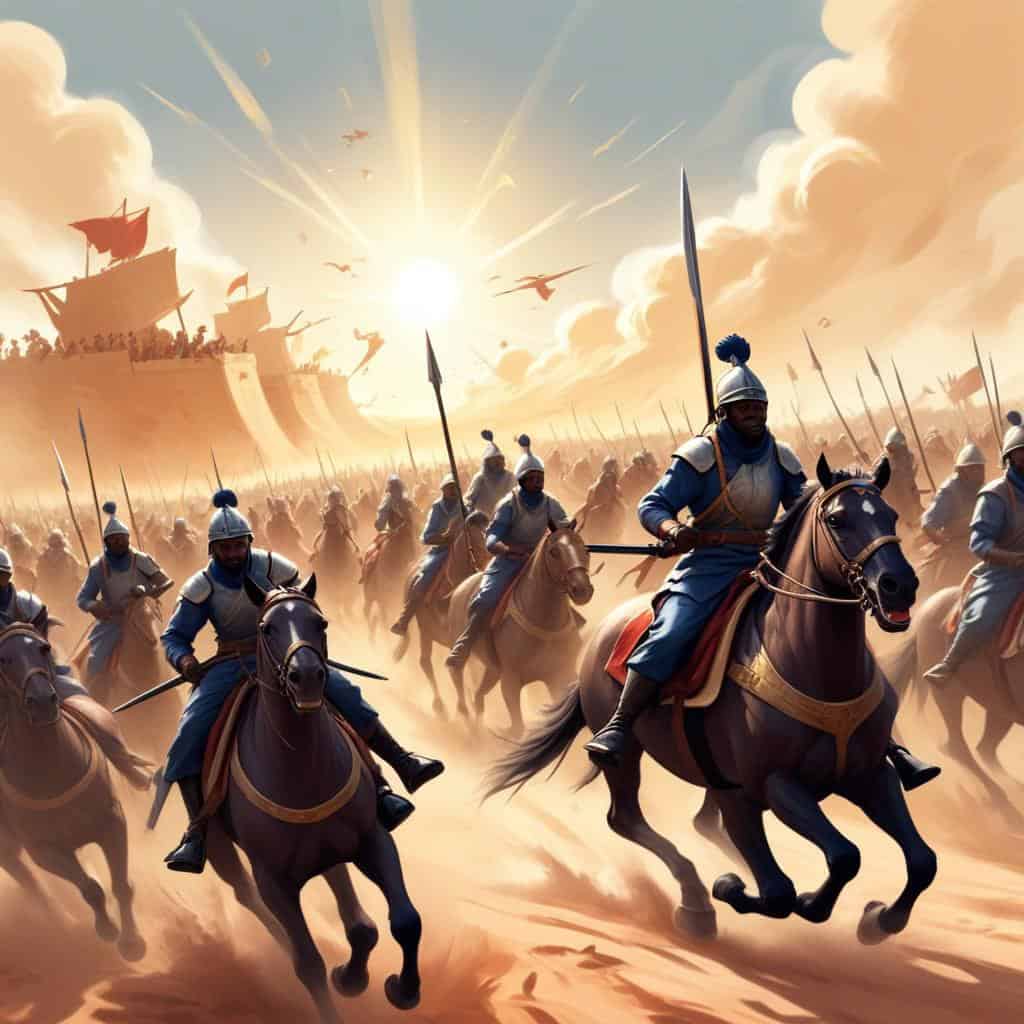
Military and Warfare

Legacy of Songhai

Exploration and Rediscovery

Lesson Details & Resources
In a Nutshell
- What: A powerful West African kingdom known for its wealth and strong military
- When: 15th to 16th centuries
- Who: Sunni Ali, Askia Muhammad, Moroccan invaders
- Outcome: Flourishing trade, advanced scholarship, and cultural growth in the region
Famous Figures in the Kingdom of Songhai
-
Askia Mohammed
Askia Mohammed was a ruler of the Songhai Empire during its golden age.
-
Askia the Great
Askia the Great, also known as Askia I, expanded the Songhai Empire to its greatest extent.
-
Sonni Ali
Sonni Ali was the founder of the Songhai Empire and a skilled military leader.
-
Askia Daoud
Askia Daoud was a ruler of the Songhai Empire who was known for his religious tolerance and cultural achievements.
Timeline of Kingdom of Songhai
Foundation of the Kingdom of Songhai
Songhai Empire established
Sonni Ali conquers Timbuktu
Askia Muhammad I becomes ruler of Songhai
Songhai reaches its peak under Askia Daoud
Battle of Tondibi, Songhai defeated by Moroccan forces
Songhai Empire collapses
Moroccan forces capture the city of Gao
Moroccan forces capture the city of Timbuktu
Moroccan forces capture the city of Djenne
Songhai resistance continues with the Dendi Kingdom
French forces occupy the region
Songhai region becomes part of French West Africa
Independence from France, becomes part of Mali
Drought and famine in the region
Tuareg Rebellion in northern Mali
Civil war in Mali, including Songhai region
Peace agreement signed between Mali government and rebel groups
UN peacekeeping mission in Mali
Cultural revival of Songhai heritage and traditions
Vocabulary List
- Timbuktu
- Timbuktu was a major city in the Kingdom of Songhai and served as a center of trade and learning.
- Askia the Great
- Askia the Great was a famous ruler of the Songhai Empire known for his military conquests and promotion of Islam.
- Gao
- Gao was the capital city of the Songhai Empire and played a key role in its political and economic activities.
- Mansa Musa
- Mansa Musa was a wealthy and powerful ruler of the neighboring Mali Empire who had diplomatic relations with the Kingdom of Songhai.
- Trans-Saharan trade
- The Kingdom of Songhai benefited from the trans-Saharan trade route, which connected West Africa with North Africa and the Mediterranean region.
- Islam
- Islam was a major religion in the Kingdom of Songhai, influencing its culture, government, and trade practices.
- Sundiata Keita
- Sundiata Keita was the founder of the Mali Empire and had interactions with the Kingdom of Songhai.
- Jihad
- The rulers of the Kingdom of Songhai used the concept of jihad to justify their military campaigns and expansion of territory.
- Salt and gold trade
- The Kingdom of Songhai participated in the lucrative trade of salt and gold, which were highly valued commodities in medieval West Africa.
Key Facts
This is the information used in the fact matching game
- The Kingdom of Songhai was one of the largest African empires in history.
- It was located in West Africa, primarily in what is now Mali and Niger.
- The Songhai Empire reached its peak in the 15th and 16th centuries.
- The capital city of the Songhai Empire was Gao.
- The Songhai Empire was known for its skilled military and efficient bureaucracy.
- The empire controlled important trade routes across the Sahara Desert.
- The Songhai Empire was a major center of Islamic learning and scholarship.
- The empire was eventually conquered by the Moroccan army in 1591.
- The Songhai Empire was ruled by a series of powerful kings, including Sunni Ali and Askia Muhammad.
- The economy of the Songhai Empire was based on agriculture, trade, and mining.
- The empire had a complex system of government with different levels of administration.
- The Songhai Empire was known for its impressive architecture, including mosques and palaces.
- The empire had a powerful army that included cavalry, infantry, and archers.
- The Songhai Empire traded with North Africa, Europe, and the Middle East.
- The empire had a strong navy that patrolled the Niger River.
- The fall of the Songhai Empire led to the rise of other West African kingdoms, such as the Mali Empire.
- The Songhai Empire was known for its elaborate court ceremonies and festivals.
- The empire had a diverse population that included Muslims, Christians, and animists.
- The Songhai Empire left a lasting impact on West African culture, art, and architecture.
- The Kingdom of Songhai is often considered a successor to the Mali Empire.
Analysis & Significance
Immediate Consequences
The rise of the Kingdom of Songhai in West Africa brought about immediate consequences such as increased trade and cultural exchange across the Sahara Desert. The wealth and power of Songhai attracted the attention of European powers, leading to conflicts over control of the lucrative trans-Saharan trade routes.
Long-Term Impact
The Kingdom of Songhai had a lasting impact on the history of West Africa. It played a key role in the spread of Islam in the region and established a powerful empire that influenced the political and social structures of neighboring societies for centuries to come.
Cultural Significance Today
The legacy of the Kingdom of Songhai can still be seen in the cultural practices and traditions of modern West African societies. Its rich history and achievements continue to inspire pride and admiration among the descendants of the Songhai people, reminding us of the important contributions of African civilizations to world history.
Kingdom of Songhai Games


Take Your Learning Offline
Want a convenient, print-ready study guide for this lesson? Become a Memory Wizards Pro member to unlock the downloadable " Memory Scrolls" for this topic and our entire library!
- ✓ Complete Vocabulary Lists
- ✓ Key Facts & Timelines
- ✓ Beautifully Formatted for Print & Mobile