
Summary of Kingdom of Nri
Uncover the ancient mysteries of the legendary Kingdom of Nri.
How Do You Learn Best?
Learn by Listening
Start with the 3-minute audio summary to get the key facts and narrative highlights quickly.
Learn by Reading
Immerse yourself in the 10-minute visual lesson for a comprehensive understanding of the topic.
Learn by Reviewing
Jump directly to the key facts, timeline, and vocabulary lists to build a solid foundation of details.
Learn by Doing
Challenge yourself! Jump straight into the interactive games to learn by trial, error, and discovery.
Audio Library
As one of our featured lessons, this topic includes premium audio guides.
Unlock the Wizard's Cram Session
This powerful audio study guide is a Pro-exclusive feature. Upgrade to Memory Wizards Pro to access this and all of our premium learning tools.
Upgrade to ProKingdom of Nri in 10 Minutes
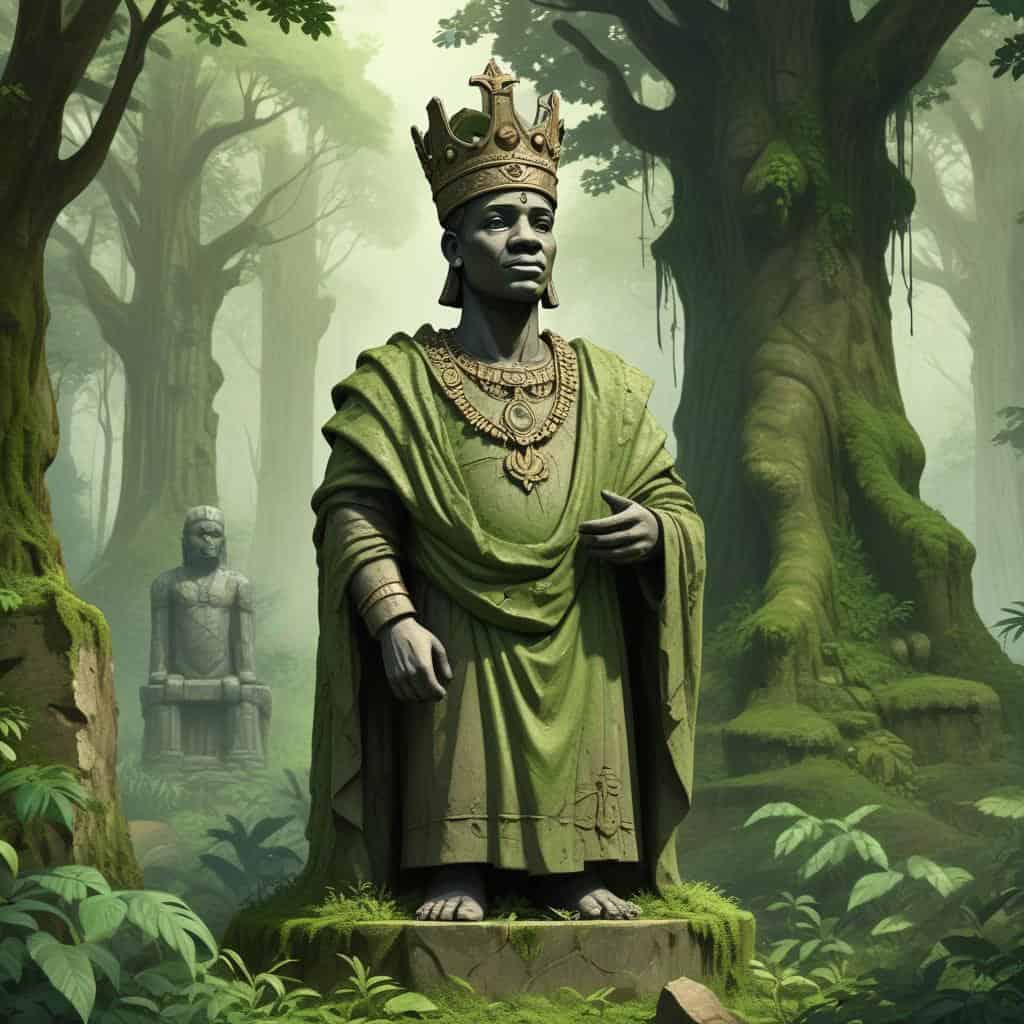
Introduction
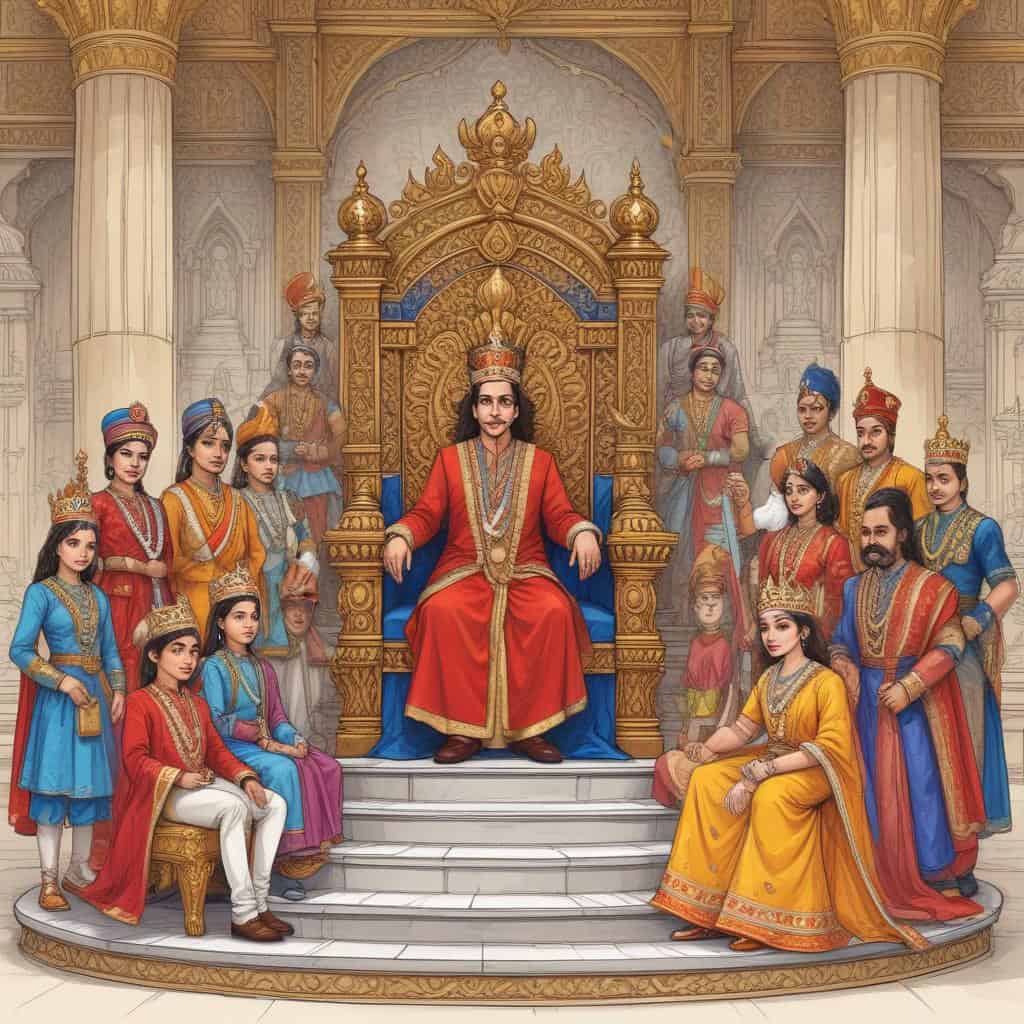
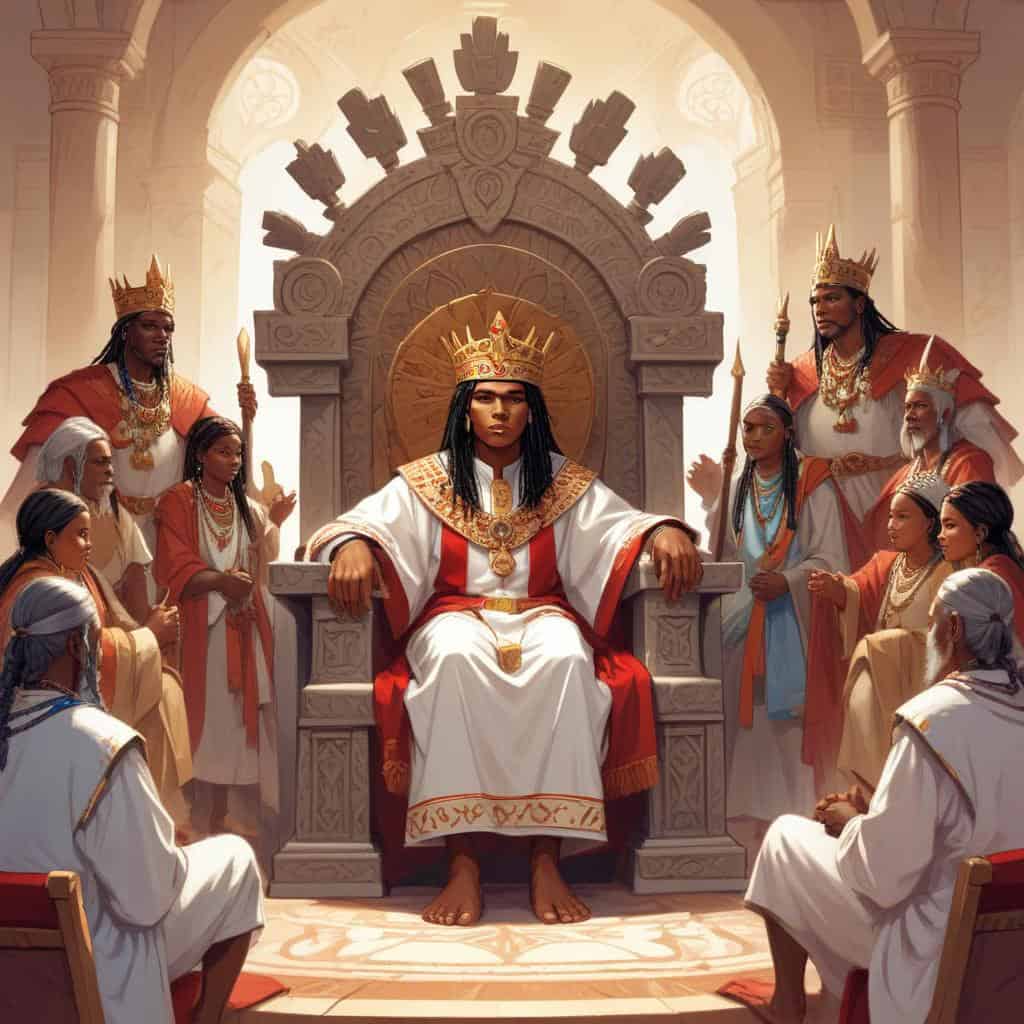
1. Eze Nri
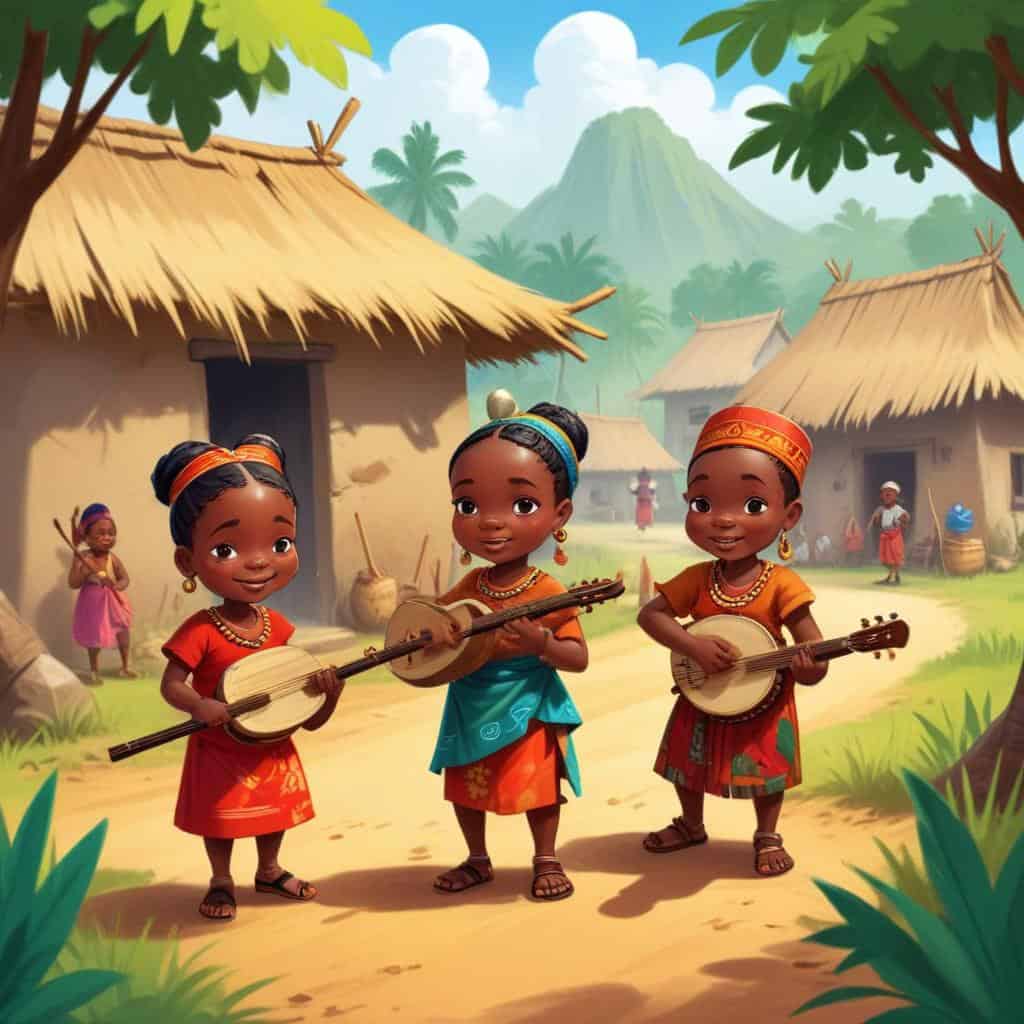
2. Nd? Igbo
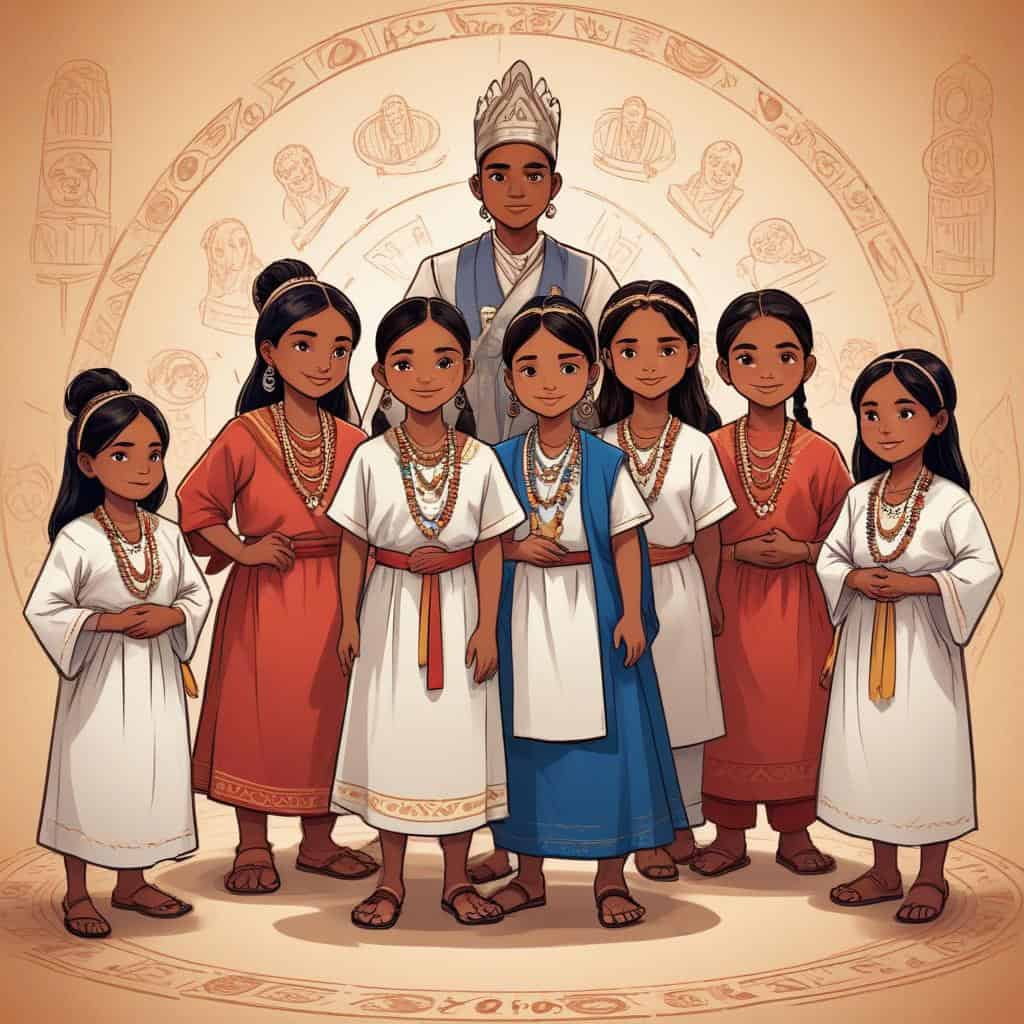
3. Ozo Title Holders
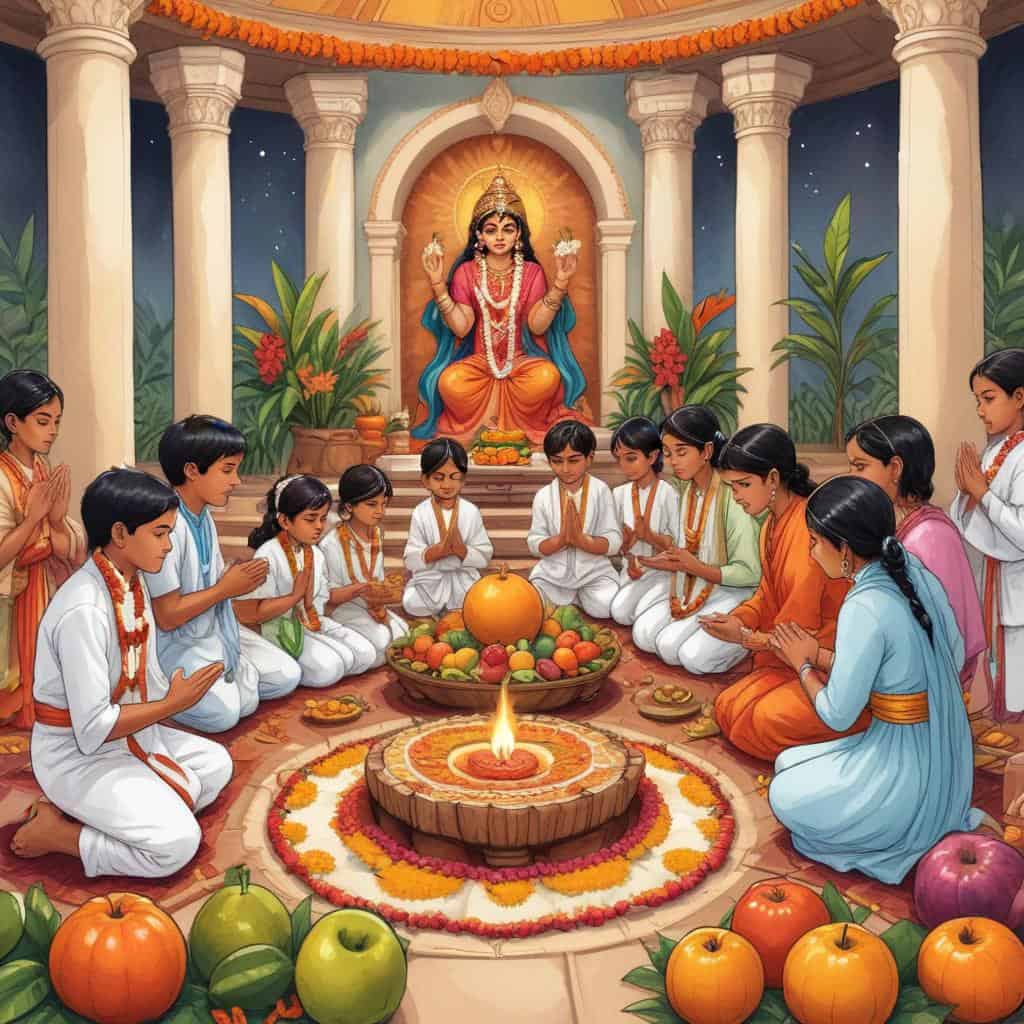
4. Ala deity
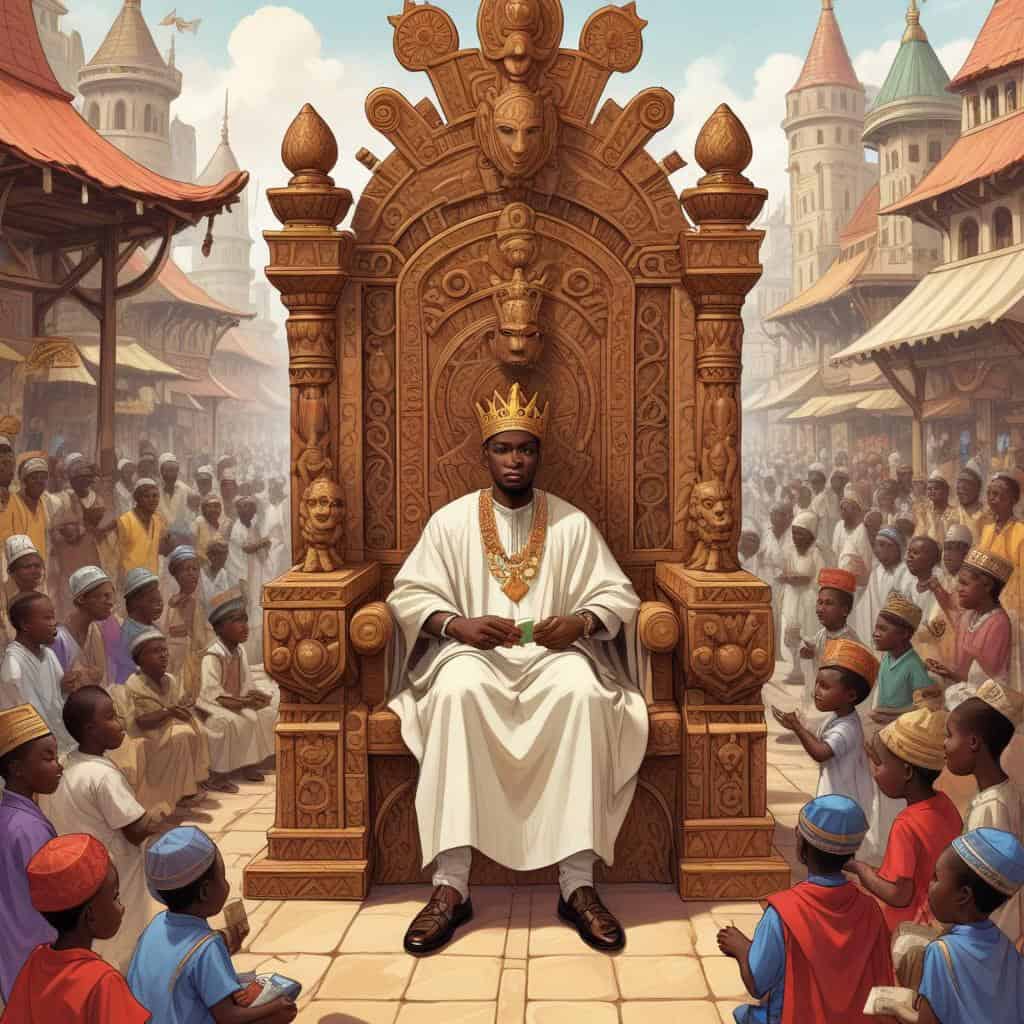
1. Origin of Kingdom of Nri
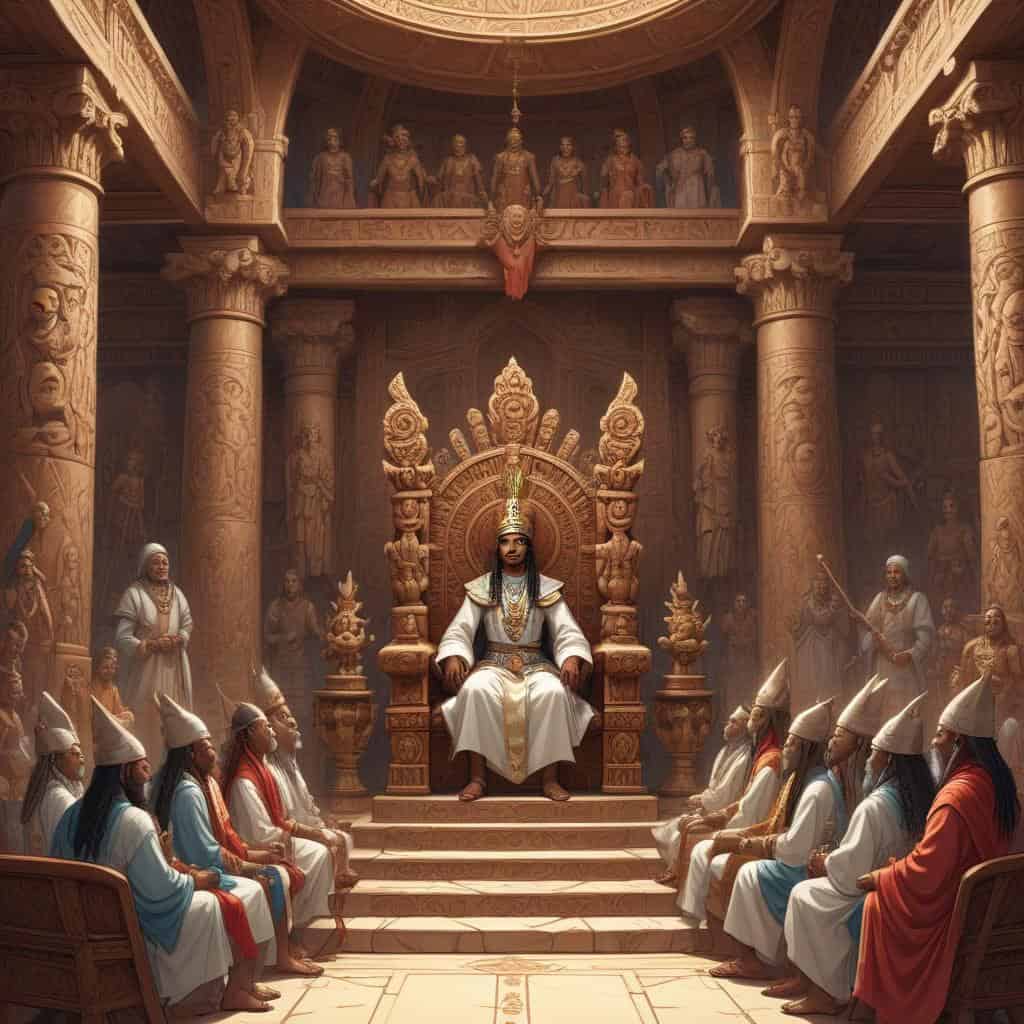
2. Political Organization

3. Religious Practices

4. Social Structure

5. Influence and Expansion

6. Decline of the Kingdom

7. Legacy of the Kingdom
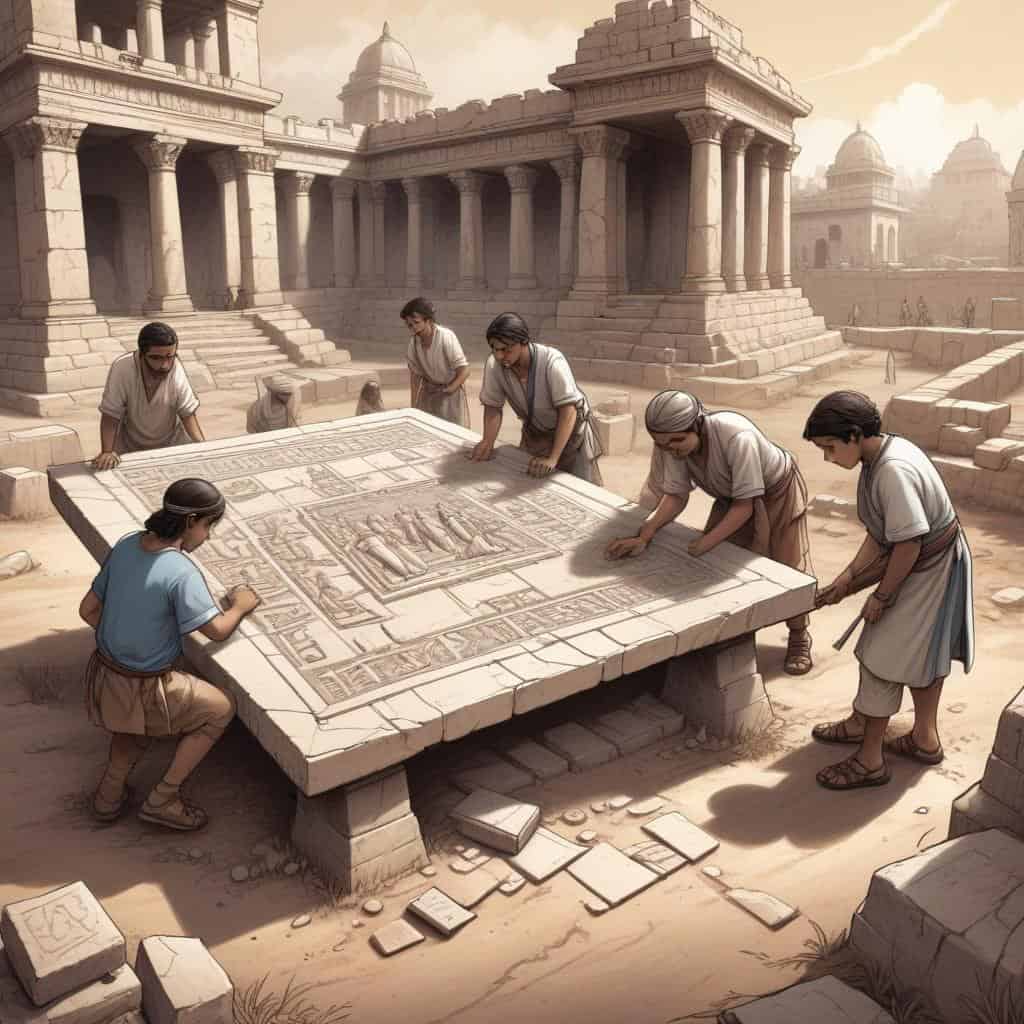
8. Archaeological Discoveries
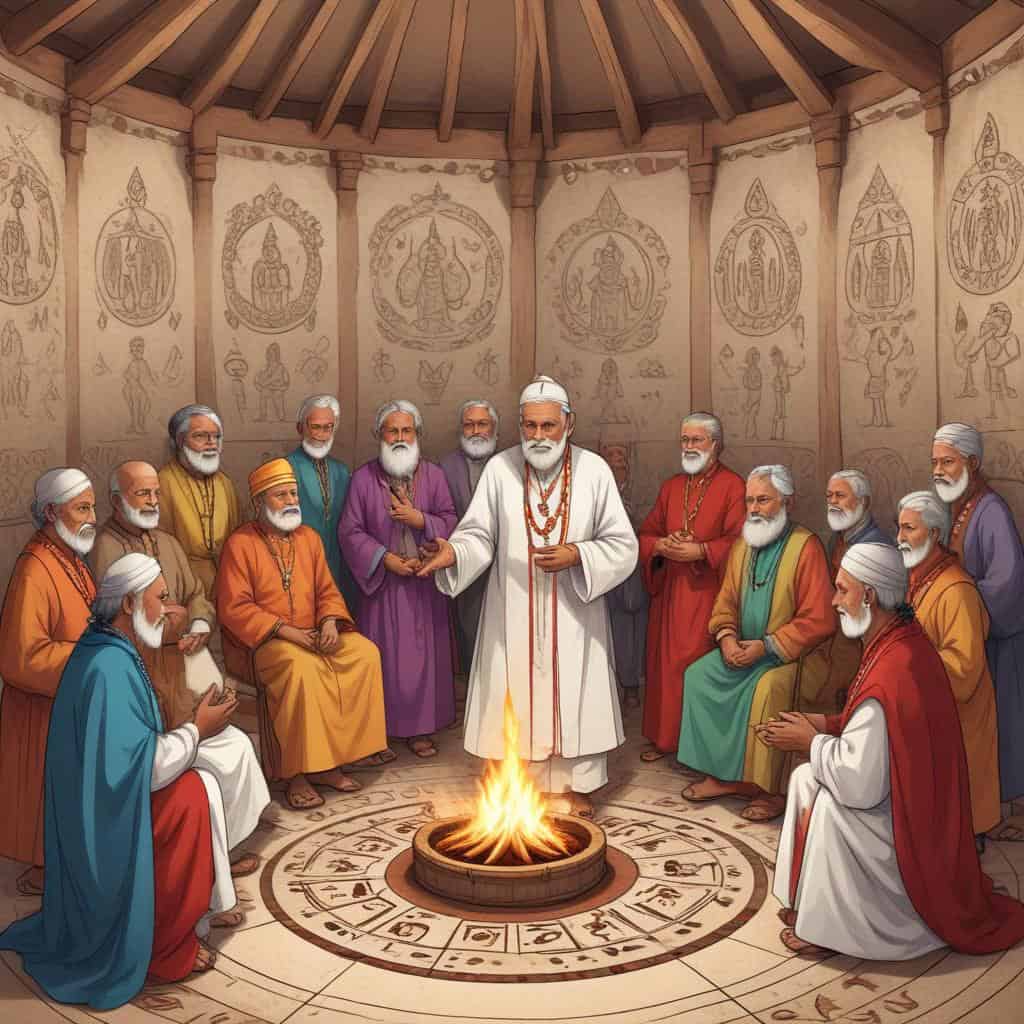
9. Cultural Significance

10. Continued Research and Exploration
Lesson Details & Resources
In a Nutshell
- What: A pre-colonial kingdom in present-day Nigeria.
- When: 10th to 15th centuries
- Who: The Igbo people
- Outcome: Known for its political organization and influence on the region.
Famous Figures in the Kingdom of Nri
-
Eze Nri
Eze Nri was the traditional ruler of the Kingdom of Nri, considered the founder of the kingdom.
-
Aguleri
Aguleri was a legendary figure in Nri mythology, said to have been the first priest-king of Nri.
-
Nri Enweleana
Nri Enweleana was a prominent king of Nri who expanded the influence of the kingdom.
-
Nri Ikwu
Nri Ikwu was a powerful ruler of Nri who established many of the customs and traditions of the kingdom.
Timeline of Kingdom of Nri
Foundation of the Kingdom of Nri
Establishment of a monarchical system of government
Consolidation of power and expansion of territory
Introduction of the 'Eze Nri' title for the ruler
Peak of Nri influence and power in the region
Integration of Igbo communities into the Nri Kingdom
Rise of the Aro Confederacy as a rival power in the region
Decline of Nri influence and power
British colonization and subjugation of Nri Kingdom
Nri Kingdom becomes part of the British colonial administration
Independence of Nigeria and dissolution of Nri Kingdom
Recognition of Nri Kingdom as a cultural and historical site
Vocabulary List
- Nri
- The Kingdom of Nri was a pre-colonial Igbo state in present-day Nigeria.
- Eze Nri
- The Eze Nri was the ruler of the Kingdom of Nri and was considered a spiritual leader.
- Igala
- The Igala people were neighbors of the Kingdom of Nri and had diplomatic relations with them.
- Ozo
- The Ozo title was a prestigious title given to important individuals in the Kingdom of Nri.
- Nze
- The Nze title was also a title of importance in the Kingdom of Nri.
- Oji
- The Oji festival was an important ceremony in the Kingdom of Nri that celebrated the new yam harvest.
Key Facts
This is the information used in the fact matching game
- The Kingdom of Nri was a pre-colonial Igbo kingdom in present-day Nigeria.
- It was founded in the 10th century by Eri, a prince from the Igala Kingdom.
- Nri was known for its centralized political system and sacred religious practices.
- The Eze Nri was the spiritual and political leader of the kingdom.
- Nri had a complex caste system with titles such as Ozo and Nze.
- The kingdom had a powerful military force that helped maintain its influence in the region.
- Nri was a major center of trade and cultural exchange in West Africa.
- The kingdom was known for its skilled craftsmen and artists.
- Nri's influence extended to other Igbo communities and neighboring kingdoms.
- The decline of Nri began in the 19th century due to internal conflicts and external pressures.
- The kingdom was eventually absorbed into the British colonial administration in Nigeria.
- Nri's political and religious institutions influenced the development of other Igbo societies.
- The kingdom had a strict code of conduct that governed social interactions and behavior.
- Nri was known for its oral traditions and storytelling culture.
- The kingdom had a system of divination and ritual practices that guided decision-making.
- Nri's capital city was a sacred place with shrines and temples dedicated to ancestral spirits.
- The kingdom had a rich cultural heritage that continues to influence Igbo identity today.
- Nri was known for its egalitarian social structure and emphasis on communal values.
- The kingdom had a system of tribute and taxation that supported its economy.
- Nri's art and architecture reflected its spiritual beliefs and cultural traditions.
Analysis & Significance
Immediate Consequences
The establishment of the Kingdom of Nri in present-day Nigeria brought about immediate consequences in the region. It led to the centralization of power and authority, creating a stable political structure that allowed for economic growth and cultural development.
Long-Term Impact
The Kingdom of Nri had a lasting impact on the history and culture of the Igbo people. It set a precedent for future political systems in the region and influenced the development of Igbo society. The legacy of the Kingdom of Nri can still be seen in the traditions and customs of the Igbo people today.
Cultural Significance Today
Today, the Kingdom of Nri is remembered as a symbol of Igbo unity and resilience. It serves as a reminder of the rich history and cultural heritage of the Igbo people. The principles and values of the Kingdom of Nri continue to influence Igbo society and are celebrated as part of their cultural identity.
Kingdom of Nri Games


Take Your Learning Offline
Want a convenient, print-ready study guide for this lesson? Become a Memory Wizards Pro member to unlock the downloadable " Memory Scrolls" for this topic and our entire library!
- ✓ Complete Vocabulary Lists
- ✓ Key Facts & Timelines
- ✓ Beautifully Formatted for Print & Mobile