
Summary of Kingdom of Kongo
Uncover the secrets of the powerful Kingdom of Kongo.
How Do You Learn Best?
Learn by Listening
Start with the 3-minute audio summary to get the key facts and narrative highlights quickly.
Learn by Reading
Immerse yourself in the 10-minute visual lesson for a comprehensive understanding of the topic.
Learn by Reviewing
Jump directly to the key facts, timeline, and vocabulary lists to build a solid foundation of details.
Learn by Doing
Challenge yourself! Jump straight into the interactive games to learn by trial, error, and discovery.
Audio Library
As one of our featured lessons, this topic includes premium audio guides.
Unlock the Wizard's Cram Session
This powerful audio study guide is a Pro-exclusive feature. Upgrade to Memory Wizards Pro to access this and all of our premium learning tools.
Upgrade to ProKingdom of Kongo in 10 Minutes
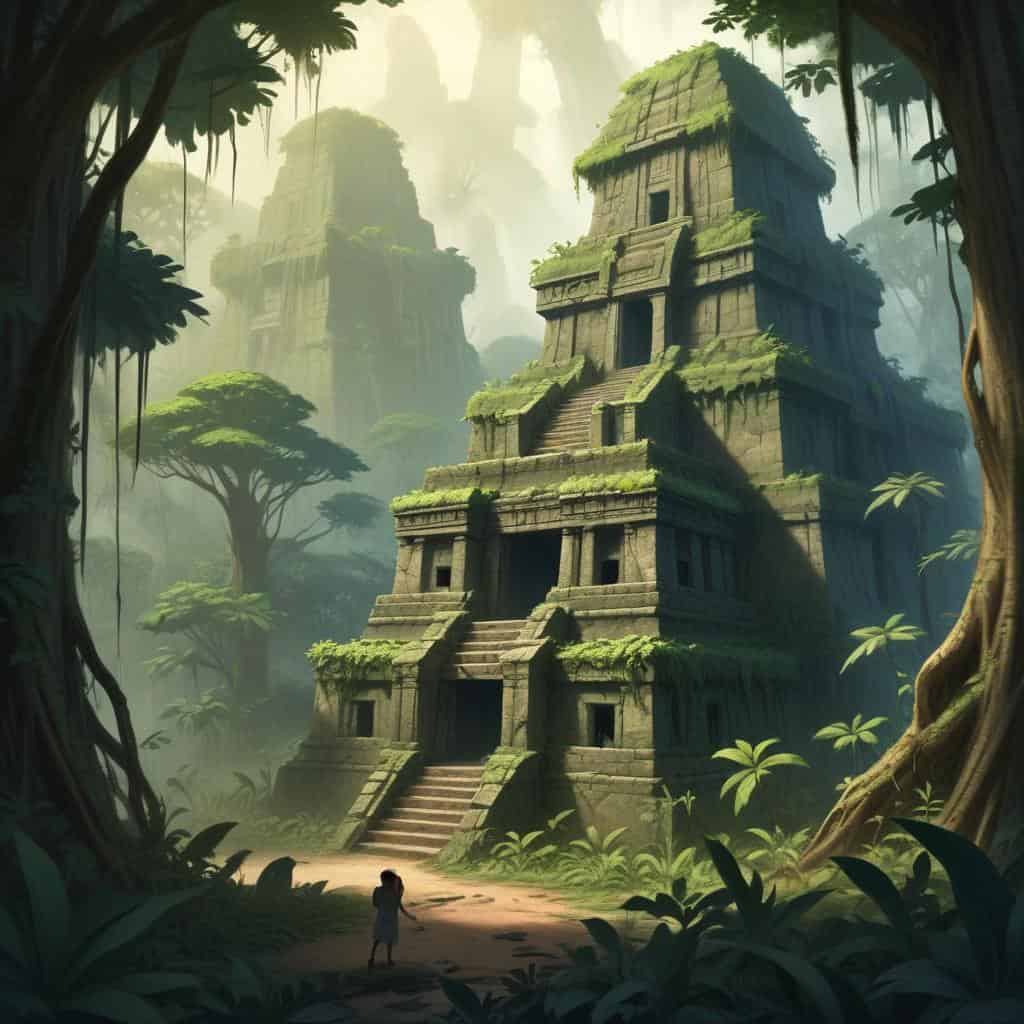
Introduction
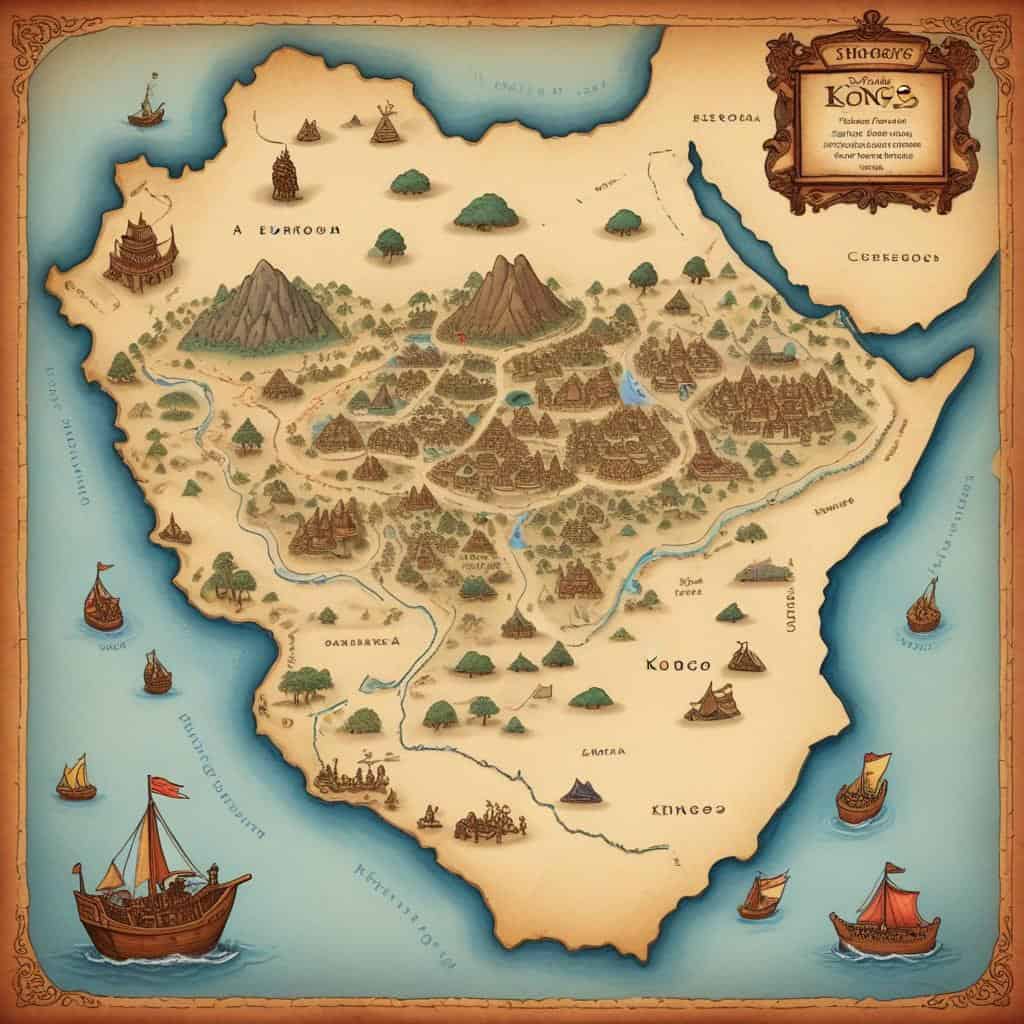
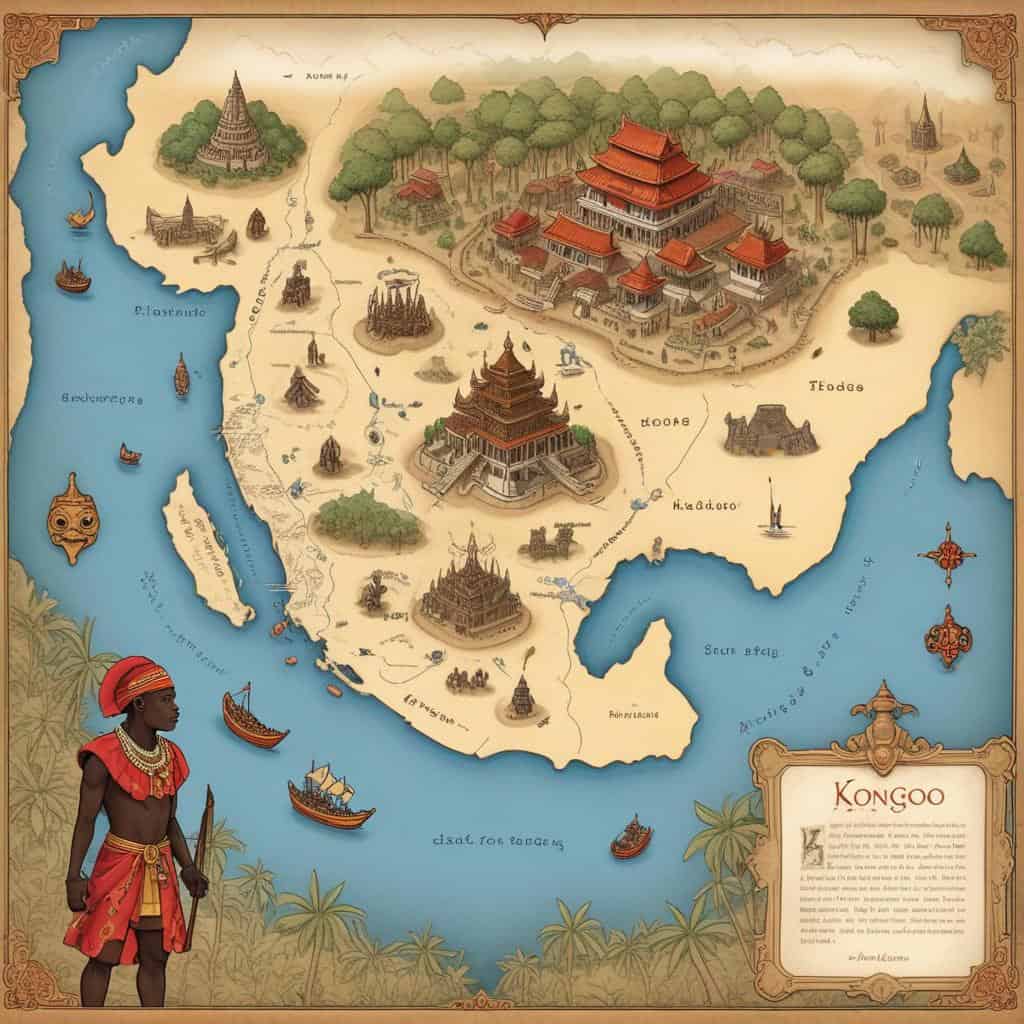
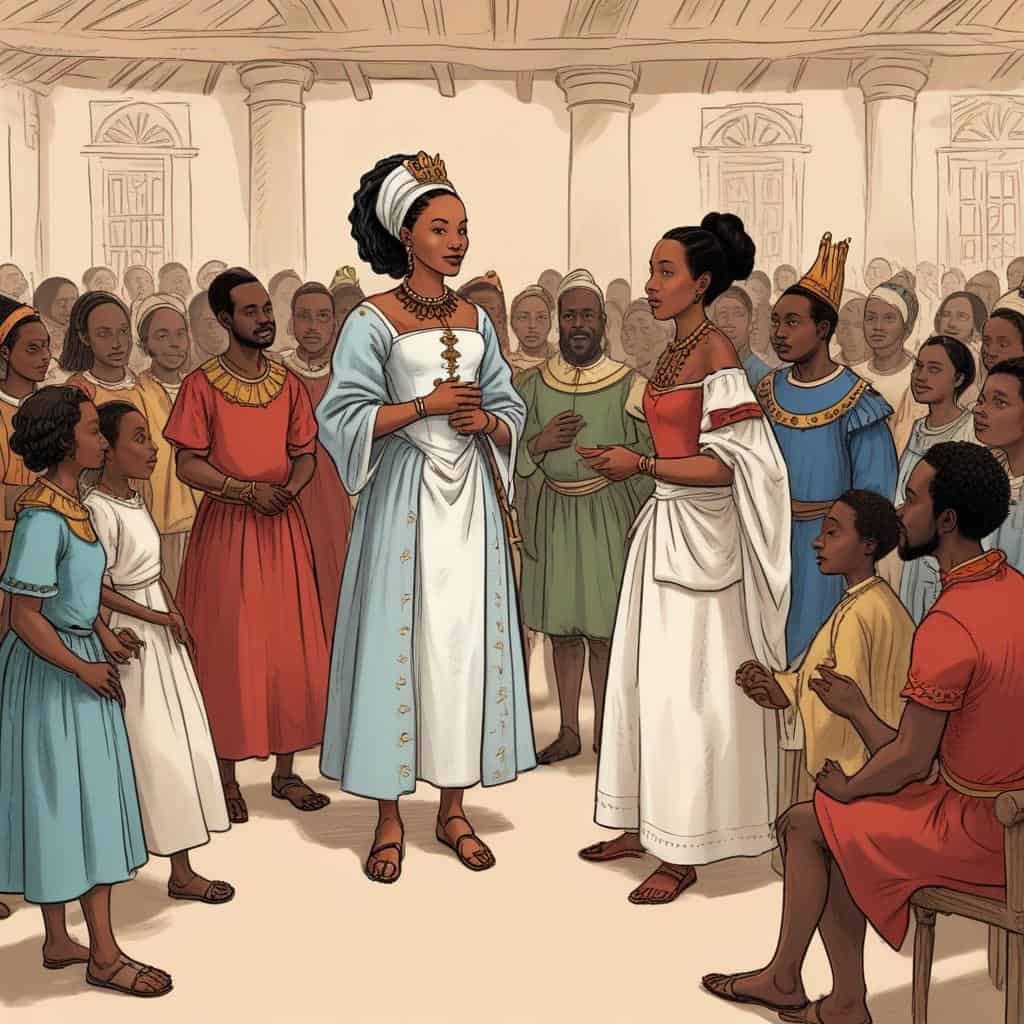
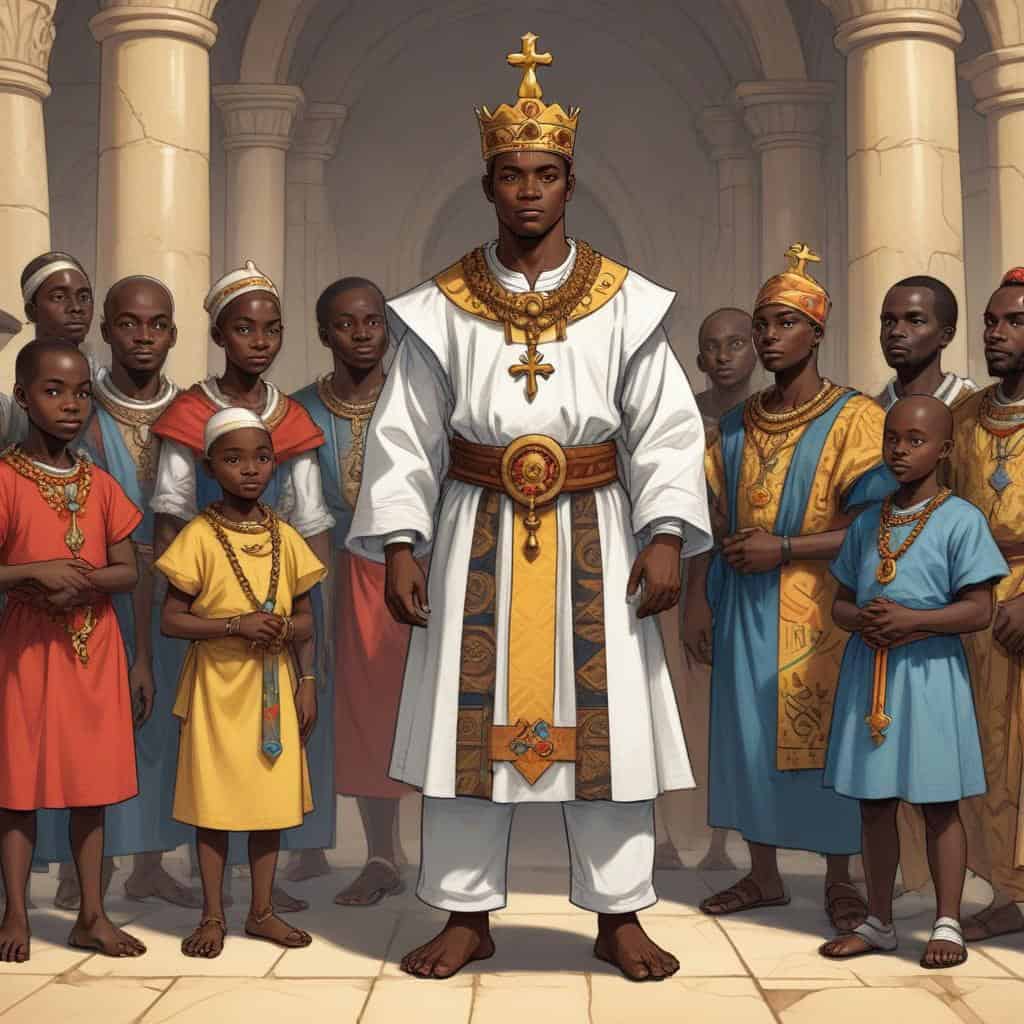
Nzinga a Nkuwu
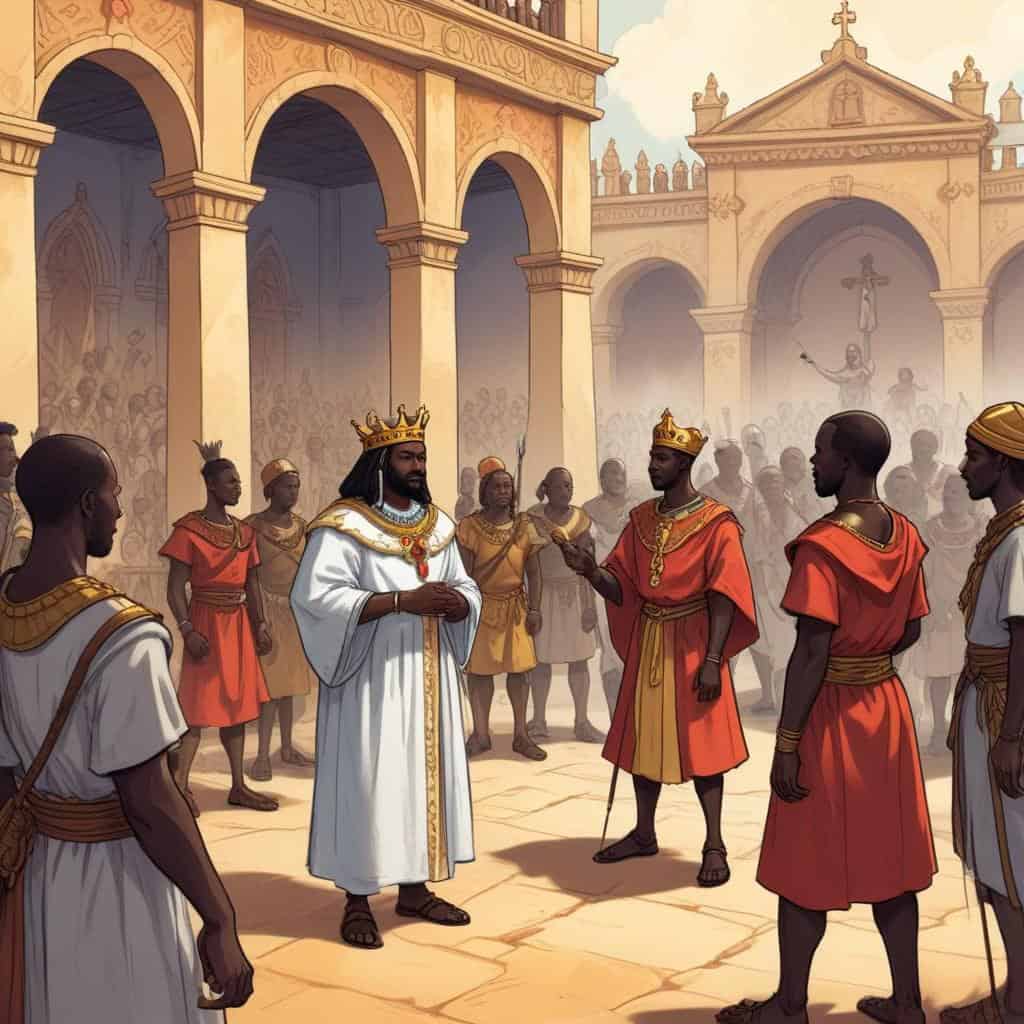
Afonso I of Kongo
Nzinga Mbemba
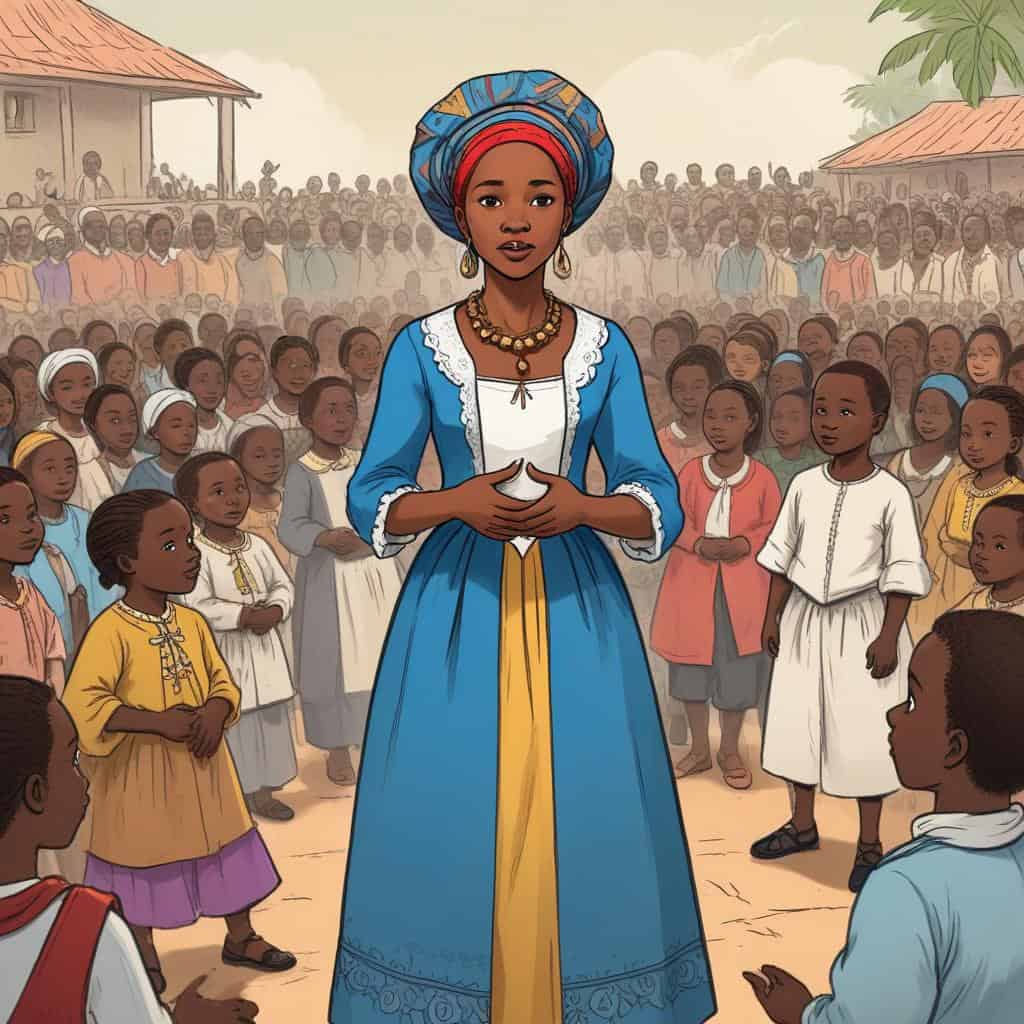
Beatriz Kimpa Vita
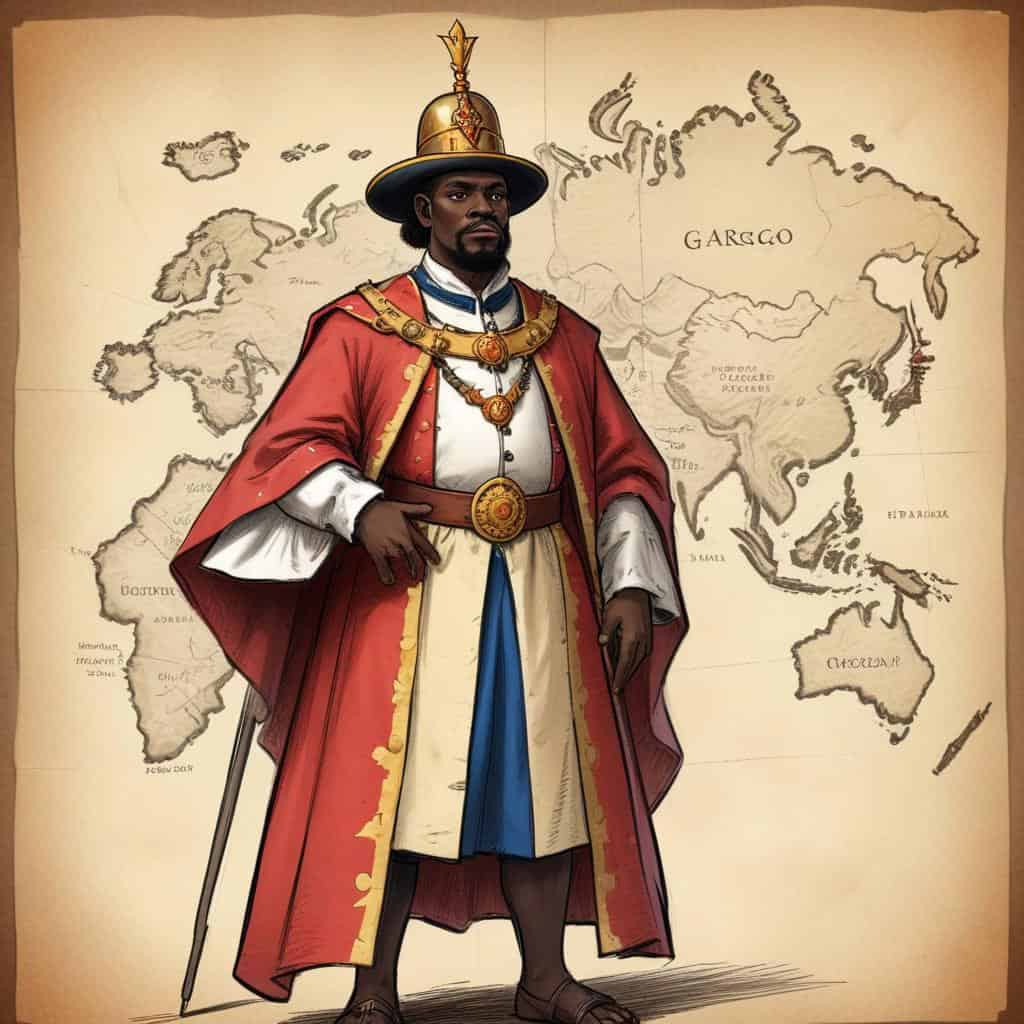
Garcia II of Kongo

1. Early Origins

2. Expansion and Influence

3. Arrival of the Portuguese

4. Decline and Civil War

5. European Colonization

6. Independence and Civil Wars

7. Cultural Legacy

8. Rediscovery and Research

9. Heritage and Preservation

10. Lessons for the Future
Lesson Details & Resources
In a Nutshell
- What: A powerful kingdom in Central Africa known for its trade networks and diplomatic relations with European powers.
- When: 14th to 19th centuries
- Who: Kings of Kongo, Portuguese explorers and traders
- Outcome: The Kingdom of Kongo played a significant role in the transatlantic slave trade and European colonization of Africa.
Famous Figures in the Kingdom of Kongo
-
Nzinga a Nkuwu
Nzinga a Nkuwu was the first ruler of the Kingdom of Kongo, reigning from 1390 to 1420.
-
Afonso I of Kongo
Afonso I of Kongo, also known as Afonso the Great, was a ruler of the Kingdom of Kongo from 1506 to 1543.
-
Beatriz Kimpa Vita
Beatriz Kimpa Vita was a religious and political leader in the Kingdom of Kongo in the 18th century.
Timeline of Kingdom of Kongo
Foundation of the Kingdom of Kongo
Arrival of Portuguese explorers in Kongo
Conversion of King Afonso I to Christianity
Establishment of diplomatic relations with Portugal
Civil war in Kongo
Trade of slaves with Portuguese merchants
Civil war ends with the Battle of Mbwila
Decline of the Kingdom of Kongo
Invasion by the Jaga people
Partition of Kongo into smaller states
Establishment of the Kingdom of Loango
Rebellion against Portuguese control
Kongo becomes a Belgian colony
Creation of the Republic of the Congo
Independence from Belgium
Civil war in the Congo
End of Mobutu Sese Seko's rule
Second Congo War
Establishment of a transitional government
Election of Joseph Kabila as President
Vocabulary List
- Kongo
- The Kingdom of Kongo was a powerful state located in present-day Angola, the Republic of Congo, and the Democratic Republic of Congo.
- Mbemba
- A common name among the rulers of the Kingdom of Kongo, including King Afonso I, also known as Afonso I Nzinga Mbemba.
- Manikongo
- The title given to the ruler of the Kingdom of Kongo, equivalent to king or emperor.
- Slave trade
- The Kingdom of Kongo was involved in the Atlantic slave trade, exporting enslaved people to European colonies in the Americas.
- Christianity
- King Afonso I of Kongo converted to Christianity and tried to promote the religion in his kingdom.
- Colonization
- The Kingdom of Kongo eventually fell under European colonization, first by the Portuguese and later by other European powers.
Key Facts
This is the information used in the fact matching game
- The Kingdom of Kongo was a pre-colonial African kingdom located in present-day Angola, the Republic of the Congo, and the Democratic Republic of the Congo.
- The Kingdom of Kongo was founded in the 14th century and lasted until the late 19th century.
- The kingdom was ruled by a king, known as the Manikongo, who had both religious and political authority.
- The Kingdom of Kongo was heavily involved in the transatlantic slave trade, supplying European traders with enslaved Africans.
- The kingdom converted to Christianity in the 15th century, making it one of the earliest African societies to adopt the religion.
- The capital of the Kingdom of Kongo was Mbanza Kongo, located in present-day Angola.
- The Kingdom of Kongo had a complex system of government with provincial governors, judges, and tax collectors.
- The kingdom had a strong military force that helped it expand its territory through conquest.
- The Kingdom of Kongo traded with European powers, exchanging ivory, copper, and slaves for European goods like guns and textiles.
- The kingdom had a sophisticated art and culture, including music, dance, and sculpture.
- The Kingdom of Kongo was weakened by internal disputes and external invasions in the 17th and 18th centuries.
- The kingdom was eventually divided into smaller states and absorbed into the colonial empires of Portugal, Belgium, and France.
- The Kingdom of Kongo's legacy can still be seen in the cultural practices of the Kongo people today.
- The kingdom had a complex system of social classes, with nobles, commoners, and slaves.
- The Kingdom of Kongo had a strong oral tradition, with stories and histories passed down through generations.
- The kingdom had a system of tribute payments, with vassal states paying taxes and goods to the central government.
- The Kingdom of Kongo was known for its skilled artisans, who produced intricate carvings, textiles, and pottery.
- The kingdom had a system of land tenure, with land owned by the king and allotted to nobles and commoners for use.
- The Kingdom of Kongo had a system of justice based on customary law, with punishments ranging from fines to exile.
- The kingdom had a system of education, with schools for nobles and commoners to learn reading, writing, and mathematics.
Analysis & Significance
Immediate Consequences
The Kingdom of Kongo’s contact with European explorers and traders in the late 15th century led to the establishment of trade networks and diplomatic relations. This initial interaction brought wealth and new goods to the kingdom, but also introduced diseases and firearms that would have a significant impact on the society.
Long-Term Impact
The Kingdom of Kongo’s integration into the transatlantic slave trade in the 16th century had lasting effects on its population and economy. The demand for slaves by European colonizers led to widespread enslavement of Kongolese people and the disruption of traditional social structures. The kingdom’s decline as a result of the slave trade would shape the region’s history for centuries to come.
Cultural Significance Today
The legacy of the Kingdom of Kongo lives on in the cultural practices, language, and art of the Kongolese people. Despite the devastating impact of colonization and slavery, elements of Kongo culture have survived and continue to influence contemporary African societies. Understanding the history of the Kingdom of Kongo is essential for grasping the complexities of Africa’s past and present relationships with the wider world.
Kingdom of Kongo Games


Take Your Learning Offline
Want a convenient, print-ready study guide for this lesson? Become a Memory Wizards Pro member to unlock the downloadable " Memory Scrolls" for this topic and our entire library!
- ✓ Complete Vocabulary Lists
- ✓ Key Facts & Timelines
- ✓ Beautifully Formatted for Print & Mobile