
Summary of Kingdom of Ghana
Unlock the secrets of Africa's ancient and powerful Kingdom of Ghana.
How Do You Learn Best?
Learn by Listening
Start with the 3-minute audio summary to get the key facts and narrative highlights quickly.
Learn by Reading
Immerse yourself in the 10-minute visual lesson for a comprehensive understanding of the topic.
Learn by Reviewing
Jump directly to the key facts, timeline, and vocabulary lists to build a solid foundation of details.
Learn by Doing
Challenge yourself! Jump straight into the interactive games to learn by trial, error, and discovery.
Audio Library
As one of our featured lessons, this topic includes premium audio guides.
Unlock the Wizard's Cram Session
This powerful audio study guide is a Pro-exclusive feature. Upgrade to Memory Wizards Pro to access this and all of our premium learning tools.
Upgrade to ProKingdom of Ghana in 10 Minutes
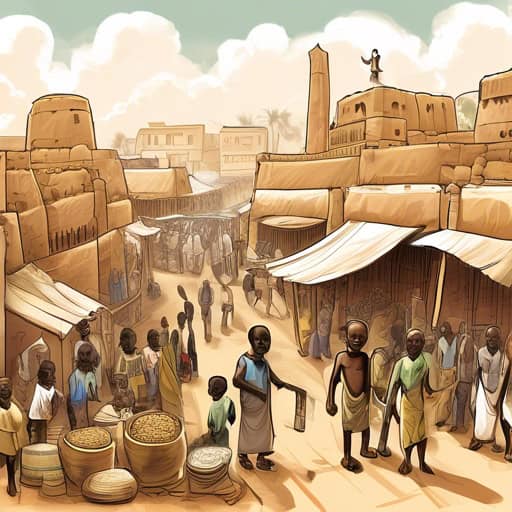
Introduction
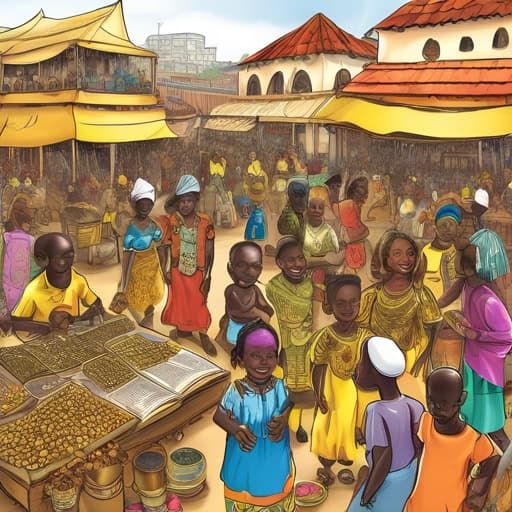
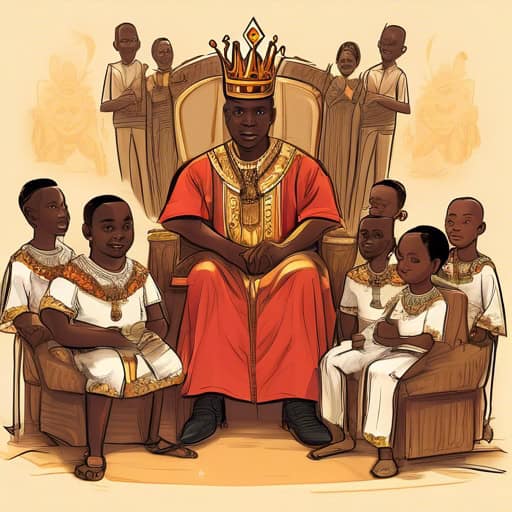
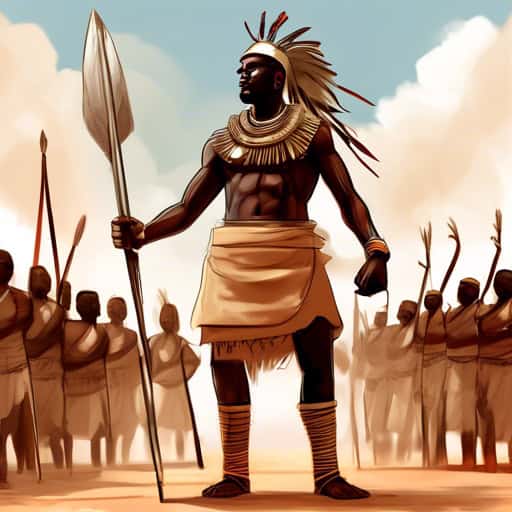
Sundiata
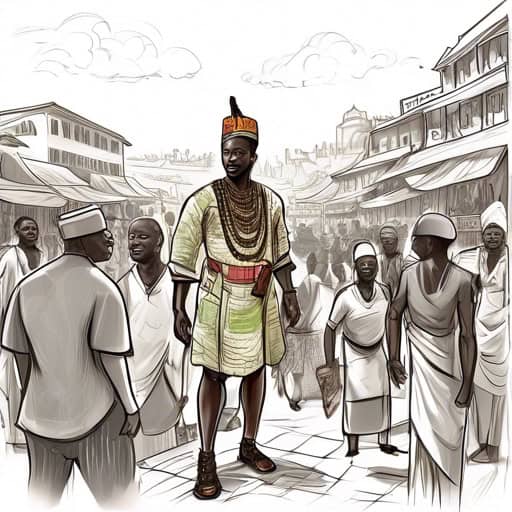
Tunka Menin
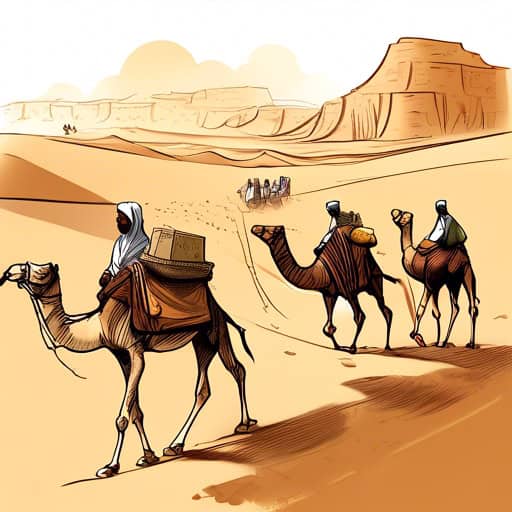
Berbers
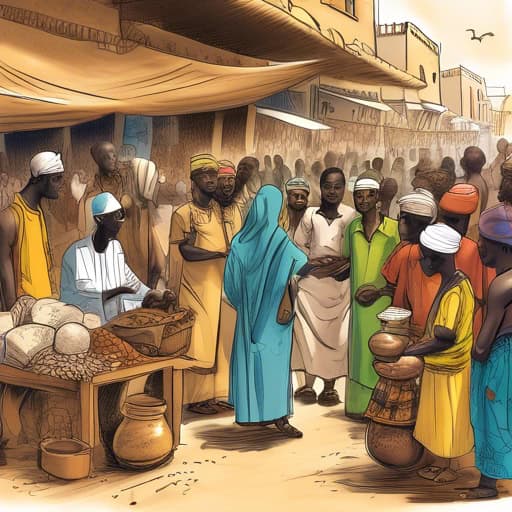
Arabs

1. Early Origins
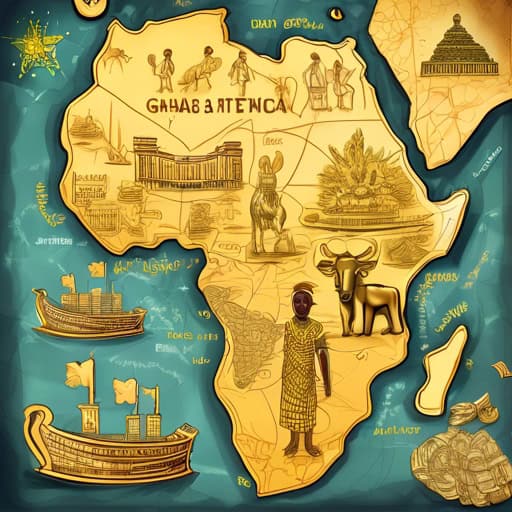
2. Rise to Power
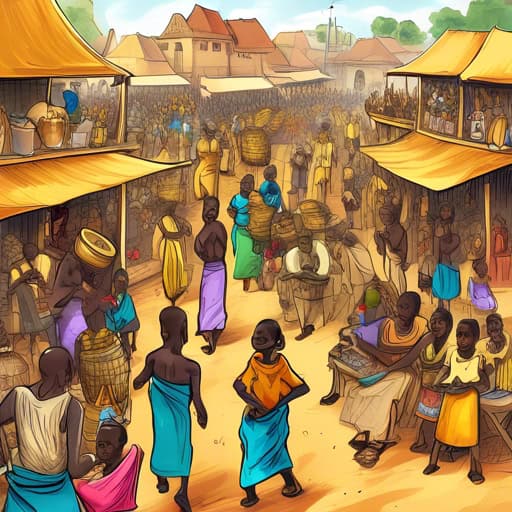
3. Gold and Salt Trade

4. Political Structure

5. Religion and Culture

6. Decline of the Kingdom

7. Legacy of Ghana
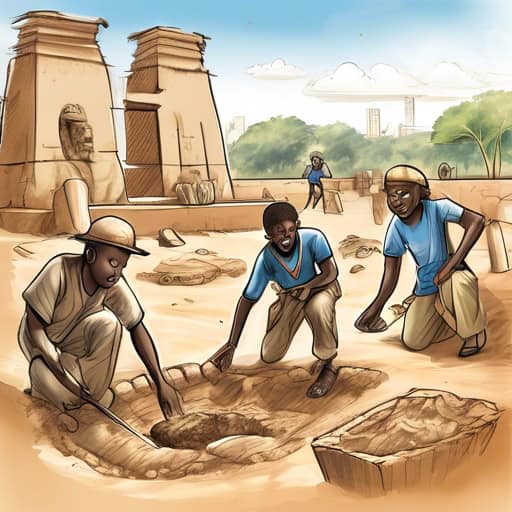
8. Archaeological Discoveries
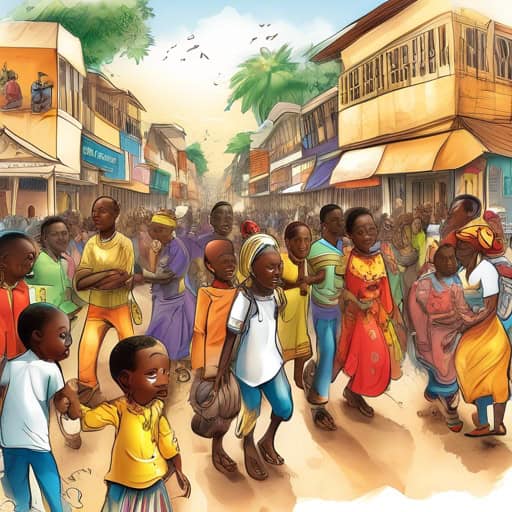
9. Modern-Day Ghana
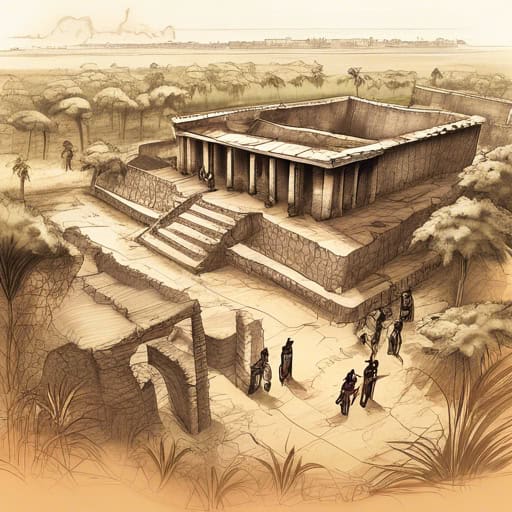
10. Conclusion
Lesson Details & Resources
In a Nutshell
- What: The Kingdom of Ghana, a powerful and wealthy medieval African civilization.
- When: 8th to 11th centuries AD
- Who: The Soninke people, trade networks across the Sahara Desert, Arab merchants
- Outcome: Established a thriving trade network, controlled the gold-salt trade, and became a center of wealth and power in West Africa.
Famous Figures in the Kingdom of Ghana
-
Sundiata Keita
Sundiata Keita was the founder of the Mali Empire and is often associated with the Kingdom of Ghana due to his role in its downfall.
-
Mansa Musa
Mansa Musa was one of the richest individuals in history and his pilgrimage to Mecca put the Kingdom of Ghana on the map in the eyes of the Islamic world.
-
Soninke
The Soninke people were instrumental in the rise of the Kingdom of Ghana and played a significant role in its governance and trade networks.
-
Al-Bakri
Al-Bakri was an Arab geographer who provided one of the earliest written accounts of the Kingdom of Ghana and its wealth.
Timeline of Kingdom of Ghana
Foundation of the Kingdom of Ghana
Ghana becomes a major trading empire
Ghana controls the trans-Saharan trade routes
Ghana's capital city of Koumbi Saleh becomes a major center of trade
Muslim traders introduce Islam to Ghana
Ghana's power begins to decline due to invasions and internal strife
Ghana is conquered by the Almoravids
The Kingdom of Ghana is split into smaller states
The Mali Empire emerges as a dominant power in the region
Ghana is absorbed into the Mali Empire
The Mali Empire falls into decline
The Songhai Empire rises to power in the region
The Songhai Empire conquers the remnants of the Mali Empire
The Songhai Empire becomes the largest empire in West Africa
The Songhai Empire falls to the Moroccan army in the Battle of Tondibi
The region is divided into smaller states and empires
European powers begin to establish colonies in the region
The British establish a protectorate over the Gold Coast region
The Gold Coast gains independence from British rule and becomes Ghana
Ghana becomes a republic with Kwame Nkrumah as its first president
Vocabulary List
- Ghana Empire
- The Kingdom of Ghana was also known as the Ghana Empire.
- Gold
- The Kingdom of Ghana was known for its abundant resources of gold.
- Salt
- Salt was a valuable commodity in the Kingdom of Ghana, used for trading.
- Trans-Saharan trade
- The Kingdom of Ghana was a hub for the trans-Saharan trade route, facilitating trade between North Africa and West Africa.
- Kumbi Saleh
- Kumbi Saleh was the capital city of the Kingdom of Ghana, known for its wealth and grandeur.
- Camel caravans
- Camel caravans were used to transport goods across the Sahara Desert in the Kingdom of Ghana.
- Berbers
- Berbers were nomadic traders who played a significant role in the trans-Saharan trade in the Kingdom of Ghana.
- Islam
- Islam spread to the Kingdom of Ghana through trade and contact with Muslim traders.
- Tribute
- Neighboring kingdoms paid tribute to the Kingdom of Ghana in exchange for protection.
- Almoravids
- The Almoravids, a Muslim dynasty, conquered the Kingdom of Ghana in the 11th century.
Key Facts
This is the information used in the fact matching game
- The Kingdom of Ghana was located in present-day southeastern Mauritania and western Mali.
- Ghana was a powerful and wealthy kingdom in West Africa during the medieval period.
- The kingdom of Ghana was known for its rich gold deposits and was a major center for the gold trade in Africa.
- Ghana was ruled by a king known as the Ghana, which means 'warrior king'.
- The capital of Ghana was Kumbi Saleh, a bustling city with markets, mosques, and palaces.
- Ghana was a key player in the trans-Saharan trade routes, trading gold, ivory, and slaves with North African and Arab merchants.
- The kingdom of Ghana reached its peak of power and wealth in the 9th and 10th centuries.
- The rulers of Ghana converted to Islam in the 11th century, but the majority of the population continued to practice traditional African religions.
- Ghana's decline began in the 11th century due to internal struggles, invasions from neighboring kingdoms, and the shift of trade routes away from the region.
- The kingdom of Ghana was eventually conquered by the Almoravids, a Muslim Berber dynasty from North Africa, in the 11th century.
- The fall of Ghana led to the rise of other West African kingdoms such as Mali and Songhai.
- Ghana's legacy lives on in the name of the modern country of Ghana, which was named after the ancient kingdom.
- The economy of Ghana was based on agriculture, mining, and trade, with gold being the most important commodity.
- Ghana had a sophisticated system of government with a central authority overseeing regional rulers and officials.
- The people of Ghana were skilled artisans and craftsmen, producing intricate gold jewelry, pottery, and textiles.
- The kingdom of Ghana had a strong military force to protect its borders and maintain control over trade routes.
- Ghana was a cosmopolitan society with diverse ethnic groups and languages living within its borders.
- Ghana's decline was hastened by the invasion of the Almoravids, who disrupted trade and weakened the kingdom's economy.
- The kingdom of Ghana was known for its advanced urban centers, with well-planned cities and thriving markets.
- The legacy of the kingdom of Ghana lives on in the traditions, languages, and cultural practices of the people of West Africa.
Analysis & Significance
Immediate Consequences
The rise of the Kingdom of Ghana in West Africa led to increased trade and wealth in the region. The kingdom became a hub for trans-Saharan trade, particularly in gold and salt, which brought in substantial revenue and resources.
Long-Term Impact
The Kingdom of Ghana’s influence extended beyond its borders and set the stage for future West African empires. Its organizational structure, trade networks, and cultural practices laid the foundation for the development of subsequent powerful states in the region.
Cultural Significance Today
The legacy of the Kingdom of Ghana can still be seen in modern-day West Africa. Its historical significance as a prominent trading center and a thriving civilization continues to be celebrated and studied. The kingdom’s impact on regional economies and cultural exchanges has left a lasting mark on the cultural landscape of the region.
Kingdom of Ghana Games


Take Your Learning Offline
Want a convenient, print-ready study guide for this lesson? Become a Memory Wizards Pro member to unlock the downloadable " Memory Scrolls" for this topic and our entire library!
- ✓ Complete Vocabulary Lists
- ✓ Key Facts & Timelines
- ✓ Beautifully Formatted for Print & Mobile