
Summary of Great Zimbabwe
Uncover the mysteries of the ancient ruins of Great Zimbabwe.
How Do You Learn Best?
Learn by Listening
Start with the 3-minute audio summary to get the key facts and narrative highlights quickly.
Learn by Reading
Immerse yourself in the 10-minute visual lesson for a comprehensive understanding of the topic.
Learn by Reviewing
Jump directly to the key facts, timeline, and vocabulary lists to build a solid foundation of details.
Learn by Doing
Challenge yourself! Jump straight into the interactive games to learn by trial, error, and discovery.
Audio Library
As one of our featured lessons, this topic includes premium audio guides.
Unlock the Wizard's Cram Session
This powerful audio study guide is a Pro-exclusive feature. Upgrade to Memory Wizards Pro to access this and all of our premium learning tools.
Upgrade to ProGreat Zimbabwe in 10 Minutes
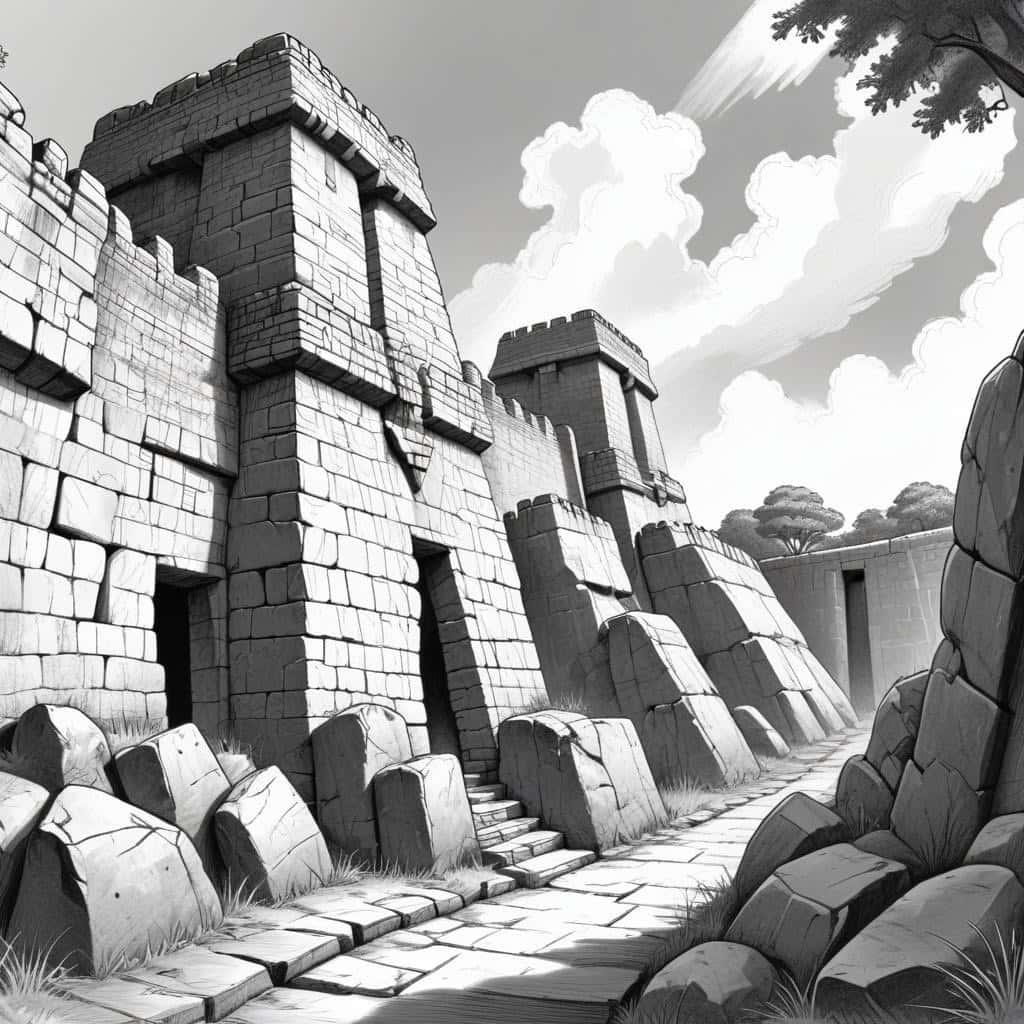
Introduction
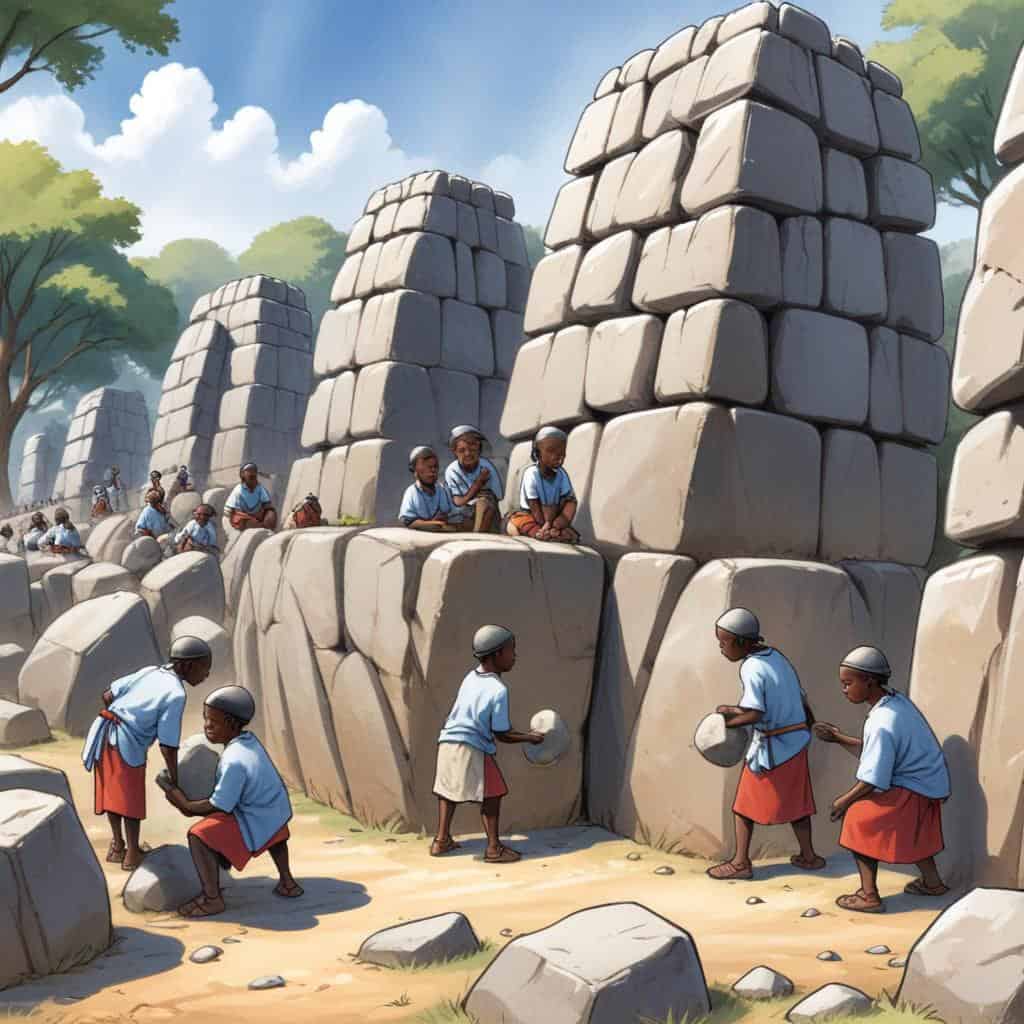
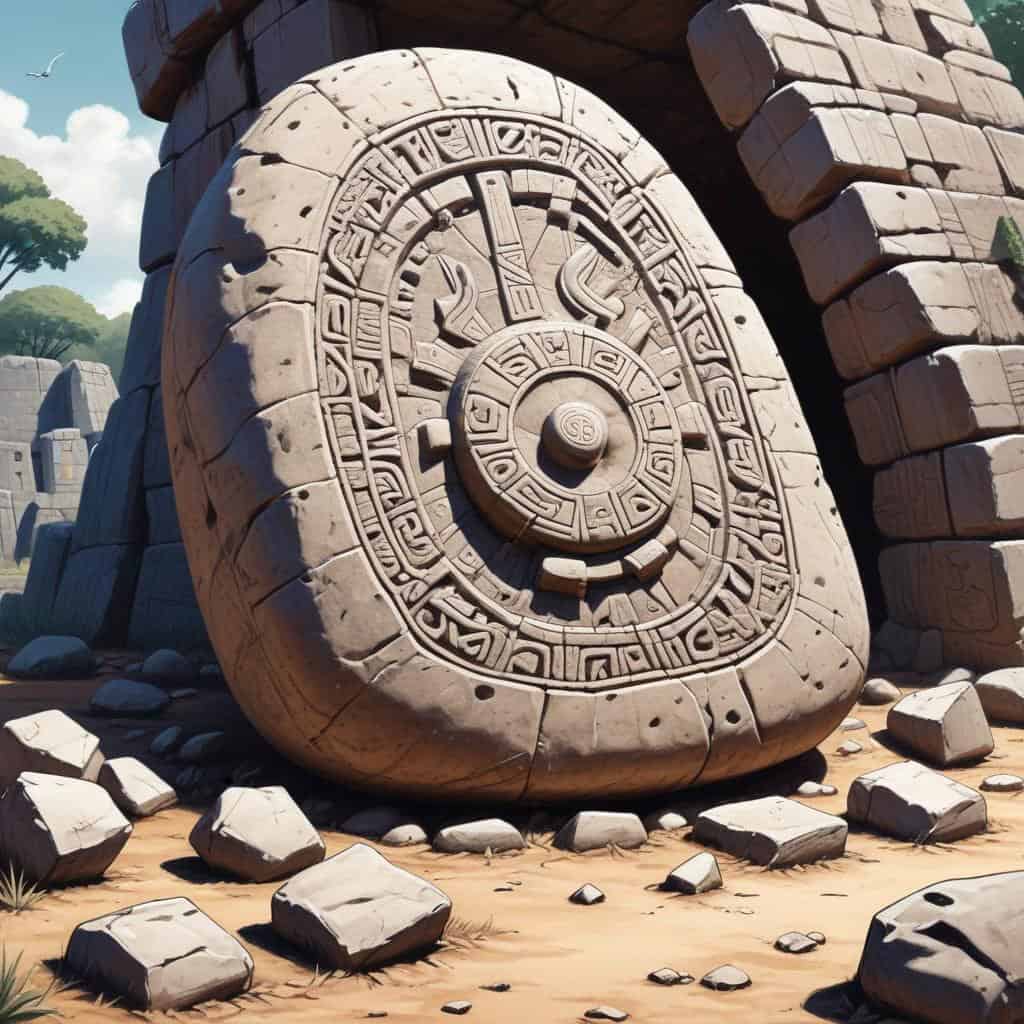
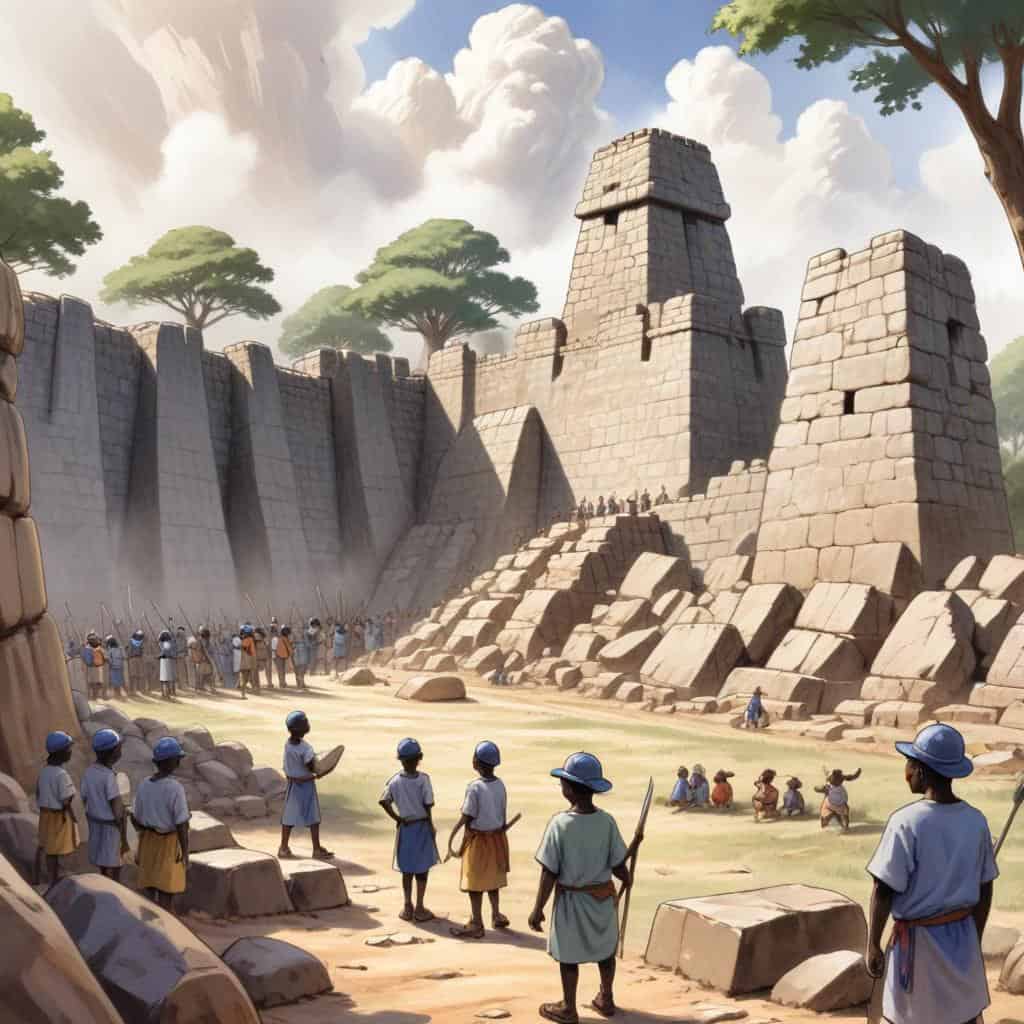
King Mutota
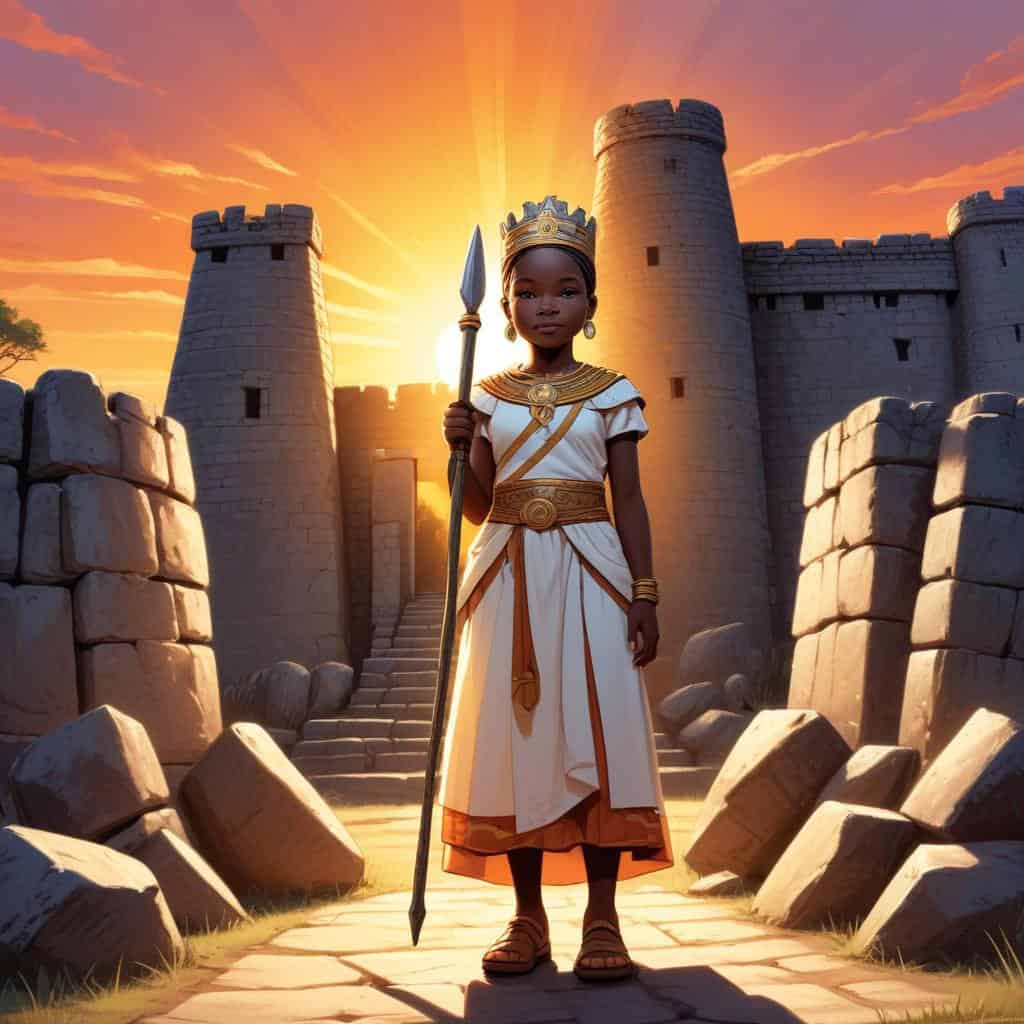
Queen Lozikeyi
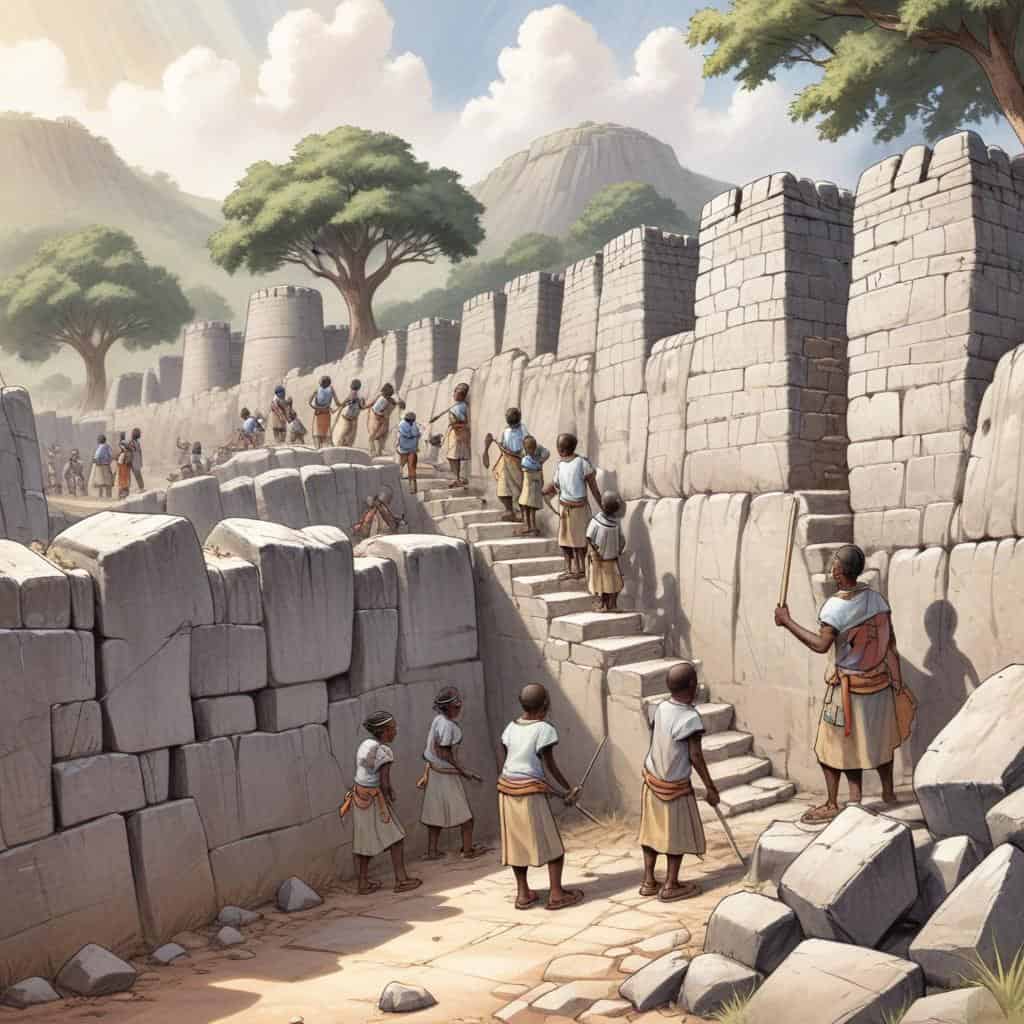
Shona People
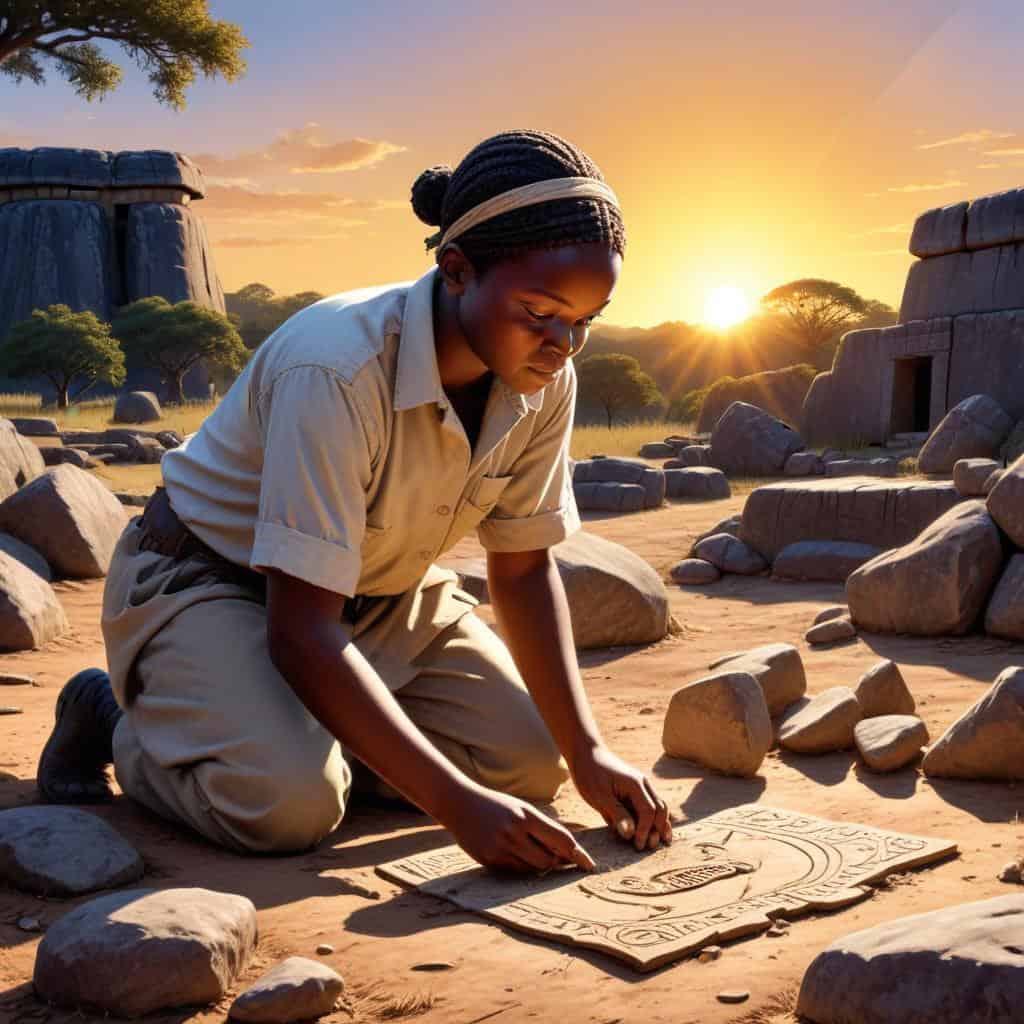
Archaeologists
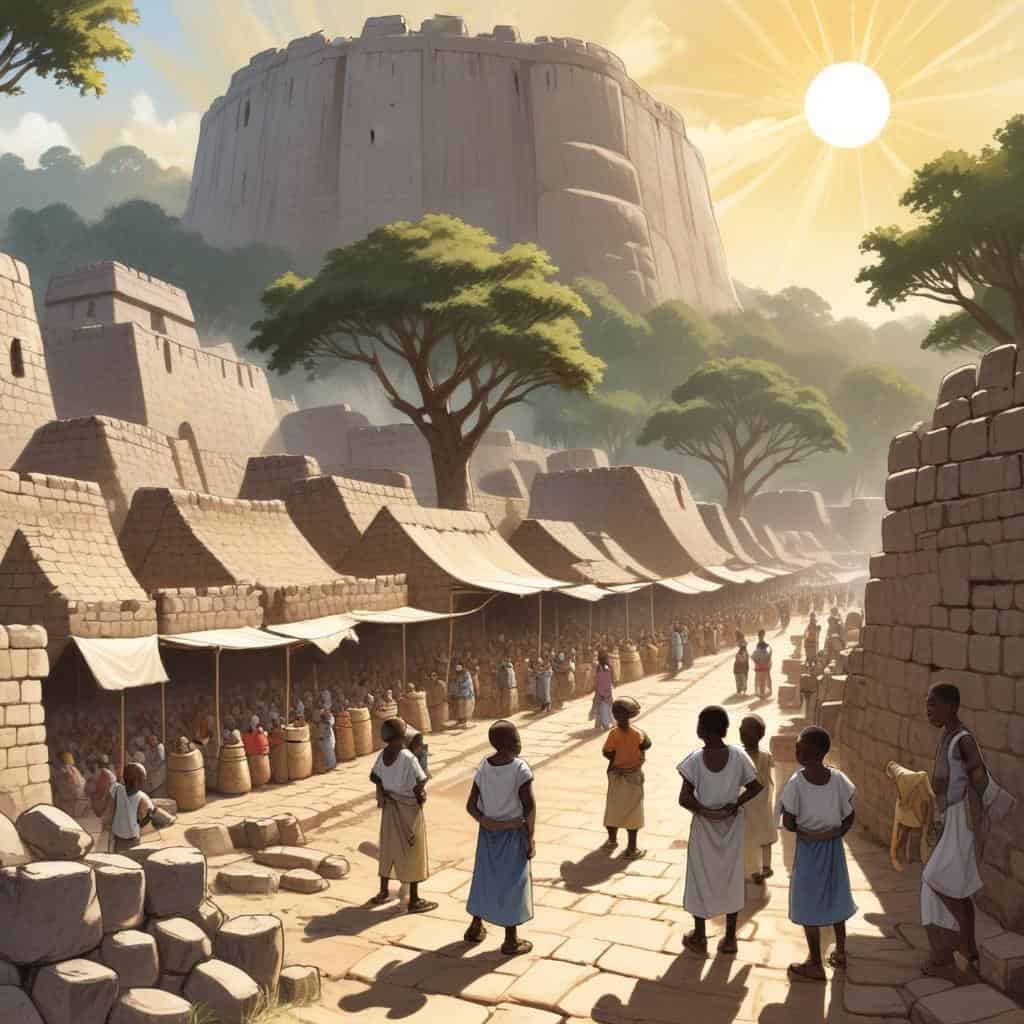
Merchants
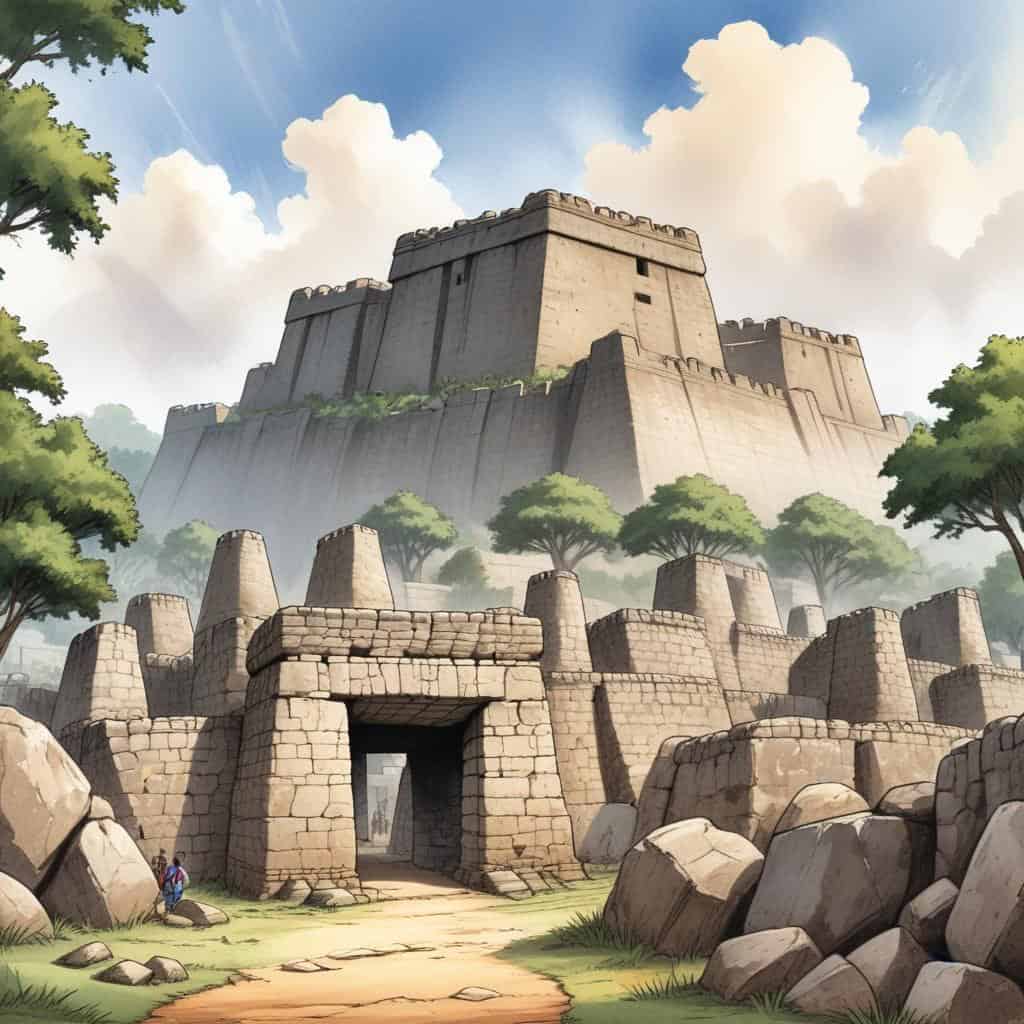
The Rise of Great Zimbabwe
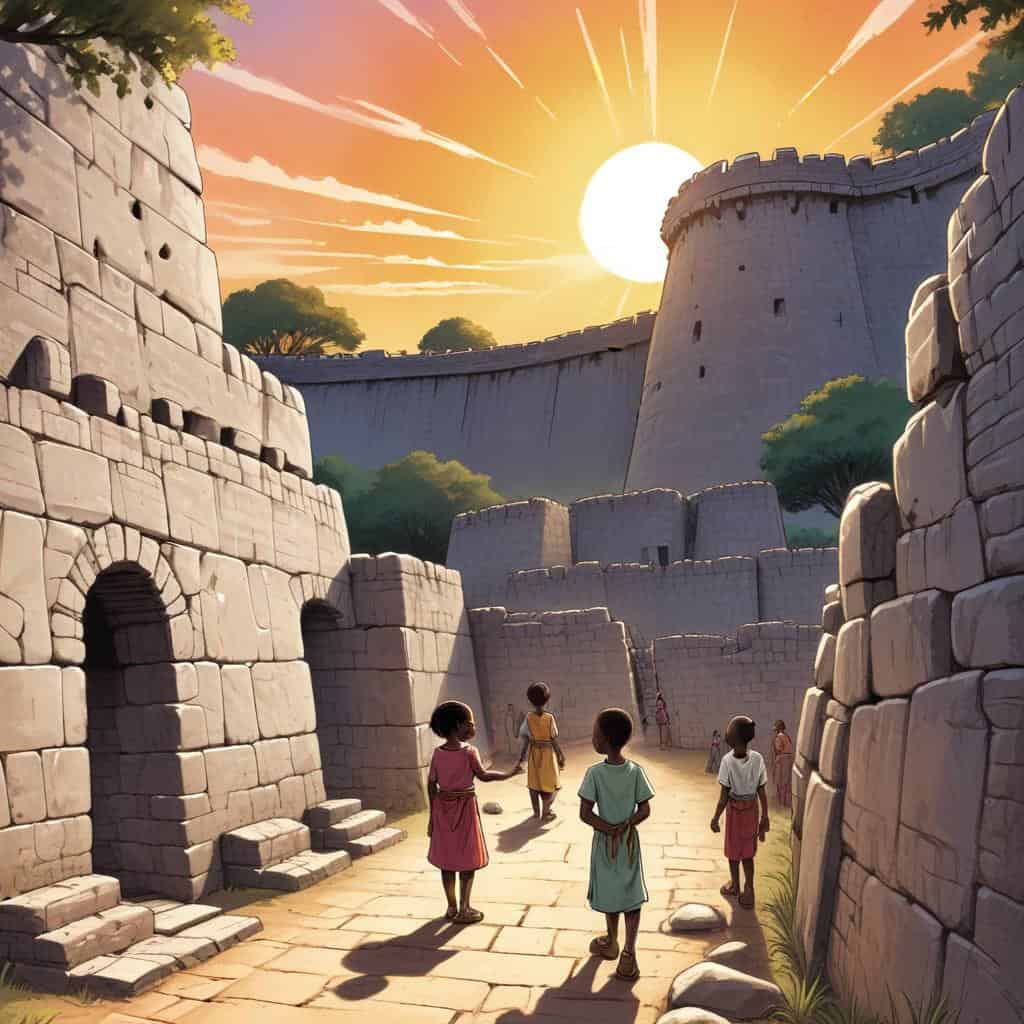
The Great Enclosure
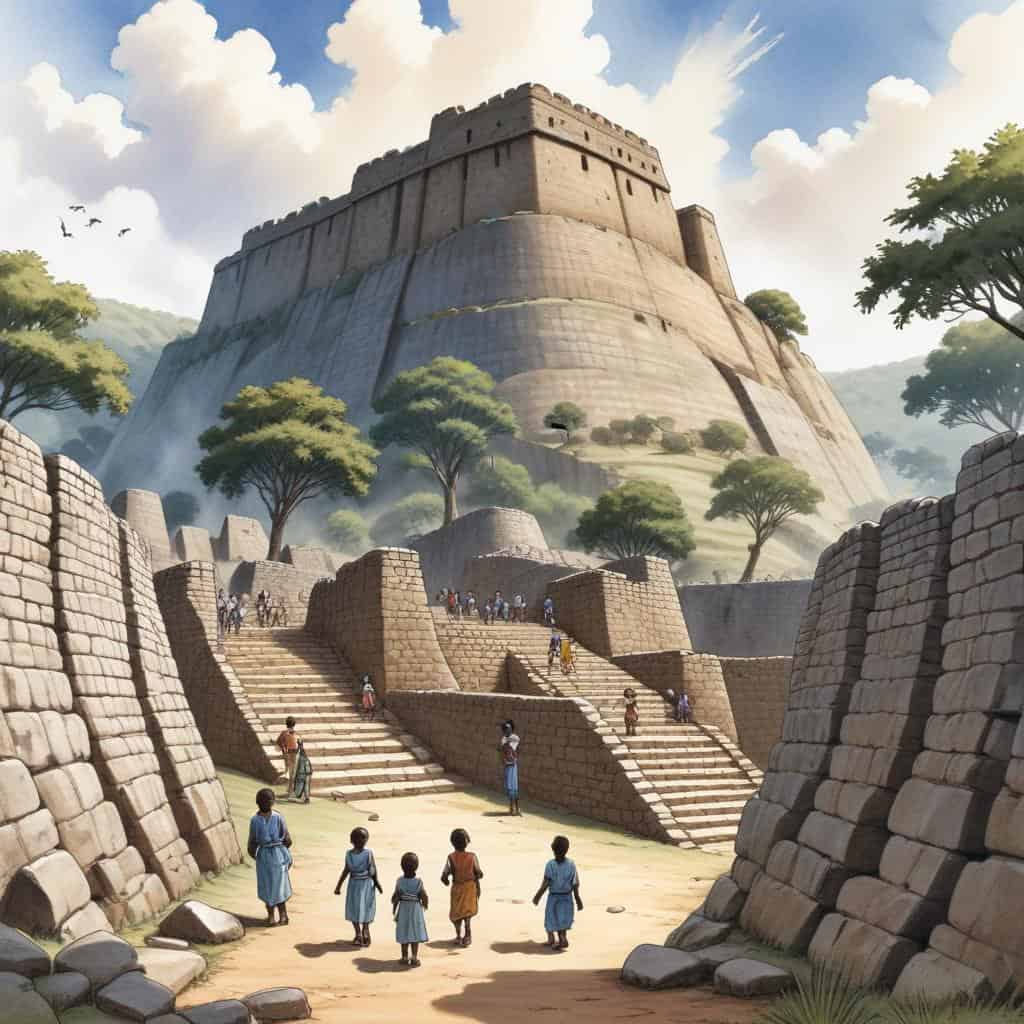
The Hill Complex

The Valley Ruins

The Great Zimbabwe Trade Network
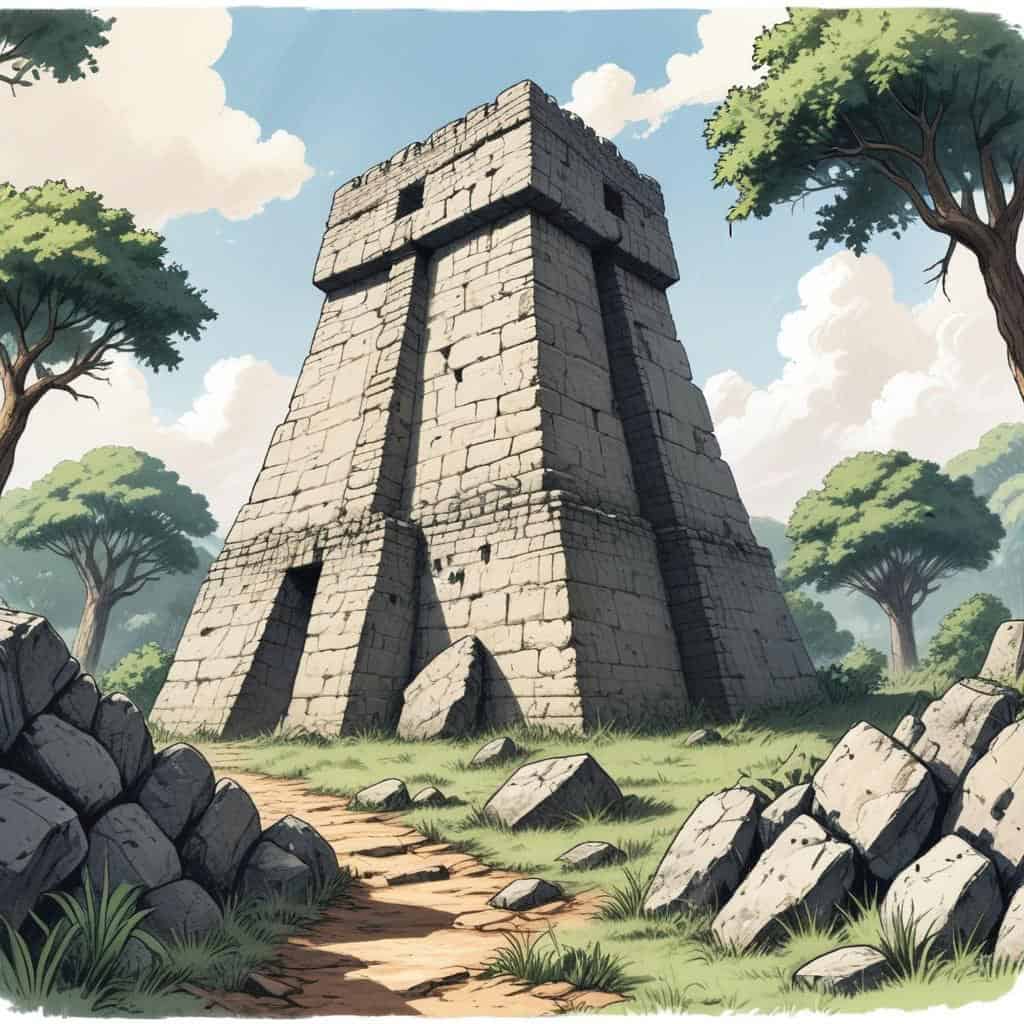
The Decline of Great Zimbabwe

The European Discovery of Great Zimbabwe
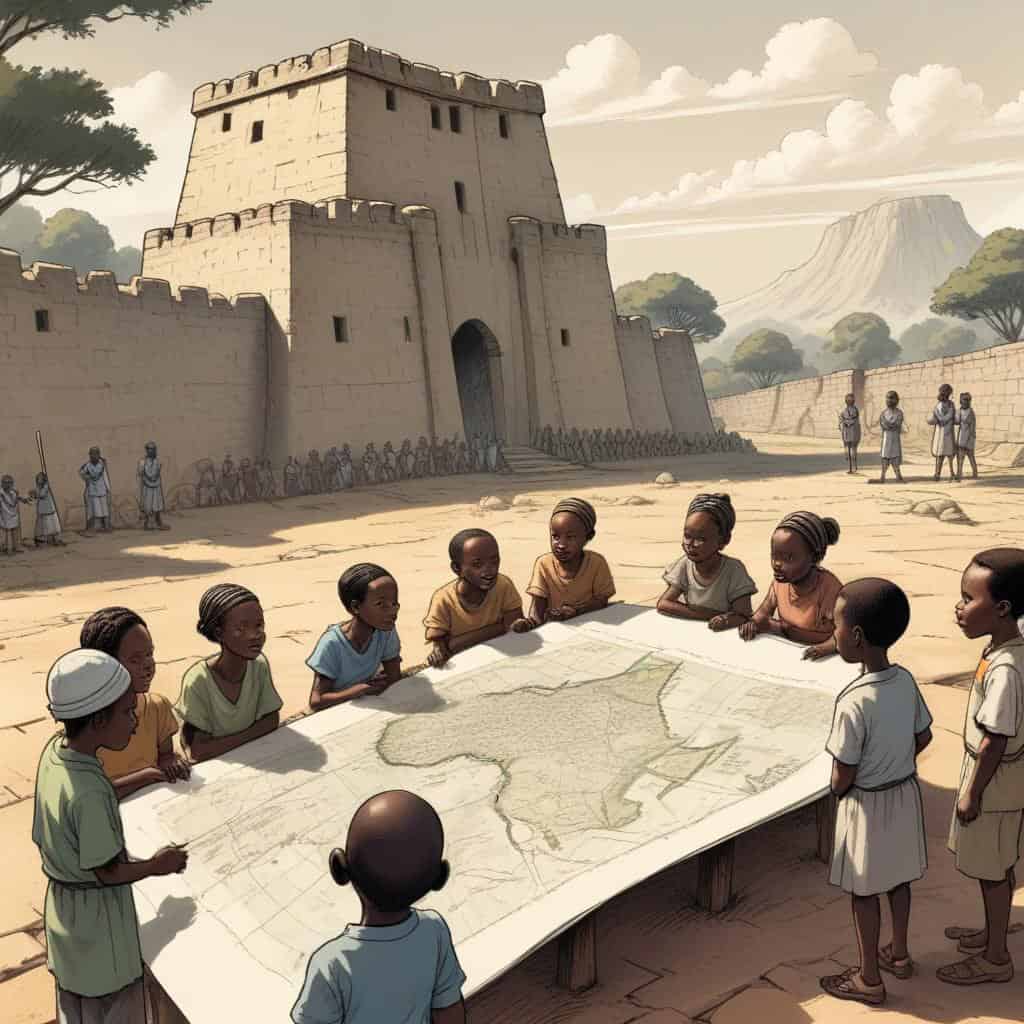
The Controversy Surrounding Great Zimbabwe

The Legacy of Great Zimbabwe
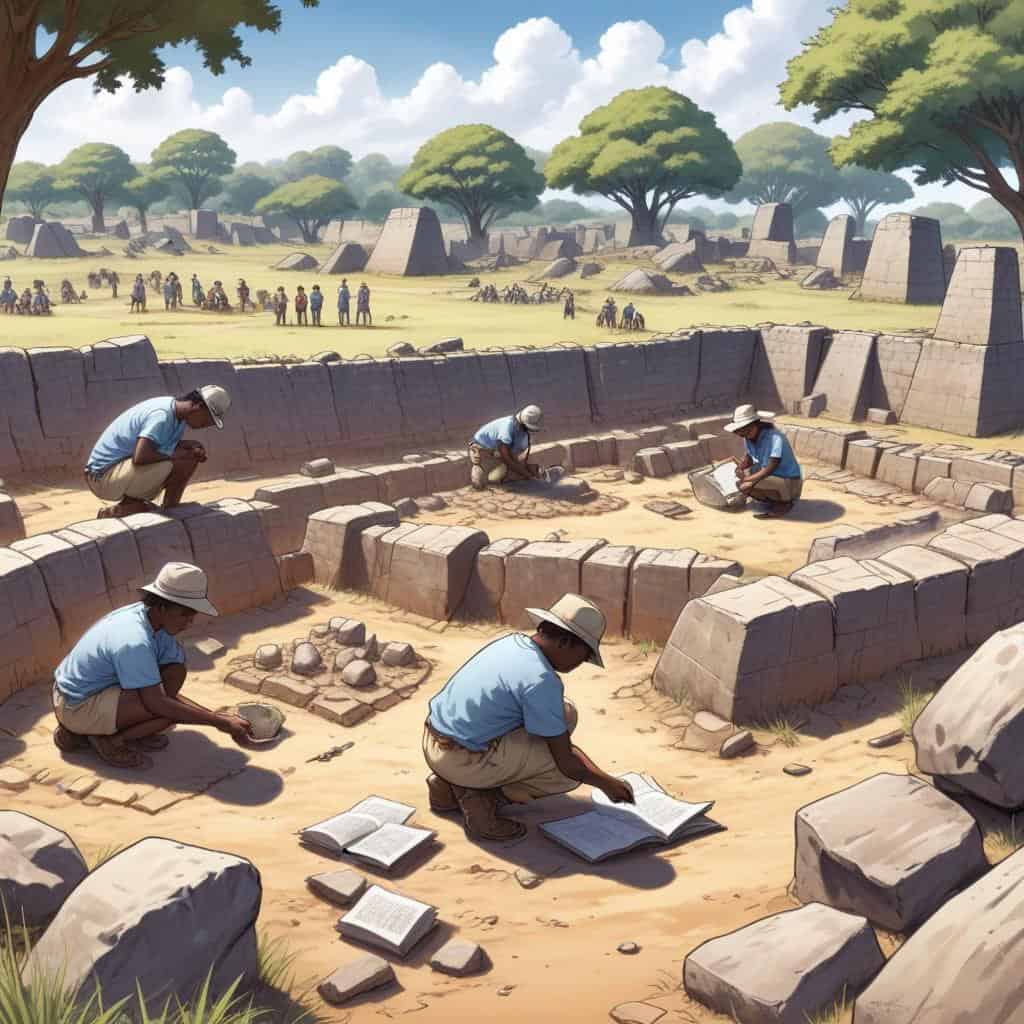
Continuing Research and Preservation Efforts
Lesson Details & Resources
In a Nutshell
- What: A medieval city located in southeastern Africa known for its impressive stone ruins.
- When: Between the 11th and 15th centuries.
- Who: The Shona people of Zimbabwe.
- Outcome: Great Zimbabwe was a thriving center of trade and culture in the region.
Famous Figures in the Great Zimbabwe
-
David Beach
David Beach is an archaeologist known for his work on Great Zimbabwe and other archaeological sites in Africa.
-
Peter Garlake
Peter Garlake was a renowned archaeologist who conducted extensive research on Great Zimbabwe and wrote several books on the subject.
-
Gertrude Caton-Thompson
Gertrude Caton-Thompson was an archaeologist who led the first scientific excavation of Great Zimbabwe in the 1920s.
Timeline of Great Zimbabwe
Great Zimbabwe is built by the Shona people
Great Enclosure is constructed
Great Zimbabwe becomes a major trading center in Southern Africa
Great Zimbabwe reaches its peak as a political and economic hub
Portuguese explorer António Fernandes visits Great Zimbabwe
Great Zimbabwe is abandoned as a political center
European explorers describe Great Zimbabwe as a mysterious ruined city
Great Zimbabwe is rediscovered by Europeans
Archaeological excavations begin at Great Zimbabwe
Great Zimbabwe is declared a national monument by the British South Africa Company
Great Zimbabwe is designated a UNESCO World Heritage Site
Restoration and conservation efforts begin at Great Zimbabwe
Great Zimbabwe becomes a popular tourist destination
New research sheds light on the social and political organization of Great Zimbabwe
Debate continues on the origins and purpose of Great Zimbabwe
Vocabulary List
- Ruins
- The Great Zimbabwe is a complex of ruins in southeastern Africa.
- Terraces
- The Great Zimbabwe features terraces that were used for farming.
- Conical tower
- One of the most iconic features of Great Zimbabwe is the conical tower.
- Archaeological
- Many archaeological studies have been conducted at Great Zimbabwe to learn more about its history.
- Cultural heritage
- Great Zimbabwe is considered a valuable cultural heritage site in Africa.
- Trade routes
- Great Zimbabwe was strategically located along trade routes, contributing to its prosperity.
- Stone walls
- The Great Zimbabwe is known for its impressive stone walls that were built without mortar.
- Gold artifacts
- Excavations at Great Zimbabwe have uncovered gold artifacts that were traded with other civilizations.
- Historical significance
- The Great Zimbabwe holds great historical significance as a symbol of African civilization.
- Royal enclosure
- The royal enclosure at Great Zimbabwe was likely the residence of the ruling elite.
Key Facts
This is the information used in the fact matching game
- Great Zimbabwe was a medieval city in the southeastern hills of Zimbabwe.
- It was the center of a powerful kingdom that controlled much of southern Africa between the 11th and 15th centuries.
- The city was built entirely of stone, with no mortar used in its construction.
- The Great Enclosure at Great Zimbabwe is the largest ancient structure in sub-Saharan Africa.
- The city was a major trading center, with goods such as gold, ivory, and copper being exchanged.
- Great Zimbabwe was abandoned in the 15th century for reasons that are still debated by historians.
- The ruins of Great Zimbabwe were first discovered by Europeans in the late 19th century.
- The city's name comes from the Shona phrase 'dzimba dza mabwe' which means 'houses of stone'.
- Great Zimbabwe is a UNESCO World Heritage Site, recognized for its cultural significance.
- The civilization of Great Zimbabwe was likely influenced by trade with Arab and Swahili merchants.
- Great Zimbabwe is thought to have been a religious and political center, with rulers living in the Great Enclosure.
- The city was divided into three main areas: the Hill Complex, the Great Enclosure, and the Valley Ruins.
- The walls of Great Zimbabwe are made of granite blocks, some of which weigh up to 20 tons.
- Archaeological evidence suggests that Great Zimbabwe was a hub of industry, with iron smelting and pottery production taking place within the city.
- The decline of Great Zimbabwe is thought to have been linked to environmental factors such as deforestation and overpopulation.
- The city's layout and architecture were designed to showcase the power and wealth of its rulers.
- Great Zimbabwe is one of the most important archaeological sites in Africa, providing valuable insights into the region's history and culture.
- The ruins of Great Zimbabwe cover an area of over 1,800 acres, making it one of the largest archaeological sites in Africa.
- The city's decline coincided with the rise of the Mutapa Empire, which eventually absorbed the territory formerly controlled by Great Zimbabwe.
- Great Zimbabwe continues to be a source of pride and inspiration for the people of Zimbabwe, serving as a symbol of their ancient heritage and cultural achievements.
Analysis & Significance
Immediate Consequences
After the decline of Great Zimbabwe as a major center of power, the region fragmented into smaller chiefdoms and kingdoms, leading to political instability and conflict. The loss of a centralized authority also disrupted trade networks and economic activities in the area.
Long-Term Impact
The legacy of Great Zimbabwe has had a profound impact on the history and archaeology of Southern Africa. The site’s impressive stone structures and artifacts provide valuable insights into the advanced architectural and metallurgical skills of its inhabitants. It also serves as a symbol of African heritage and cultural achievement.
Cultural Significance Today
Today, Great Zimbabwe remains a source of pride and inspiration for the people of Zimbabwe and the wider African continent. The site is a UNESCO World Heritage site and a popular tourist destination, attracting visitors from around the world. Its significance lies in its ability to connect modern-day Africans with their rich historical and cultural roots.
Great Zimbabwe Games


Take Your Learning Offline
Want a convenient, print-ready study guide for this lesson? Become a Memory Wizards Pro member to unlock the downloadable " Memory Scrolls" for this topic and our entire library!
- ✓ Complete Vocabulary Lists
- ✓ Key Facts & Timelines
- ✓ Beautifully Formatted for Print & Mobile