
An Analysis of The Milesian School
What if everything is made of a single substance?
How Do You Learn Best?
Learn by Listening
Start with the 3-minute audio summary to get the key facts and narrative highlights quickly.
Learn by Reading
Immerse yourself in the 10-minute visual lesson for a comprehensive understanding of the topic.
Learn by Reviewing
Jump directly to the key facts, timeline, and vocabulary lists to build a solid foundation of details.
Learn by Doing
Challenge yourself! Jump straight into the interactive games to learn by trial, error, and discovery.
Audio Library
As one of our featured lessons, this topic includes premium audio guides.
Unlock the Wizard's Cram Session
This powerful audio study guide is a Pro-exclusive feature. Upgrade to Memory Wizards Pro to access this and all of our premium learning tools.
Upgrade to ProAn The Milesian School in 10 Minutes
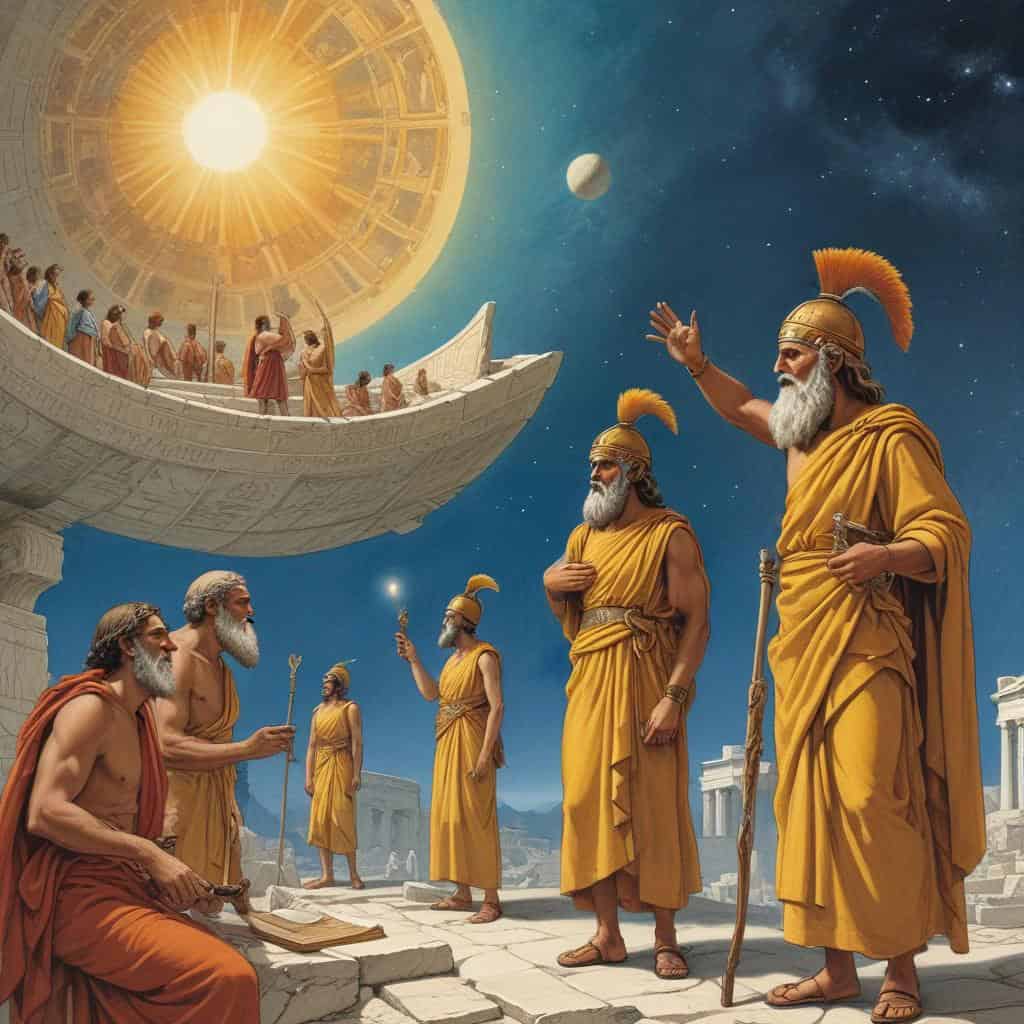
Introduction
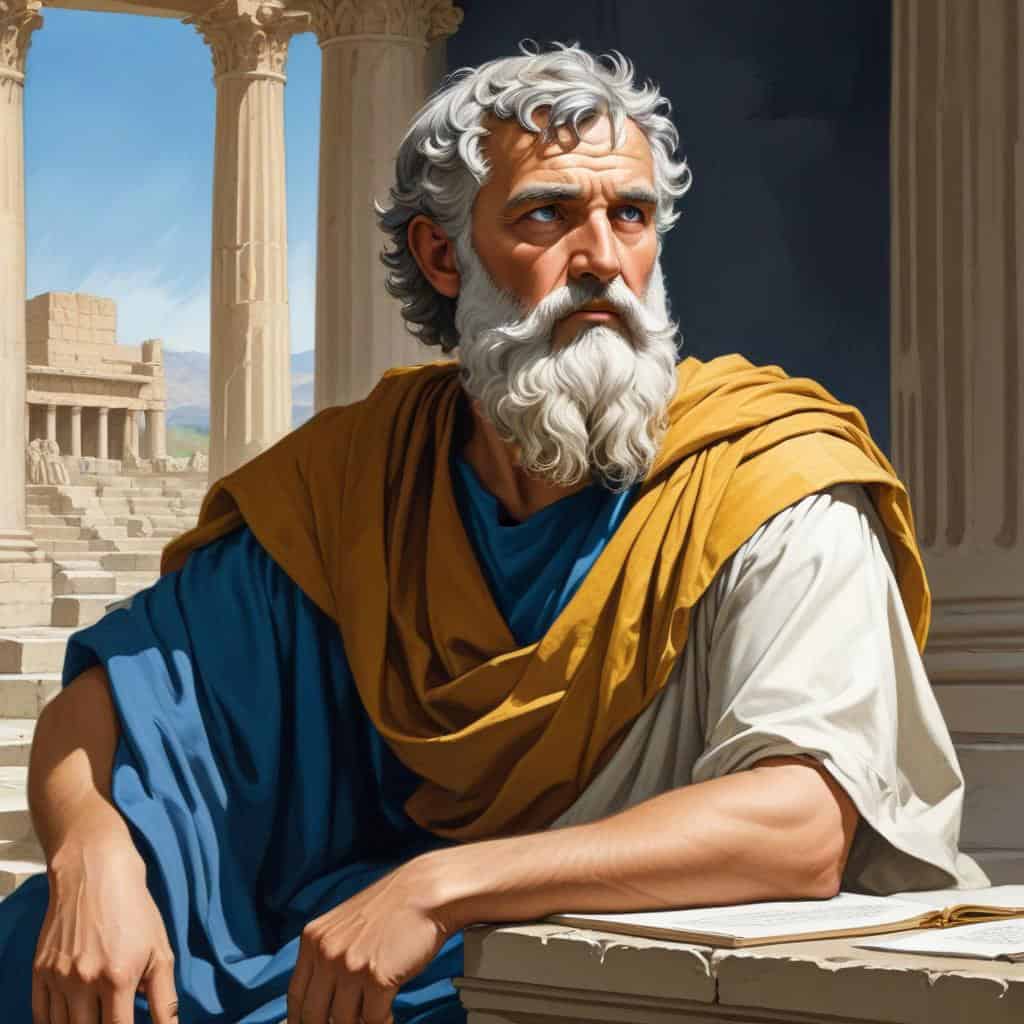
Thales of Miletus

Anaximander
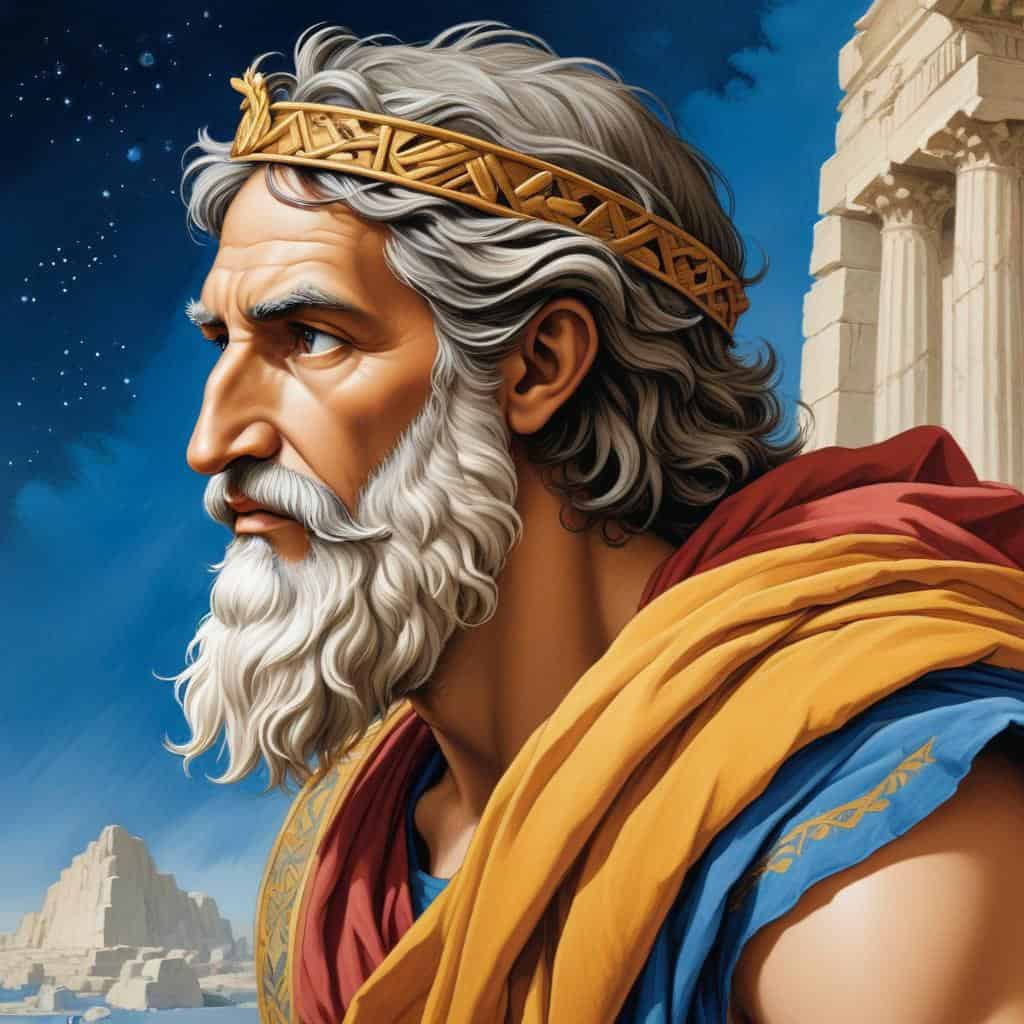
Anaximenes
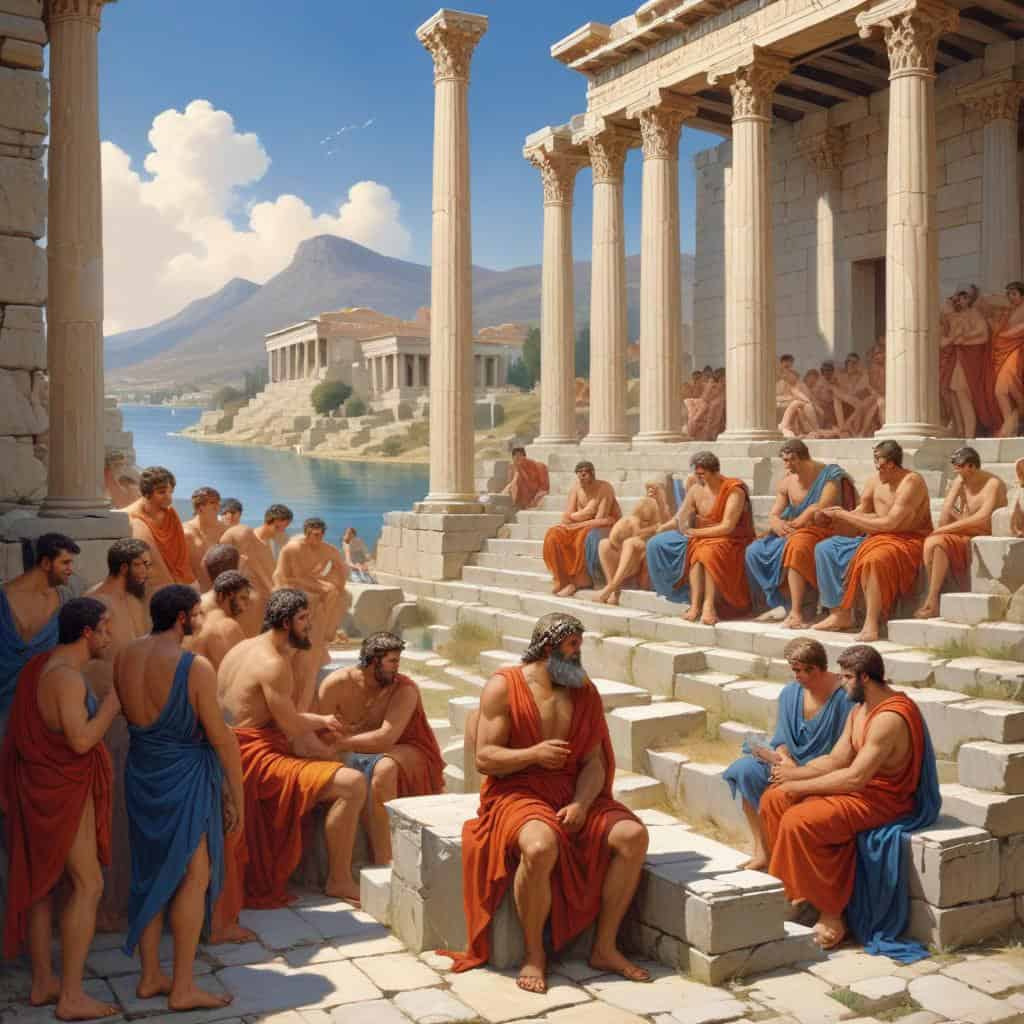
The Birth of The Milesian School
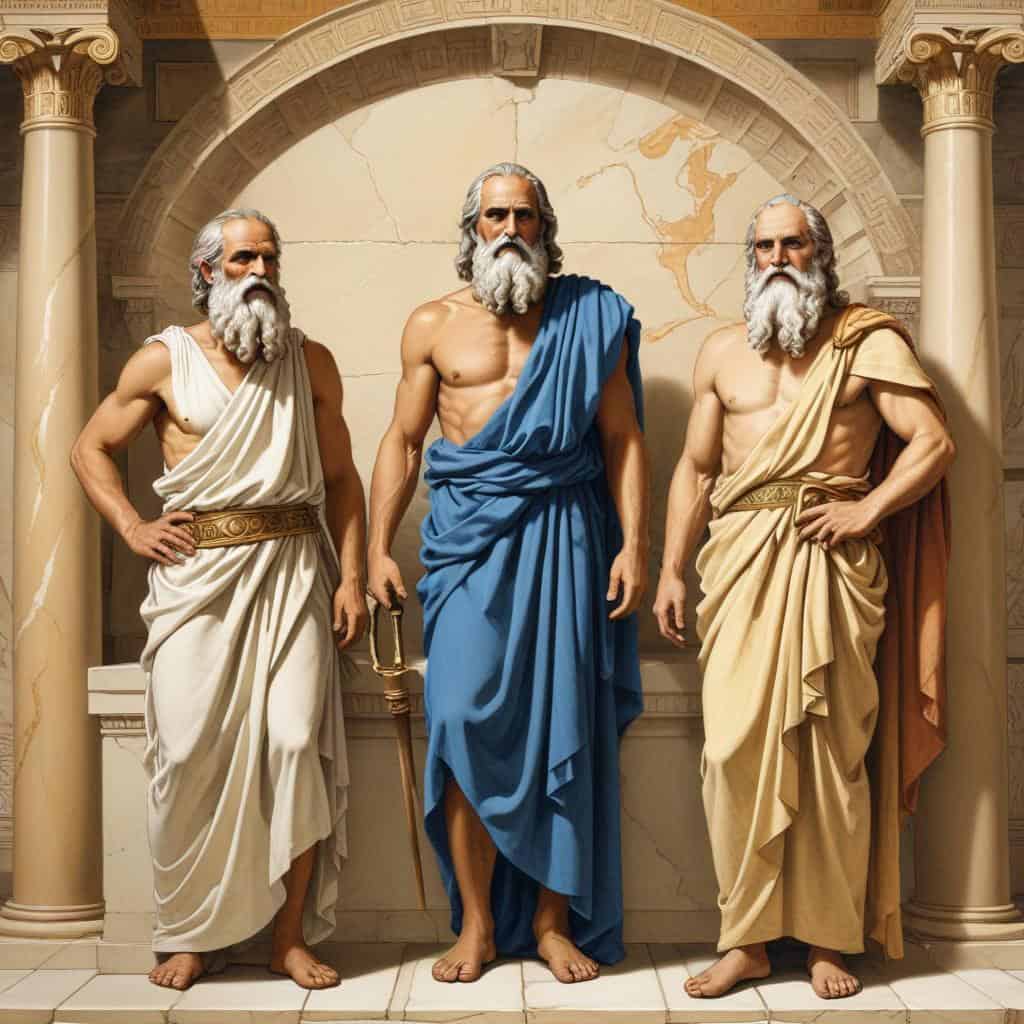
The Three Prominent Figures
Focus on Naturalistic Explanations

Thales Theory of Water
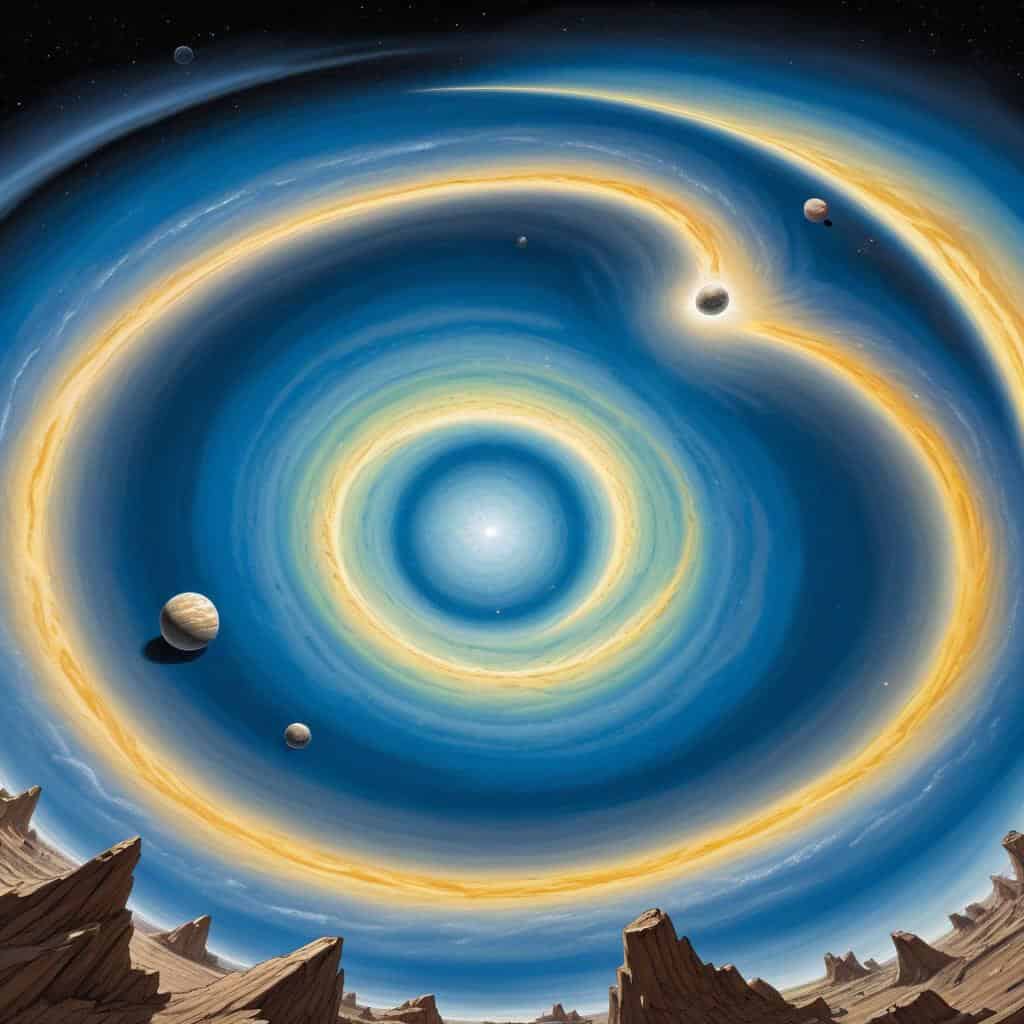
Anaximanders Boundless
Anaximenes Air Theory
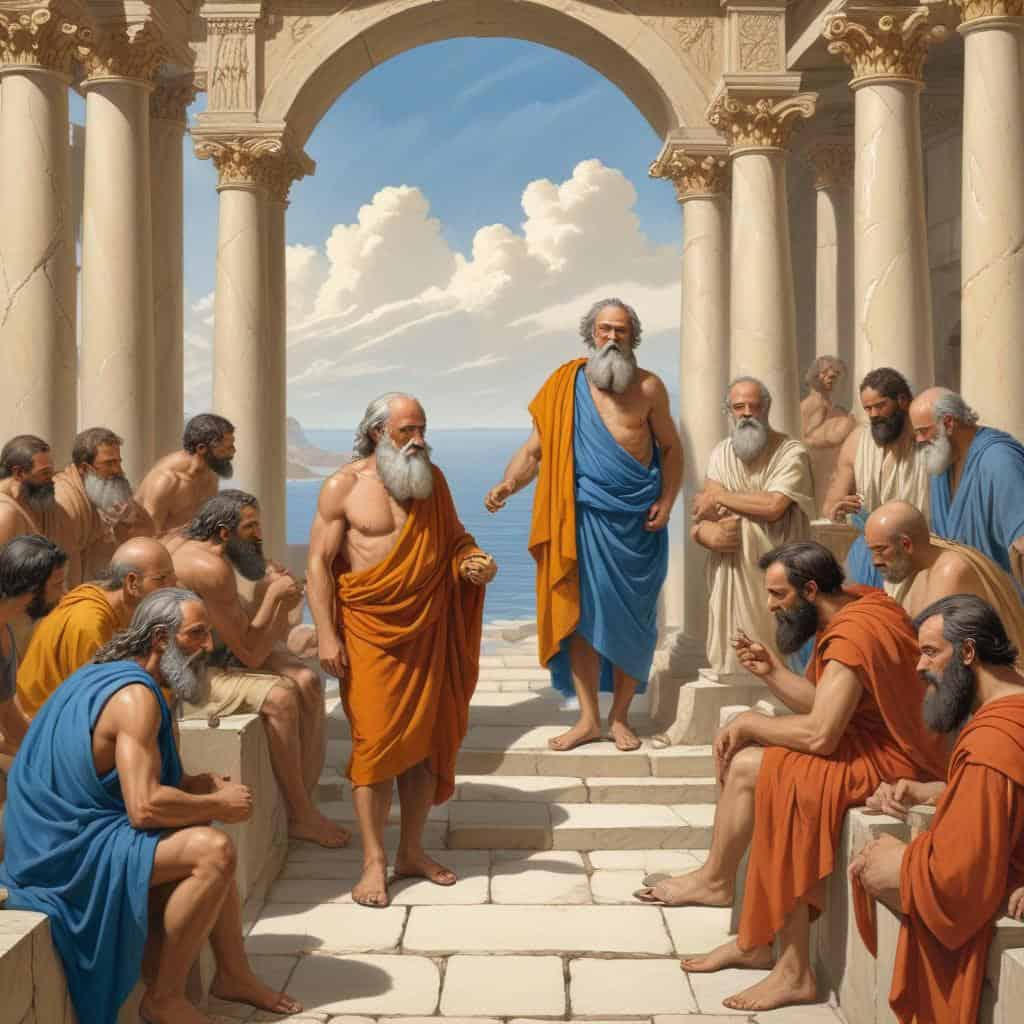
Influence on Later Philosophers
Legacy of The Milesian School
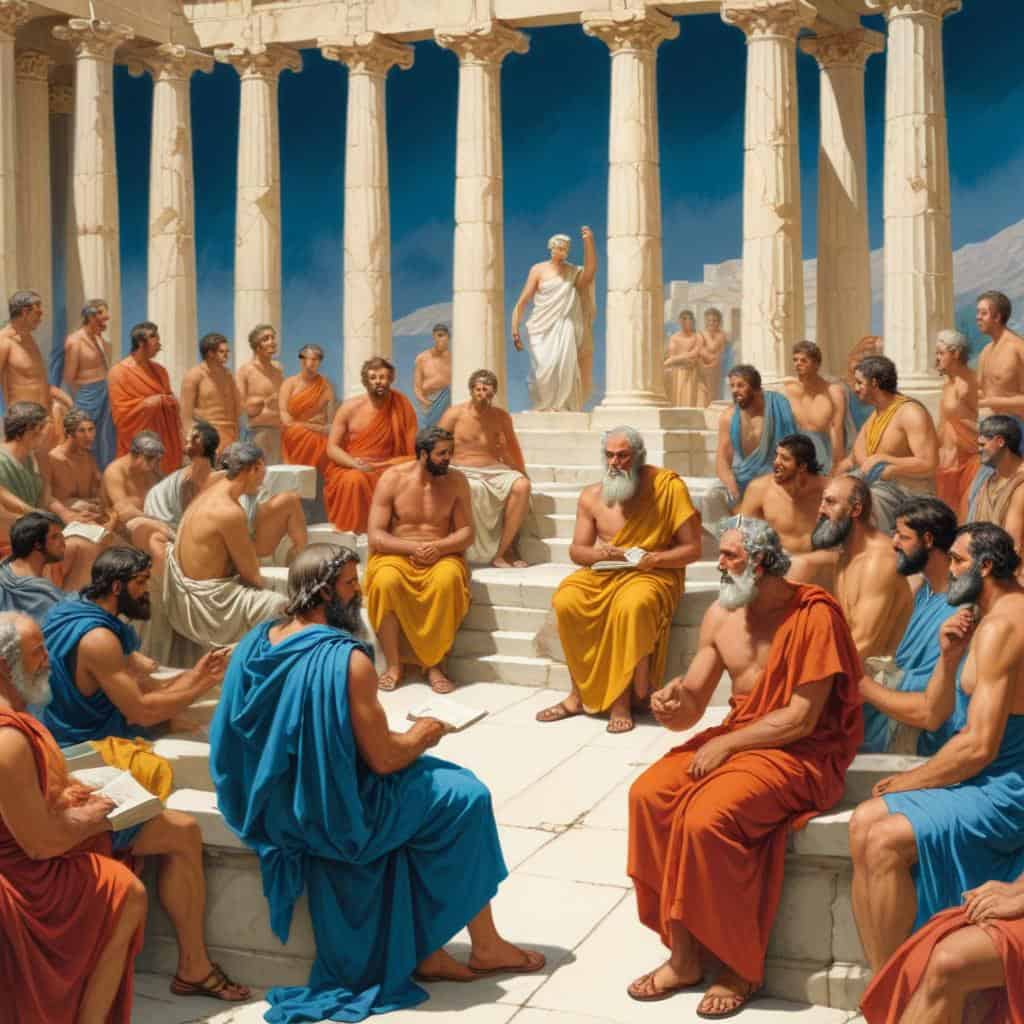
Revival in Modern Philosophy
Continuing the Philosophical Tradition
Lesson Details & Resources
In a Nutshell
- Concept: A school of thought in ancient Greek philosophy that originated in the city of Miletus.
- Thinkers: Thales, Anaximander, Anaximenes - 6th century BCE.
- Central Question: What is the fundamental substance that makes up the universe?
- Core Implication: The universe is composed of a single primary substance, such as water, boundless, or air.
Timeline of An The Milesian School
Thales of Miletus is considered the first philosopher of the Milesian school
Anaximander, a student of Thales, develops his own philosophical ideas
Anaximenes, another student of Thales, further develops the Milesian school's philosophy
Thales predicts a solar eclipse
Anaximander proposes the concept of the apeiron or the boundless as the origin of all things
Anaximenes posits air as the fundamental substance of the universe
Thales is known for his contributions to geometry and astronomy
Anaximander introduces the idea of evolution in his cosmology
Anaximenes believes that air can transform into other substances through condensation and rarefaction
The Milesian school is known for its focus on naturalistic explanations of the world
Thales is said to have traveled to Egypt and Babylon to study their knowledge
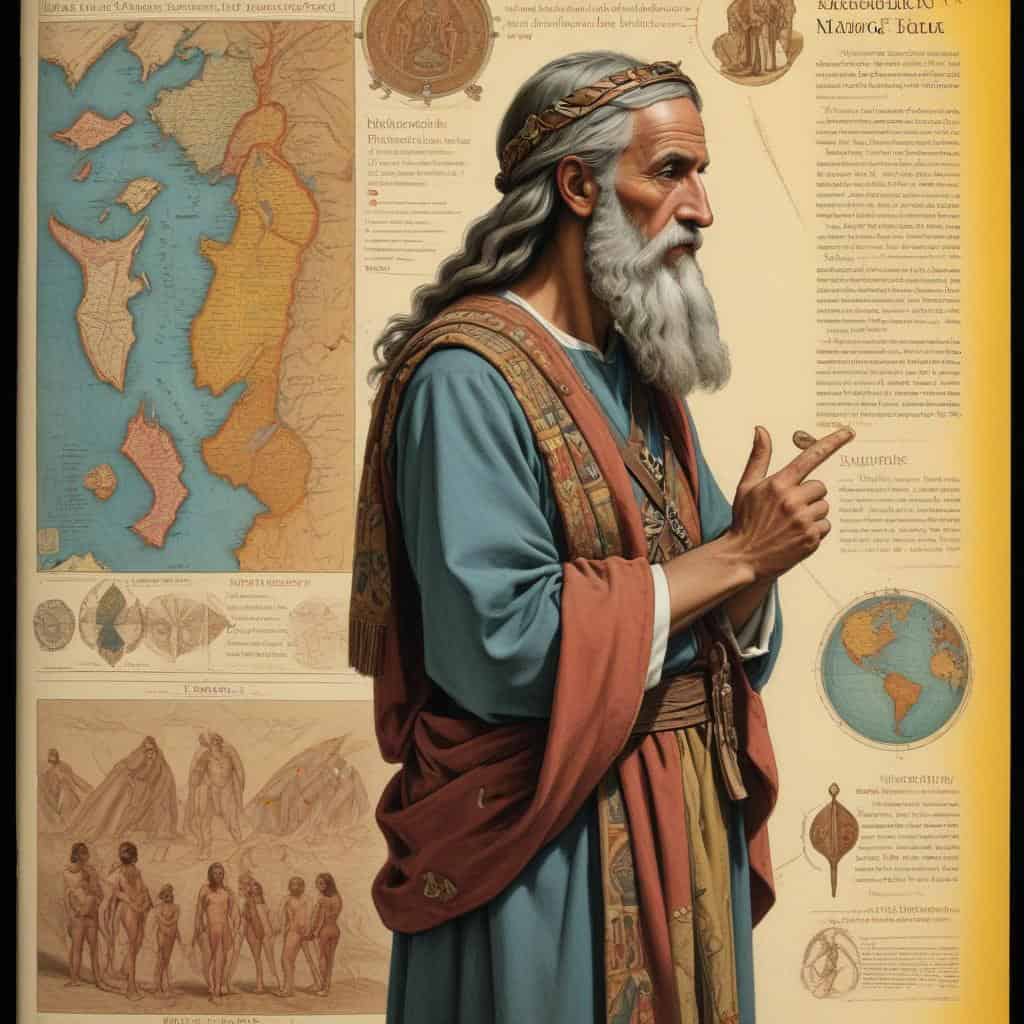
Anaximander is credited with creating the first world map
Anaximenes introduces the concept of qualitative change in his philosophy
The Milesian school is influential in shaping early Greek philosophy
Thales is known for his philosophical principle that 'all things are water'
Anaximander proposes that the earth is a cylinder floating in space
Anaximenes believes that air is the source of life and motion
The Milesian school's emphasis on reason and observation lays the foundation for Western philosophy
Thales, Anaximander, and Anaximenes are collectively known as the 'Milesian trio'
The Milesian school's ideas influence later philosophers such as Heraclitus and Parmenides
Vocabulary List
- Thales
- Thales of Miletus is considered the first philosopher of the Milesian School.
- Anaximander
- Anaximander, a student of Thales, proposed the concept of the boundless or 'apeiron' as the fundamental substance of the universe.
- Anaximenes
- Anaximenes, another student of Thales, believed that air was the primary substance from which all things are derived.
- Ionia
- The Milesian School originated in the ancient Greek city of Miletus in Ionia.
- Cosmology
- The Milesian philosophers were known for their cosmological theories, attempting to explain the origins and nature of the universe.
Key Facts
This is the information used in the fact matching game
- The Milesian School is considered the first Greek philosophical school of thought.
- Thales of Miletus is considered the founder of the Milesian School.
- Anaximander was a prominent figure in the Milesian School and is known for his cosmological theories.
- Anaximenes, another member of the Milesian School, proposed that air was the fundamental substance of the universe.
- The Milesians were interested in explaining the natural world through rational inquiry rather than mythological explanations.
- Thales is often credited with predicting a solar eclipse in 585 BCE.
- Anaximander is known for proposing the concept of the apeiron, an indefinite boundless substance that is the source of all things.
- Anaximenes believed that air could condense into other substances through rarefaction and condensation.
- The Milesians influenced later philosophers such as Heraclitus and Parmenides.
- The Milesians sought to find a single material principle (arche) that could explain the diversity of the natural world.
- Thales believed that water was the fundamental substance of the universe.
- Anaximander argued that the apeiron was the underlying substance of reality and the source of all things.
- Anaximenes believed that air was the primary substance that could transform into other elements through processes like rarefaction and condensation.
- Thales is said to have introduced geometry to the Greeks and was known for his mathematical and scientific contributions.
- The Milesian School marked a shift from mythological explanations of the natural world to a more rational and systematic approach.
- Anaximander is credited with creating one of the first maps of the world.
- Anaximenes believed that air was the primary substance that could transform into other elements through processes like rarefaction and condensation.
- The Milesian philosophers were known for their attempts to explain natural phenomena without resorting to supernatural explanations.
- Thales is often regarded as the first philosopher in Western tradition.
- Anaximander proposed that the earth was a cylinder floating in space.
Analysis & Significance
The Core Argument
The Milesian School, founded by Thales, Anaximander, and Anaximenes, sought to explain the natural world through rational principles rather than mythological explanations. They proposed that a single substance, such as water or air, was the fundamental element from which all things originated.
Criticisms and Counterarguments
Critics of the Milesian School argued that their reductionist approach oversimplified the complexity of the natural world and failed to account for the diversity of phenomena. Additionally, the reliance on a single substance as the basis for everything was seen as too restrictive and unable to explain the variety of materials found in nature.
Modern Relevance
Despite its limitations, the Milesian School’s emphasis on rational inquiry and the search for underlying principles continues to influence modern scientific thought. The idea of seeking simple explanations for complex phenomena is still prevalent in scientific research, and the quest to uncover the fundamental building blocks of the universe remains a central goal in fields such as physics and chemistry.
An The Milesian School Games


Take Your Learning Offline
Want a convenient, print-ready study guide for this lesson? Become a Memory Wizards Pro member to unlock the downloadable " Memory Scrolls" for this topic and our entire library!
- ✓ Complete Vocabulary Lists
- ✓ Key Facts & Timelines
- ✓ Beautifully Formatted for Print & Mobile