
An Analysis of Thales and the Concept of Water
Is water the essence of all things in the universe?
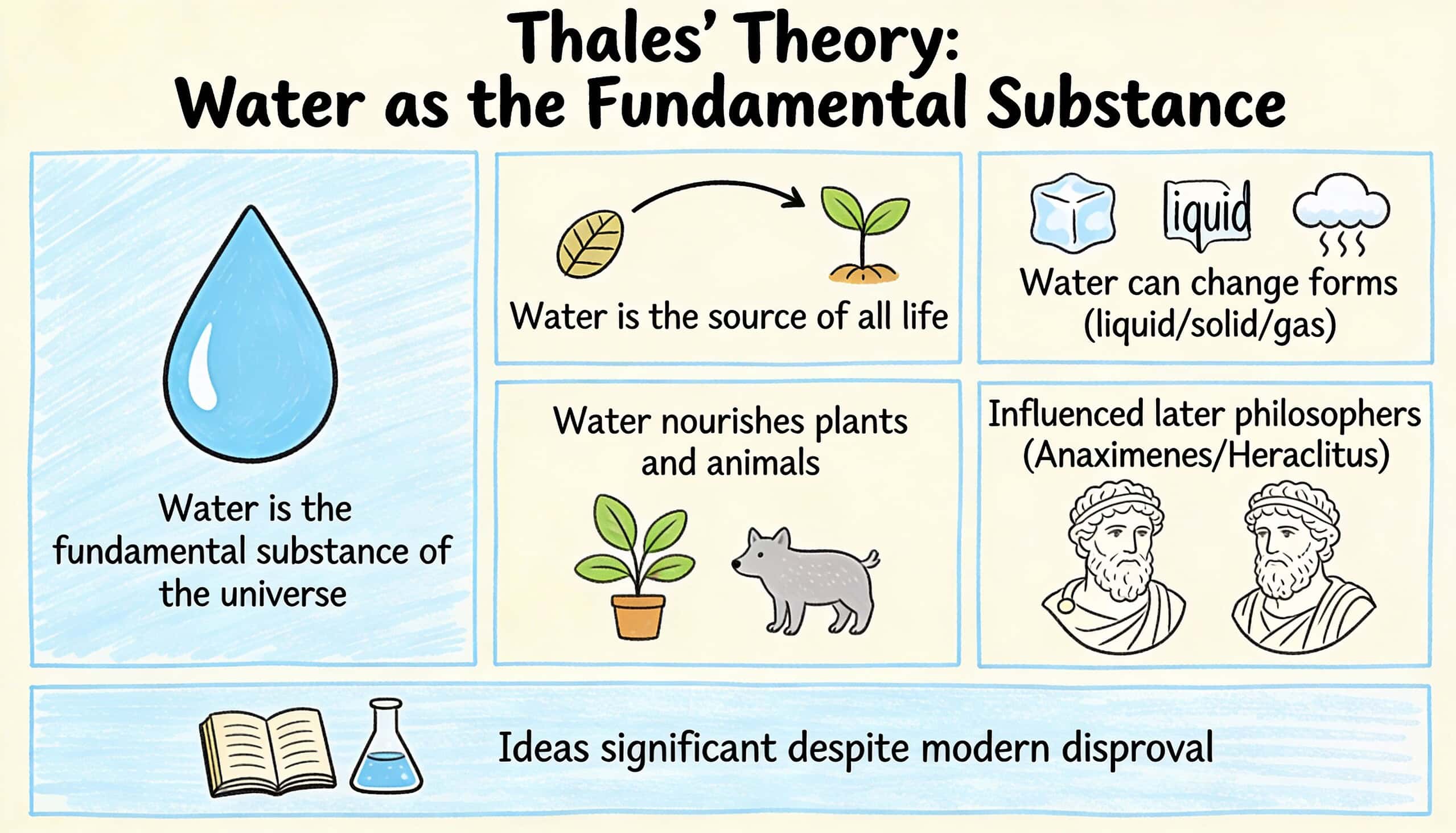
At a Glance - Infographic
How Do You Learn Best?
Learn by Listening
Start with the 3-minute audio summary to get the key facts and narrative highlights quickly.
Learn by Reading
Immerse yourself in the 10-minute visual lesson for a comprehensive understanding of the topic.
Learn by Reviewing
Jump directly to the key facts, timeline, and vocabulary lists to build a solid foundation of details.
Learn by Doing
Challenge yourself! Jump straight into the interactive games to learn by trial, error, and discovery.
Audio Library
As one of our featured lessons, this topic includes premium audio guides.
Unlock the Wizard's Cram Session
This powerful audio study guide is a Pro-exclusive feature. Upgrade to Memory Wizards Pro to access this and all of our premium learning tools.
Upgrade to ProAn Thales and the Concept of Water in 10 Minutes
Introduction

Thales of Miletus
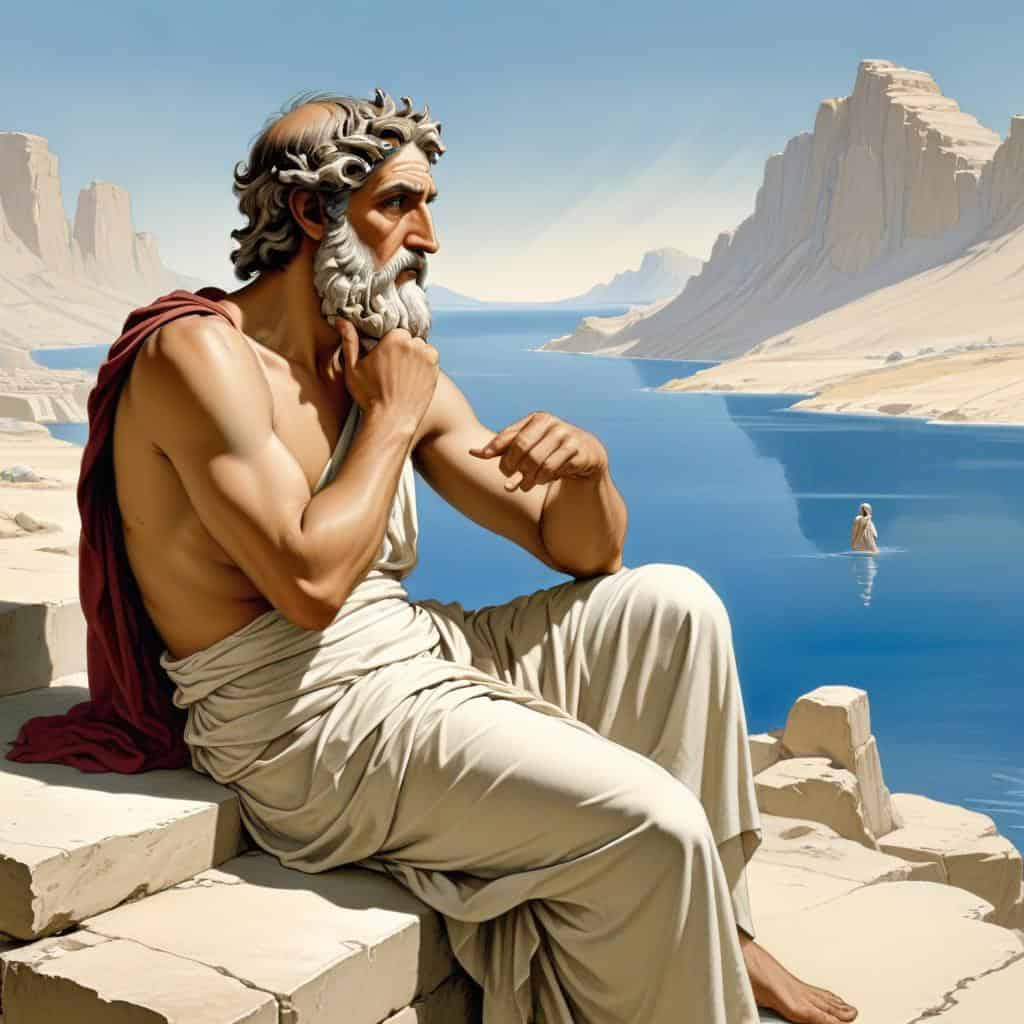
Anaximenes
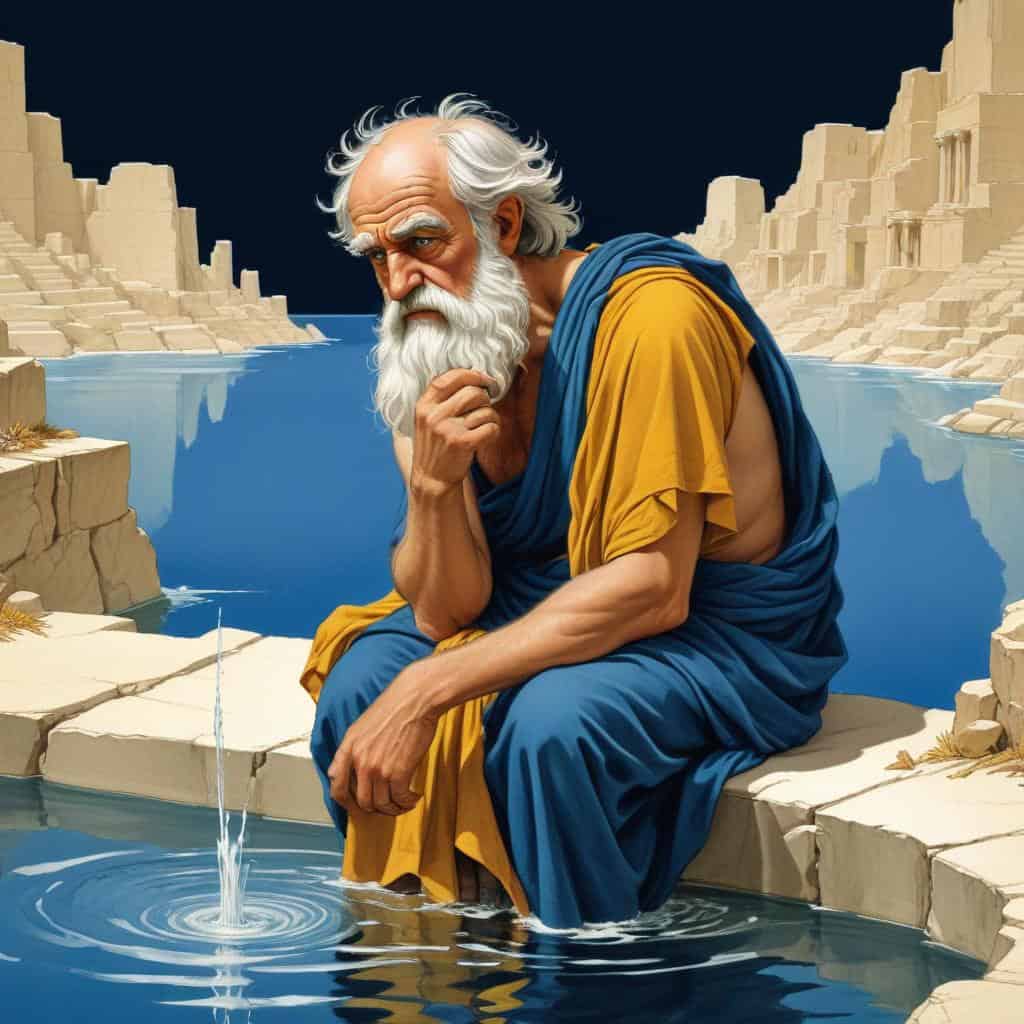
Heraclitus
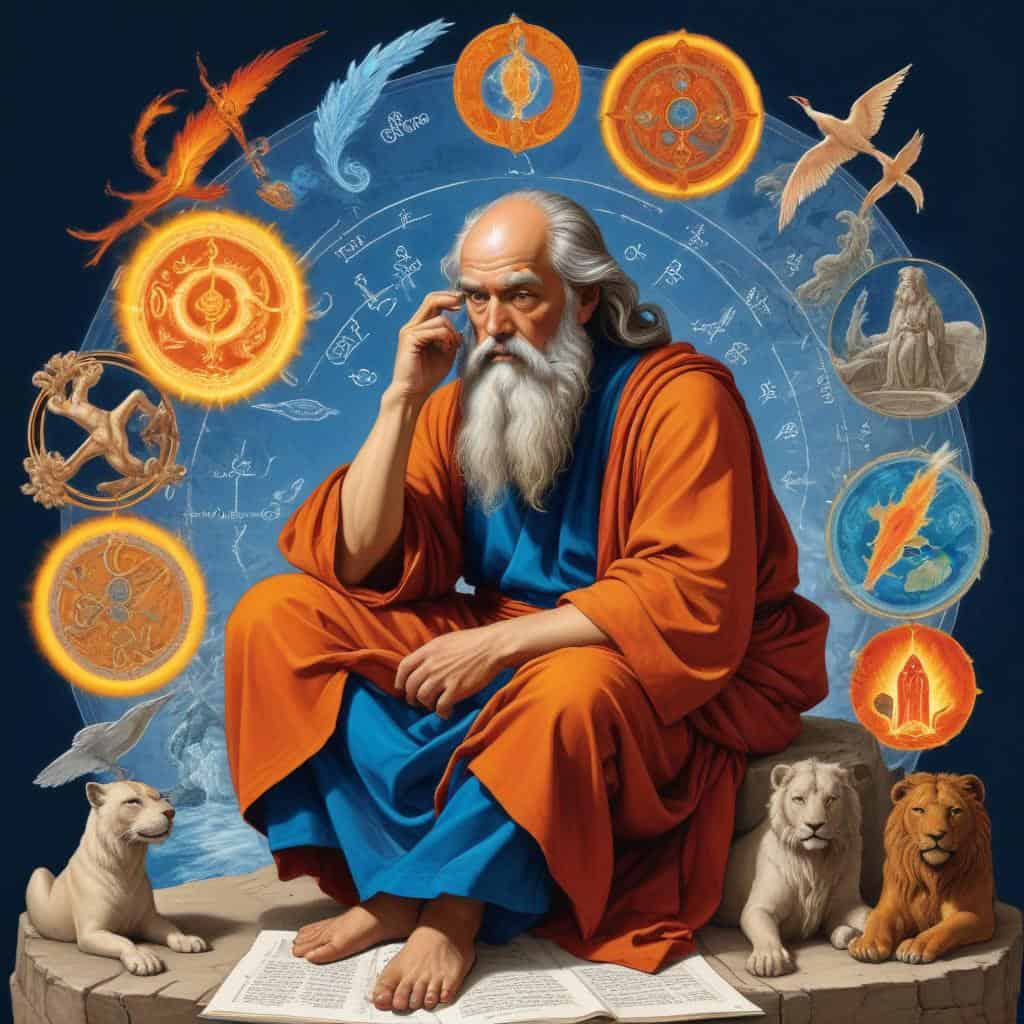
Empedocles
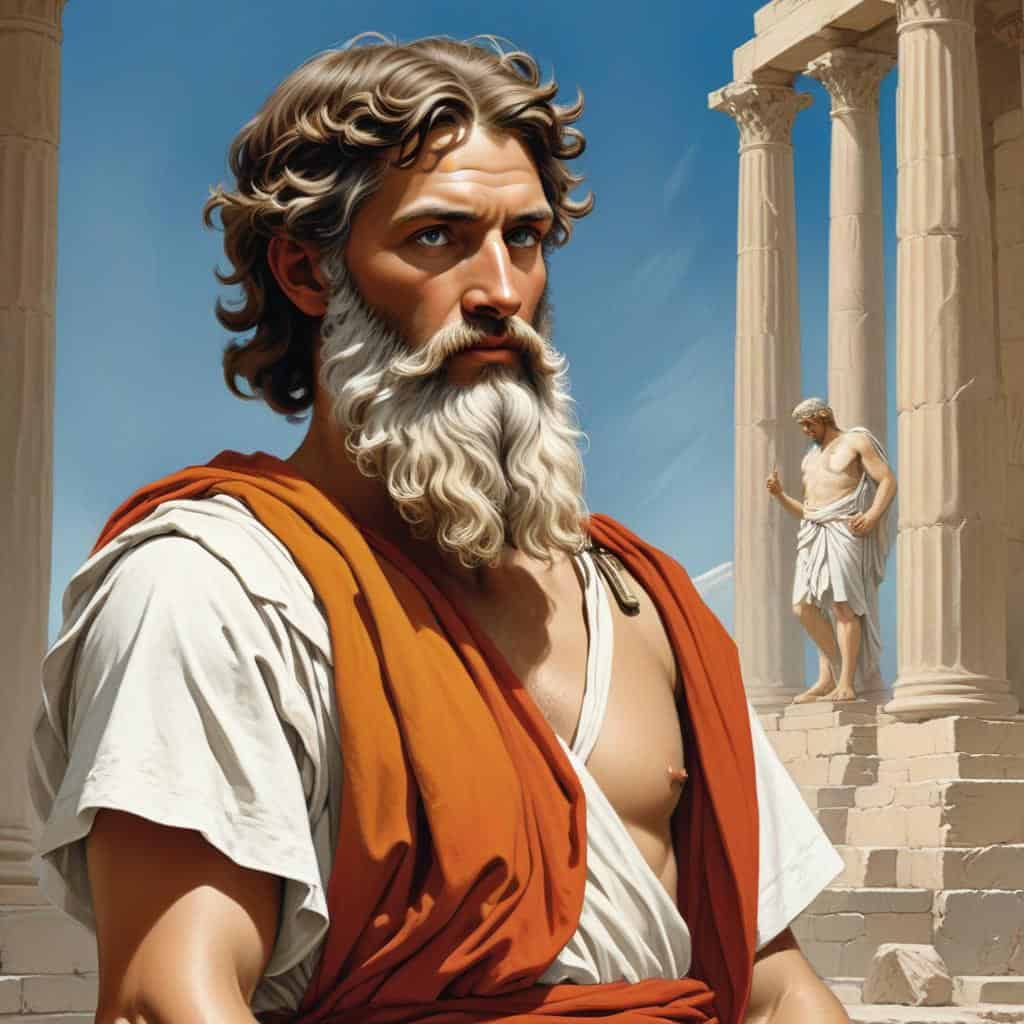
Thales Early Life
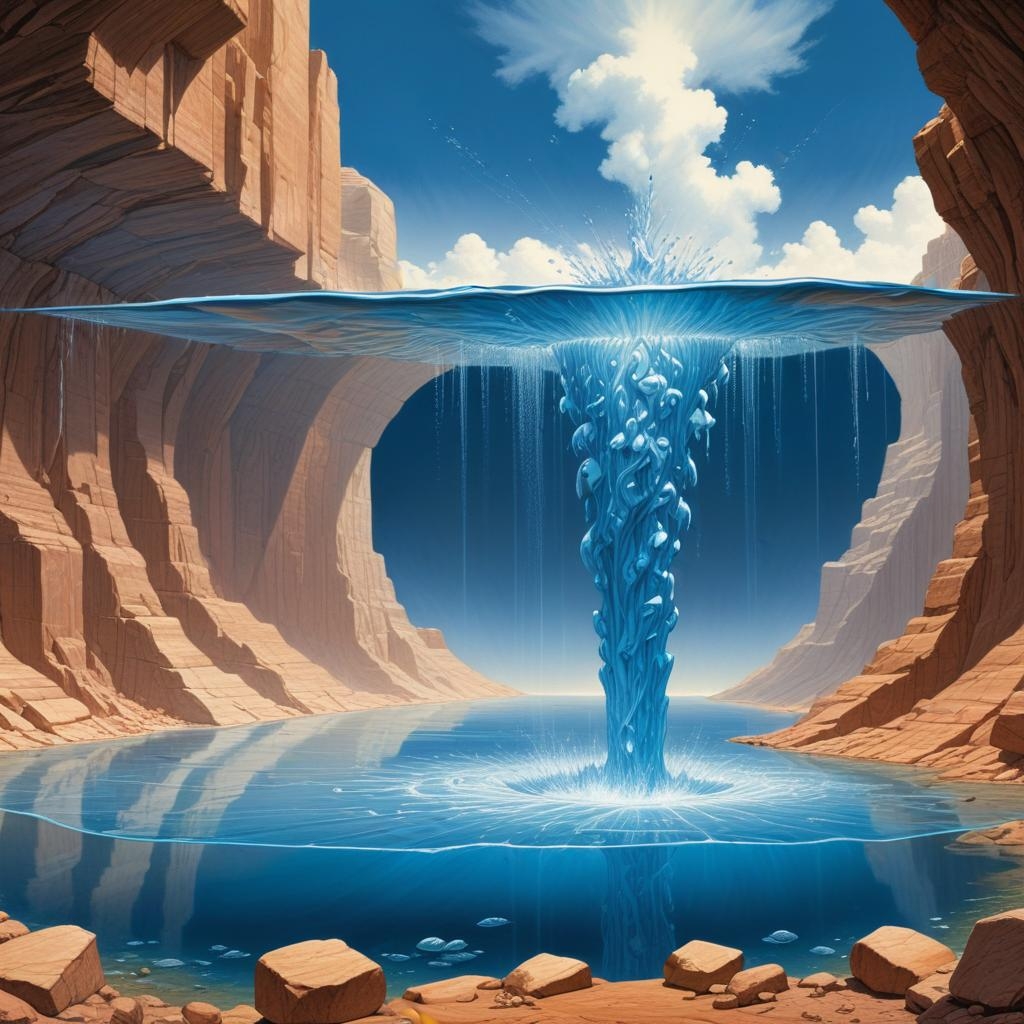
Thales Theory of Water
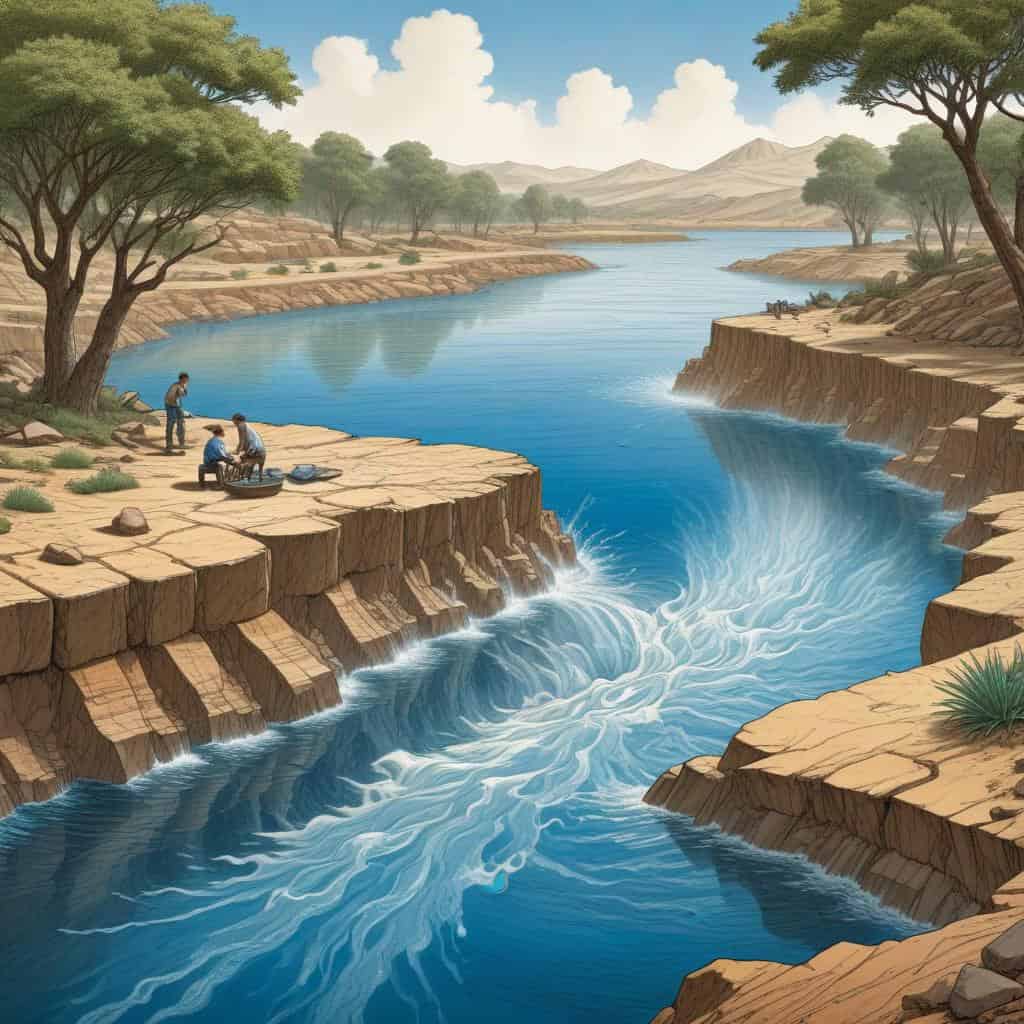
Thales Observations
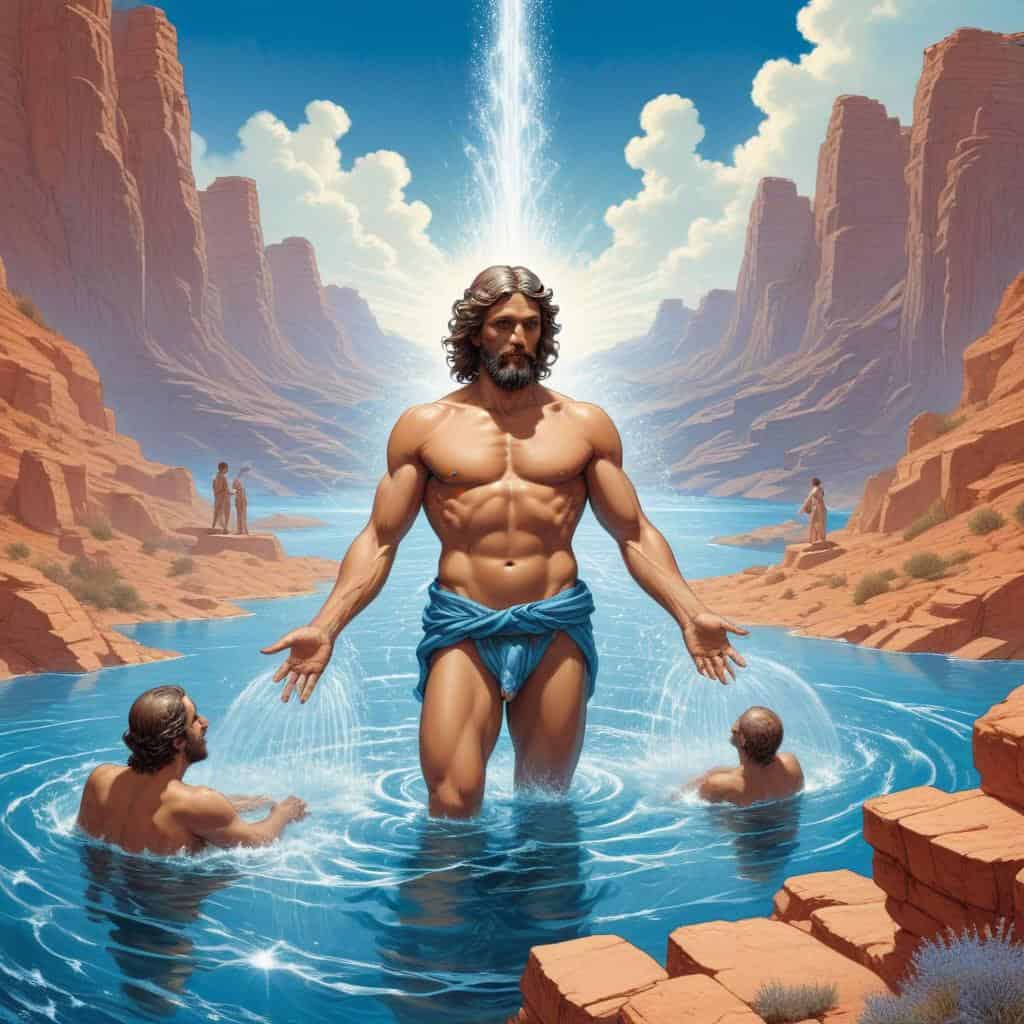
Thales Influence on Philosophy
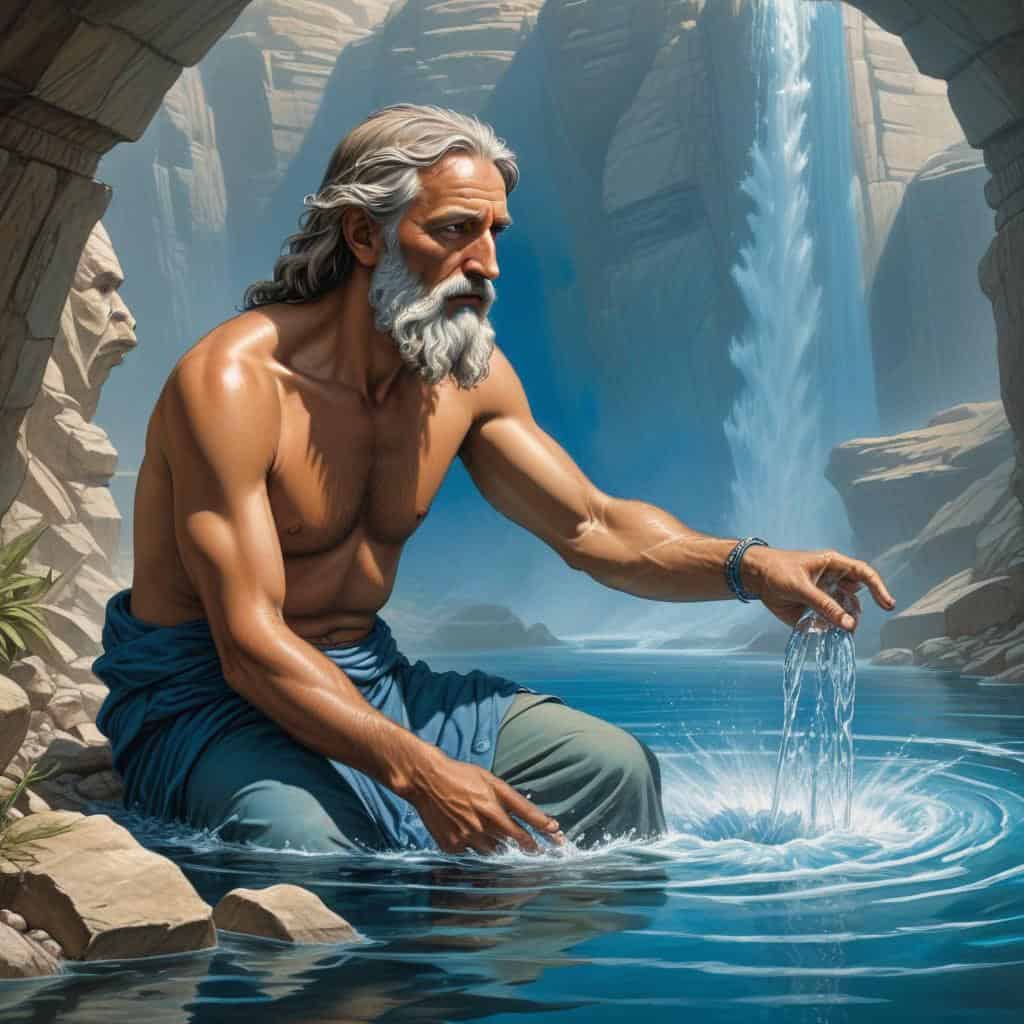
Thales Legacy

Thales Contributions to Science
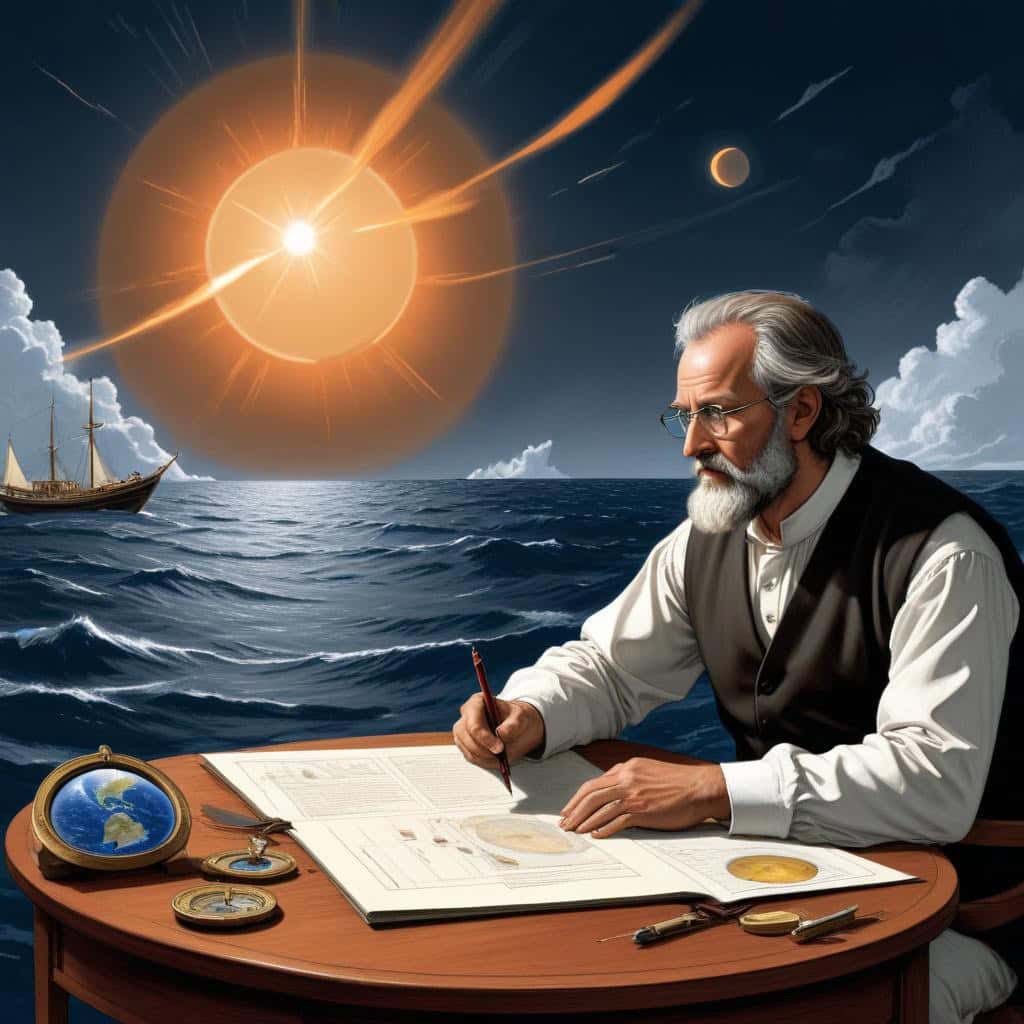
Thales Practical Knowledge
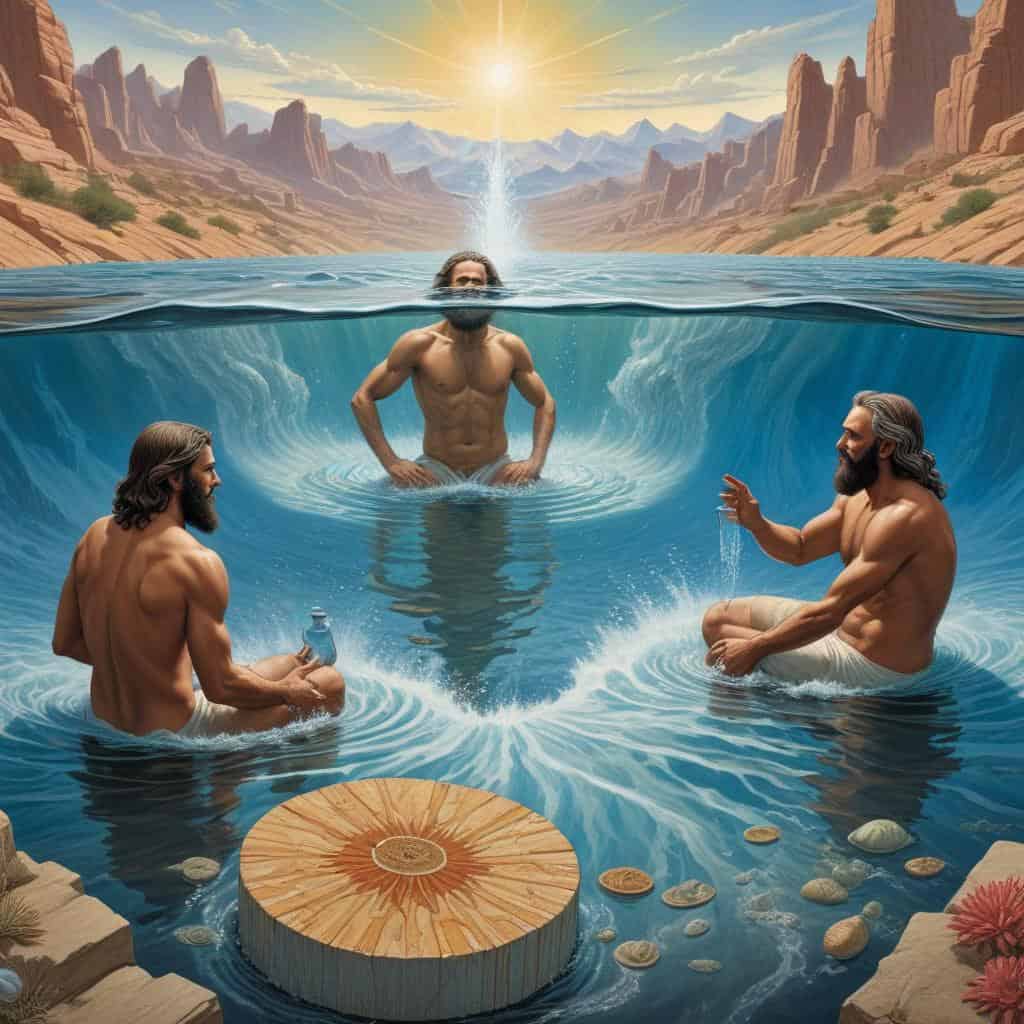
Thales Influence on Later Philosophers

Thales Philosophical Method
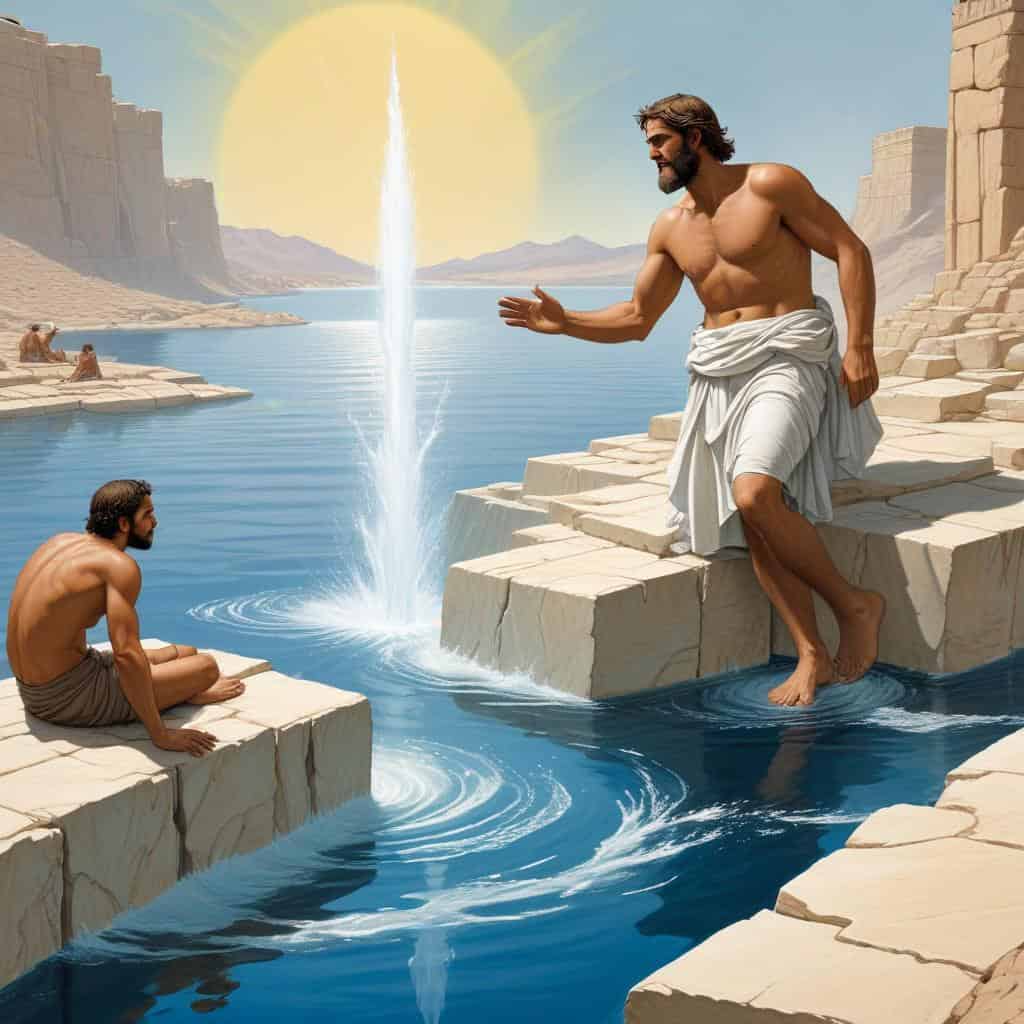
Thales Enduring Impact


Lesson Details & Resources
In a Nutshell
- Concept: A pre-Socratic philosophical concept attributing the origin of all things to water.
- Thinkers: Thales of Miletus, 6th century BCE.
- Central Question: What is the fundamental substance that everything originates from?
- Core Implication: Water is the primary element and source of all existence.
Timeline of An Thales and the Concept of Water
Thales proposes that water is the fundamental substance of the universe
Thales predicts a solar eclipse
Thales travels to Egypt to study geometry and astronomy
Thales is credited with introducing the concept of cause and effect to Greek philosophy
Thales is known for his contributions to mathematics and geometry
Thales is considered one of the Seven Sages of Greece
Thales is believed to have founded the Milesian school of philosophy
Thales is said to have advised the Ionian cities in their war against Lydia
Thales is credited with the first recorded use of deductive reasoning
Thales is believed to have died in his hometown of Miletus
Thales' teachings influence later philosophers such as Anaximander and Anaximenes
Thales' emphasis on water as the primary substance leads to the development of the concept of the four elements
Thales' ideas lay the foundation for the scientific method and the rational inquiry into the natural world
Thales' belief in the unity and interconnectedness of all things influences later thinkers in metaphysics and cosmology
Thales' emphasis on observation and empirical evidence as the basis of knowledge foreshadows modern scientific methodology
Thales' legacy endures as one of the earliest and most influential figures in Western philosophy and science
Thales' concept of water as the fundamental substance continues to be debated and explored in modern philosophy and science
Thales' ideas pave the way for the development of Western philosophy and science
Vocabulary List
- Thales
- Thales was an ancient Greek philosopher known for his belief that water is the fundamental substance of the universe.
- Philosophy
- Philosophy is the study of fundamental questions about existence, knowledge, values, reason, mind, and language.
- Water
- Water is a chemical compound consisting of hydrogen and oxygen, essential for all forms of life on Earth.
- Substance
- In philosophy, substance refers to the basic building blocks of reality, such as water according to Thales.
- Universe
- The universe is the totality of all space, time, matter, and energy, as described by various scientific and philosophical theories.
- Fundamental
- Fundamental means basic, essential, or primary, as in Thales' belief that water is the fundamental substance of the universe.
- Existence
- Existence is the state of being or having objective reality, a concept often explored in philosophical discussions.
- Knowledge
- Knowledge is the understanding or awareness of facts, information, skills, or concepts, a key focus of philosophical inquiry.
- Values
- Values are principles or beliefs that guide behavior and decision-making, often a central concern in ethical philosophy.
- Reason
- Reason is the ability to think, understand, and form judgments logically, a crucial aspect of philosophical reasoning.
- Mind
- The mind is the faculty of consciousness, thought, perception, and memory, a subject of study in both philosophy and psychology.
- Language
- Language is a system of communication using symbols, sounds, or gestures, essential for expressing ideas and concepts in philosophical discourse.
Key Facts
This is the information used in the fact matching game
- Thales believed that water is the fundamental substance of the universe.
- He proposed that all things come from water and return to water.
- Thales' theory of water as the primary substance is known as hylozoism.
- Water was seen as the source of life and the principle of change in the natural world by Thales.
- Thales believed that water could transform into other substances through condensation and rarefaction.
- He thought that everything in the world was in a constant state of flux, with water being the underlying substance.
- Thales' concept of water as the primary substance influenced later Greek philosophers such as Anaximenes and Heraclitus.
- Water was associated with wisdom and knowledge in ancient Greek culture, making Thales' choice of water as the fundamental substance significant.
- Thales' emphasis on water as the primary element helped lay the foundation for Western philosophy and science.
- He believed that water was necessary for the growth and sustenance of all living things.
- Thales used water as a metaphor to explain the concept of change and transformation in the natural world.
- Water was seen as a symbol of purity and clarity in ancient Greek culture, reflecting Thales' belief in the importance of simplicity and unity in understanding the universe.
- Thales' focus on water as the primary substance challenged traditional mythological explanations of the origins of the universe.
- He believed that water had the power to create and destroy, illustrating his view of water as a dynamic and transformative force in the world.
- Thales' concept of water as the source of all things paved the way for later scientific investigations into the nature of matter and the origins of the cosmos.
- Water was considered a symbol of wisdom and knowledge in many ancient cultures, reflecting Thales' belief in the importance of empirical observation and rational inquiry.
- Thales' theory of water as the primary substance was one of the first attempts to explain the origins and nature of the universe through natural rather than supernatural means.
- He believed that water had the power to shape and transform the world, illustrating his view of water as a dynamic and creative force in the cosmos.
- Thales' concept of water as the fundamental substance challenged traditional views of the universe and laid the groundwork for the development of scientific thought in ancient Greece.
- Water was seen as a symbol of purity and renewal in ancient Greek culture, reflecting Thales' belief in the cyclical nature of existence and the transformative power of water.
Analysis & Significance
The Core Argument
Thales, one of the earliest philosophers in ancient Greece, proposed that water is the fundamental substance of the universe. This concept signifies a shift from mythological explanations to a rational and naturalistic understanding of the world, laying the groundwork for scientific inquiry and philosophical speculation.
Criticisms and Counterarguments
Critics argue that Thales’ focus on water as the primary element is overly simplistic and reductionist. They point out that his theory fails to account for the diversity and complexity of the natural world, dismissing the contributions of other elements and forces in shaping reality.
Modern Relevance
Thales’ emphasis on water as a unifying substance resonates with contemporary discussions on environmental sustainability and interconnectedness. By recognizing the significance of water as a vital resource for life and a symbol of unity, we are reminded of the importance of preserving and respecting our natural environment for future generations.
An Thales and the Concept of Water Games


Take Your Learning Offline
Want a convenient, print-ready study guide for this lesson? Become a Memory Wizards Pro member to unlock the downloadable " Memory Scrolls" for this topic and our entire library!
- ✓ Complete Vocabulary Lists
- ✓ Key Facts & Timelines
- ✓ Beautifully Formatted for Print & Mobile