
An Analysis of Parmenides and the Doctrine of Being
Is existence truly unchanging and eternal, as Parmenides believed?
How Do You Learn Best?
Learn by Listening
Start with the 3-minute audio summary to get the key facts and narrative highlights quickly.
Learn by Reading
Immerse yourself in the 10-minute visual lesson for a comprehensive understanding of the topic.
Learn by Reviewing
Jump directly to the key facts, timeline, and vocabulary lists to build a solid foundation of details.
Learn by Doing
Challenge yourself! Jump straight into the interactive games to learn by trial, error, and discovery.
Audio Library
As one of our featured lessons, this topic includes premium audio guides.
Unlock the Wizard's Cram Session
This powerful audio study guide is a Pro-exclusive feature. Upgrade to Memory Wizards Pro to access this and all of our premium learning tools.
Upgrade to ProAn Parmenides and the Doctrine of Being in 10 Minutes

Introduction
Parmenides

Zenon of Elea
Plato
Aristotle
1. Parmenides and his Philosophy
2. The Doctrine of Being

3. The Way of Truth

4. The Nature of Being

5. Criticisms of Parmenides Philosophy
6. Influence on Western Philosophy
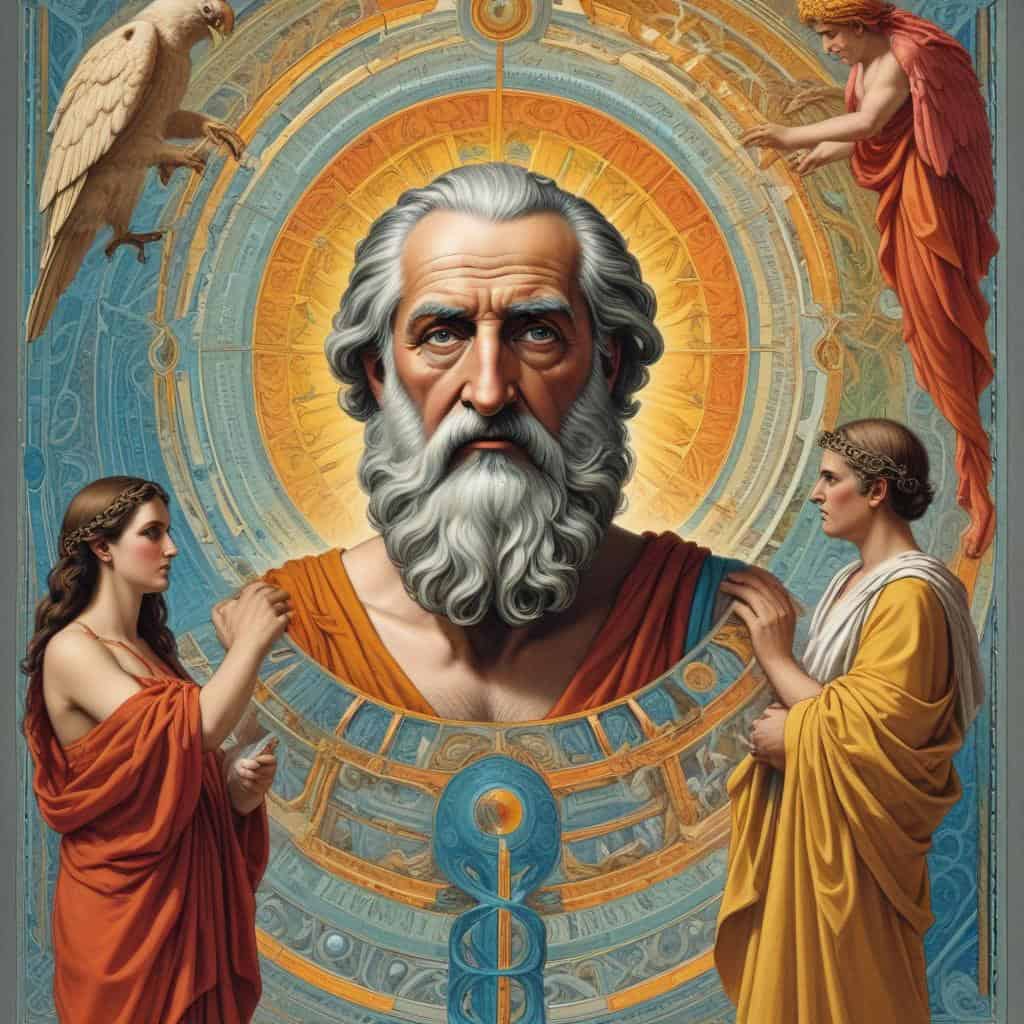
7. Interpretation of Parmenides Philosophy

8. Legacy of Parmenides
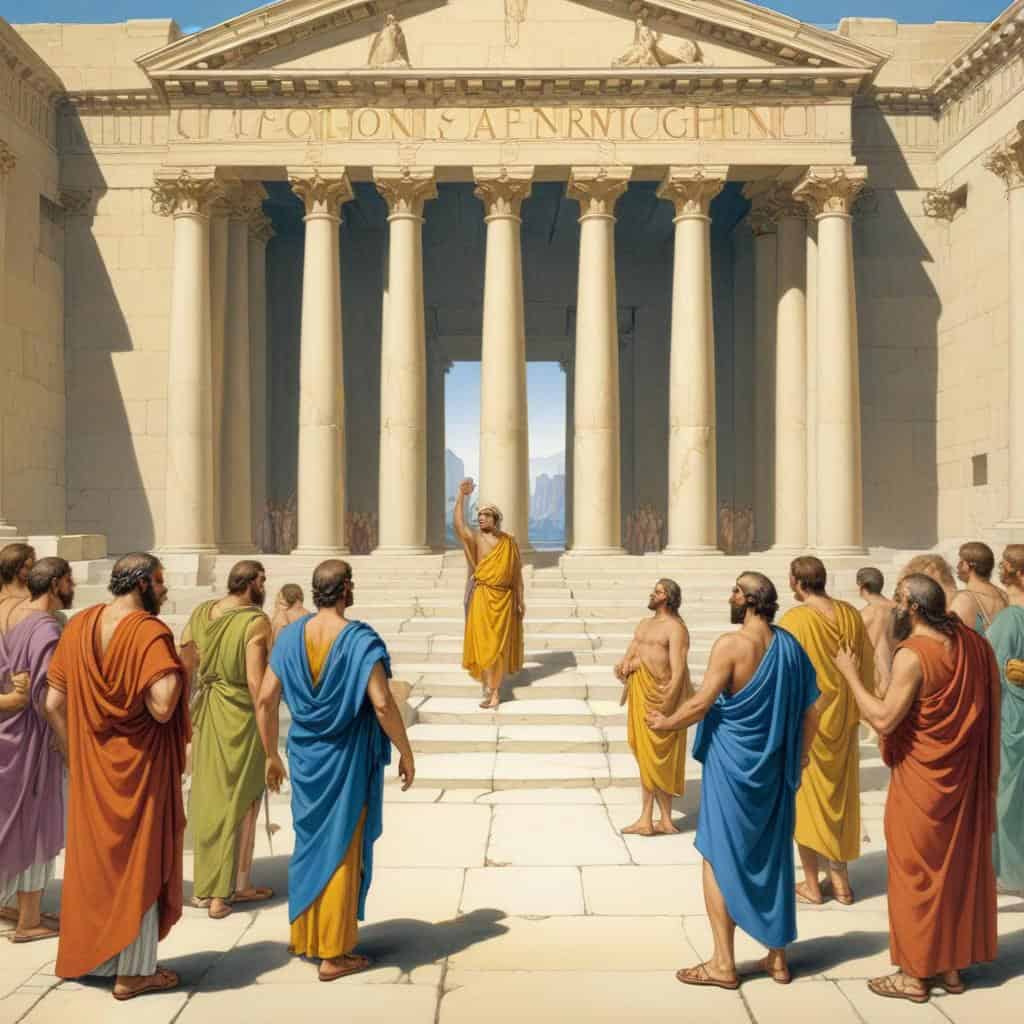
9. Relevance of Parmenides Doctrine of Being


Lesson Details & Resources
In a Nutshell
- Concept: A philosophical concept that explores the nature of existence and reality.
- Philosopher: Parmenides, 5th century BC.
- Central Question: What is the true nature of being and how do we understand it?
- Important Implication: The belief that change and plurality are illusions, and that only one unchanging reality exists.
Timeline of An Parmenides and the Doctrine of Being
Parmenides is born in Elea, Italy
Parmenides becomes a student of Xenophanes
Parmenides presents his philosophical poem 'On Nature'
Parmenides introduces the concept of 'Being' as the only reality
Parmenides argues against the idea of change and plurality
Parmenides establishes the principle of non-contradiction in philosophy
Parmenides influences the development of metaphysical thought in Ancient Greece
Parmenides' ideas are further developed by his student Zeno of Elea
Parmenides' philosophy is critiqued by Heraclitus and the Sophists
Parmenides' work is preserved through the writings of Plato and Aristotle
Parmenides' ideas continue to influence later philosophers such as Spinoza and Heidegger
Parmenides' concept of 'Being' is a key topic in the study of ontology and metaphysics
Parmenides' philosophy remains a significant influence in Western philosophy
Vocabulary List
- Being
- The concept of existence or reality, as discussed in Parmenides' philosophy.
- Parmenides
- An ancient Greek philosopher who is known for his work on the nature of reality and the concept of Being.
- Unity
- Parmenides believed that reality is a single, unified entity, and that change and plurality are illusions.
- Immutable
- Parmenides argued that Being is unchanging and eternal, and cannot be destroyed or created.
- Truth
- In Parmenides' philosophy, the ultimate truth is the existence of Being, which is unchanging and eternal.
- Illusion
- Parmenides rejected the idea of change and plurality as illusory, and argued that true reality is unchanging and eternal.
Key Facts
This is the information used in the fact matching game
- Parmenides was a pre-Socratic philosopher from ancient Greece.
- Parmenides is known for his poem 'On Nature', which presents his philosophical ideas.
- Parmenides argued that reality is unchanging and indivisible.
- Parmenides' philosophy is often contrasted with that of Heraclitus, who believed in constant change.
- Parmenides believed that the senses are unreliable in revealing truth about reality.
- Parmenides' philosophy influenced later philosophers such as Plato and Aristotle.
- Parmenides' Doctrine of Being posits that being is unchanging, indivisible, and eternal.
- Parmenides argued that change and motion are illusions.
- Parmenides' philosophy is often seen as a response to the problem of change raised by Heraclitus.
- Parmenides' Doctrine of Being is a key concept in metaphysics.
- Parmenides' philosophy has been interpreted in various ways by different philosophers throughout history.
- Parmenides' ideas about the nature of reality have sparked debates among scholars for centuries.
- Parmenides' influence can be seen in the works of later philosophers such as Plotinus and Hegel.
- Parmenides' Doctrine of Being has been a topic of interest for scholars studying ancient philosophy.
- Parmenides' philosophy raises questions about the nature of existence and reality.
- Parmenides' emphasis on reason and logic in his philosophy has been noted by scholars.
- Parmenides' ideas about being have been compared to those of later philosophers such as Spinoza and Heidegger.
- Parmenides' emphasis on the unity and oneness of being has been a topic of debate among scholars.
- Parmenides' philosophy challenges conventional views of reality and existence.
- Parmenides' influence on Western philosophy can be seen in the works of later thinkers such as Descartes and Kant.
Analysis & Significance
The Core Argument
Parmenides, an ancient Greek philosopher, argued that reality is unchanging, eternal, and indivisible. He posited that being is the only true reality, while non-being is merely an illusion. This doctrine of being challenged conventional beliefs about the nature of existence and laid the groundwork for metaphysical inquiries into the nature of reality.
Criticisms and Counterarguments
Critics of Parmenides’ doctrine of being argue that his strict dichotomy between being and non-being is overly simplistic and fails to account for the complexities and contradictions inherent in the world. They point out that change and plurality are undeniable aspects of our experience, which cannot be dismissed as mere illusions. Other philosophers propose alternative theories that embrace the dynamic and diverse nature of reality.
Modern Relevance
Despite the ancient origins of Parmenides’ philosophy, his ideas continue to resonate in modern discussions about the nature of truth, reality, and existence. In a world characterized by rapid change and uncertainty, Parmenides’ emphasis on the constancy and unity of being offers a thought-provoking perspective on how we perceive and understand the world around us. His doctrine of being invites us to contemplate the fundamental nature of reality in the face of ever-evolving beliefs and perspectives.
An Parmenides and the Doctrine of Being Games


Take Your Learning Offline
Want a convenient, print-ready study guide for this lesson? Become a Memory Wizards Pro member to unlock the downloadable " Memory Scrolls" for this topic and our entire library!
- ✓ Complete Vocabulary Lists
- ✓ Key Facts & Timelines
- ✓ Beautifully Formatted for Print & Mobile