
An Analysis of Heraclitus and the Doctrine of Change
Can we step into the same river twice?
How Do You Learn Best?
Learn by Listening
Start with the 3-minute audio summary to get the key facts and narrative highlights quickly.
Learn by Reading
Immerse yourself in the 10-minute visual lesson for a comprehensive understanding of the topic.
Learn by Reviewing
Jump directly to the key facts, timeline, and vocabulary lists to build a solid foundation of details.
Learn by Doing
Challenge yourself! Jump straight into the interactive games to learn by trial, error, and discovery.
Audio Library
As one of our featured lessons, this topic includes premium audio guides.
Unlock the Wizard's Cram Session
This powerful audio study guide is a Pro-exclusive feature. Upgrade to Memory Wizards Pro to access this and all of our premium learning tools.
Upgrade to ProAn Heraclitus and the Doctrine of Change in 10 Minutes

Introduction


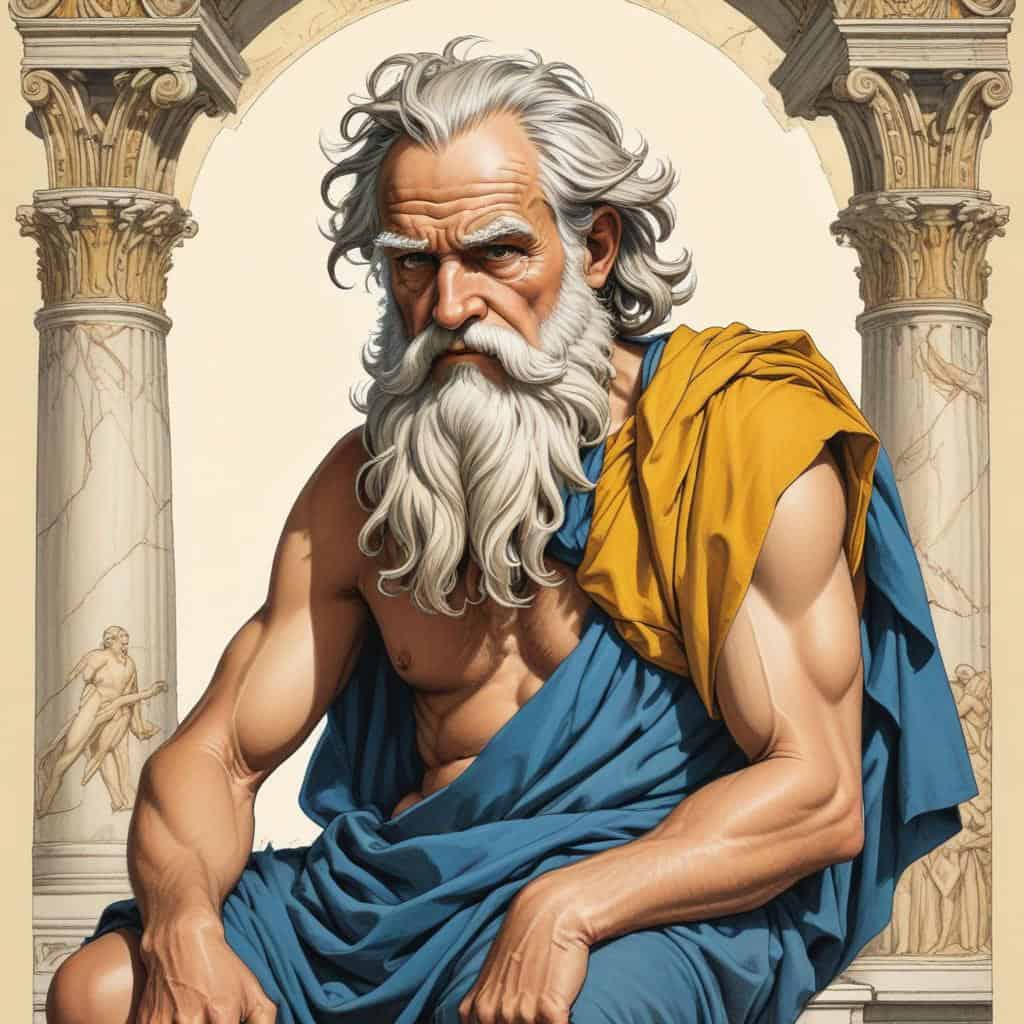
Heraclitus
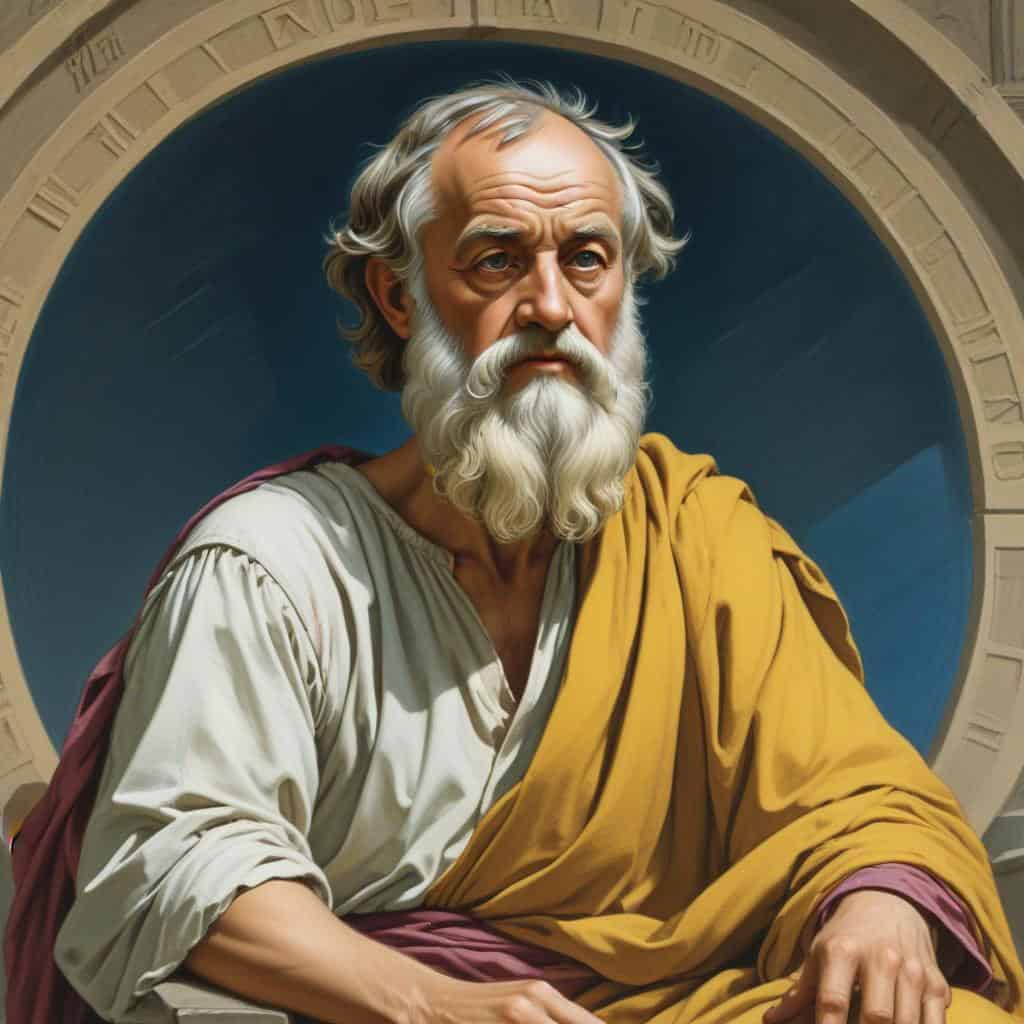
Plato

Aristotle

Nietzsche
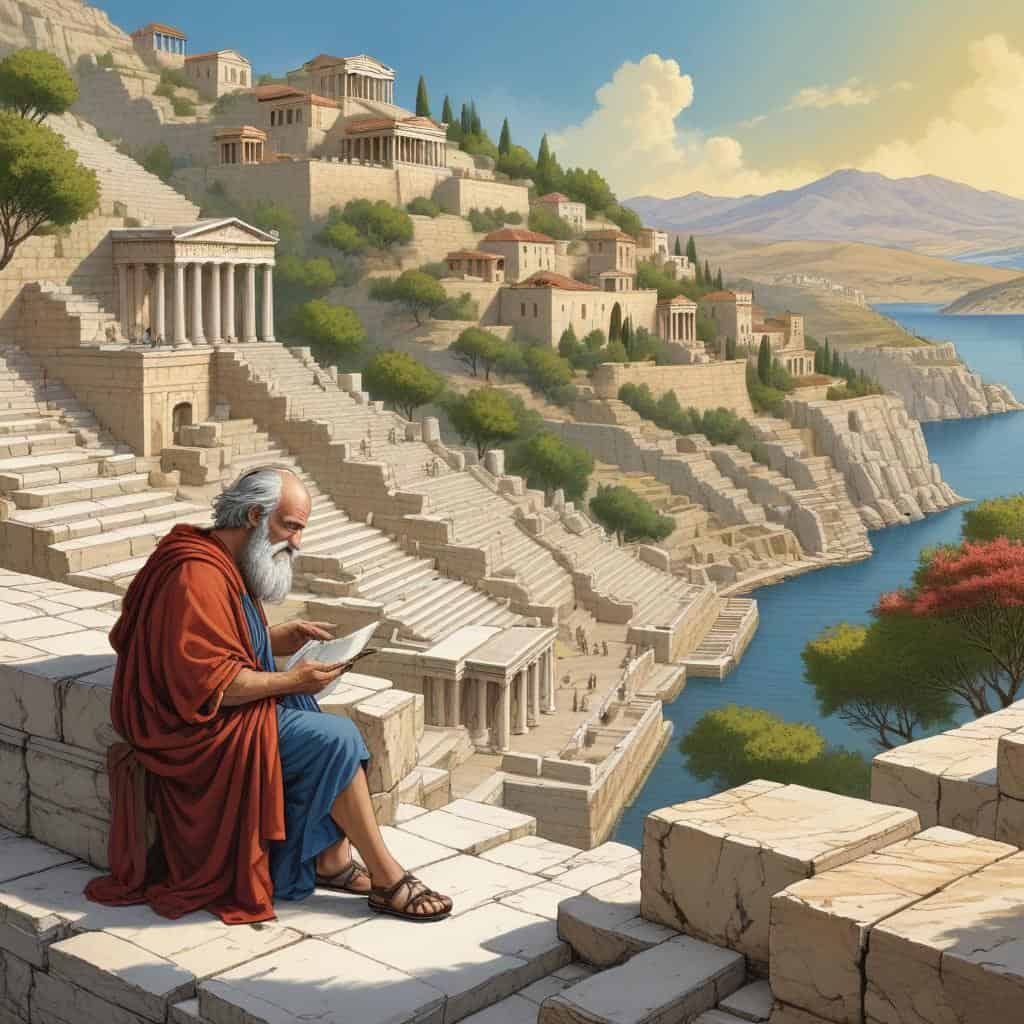
1. Early Life of Heraclitus

2. The Doctrine of Change

3. The Unity of Opposites

4. Fire as the Primary Element
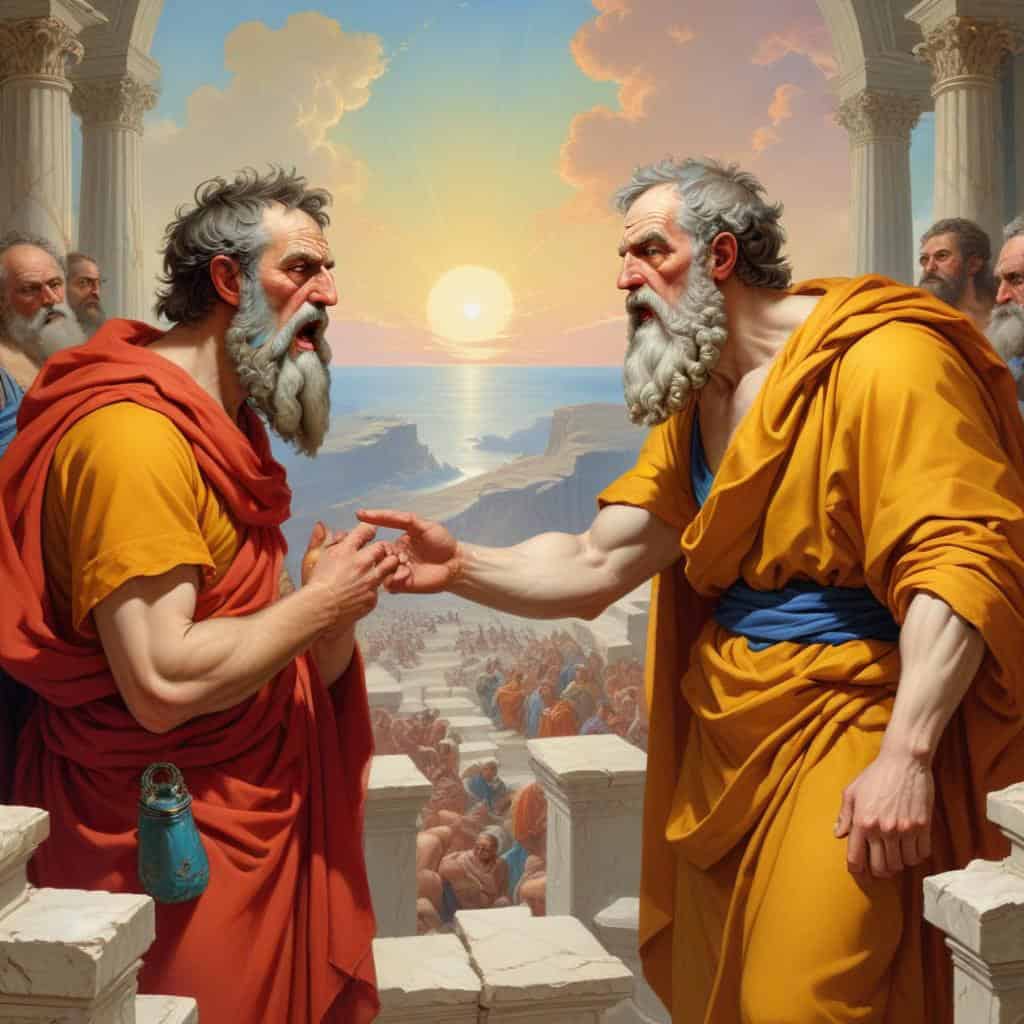
5. Criticism of Heraclitus Philosophy

6. Influence on Western Philosophy
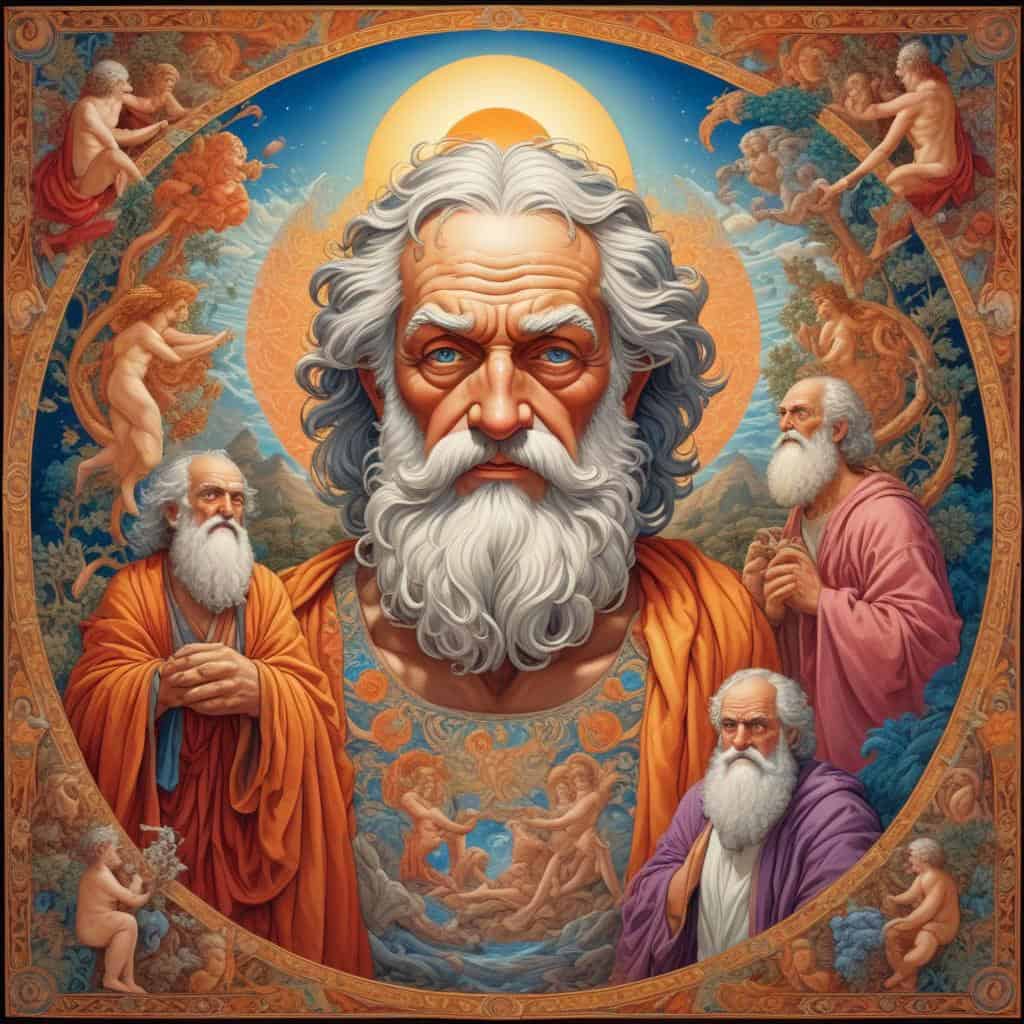
7. Legacy of Heraclitus

8. Hermann Diels Collection of Fragments

9. Influence on Stoicism


Lesson Details & Resources
In a Nutshell
- Concept: A philosophical concept that emphasizes the idea of constant change and flux in the world.
- Thinkers: Heraclitus, Ancient Greek philosopher around 500 BC.
- Central Question: How can we understand and make sense of a world that is constantly changing?
- Core Implication: The only constant in life is change, and we must learn to embrace and adapt to it.
Timeline of An Heraclitus and the Doctrine of Change
Heraclitus is born in Ephesus, Greece
Heraclitus develops his philosophy of change and flux
Heraclitus writes his famous work 'On Nature'
Heraclitus coins the phrase 'you cannot step into the same river twice'
Heraclitus becomes known as the 'Obscure' due to the complexity of his writings
Heraclitus' ideas influence other pre-Socratic philosophers such as Parmenides and Empedocles
Heraclitus dies in Ephesus
Heraclitus' work is preserved and studied by later philosophers such as Plato and Aristotle
Heraclitus' philosophy of change continues to influence Western thought throughout the Middle Ages
Heraclitus' ideas are rediscovered and studied during the Renaissance
Heraclitus' concept of constant change is embraced by modern existentialist and postmodern philosophers
Heraclitus' work is translated into multiple languages and becomes widely read in academic circles
Heraclitus' philosophy of change is applied to various fields such as psychology, sociology, and literature
Vocabulary List
- Flux
- Heraclitus believed that everything is in a constant state of flux, or change.
- Unity of opposites
- Heraclitus posited that opposites are necessary for harmony and balance, and that they are ultimately united.
- Logos
- Heraclitus believed in the concept of logos, or the underlying order and reason in the universe.
- Fire
- Heraclitus famously said that fire is the primary element of the universe, symbolizing change and transformation.
- Panta rhei
- This phrase, attributed to Heraclitus, means 'everything flows' and encapsulates his belief in the constant change of the world.
- Harmony
- Heraclitus believed that harmony arises from the tension and balance of opposites.
- Opposition
- Heraclitus saw opposition as necessary for growth and change.
- Paradox
- Heraclitus's ideas often seem paradoxical, such as his belief that change is the only constant.
- Process philosophy
- Heraclitus is considered one of the early proponents of process philosophy, which emphasizes change and development over static being.
- Heraclitean
- The term 'Heraclitean' is used to describe ideas or philosophies that emphasize change and flux.
Key Facts
This is the information used in the fact matching game
- Heraclitus was a pre-Socratic Greek philosopher known for his doctrine of change and the concept of universal flux.
- Heraclitus believed that everything is in a constant state of flux and that change is the only constant in the universe.
- Heraclitus famously said, 'You cannot step into the same river twice,' emphasizing the ever-changing nature of reality.
- Heraclitus believed that fire was the primary element and symbol of change in the universe.
- Heraclitus argued that opposites are necessary for existence and that harmony arises from the tension between them.
- Heraclitus' philosophy influenced later thinkers such as Plato, Aristotle, and Stoic philosophers.
- Heraclitus believed that the underlying order of the universe is a rational and divine Logos, which governs the world.
- Heraclitus' emphasis on change and flux led to his view that reality is characterized by constant tension and transformation.
- Heraclitus rejected the idea of a stable, unchanging reality and instead embraced the idea of a dynamic and evolving world.
- Heraclitus' philosophy has been interpreted as a precursor to modern theories of evolution and process philosophy.
- Heraclitus believed that people's perceptions are limited by their senses and that true knowledge requires an understanding of the underlying unity of opposites.
- Heraclitus' enigmatic style of writing, characterized by paradoxes and cryptic aphorisms, has led to differing interpretations of his philosophy.
- Heraclitus' concept of the unity of opposites has been compared to the Chinese philosophy of Yin and Yang.
- Heraclitus believed that change is necessary for growth and progress, and that stagnation leads to decay and destruction.
- Heraclitus' philosophy challenges traditional views of stability and permanence in favor of a dynamic and ever-changing reality.
- Heraclitus' emphasis on the unity of opposites and the transformative power of change has been influential in the development of dialectical thinking.
- Heraclitus believed that the world is in a state of constant becoming and that reality is a process of perpetual change.
- Heraclitus' idea that everything is in a state of flux has been compared to the modern scientific concept of entropy and the second law of thermodynamics.
- Heraclitus' philosophy challenges traditional notions of stability and permanence in favor of a dynamic and ever-changing reality.
- Heraclitus' doctrine of change has been seen as a key influence on existentialist philosophy and the idea of embracing uncertainty and impermanence.
Analysis & Significance
The Core Argument
Heraclitus, an ancient Greek philosopher, proposed that change is the fundamental nature of the universe. He famously stated that “you cannot step into the same river twice,” emphasizing the constant flux and impermanence of all things. This doctrine challenges the traditional view of stability and permanence in the world.
Criticisms and Counterarguments
One major criticism of Heraclitus’ doctrine of change is that it leads to skepticism and relativism, as it suggests that nothing is stable or fixed. Critics argue that without a foundation of stability, it becomes impossible to establish any form of knowledge or truth. Additionally, some philosophers question whether change is truly the essence of reality or if there are underlying permanent principles.
Modern Relevance
In today’s fast-paced and ever-changing world, Heraclitus’ philosophy of change remains relevant. It reminds us to embrace impermanence and adaptability, encouraging us to let go of attachment to fixed ideas and beliefs. This concept can help individuals navigate uncertainty and challenges in personal growth, relationships, and societal transformations. By accepting change as a constant, we can cultivate resilience and openness to new possibilities.
An Heraclitus and the Doctrine of Change Games


Take Your Learning Offline
Want a convenient, print-ready study guide for this lesson? Become a Memory Wizards Pro member to unlock the downloadable " Memory Scrolls" for this topic and our entire library!
- ✓ Complete Vocabulary Lists
- ✓ Key Facts & Timelines
- ✓ Beautifully Formatted for Print & Mobile