
How Do You Learn Best?
Learn by Listening
Start with the 3-minute audio summary to get the key facts and narrative highlights quickly.
Learn by Reading
Immerse yourself in the 10-minute visual lesson for a comprehensive understanding of the topic.
Learn by Reviewing
Jump directly to the key facts, timeline, and vocabulary lists to build a solid foundation of details.
Learn by Doing
Challenge yourself! Jump straight into the interactive games to learn by trial, error, and discovery.
The Masterpiece: Judgement of Paris - Paul Cezanne
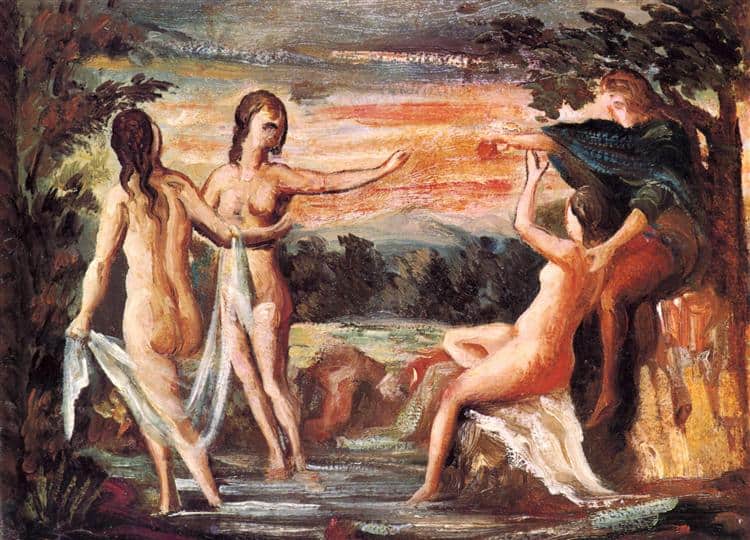
Deconstructing the Masterpiece
Classical Mythology
The depiction of the mythological story involving the goddesses Hera, Athena, and Aphrodite, who are vying for the golden apple of discord.
Interlocking Figures
The figures of Paris and the goddesses are arranged in a complex, intertwined composition, emphasizing their relationships and interactions.
Simplified Forms
Cezanne's use of simplified, geometric shapes and flattened space foreshadows the development of Cubism and modern abstraction in art.
Distinctive Color Palette
The artist's unique use of color, with subtle shifts and harmonious tones, adds a sense of depth and unity to the composition.
Audio Library
As one of our featured lessons, this topic includes premium audio guides.
Paul Cézanne: An Analysis in 10 Minutes
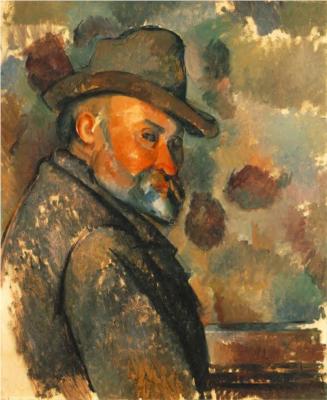
The Early Years
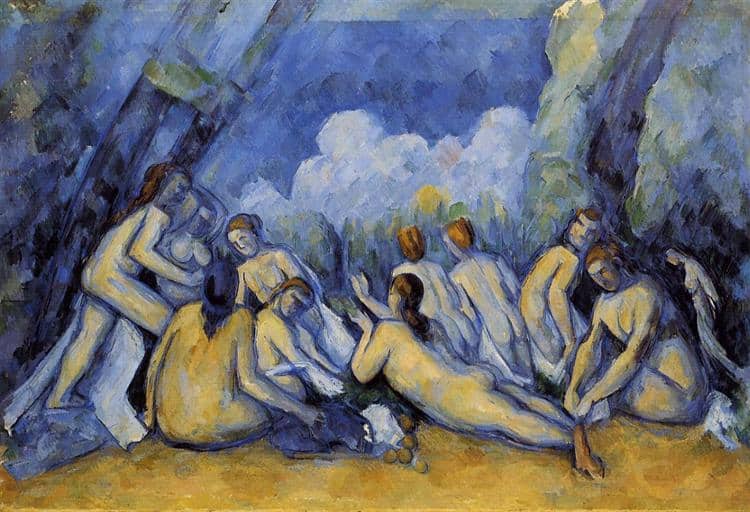
Impressionist Influence
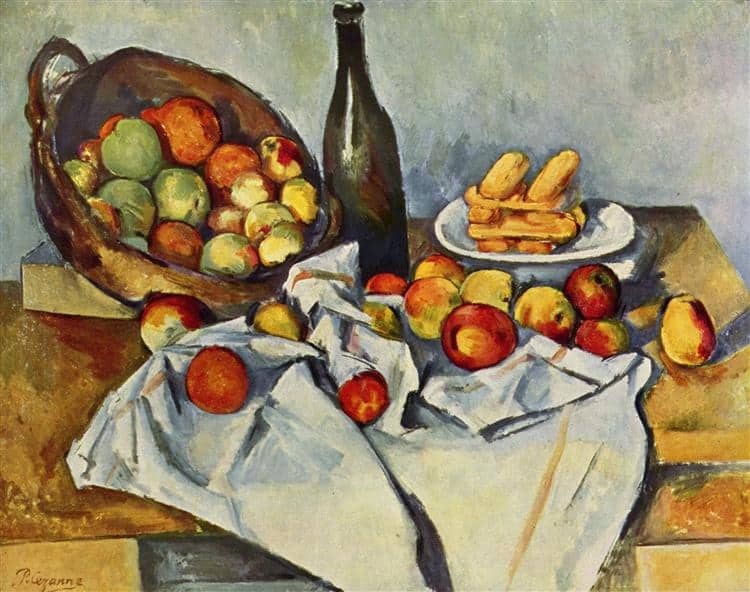
The Birth of Post-Impressionism
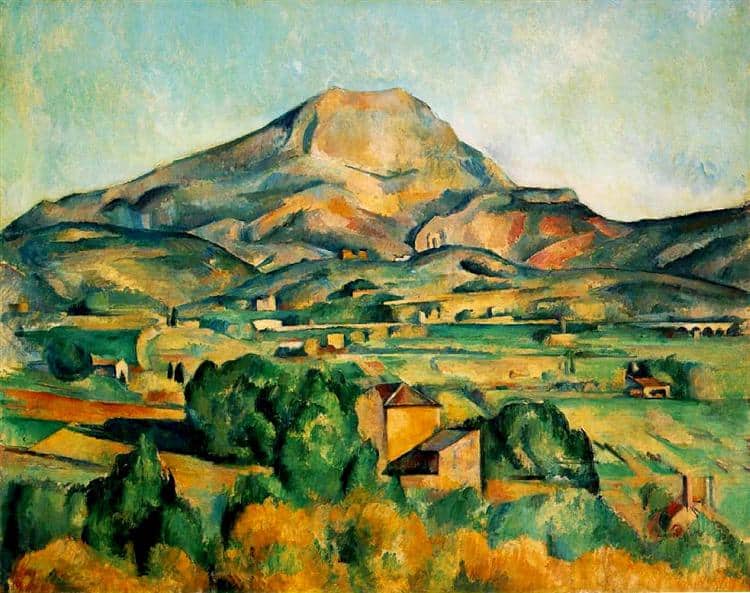
The Mont Sainte-Victoire Series
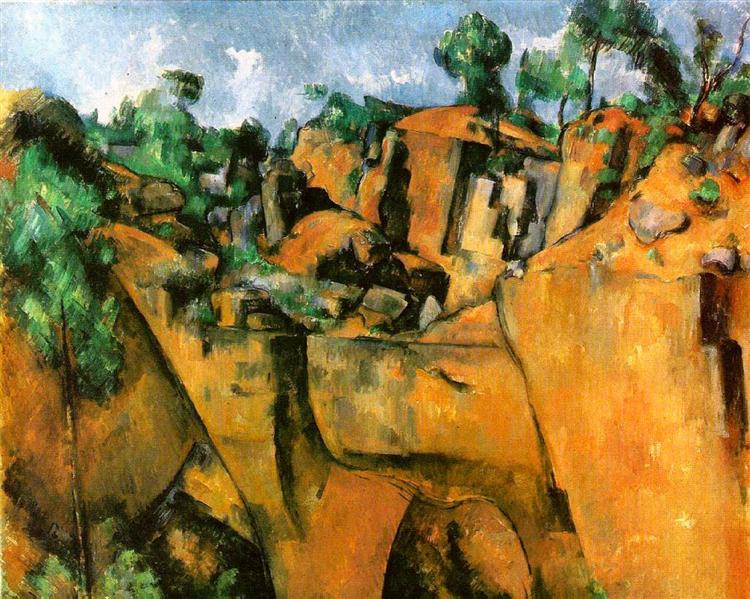
Recognition and Criticism
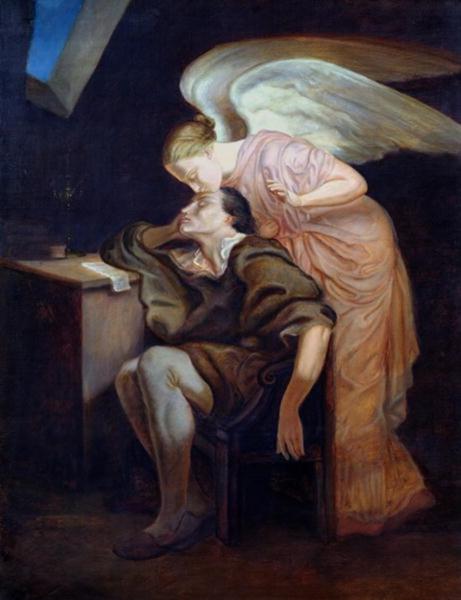
Legacy
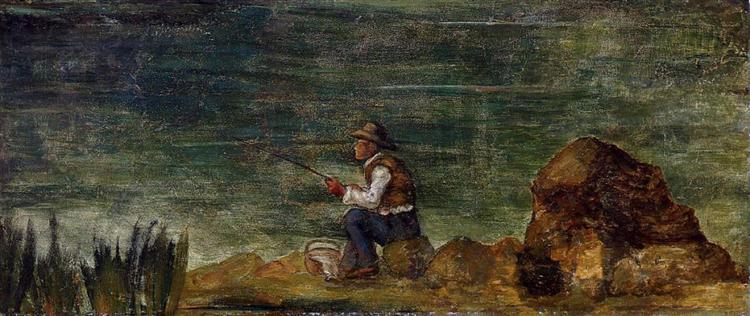
Personal Life
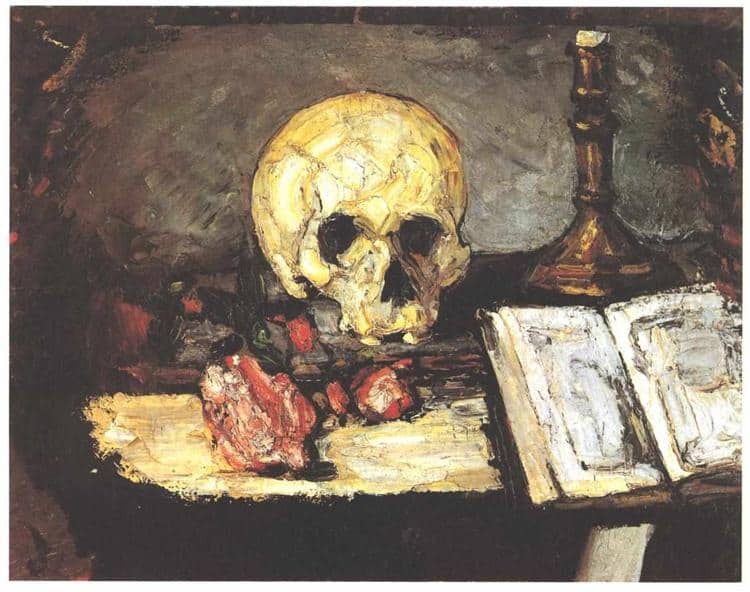
Artistic Techniques
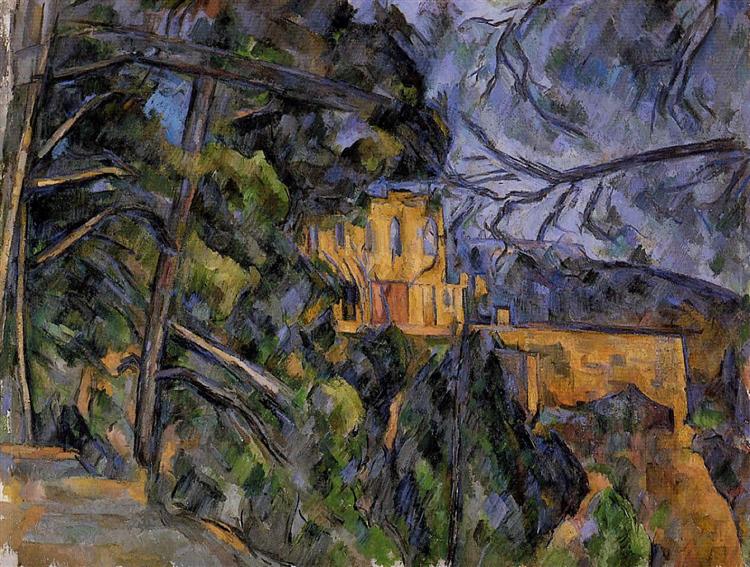
Rediscovery and Appreciation
The Enduring Genius of Cézanne
Lesson Details & Resources
In a Nutshell
- Birthdate: January 19, 1839
- Birthplace: Aix-en-Provence, France
- Family: Cézanne was the son of a wealthy banker.
- Education: He studied at the School of Design in Aix and later at the Académie Suisse in Paris.
- Art Style: Cézanne is known for his post-impressionist style, using geometric shapes and bold colors.
- Influence: His work had a major influence on modern art, especially on the development of cubism.
Vocabulary List
- Impressionism
- Cézanne was influenced by Impressionism in his early works.
- Still life
- Cézanne's still life paintings are considered some of his finest works.
- Post-Impressionism
- Cézanne is often associated with the Post-Impressionist movement.
- Landscape
- Cézanne's landscapes often feature geometric shapes and bold colors.
- Brushstrokes
- Cézanne's brushstrokes are known for their textured and expressive quality.
- Color theory
- Cézanne's use of color was influenced by his study of color theory.
- Perspective
- Cézanne experimented with different perspectives in his paintings.
- Composition
- Cézanne's compositions often feature a balance of shapes and colors.
- Light and shadow
- Cézanne was known for his use of light and shadow in his paintings.
- Form
- Cézanne's paintings often emphasize the form of objects and figures.
- Nature
- Cézanne found inspiration in the natural world for his artwork.
- Fruit
- Fruit is a common subject in Cézanne's still life paintings.
- Mountains
- Cézanne painted many landscapes featuring mountains.
- Apples
- Apples are a recurring motif in Cézanne's still life paintings.
- Geometry
- Cézanne's work often features geometric shapes and patterns.
- Texture
- Cézanne's paintings have a rich and tactile texture.
- Innovation
- Cézanne's innovative approach to painting influenced future art movements.
- Modern art
- Cézanne is considered a pioneer of modern art.
- Provence
- Cézanne spent much of his life painting in the Provence region of France.
- Aix-en-Provence
- Cézanne was born in Aix-en-Provence, where he began his artistic career.
Timeline of Paul Cézanne: An Analysis
Paul Cézanne is born in Aix-en-Provence, France
Cézanne moves to Paris to pursue his artistic career
Cézanne meets Camille Pissarro, who becomes a mentor and friend
Cézanne's work is rejected from the official Paris Salon exhibition
Cézanne exhibits with the Impressionists for the first time
Cézanne's father dies, leaving him a substantial inheritance
Cézanne's work begins to gain recognition and critical acclaim
Cézanne completes his famous series of Mont Sainte-Victoire paintings
Cézanne marries his longtime companion, Hortense Fiquet
Cézanne's first solo exhibition is held in Paris
Cézanne's health begins to decline
Cézanne dies of pneumonia in Aix-en-Provence
Cézanne's work continues to influence generations of artists
Cézanne's paintings sell for record-breaking prices at auctions
Cézanne's work is featured in major retrospective exhibitions
Cézanne's influence on modern art is widely acknowledged
Cézanne's legacy as one of the pioneers of modern art is cemented
Key Facts
This is the information used in the fact matching game
- Paul Cézanne was a French artist and Post-Impressionist painter.
- Cézanne's work laid the foundations for the transition from 19th-century art to a radically different world of art in the 20th century.
- He is often credited with forming the bridge between late 19th-century Impressionism and the early 20th century's new line of artistic enquiry, Cubism.
- Cézanne's paintings include landscapes, portraits, and still lifes.
- He had a profound influence on 20th-century art, particularly on Cubism.
- Cézanne's use of color and form was highly influential on the Fauvist and Expressionist movements.
- He is known for his repetitive, exploratory brushstrokes that build up to form complex fields.
- Cézanne's work often focused on the fundamental geometric shapes of the cone, cylinder, and sphere.
- He painted numerous portraits of his wife and himself, as well as his son, Paul.
- Cézanne's use of color and perspective was revolutionary for his time, influencing a new generation of artists.
- He struggled with self-doubt and depression throughout his life, which affected his productivity.
- Cézanne's work was not widely appreciated during his lifetime, but he is now considered one of the greatest artists of all time.
- He often painted the same subject multiple times, exploring different perspectives and compositions.
- Cézanne's use of light and shadow in his landscapes and still lifes created a sense of depth and dimension.
- He was known for his meticulous attention to detail and his dedication to capturing the essence of his subjects.
- Cézanne's work has been described as a bridge between the Impressionist and Cubist movements.
- He had a close friendship with fellow artist Émile Zola, who wrote a novel inspired by Cézanne's life.
- Cézanne's innovative approach to composition and form paved the way for modern art movements such as Abstract Expressionism.
- His work is characterized by its bold use of color, loose brushwork, and flattened perspective.
- Cézanne's legacy continues to influence artists and art historians to this day.
Analysis & Significance
Artistic Innovation
Paul Cézanne’s innovative approach to painting landscapes and still lifes laid the foundation for modern art. His use of geometric shapes and bold colors, along with his exploration of depth and perspective, pushed the boundaries of traditional art techniques. Cézanne’s focus on capturing the essence of his subjects rather than their precise details revolutionized the art world.
Influence on Art History
Cézanne’s work played a crucial role in the development of Cubism, Fauvism, and abstract art. Artists like Picasso and Matisse were inspired by his analytical approach to form and color, leading to a new way of interpreting reality on canvas. His emphasis on structure and composition transformed the way artists approached their craft, sparking a shift towards modernism.
Cultural Significance Today
Today, Cézanne’s paintings are revered as masterpieces and are exhibited in prestigious museums worldwide. His work continues to captivate audiences with its timeless beauty and profound influence on the art world. Cézanne’s legacy as a pioneer of modern art remains strong, solidifying his status as one of the most influential artists in history.
Paul Cézanne: An Analysis Games


Take Your Learning Offline
Want a convenient, print-ready study guide for this lesson? Become a Memory Wizards Pro member to unlock the downloadable " Memory Scrolls" for this topic and our entire library!
- ✓ Complete Vocabulary Lists
- ✓ Key Facts & Timelines
- ✓ Beautifully Formatted for Print & Mobile