
At a Glance - Infographic
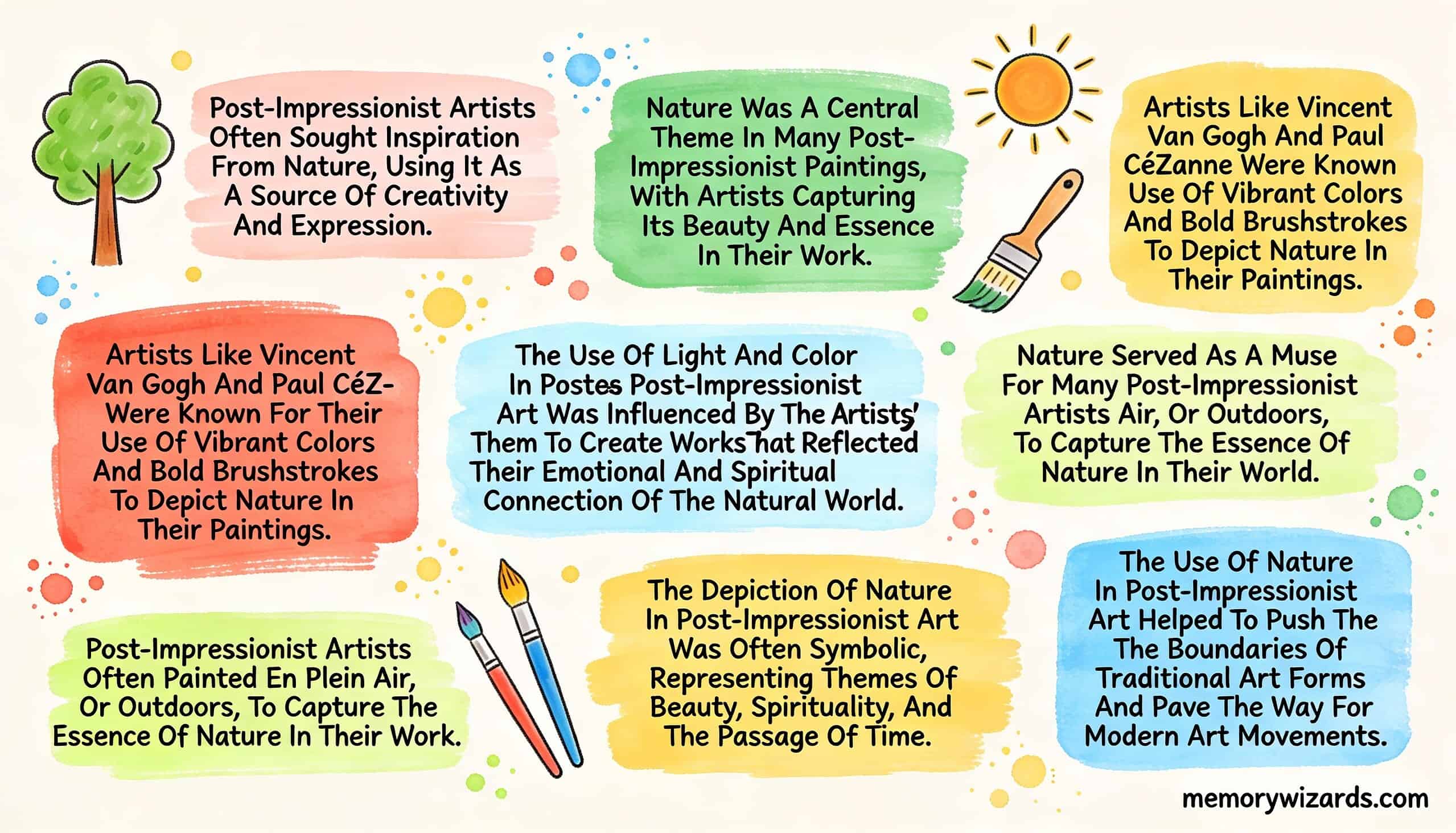
How Do You Learn Best?
Learn by Listening
Start with the 3-minute audio summary to get the key facts and narrative highlights quickly.
Learn by Reading
Immerse yourself in the 10-minute visual lesson for a comprehensive understanding of the topic.
Learn by Reviewing
Jump directly to the key facts, timeline, and vocabulary lists to build a solid foundation of details.
Learn by Doing
Challenge yourself! Jump straight into the interactive games to learn by trial, error, and discovery.
Example of Post Impressionism: Learning Games: Wheatfield with Crows by Van Gogh
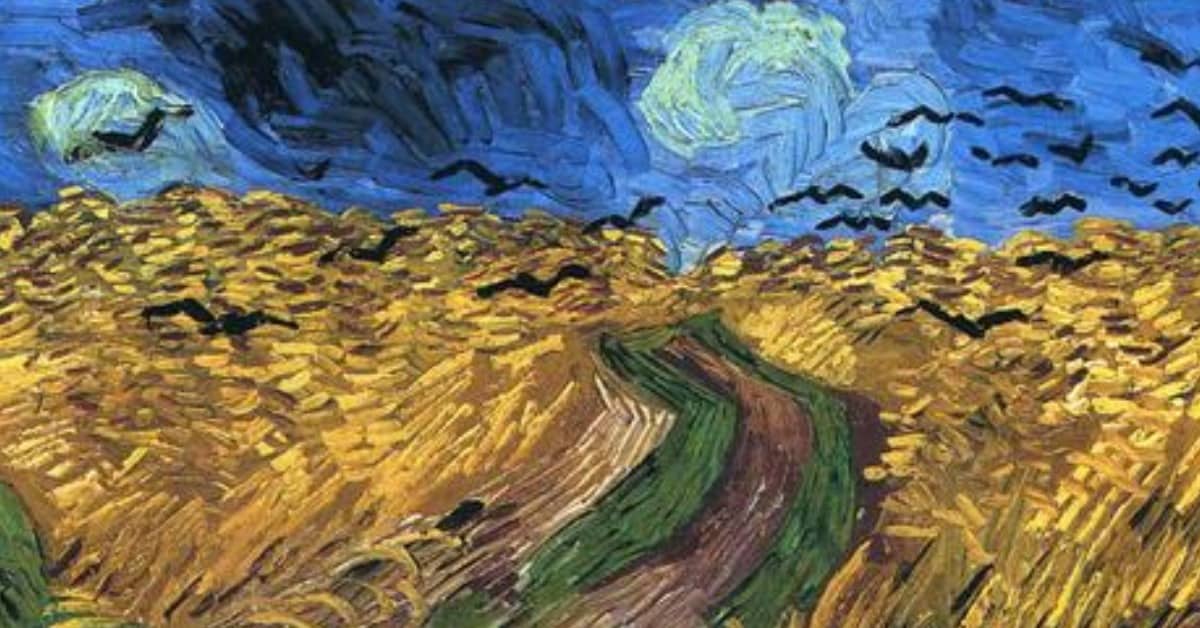
Deconstructing Post Impressionism
Vibrant Colors
Bold and expressive use of color to evoke emotion and capture the essence of nature.
Simplified Forms
Reduction of natural forms into basic shapes and patterns to convey the underlying structure of the natural world.
Symbolic Landscapes
Nature used as a metaphor to express inner emotions and spiritual truths, rather than a direct representation of reality.
Audio Library
As one of our featured lessons, this topic includes premium audio guides.
Unlock the Wizard's Cram Session
This powerful audio study guide is a Pro-exclusive feature. Upgrade to Memory Wizards Pro to access this and all of our premium learning tools.
Upgrade to ProThe Role of Nature in Post-Impressionist Art: An Analysis in 10 Minutes
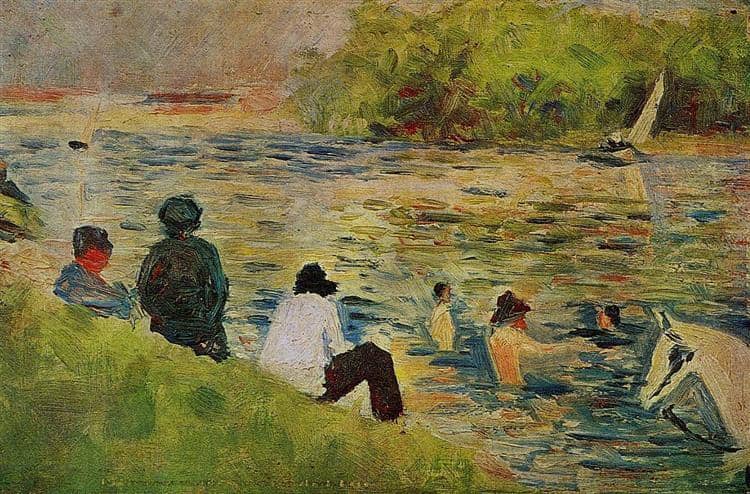
The Influence of Nature on Post-Impressionist Artists
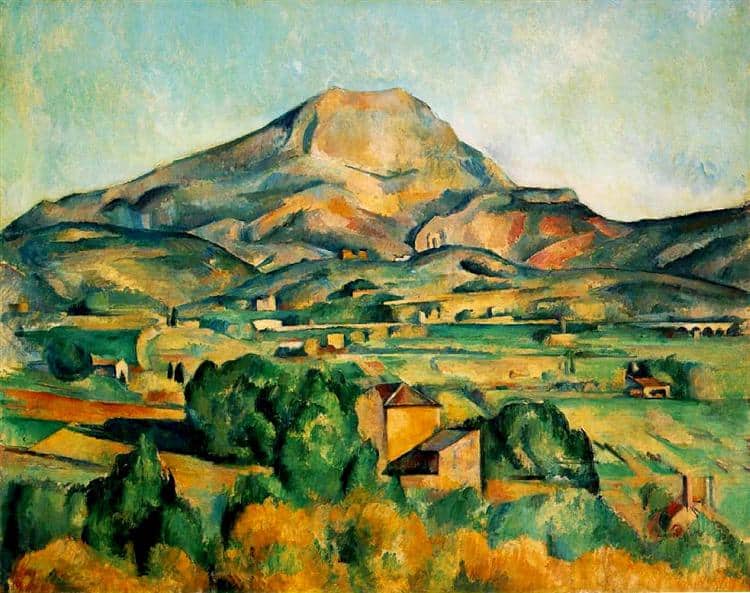
The Use of Bold Colors and Brushstrokes

The Symbolic Representation of Nature
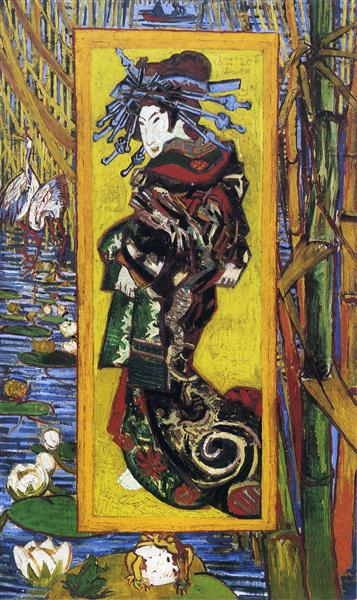
The Influence of Japanese Art
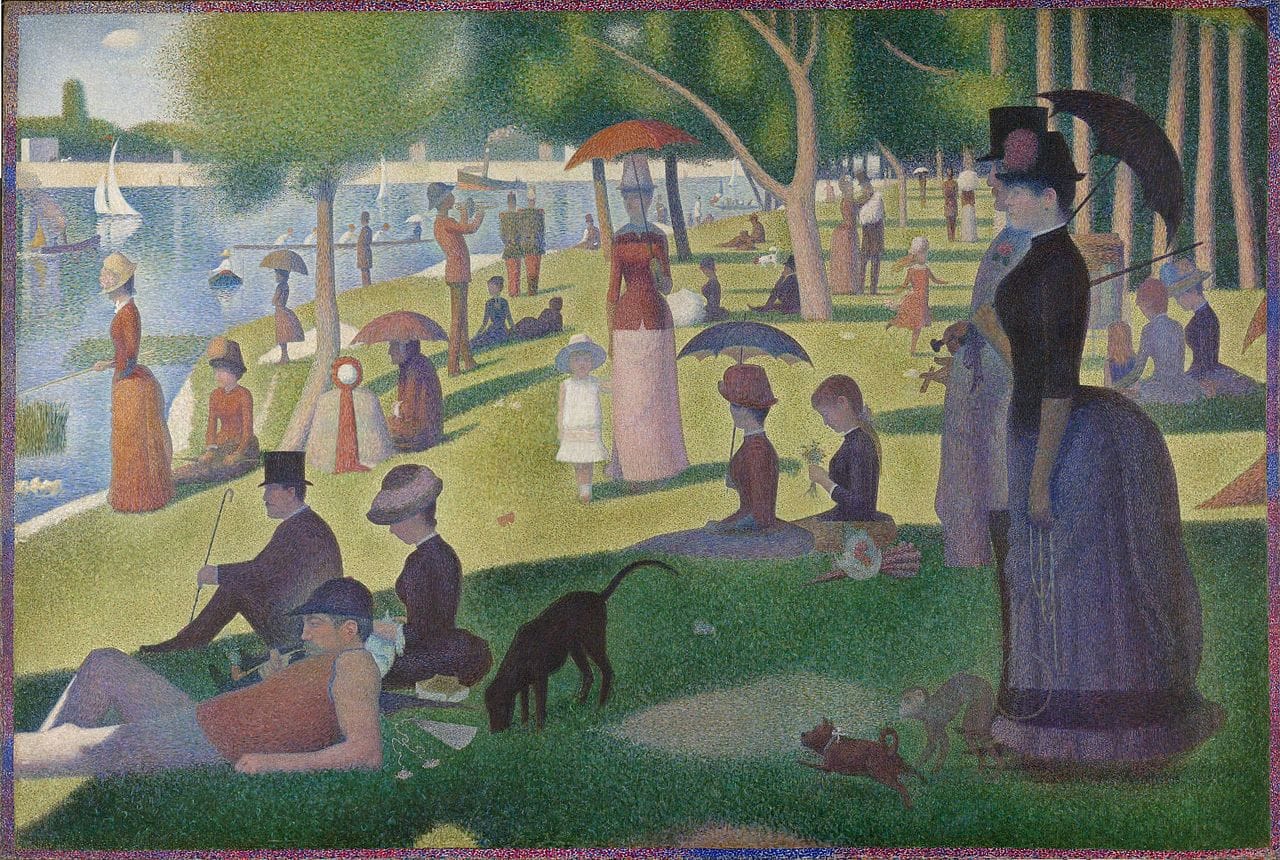
The Exploration of Light and Color
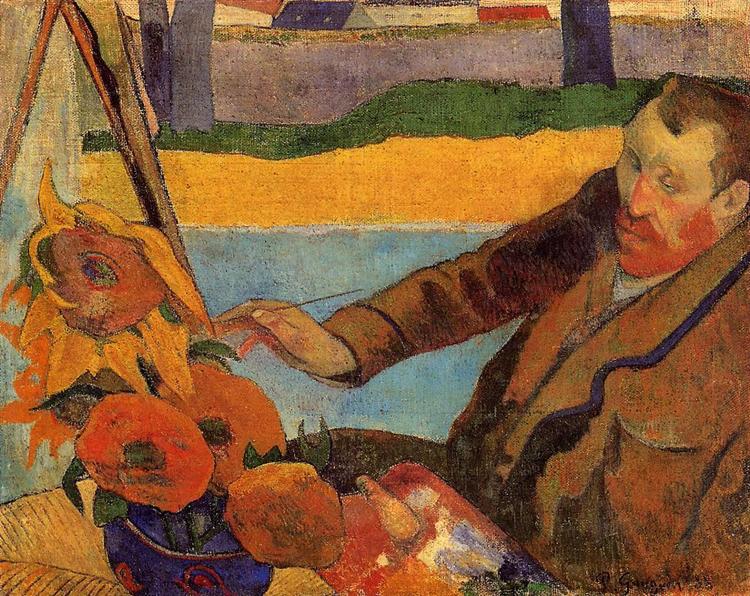
The Emphasis on Individual Expression
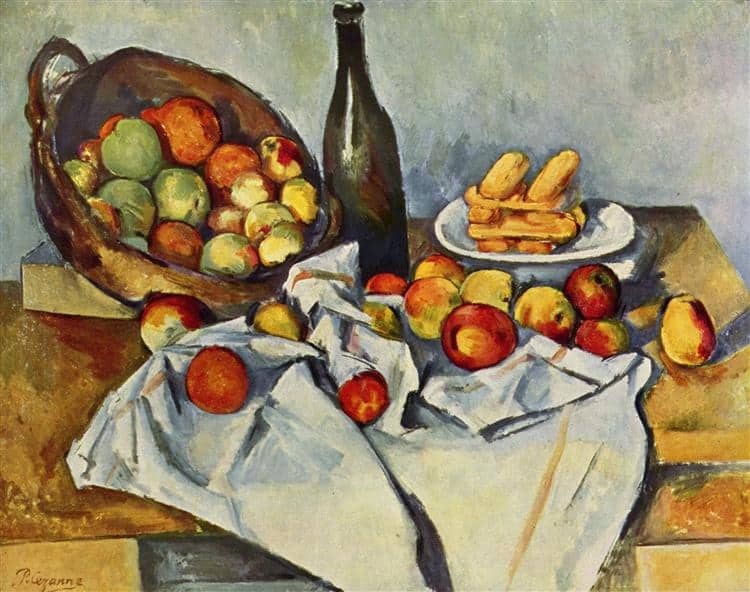
The Influence of Technology and Science

The Rejection of Realism
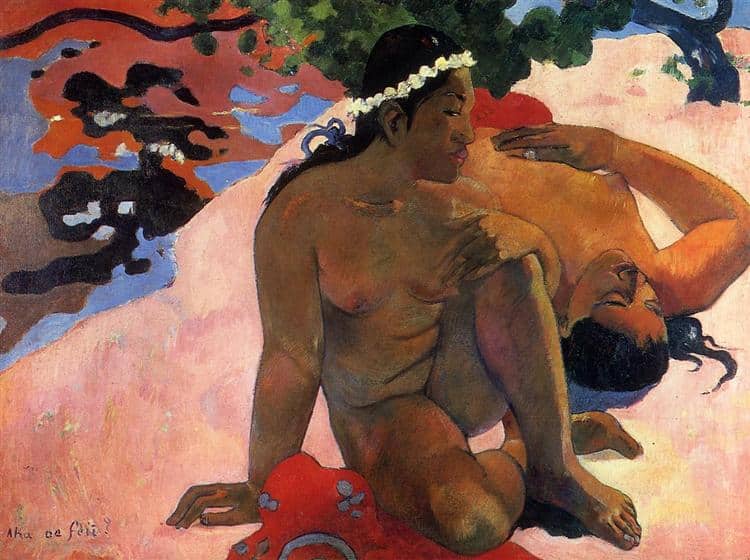
The Influence of Symbolism and Mythology
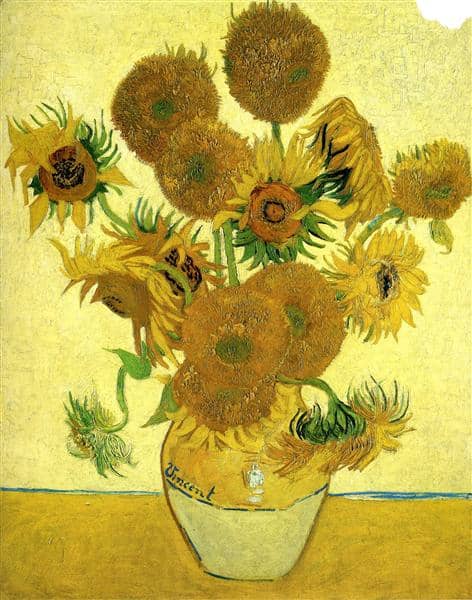
The Legacy of Post-Impressionist Art
Lesson Details & Resources
In a Nutshell
- When: late 19th century
- Characteristics: vibrant colors, visible brushstrokes, emotional expression
- Key Artists: Vincent van Gogh, Paul Cézanne, Paul Gauguin
- Major Work: ‘Starry Night’ by Vincent van Gogh
Vocabulary List
- Brushstroke
- The artist used thick, bold brushstrokes to create texture in the painting.
- Palette
- The artist chose a vibrant and colorful palette for this piece.
- Composition
- The composition of the painting is carefully balanced and well thought out.
- Impressionism
- The artist was influenced by the style of impressionism in their work.
- Light
- The way light is captured in the painting creates a sense of atmosphere and mood.
- Texture
- The artist used different techniques to create texture in the painting.
- Landscape
- The artist often painted landscapes inspired by nature.
- Contrast
- The contrast between light and dark in the painting creates a sense of drama.
- Color theory
- The artist applied color theory principles to create harmony in the painting.
- Perspective
- The use of perspective in the painting creates a sense of depth.
- Movement
- The artist captured a sense of movement in the painting.
- Form
- The artist focused on capturing the form of the subject in their work.
- Harmony
- The colors and shapes in the painting create a sense of harmony.
- Balance
- The composition of the painting is carefully balanced to create visual interest.
- Symbolism
- The artist used symbolism to convey deeper meaning in the painting.
- Nature
- Nature plays a central role in the artist's work, influencing their subject matter and style.
- Emotion
- The artist's use of color and brushstrokes conveys a sense of emotion in the painting.
- Organic shapes
- The artist used organic shapes inspired by nature in their work.
- Expression
- The artist's work is a form of self-expression, conveying their thoughts and feelings.
- Imagination
- The artist used their imagination to create a unique interpretation of nature in their work.
Timeline of The Role of Nature in Post-Impressionist Art: An Analysis
Paul Cézanne begins painting landscapes in the 1860s, emphasizing the geometric forms and structure of nature
Vincent van Gogh paints 'Wheat Field with Cypresses', showcasing his emotional connection to nature
Paul Gauguin travels to Tahiti, where he is inspired by the lush tropical landscapes and indigenous culture
Henri Rousseau creates 'The Dream', a dreamlike depiction of a jungle scene
Georges Seurat develops Pointillism, a technique that uses small dots of color to create vibrant natural scenes
Paul Signac paints 'The Pine Tree at St. Tropez', showcasing his use of vibrant colors and geometric shapes in nature
Camille Pissarro paints 'The Red Roofs, Corner of a Village, Winter', capturing the beauty of the natural world in winter
Odilon Redon creates 'The Cyclops', a fantastical depiction of a mythical creature in a natural setting
Édouard Vuillard paints 'The Flowered Dress', a domestic scene featuring patterns inspired by nature
Paul Klee experiments with abstract forms inspired by nature in works like 'Landscape with Yellow Birds'
Emil Nolde creates 'The Sea B', a dynamic seascape that captures the power and beauty of nature
Andre Derain paints 'Charing Cross Bridge', using bold colors and simplified forms to depict a cityscape in nature
Pierre Bonnard creates 'The Terrace at Vernonnet', a tranquil scene of a garden overlooking a river
Maurice de Vlaminck uses vibrant colors and expressive brushwork to capture the energy of nature in works like 'The River Seine at Chatou'
Georges Braque begins experimenting with Cubism, a style that deconstructs and reassembles natural forms in a fragmented way
Henri Matisse paints 'The Joy of Life', a vibrant and rhythmic depiction of a natural paradise
Raoul Dufy creates 'The Bay of Angels at Nice', a colorful and dynamic seascape that captures the beauty of nature
Albert Marquet paints 'The Port of Algiers', using bold colors and simplified forms to depict a bustling harbor scene
Suzanne Valadon creates 'The Abandoned Doll', a hauntingly beautiful still life featuring natural objects
Henri de Toulouse-Lautrec creates 'At the Moulin Rouge', a vibrant and atmospheric depiction of Parisian nightlife
Key Facts
This is the information used in the fact matching game
- Post-Impressionism was a movement in art that emerged in the late 19th century.
- Post-Impressionist artists sought to move beyond the naturalistic representation of the world.
- Nature played a significant role in the work of many Post-Impressionist artists.
- Vincent van Gogh, a prominent Post-Impressionist artist, was inspired by nature and often painted landscapes.
- Paul Cézanne, another influential Post-Impressionist artist, was known for his still-life paintings featuring natural elements.
- The use of color was a key characteristic of Post-Impressionist art, with artists often using vibrant and bold colors to express their emotions.
- Post-Impressionist artists often depicted nature in a way that was more abstract and subjective than earlier art movements.
- Some Post-Impressionist artists, such as Georges Seurat, used pointillism to create their artworks, which involved using small dots of color to build up an image.
- The works of Post-Impressionist artists often focused on capturing the essence of the natural world rather than its physical appearance.
- Nature was a source of inspiration for Post-Impressionist artists, who sought to convey their emotional responses to the natural world in their work.
- The use of light and shadow was another important element in Post-Impressionist art, with artists experimenting with different ways to represent these aspects of nature.
- Post-Impressionist artists often painted en plein air, or outdoors, to capture the changing effects of light and color in nature.
- Henri Rousseau, a Post-Impressionist artist known for his jungle paintings, drew inspiration from nature and the exotic plants and animals he encountered.
- The influence of Japanese art on Post-Impressionism can be seen in the way artists like van Gogh and Cézanne depicted nature in their work.
- Post-Impressionist artists often used symbolism to convey their ideas about nature and the world around them.
- The use of thick, expressive brushstrokes was a common technique used by Post-Impressionist artists to convey their emotional responses to nature.
- Nature was a subject of fascination for many Post-Impressionist artists, who explored its beauty and mystery in their work.
- Post-Impressionist artists often experimented with different artistic styles and techniques to capture the essence of nature in their work.
- The work of Post-Impressionist artists paved the way for the development of modern art movements in the 20th century.
- Nature continues to be a source of inspiration for contemporary artists, who draw on the legacy of Post-Impressionism in their own work.
Analysis & Significance
Historical Context
The Role of Nature in Post-Impressionist Art emerged in the late 19th century as a response to the Industrial Revolution and the increasing urbanization of society. Artists sought to reconnect with nature and explore the beauty of the natural world in their work. This movement was also influenced by the growing interest in science and the study of the natural world, as well as a desire to break away from the constraints of realism and traditional artistic conventions.
Defining Characteristics
The key visual and thematic elements of The Role of Nature in Post-Impressionist Art include vibrant colors, bold brushstrokes, and a focus on capturing the emotional and psychological impact of nature on the viewer. Artists often depicted landscapes, seascapes, and other natural scenes in a way that emphasized the beauty and power of the natural world. This style also often incorporated elements of symbolism and abstraction, pushing the boundaries of traditional representation.
Lasting Influence
The Role of Nature in Post-Impressionist Art had a lasting influence on subsequent art movements, particularly in the development of modernism and abstraction. Artists such as Vincent van Gogh, Paul Cézanne, and Paul Gauguin paved the way for new ways of seeing and representing the natural world, inspiring generations of artists to explore their own unique interpretations of nature. This movement also helped to challenge traditional notions of beauty and representation, leading to a more diverse and innovative approach to art in the 20th century and beyond.
The Role of Nature in Post-Impressionist Art: An Analysis Games


Take Your Learning Offline
Want a convenient, print-ready study guide for this lesson? Become a Memory Wizards Pro member to unlock the downloadable " Memory Scrolls" for this topic and our entire library!
- ✓ Complete Vocabulary Lists
- ✓ Key Facts & Timelines
- ✓ Beautifully Formatted for Print & Mobile