
How Do You Learn Best?
Learn by Reading
Immerse yourself in the 10-minute visual lesson for a comprehensive understanding of the topic.
Learn by Reviewing
Jump directly to the key facts, timeline, and vocabulary lists to build a solid foundation of details.
Learn by Doing
Challenge yourself! Jump straight into the interactive games to learn by trial, error, and discovery.
Example of Post Impressionism: The Starry Night - Van Gogh

Deconstructing Post Impressionism
Color Theory
Vivid colors and complementary contrasts are used to evoke emotional responses and capture fleeting moments.
Broken Brushstrokes
Visible and expressive brushwork creates texture and movement, challenging traditional techniques for a more personal touch.
Subjective Reality
Artists focus on capturing their emotions and perceptions of a scene rather than objective reality, leading to abstract and symbolic interpretations.
From Impressionism to Post-Impressionism in 10 Minutes
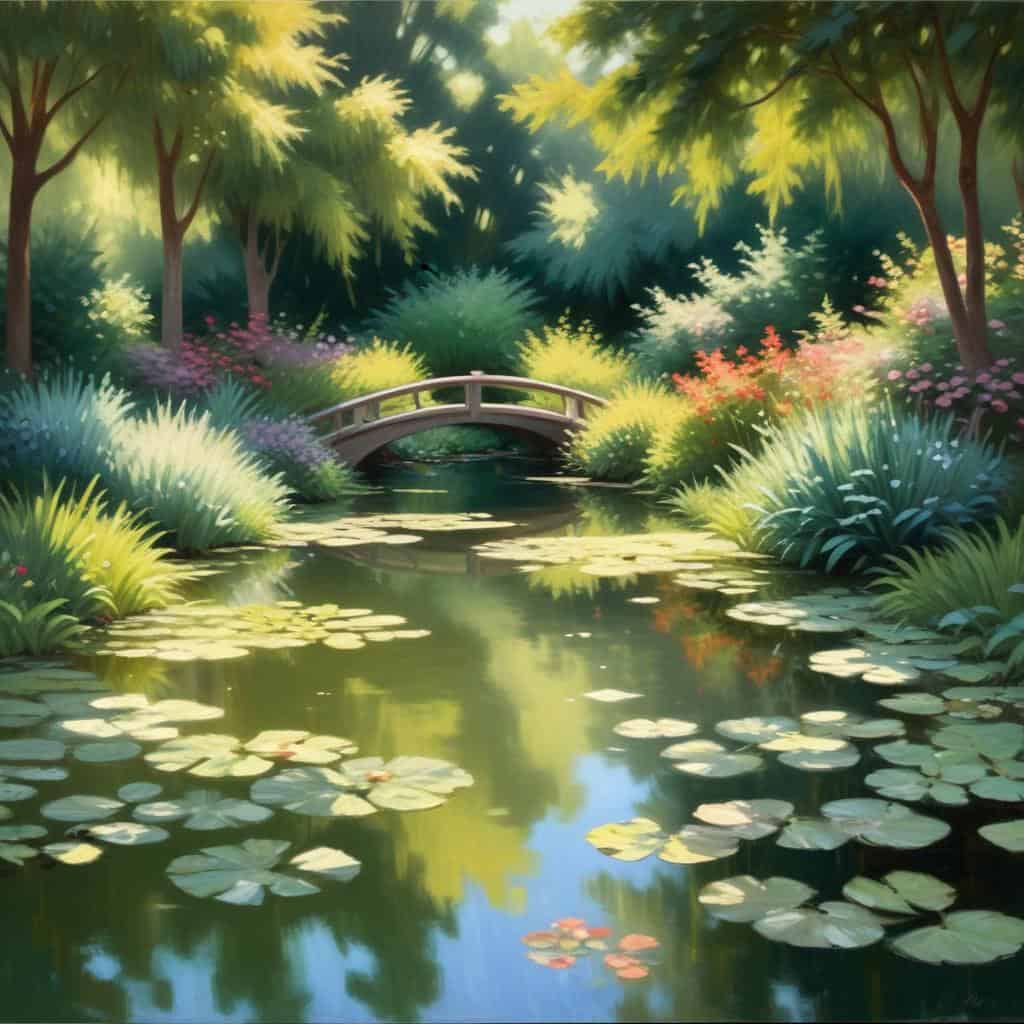
Introduction

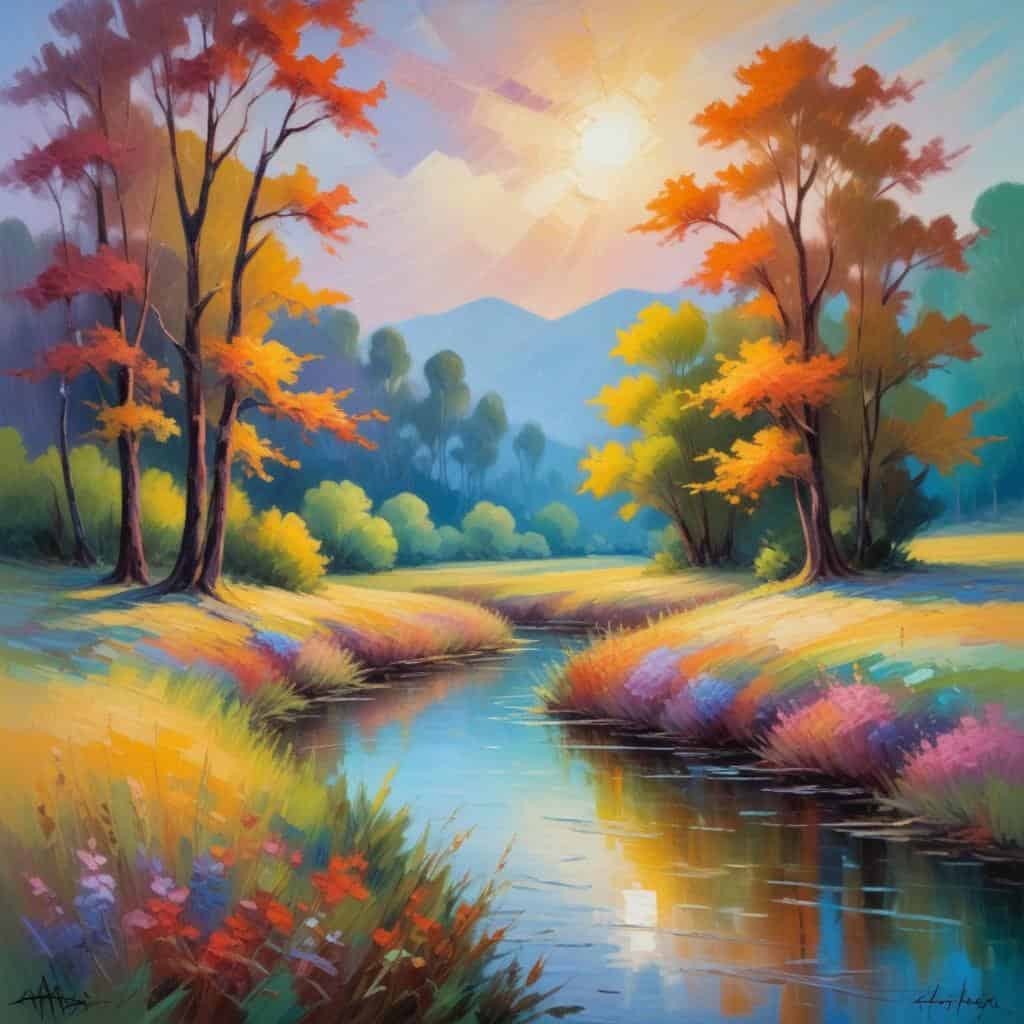
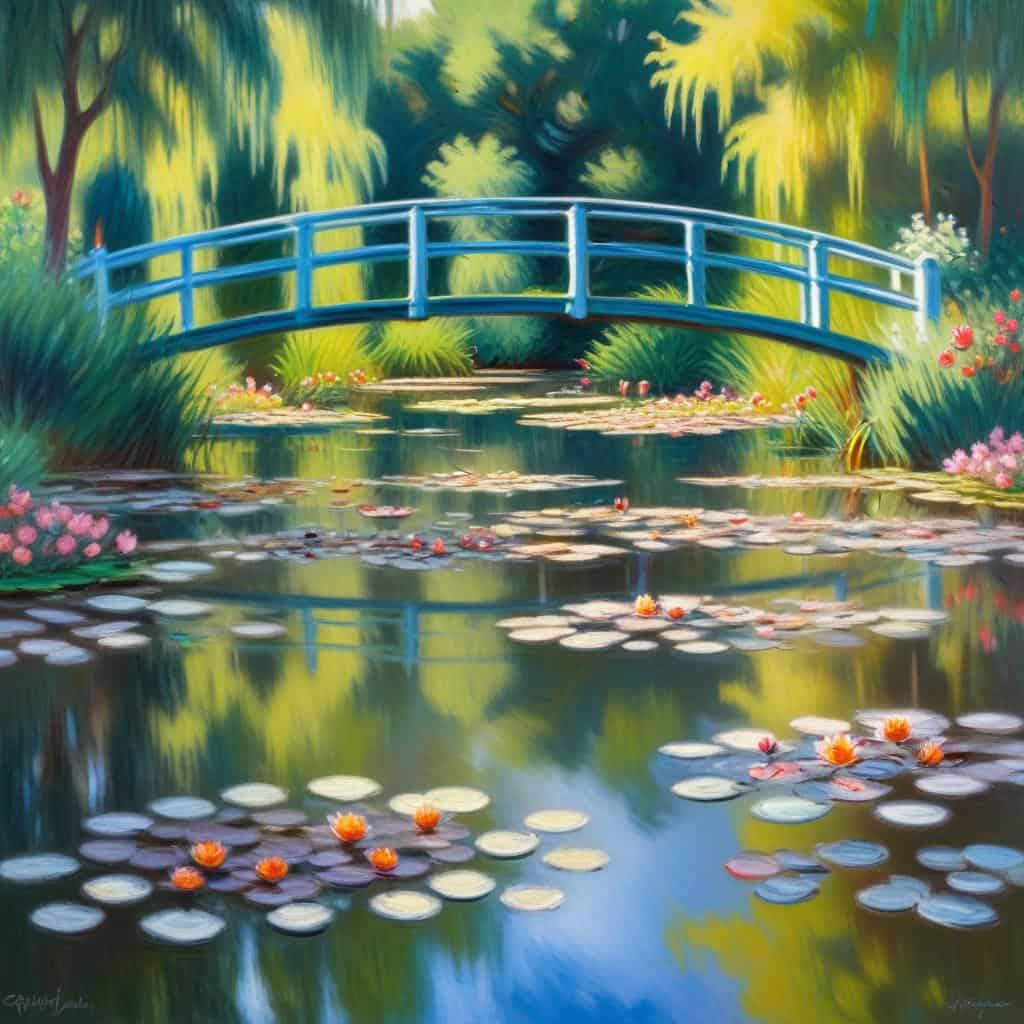
Claude Monet
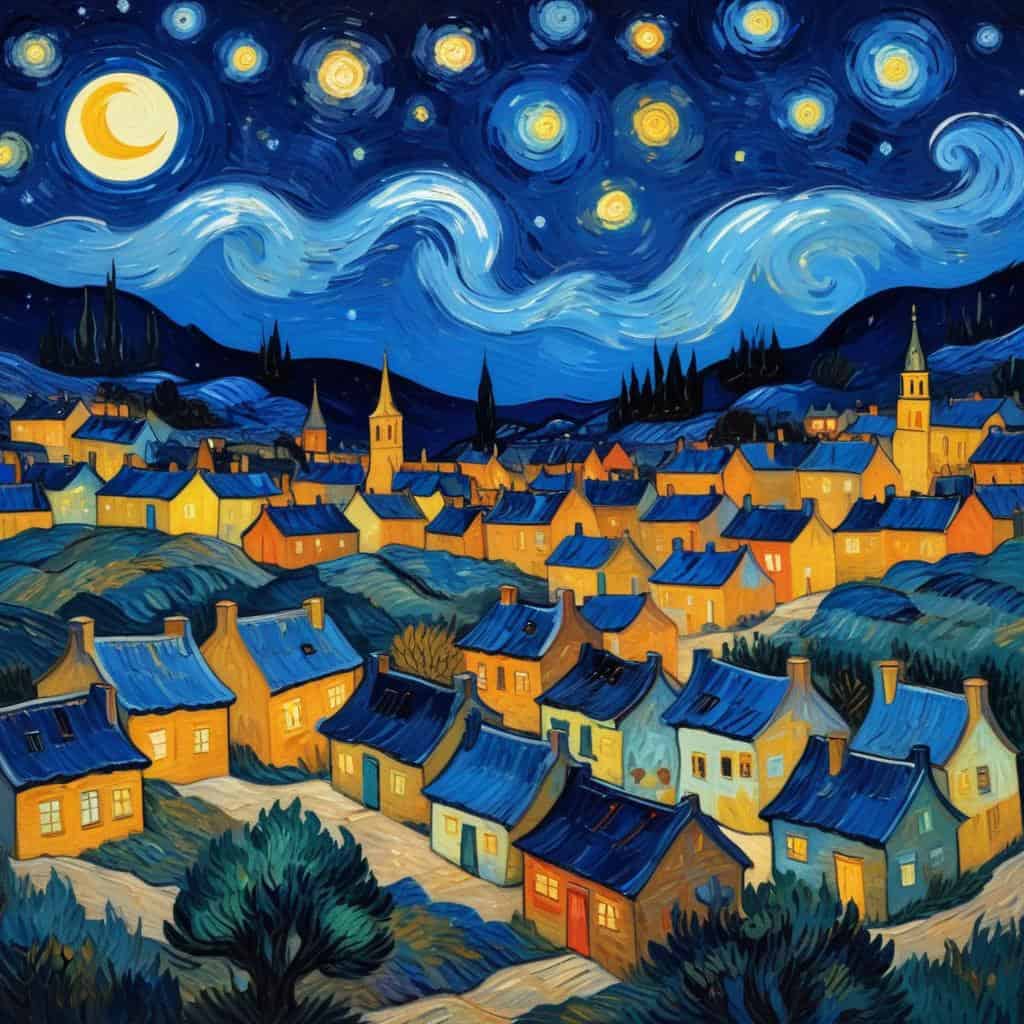
Vincent van Gogh
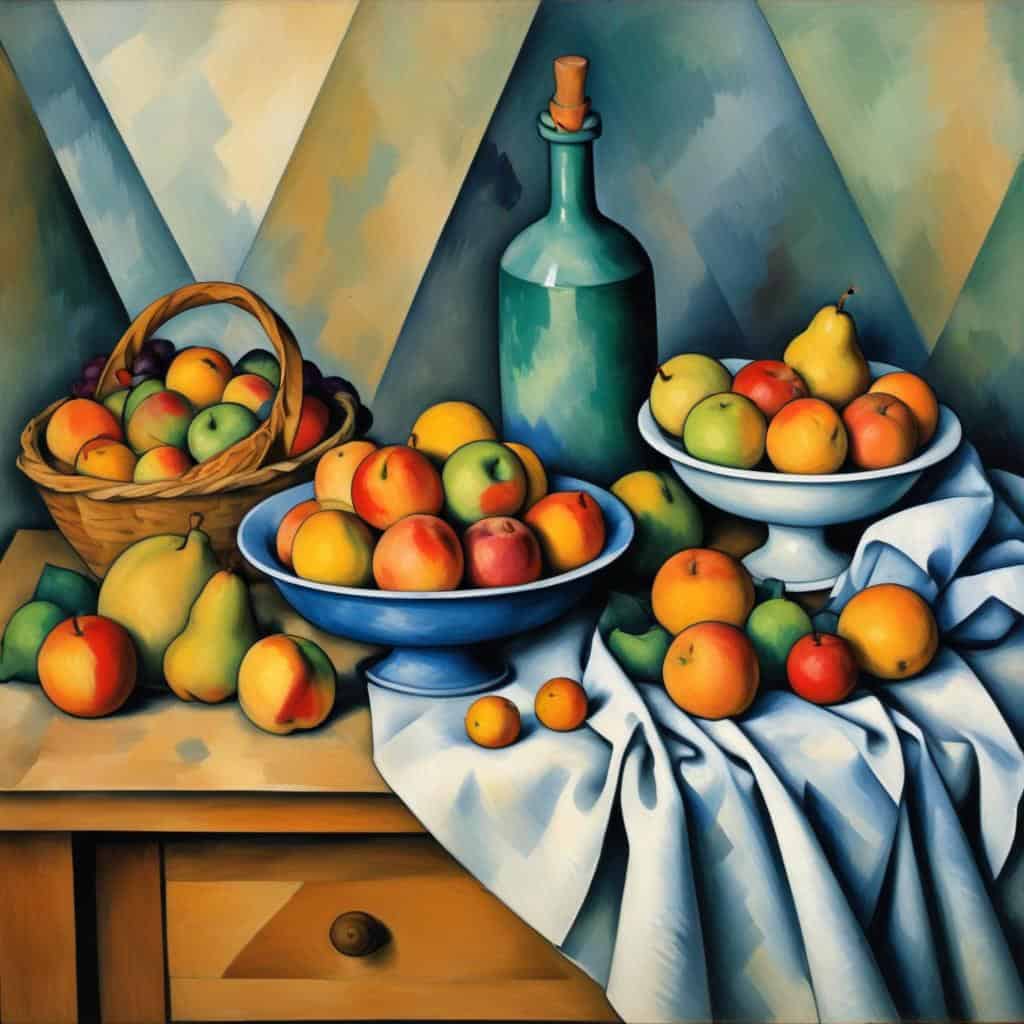
Paul Cézanne
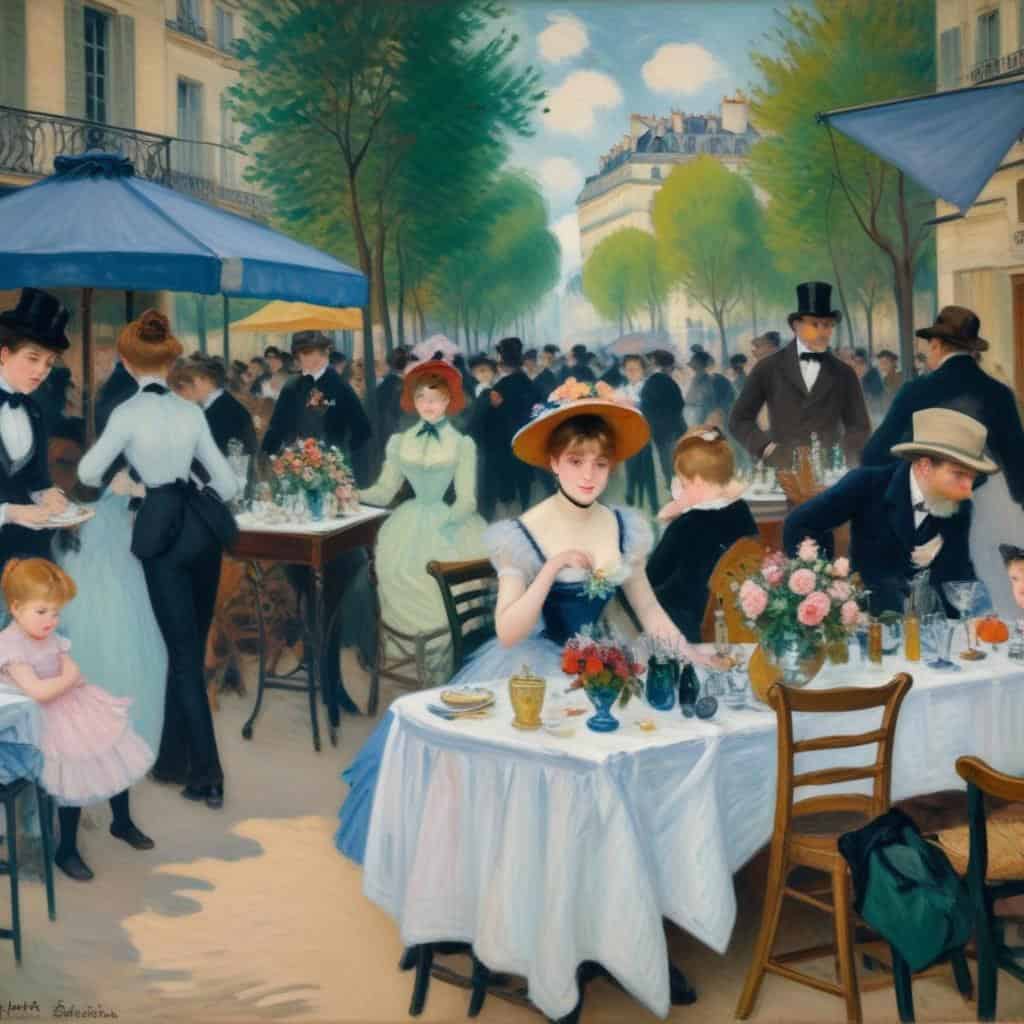
The Birth of Impressionism
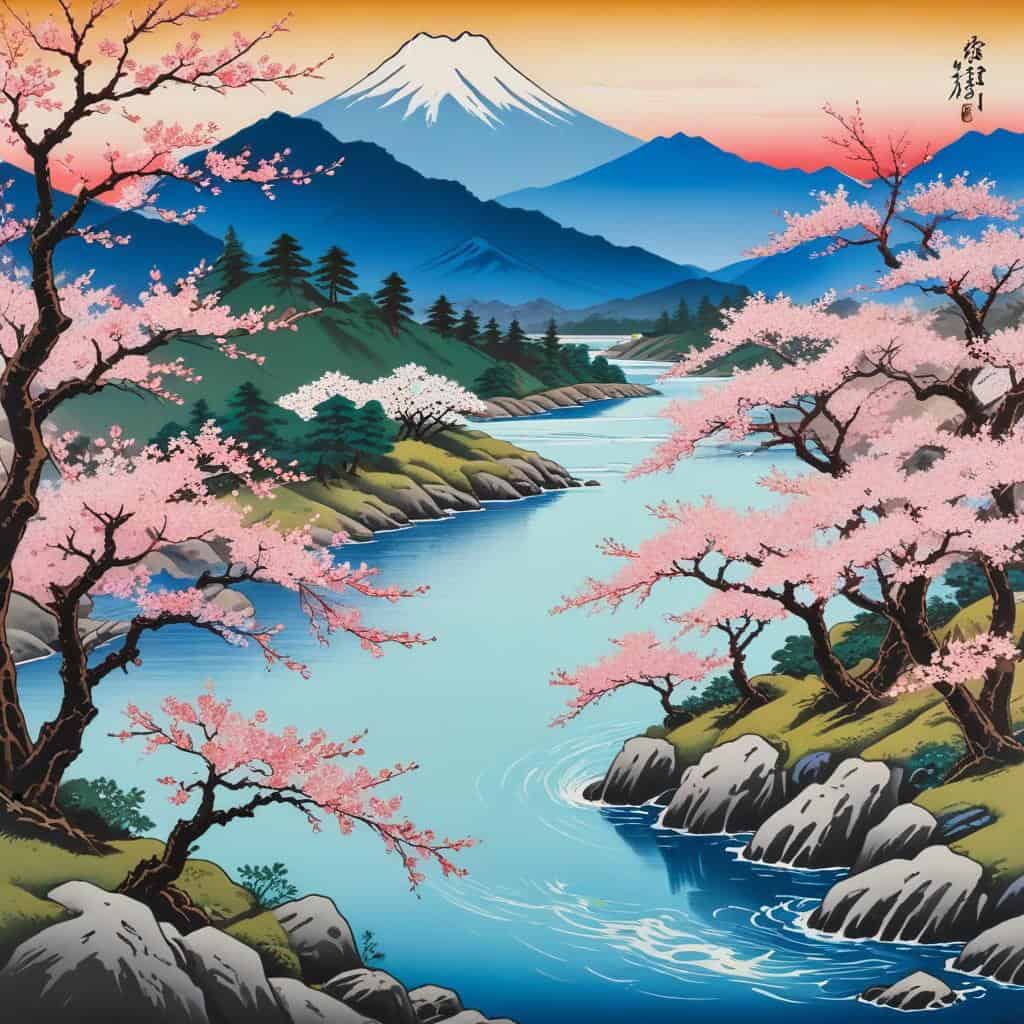
The Influence of Japanese Prints
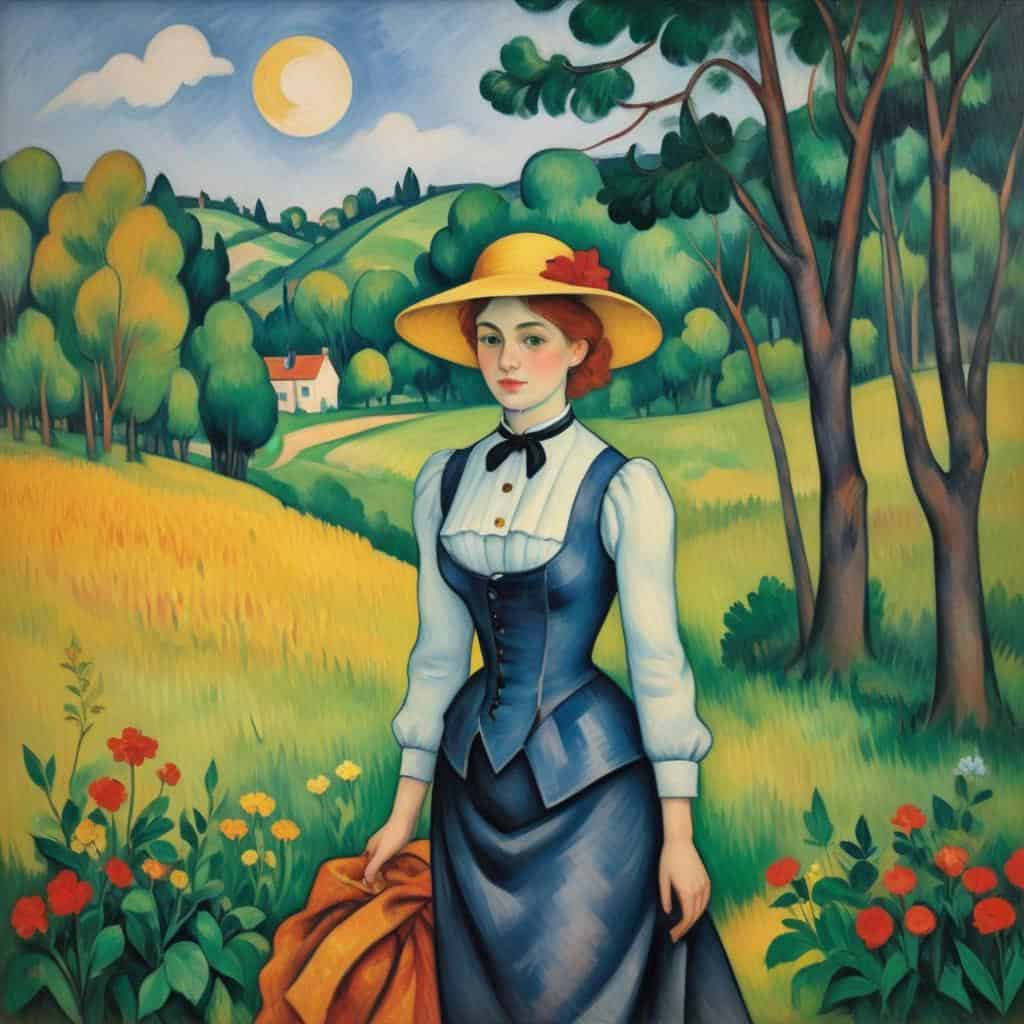
The Emergence of Post-Impressionism
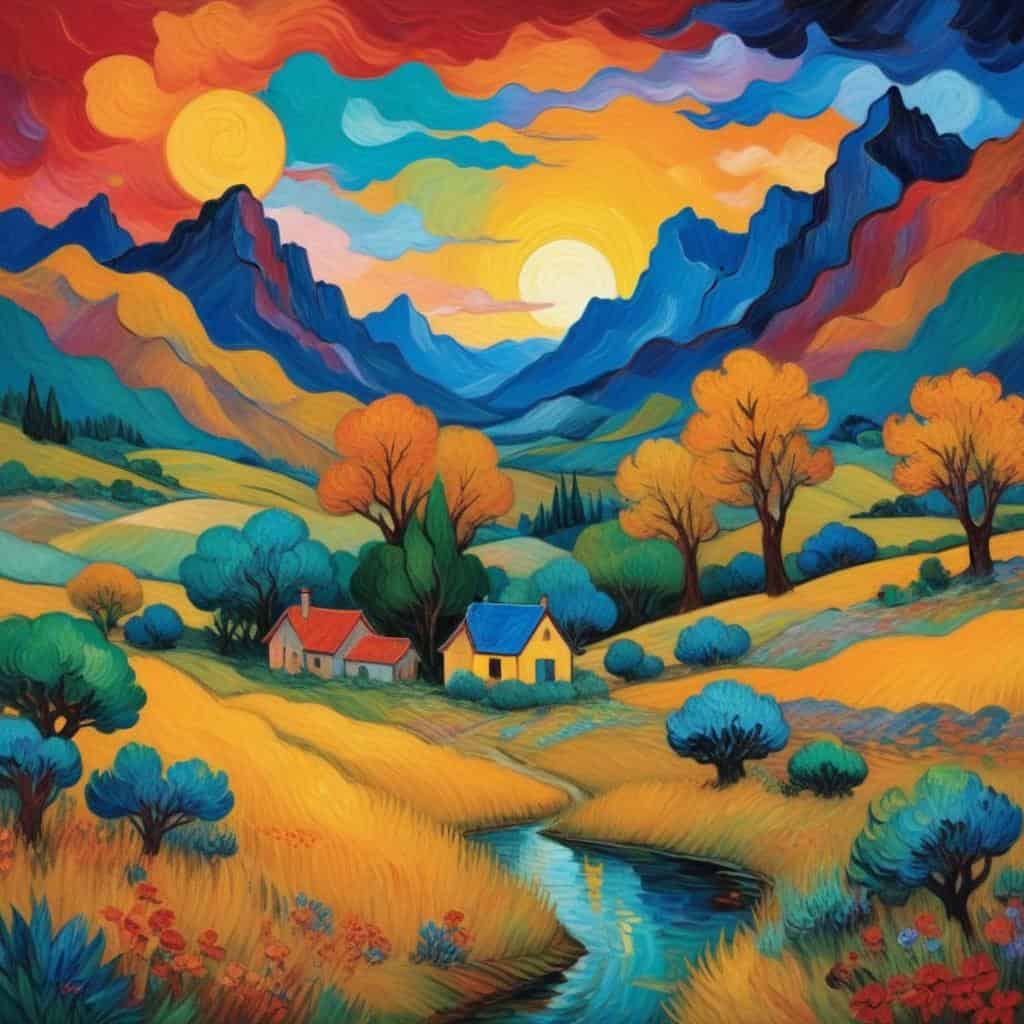
The Influence of Symbolism and Synthetism
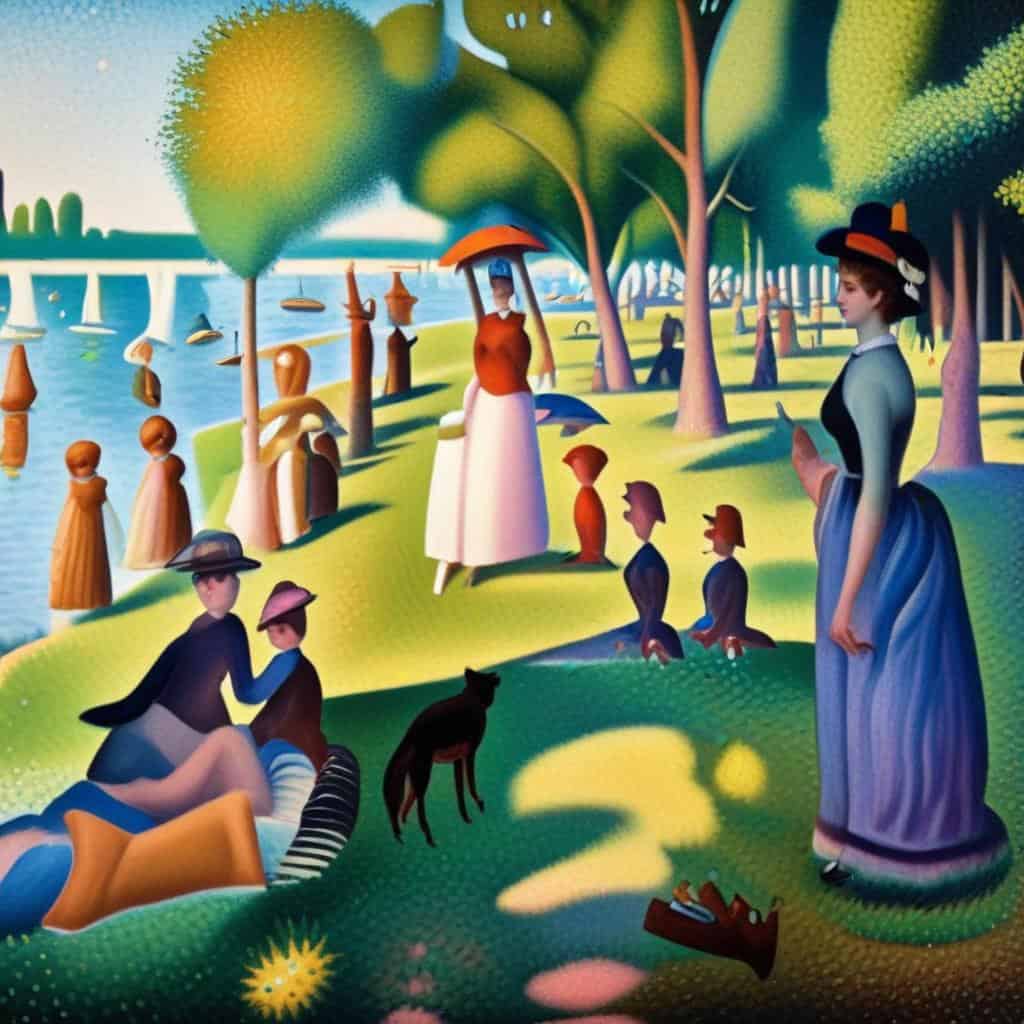
The Exploration of Color and Form
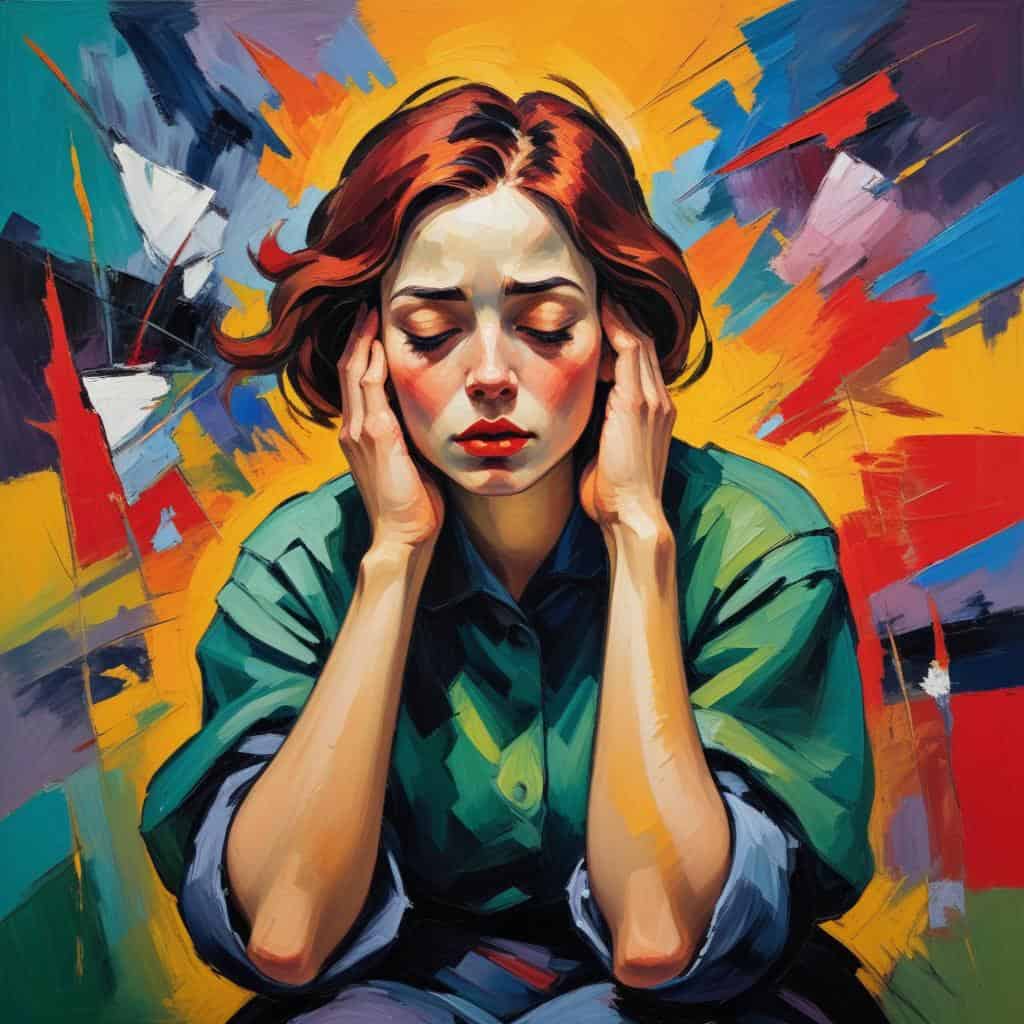
The Influence of Expressionism
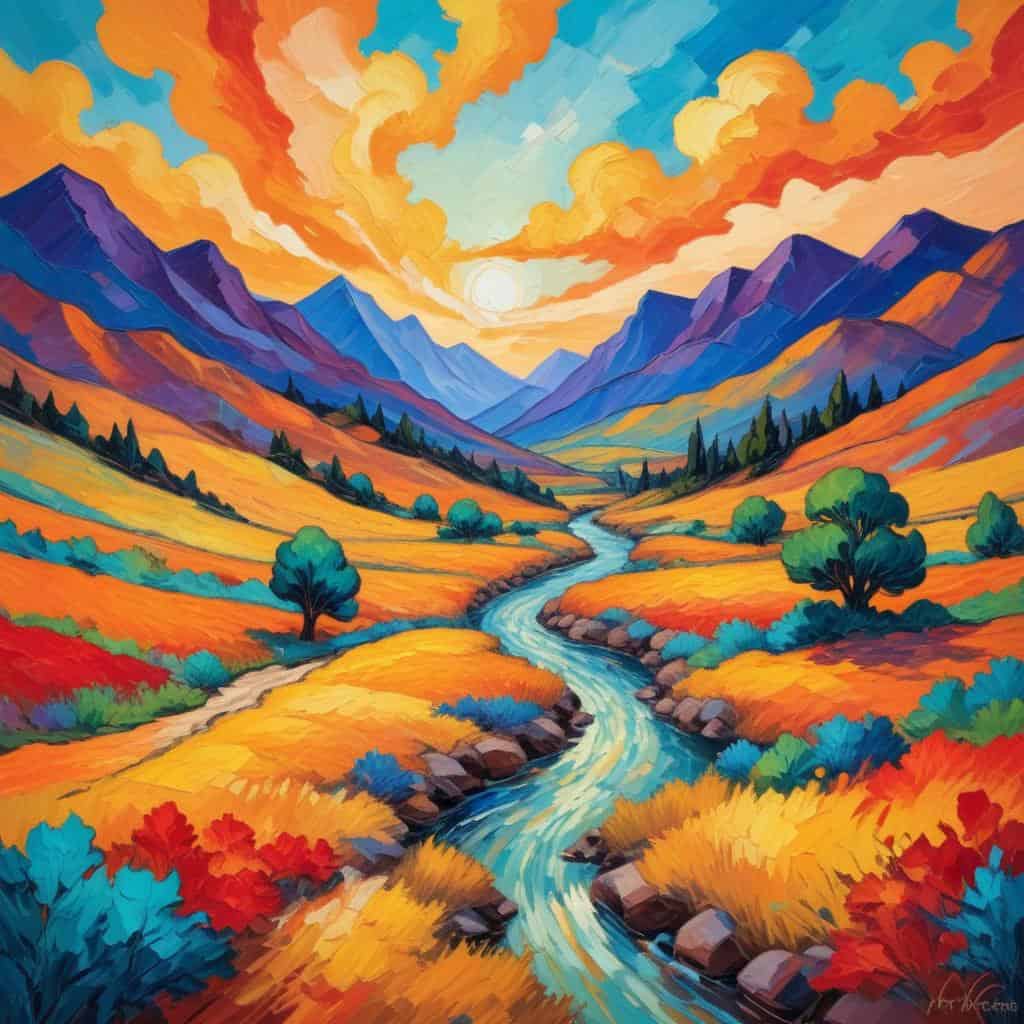
The Legacy of Post-Impressionism
Lesson Details & Resources
In a Nutshell
- When: Late 19th century
- Characteristics: Distorted forms, vivid colors, emotional expression
- Key Artists: Vincent van Gogh, Paul Cézanne, Georges Seurat
- Major Work: “Starry Night” by Vincent van Gogh
Vocabulary List
- Impressionism
- The style of art characterized by small, thin brushstrokes and an emphasis on light and color.
- Post-Impressionism
- A movement in art that developed from Impressionism and focused on the use of color, form, and expression.
- Pointillism
- A painting technique in which small, distinct dots of color are applied in patterns to form an image.
- Symbolism
- The use of symbols to represent ideas or qualities in art.
- Neo-Impressionism
- A style of painting characterized by the use of small dots of color to create a cohesive image.
- Divisionism
- A technique of painting in which small, distinct dots of color are applied in patterns to create a sense of form and depth.
- Fauvism
- A style of painting characterized by vivid colors and bold brushwork.
- Cubism
- An art movement that emphasizes geometric shapes and the flattening of three-dimensional space.
- Surrealism
- An art movement that explores the subconscious mind and dreams.
- Expressionism
- A style of art that focuses on expressing emotions and feelings.
- Modernism
- An art movement that emphasizes innovation and experimentation.
- Avant-garde
- A group of artists who seek to push the boundaries of traditional art forms.
- Primitivism
- An art movement that draws inspiration from primitive art forms.
- Abstract art
- Art that does not attempt to represent an accurate depiction of reality.
- Sculpture
- Artwork created by shaping or combining materials such as clay, stone, metal, or wood.
- Portrait
- A painting, drawing, or photograph of a person.
- Still life
- A painting or drawing of inanimate objects.
- Landscape
- A painting or drawing of natural scenery.
- Genre painting
- A painting that depicts scenes from everyday life.
- Abstract expressionism
- A style of painting that combines abstract forms with emotional expression.
Timeline of From Impressionism to Post-Impressionism
Impressionism emerges as a movement in the 1860s
First Impressionist exhibition held in Paris
Post-Impressionism begins to develop as a reaction to Impressionism
Vincent van Gogh starts experimenting with bold colors and expressive brushwork
Paul Cézanne explores geometric forms and perspective in his work
Paul Gauguin travels to Tahiti and incorporates exotic themes into his paintings
Georges Seurat introduces pointillism, a technique using small dots of color to create a larger image
Henri de Toulouse-Lautrec focuses on capturing the nightlife and entertainment of Paris in his art
Paul Signac further develops pointillism and becomes a leading figure in the Neo-Impressionist movement
Post-Impressionists exhibit together at the Salon des Indépendants in Paris
Symbolism emerges as a prominent theme in Post-Impressionist art
Paul Cézanne's work is exhibited at the Salon d'Automne, influencing a new generation of artists
Vincent van Gogh's paintings gain recognition and influence artists like Pablo Picasso and Henri Matisse
Georges Seurat's pointillism technique inspires artists in the Fauvism and Cubism movements
Post-Impressionism is recognized as a significant art movement with a lasting impact on modern art
Henri Matisse and Pablo Picasso incorporate Post-Impressionist techniques into their own styles
Post-Impressionist artists continue to exhibit and influence the art world in the 20th century
Post-Impressionist works are featured in major museum exhibitions and retrospectives
Post-Impressionism remains a key influence on contemporary art and artists
Key Facts
This is the information used in the fact matching game
- Impressionism was an art movement that originated in France in the late 19th century.
- Post-Impressionism was a term coined by art critic Roger Fry to describe the work of artists who were influenced by Impressionism but took their art in a new direction.
- Vincent van Gogh and Paul Cézanne were two prominent Post-Impressionist artists who were influenced by Impressionism.
- One of the key differences between Impressionism and Post-Impressionism was the use of color. Post-Impressionists used color in a more expressive and symbolic way.
- Post-Impressionist artists often focused on the inner emotional world of their subjects, rather than just capturing a literal representation of the scene.
- Impressionist artists like Claude Monet and Pierre-Auguste Renoir often painted en plein air, or outdoors, to capture the effects of light and atmosphere.
- Post-Impressionist artists also experimented with new techniques and styles, such as pointillism (using small dots of color to create a larger image) and cloisonnism (bold outlines and flat colors).
- The Influence of Impressionism on Post-Impressionism by Post-Impressionism is a series of artworks that explores the relationship between these two art movements.
- The series includes paintings, drawings, and prints that showcase the evolution of artistic styles from Impressionism to Post-Impressionism.
- The Influence of Impressionism on Post-Impressionism by Post-Impressionism highlights the ways in which Post-Impressionist artists built upon the innovations of their Impressionist predecessors.
- Some of the key themes explored in The Influence of Impressionism on Post-Impressionism by Post-Impressionism include the use of color, light, and brushwork in both art movements.
- The series also examines how Post-Impressionist artists like van Gogh and Cézanne pushed the boundaries of traditional artistic conventions to create new and innovative works of art.
- The Influence of Impressionism on Post-Impressionism by Post-Impressionism is considered a groundbreaking study of the evolution of modern art in the late 19th and early 20th centuries.
- The series has been exhibited in museums and galleries around the world, attracting art enthusiasts and scholars alike.
- The Influence of Impressionism on Post-Impressionism by Post-Impressionism has inspired generations of artists to explore new ways of representing the world around them.
- The series continues to be a source of inspiration for contemporary artists who seek to push the boundaries of artistic expression and creativity.
- The Influence of Impressionism on Post-Impressionism by Post-Impressionism serves as a testament to the enduring legacy of these two influential art movements.
- The series invites viewers to consider the connections between past and present artistic practices, and how art continues to evolve and innovate over time.
- The Influence of Impressionism on Post-Impressionism by Post-Impressionism challenges viewers to rethink their understanding of art history and the ways in which art can shape and reflect the world around us.
- The series is a testament to the enduring power of art to inspire, provoke, and engage audiences in meaningful conversations about the nature of creativity and expression.
Analysis & Significance
Historical Context
The Impressionist movement emerged in the mid-19th century in France, a time of significant social and cultural changes. Industrialization was transforming cities, and there was a growing interest in capturing the fleeting moments of modern life. Impressionist artists sought to break away from the rigid academic traditions of the time and instead focused on capturing the effects of light and atmosphere in their paintings.
Defining Characteristics
Impressionism is characterized by its emphasis on capturing the momentary effects of light and color. Artists often used quick, visible brushstrokes to create a sense of movement and spontaneity in their work. The use of vibrant colors and the depiction of everyday scenes were also key features of Impressionist paintings.
Lasting Influence
Impressionism had a profound impact on the art world and paved the way for the development of Post-Impressionism. Artists like Vincent van Gogh and Paul Cézanne were influenced by the Impressionists but sought to push the boundaries even further. Post-Impressionist artists continued to experiment with color, form, and composition, leading to the development of movements like Fauvism and Cubism in the early 20th century. The legacy of Impressionism can be seen in the emphasis on individual expression and the rejection of traditional artistic conventions that characterized modern art movements.
From Impressionism to Post-Impressionism Games


Take Your Learning Offline
Want a convenient, print-ready study guide for this lesson? Become a Memory Wizards Pro member to unlock the downloadable " Memory Scrolls" for this topic and our entire library!
- ✓ Complete Vocabulary Lists
- ✓ Key Facts & Timelines
- ✓ Beautifully Formatted for Print & Mobile