
How Do You Learn Best?
Learn by Reading
Immerse yourself in the 10-minute visual lesson for a comprehensive understanding of the topic.
Learn by Reviewing
Jump directly to the key facts, timeline, and vocabulary lists to build a solid foundation of details.
Learn by Doing
Challenge yourself! Jump straight into the interactive games to learn by trial, error, and discovery.
Historia Naturalis in 10 Minutes
Introduction

Gaius Plinius Secundus

Empress Agrippina

Titus
The Beginnings of Historia Naturalis
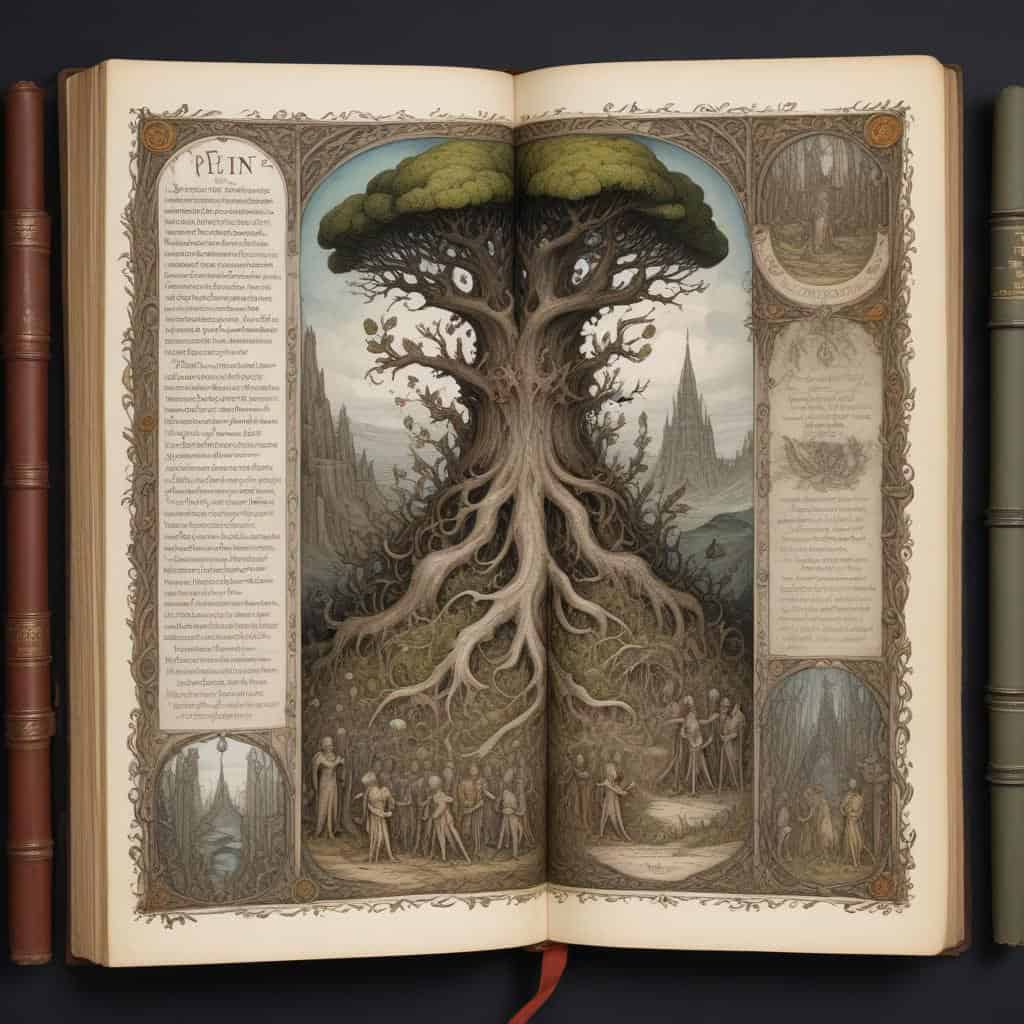
The Structure of the Book
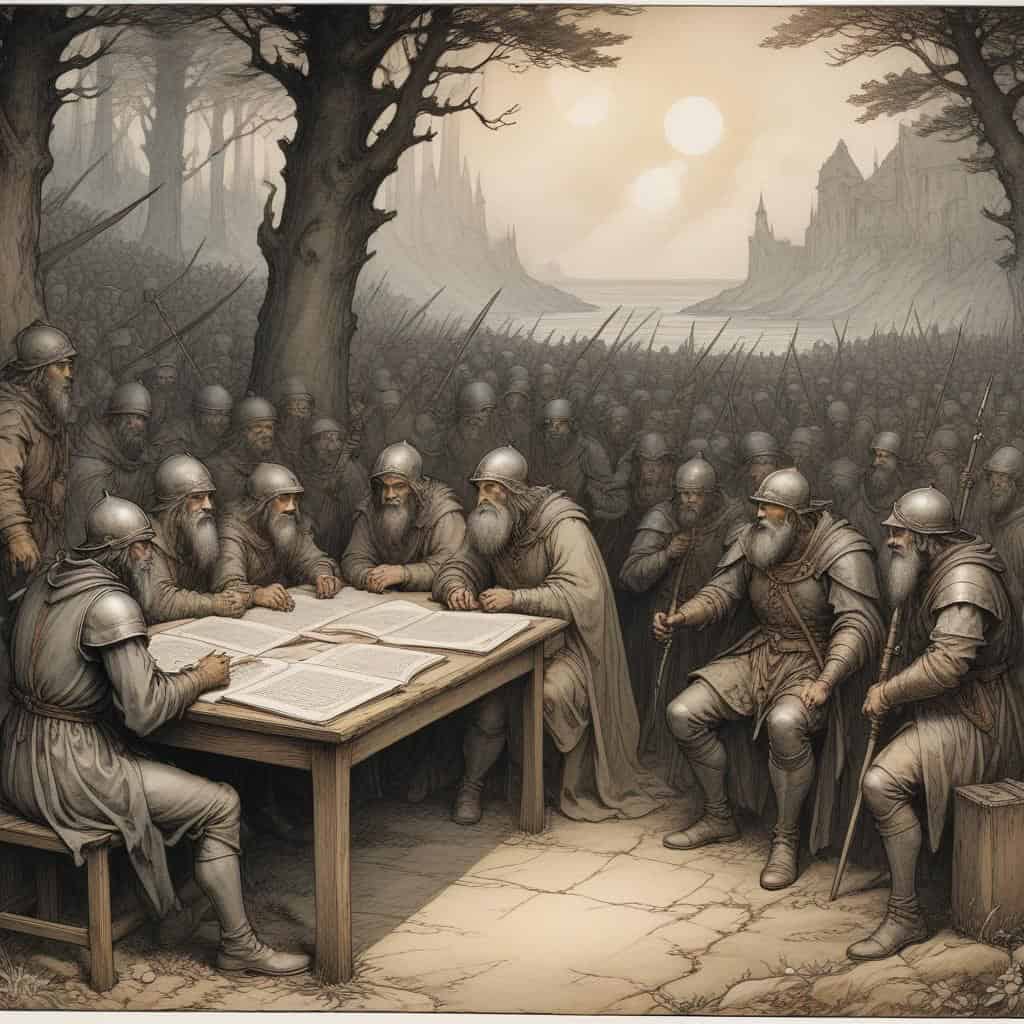
The Sources of Information
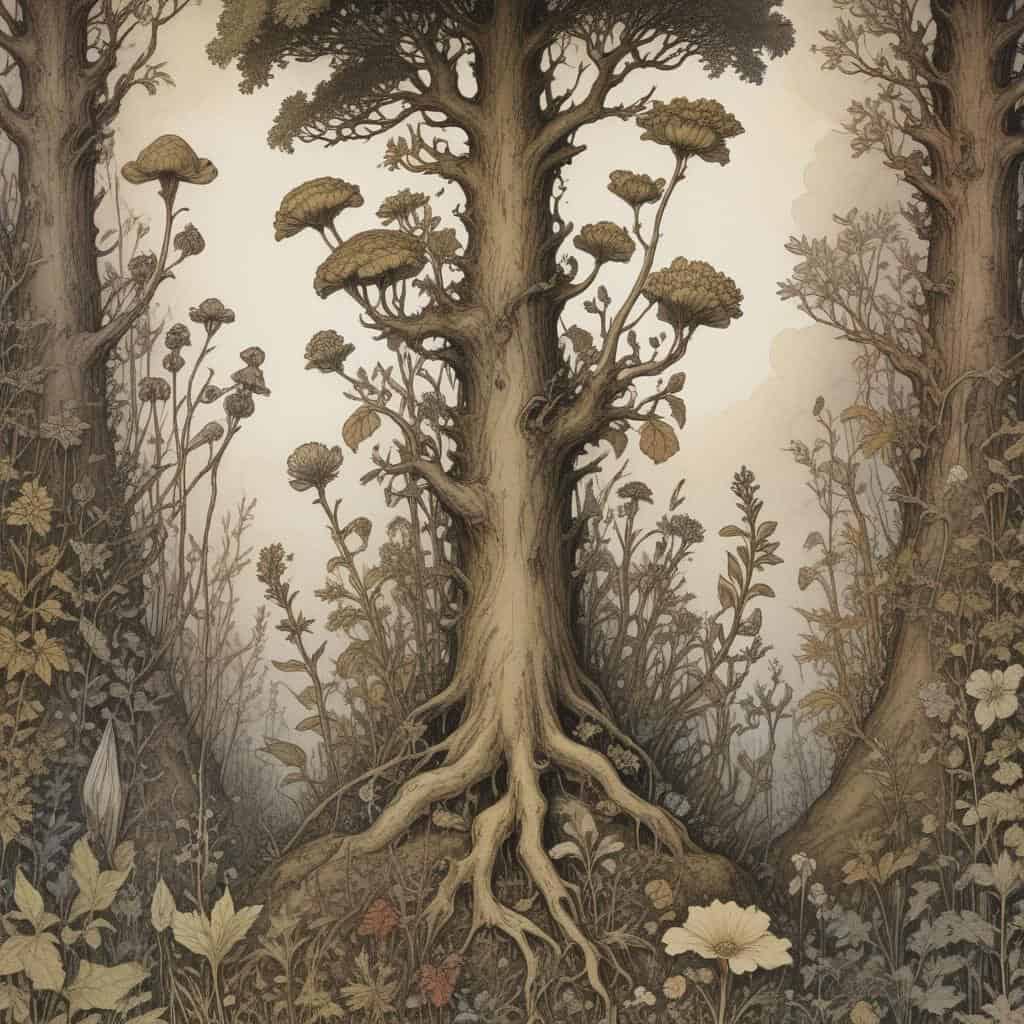
The Scope of Topics Covered
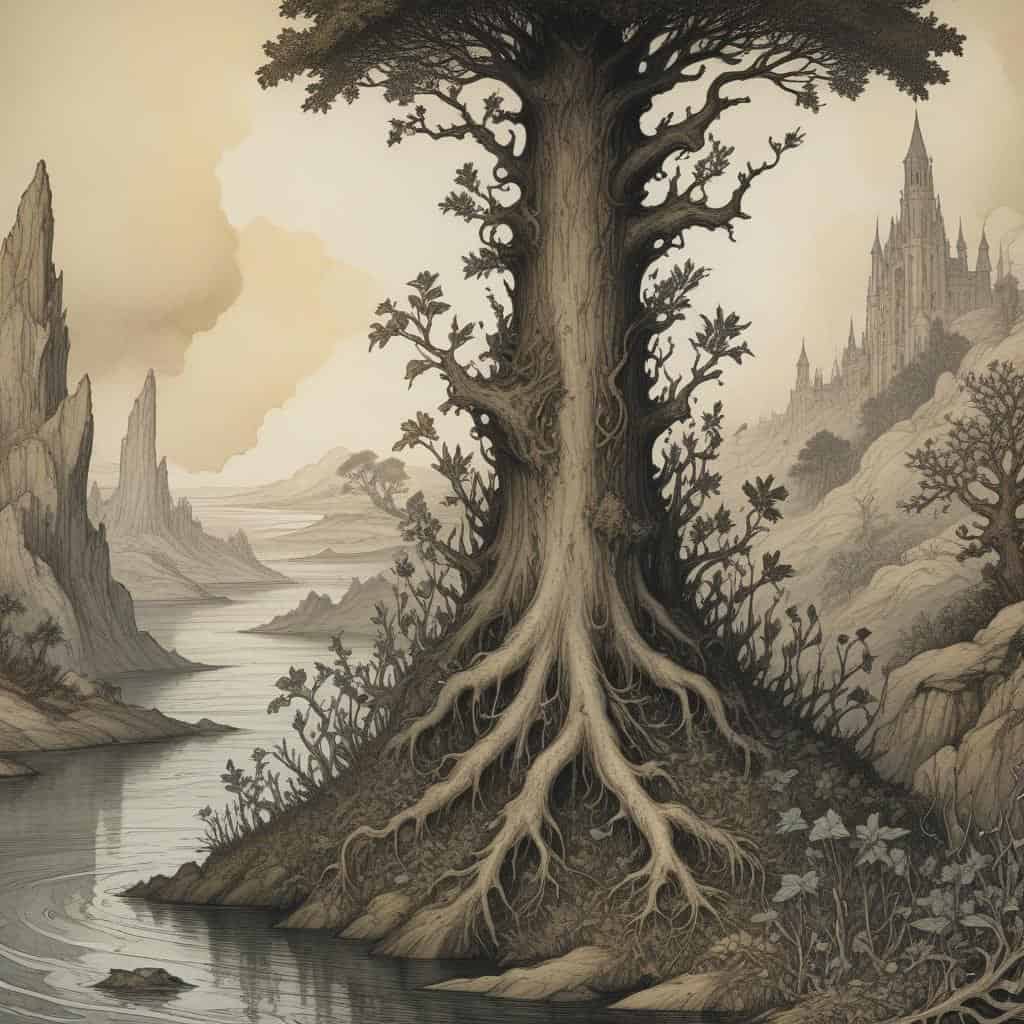
The Influence of Historia Naturalis
The Legacy of Pliny the Younger
Lesson Details & Resources
In a Nutshell
- What: ‘Historia Naturalis (Natural History)’ by Pliny the Elder
- When: Written in the 1st century AD
- Who: Pliny the Elder
- Theme: Compilation of knowledge on natural history and the world
List of Characters in Historia Naturalis
-
Pliny the Elder
Pliny the Elder was a Roman naturalist and author of the encyclopedia Naturalis Historia, which served as a major source of information for the study of natural history for centuries.
-
Pliny the Younger
Pliny the Younger was the nephew of Pliny the Elder and a Roman senator and author who wrote letters describing the eruption of Mount Vesuvius and the death of his uncle.
-
Emperor Titus
Emperor Titus was the Roman emperor during the eruption of Mount Vesuvius and is known for his efforts in aiding the survivors and rebuilding the city of Pompeii.
-
Emperor Domitian
Emperor Domitian was the brother of Emperor Titus and the Roman emperor who succeeded him, known for his tyrannical rule and persecution of Christians.
Timeline of Historia Naturalis
Pliny the Younger begins writing Historia Naturalis, a work encompassing a wide range of topics including astronomy, geography, zoology, botany, and medicine.
Pliny dedicates the work to Emperor Titus, showcasing his admiration and respect for the ruler.
The first books of Historia Naturalis are published, covering topics such as the heavens, meteorology, and geography.
Pliny continues to work on the remaining books of Historia Naturalis, delving into topics like zoology, botany, and mineralogy.
The final books of Historia Naturalis are completed and published, solidifying Pliny's reputation as a scholar and scientist.
Historia Naturalis becomes a widely read and influential work, shaping the study of natural history for centuries to come.
Vocabulary List
- Natural History
- Natural History, as defined by Pliny the Younger, is the study of plants, animals, and minerals in their natural environment.
- Historia Naturalis
- Historia Naturalis is a work by Pliny the Younger that covers a wide range of topics including geography, anthropology, and zoology.
- Pliny the Younger
- Pliny the Younger was a Roman author and naturalist who wrote extensively on a variety of subjects, including the natural world.
- Botany
- Botany, the study of plants, is a key area of interest in Historia Naturalis.
- Zoology
- Zoology, the study of animals, is another important aspect of Historia Naturalis.
- Geography
- Geography, the study of the Earth's physical features and its inhabitants, is also covered in Historia Naturalis.
- Mineralogy
- Mineralogy, the study of minerals and their properties, is another topic discussed in Historia Naturalis.
- Ancient Rome
- Historia Naturalis provides valuable insights into the natural world as understood by the ancient Romans.
- Observation
- Pliny the Younger emphasizes the importance of careful observation and documentation in the study of natural history.
- Classification
- Historia Naturalis includes detailed classifications of plants, animals, and minerals based on their characteristics and relationships.
- Empirical
- Pliny the Younger's approach to natural history is heavily empirical, relying on direct observation and experience.
- Scientific Inquiry
- Historia Naturalis reflects the scientific inquiry of its time, seeking to understand the natural world through systematic observation and analysis.
Key Facts
This is the information used in the fact matching game
- Pliny the Elder began writing Historia Naturalis in 77 AD.
- The work is a comprehensive encyclopedia of the natural world, covering topics such as botany, zoology, astronomy, and mineralogy.
- Historia Naturalis consists of 37 books and is divided into 10 volumes.
- Pliny the Elder died during the eruption of Mount Vesuvius in 79 AD, while working on Historia Naturalis.
- The work covers a wide range of topics, including geography, anthropology, medicine, and agriculture.
- Pliny the Elder used over 2,000 sources for Historia Naturalis, making it one of the most extensive works of its time.
- Historia Naturalis was one of the first works to describe the medicinal properties of plants.
- The work also includes information on animals, minerals, metals, and gemstones.
- Historia Naturalis was widely read and influential throughout the Middle Ages and Renaissance.
- Pliny the Younger, the nephew of Pliny the Elder, edited and published Historia Naturalis after his uncle's death.
- The work is written in Latin and is known for its detailed descriptions and observations.
- Historia Naturalis includes information on the use of plants for food, medicine, and other purposes.
- Pliny the Elder believed that knowledge of the natural world could lead to a better understanding of the divine.
- Historia Naturalis was translated into multiple languages and remained popular for centuries.
- The work influenced later encyclopedias and scientific treatises, including those of Isidore of Seville and Albertus Magnus.
- Historia Naturalis is considered one of the most important works of ancient natural history.
- Pliny the Elder dedicated Historia Naturalis to the emperor Titus.
- The work includes information on the origins and uses of various materials, such as silk and glass.
- Historia Naturalis is a valuable resource for understanding the scientific knowledge of the ancient world.
- Pliny the Elder's work laid the foundation for many later studies in natural history and science.
Analysis & Significance
Impact on Literature
Historia Naturalis, written by Pliny the Elder, is considered one of the earliest works of natural history and has had a profound impact on scientific writing and literature. Its encyclopedic nature and detailed descriptions of the natural world set a precedent for future works in the genre, influencing how information was organized and presented in written form.
Enduring Themes
The enduring themes of Historia Naturalis revolve around the beauty and complexity of the natural world, as well as humanity’s relationship with it. These timeless themes still resonate with modern audiences, reminding us of our place in the vast and wondrous universe, and the importance of understanding and preserving the world around us.
Cultural Significance Today
Historia Naturalis continues to hold cultural significance today as a foundational work in the history of science and literature. Its legacy can be seen in various adaptations and references in popular culture, showcasing its enduring impact and influence on the way we view the natural world.
Historia Naturalis Games


Take Your Learning Offline
Want a convenient, print-ready study guide for this lesson? Become a Memory Wizards Pro member to unlock the downloadable " Memory Scrolls" for this topic and our entire library!
- ✓ Complete Vocabulary Lists
- ✓ Key Facts & Timelines
- ✓ Beautifully Formatted for Print & Mobile