
The Tripartite Soul
Unveiling the eternal battle within: harmony or chaos?
How Do You Learn Best?
Learn by Listening
Start with the 3-minute audio summary to get the key facts and narrative highlights quickly.
Learn by Reading
Immerse yourself in the 10-minute visual lesson for a comprehensive understanding of the topic.
Learn by Reviewing
Jump directly to the key facts, timeline, and vocabulary lists to build a solid foundation of details.
Learn by Doing
Challenge yourself! Jump straight into the interactive games to learn by trial, error, and discovery.
Audio Library
As one of our featured lessons, this topic includes premium audio guides.
Unlock the Wizard's Cram Session
This powerful audio study guide is a Pro-exclusive feature. Upgrade to Memory Wizards Pro to access this and all of our premium learning tools.
Upgrade to ProThe Tripartite Soul in 10 Minutes
Introduction

1. Plato

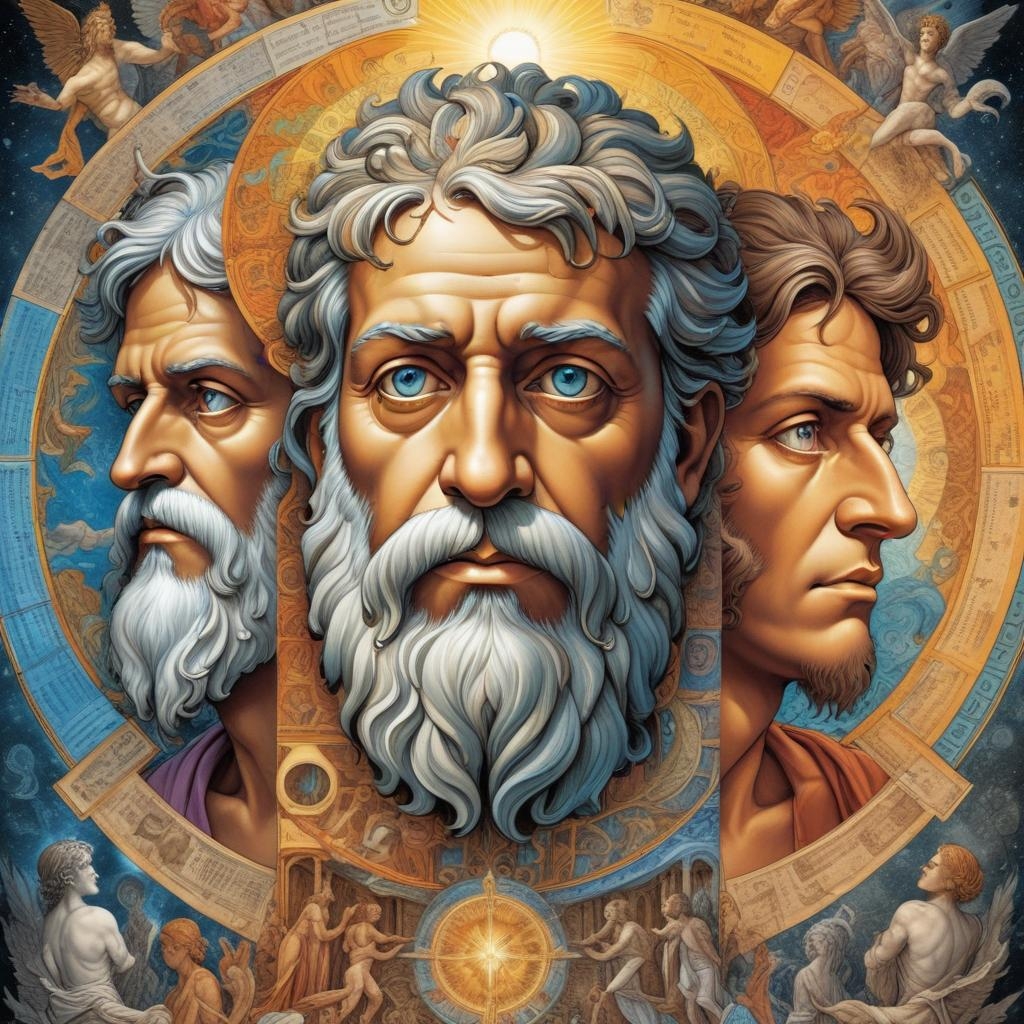
The Tripartite Soul: A Philosophical Summary

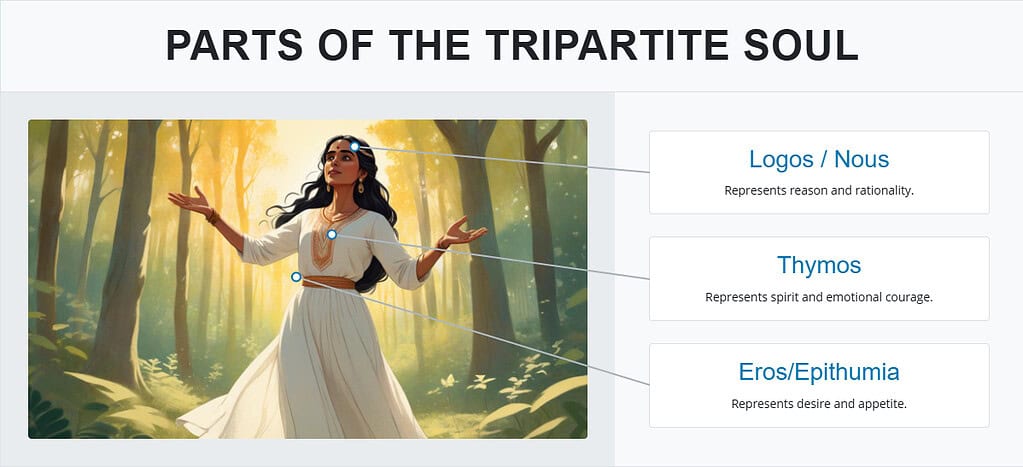
Logos - The Rational Part

Thymos - The Spirited Part

Eros(Epithumia) - The Appetitive Part

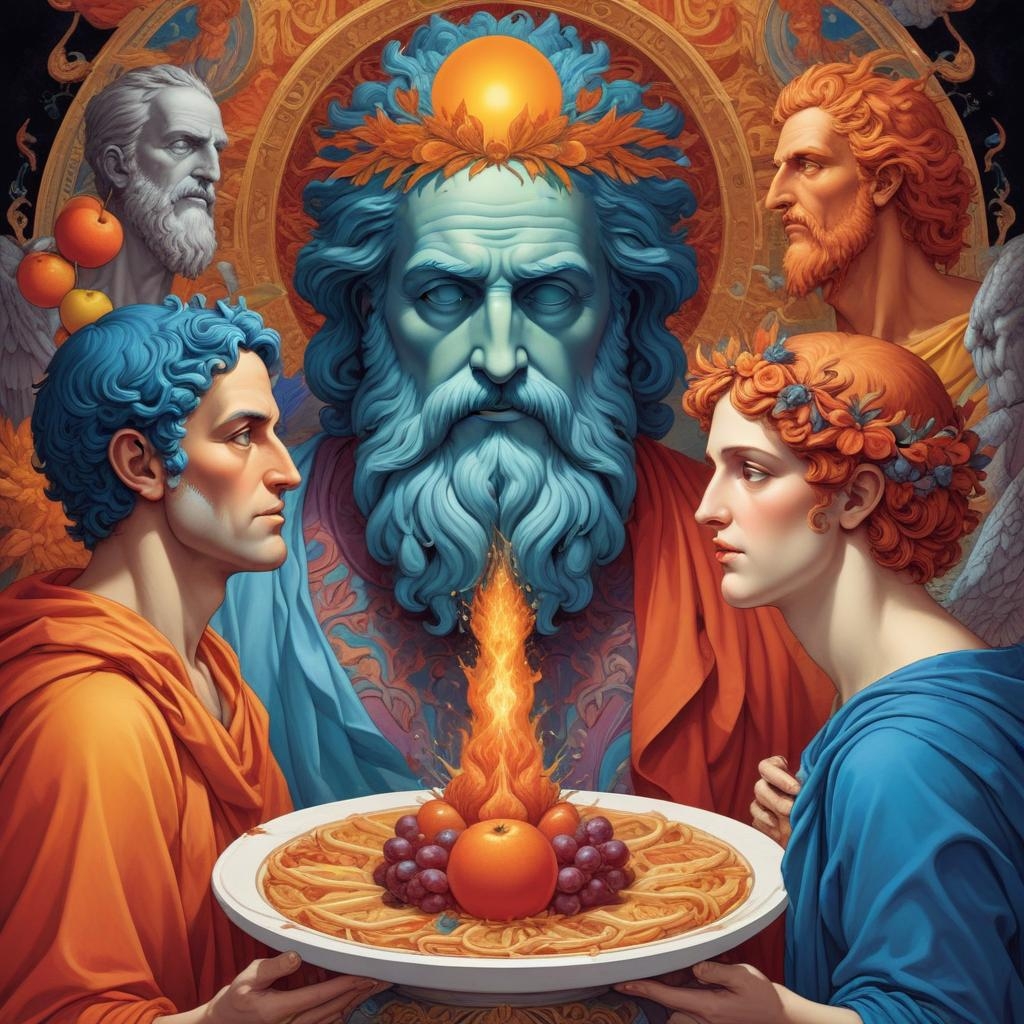
The Harmony of the Soul

The Role of Education

The Allegory of the Chariot
Criticism and Interpretations
Modern Applications


Lesson Details & Resources
In a Nutshell
- Concept: The Tripartite Soul is a philosophical concept that divides the human soul into three parts.
- Thinkers: Plato, around 4th century BCE.
- Central Question: What are the different components of the human soul and how do they interact?
- Core Implication: The soul consists of reason, spirit, and desire, each with its own functions and virtues.
Timeline of The Tripartite Soul
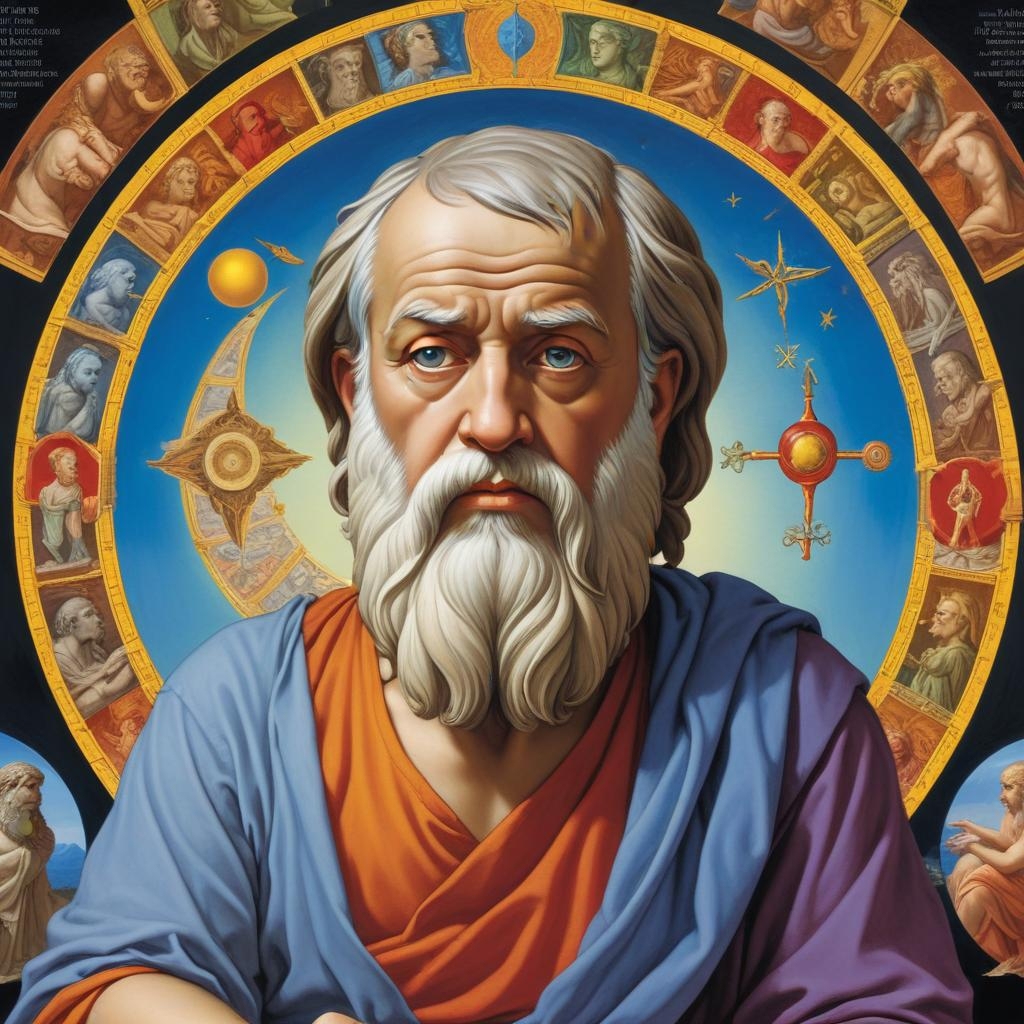
Plato introduces the concept of the Tripartite Soul in his dialogue 'The Republic'
Plato describes the three parts of the soul as Reason, Spirit, and Appetite
Aristotle expands on Plato's concept of the Tripartite Soul in his work 'On the Soul'
Aristotle identifies the three parts of the soul as Rational, Irascible, and Concupiscent
Stoic philosophers further develop the concept of the Tripartite Soul, emphasizing the importance of reason and virtue
Neoplatonist philosophers such as Plotinus incorporate the Tripartite Soul into their metaphysical and ethical frameworks
Medieval Christian theologians like Augustine of Hippo integrate the Tripartite Soul into Christian philosophy
Islamic philosopher Al-Farabi discusses the Tripartite Soul in his work 'The Principles of the Opinions of the People of the Virtuous City'
Thomas Aquinas incorporates the Tripartite Soul into his synthesis of Aristotelian and Christian philosophy
Renaissance philosophers such as Marsilio Ficino and Pico della Mirandola explore the Tripartite Soul in the context of humanism and the revival of classical thought
Enlightenment thinkers like Descartes, Locke, and Hume critically examine the concept of the Tripartite Soul in relation to consciousness and personal identity
19th century psychologists like Freud and Jung draw on the Tripartite Soul in their theories of the unconscious mind and personality development
Existentialist philosophers such as Sartre and Camus discuss the Tripartite Soul in the context of existentialism and the search for meaning in a seemingly indifferent universe
Contemporary philosophers continue to explore the Tripartite Soul in relation to topics such as ethics, psychology, and neuroscience
Vocabulary List
- Tripartite Soul
- In Plato's 'Republic', Socrates explains the concept of the Tripartite Soul as a way to understand human psychology and ethics.
- Reason
- According to Plato, reason is the highest part of the Tripartite Soul and should govern the other two parts.
- Spirit
- In Plato's philosophy, spirit is the part of the soul that motivates individuals to fight for justice and defend what they believe in.
- Appetite
- According to Plato, appetite is the lowest part of the Tripartite Soul and must be controlled by reason and spirit to achieve a harmonious life.
Key Facts
This is the information used in the fact matching game
- The concept of the Tripartite Soul originated in ancient Greek philosophy, particularly in the works of Plato and Aristotle.
- According to Plato, the Tripartite Soul consists of three parts: the rational part (logos), the spirited part (thumos), and the appetitive part (epithumia).
- The rational part of the soul is associated with reason, wisdom, and logical thinking.
- The spirited part of the soul is associated with emotions, courage, and motivation.
- The appetitive part of the soul is associated with desires, pleasures, and physical needs.
- Plato believed that the ideal state of the soul occurs when the rational part governs over the spirited and appetitive parts.
- Aristotle also discussed the concept of the Tripartite Soul in his work 'De Anima' (On the Soul).
- Aristotle's model of the Tripartite Soul includes the rational, appetitive, and vegetative parts.
- Aristotle believed that the rational part of the soul is unique to humans and allows for intellectual pursuits.
- The appetitive part of the soul in Aristotle's model is responsible for desires and emotions related to pleasure and pain.
- Aristotle considered the vegetative part of the soul as the most basic, responsible for functions like growth and nutrition.
- The Tripartite Soul theory has influenced various philosophical and psychological discussions on human nature and morality.
- The Tripartite Soul concept has been used to explain the internal conflicts humans face in decision-making and moral dilemmas.
- The Tripartite Soul theory has been critiqued for oversimplifying the complexities of human psychology and behavior.
- Some modern psychologists have drawn parallels between the Tripartite Soul and Freud's model of the id, ego, and superego.
- The concept of the Tripartite Soul continues to be studied and debated in contemporary philosophy and psychology.
- The Tripartite Soul theory offers insights into the complexities of human nature and the internal conflicts individuals face in moral decision-making.
- The Tripartite Soul theory highlights the importance of balance and harmony among the different aspects of the soul for overall well-being.
- The Tripartite Soul theory can be applied to understanding ethical behavior, self-control, and personal development.
- The Tripartite Soul theory emphasizes the role of reason in guiding emotions and desires towards virtuous actions.
Analysis & Significance
The Core Argument
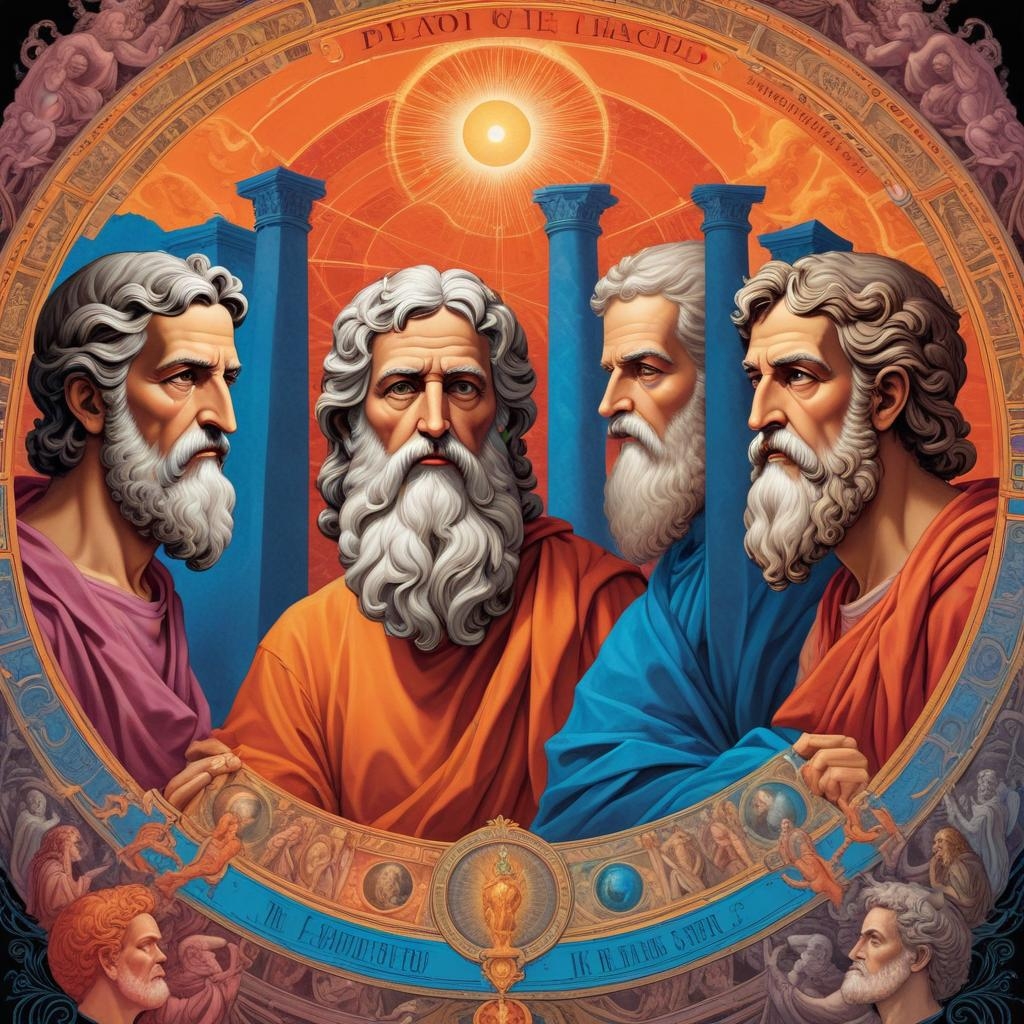
The Tripartite Soul, as proposed by Plato in his work “The Republic,” suggests that the human soul is divided into three distinct parts: the rational, the spirited, and the appetitive. These parts are in constant conflict with each other, with the rational part ideally ruling over the others to achieve harmony and virtue.
Criticisms and Counterarguments
Critics argue that the Tripartite Soul oversimplifies the complexities of human psychology and morality. Some believe that the soul cannot be neatly compartmentalized into three distinct parts, and that human behavior is influenced by a myriad of factors beyond just these three components. Additionally, some question the hierarchical nature of the soul, arguing that different parts should work together rather than one dominating the others.
Modern Relevance
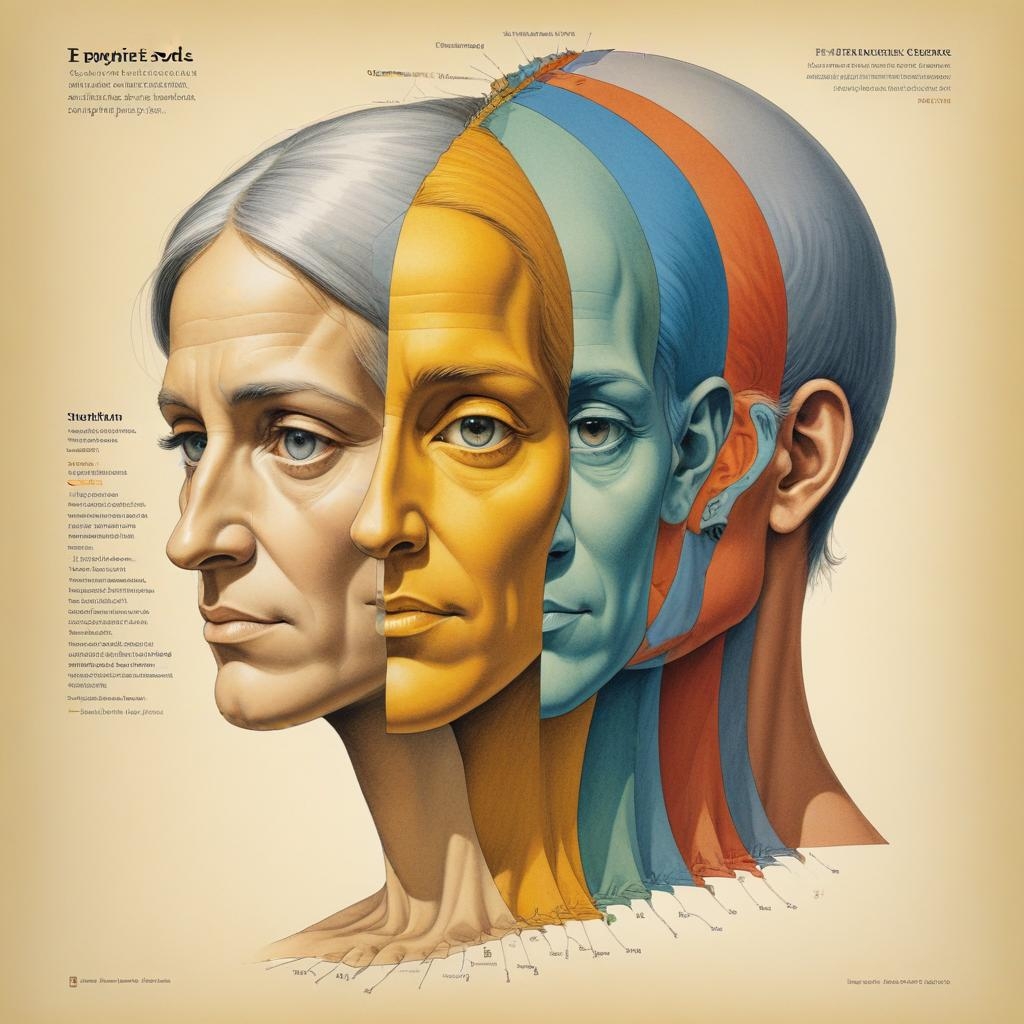
The concept of the Tripartite Soul remains relevant today in discussions of self-control, decision-making, and personal development. By understanding the different aspects of our own souls – our rational thinking, emotional responses, and desires – we can better navigate ethical dilemmas and cultivate a more balanced and virtuous life. This idea also sheds light on the importance of introspection and self-awareness in the modern world, where distractions and external influences can easily pull us away from our true values and goals.
The Tripartite Soul Games


Take Your Learning Offline
Want a convenient, print-ready study guide for this lesson? Become a Memory Wizards Pro member to unlock the downloadable " Memory Scrolls" for this topic and our entire library!
- ✓ Complete Vocabulary Lists
- ✓ Key Facts & Timelines
- ✓ Beautifully Formatted for Print & Mobile
Recommended Viewing
The Tripartite Soul Explained
Discover the concept of 'The Tripartite Soul' and explore the intricate layers that define our nature as human beings. In this video, we delve into the philosophical framework that categorizes the soul into three distinct parts: the rational, the spirited, and the appetitive. Join us as we unravel how these components interact and shape our thoughts, emotions, and behaviors.
From the channel: Memory Wizards