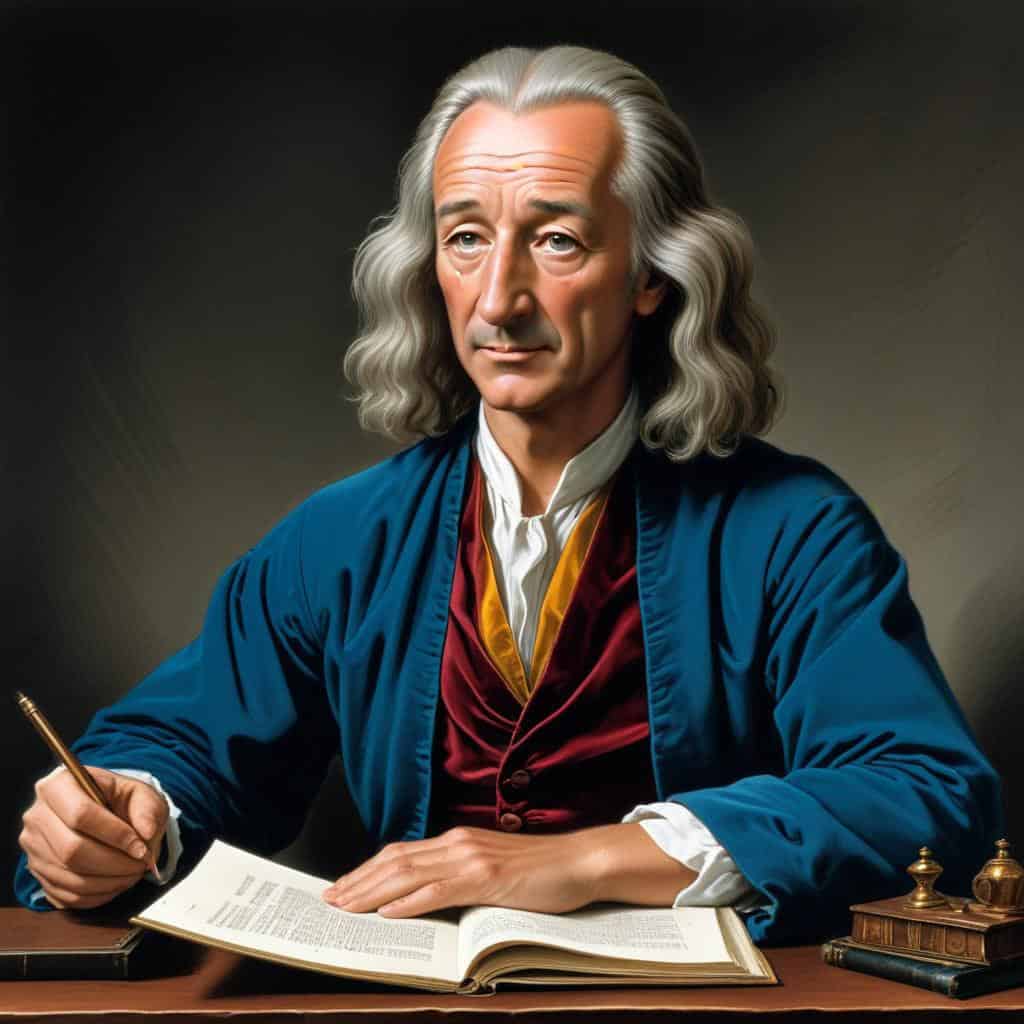
The Theory Of Knowledge

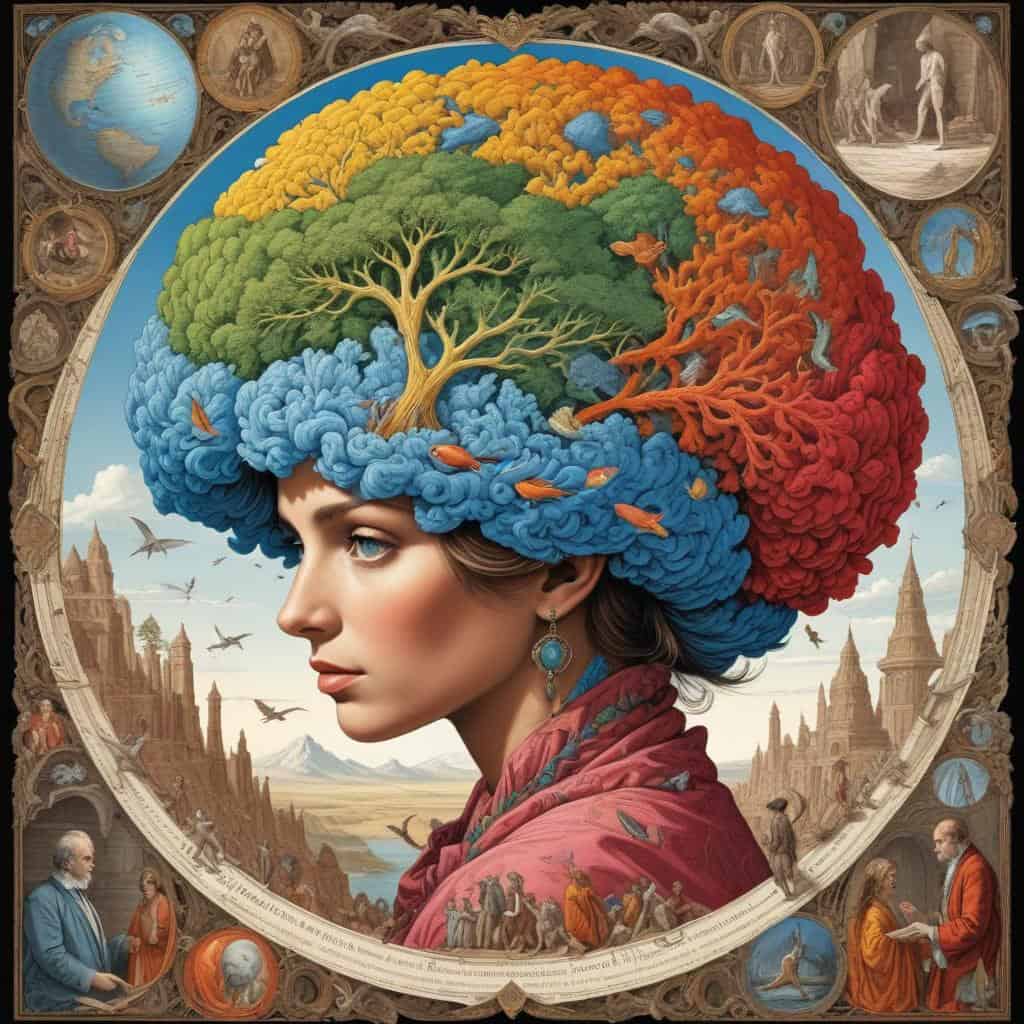
Is knowledge a reflection of reality or a construct of perception?

How Do You Learn Best?

Note: You can explore any or all of these paths in any order you prefer!

Audio Library

As one of our featured lessons, this topic includes premium audio guides.

πŸ”’

Unlock the Audio Summary

This free audio lesson is available exclusively for Logged in Memory Wizards members. Please sign up for a free account or log in to access this content.

Sign Up Log In
πŸ”’

Unlock the Wizard's Cram Session

This powerful audio study guide is a Pro-exclusive feature. Upgrade to Memory Wizards Pro to access this and all of our premium learning tools.

Upgrade to Pro

The Theory Of Knowledge in 10 Minutes

Introduction
Introduction

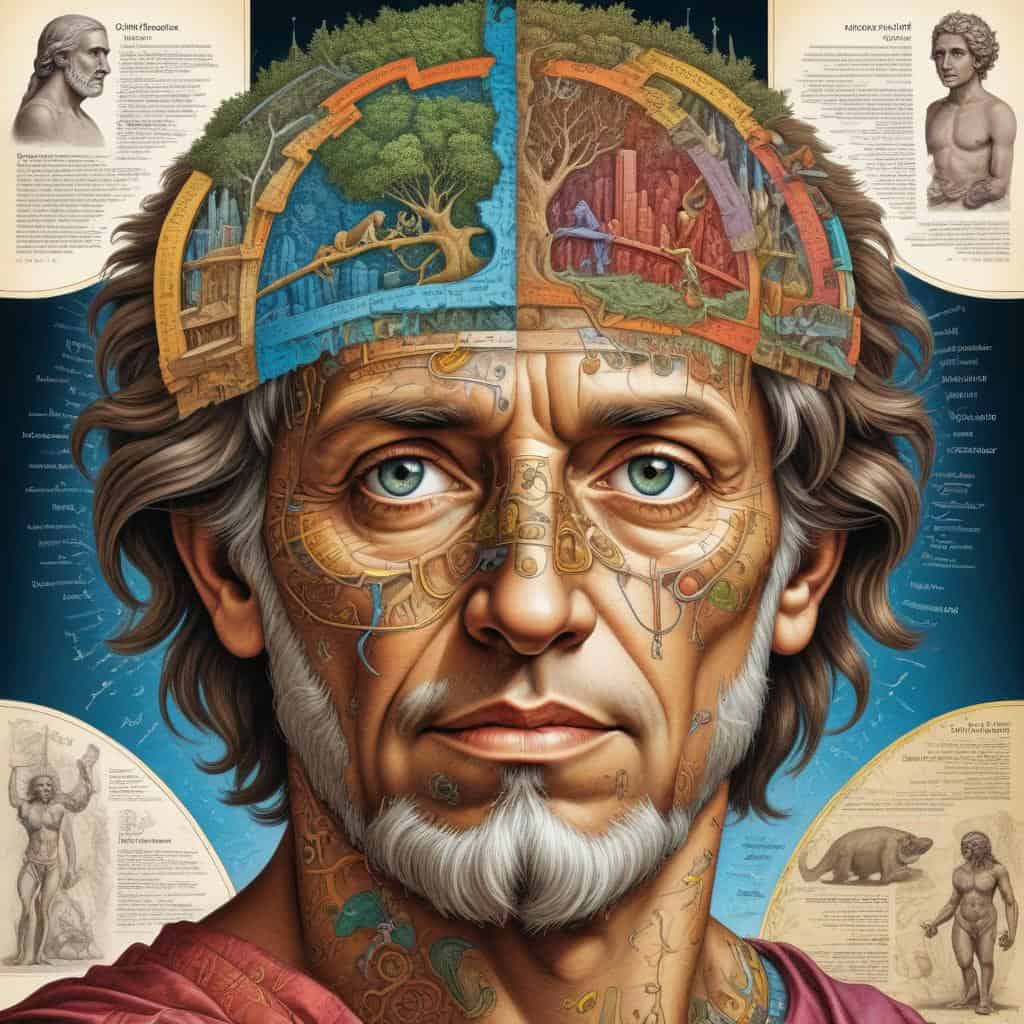
Are you curious about the nature of knowledge and how we come to know things? In the field of philosophy, the Theory of Knowledge, also known as Epistemology, seeks to answer these fundamental questions. By exploring concepts such as truth, belief, and justification, philosophers have attempted to unlock the secrets of knowledge throughout history.

From ancient thinkers like Plato and Aristotle to modern philosophers like Descartes and Kant, the Theory of Knowledge has been a central focus of philosophical inquiry. By examining the ways in which we acquire knowledge, philosophers aim to understand the limits of what we can know and how we can be certain of our beliefs.

This article provides a brief overview of the Theory of Knowledge, touching on key ideas and debates within the field. By delving into topics such as skepticism, perception, and the nature of reality, we will explore the complexities of knowledge and the ways in which we can navigate the realm of epistemology.

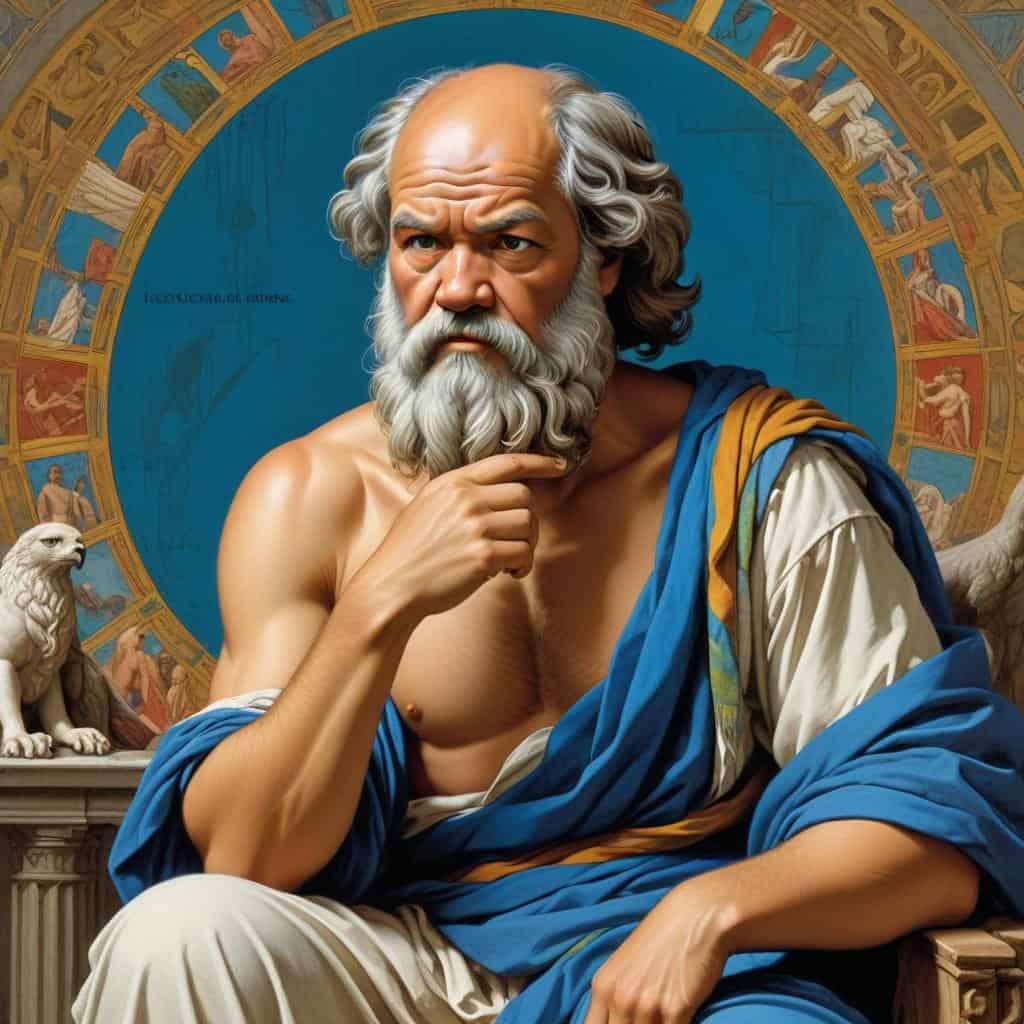
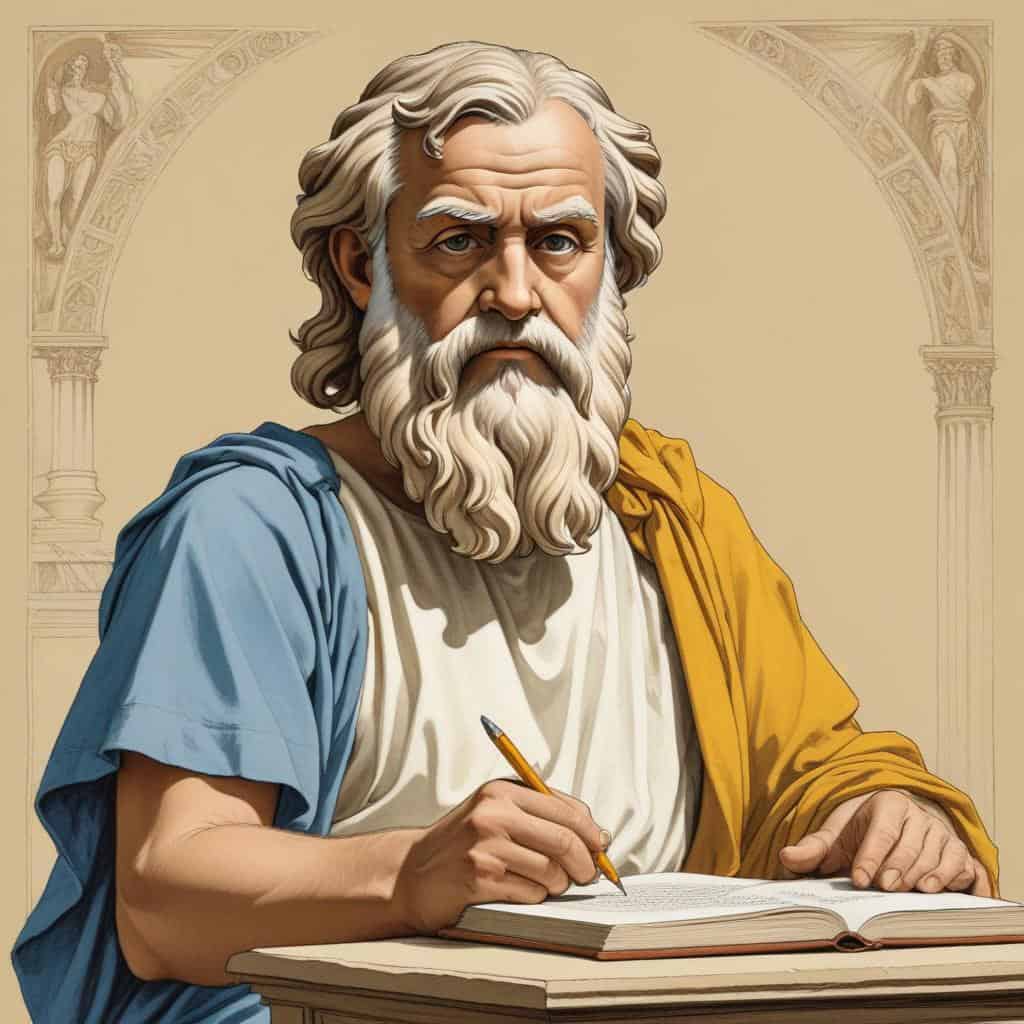
Socrates

Socrates

Socrates was a Greek philosopher who believed in the importance of questioning assumptions and seeking out truth through dialogue and critical thinking. He is known for his method of questioning, which is still used in philosophical inquiry today.

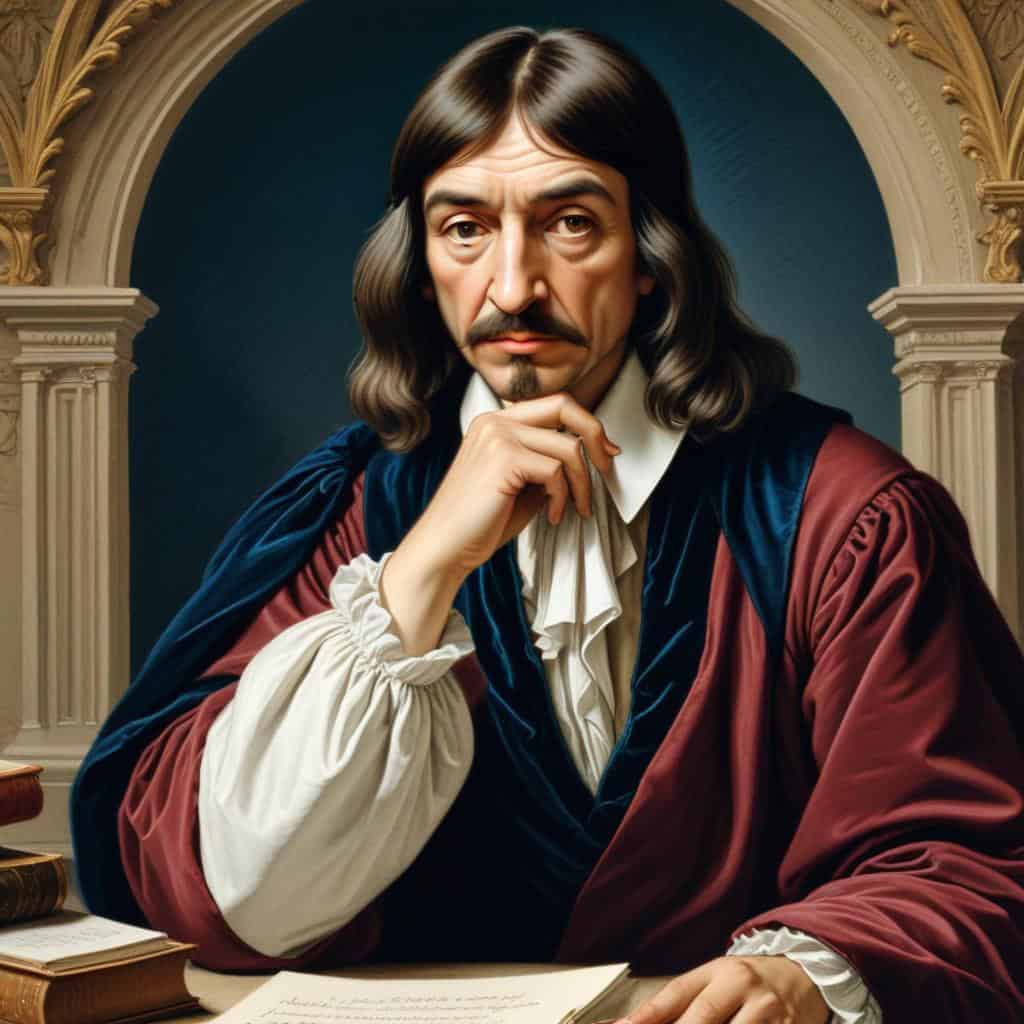
Rene Descartes

Rene Descartes

Rene Descartes was a French philosopher who is famous for his phrase I think, therefore I am. He emphasized the role of reason and skepticism in the pursuit of knowledge, and his work laid the foundation for modern philosophy.

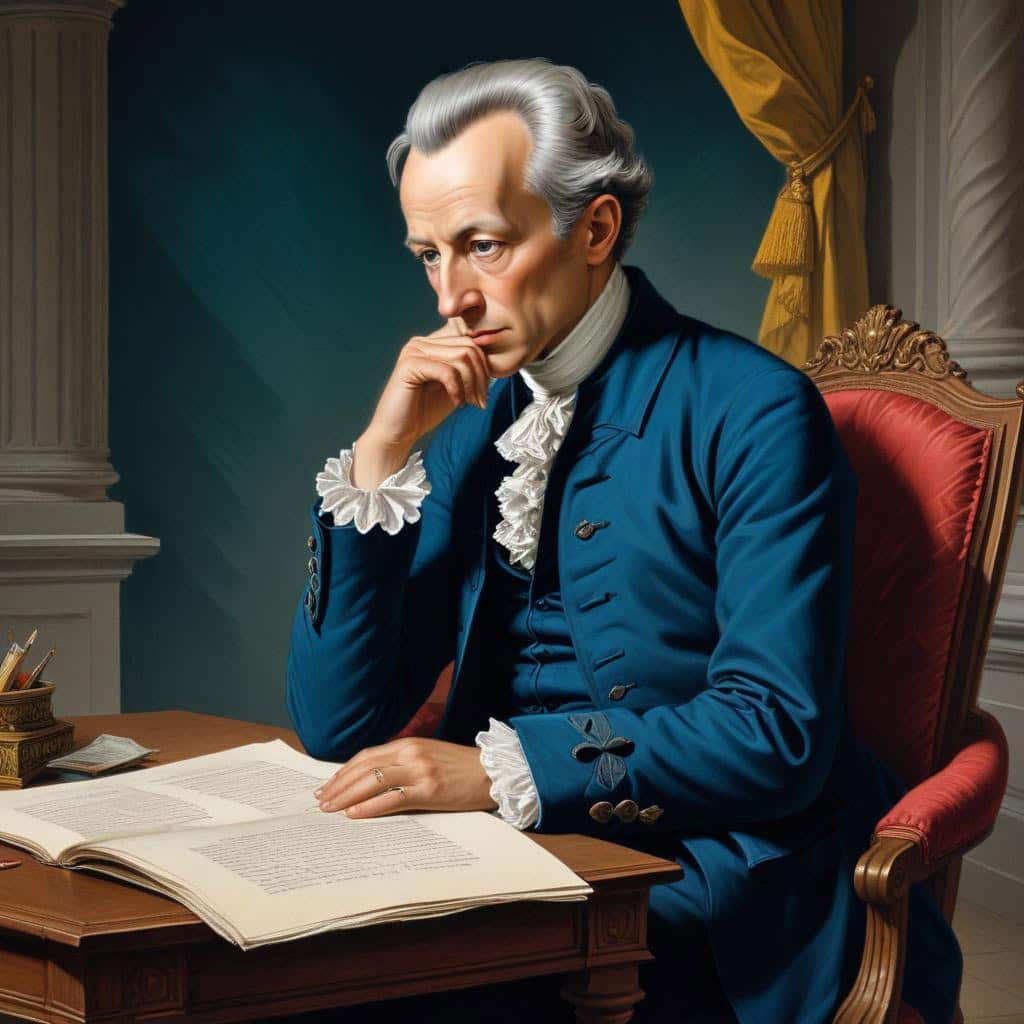
Immanuel Kant

Immanuel Kant

Immanuel Kant was a German philosopher who developed the concept of transcendental idealism, which posits that our knowledge of the world is shaped by our mental faculties. He also explored the limits of human understanding and the nature of moral reasoning.

John Locke

John Locke

John Locke was an English philosopher who believed that knowledge comes from sensory experience and that the mind is a blank slate at birth. He is known for his contributions to empiricism and his ideas about the social contract.

Plato

Plato

Plato was a student of Socrates and a teacher of Aristotle. He founded the Academy in Athens and wrote a series of dialogues exploring the nature of knowledge, reality, and ethics. His theory of forms and allegory of the cave are central to his philosophy.

1. What is the Theory of Knowledge?

1. What is the Theory of Knowledge?

The Theory of Knowledge is a branch of philosophy that explores the nature, scope, and limits of human knowledge. It seeks to answer questions such as: How do we know what we know? What is the difference between belief and knowledge? What are the sources of knowledge?

2. The Role of Reason and Experience

2. The Role of Reason and Experience

In the Theory of Knowledge, two main sources of knowledge are often discussed: reason and experience. Rationalists believe that reason is the primary source of knowledge, while empiricists argue that knowledge comes from sensory experience.

3. The Problem of Skepticism

3. The Problem of Skepticism

One of the key challenges in the Theory of Knowledge is the problem of skepticism. Skeptics question whether knowledge is possible at all, arguing that our beliefs may be unreliable or even completely false.

4. The Gettier Problem

4. The Gettier Problem

The Gettier Problem is a famous thought experiment that challenges the traditional definition of knowledge as justified true belief. It presents scenarios where a belief is justified and true, but not considered knowledge.

5. Theories of Truth

5. Theories of Truth

Various theories of truth have been proposed in the Theory of Knowledge, such as the correspondence theory, coherence theory, and pragmatic theory. Each theory offers a different perspective on what it means for a belief to be true.

6. Types of Knowledge

6. Types of Knowledge

Within the Theory of Knowledge, different types of knowledge are often distinguished, such as propositional knowledge (knowing that), procedural knowledge (knowing how), and acquaintance knowledge (knowing someone or something).

7. The Problem of Induction

7. The Problem of Induction

The problem of induction questions the validity of making generalizations based on past observations. It raises concerns about the reliability of inductive reasoning and the assumptions we make about the future based on the past.

8. The Role of Language

8. The Role of Language

Language plays a crucial role in the acquisition and communication of knowledge. The Theory of Knowledge explores how language shapes our understanding of the world and the ways in which it can both facilitate and hinder knowledge.

9. The Limits of Knowledge

9. The Limits of Knowledge

Philosophers have long debated the limits of human knowledge, questioning whether there are certain truths that are beyond our grasp. The Theory of Knowledge delves into the boundaries of what can be known and understood by humans.

10. The Quest for Truth

10. The Quest for Truth

Ultimately, the Theory of Knowledge is a quest for truth and understanding. It challenges us to critically examine our beliefs, question our assumptions, and strive for a deeper appreciation of the nature of knowledge.

In conclusion, the Theory of Knowledge in Philosophy is a fascinating field that explores how we come to know and understand the world around us. By questioning the nature of knowledge and the ways in which we acquire it, philosophers have been able to unlock the secrets of human cognition and perception.

Through critical thinking and analysis, we can gain a deeper understanding of our own beliefs and assumptions, leading to a more informed and enlightened perspective on the world. By delving into the basics of epistemology, we can continue to expand our knowledge and challenge our own understanding of reality.

1 / 19

Lesson Details & Resources

In a Nutshell

  • Concept: A theory that explores the nature of knowledge and how we can know things.
  • Thinkers: Plato, Aristotle, Descartes, Kant, and others, from ancient times to the present day.
  • Central Question: What is knowledge, and how do we acquire it?
  • Core Implication: The understanding of how knowledge is obtained and the limits of what can be known.

Timeline of The Theory Of Knowledge

c. 380 BCE

Plato introduces the concept of justified true belief in his dialogues

c. 350 BCE

Aristotle explores the nature of knowledge in his works

c. 400 CE

St. Augustine discusses the nature of knowledge in relation to faith in his writings

c. 1260

Thomas Aquinas incorporates Aristotelian and Christian thought into his theory of knowledge

1641

RenΓ© Descartes introduces foundationalism and skepticism in his Meditations

1690

John Locke emphasizes empiricism and the role of experience in acquiring knowledge

1781

Immanuel Kant develops his theory of transcendental idealism in Critique of Pure Reason

early 19th century

G.W.F. Hegel introduces the concept of dialectics in relation to knowledge and truth

late 19th century

Friedrich Nietzsche challenges traditional notions of knowledge and truth in his works

early 20th century

Bertrand Russell and G.E. Moore advocate for a new approach to epistemology known as analytic philosophy

1921

Ludwig Wittgenstein publishes Tractatus Logico-Philosophicus, exploring language and meaning in relation to knowledge

1963

Edmund Gettier presents his famous counterexamples to the traditional definition of knowledge

1962

Thomas Kuhn introduces the concept of paradigm shifts in The Structure of Scientific Revolutions

late 20th century

Donald Davidson develops a coherentist theory of knowledge in his writings

late 20th century

Alvin Goldman proposes a reliabilist theory of knowledge in his works

late 20th century

Elizabeth Anscombe and Philippa Foot introduce virtue epistemology as an alternative approach to traditional epistemology

21st century

Hilary Kornblith advocates for naturalistic epistemology in his writings

21st century

Linda Zagzebski develops a comprehensive account of epistemic virtues in her works

21st century

Recent developments in epistemology include social epistemology, feminist epistemology, and experimental philosophy

Vocabulary List

Epistemology
Epistemology is a central topic in the Theory of Knowledge in Philosophy.
Empiricism
Empiricism is often contrasted with rationalism in discussions of epistemology.
Rationalism
Rationalism is another key concept in the Theory of Knowledge in Philosophy.
Skepticism
Skepticism challenges traditional views of knowledge and truth in epistemology.
A priori
The concept of a priori knowledge is important in discussions of rationalism and empiricism.

Key Facts

This is the information used in the fact matching game

    No key facts found.

Analysis & Significance

The Core Argument

The Theory of Knowledge, or epistemology, delves into the nature of knowledge and how we come to know what we claim to know. Central to this concept is the debate between empiricism (knowledge derived from sensory experience) and rationalism (knowledge gained through reason and logic). This philosophical inquiry seeks to uncover the foundations of knowledge and the limits of human understanding.

Criticisms and Counterarguments

Critics of The Theory of Knowledge argue that it is impossible to have absolute certainty in knowledge, as it is influenced by subjective experience and interpretation. Skeptics challenge the notion of knowledge altogether, suggesting that all beliefs are inherently doubtful and not truly knowable. Relativists question the universality of knowledge claims, asserting that what is considered knowledge may vary across cultures and perspectives.

Modern Relevance

The Theory of Knowledge remains relevant in modern society as it underpins debates on fake news, misinformation, and the reliability of sources in the digital age. Understanding how we acquire knowledge is crucial in navigating a world saturated with information, where discerning truth from falsehood is increasingly challenging. Additionally, ethical dilemmas surrounding technology, privacy, and artificial intelligence invite us to critically assess the foundations of our knowledge and beliefs.

The Theory Of Knowledge Games

Was This Lesson Helpful?

Please log in or sign up to rate this lesson. 

Take Your Learning Offline

Want a convenient, print-ready study guide for this lesson? Become a Memory Wizards Pro member to unlock the downloadable " Memory Scrolls" for this topic and our entire library!

  • βœ“ Complete Vocabulary Lists
  • βœ“ Key Facts & Timelines
  • βœ“ Beautifully Formatted for Print & Mobile
Upgrade to Pro

You must be logged in to provide feedback. Please log in or create a free account.

Scroll to Top