
The Theory Of Forms
What if perfection exists beyond our physical world?
How Do You Learn Best?
Learn by Listening
Start with the 3-minute audio summary to get the key facts and narrative highlights quickly.
Learn by Reading
Immerse yourself in the 10-minute visual lesson for a comprehensive understanding of the topic.
Learn by Reviewing
Jump directly to the key facts, timeline, and vocabulary lists to build a solid foundation of details.
Learn by Doing
Challenge yourself! Jump straight into the interactive games to learn by trial, error, and discovery.
Audio Library
As one of our featured lessons, this topic includes premium audio guides.
Unlock the Wizard's Cram Session
This powerful audio study guide is a Pro-exclusive feature. Upgrade to Memory Wizards Pro to access this and all of our premium learning tools.
Upgrade to ProThe Theory Of Forms in 10 Minutes

Introduction
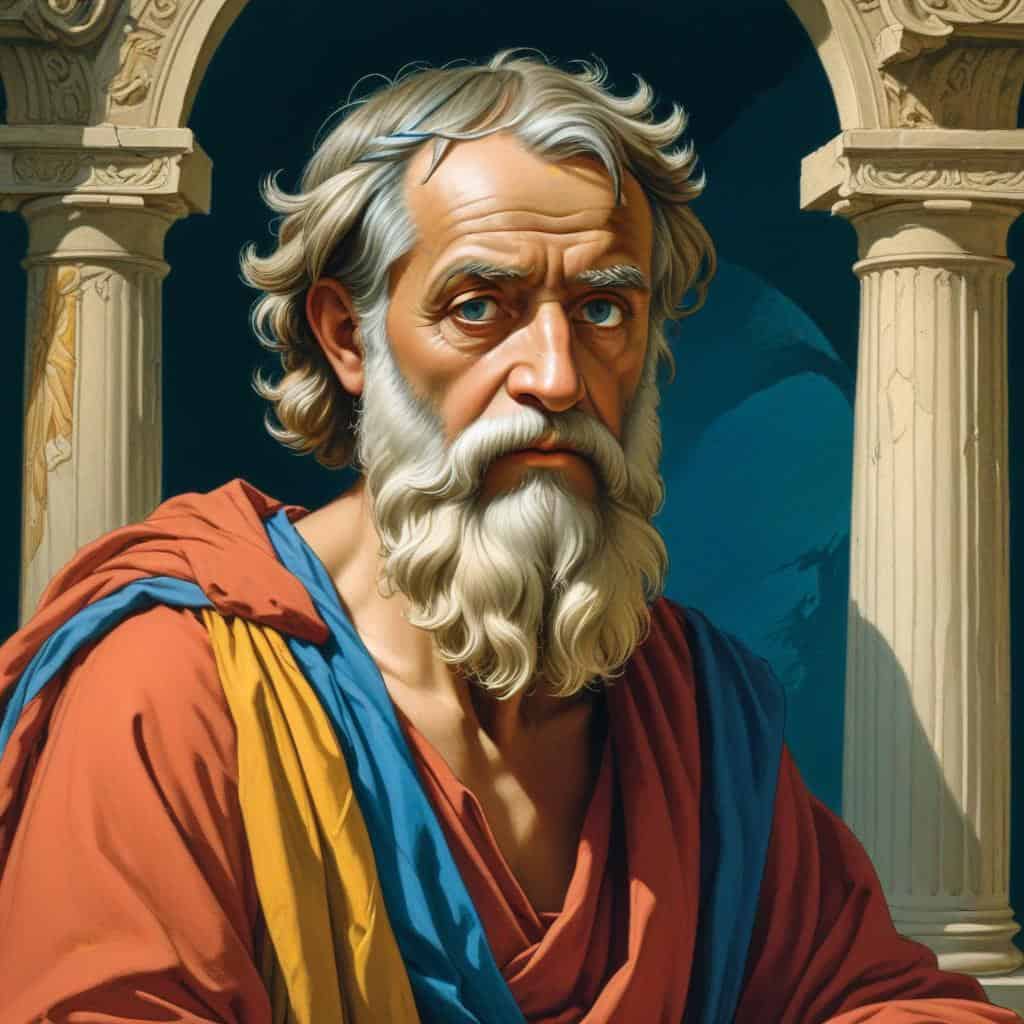
Plato
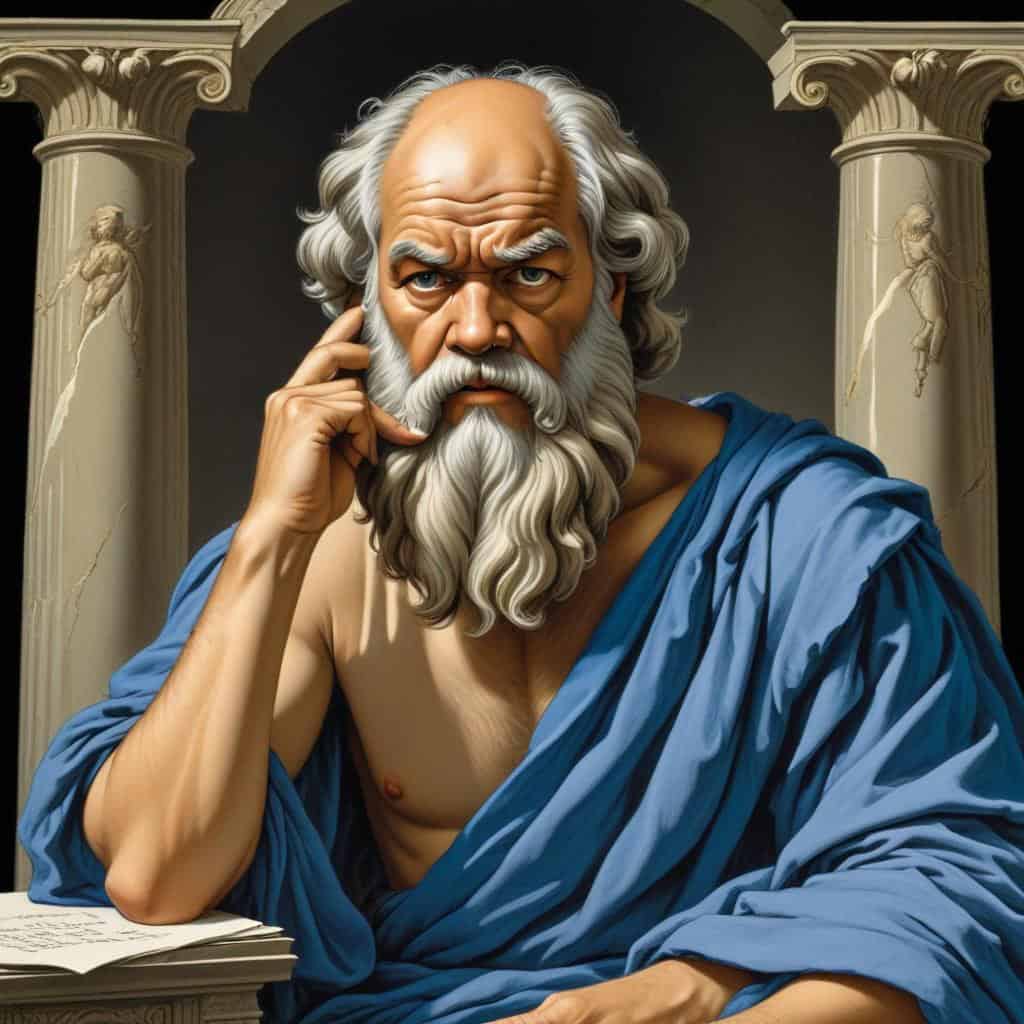
Socrates
Aristotle
Pythagoras
Plotinus
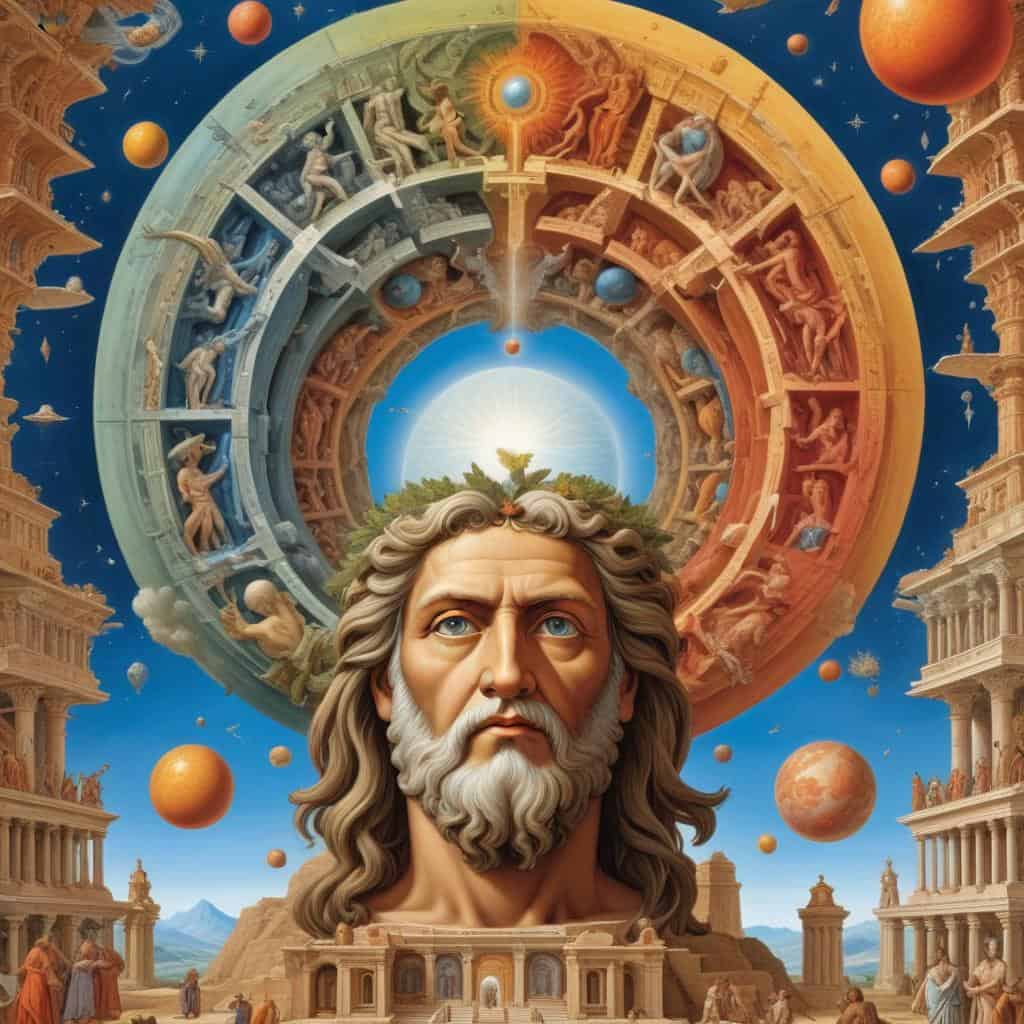
Introduction to The Theory of Forms
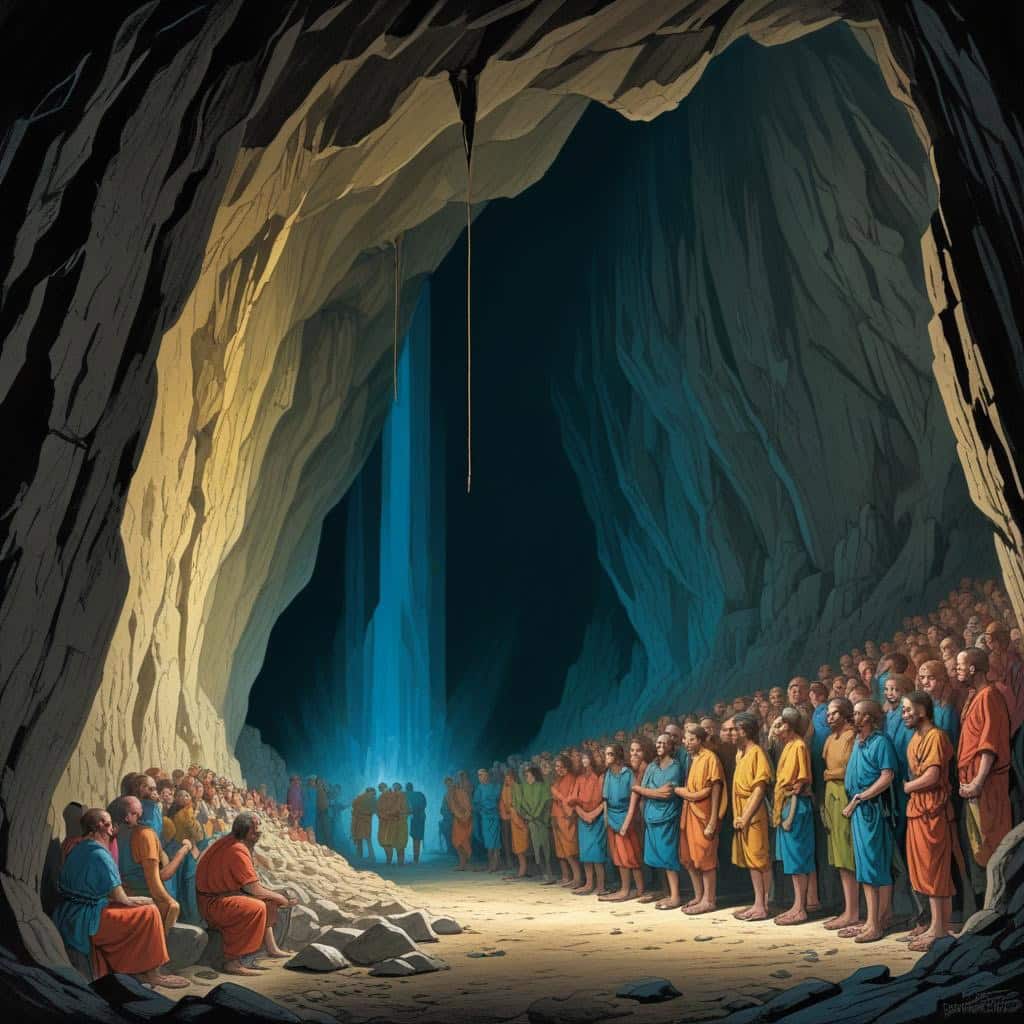
The Allegory of the Cave
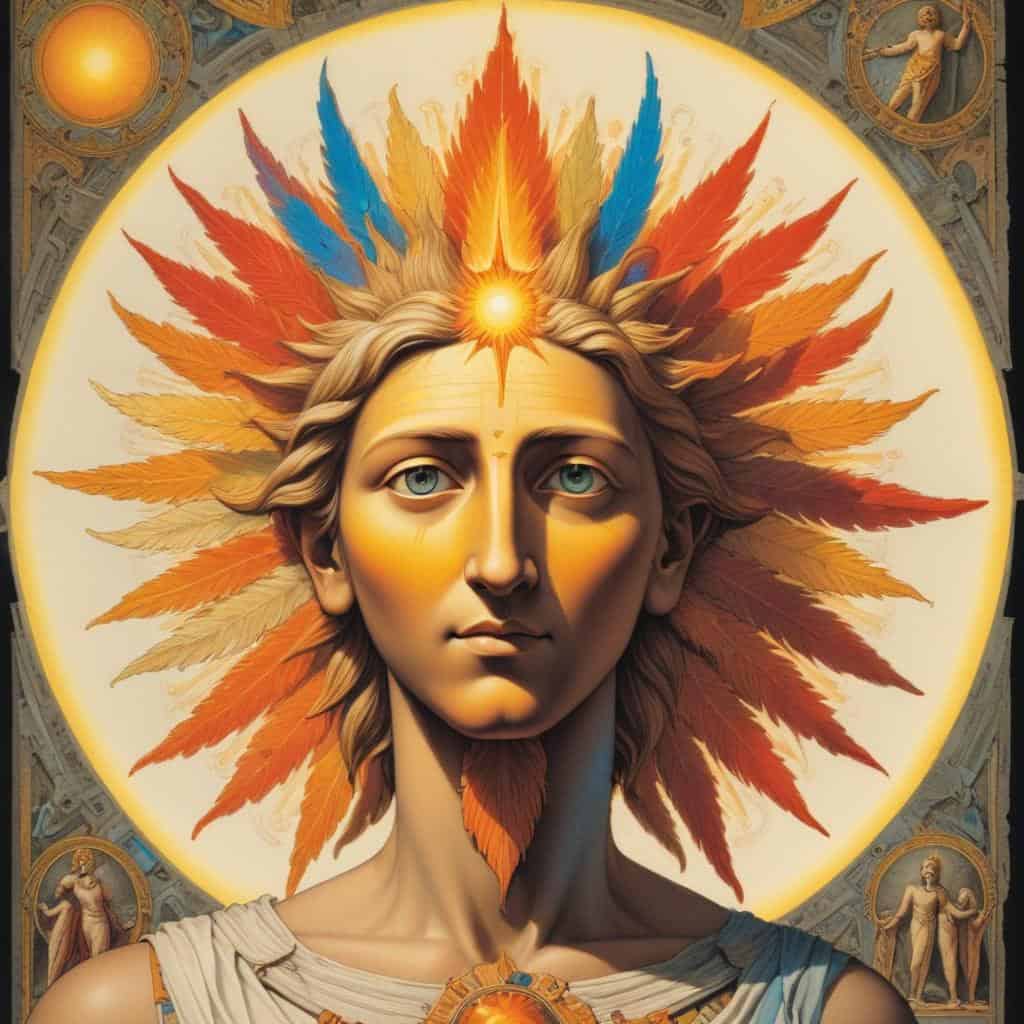
The Form of the Good
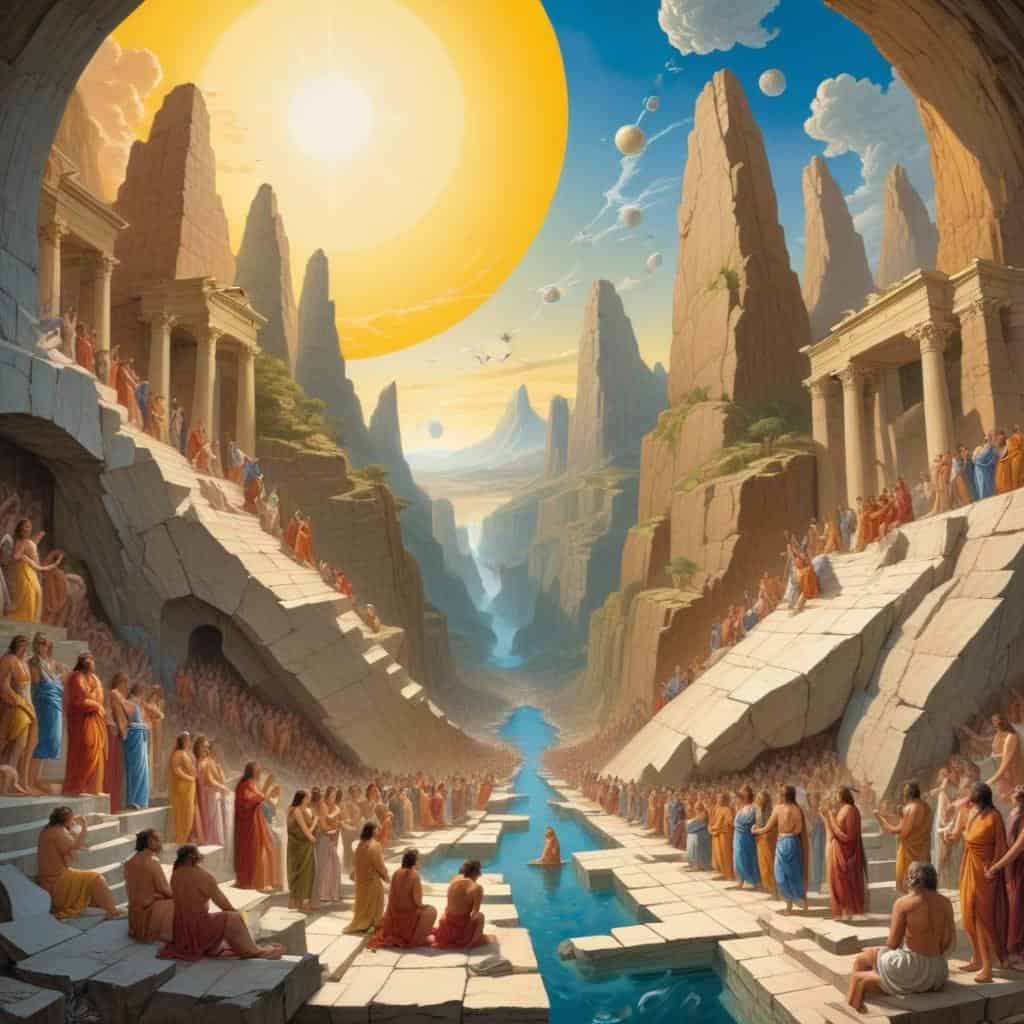
The Problem of Universals

Criticism of The Theory of Forms
Legacy of The Theory of Forms
Lesson Details & Resources
In a Nutshell
- Concept: An abstract philosophical concept that suggests there are ideal, perfect forms of all things in the universe.
- Thinkers: Plato, 4th Century BC.
- Central Question: What is the true nature of reality and how do we access it?
- Core Implication: The physical world is merely a shadow or imperfect reflection of the ideal forms that exist in a higher realm.
Timeline of The Theory Of Forms
Plato introduces the Theory of Forms in his dialogues, such as Phaedo and Republic
Plato defines Forms as abstract, timeless, and perfect entities that exist outside of the physical world
Plato argues that the physical world is a mere reflection or imitation of the Forms
Plato distinguishes between the visible world of appearances and the intelligible world of Forms
Plato's Theory of Forms influences later philosophers, such as Aristotle and Plotinus
Aristotle criticizes Plato's Theory of Forms in his work Metaphysics
Plotinus develops the concept of the One as the ultimate source of all Forms
Neoplatonists expand on Plato's Theory of Forms in their mystical and metaphysical teachings
Medieval philosophers, such as St. Augustine and St. Thomas Aquinas, incorporate the Theory of Forms into Christian theology
Renaissance thinkers, like Marsilio Ficino and Pico della Mirandola, revive interest in Plato's Theory of Forms
Modern philosophers, including Immanuel Kant and G.W.F. Hegel, engage with the concept of universals and abstract entities
Contemporary philosophers, such as Bertrand Russell and Alfred North Whitehead, continue to debate the relevance and implications of the Theory of Forms
The Theory of Forms remains a central topic in the study of metaphysics and epistemology in contemporary philosophy
Vocabulary List
- Forms
- Plato believed that the physical world is a mere reflection of the Forms.
- Ideal
- In Plato's Theory of Forms, the Forms are considered to be the ideal representations of reality.
- Eidos
- Plato used the term 'eidos' to refer to the abstract and perfect Forms.
- Participation
- According to Plato, physical objects participate in the Forms by imperfectly imitating their ideal qualities.
- Epistemology
- Plato's Theory of Forms has significant implications for the study of epistemology, as it raises questions about the nature of true knowledge.
Key Facts
This is the information used in the fact matching game
- The Theory of Forms was developed by the ancient Greek philosopher Plato.
- According to Plato, the material world is an imperfect reflection of the perfect world of Forms.
- Forms are eternal, unchanging, and perfect entities that exist independently of the physical world.
- Plato believed that knowledge of the Forms is obtained through reason and not through the senses.
- The Form of the Good is the highest Form in Plato's theory, representing the ultimate source of reality and knowledge.
- Plato used the allegory of the Cave to explain his Theory of Forms, where prisoners mistake shadows for reality until they see the Forms outside the cave.
- Forms are the true essence or nature of things, while physical objects are merely imperfect copies of these Forms.
- Plato believed that the soul existed before birth and had knowledge of the Forms, which it forgets upon entering the physical world.
- The Theory of Forms is a central aspect of Plato's philosophy and is found in many of his dialogues, such as the Republic and the Phaedo.
- Plato believed that the study of mathematics and geometry could lead to a greater understanding of the Forms.
- Forms are not physical objects but are instead abstract entities that exist outside of space and time.
- Plato's Theory of Forms had a significant influence on later Western philosophy, including the work of philosophers such as Aristotle and Plotinus.
- Plato believed that the ultimate goal of human life is to attain knowledge of the Forms and to live a life of virtue.
- Forms are the true reality behind the changing and imperfect world of appearances.
- Plato's Theory of Forms has been interpreted in different ways by scholars over the centuries, leading to various interpretations and critiques.
- Plato believed that the physical world is constantly changing and imperfect, while the world of Forms is eternal and unchanging.
- Forms are the ultimate reality that give meaning and structure to the physical world.
- Plato's Theory of Forms is seen as a response to the relativism of the Sophists, who believed that truth and morality are subjective and relative.
- The Theory of Forms is a key part of Plato's metaphysical and epistemological system, shaping his views on reality, knowledge, and ethics.
- Plato's Theory of Forms continues to be a subject of debate and discussion in contemporary philosophy, with scholars exploring its implications for various philosophical issues.
Analysis & Significance
The Core Argument
The Theory of Forms, proposed by Plato, asserts that the physical world is merely a reflection of a higher, more perfect realm of abstract ideals. According to this theory, things in our world are imperfect copies of these perfect Forms, which are the true reality.
Criticisms and Counterarguments
One major criticism of the Theory of Forms is its lack of empirical evidence to support the existence of these abstract Forms. Additionally, some philosophers argue that the theory leads to a dualistic view of reality, separating the physical world from the realm of Forms in an unsustainable way.
Modern Relevance
Despite its ancient origins, the Theory of Forms continues to influence modern philosophy and thought. The concept of ideal forms can be seen in discussions about the nature of truth, beauty, and justice in contemporary society. This theory challenges individuals to critically examine their perceptions of reality and consider the existence of higher, universal truths beyond the material world.
The Theory Of Forms Games


Take Your Learning Offline
Want a convenient, print-ready study guide for this lesson? Become a Memory Wizards Pro member to unlock the downloadable " Memory Scrolls" for this topic and our entire library!
- ✓ Complete Vocabulary Lists
- ✓ Key Facts & Timelines
- ✓ Beautifully Formatted for Print & Mobile