
The Philosopher-king
Can one person truly possess both wisdom and power?
How Do You Learn Best?
Learn by Listening
Start with the 3-minute audio summary to get the key facts and narrative highlights quickly.
Learn by Reading
Immerse yourself in the 10-minute visual lesson for a comprehensive understanding of the topic.
Learn by Reviewing
Jump directly to the key facts, timeline, and vocabulary lists to build a solid foundation of details.
Learn by Doing
Challenge yourself! Jump straight into the interactive games to learn by trial, error, and discovery.
Audio Library
As one of our featured lessons, this topic includes premium audio guides.
Unlock the Wizard's Cram Session
This powerful audio study guide is a Pro-exclusive feature. Upgrade to Memory Wizards Pro to access this and all of our premium learning tools.
Upgrade to ProThe Philosopher-king in 10 Minutes
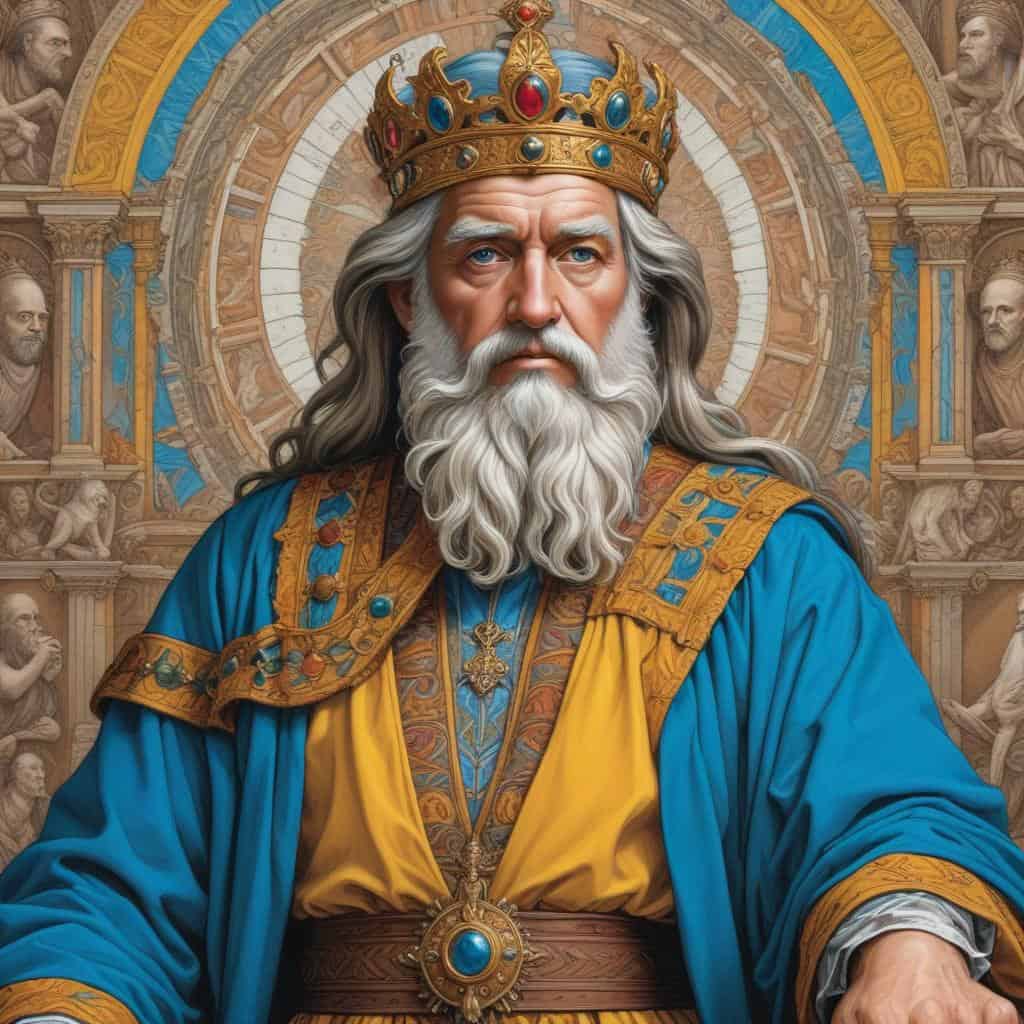
Introduction
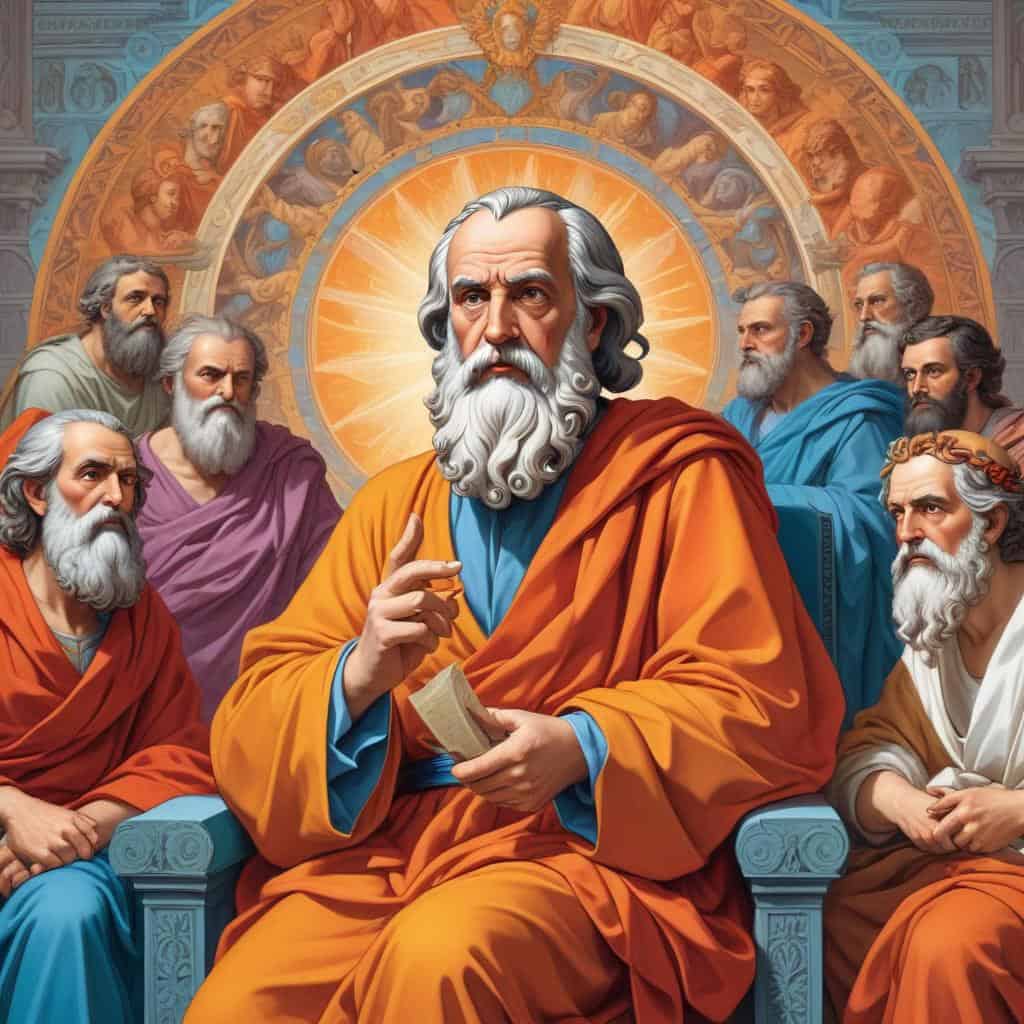

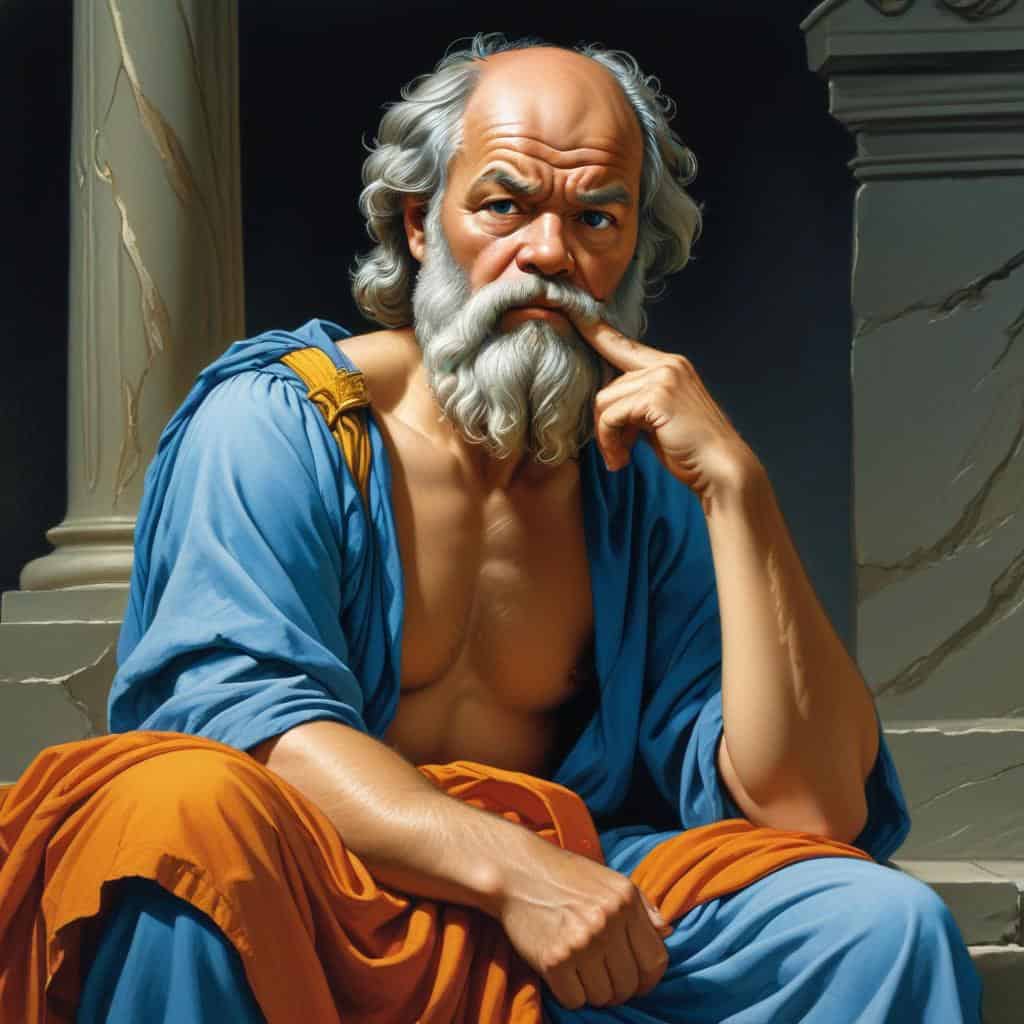
Socrates
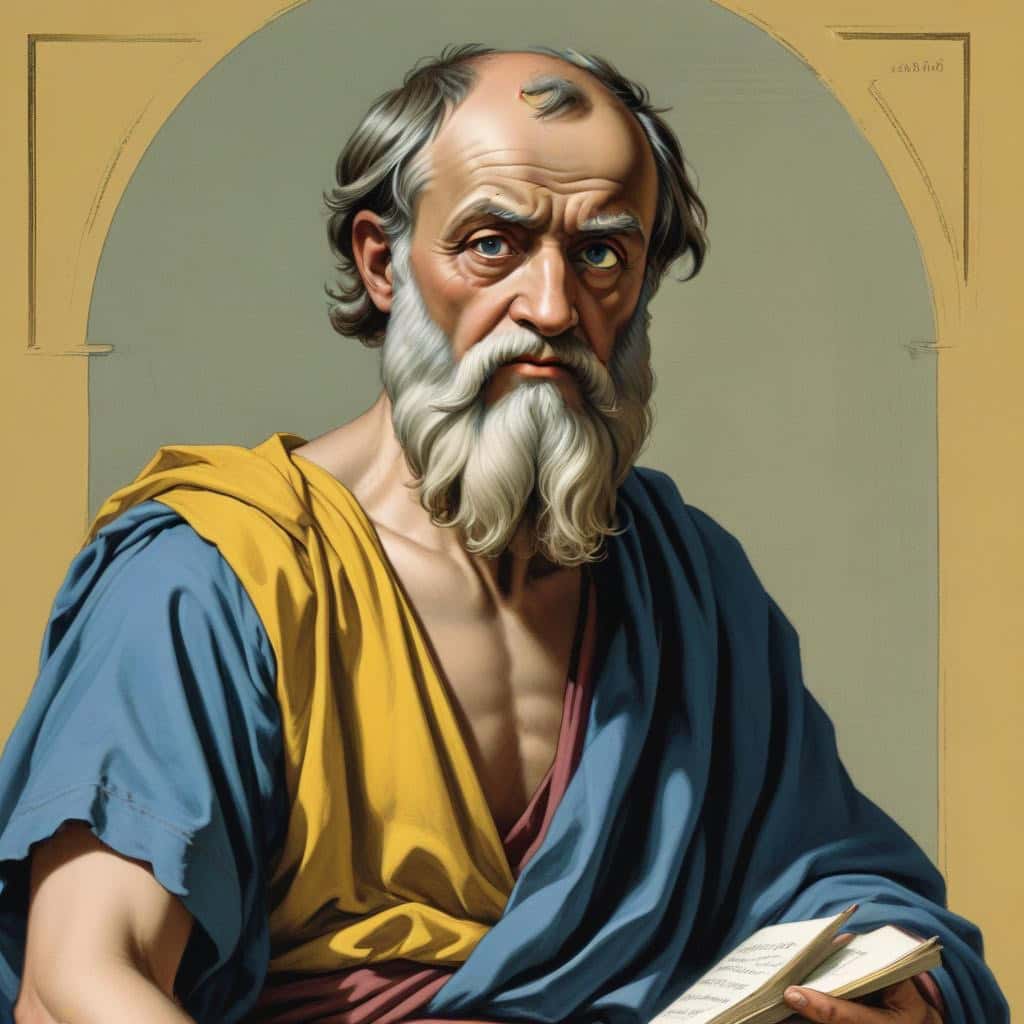
Plato
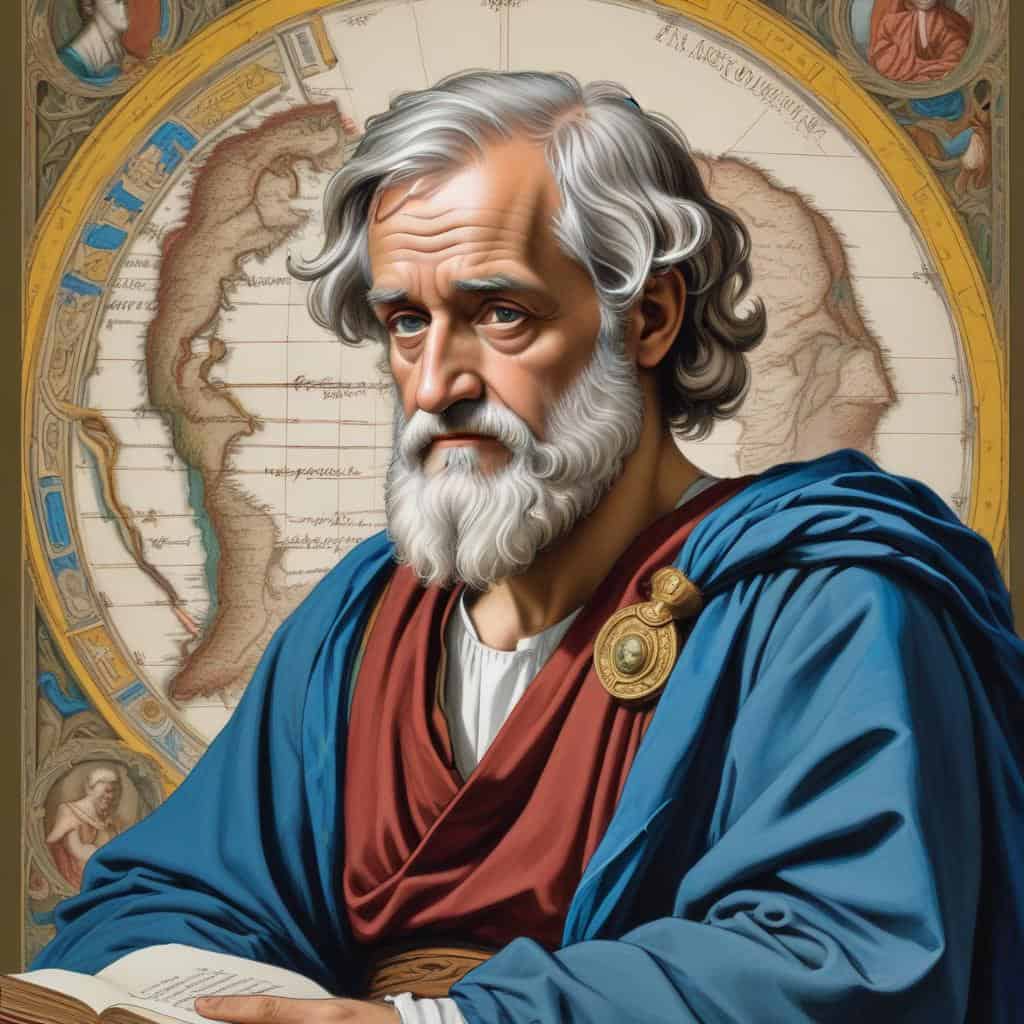
Aristotle
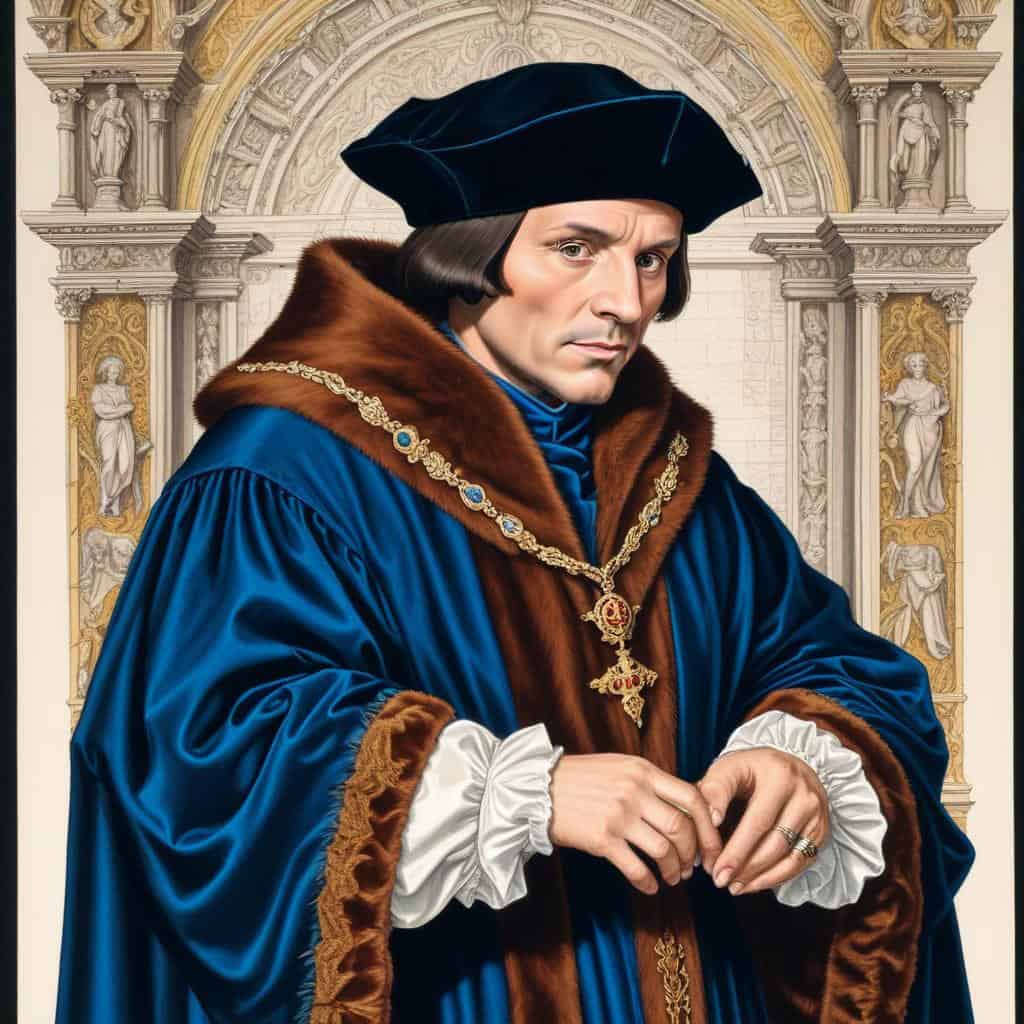
Thomas More
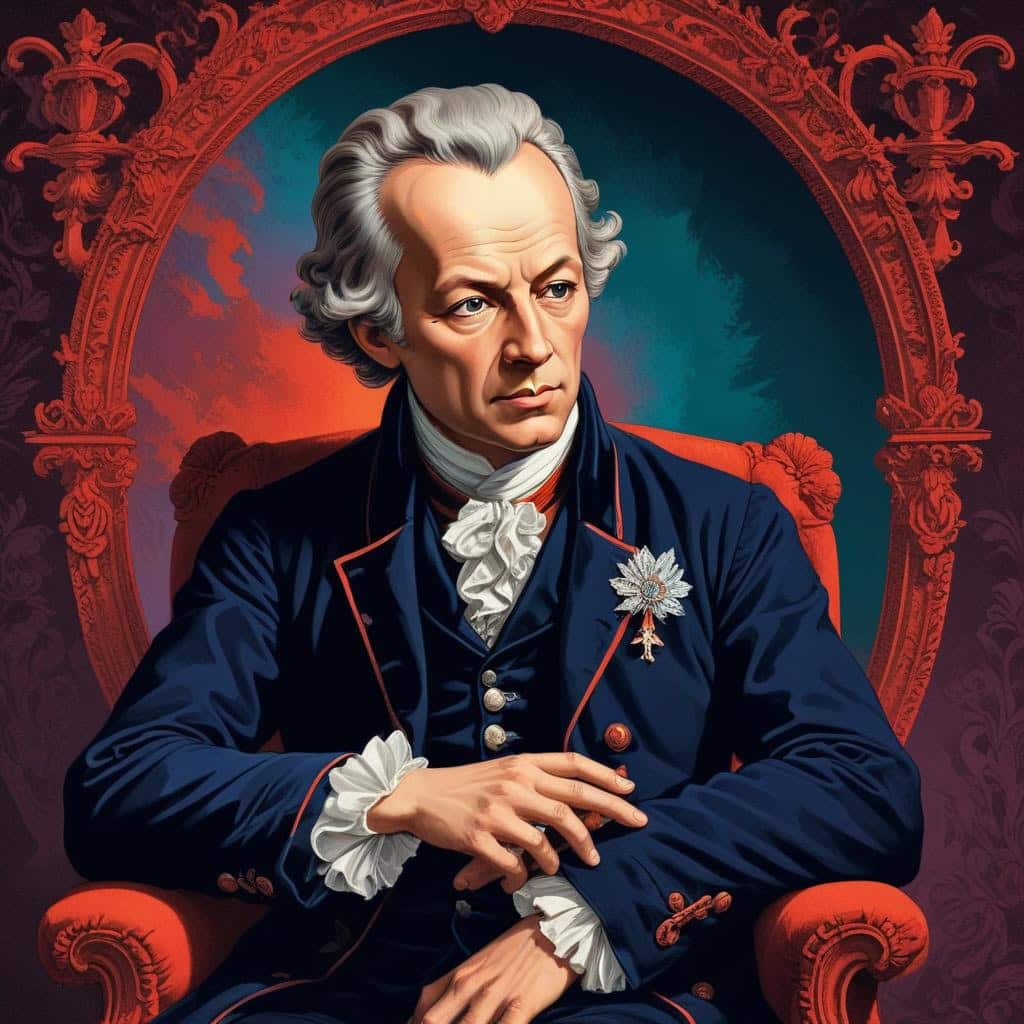
Immanuel Kant
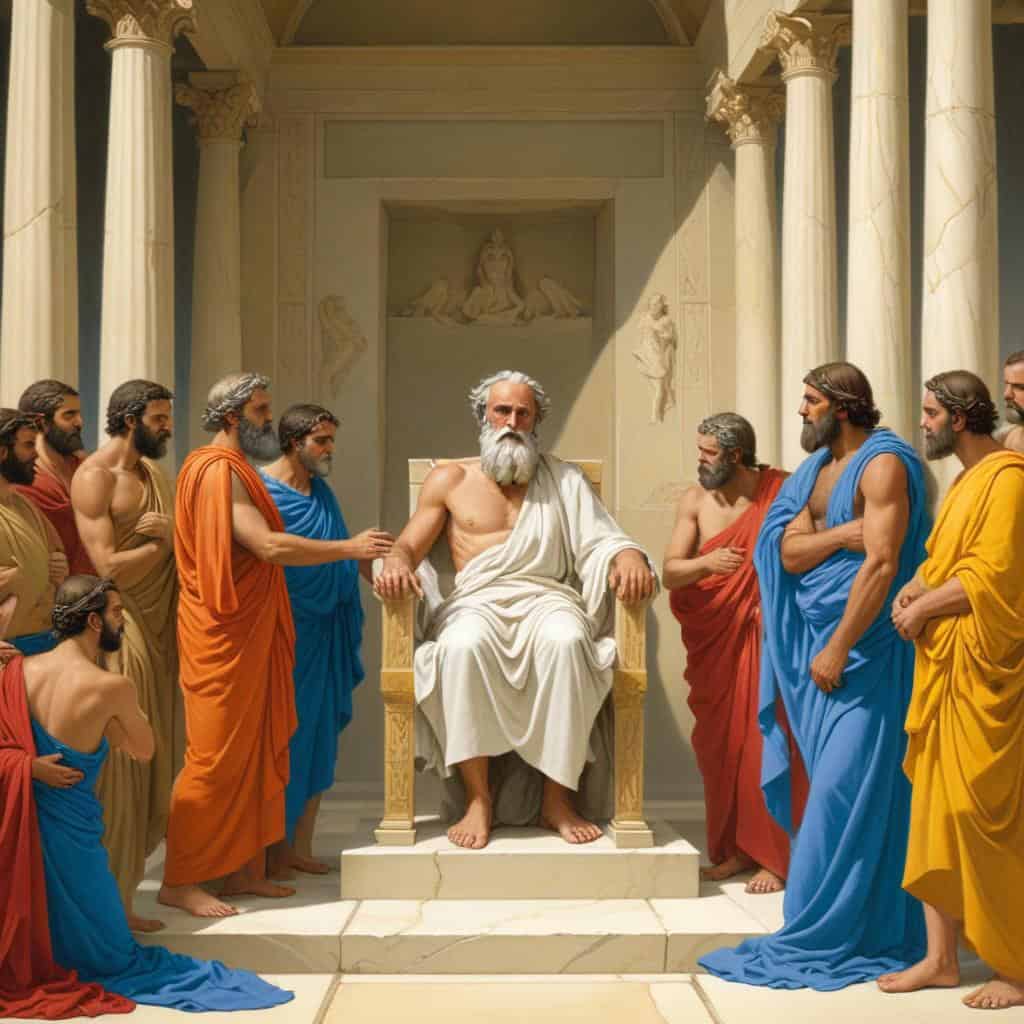
The Birth of the Philosopher-King
The Ideal Ruler
The Philosopher-King in Modernity
Leadership Redefined

Ruling with Wisdom
Envisioning Utopia
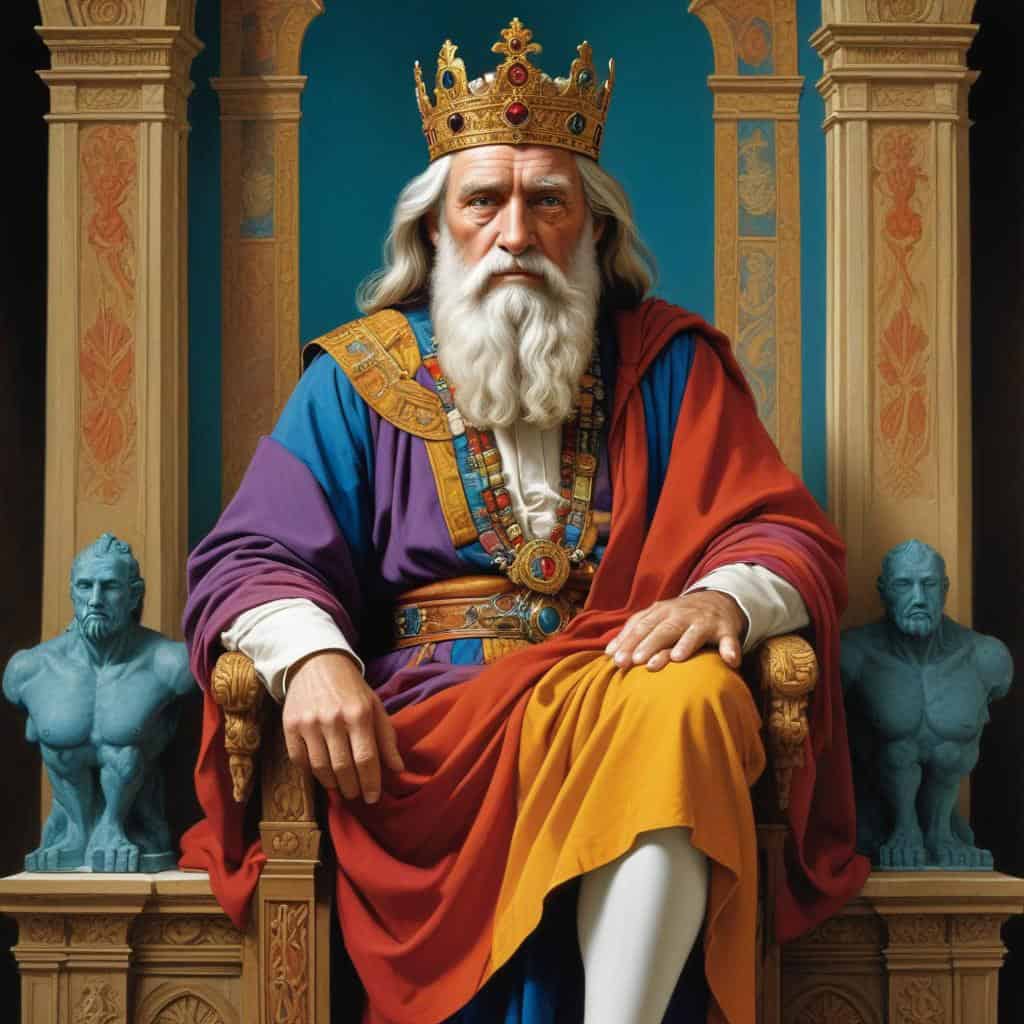
Philosophys Noblest Idea

The Power of Wisdom
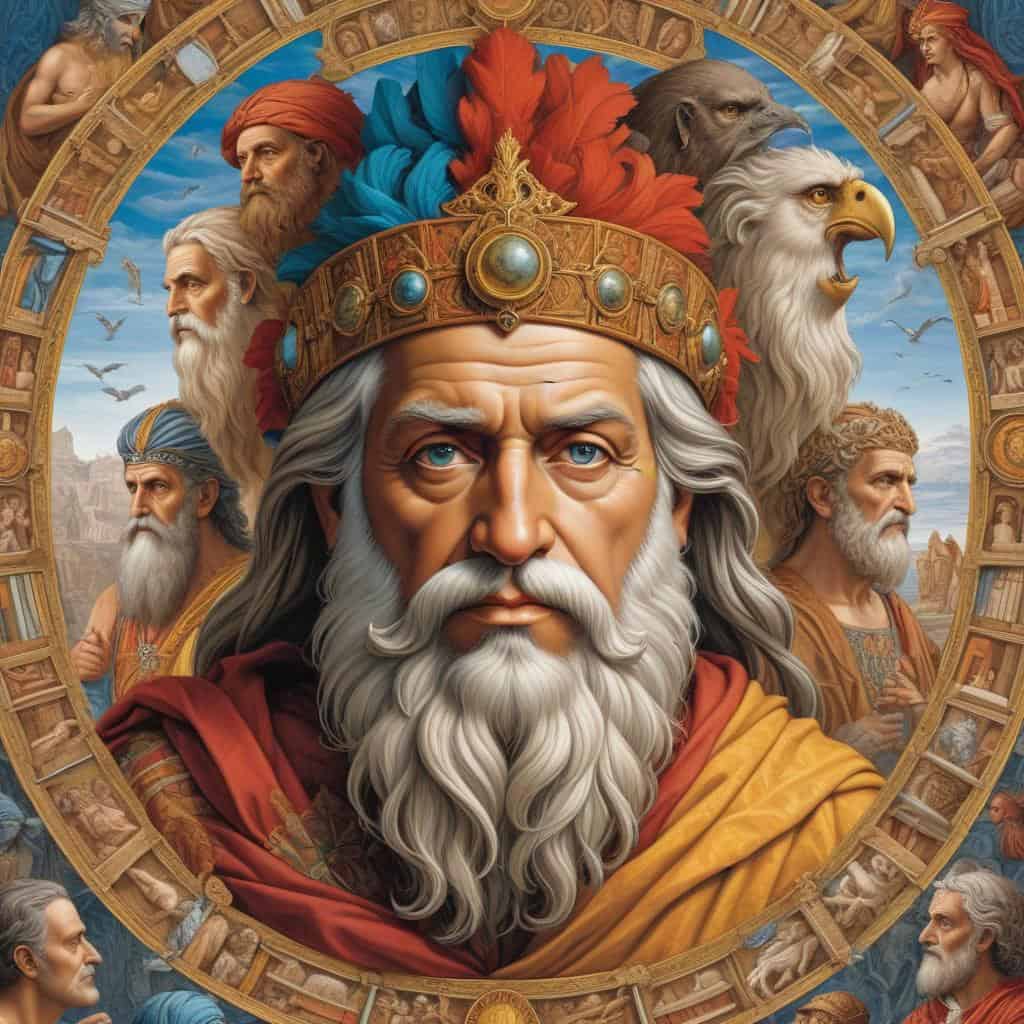
From Plato to Modernity
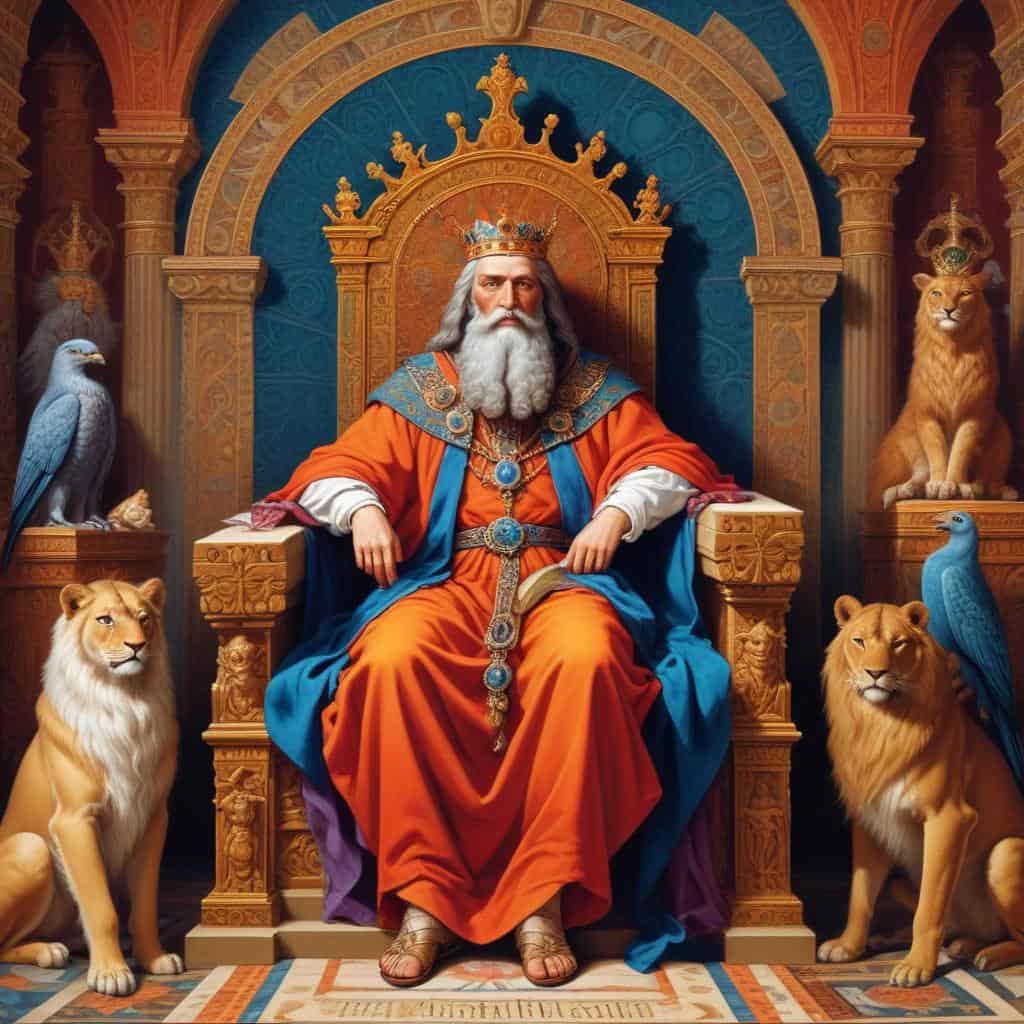

Lesson Details & Resources
In a Nutshell
- Concept: A political theory where the ruler is also a philosopher leading with wisdom and virtue.
- Thinkers: Plato, Ancient Greece.
- Central Question: What type of leadership is best for a society?
- Core Implication: A just society requires rulers who are both knowledgeable and ethical.
Timeline of The Philosopher-king
Plato introduces the concept of the philosopher-king in 'The Republic'
Aristotle criticizes the idea of philosopher-kings in his work 'Politics'
Marcus Aurelius, a Roman emperor and philosopher, rules as a philosopher-king
Neoplatonist philosophers like Plotinus discuss the idea of a philosopher-king in late antiquity
Medieval philosophers like Thomas Aquinas and Augustine debate the role of philosopher-kings in Christian society
Renaissance thinkers like Machiavelli and Erasmus discuss the concept of the philosopher-king in their works
Enlightenment philosophers like Rousseau and Voltaire criticize the idea of philosopher-kings in their writings
Kant argues for a more democratic form of government over the rule of philosopher-kings in his work 'Perpetual Peace'
Hegel discusses the role of the philosopher in politics in his 'Philosophy of Right'
Nietzsche critiques the concept of the philosopher-king as a form of 'slave morality' in his works
Contemporary philosophers like Martha Nussbaum and Charles Taylor continue to debate the relevance of the philosopher-king in modern society
Vocabulary List
- Philosopher-King
- According to Plato, the ideal ruler should be a philosopher-king who rules with reason and justice.
- Wisdom
- The philosopher-king must possess wisdom in order to govern wisely and justly.
- Virtue
- The philosopher-king must embody virtue in order to set a good example for the citizens.
- Justice
- The philosopher-king must uphold justice in order to ensure a well-ordered society.
- Reason
- The philosopher-king must rule with reason in order to avoid making impulsive or unjust decisions.
Key Facts
This is the information used in the fact matching game
- The concept of a philosopher-king was first introduced by the ancient Greek philosopher Plato in his work 'The Republic'.
- According to Plato, a philosopher-king is a ruler who has a deep love of wisdom and knowledge, and governs with the best interests of the people in mind.
- Plato believed that only philosopher-kings, who possess both intelligence and moral virtue, are capable of ruling a just society.
- The philosopher-king is meant to be a wise and benevolent ruler who leads by example and promotes the common good.
- Plato argued that philosopher-kings should be selected through a rigorous educational and training program to ensure they possess the necessary qualities to rule justly.
- The philosopher-king is often seen as a symbol of the ideal government, where reason and wisdom guide decision-making.
- The concept of the philosopher-king has been influential in Western political thought and has been referenced by philosophers such as Aristotle and Kant.
- Plato believed that philosopher-kings should be free from the distractions of wealth, power, and personal ambition, in order to rule with impartiality.
- The philosopher-king is expected to use reason and knowledge to make decisions that benefit the entire society, rather than just a select few.
- Plato's concept of the philosopher-king reflects his belief in the importance of ethical leadership and the pursuit of truth and justice.
- The philosopher-king is seen as a contrast to tyrannical rulers who rule for their own self-interest and lack moral principles.
- Plato believed that philosopher-kings should be guided by the principles of wisdom, courage, and moderation in their decision-making.
- The philosopher-king is envisioned as a ruler who leads through intellectual excellence and moral integrity, rather than through force or coercion.
- Plato's idea of the philosopher-king has been interpreted in various ways by scholars, with some seeing it as a blueprint for an ideal society and others as a metaphor for individual self-improvement.
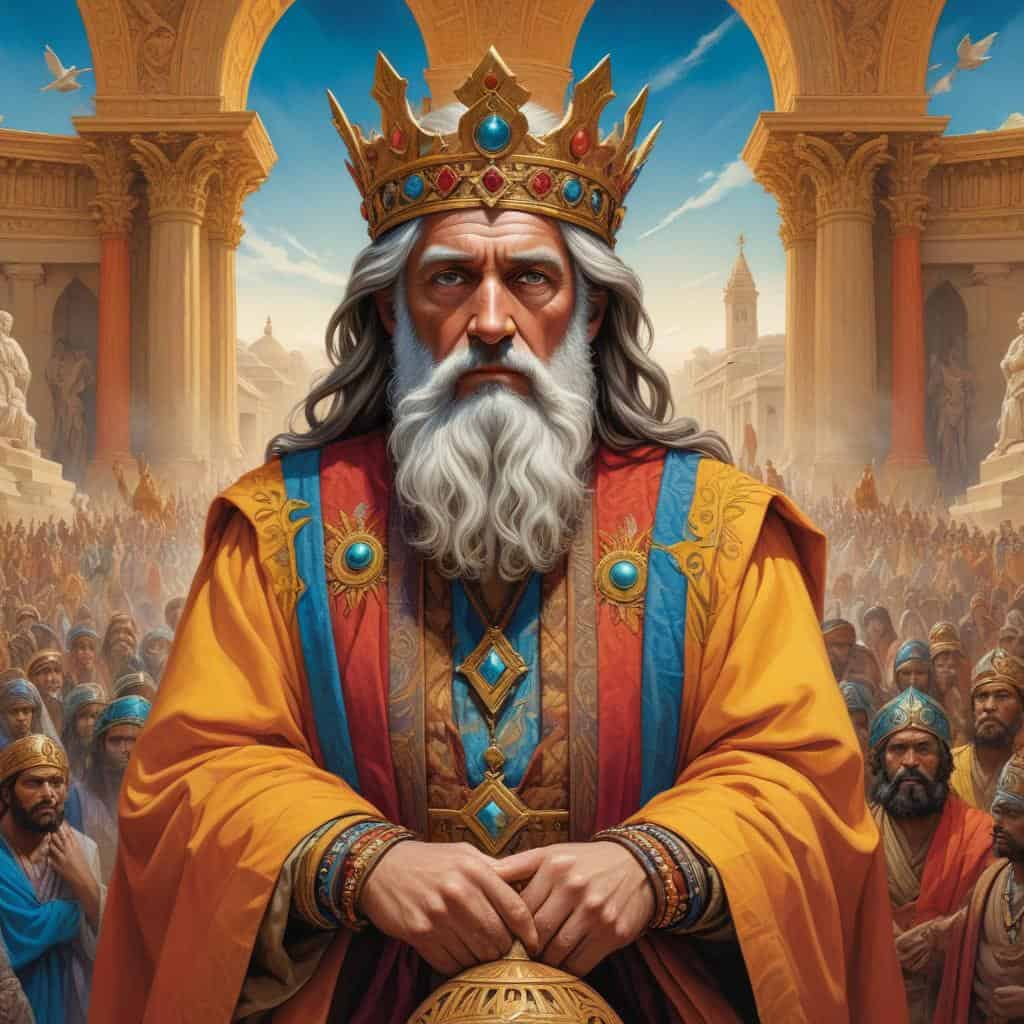
- The philosopher-king is often associated with the notion of a utopian society where reason and justice prevail over ignorance and corruption.
- Plato believed that philosopher-kings should be educated in both the arts and sciences, as well as in philosophy, in order to make well-informed and ethical decisions.
- The philosopher-king is seen as a symbol of a ruler who values knowledge, truth, and virtue above all else, and uses these qualities to govern wisely.
- Plato's concept of the philosopher-king has been critiqued for its potential to lead to elitism and authoritarianism, as well as for its reliance on the assumption that wisdom can be taught and learned.
- The philosopher-king is a recurring theme in literature and popular culture, often symbolizing the ideal of a just and enlightened ruler who leads with wisdom and compassion.
- Plato's idea of the philosopher-king continues to be a subject of debate and interpretation among scholars and philosophers, who explore its implications for governance and ethics in contemporary society.
Analysis & Significance
The Core Argument
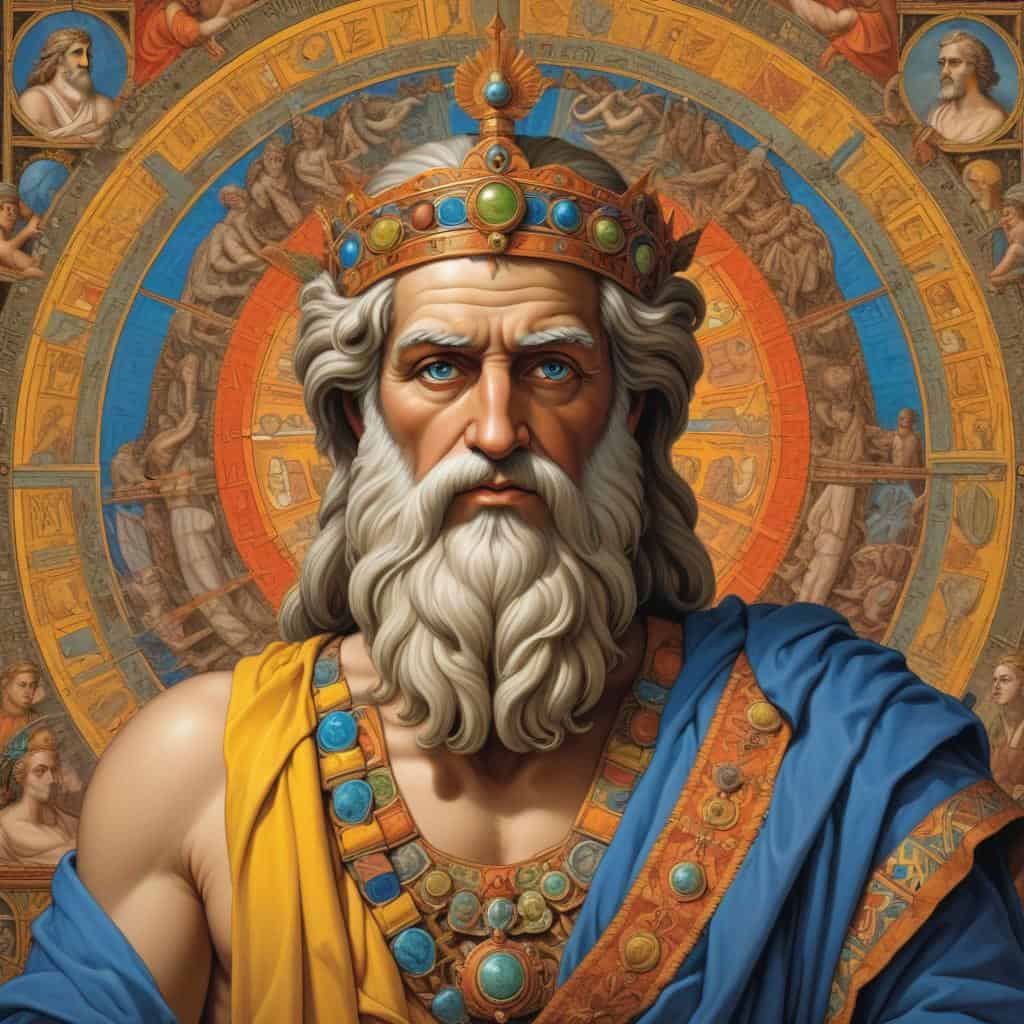
The concept of the Philosopher-King, as proposed by Plato in his work “The Republic,” posits that the ideal ruler should be a philosopher who possesses both wisdom and a deep understanding of justice. This individual is believed to be the most qualified to govern society justly and effectively, as they are guided by reason and a pursuit of the truth.
Criticisms and Counterarguments
One major criticism of the idea of the Philosopher-King is the potential for abuse of power. Critics argue that placing too much authority in the hands of one individual, regardless of their philosophical prowess, can lead to tyranny and oppression. Additionally, some question whether it is realistic to expect one person to possess all the necessary qualities to rule perfectly.
Modern Relevance
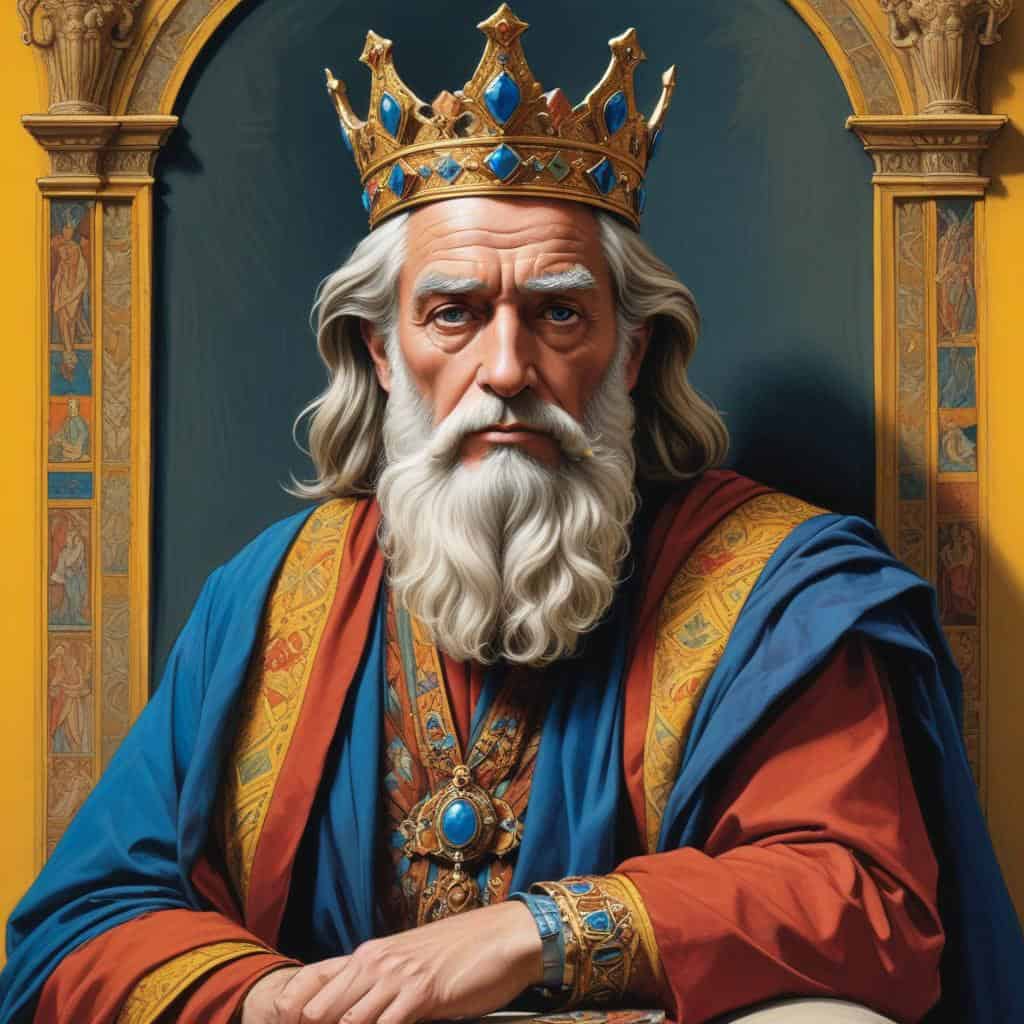
In today’s world, the concept of the Philosopher-King can be seen as a call for ethical leadership and a reminder of the importance of wisdom in governance. As societies grapple with complex moral issues and political challenges, the idea of leaders who prioritize truth, justice, and the common good remains relevant. It serves as a reminder that the pursuit of wisdom and moral integrity should be central to leadership in all spheres of society.
The Philosopher-king Games


Take Your Learning Offline
Want a convenient, print-ready study guide for this lesson? Become a Memory Wizards Pro member to unlock the downloadable " Memory Scrolls" for this topic and our entire library!
- ✓ Complete Vocabulary Lists
- ✓ Key Facts & Timelines
- ✓ Beautifully Formatted for Print & Mobile
Recommended Viewing
The Philosopher King
In this captivating episode, we explore the concept of 'The Philosopher King,' a powerful idea that merges wisdom with leadership. What does it truly mean to govern with knowledge and virtue? Join us as we delve into the philosophical implications of this ideal ruler and its relevance in today's world.
From the channel: Memory Wizards