
The Nature Of Love
Is love an illusion, or a force beyond comprehension?
How Do You Learn Best?
Learn by Listening
Start with the 3-minute audio summary to get the key facts and narrative highlights quickly.
Learn by Reading
Immerse yourself in the 10-minute visual lesson for a comprehensive understanding of the topic.
Learn by Reviewing
Jump directly to the key facts, timeline, and vocabulary lists to build a solid foundation of details.
Learn by Doing
Challenge yourself! Jump straight into the interactive games to learn by trial, error, and discovery.
Audio Library
As one of our featured lessons, this topic includes premium audio guides.
Unlock the Wizard's Cram Session
This powerful audio study guide is a Pro-exclusive feature. Upgrade to Memory Wizards Pro to access this and all of our premium learning tools.
Upgrade to ProThe Nature Of Love in 10 Minutes

Introduction

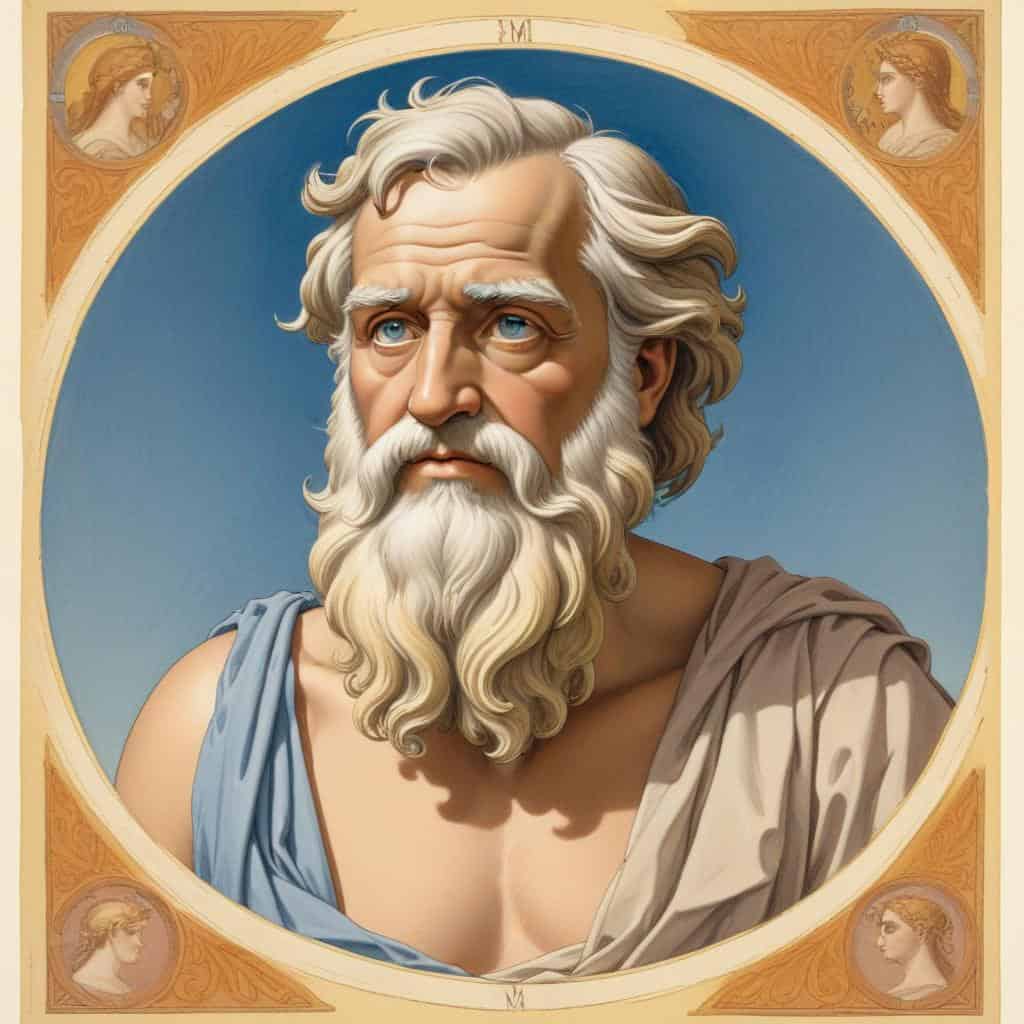
Plato

Aristotle
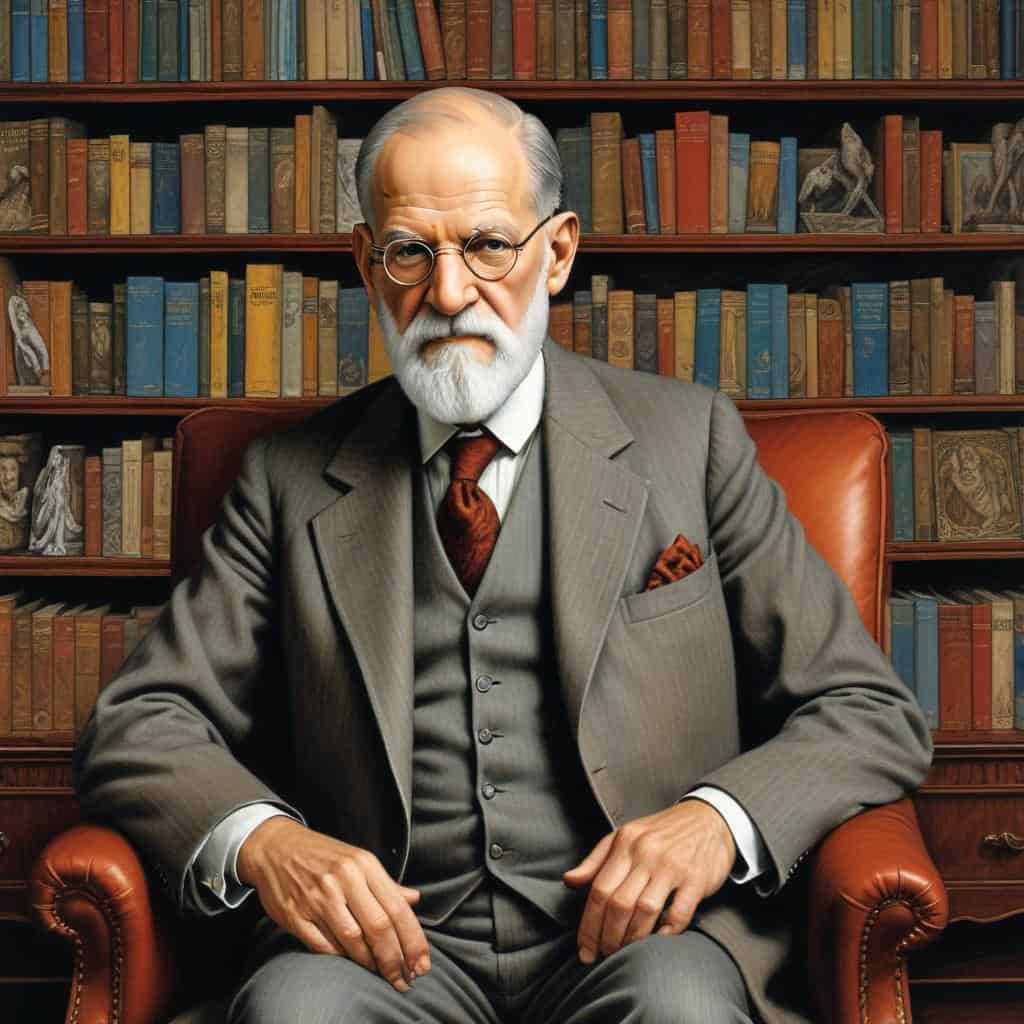
Sigmund Freud

Friedrich Nietzsche

Simone de Beauvoir

Defining Love

The Nature of Romantic Love

The Role of Love in Ethics

Love in Existential Philosophy
The Philosophy of Self-Love

The Paradox of Love
The Evolution of Love
The Psychology of Love

The Mystical Experience of Love


Lesson Details & Resources
In a Nutshell
- Concept: The Nature of Love is a philosophical exploration of the various forms and manifestations of love.
- Thinkers: Plato, Aristotle, and Friedrich Nietzsche, various time periods.
- Central Question: What is the true essence of love and how does it impact human existence?
- Core Implication: Love is a complex and multifaceted emotion that plays a significant role in shaping human relationships and experiences.
Timeline of The Nature Of Love
Plato's Symposium is written, discussing different forms of love
Aristotle writes about the different types of love in his works
St. Augustine writes about the nature of love in his Confessions
Medieval philosophers like Thomas Aquinas discuss the nature of love as a theological virtue
Renaissance philosophers like Marsilio Ficino write about love as a driving force in human life
Jean-Jacques Rousseau writes about the nature of love in his works
Immanuel Kant discusses the nature of love in his works on ethics
Arthur Schopenhauer writes about love as a fundamental human desire
Friedrich Nietzsche critiques traditional notions of love in his works
Sigmund Freud explores the psychology of love in his theories
Martin Heidegger discusses love as a mode of being in his existential philosophy
Simone de Beauvoir writes about love and freedom in her feminist philosophy
Jean-Paul Sartre explores the nature of love in his existentialist works
Maurice Merleau-Ponty writes about love as a bodily experience in his phenomenology
Gabriel Marcel discusses love as a transcendent experience in his philosophy
Emmanuel Levinas writes about love and ethics in his works
Judith Butler critiques traditional ideas of love and gender in her feminist philosophy
Alain Badiou explores love as an event in his philosophy
Martha Nussbaum discusses love as a virtue in her ethics
Slavoj Žižek critiques contemporary ideas of love in his works
Vocabulary List
- Eros
- Eros was often depicted as a young man with a bow and arrows, symbolizing his ability to cause people to fall in love.
- Agape
- Agape is often considered the highest form of love, transcending romantic or familial love.
- Philautia
- Philosophers debate whether philautia is necessary for one to truly love others.
- Platonic love
- Platonic love is often seen as an ideal form of love, free from the complications of physical desire.
- Amor fati
- In the philosophy of Friedrich Nietzsche, amor fati is seen as a way to live life with love and acceptance of all experiences.
Key Facts
Analysis & Significance
The Core Argument
The core argument behind the philosophical concept of ‘The Nature of Love’ revolves around the question of what love truly is. Is love merely a chemical reaction in the brain, a social construct, or a transcendent force that connects individuals on a deeper level? Philosophers have debated whether love is a rational choice or an uncontrollable emotion, leading to various theories about its essence and purpose.
Criticisms and Counterarguments
Critics of the traditional view of love as an unconditional and selfless emotion argue that it can be self-serving, possessive, or even harmful. Furthermore, some philosophers challenge the idea that love is necessary for a fulfilling life, suggesting that individuals can find meaning and happiness without romantic or platonic relationships. The concept of love as an essential aspect of human existence is met with skepticism and alternative interpretations.
Modern Relevance
In today’s society, the philosophical exploration of love remains relevant in discussions about relationships, marriage, and personal fulfillment. With the rise of online dating, social media, and changing gender norms, the nature of love is constantly evolving and being redefined. The ethical implications of love, such as consent, boundaries, and emotional well-being, are crucial considerations in contemporary debates about intimacy and human connection.
The Nature Of Love Games


Take Your Learning Offline
Want a convenient, print-ready study guide for this lesson? Become a Memory Wizards Pro member to unlock the downloadable " Memory Scrolls" for this topic and our entire library!
- ✓ Complete Vocabulary Lists
- ✓ Key Facts & Timelines
- ✓ Beautifully Formatted for Print & Mobile