
The Myth Of Er
Do we shape our own destiny or are we fated?
How Do You Learn Best?
Learn by Listening
Start with the 3-minute audio summary to get the key facts and narrative highlights quickly.
Learn by Reading
Immerse yourself in the 10-minute visual lesson for a comprehensive understanding of the topic.
Learn by Reviewing
Jump directly to the key facts, timeline, and vocabulary lists to build a solid foundation of details.
Learn by Doing
Challenge yourself! Jump straight into the interactive games to learn by trial, error, and discovery.
Audio Library
As one of our featured lessons, this topic includes premium audio guides.
Unlock the Wizard's Cram Session
This powerful audio study guide is a Pro-exclusive feature. Upgrade to Memory Wizards Pro to access this and all of our premium learning tools.
Upgrade to ProThe Myth Of Er in 10 Minutes

Introduction
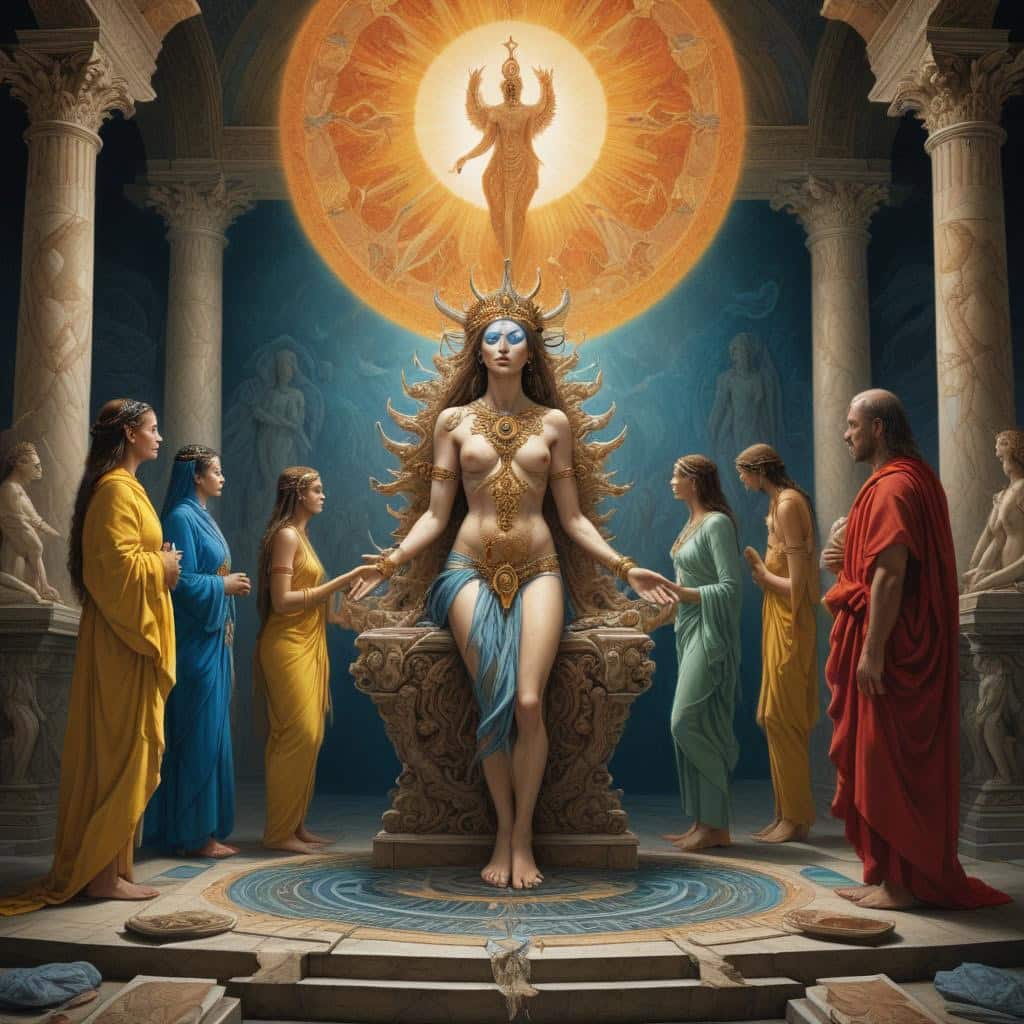


Er
Plato

Lotus Eaters
Odysseus

The Myth of Er Overview

Ers Journey to the Afterlife
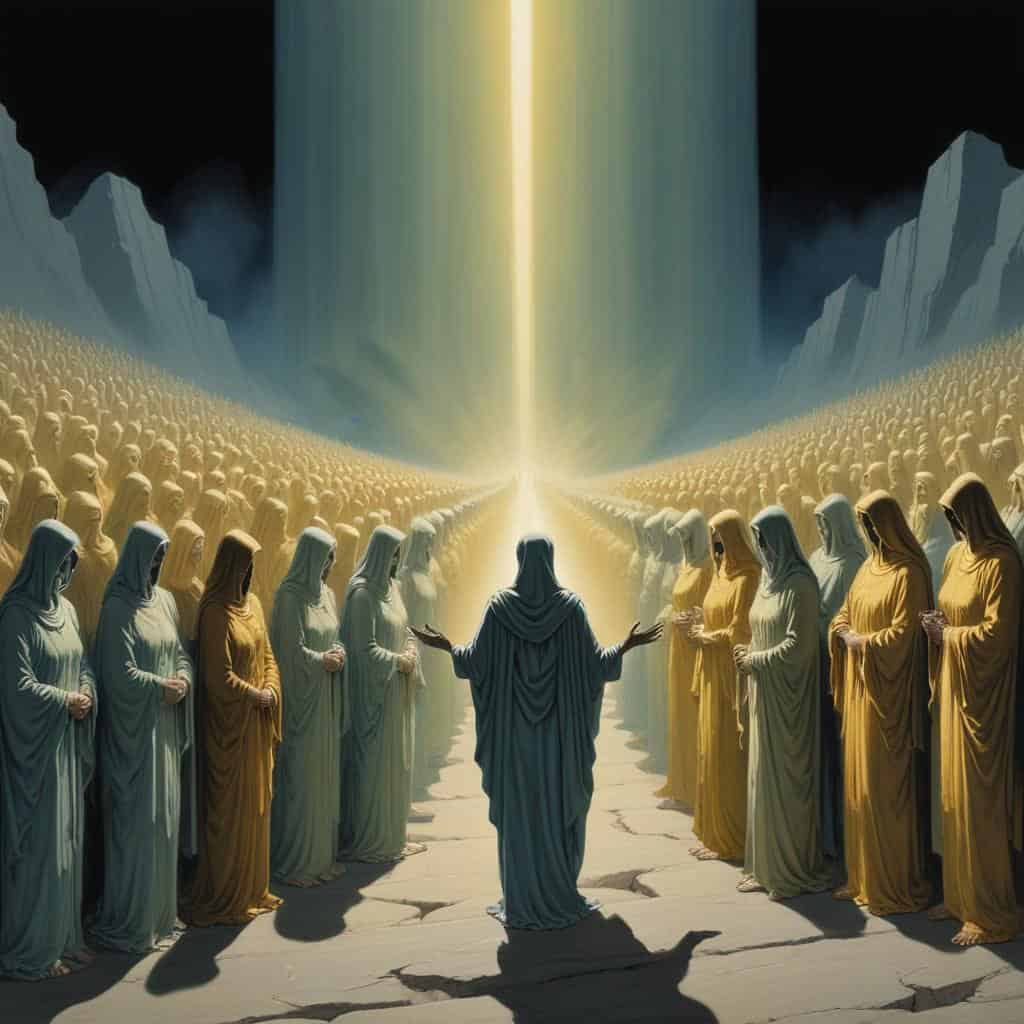
The Judgment of Souls
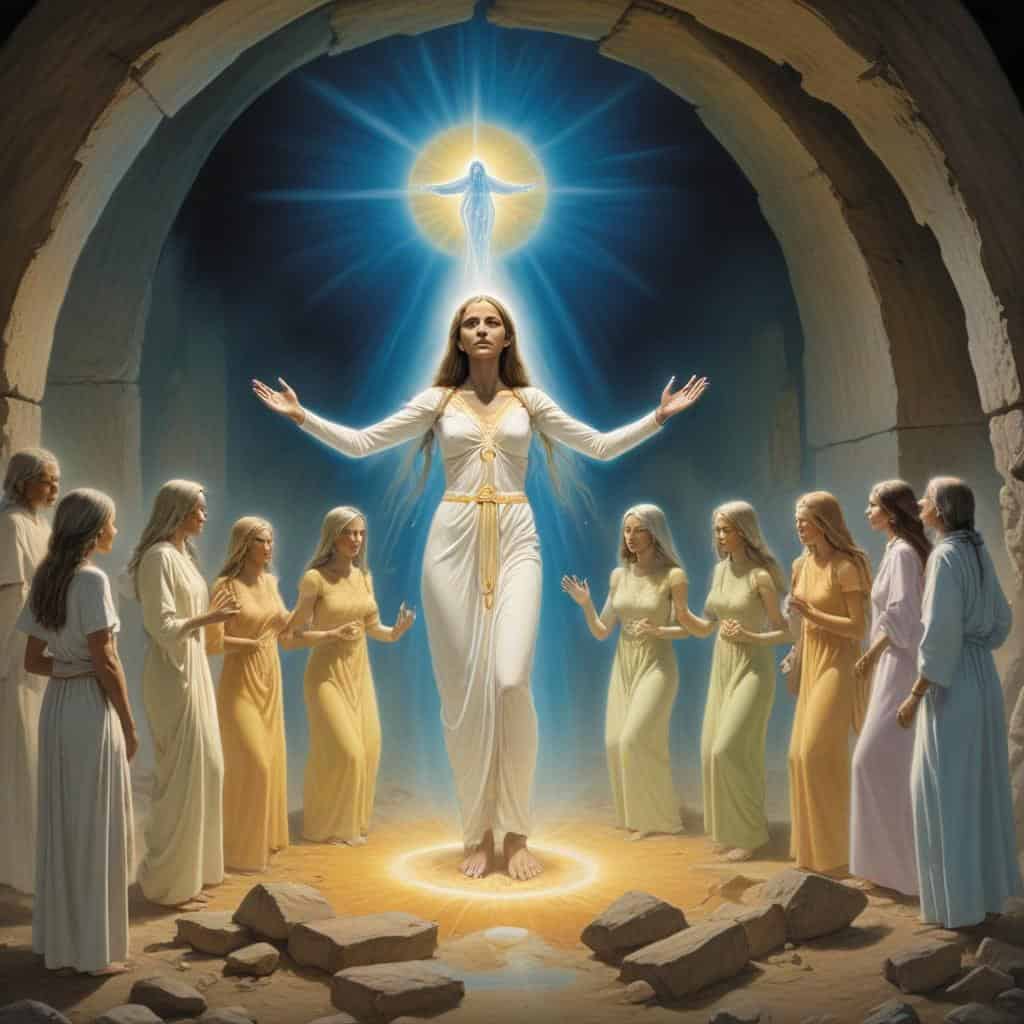
The Afterlife Reveal

The Rewards of the Just
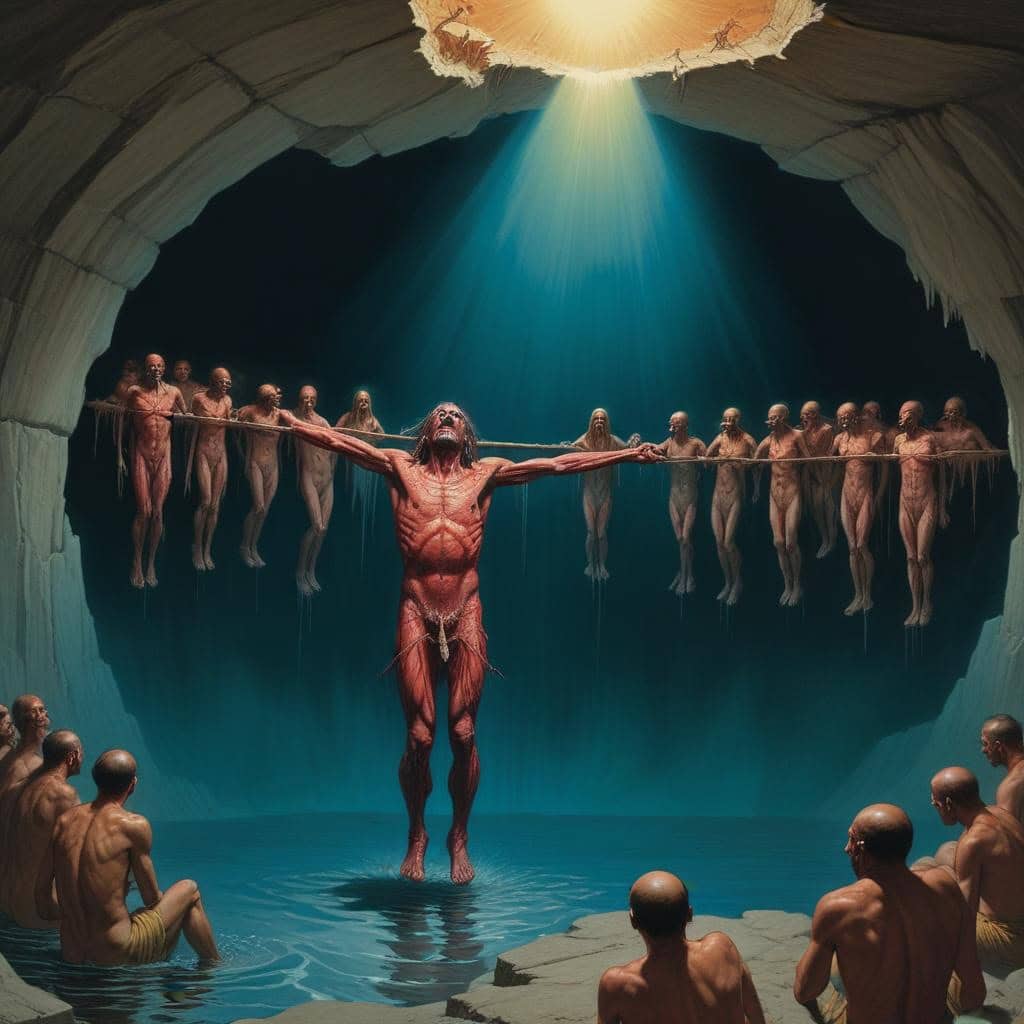
The Punishment of the Unjust
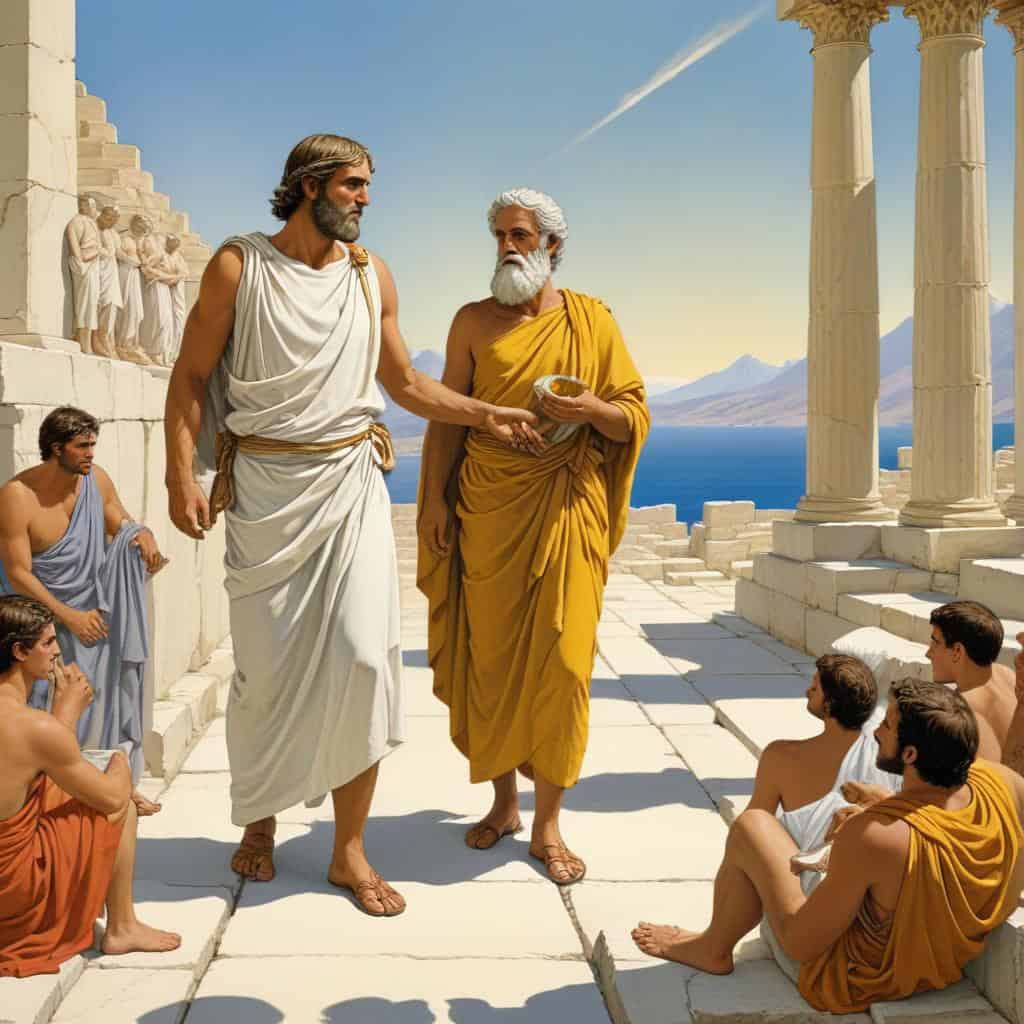
The Importance of Choosing Wisely
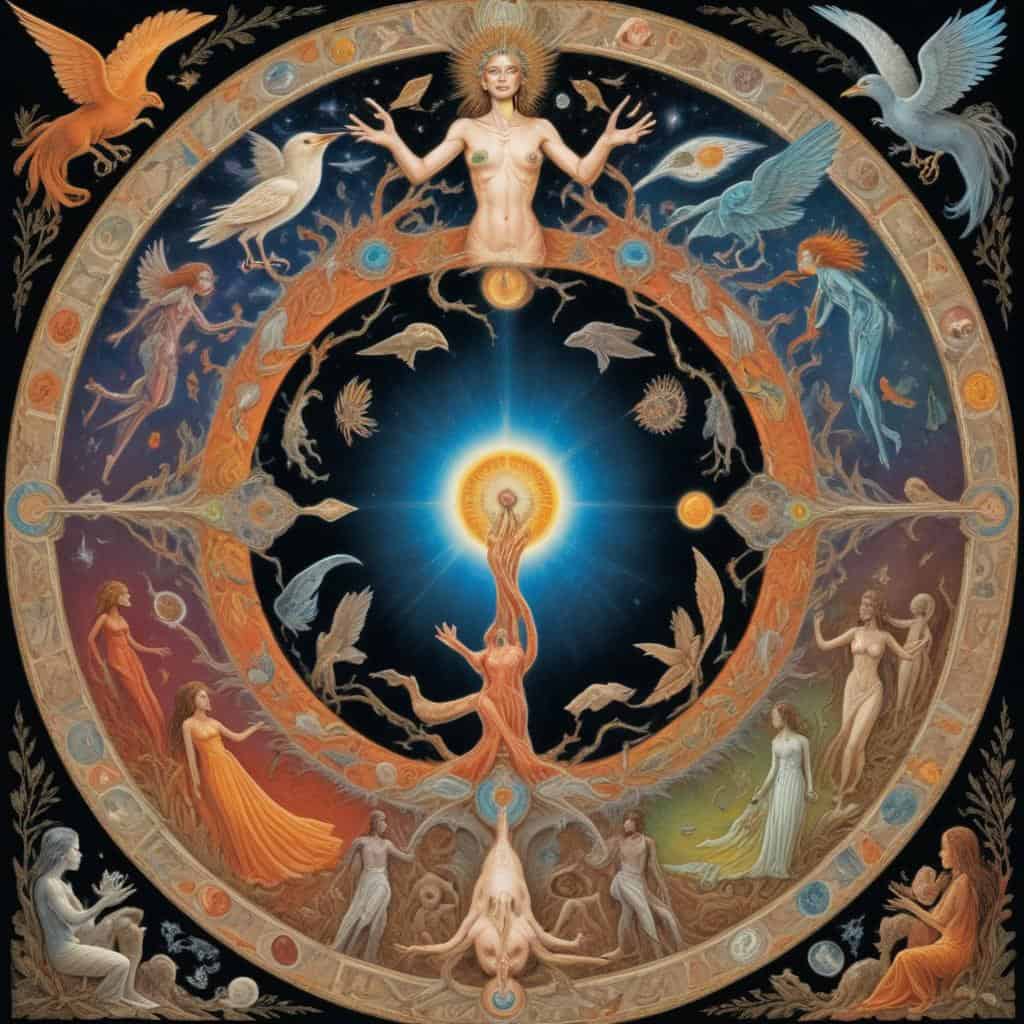
The Cycle of Rebirth

The Ultimate Goal

Reflection on The Myth of Er
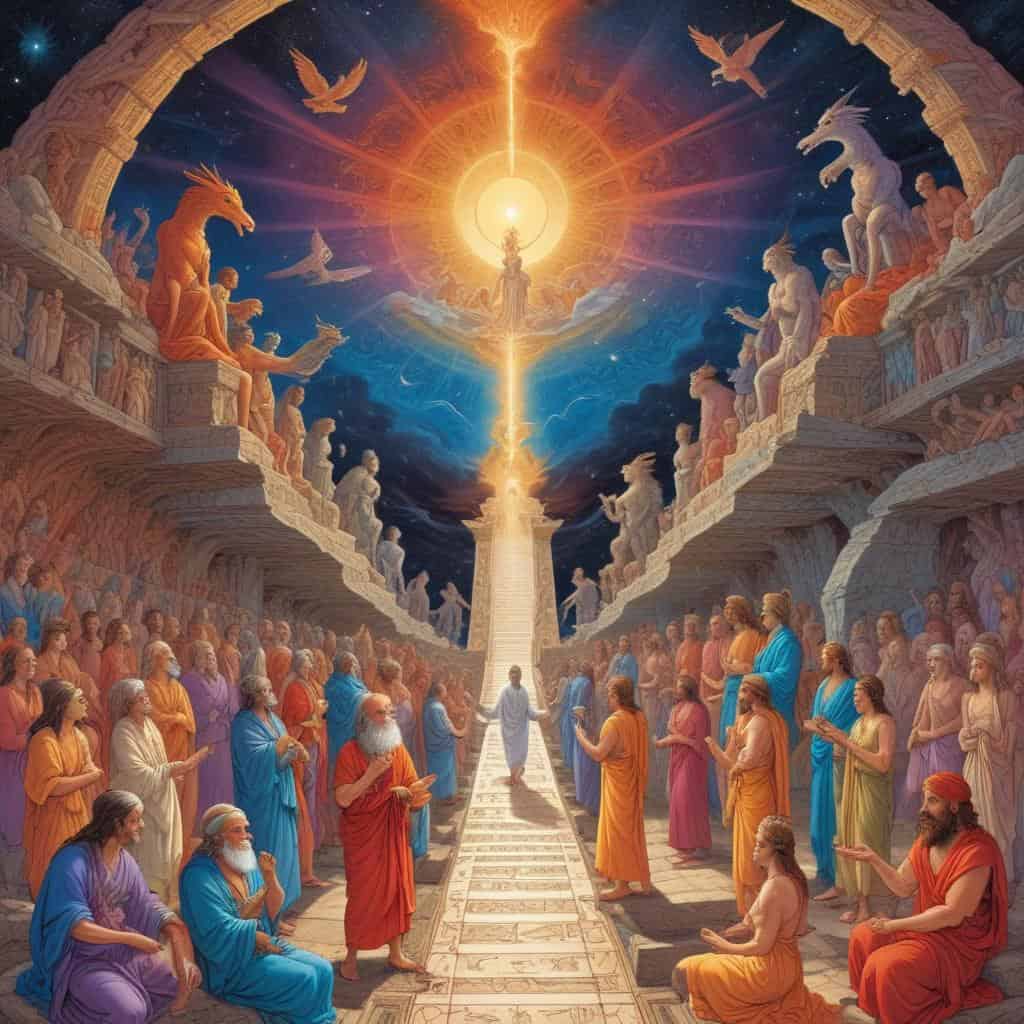

Lesson Details & Resources
In a Nutshell
- Concept: A tale from Plato's Republic that explores the idea of the afterlife and justice.
- Thinkers: Plato, Ancient Greece.
- Central Question: What is the nature of justice and how does it relate to the afterlife?
- Core Implication: Justice is essential for a harmonious society, and individuals are responsible for their actions in this life and the next.
Timeline of The Myth Of Er
Er's death in battle
Er's soul leaves his body and travels to the afterlife
Er witnesses the souls choosing their next lives
Er learns about the concept of reincarnation and the afterlife
Er returns to the physical world to tell others about his experience
Er's story is passed down through generations as a philosophical allegory
Plato includes The Myth of Er in his work 'The Republic'
The Myth of Er becomes a popular topic of discussion among philosophers
The allegory of The Myth of Er is analyzed for its moral and ethical implications
The Myth of Er is interpreted in various ways by different philosophers
The concept of reincarnation and the afterlife in The Myth of Er influences later philosophical and religious thought
The Myth of Er continues to be studied and debated in modern philosophy
Scholars continue to explore the implications of The Myth of Er for understanding human nature and morality
The Myth of Er serves as a reminder of the importance of living a virtuous life
The allegory of The Myth of Er is used to explore ideas of justice and destiny
The story of Er's journey influences literature and art throughout history
The Myth of Er remains a timeless philosophical allegory about the nature of the soul and the afterlife
Philosophers continue to draw inspiration from The Myth of Er for understanding the human experience
The allegory of The Myth of Er challenges individuals to reflect on their own choices and values
The story of Er's journey prompts readers to consider the impact of their actions on their future lives
Vocabulary List
- Myth of Er
- The Myth of Er is used by Plato to illustrate his beliefs about justice, the nature of the soul, and the afterlife.
- Afterlife
- The Myth of Er explores the concept of the afterlife and what happens to the soul after death.
- Reincarnation
- In The Myth of Er, souls are given the opportunity to choose their next life before being reincarnated.
- Justice
- The Myth of Er raises questions about justice and how it is achieved in the afterlife.
- Soul
- The Myth of Er explores the nature of the soul and what happens to it after death.
Key Facts
This is the information used in the fact matching game
- The Myth of Er is a story in Plato's Republic about a soldier named Er who is killed in battle and comes back to life to tell others about his journey in the afterlife.
- Er's story is used by Plato to explore themes of justice, the immortality of the soul, and the nature of reality.
- According to the myth, souls are judged after death and either rewarded or punished based on their actions in life.
- Er's story emphasizes the importance of living a just and moral life in order to achieve a good afterlife.
- The Myth of Er is one of the most famous myths in Plato's works and has been the subject of much interpretation and analysis.
- The myth raises questions about the nature of reality and whether the afterlife is a true reflection of a person's actions in life.
- Er's story also explores the idea of free will and whether individuals have the power to choose their own destiny.
- The Myth of Er is often used in discussions of ethics and morality, as it presents a vivid portrayal of the consequences of one's actions.
- Plato uses Er's story to challenge readers to think critically about the purpose of life and the importance of living virtuously.
- The myth has been interpreted in various ways by scholars, with some seeing it as a metaphor for the human condition and others as a literal account of the afterlife.
- Er's journey in the afterlife serves as a cautionary tale about the consequences of living a life devoid of virtue and morality.
- The Myth of Er challenges readers to reflect on their own actions and consider the impact they will have on their own destiny.
- Er's story is used by Plato to demonstrate the interconnectedness of individuals and the importance of community in shaping one's fate.
- The myth is often cited as a foundational text in the history of philosophy and has influenced countless thinkers throughout the centuries.
- Er's journey in the afterlife is a powerful reminder of the fragility of life and the importance of making ethical choices.
- The Myth of Er is considered by many to be a key text in understanding Plato's views on justice, morality, and the nature of the soul.
- Er's story serves as a philosophical allegory that challenges readers to consider the implications of their actions on their own eternal fate.
- The myth raises profound questions about the nature of reality, the existence of an afterlife, and the possibility of redemption through moral action.
- Er's journey in the afterlife is a powerful narrative that invites readers to contemplate the meaning of life and the nature of justice.
- The Myth of Er continues to be studied and debated by philosophers, theologians, and scholars across disciplines for its profound insights into the human condition.
Analysis & Significance
The Core Argument
The Myth of Er, as described by Plato in Book X of The Republic, presents a story of a soldier named Er who witnesses the afterlife and returns to life to share his experiences. This myth raises questions about the nature of justice, the role of choice in determining one’s fate, and the possibility of an afterlife where moral actions are rewarded or punished.
Criticisms and Counterarguments
Critics argue that the myth of Er relies too heavily on the concept of an afterlife and fails to address the complexities of moral decision-making in the present life. Some philosophers also question the idea that individuals can be held accountable for their actions in an afterlife, as it raises concerns about the fairness and justice of eternal rewards and punishments.
Modern Relevance
The Myth of Er continues to be relevant in contemporary discussions about ethics and morality. It prompts individuals to reflect on the consequences of their actions and consider the implications of their choices on their own well-being and the well-being of others. This philosophical concept challenges us to think about the importance of living a virtuous life and the potential impact of our decisions on our ultimate destiny.
The Myth Of Er Games


Take Your Learning Offline
Want a convenient, print-ready study guide for this lesson? Become a Memory Wizards Pro member to unlock the downloadable " Memory Scrolls" for this topic and our entire library!
- ✓ Complete Vocabulary Lists
- ✓ Key Facts & Timelines
- ✓ Beautifully Formatted for Print & Mobile