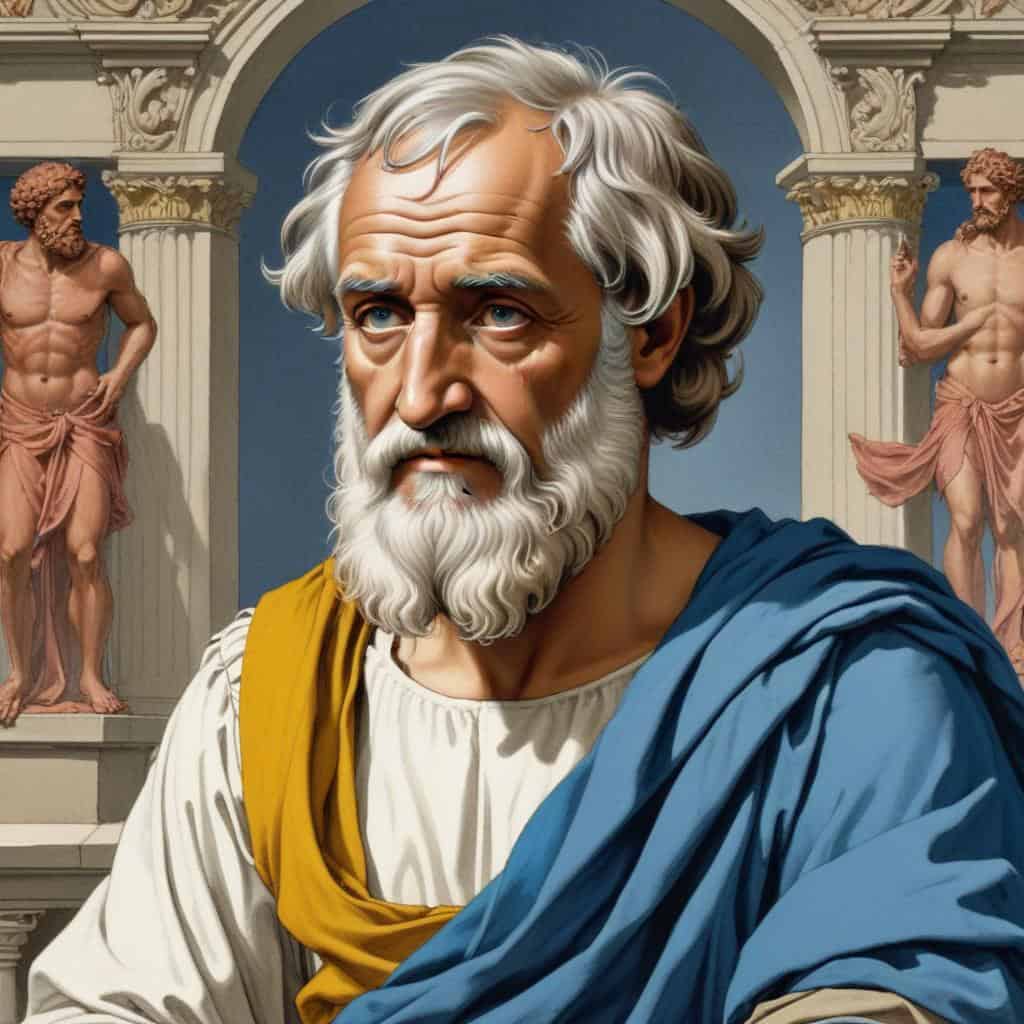
The Importance Of Virtue

Can virtue guide us through life's moral maze?

How Do You Learn Best?

Note: You can explore any or all of these paths in any order you prefer!

Audio Library

As one of our featured lessons, this topic includes premium audio guides.

🔒

Unlock the Audio Summary

This free audio lesson is available exclusively for Logged in Memory Wizards members. Please sign up for a free account or log in to access this content.

Sign Up Log In
🔒

Unlock the Wizard's Cram Session

This powerful audio study guide is a Pro-exclusive feature. Upgrade to Memory Wizards Pro to access this and all of our premium learning tools.

Upgrade to Pro

The Importance Of Virtue in 10 Minutes

Introduction

Introduction

Virtue has long been a central focus in the realm of philosophy, with many great thinkers exploring its significance in shaping a person's character and guiding their actions. By understanding the importance of virtue, individuals can cultivate a sense of moral excellence and strive towards living a more fulfilling and meaningful life.

In this summary article, we will delve into the concept of virtue and its various manifestations in different philosophical traditions. From the ancient wisdom of Aristotle to the modern perspectives of Kant and Mill, we will explore how virtue ethics can provide valuable insights into ethical decision-making and personal development.

By examining the role of virtues such as courage, honesty, and compassion, we can gain a deeper understanding of what it means to lead a virtuous life. Through reflection and introspection, individuals can cultivate these virtues within themselves and navigate the complexities of moral dilemmas with wisdom and integrity.

1. Socrates

1. Socrates

Socrates was a classical Greek philosopher who believed in the importance of cultivating virtues such as wisdom, courage, moderation, and justice. He argued that virtue is essential for living a good and fulfilling life.

2. Aristotle

2. Aristotle

Aristotle, another ancient Greek philosopher, also emphasized the significance of virtue in his ethical teachings. He believed that virtues are habits that we develop through practice and that they are essential for achieving eudaimonia, or human flourishing.

3. Confucius

3. Confucius

Confucius, a Chinese philosopher, stressed the importance of cultivating virtues such as benevolence, righteousness, and propriety in order to create a harmonious society. He believed that virtuous behavior is crucial for maintaining social order and promoting individual well-being.

4. Immanuel Kant

4. Immanuel Kant

Immanuel Kant, a German philosopher from the Enlightenment era, argued that virtue is based on moral duty and the commitment to uphold universal ethical principles. He believed that acting in accordance with duty, rather than self-interest, is the foundation of moral virtue.

5. Simone de Beauvoir

5. Simone de Beauvoir

Simone de Beauvoir, a French existentialist philosopher, emphasized the importance of virtue in the context of feminist ethics. She argued that women should strive for virtues such as authenticity, courage, and independence in order to overcome societal oppression and achieve self-realization.

The Power of Virtue

The Power of Virtue

Virtue philosophy emphasizes the importance of developing character traits that lead to a good and meaningful life. These virtues include qualities such as honesty, courage, kindness, and wisdom.

Ancient Roots

Ancient Roots

The concept of virtue dates back to ancient Greek philosophy, with thinkers like Plato and Aristotle discussing the importance of moral character. They believed that cultivating virtues leads to a flourishing and fulfilling life.

Moral Guidance

Moral Guidance

Virtue ethics provides individuals with a moral compass to navigate ethical dilemmas. By focusing on developing virtuous habits, people can make decisions that align with their values and principles.

Personal Development

Personal Development

Practicing virtues like patience, humility, and compassion can lead to personal growth and self-improvement. By striving to embody these qualities, individuals can become better versions of themselves.

Social Impact

Social Impact

Living a virtuous life not only benefits the individual but also has a positive impact on society as a whole. Virtuous actions inspire others to act with integrity and kindness, creating a ripple effect of goodness.

Overcoming Challenges

Overcoming Challenges

In times of adversity, virtues like resilience and perseverance can help individuals overcome obstacles and face challenges with strength and grace. Virtue philosophy teaches us to be resilient in the face of adversity.

Building Relationships

Building Relationships

Virtuous qualities like honesty, trustworthiness, and empathy are essential for building strong and meaningful relationships. By embodying these virtues, individuals can cultivate deep connections with others.

Leading by Example

Leading by Example

Leaders who embody virtues like integrity, fairness, and courage inspire trust and respect in their followers. By leading with virtue, individuals can positively influence those around them.

Continuous Growth

Continuous Growth

Virtue philosophy emphasizes the importance of continuous self-improvement and growth. By striving to cultivate virtues in our daily lives, we can strive towards becoming the best versions of ourselves.

In conclusion, the study of virtue in philosophy is essential for understanding how to live a moral and fulfilling life. By cultivating virtues such as courage, wisdom, and kindness, individuals can navigate ethical dilemmas and make decisions that align with their values.

Overall, embracing the power of virtue can lead to personal growth, stronger relationships, and a sense of purpose. As we continue to explore the significance of virtue in philosophy, we can strive to become the best versions of ourselves and contribute positively to the world around us.

1 / 19

Lesson Details & Resources

In a Nutshell

  • Concept: The Importance of Virtue
  • Thinkers: Aristotle, 4th Century BC
  • Central Question: What is the role of virtue in achieving a good life?
  • Core Implication: Virtue is essential for achieving happiness and fulfillment.

Timeline of The Importance Of Virtue

380 BCE

Plato's Republic discusses the importance of virtue in achieving a just society

350 BCE

Aristotle's Nicomachean Ethics explores the concept of virtue and its role in achieving eudaimonia

3rd century BCE

Stoicism emerges as a philosophical school emphasizing the importance of virtue as the highest good

4th century CE

Augustine of Hippo incorporates virtues into Christian theology, emphasizing their importance in leading a moral life

13th century CE

Thomas Aquinas integrates Aristotelian virtue ethics into Christian theology in his Summa Theologica

15th-16th century CE

Renaissance humanists like Erasmus and Thomas More emphasize the importance of virtue in personal and political life

18th century CE

Enlightenment thinkers like Kant and Hume debate the nature and importance of virtue in moral philosophy

19th century CE

19th century utilitarians like John Stuart Mill and Jeremy Bentham discuss the role of virtue in promoting happiness and well-being

20th century CE

Existentialist philosophers like Jean-Paul Sartre and Simone de Beauvoir explore the importance of personal responsibility and authenticity as virtues

Present day

Contemporary virtue ethics scholars like Alasdair MacIntyre and Rosalind Hursthouse continue to develop and promote the importance of virtue in ethical decision-making

Vocabulary List

Virtue
Virtue is often seen as a key element in living a good and fulfilling life.
Ethics
Ethics is closely related to virtue, as it guides individuals on what is considered morally right or wrong.
Moral
Moral decisions are often based on virtues such as honesty, integrity, and compassion.
Character
One's character is often judged based on their virtues and how they conduct themselves in various situations.
Integrity
Integrity is a virtue that is highly valued in individuals as it demonstrates a commitment to truth and ethical behavior.
Wisdom
Wisdom is often associated with virtues such as prudence and discernment, as it involves making sound decisions based on moral principles.
Humility
Humility is seen as a virtue that allows individuals to acknowledge their limitations and flaws, promoting a sense of empathy and understanding towards others.
Courage
Courage is a virtue that involves facing challenges and adversity with bravery and determination, even in the face of fear or uncertainty.
Compassion
Compassion is a virtue that involves showing kindness and empathy towards others, especially those in need or facing difficult circumstances.

Key Facts

This is the information used in the fact matching game

    No key facts found.

Analysis & Significance

The Core Argument

The core argument behind the importance of virtue lies in the belief that living a virtuous life leads to personal flourishing and fulfillment. Virtue ethics emphasizes the development of moral character and the cultivation of virtuous habits as essential for leading a good life.

Criticisms and Counterarguments

Critics of virtue ethics often argue that it lacks clear guidelines for action and can be too subjective, as virtues can vary across cultures and individuals. Additionally, some question whether virtues are truly necessary for moral behavior, as one could act morally without possessing virtuous character traits.

Modern Relevance

In today’s society, the concept of virtue remains relevant in discussions on ethics and character. In a world where moral values and ethical standards are constantly being challenged, the idea of cultivating virtues such as honesty, compassion, and courage is seen as a means to navigate complex moral dilemmas and uphold integrity in personal and professional relationships.

The Importance Of Virtue Games

Was This Lesson Helpful?

Please log in or sign up to rate this lesson. 

Take Your Learning Offline

Want a convenient, print-ready study guide for this lesson? Become a Memory Wizards Pro member to unlock the downloadable " Memory Scrolls" for this topic and our entire library!

  • ✓ Complete Vocabulary Lists
  • ✓ Key Facts & Timelines
  • ✓ Beautifully Formatted for Print & Mobile
Upgrade to Pro

You must be logged in to provide feedback. Please log in or create a free account.

Scroll to Top