
The Immortality Of The Soul
Does our soul transcend time, or fade into oblivion?
How Do You Learn Best?
Learn by Listening
Start with the 3-minute audio summary to get the key facts and narrative highlights quickly.
Learn by Reading
Immerse yourself in the 10-minute visual lesson for a comprehensive understanding of the topic.
Learn by Reviewing
Jump directly to the key facts, timeline, and vocabulary lists to build a solid foundation of details.
Learn by Doing
Challenge yourself! Jump straight into the interactive games to learn by trial, error, and discovery.
Audio Library
As one of our featured lessons, this topic includes premium audio guides.
Unlock the Wizard's Cram Session
This powerful audio study guide is a Pro-exclusive feature. Upgrade to Memory Wizards Pro to access this and all of our premium learning tools.
Upgrade to ProThe Immortality Of The Soul in 10 Minutes

Introduction
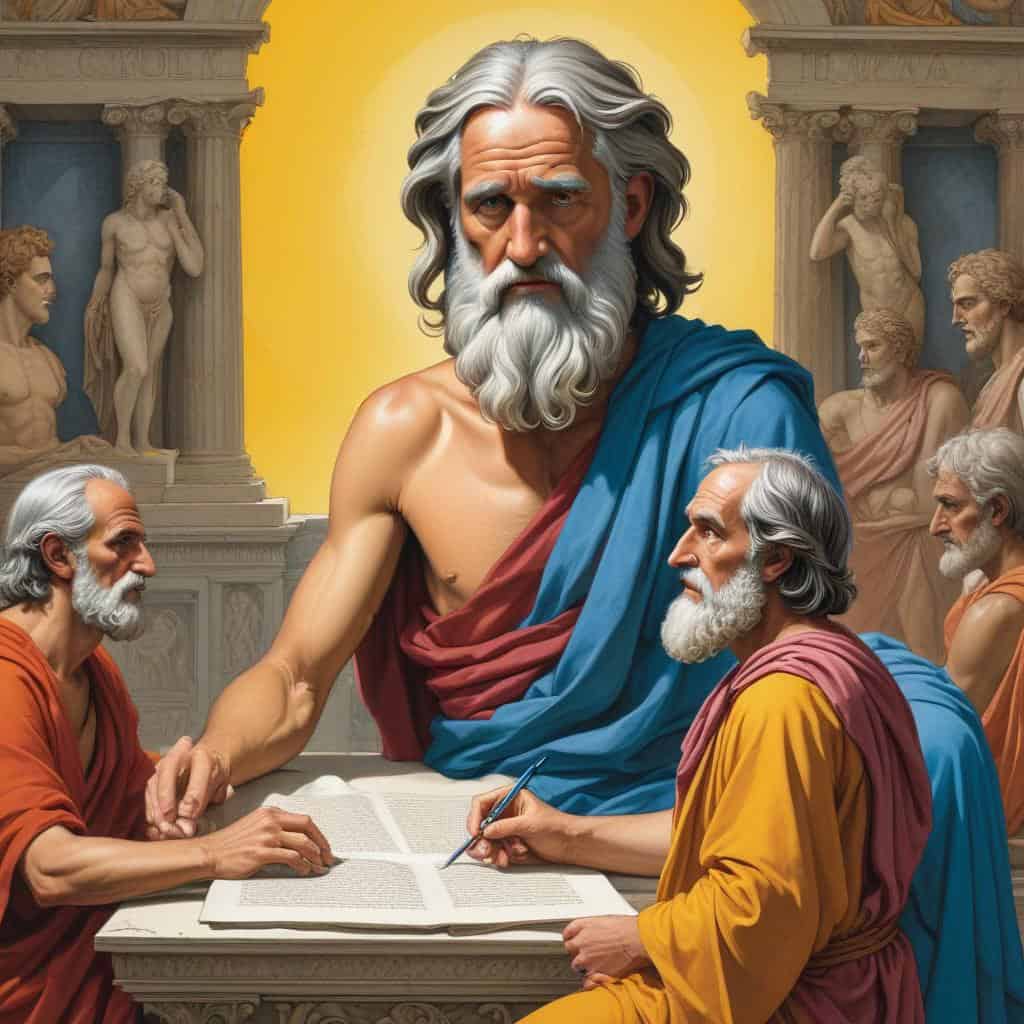
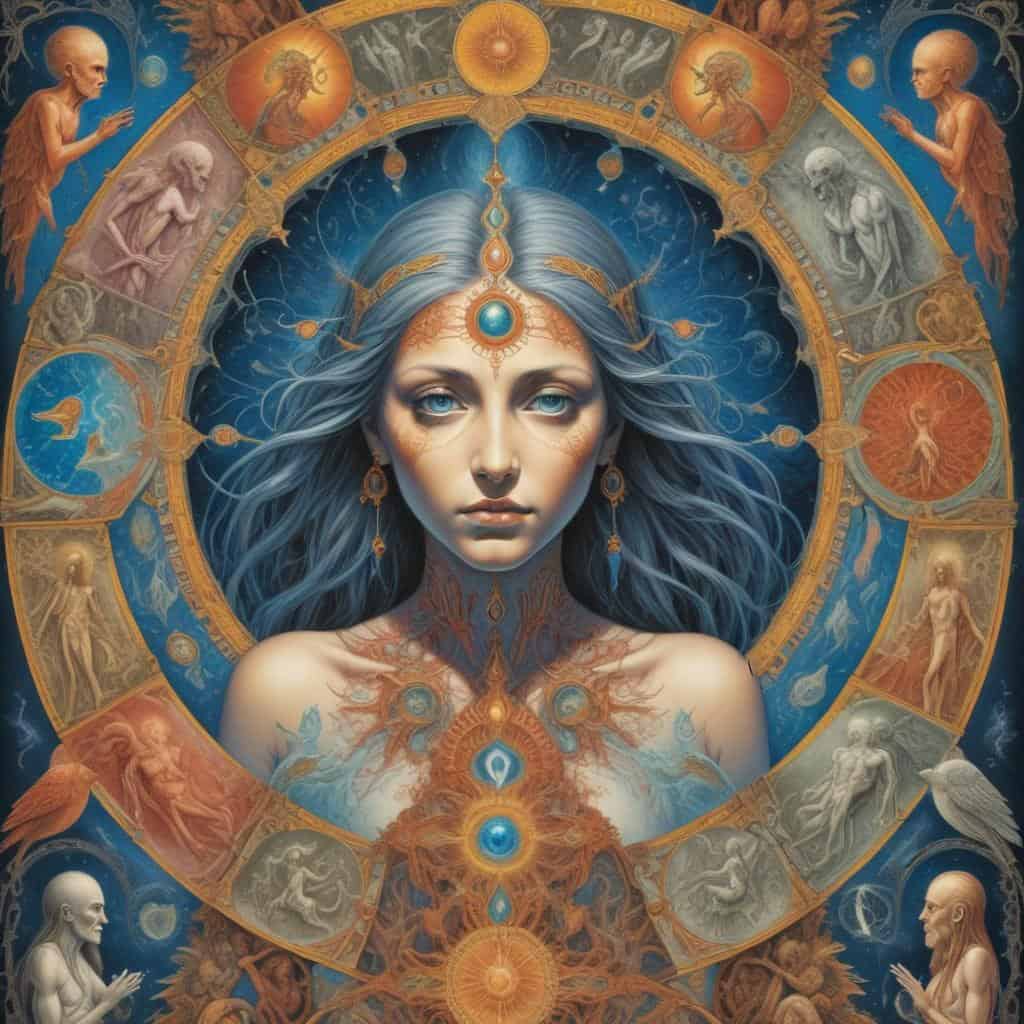
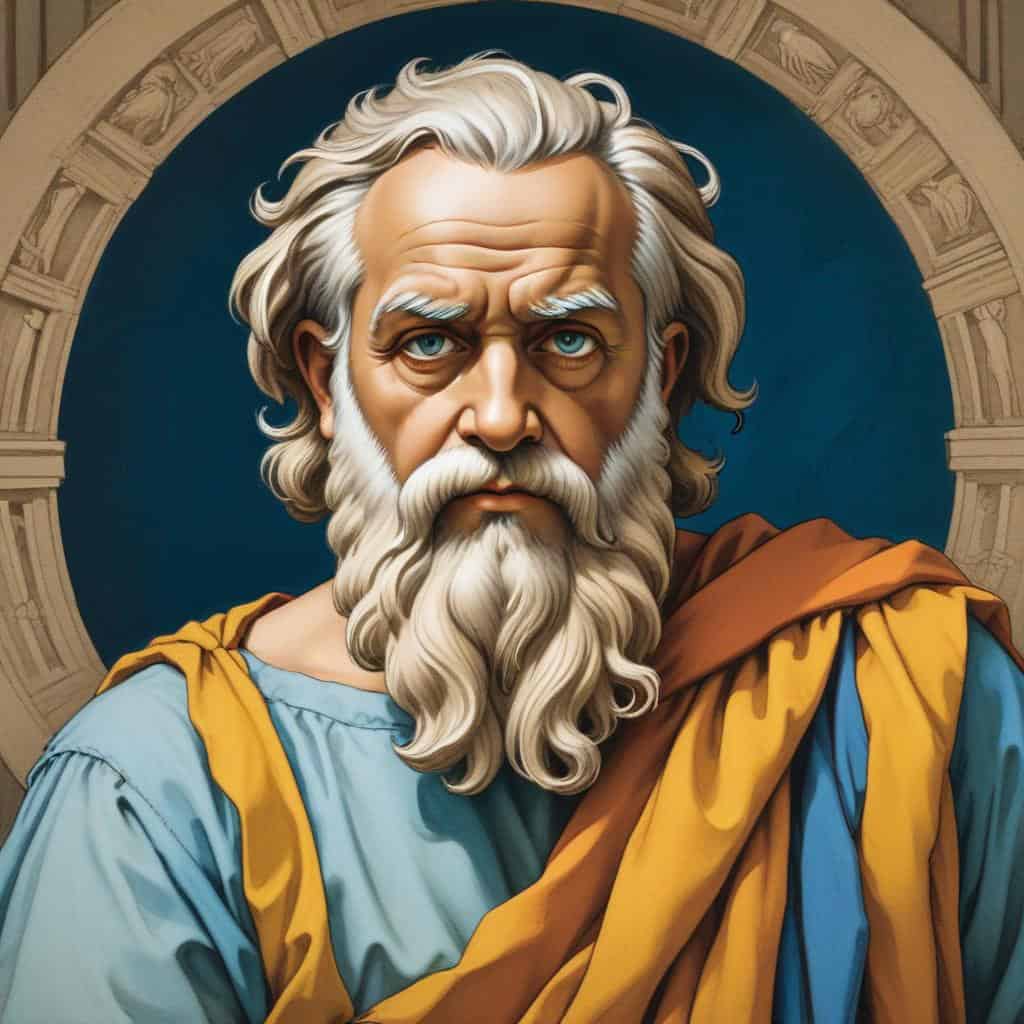
Plato
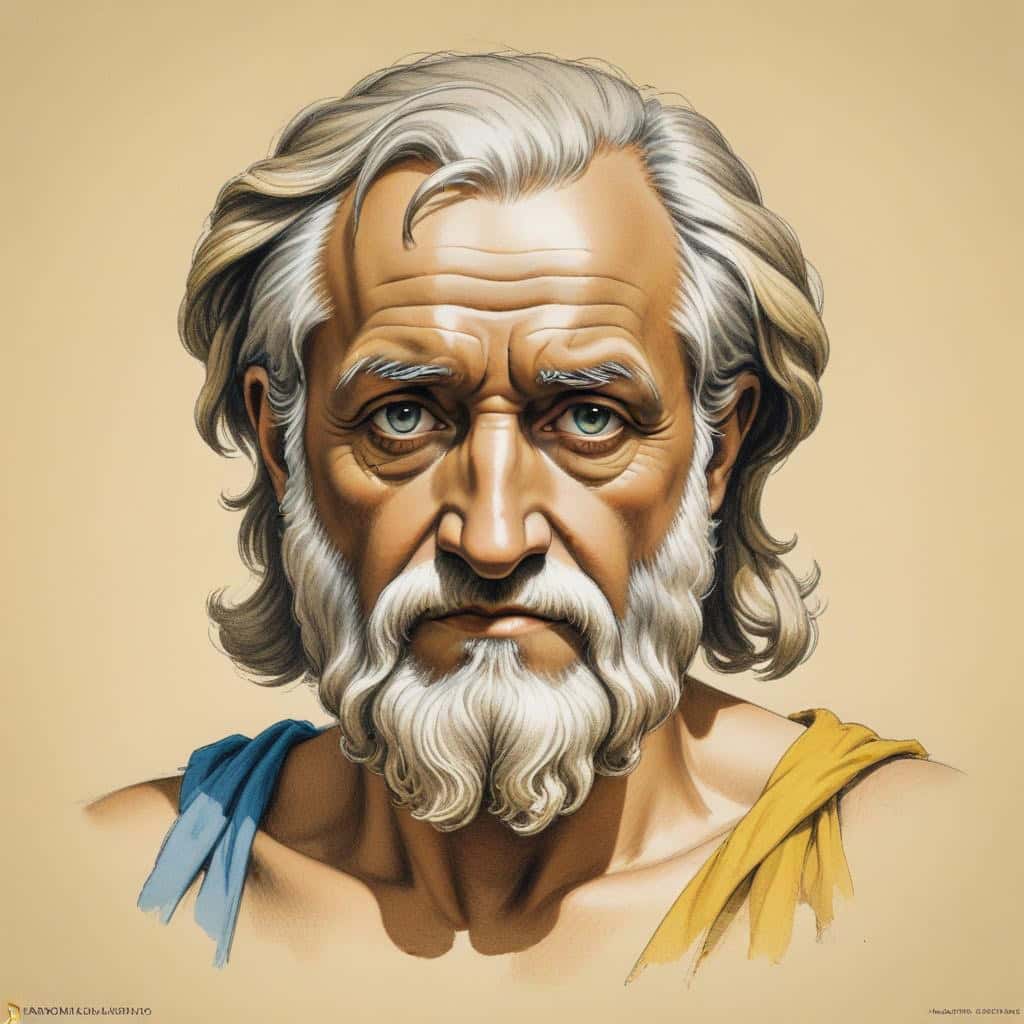
Aristotle

Rene Descartes

Thomas Aquinas

Immanuel Kant

The Ancient Debate
Platos Theory
Aristotles Rejection

Christian Beliefs
Modern Philosophical Views

Eastern Philosophies

Personal Beliefs
The Quest for Truth

Lesson Details & Resources
In a Nutshell
- Concept: The Immortality of the Soul is the belief that the soul continues to exist after the death of the physical body.
- Thinkers: Plato, Ancient Greece
- Central Question: What happens to the soul after death and does it have eternal existence?
- Core Implication: The soul is immortal and can potentially exist in a different realm or state beyond the physical world.
Timeline of The Immortality Of The Soul
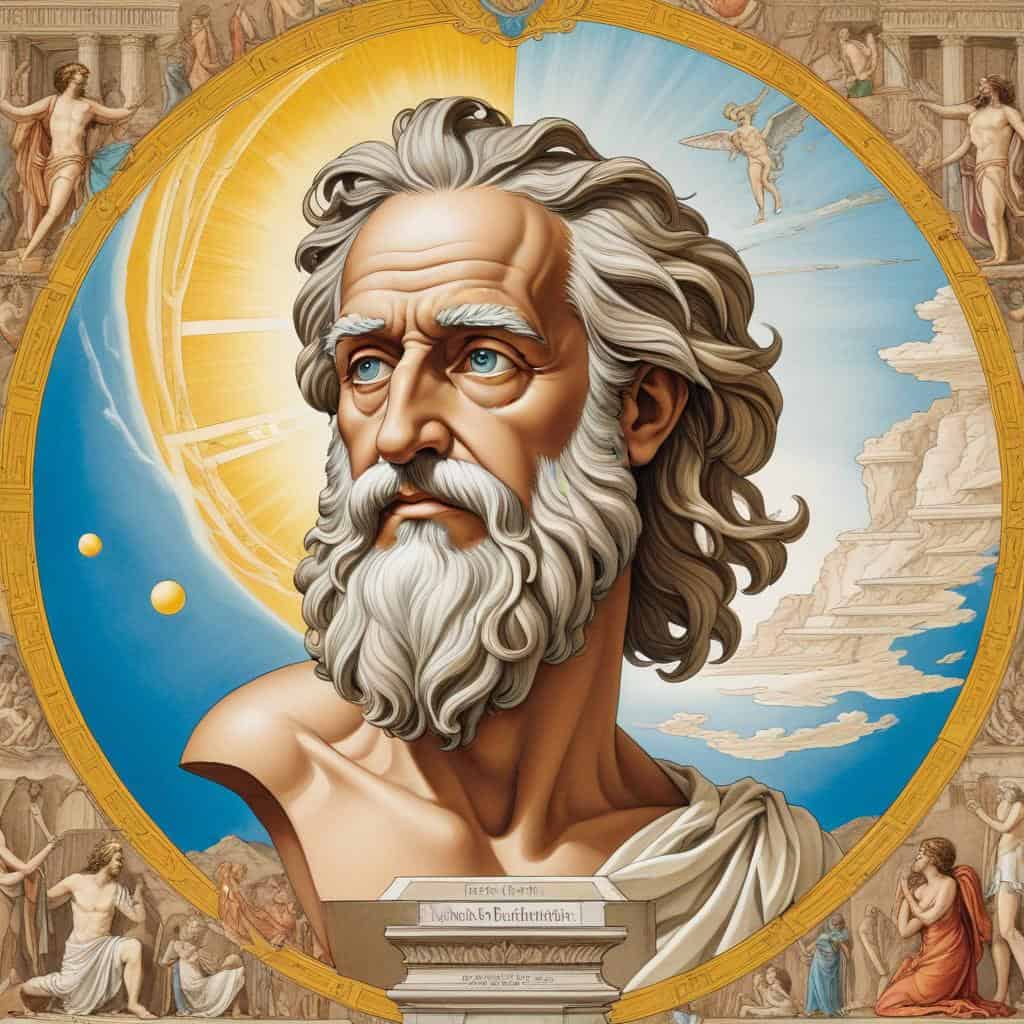
Plato introduces the concept of the immortality of the soul in his dialogues, such as Phaedo and Republic.
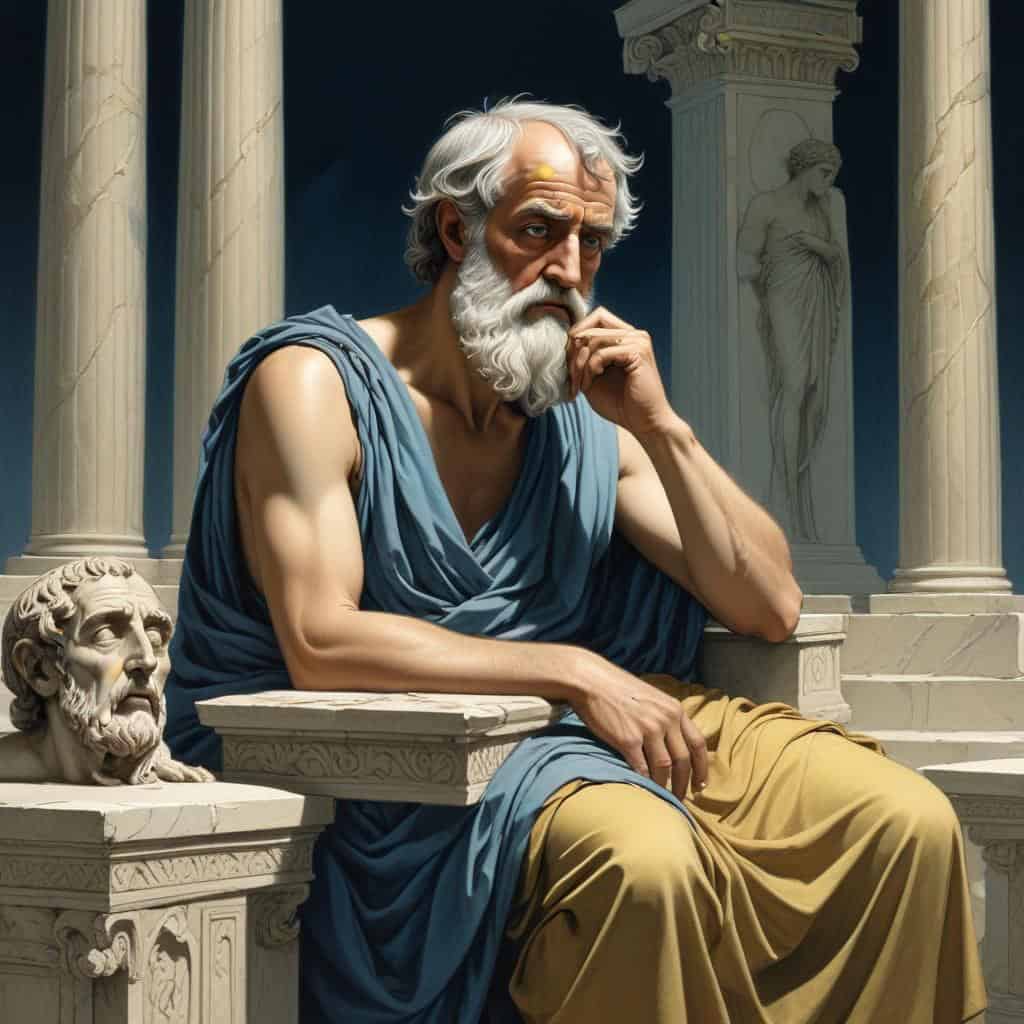
Aristotle discusses the concept of the soul as the form of the body and its potential immortality in De Anima.
Stoic philosophers, such as Seneca and Epictetus, believe in the immortality of the soul as part of their philosophical teachings.
Plotinus, a Neoplatonist philosopher, explores the idea of the soul's immortality as part of his metaphysical system.
Augustine of Hippo, a Christian theologian, incorporates the concept of the immortality of the soul into his writings, such as Confessions and City of God.
Medieval philosophers, such as Thomas Aquinas and John Duns Scotus, discuss the immortality of the soul within the context of Christian theology.
Rene Descartes posits the concept of the soul's immortality as separate from the body in his dualistic philosophy.
Immanuel Kant questions the possibility of proving the immortality of the soul through reason in his Critique of Pure Reason.
Arthur Schopenhauer argues for the immortality of the will, which he equates with the soul, in his work The World as Will and Representation.
Friedrich Nietzsche critiques the concept of the immortality of the soul as a Christian invention in his philosophy of nihilism.
Martin Heidegger explores the existential implications of the soul's mortality in Being and Time.
Jean-Paul Sartre rejects the idea of the immortality of the soul in his existentialist philosophy, emphasizing human freedom and responsibility.
Simone de Beauvoir addresses the concept of the immortality of the soul in relation to gender and existentialism in The Second Sex.
Contemporary philosophers, such as Thomas Nagel and Derek Parfit, continue to debate the nature and possibility of the soul's immortality.
Vocabulary List
- Immortality
- Many religions and philosophies explore the idea of immortality of the soul.
- Soul
- Philosophers debate the nature of the soul and its potential immortality.
- Philosophy
- The immortality of the soul is a common topic in philosophical discussions.
- Eternity
- Some argue that the soul exists in a state of eternity, beyond the constraints of time.
- Mortality
- The concept of mortality is often contrasted with the idea of the immortality of the soul.
Key Facts
This is the information used in the fact matching game
- Plato believed in the immortality of the soul and argued that the soul is eternal and unchanging.
- Aristotle disagreed with Plato's view of the immortal soul, instead believing that the soul is mortal and inseparable from the body.
- Descartes proposed the concept of dualism, which suggests that the mind (or soul) is separate from the body and therefore immortal.
- Kant argued that the immortality of the soul cannot be proven through reason alone, as it lies beyond the limits of human knowledge.
- Schopenhauer believed in the immortality of the will, which he equated with the soul, as it transcends individual existence.
- Hegel saw the immortality of the soul as the culmination of the individual's development towards self-realization in the Absolute Spirit.
- Nietzsche rejected the idea of the immortal soul, viewing it as a relic of outdated religious beliefs that hinder human progress.
- Sartre argued that the concept of an immortal soul is incompatible with existentialist philosophy, which emphasizes individual freedom and responsibility.
- Camus believed that the search for immortality in the soul is a futile endeavor, as human existence is inherently absurd and devoid of inherent meaning.
- Wittgenstein questioned the meaningfulness of discussions about the immortality of the soul, as such concepts may be beyond the scope of language and logic.
Analysis & Significance
The Core Argument
The core argument behind the concept of the immortality of the soul is that the soul is an eternal and indestructible entity that transcends the physical body. Philosophers have debated whether the soul continues to exist after death, and if so, what form this existence takes.
Criticisms and Counterarguments
Critics of the immortality of the soul argue that there is no empirical evidence to support such a concept, and that it is merely a comforting belief rather than a rational idea. Some philosophers also question the coherence of the idea of an immortal soul, pointing out logical inconsistencies in its conception.
Modern Relevance
The concept of the immortality of the soul continues to be relevant in discussions about the nature of consciousness, personal identity, and the afterlife. In a time where advances in technology raise questions about the boundaries of human existence, the idea of an immortal soul provides a framework for considering the enduring essence of the self beyond physical death.
The Immortality Of The Soul Games


Take Your Learning Offline
Want a convenient, print-ready study guide for this lesson? Become a Memory Wizards Pro member to unlock the downloadable " Memory Scrolls" for this topic and our entire library!
- ✓ Complete Vocabulary Lists
- ✓ Key Facts & Timelines
- ✓ Beautifully Formatted for Print & Mobile