
How Do You Learn Best?
Learn by Reading
Immerse yourself in the 10-minute visual lesson for a comprehensive understanding of the topic.
Learn by Reviewing
Jump directly to the key facts, timeline, and vocabulary lists to build a solid foundation of details.
Learn by Doing
Challenge yourself! Jump straight into the interactive games to learn by trial, error, and discovery.
Timaeus in 10 Minutes
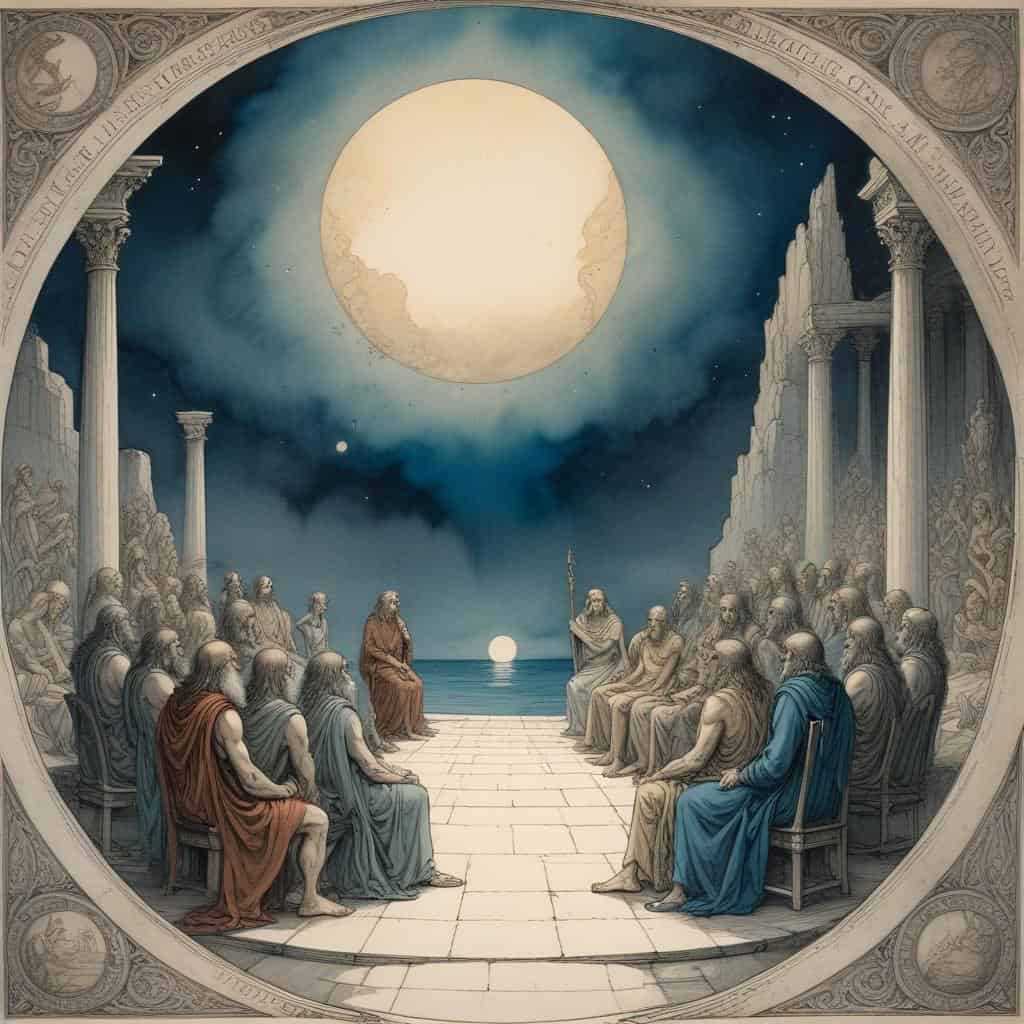
Introduction
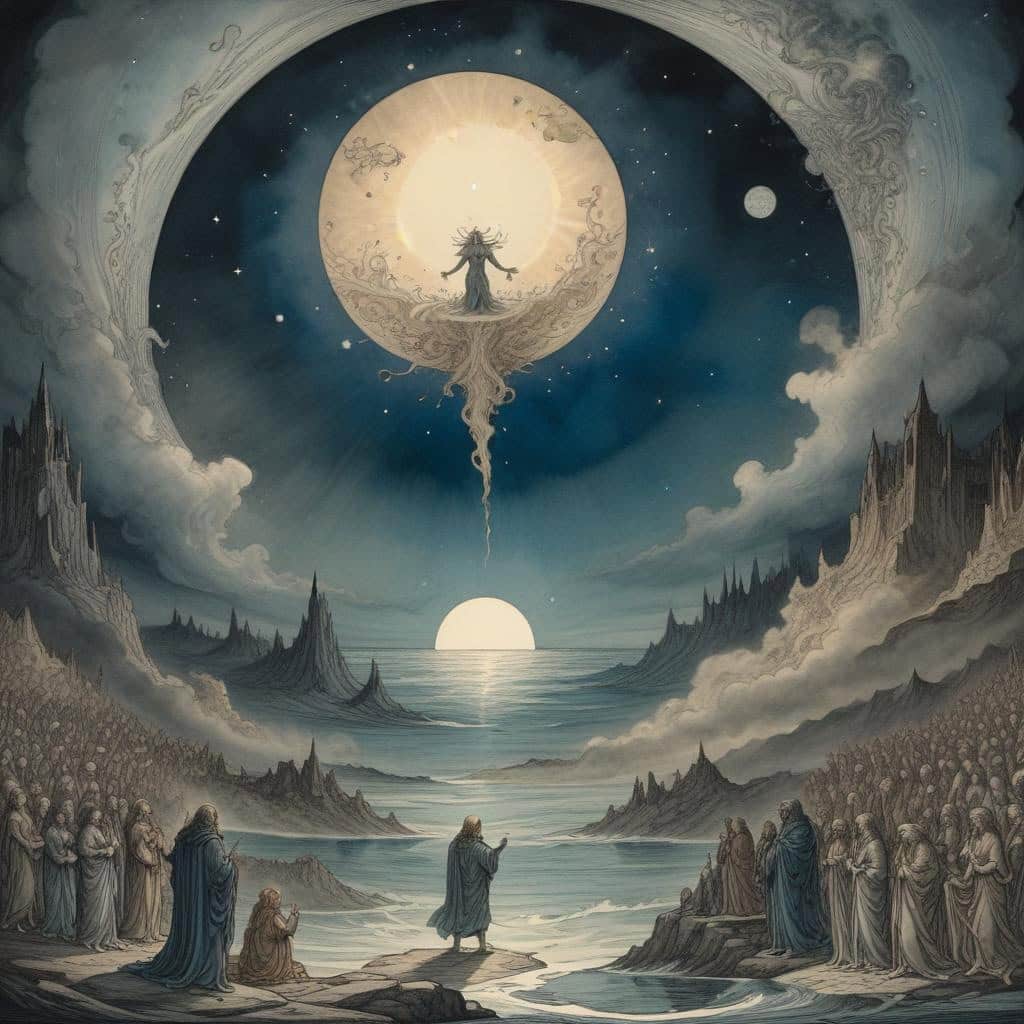
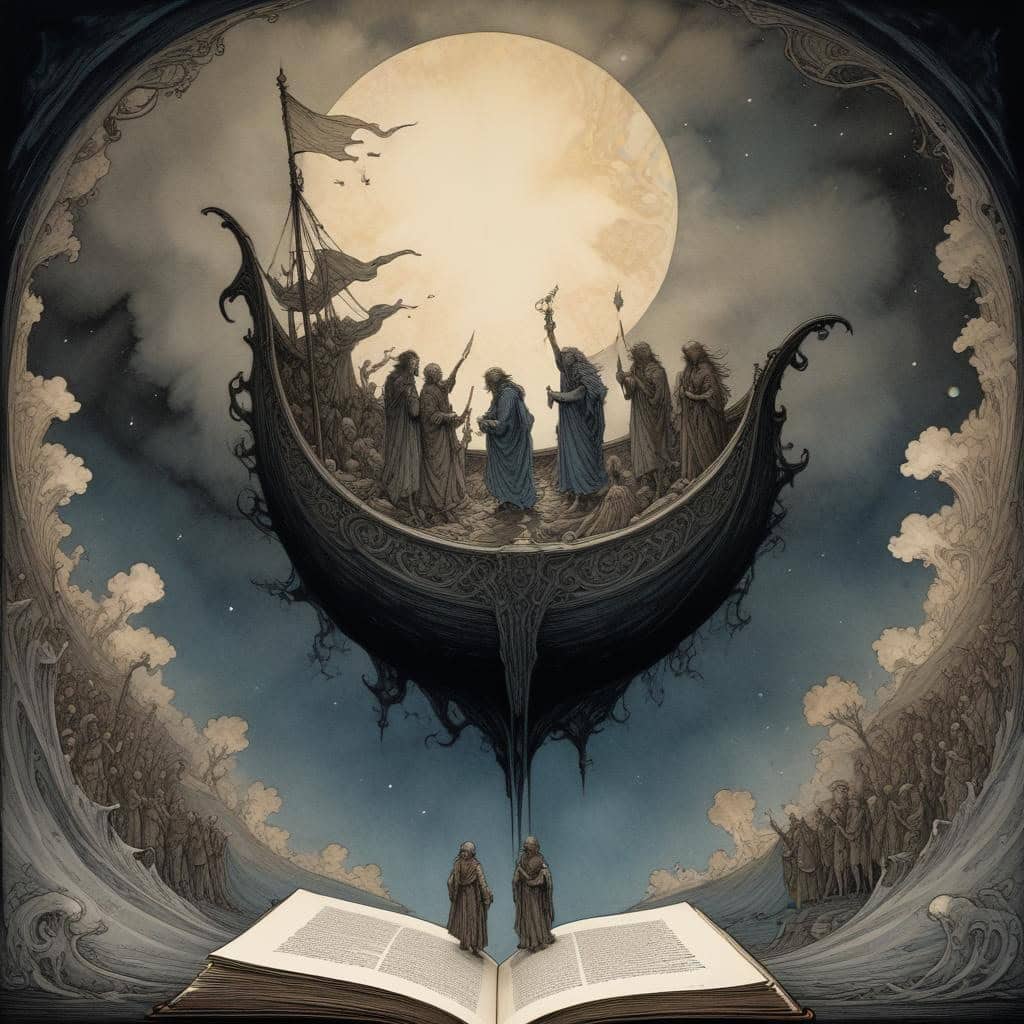
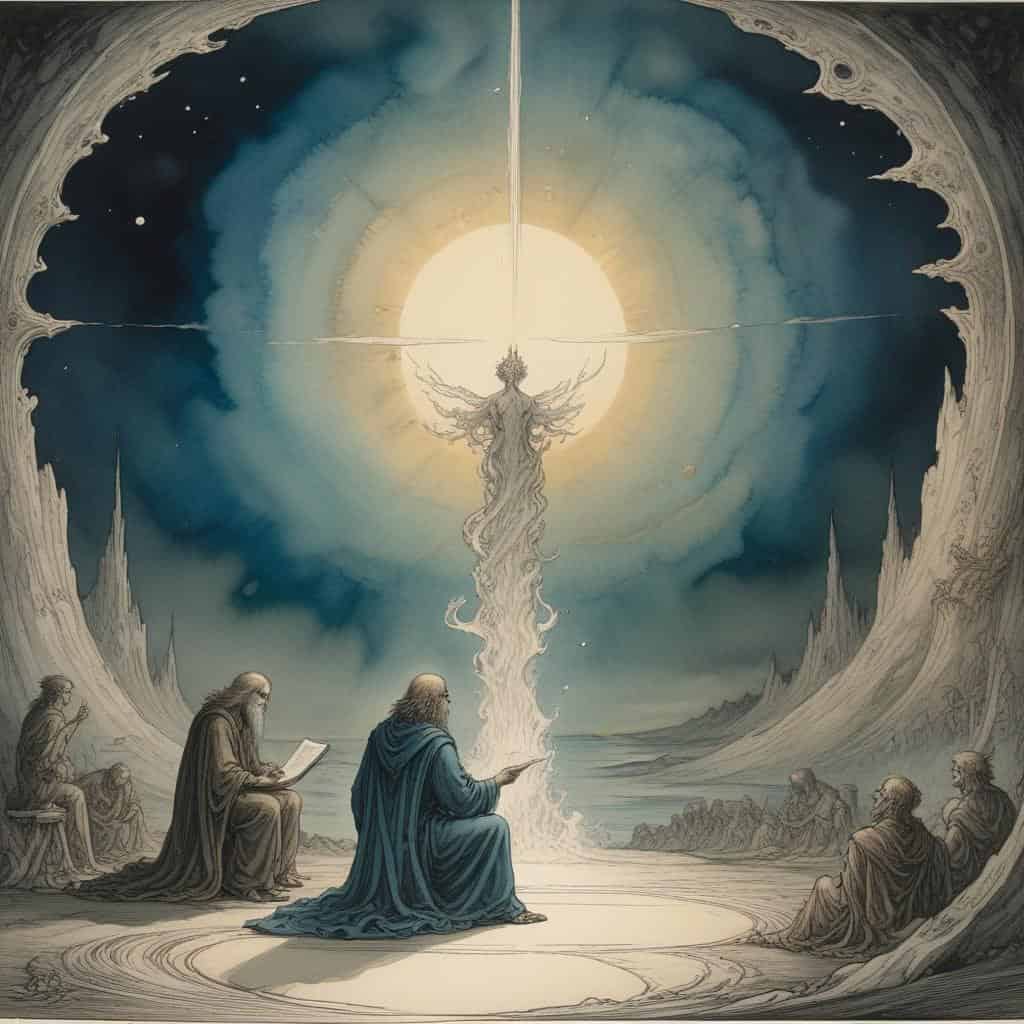
Timaeus

Demiurge

Critias
The Creation of the Universe
The Nature of the World
The Creation of Human Beings
The Role of the Demiurge
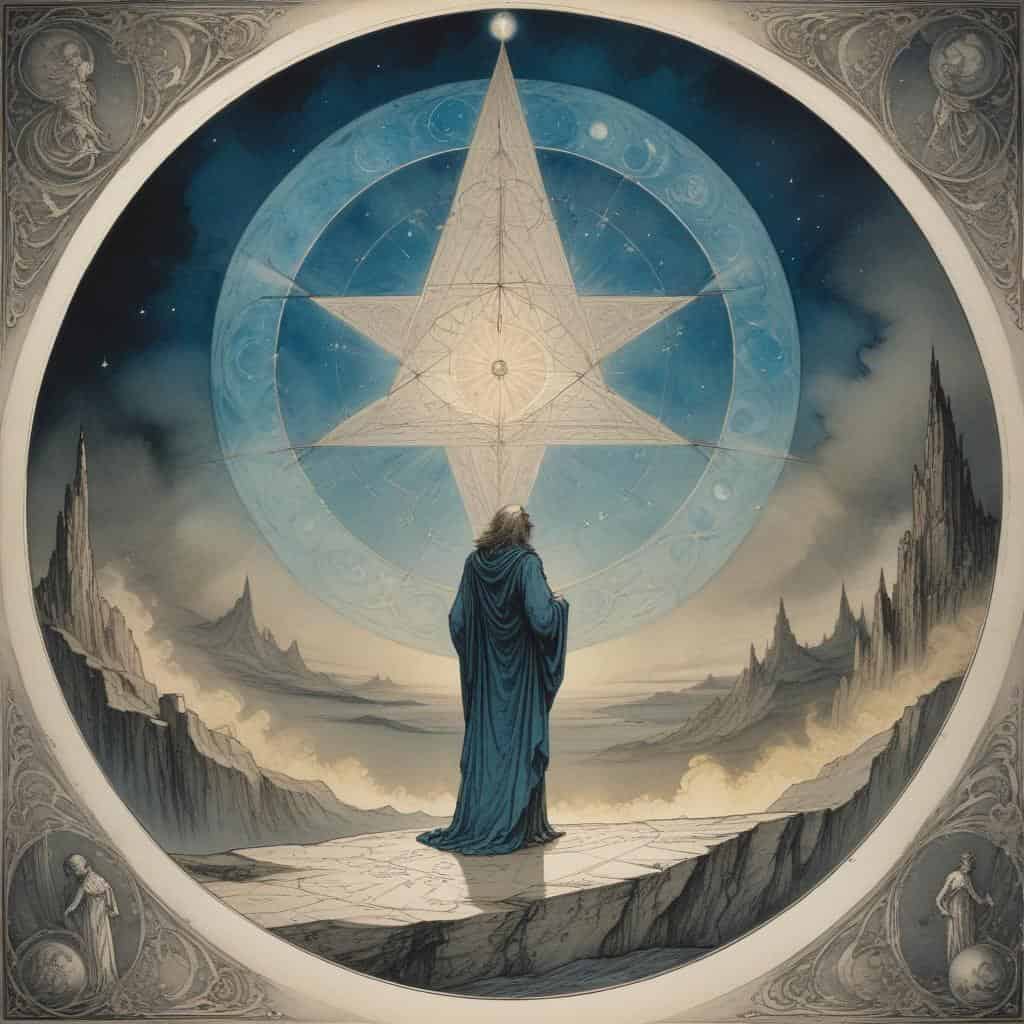
The Importance of Geometry
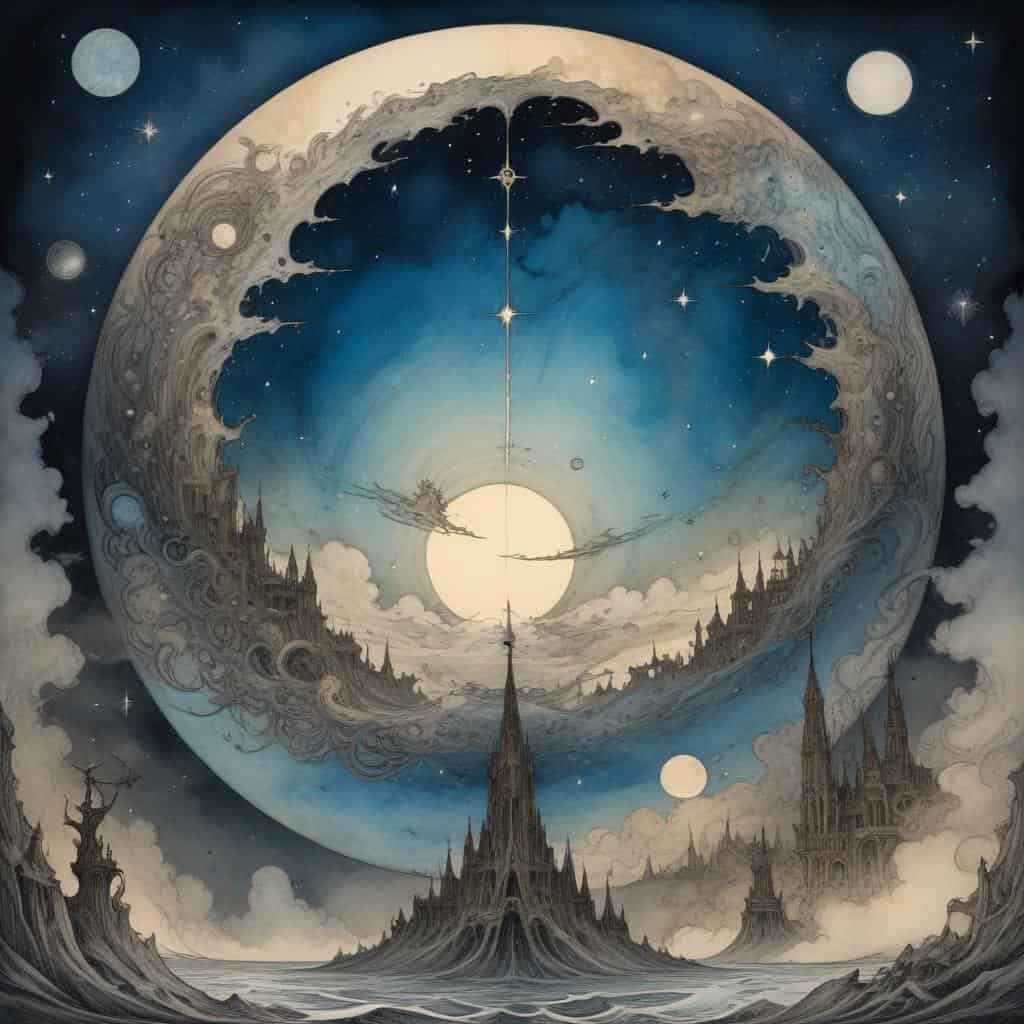
The Eternal Cosmos
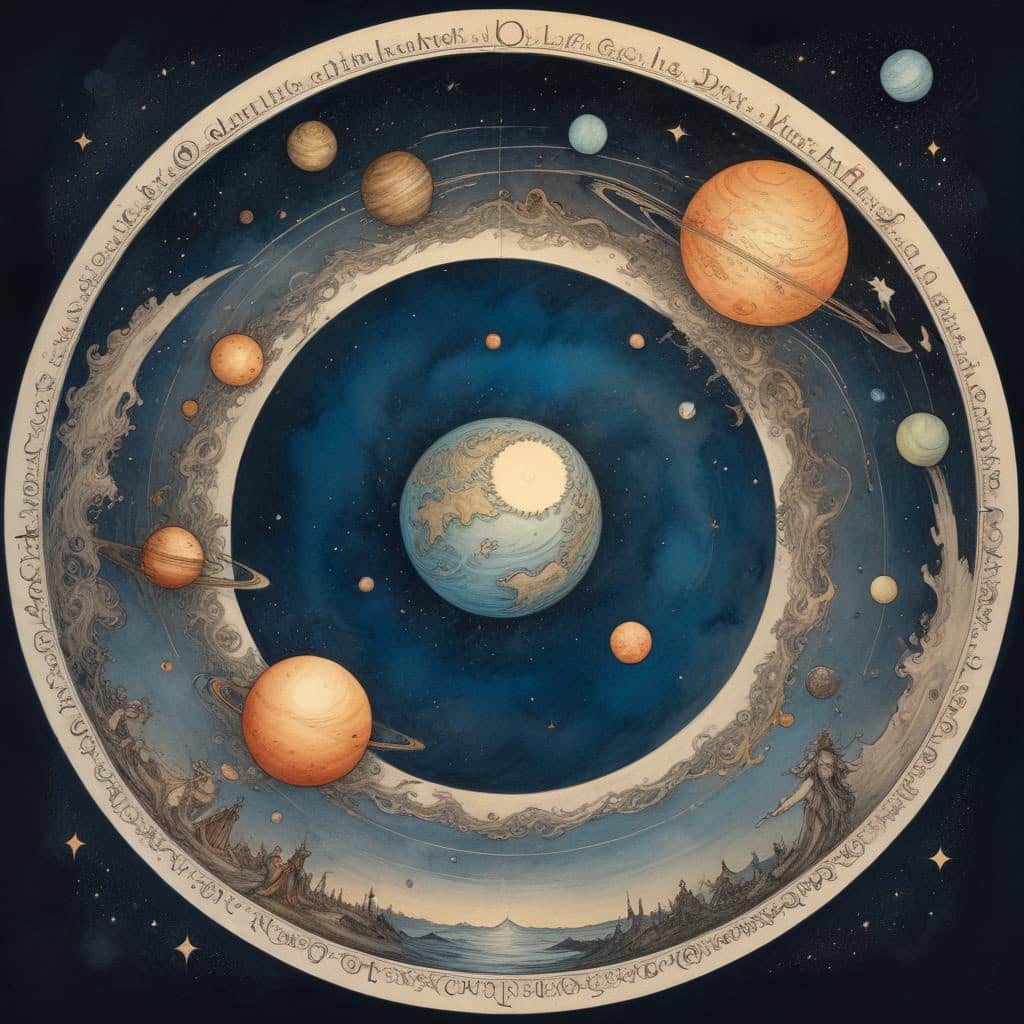
The Spheres of the Planets
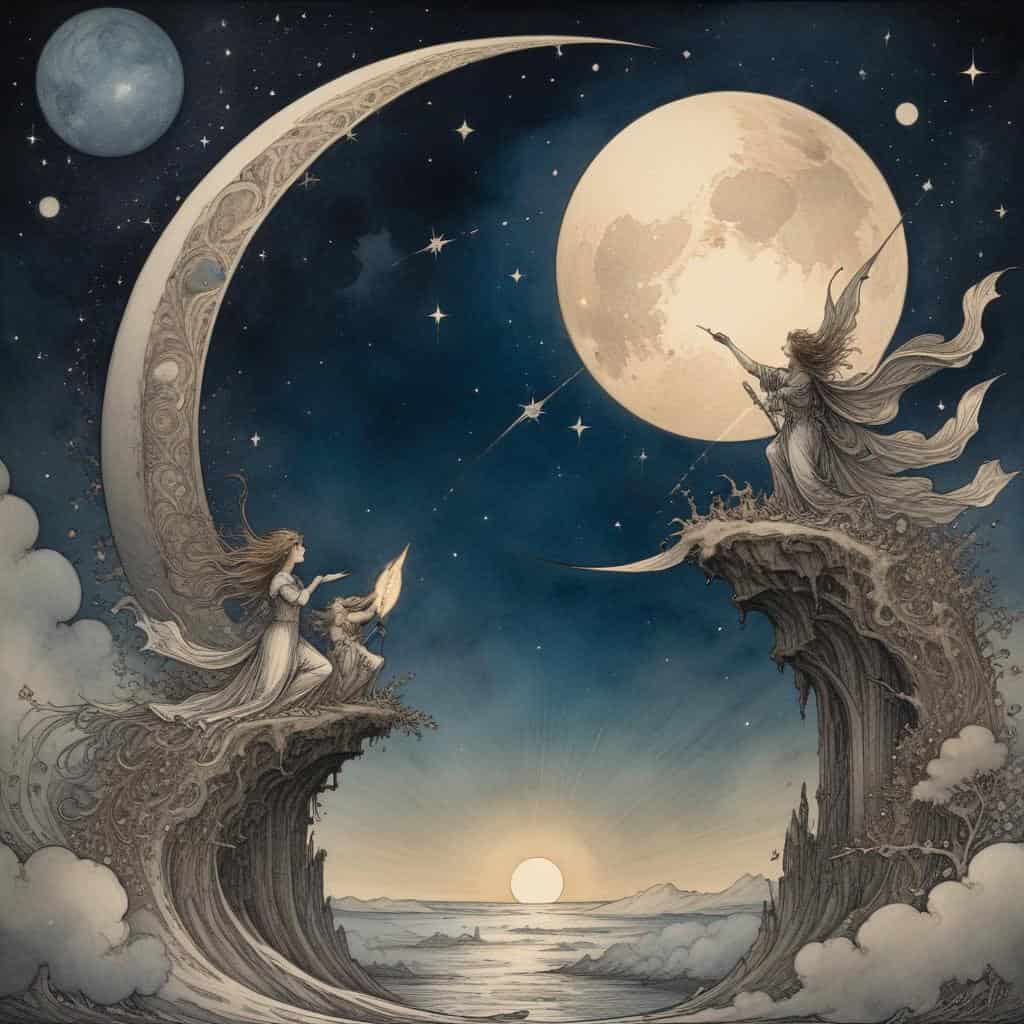
The Importance of Music
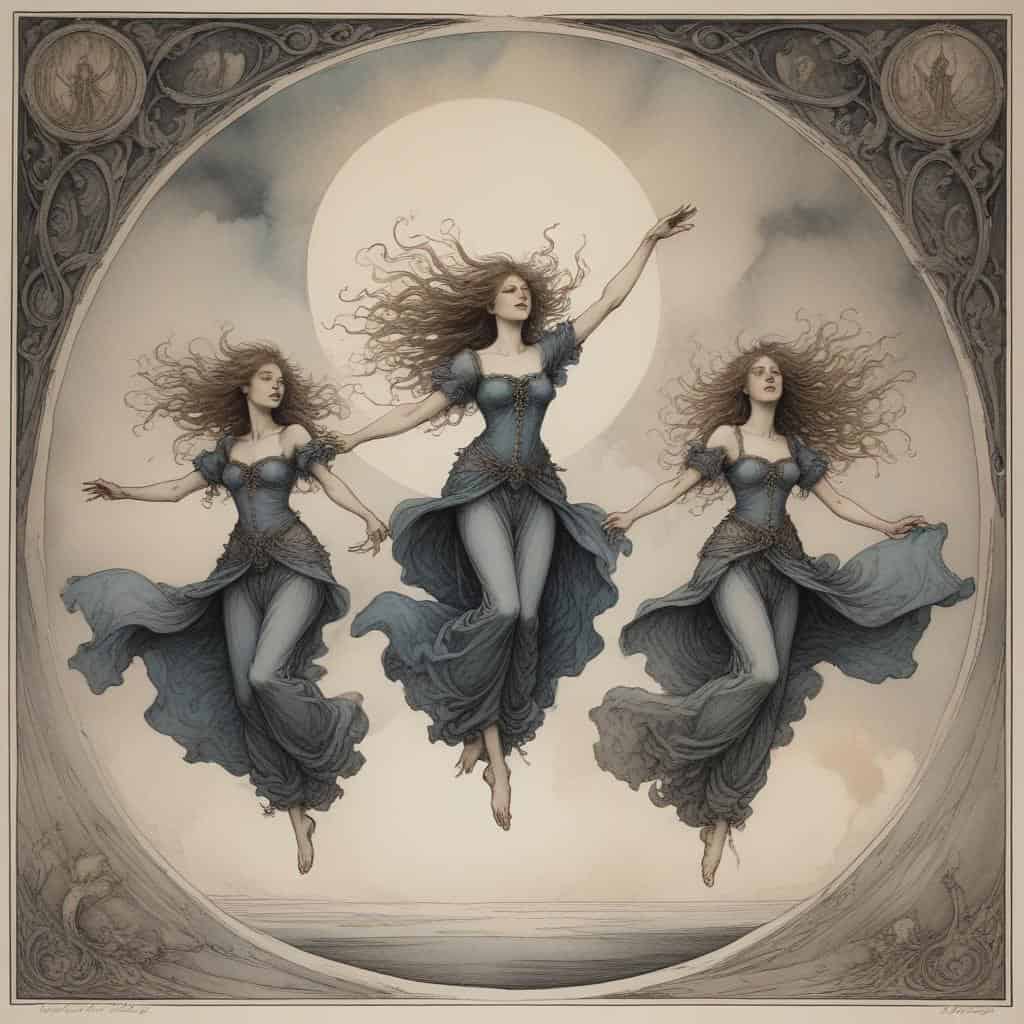
The Tripartite Soul
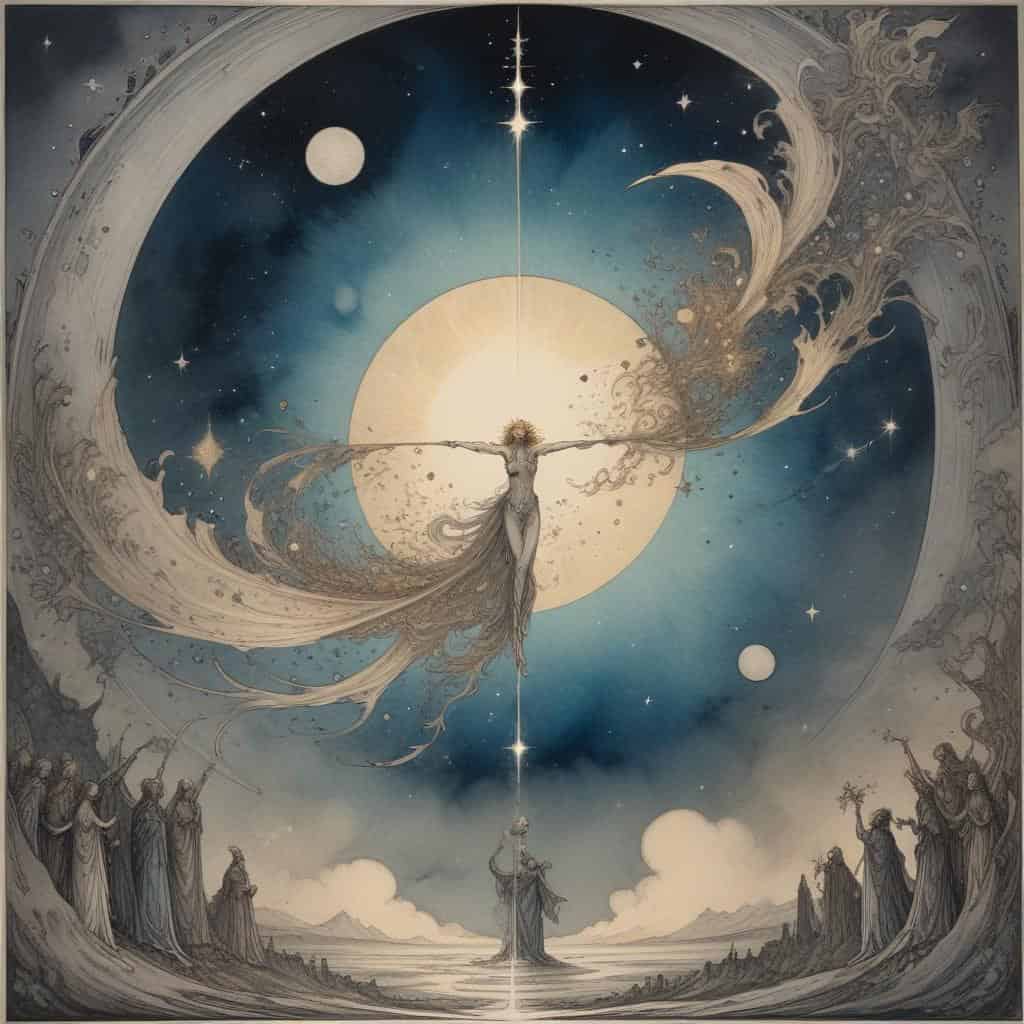
The Cosmology of Timaeus
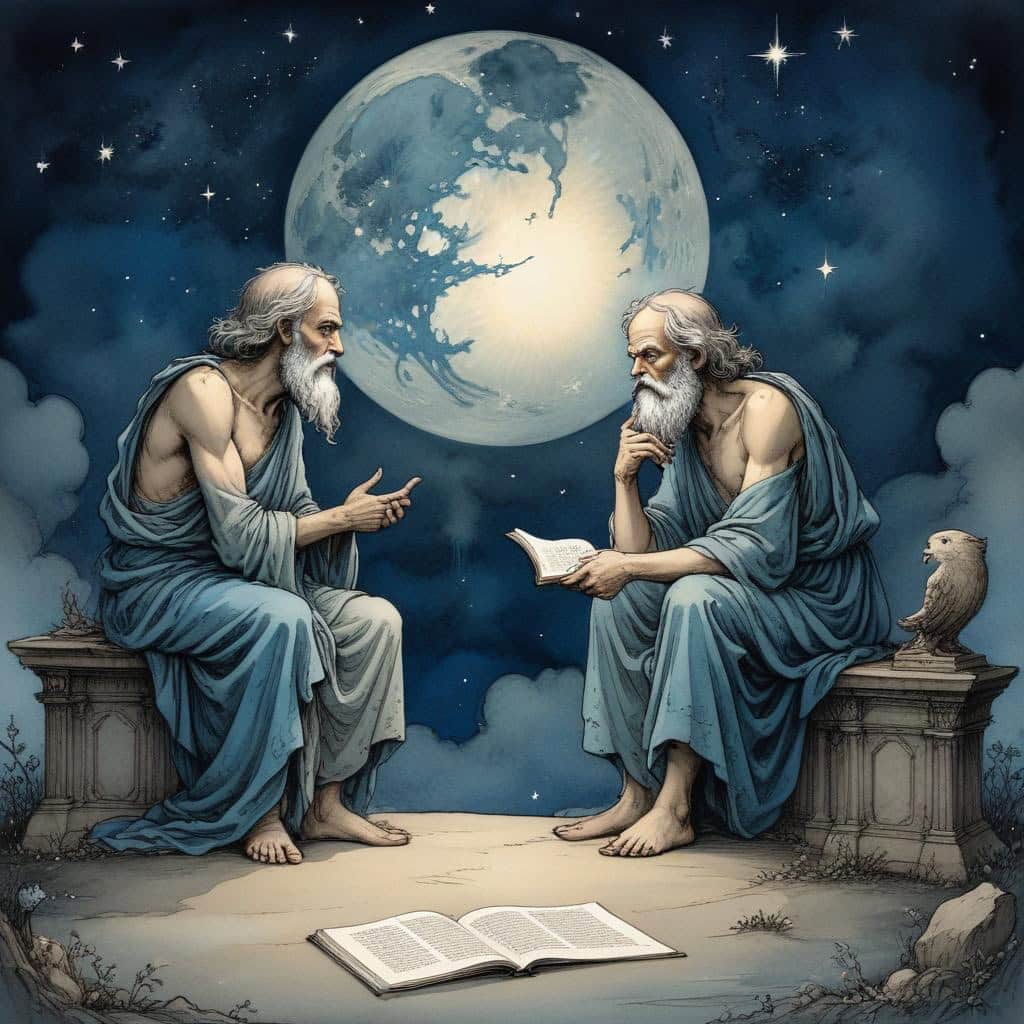
Lesson Details & Resources
In a Nutshell
- What: Philosophical dialogue by Plato
- When: Written in the late 4th century BC
- Who: Timaeus
- Theme: Exploration of cosmology and the nature of the universe
List of Characters in Timaeus
-
Socrates
Socrates is the main character and interlocutor in the dialogue, guiding the conversation with Timaeus and the others.
-
Timaeus
Timaeus is a philosopher from Locri who presents the cosmological theories in the dialogue.
-
Critias
Critias is an Athenian statesman and relative of Plato who tells the story of Atlantis in the dialogue.
-
Hermocrates
Hermocrates is another philosopher who joins the conversation and contributes to the discussion of the creation of the universe.
Timeline of Timaeus
Timaeus begins by introducing the concept of the creator of the universe, the Demiurge, who is responsible for the creation of the world.
Timaeus then describes the creation of the universe as a result of the Demiurge imposing order on chaos, using the four elements - fire, air, water, and earth.
He goes on to explain the creation of the physical bodies of humans and animals, which are made up of a mix of the four elements.
Timaeus discusses the nature of the soul and its connection to the physical body, proposing that the soul is eternal and divine.
He also explores the concept of the world soul, which is responsible for maintaining order and harmony in the universe.
Timaeus concludes by discussing the nature of knowledge and perception, arguing that true knowledge can only be obtained through reason and understanding.
Vocabulary List
- Cosmos
- In Timaeus, Plato discusses the creation of the cosmos.
- Demiurge
- The demiurge is the creator of the universe in Timaeus.
- Forms
- Plato's theory of forms is central to his dialogue in Timaeus.
- Matter
- Plato explores the relationship between form and matter in Timaeus.
- Eternity
- The concept of eternity is discussed in relation to the cosmos in Timaeus.
- Chaos
- Before the creation of the cosmos, there was chaos according to Timaeus.
- Elements
- Plato talks about the four elements - earth, air, fire, and water - in Timaeus.
- Soul
- The nature of the soul is a key theme in Timaeus.
- Harmony
- Plato discusses the harmony and order of the universe in Timaeus.
- Perfect
- The demiurge creates a perfect universe according to Plato's Timaeus.
Key Facts
This is the information used in the fact matching game
- Timaeus is one of Plato's dialogues, written around 360 BC.
- In the dialogue, Timaeus presents a cosmology that explains the creation of the universe.
- Timaeus describes a divine craftsman, the Demiurge, who creates the world based on mathematical principles.
- The universe in Timaeus is a living being, created by the Demiurge as a perfect and harmonious entity.
- Timaeus discusses the nature of the soul and its role in the human body.
- The dialogue explores the concept of the four elements (earth, air, fire, water) and their combination to form the physical world.
- Timaeus introduces the concept of the World Soul, a divine entity that is responsible for the order and harmony of the universe.
- Plato's Timaeus is considered a foundational text in Western philosophy and has influenced thinkers throughout history.
- Timaeus discusses the role of chance and necessity in the creation of the universe.
- The dialogue explores the concept of the eternal and the transient in relation to the physical world.
- Timaeus discusses the nature of time and its relationship to the movement and order of the universe.
- The dialogue includes a detailed account of the structure and function of the human body, including the role of the senses and the mind.
- Timaeus introduces the concept of the Receptacle, a formless entity that serves as the basis for the material world.
- The dialogue discusses the concept of the Forms, ideal and eternal entities that serve as the model for physical objects.
- Timaeus presents a teleological view of the universe, suggesting that it is created with a specific purpose in mind.
- The dialogue includes a mythic account of the creation of the world, involving the intervention of divine beings.
- Timaeus discusses the nature of knowledge and the difference between opinion and true understanding.
- The dialogue explores the relationship between the physical world and the realm of the Forms, highlighting the importance of reason and intellect in understanding reality.
- Timaeus argues that the universe is a rational and ordered entity, reflecting the intelligence and wisdom of the Demiurge.
- The dialogue ends with a prayer for the harmony and well-being of the universe, emphasizing the interconnectedness of all things.
Analysis & Significance
Impact on Literature
Timaeus, a dialogue written by Plato in which the character Timaeus discusses the nature of the physical world, has had a lasting impact on literature. Its exploration of cosmology and the concept of the world soul has inspired countless works of science fiction and philosophical inquiry.
Enduring Themes
The enduring themes of Timaeus, such as the search for knowledge, the nature of reality, and the relationship between the material and immaterial worlds, continue to resonate with modern audiences. The work’s exploration of the interconnectedness of all things and the pursuit of wisdom remains relevant in today’s world.
Cultural Significance Today
Timaeus has left a lasting legacy in Western philosophy and has been referenced in various forms of art, literature, and popular culture. Its influence can be seen in works ranging from Dante’s Divine Comedy to contemporary films and television shows that explore themes of existence, creation, and the meaning of life.
Timaeus Games


Take Your Learning Offline
Want a convenient, print-ready study guide for this lesson? Become a Memory Wizards Pro member to unlock the downloadable " Memory Scrolls" for this topic and our entire library!
- ✓ Complete Vocabulary Lists
- ✓ Key Facts & Timelines
- ✓ Beautifully Formatted for Print & Mobile