
How Do You Learn Best?
Learn by Listening
Start with the 3-minute audio summary to get the key facts and narrative highlights quickly.
Learn by Reading
Immerse yourself in the 10-minute visual lesson for a comprehensive understanding of the topic.
Learn by Reviewing
Jump directly to the key facts, timeline, and vocabulary lists to build a solid foundation of details.
Learn by Doing
Challenge yourself! Jump straight into the interactive games to learn by trial, error, and discovery.
Audio Library
As one of our featured lessons, this topic includes premium audio guides.
Unlock the Wizard's Cram Session
This powerful audio study guide is a Pro-exclusive feature. Upgrade to Memory Wizards Pro to access this and all of our premium learning tools.
Upgrade to ProThe Republic in 10 Minutes
Introduction

Socrates

Glaucon

Adeimantus

Thrasymachus

Polemarchus
1. The Setting
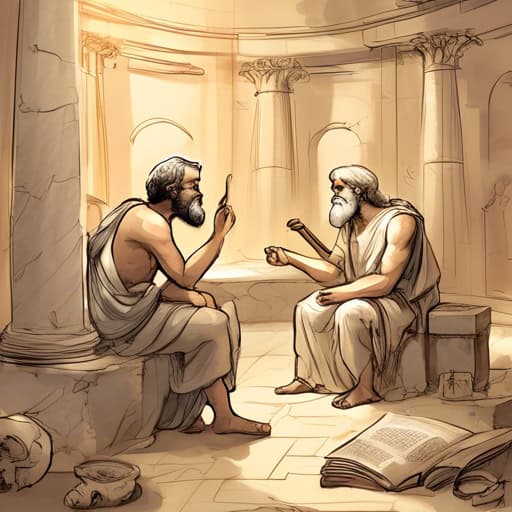
2. The Definition of Justice
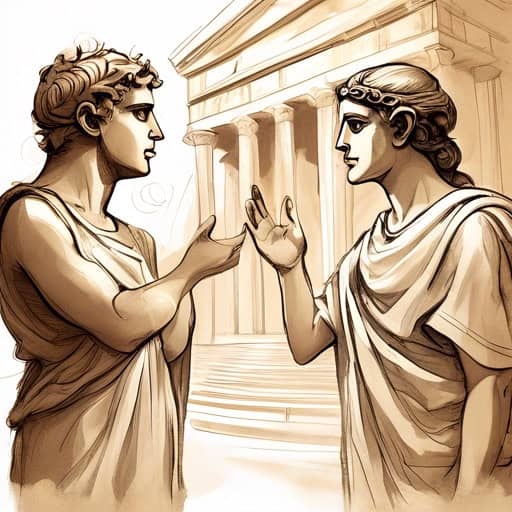
3. The Three Parts of the Soul
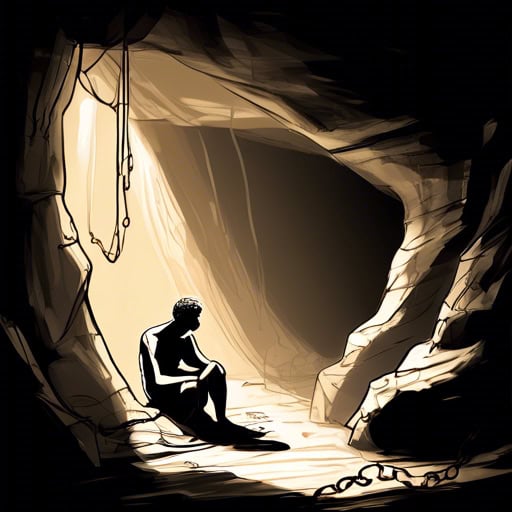
4. The Allegory of the Cave
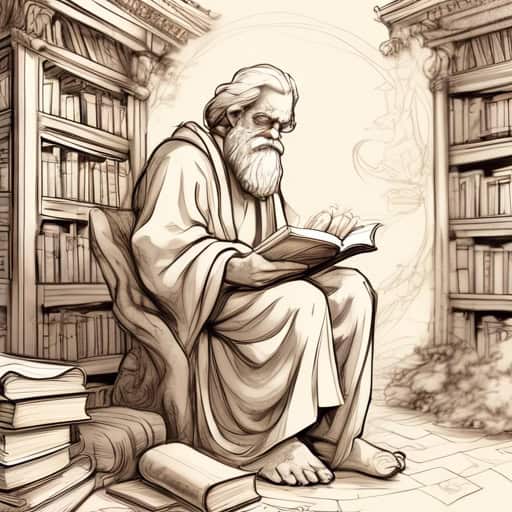
5. The Philosopher-King
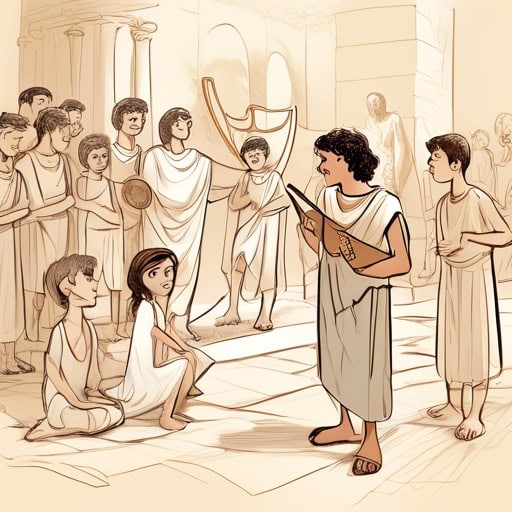
6. The Education of the Guardians
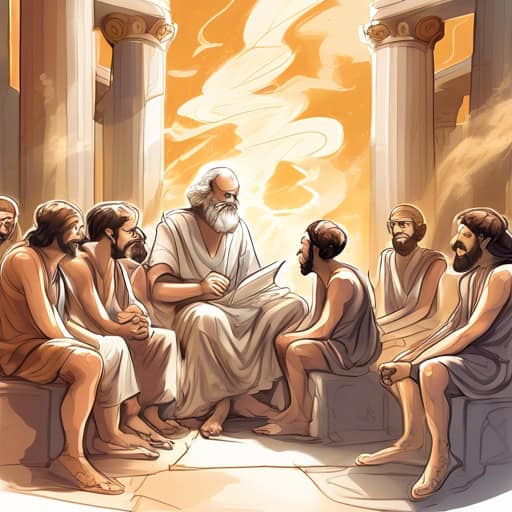
7. The Theory of Forms

8. The Decline of States
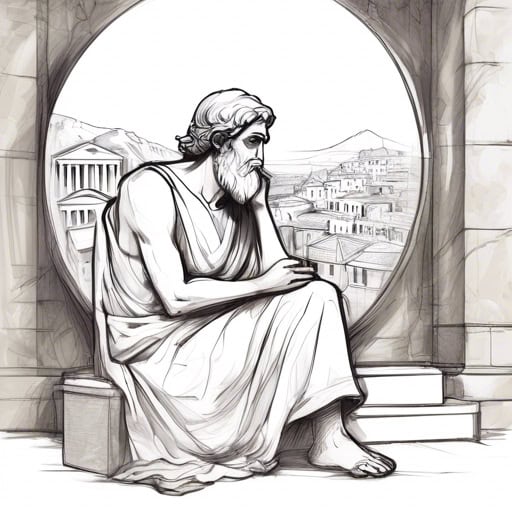
9. The Just City and the Just Soul

10. The Legacy of The Republic
Lesson Details & Resources
In a Nutshell
- What: ‘The Republic’ by Plato
- When: Written in ancient Greece
- Who: Socrates, Glaucon, Adeimantus
- Theme: The nature of justice, the ideal state, and the philosopher king
List of Characters in The Republic
-
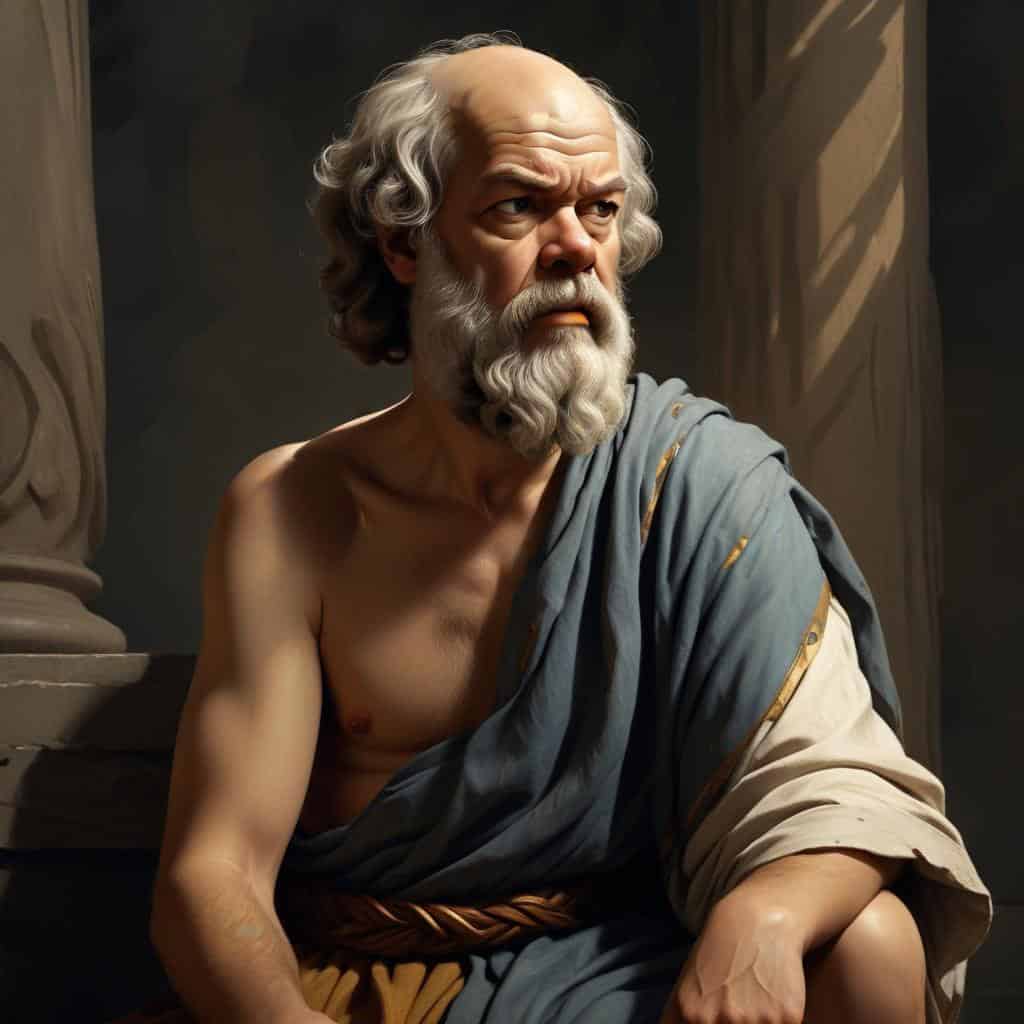
Socrates
Socrates is the main character and philosopher who leads the discussion on justice and the ideal state.
-
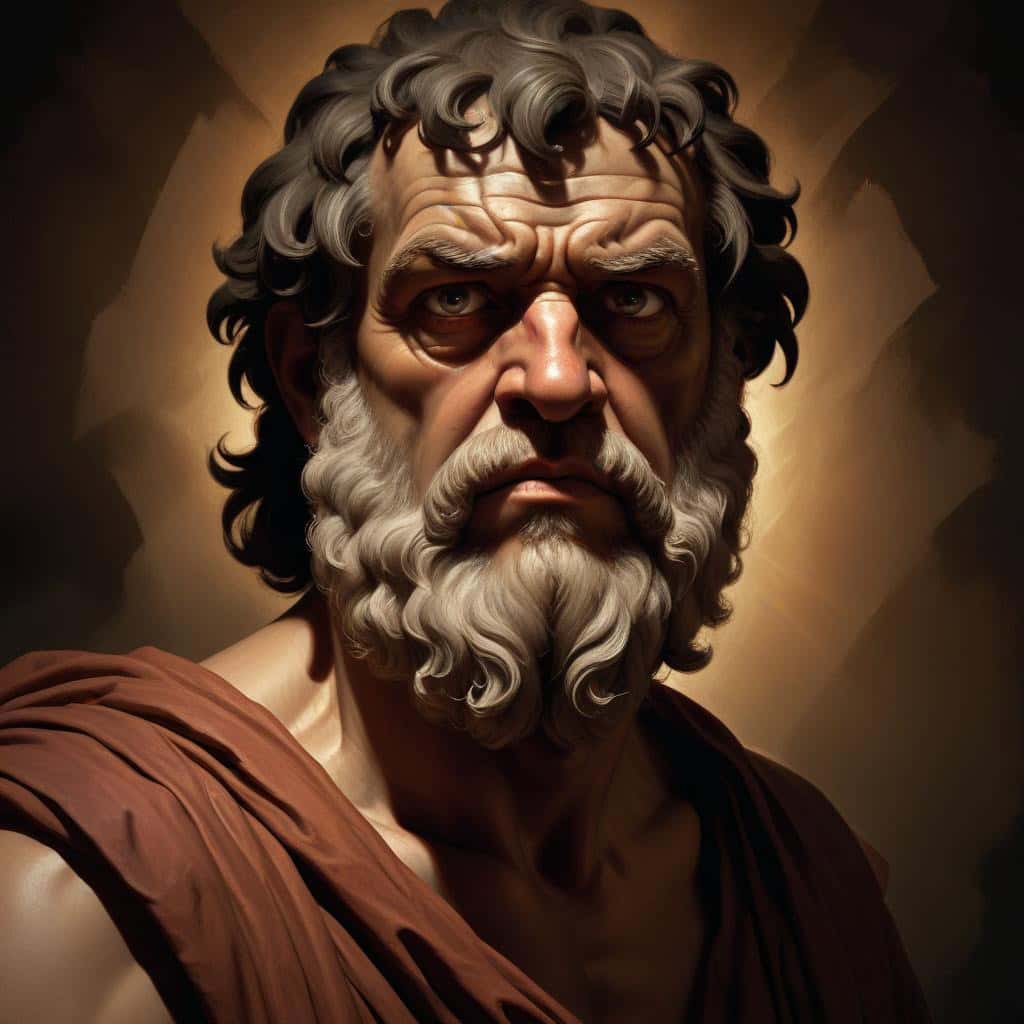
Thrasymachus
Thrasymachus is a sophist who argues that justice is the interest of the stronger and that injustice is more profitable.
-
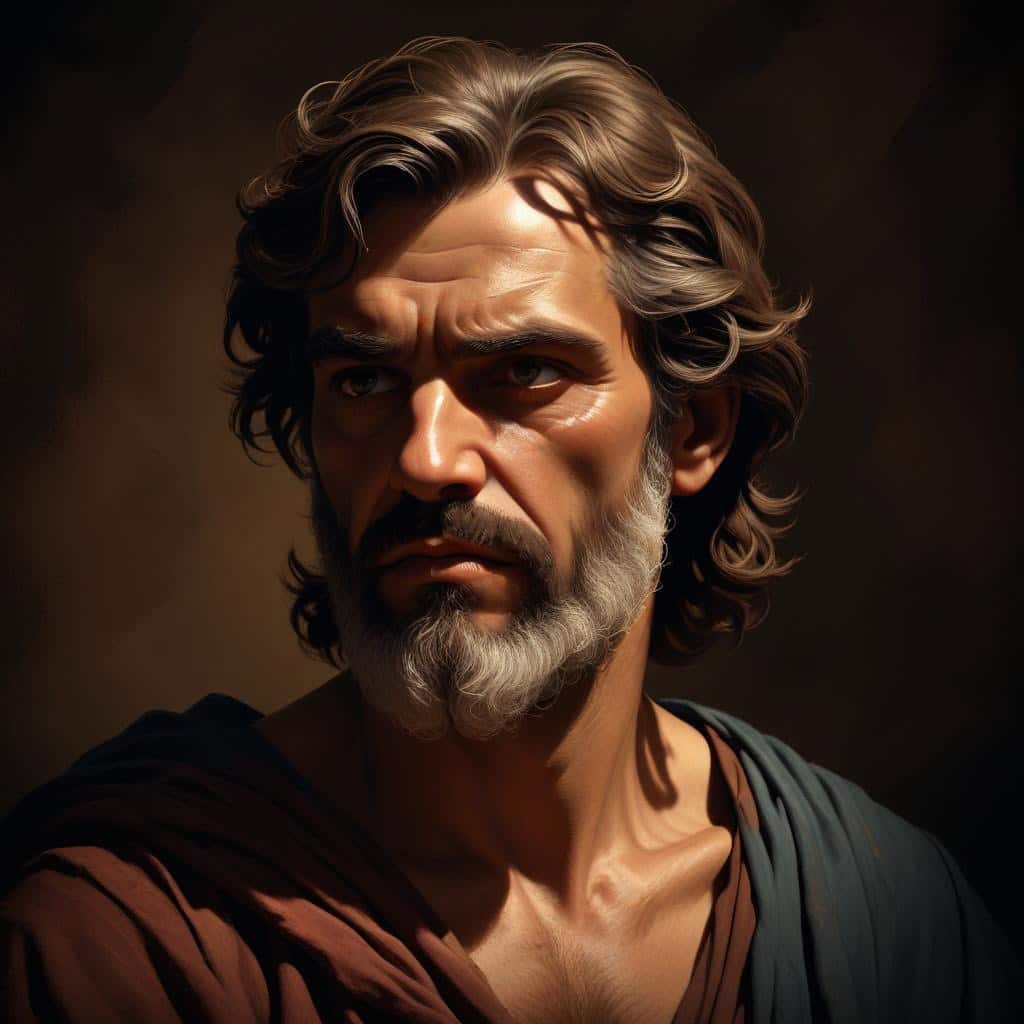
Glaucon
Glaucon is Plato's brother and challenges Socrates to defend the idea that justice is inherently good.
-
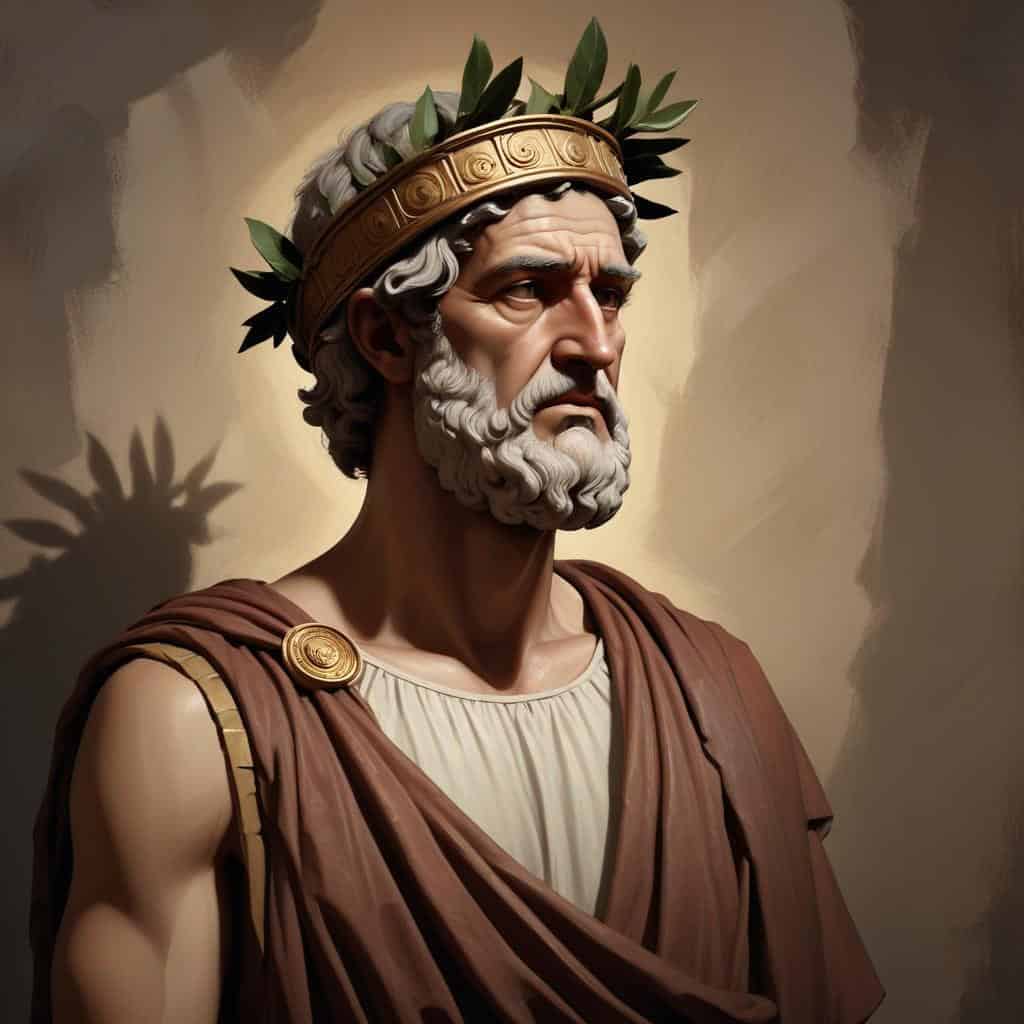
Adeimantus
Adeimantus is another of Plato's brothers who joins the discussion on justice and the ideal state.
-
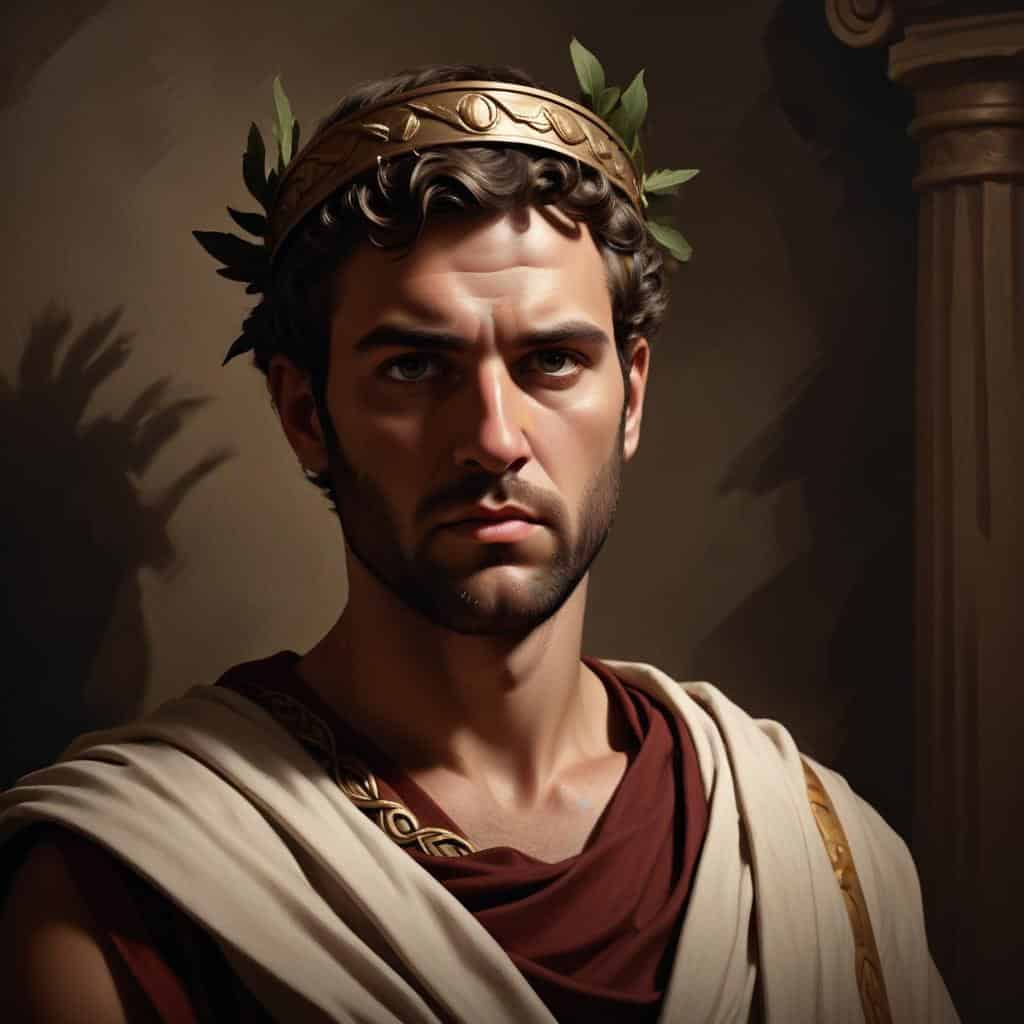
Cephalus
Cephalus is an elderly man who opens the dialogue on justice and is eventually replaced by his son, Polemarchus.
-
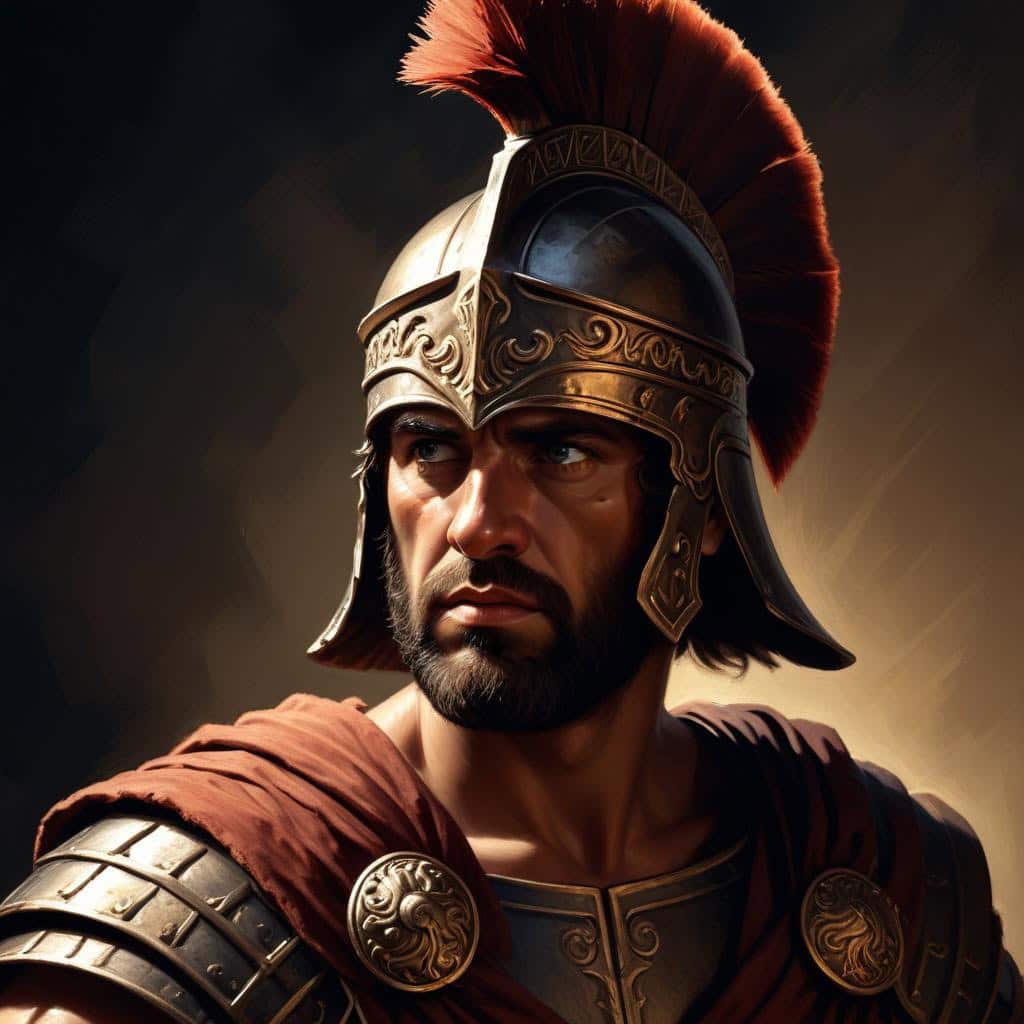
Polemarchus
Polemarchus is the son of Cephalus and takes over the argument on justice, proposing that justice is giving each their due.
Timeline of The Republic
Socrates visits the port of Athens and meets several young men, including Glaucon, Adeimantus, and Polemarchus.
Socrates is invited to Polemarchus' house, where they discuss the nature of justice.
Thrasymachus challenges Socrates' definition of justice and argues that justice is merely the advantage of the stronger.
Socrates refutes Thrasymachus' argument and continues to explore the nature of justice with his interlocutors.
Socrates introduces the concept of the philosopher-king and discusses the ideal city-state, which is ruled by philosopher-kings.
Socrates describes the four virtues of the ideal city-state: wisdom, courage, moderation, and justice.
Socrates discusses the education of the guardians and the importance of music and poetry in shaping their souls.
Socrates explains the allegory of the cave, which illustrates the journey from ignorance to knowledge.
Socrates discusses the philosopher's ascent to the Form of the Good and the ultimate goal of the philosopher-king.
Socrates concludes by emphasizing the importance of justice in both the individual and the city-state.
Vocabulary List
- Philosopher king
- Plato proposes the idea of a ruler who is wise and just, ruling in the best interest of the people.
- Allegory of the cave
- A metaphorical story used by Plato to illustrate the difference between the world of appearances and the world of reality.
- Justice
- One of the main themes of The Republic, Plato discusses the nature of justice and how it relates to the individual and the state.
- Forms
- Plato's theory that there are eternal, unchanging ideals or Forms that exist beyond the physical world.
- Noble lie
- A concept in The Republic where rulers are encouraged to deceive the population for the greater good of society.
- Guardians
- The ruling class in Plato's ideal city, trained from birth to be protectors and leaders of the state.
- Education
- Plato emphasizes the importance of a well-rounded education in shaping the character of individuals and society as a whole.
- Democracy
- Plato criticizes democracy in The Republic, arguing that it can lead to tyranny and instability.
- Virtue
- Plato discusses the importance of cultivating virtues such as wisdom, courage, moderation, and justice.
- The Good
- Plato's ultimate Form, representing the highest truth and the source of all other Forms.
Key Facts
This is the information used in the fact matching game
- The Republic is a Socratic dialogue written by Plato around 380 BCE.
- The Republic discusses justice, the nature of the ideal state, and the philosopher's role in society.
- The main character in The Republic is Socrates, who converses with various interlocutors about justice and the nature of the state.
- The Republic is divided into ten books, each focusing on different aspects of justice and the ideal state.
- In The Republic, Plato introduces the concept of the 'philosopher king' as the ideal ruler.
- Plato's allegory of the cave, found in Book VII of The Republic, explores the nature of reality and knowledge.
- The Republic criticizes democracy as a flawed form of government, advocating for rule by philosopher-kings instead.
- Plato believed that the individual should strive for the harmony of the soul, with reason ruling over the passions and desires.
- The Republic discusses the role of poetry and art in society, arguing that they should serve the interests of the state.
- Plato's theory of forms, which posits that the material world is a mere reflection of eternal, unchanging ideals, is central to The Republic.
- The Republic explores the nature of education and its role in shaping the ideal citizen.
- Plato's concept of the tripartite soul, consisting of reason, spirit, and desire, is discussed in The Republic.
- The Republic argues that the just individual is one in which reason rules over the other parts of the soul.
- Plato's idea of the noble lie, used to maintain social order and cohesion, is introduced in The Republic.
- The Republic explores the concept of the philosopher as the ideal ruler, due to their pursuit of truth and wisdom.
- Plato's theory of the divided line, used to explain levels of reality and knowledge, is introduced in The Republic.
- The Republic argues that the ideal state should be organized into classes based on natural aptitudes and abilities.
- Plato's concept of the philosopher as the lover of wisdom is central to The Republic.
- The Republic discusses the nature of justice and its application in both the individual and the state.
- Plato's theory of knowledge, which distinguishes between opinion and true belief, is discussed in The Republic.
Analysis & Significance
Impact on Literature
Plato’s ‘The Republic’ is a cornerstone of Western philosophy and political theory, influencing countless works of literature that followed. Its exploration of justice, governance, and the ideal society continues to inspire writers and thinkers across various genres.
Enduring Themes
The timeless themes of justice, truth, and the nature of reality explored in ‘The Republic’ still resonate with modern audiences. Questions about the role of the individual in society and the pursuit of knowledge are as relevant today as they were in ancient Greece.
Cultural Significance Today
‘The Republic’ remains a foundational text in philosophy and political thought, with its ideas shaping contemporary debates on democracy, education, and ethics. The work has been adapted into various forms, from plays to films, showcasing its enduring cultural relevance and continued impact on society.
The Republic Games


Take Your Learning Offline
Want a convenient, print-ready study guide for this lesson? Become a Memory Wizards Pro member to unlock the downloadable " Memory Scrolls" for this topic and our entire library!
- ✓ Complete Vocabulary Lists
- ✓ Key Facts & Timelines
- ✓ Beautifully Formatted for Print & Mobile