
How Do You Learn Best?
Learn by Reading
Immerse yourself in the 10-minute visual lesson for a comprehensive understanding of the topic.
Learn by Reviewing
Jump directly to the key facts, timeline, and vocabulary lists to build a solid foundation of details.
Learn by Doing
Challenge yourself! Jump straight into the interactive games to learn by trial, error, and discovery.
Symposium in 10 Minutes
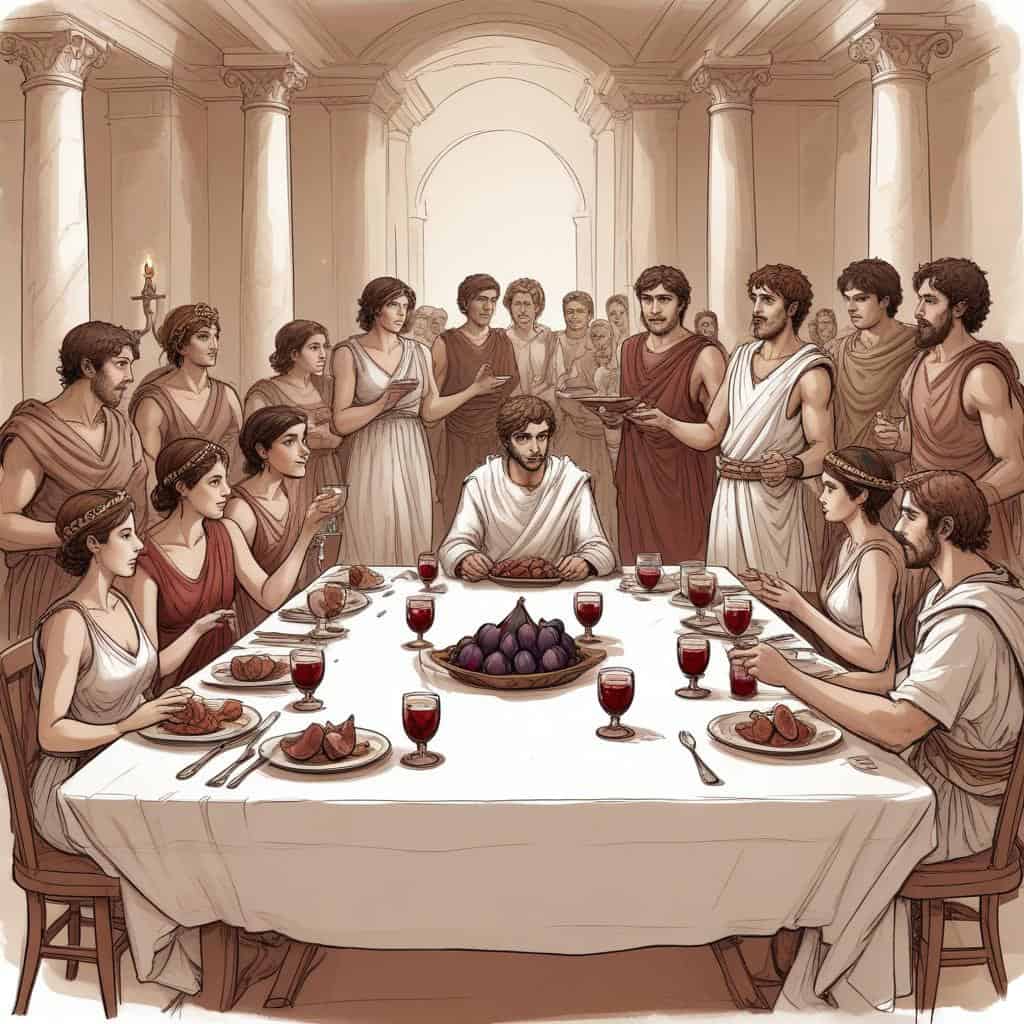
Introduction
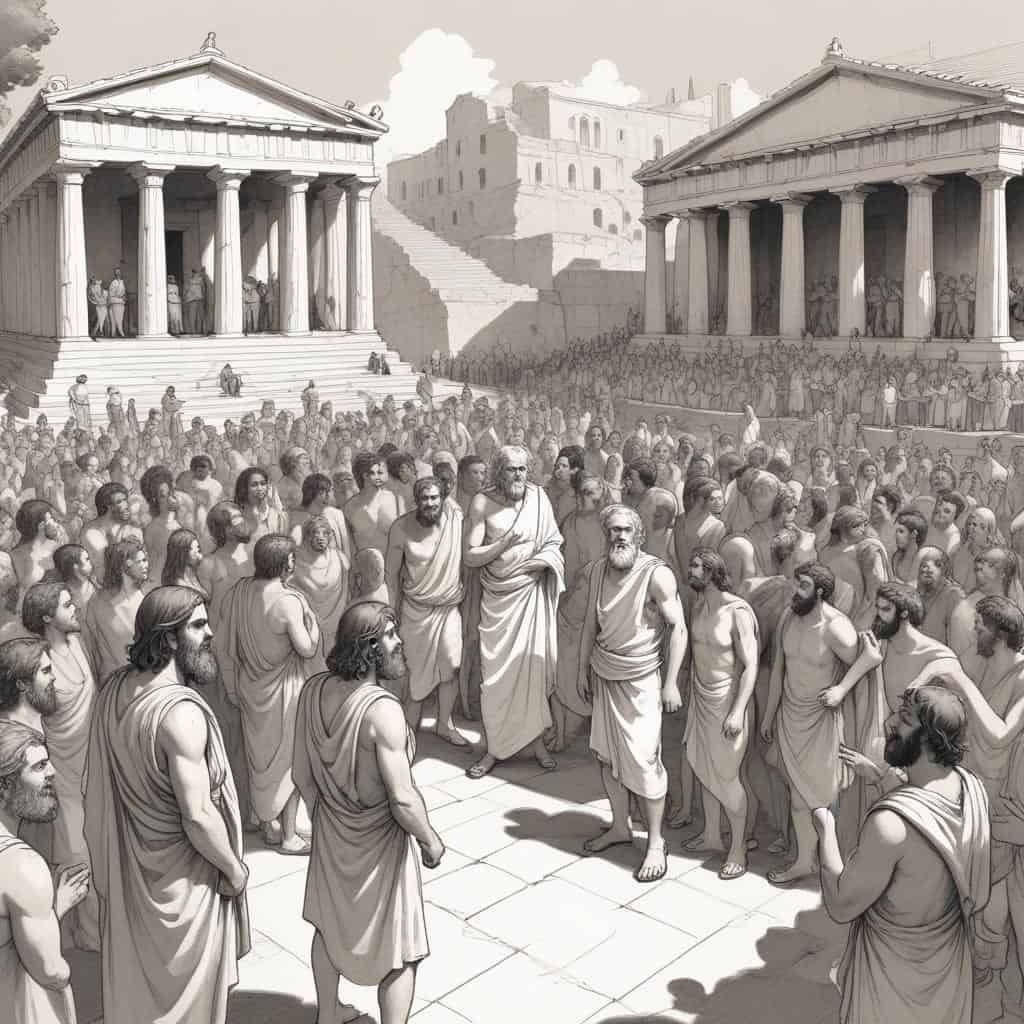
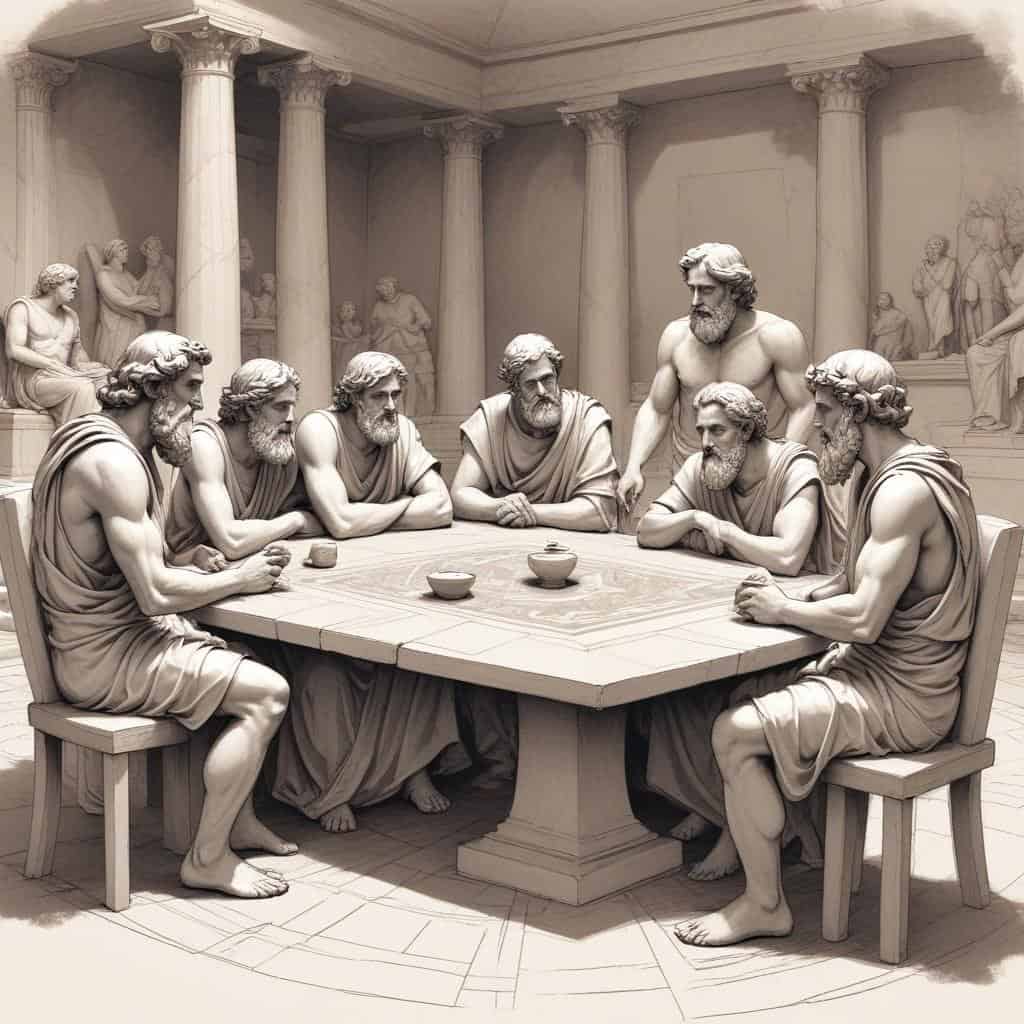
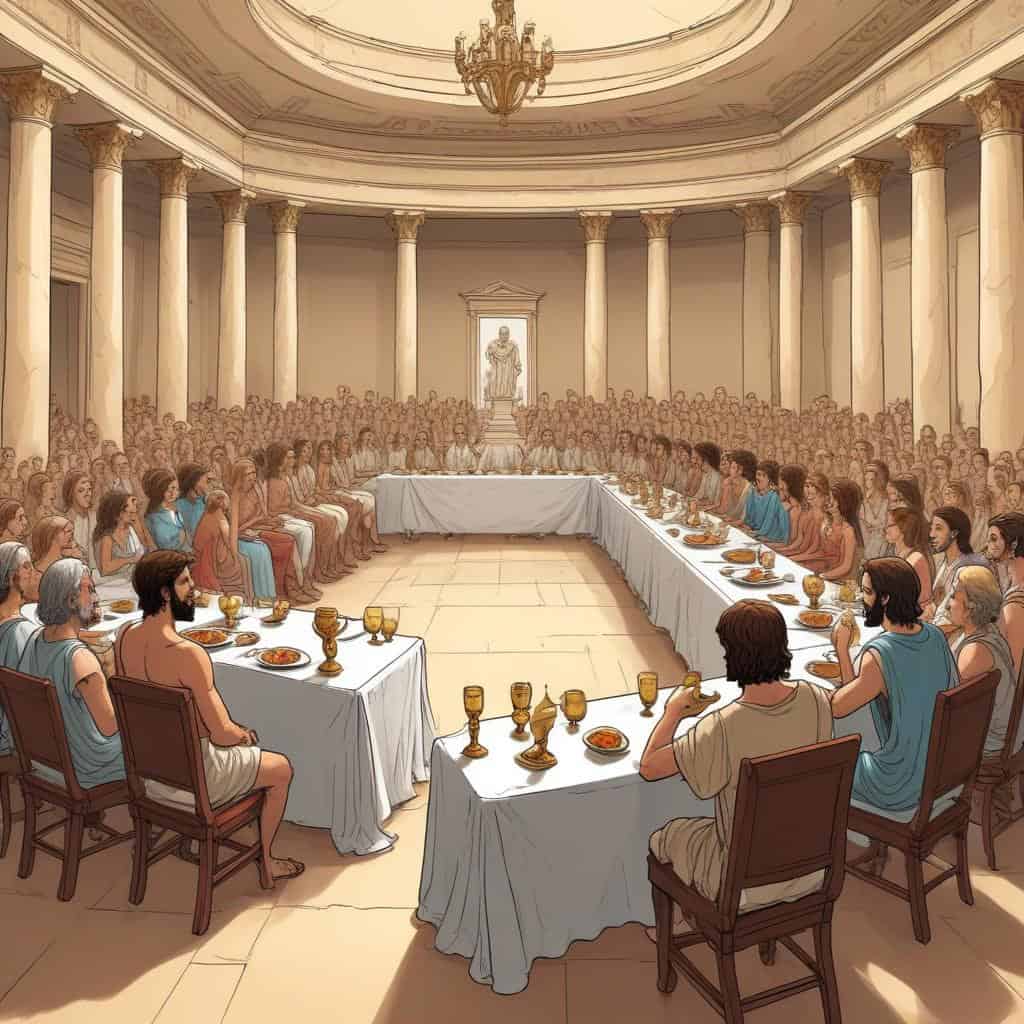
Alcibiades
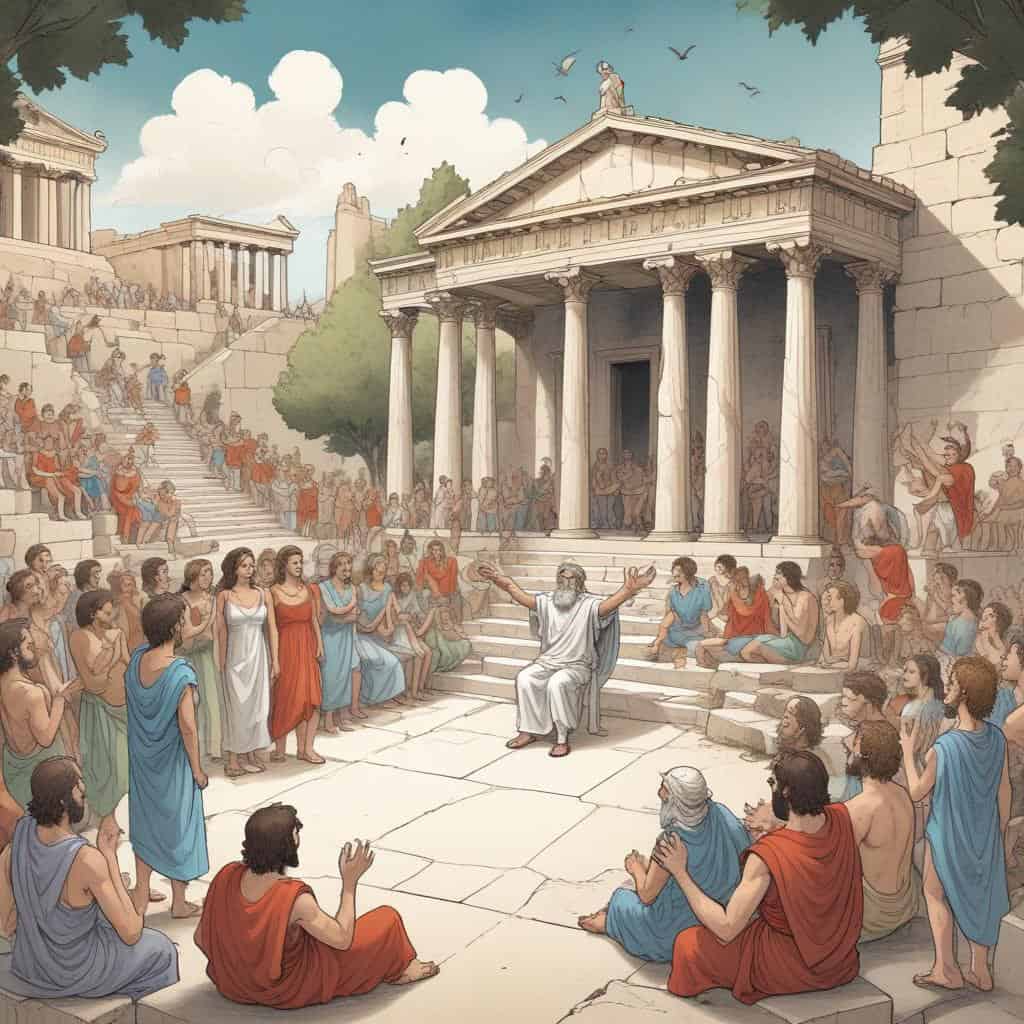
Aristophanes

Agathon

Diotima
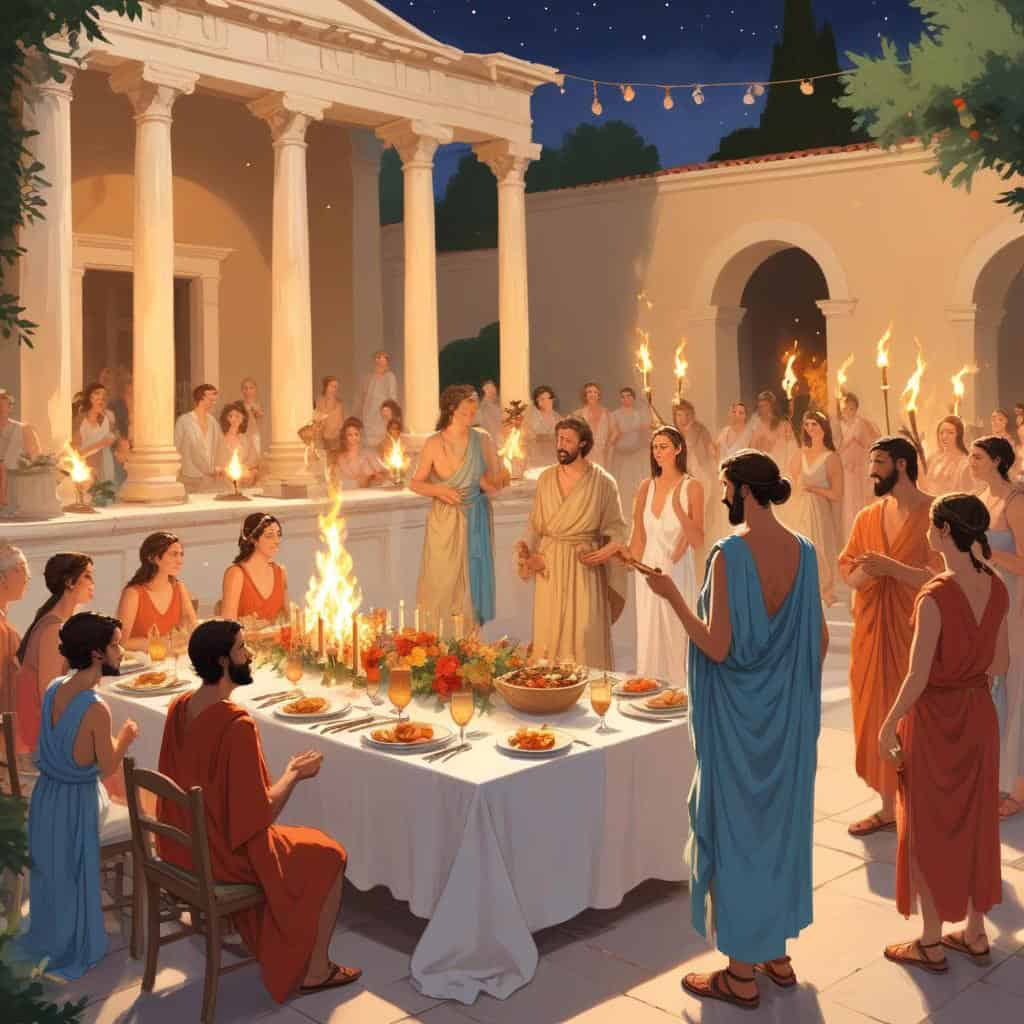
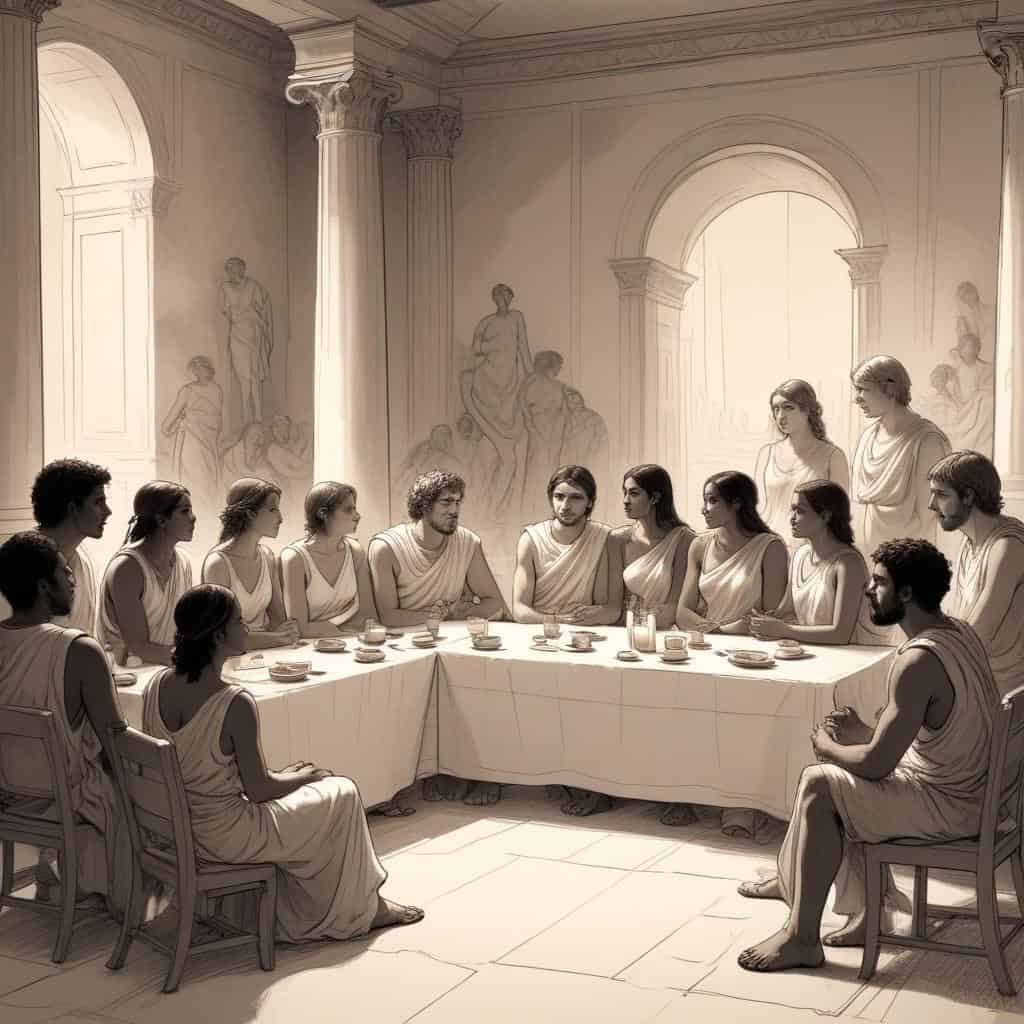
The Arrival of the Guests

The Speeches on Love
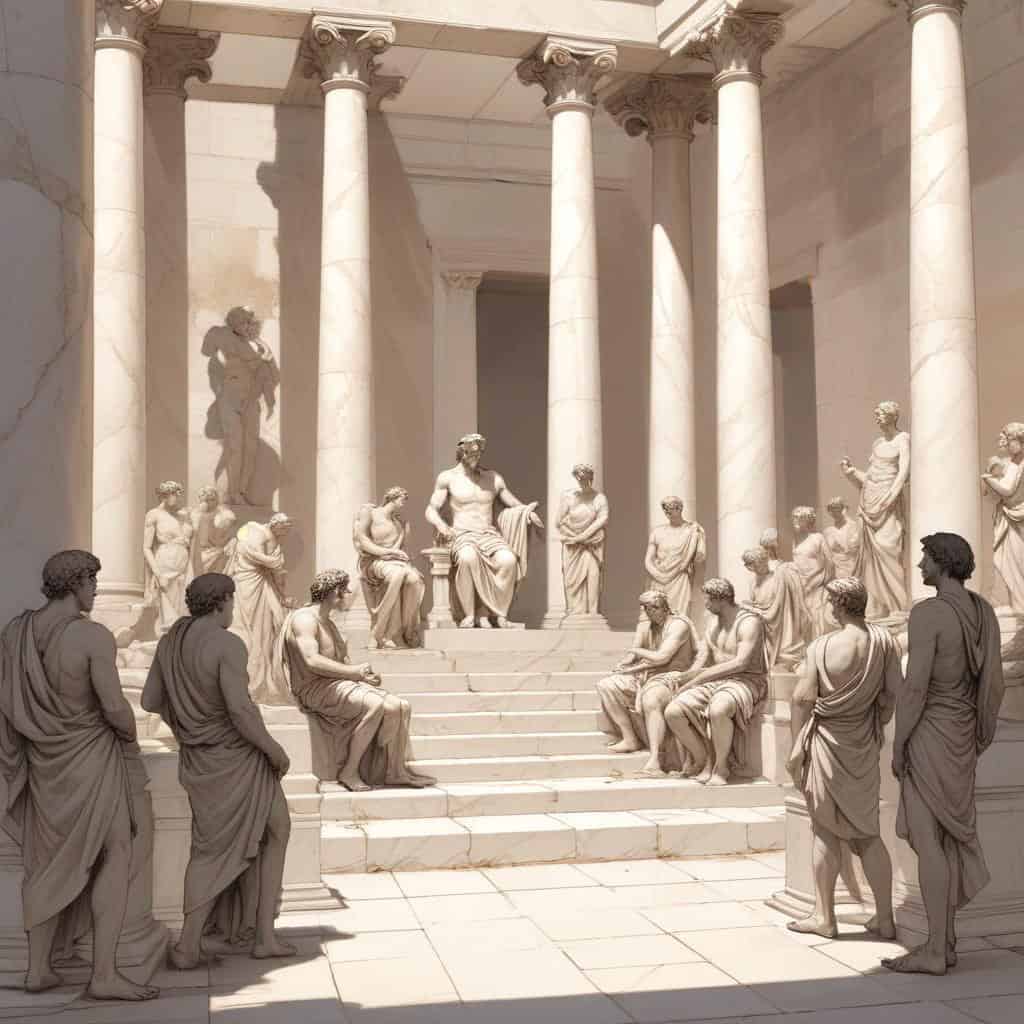
The Speech of Phaedrus

The Speech of Pausanias

The Speech of Eryximachus
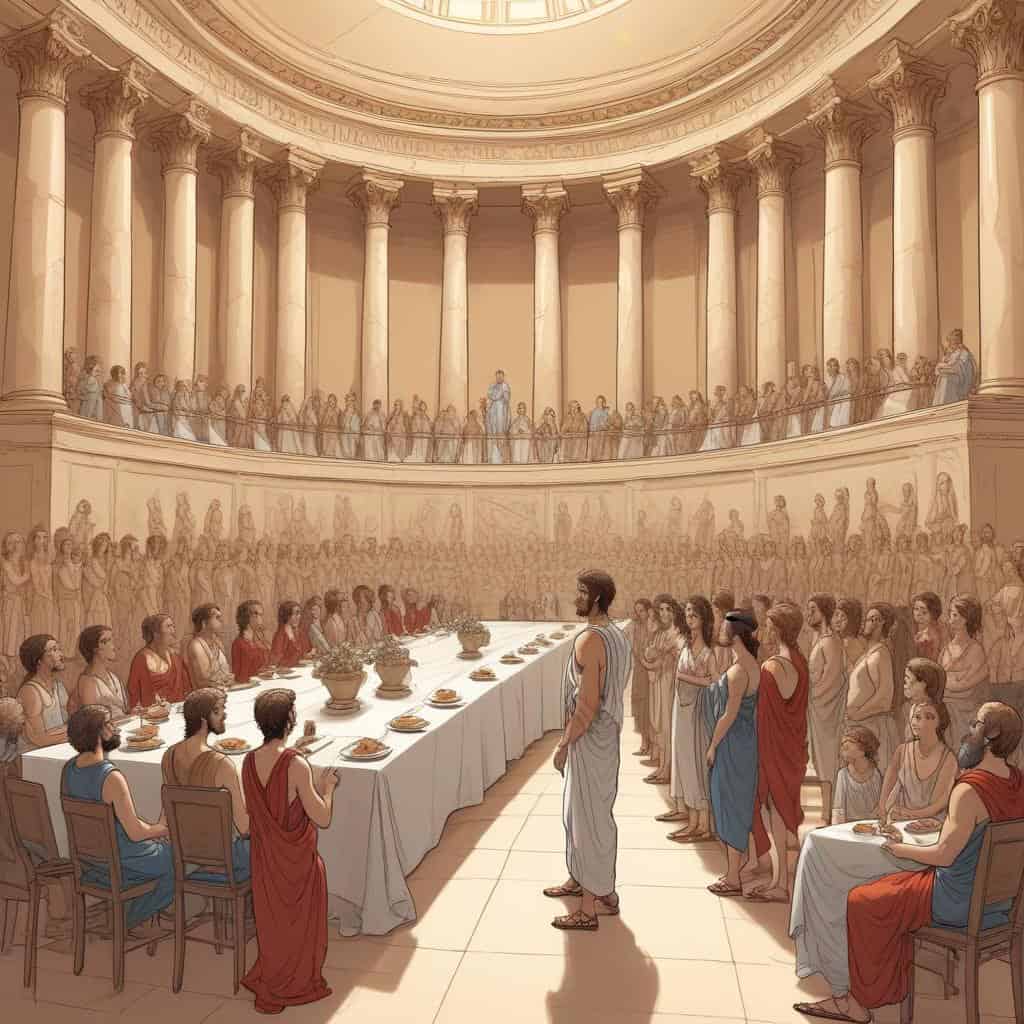
The Speech of Aristophanes
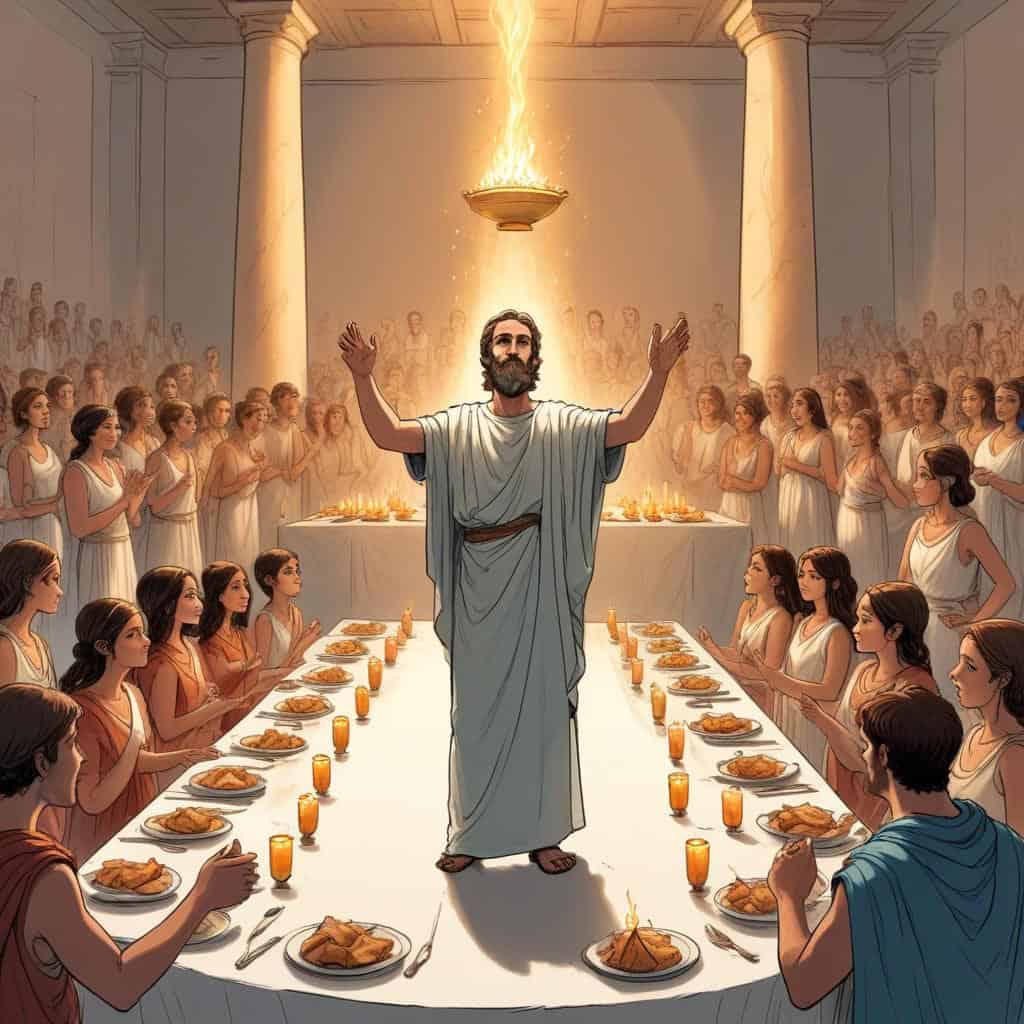
The Speech of Agathon
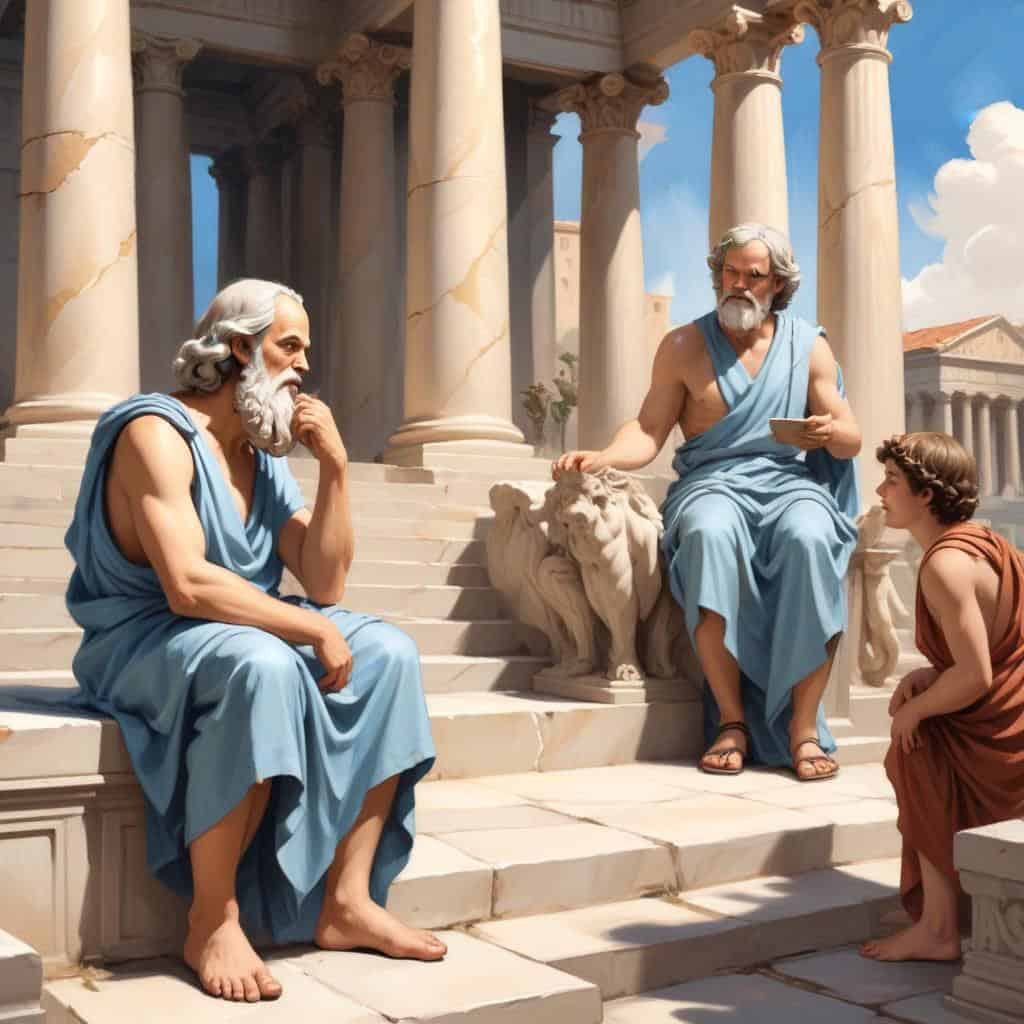
The Speech of Socrates
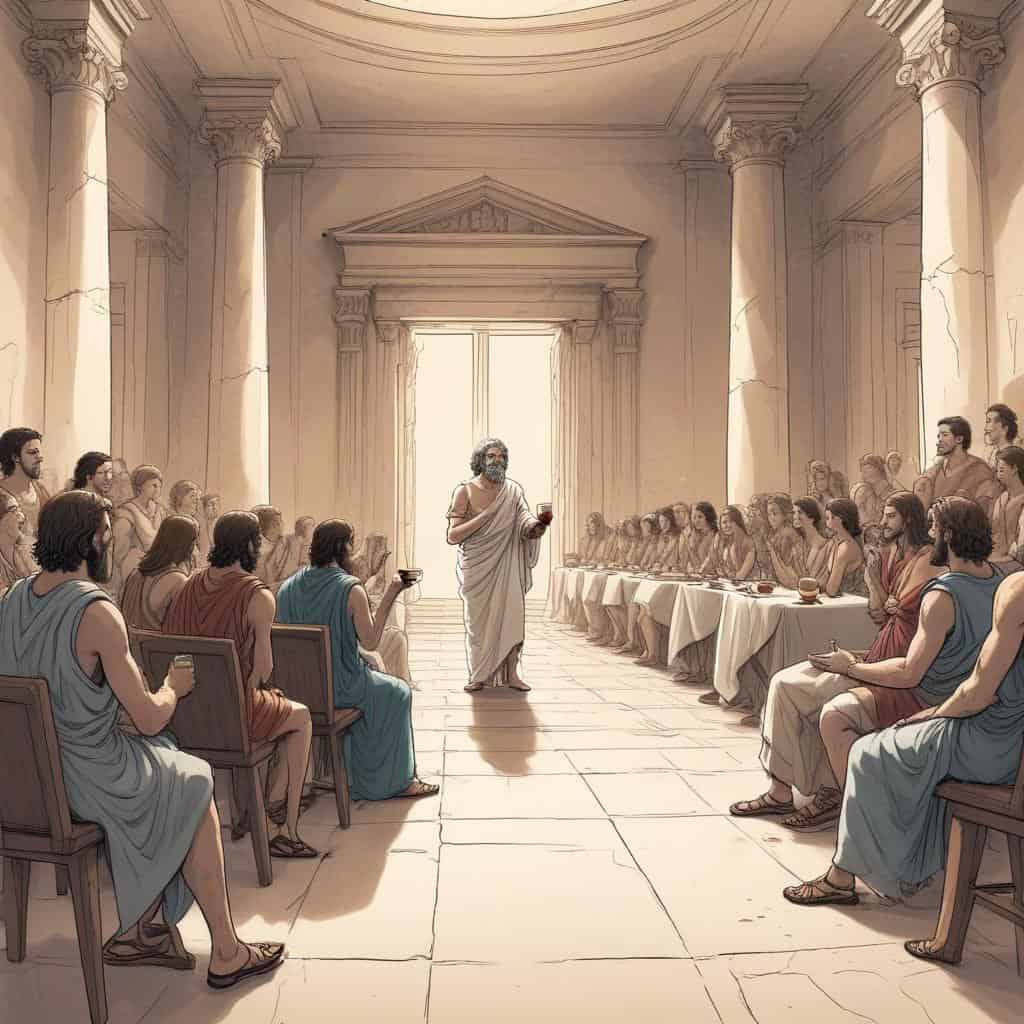
The Interruption of Alcibiades
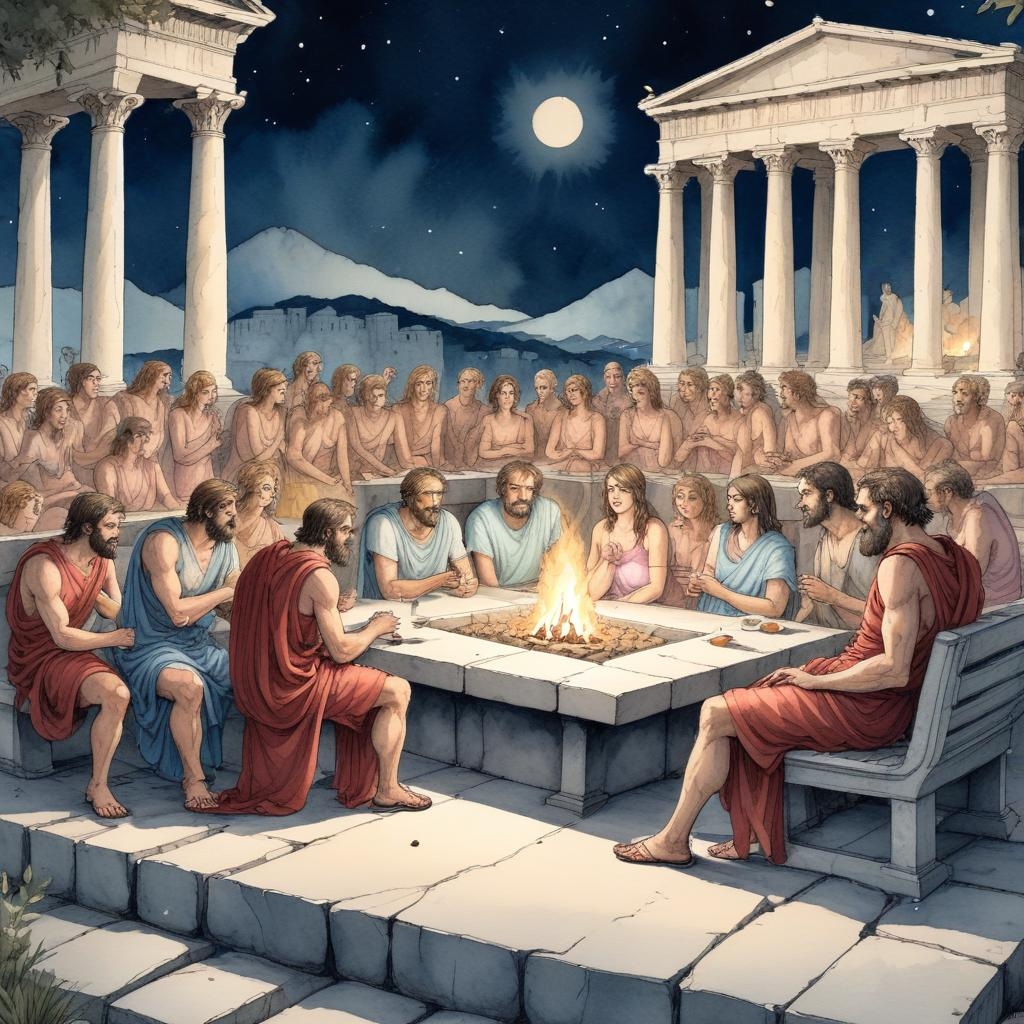
The Aftermath of the Party
Lesson Details & Resources
In a Nutshell
- What: ‘Symposium’ by Plato
- When: Written in the Classical Greek period
- Who: Socrates, Aristophanes, Agathon
- Theme: Love and the nature of love
List of Characters in Symposium
-
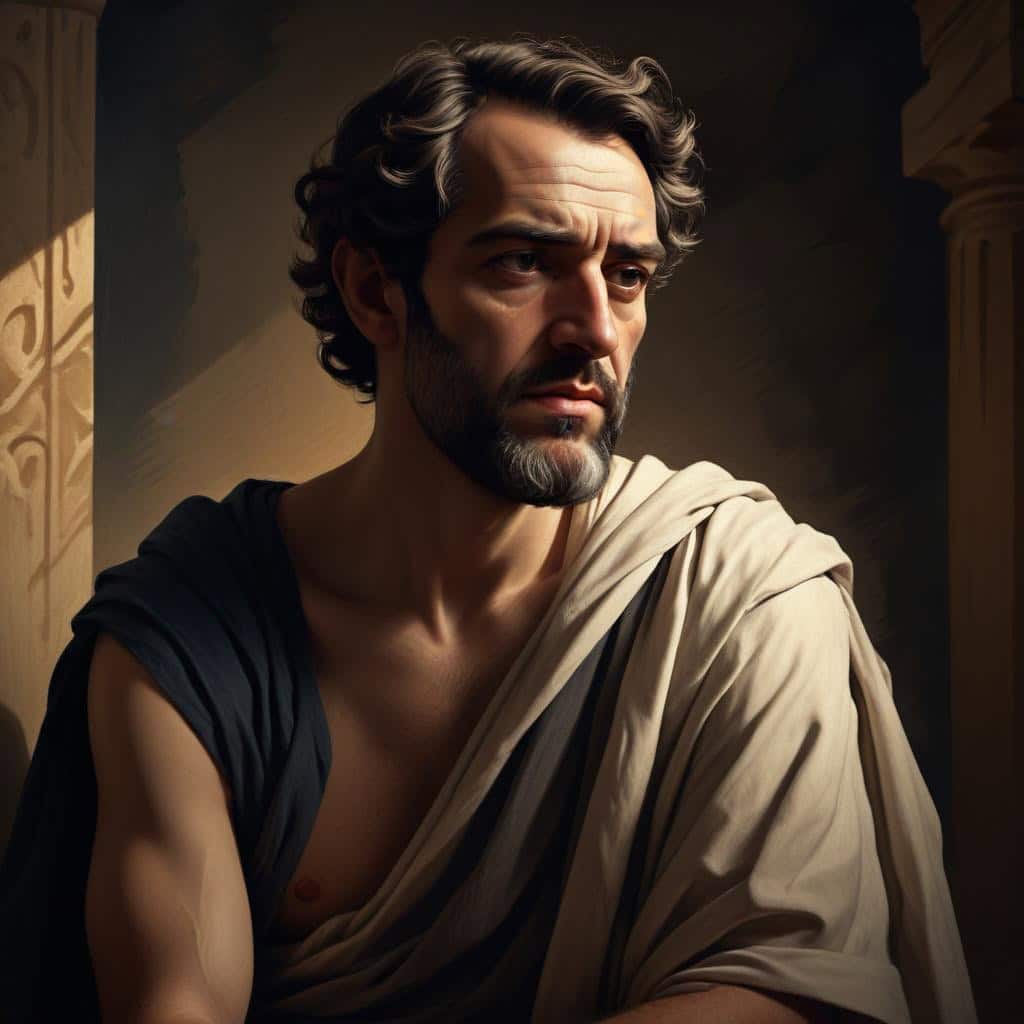
Socrates
Socrates is the central figure in the dialogue, known for his questioning and wisdom.
-
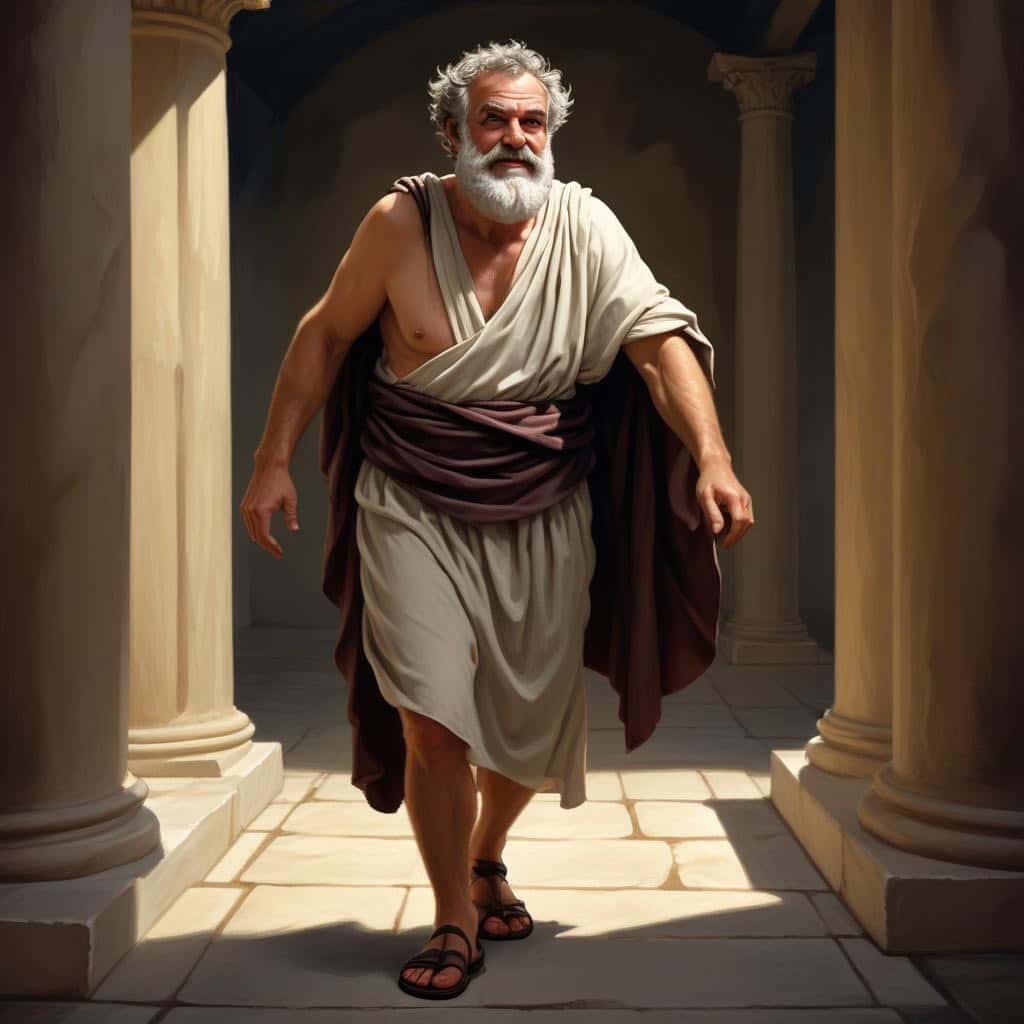
Aristophanes
Aristophanes is a famous playwright who presents a humorous speech about love.
-
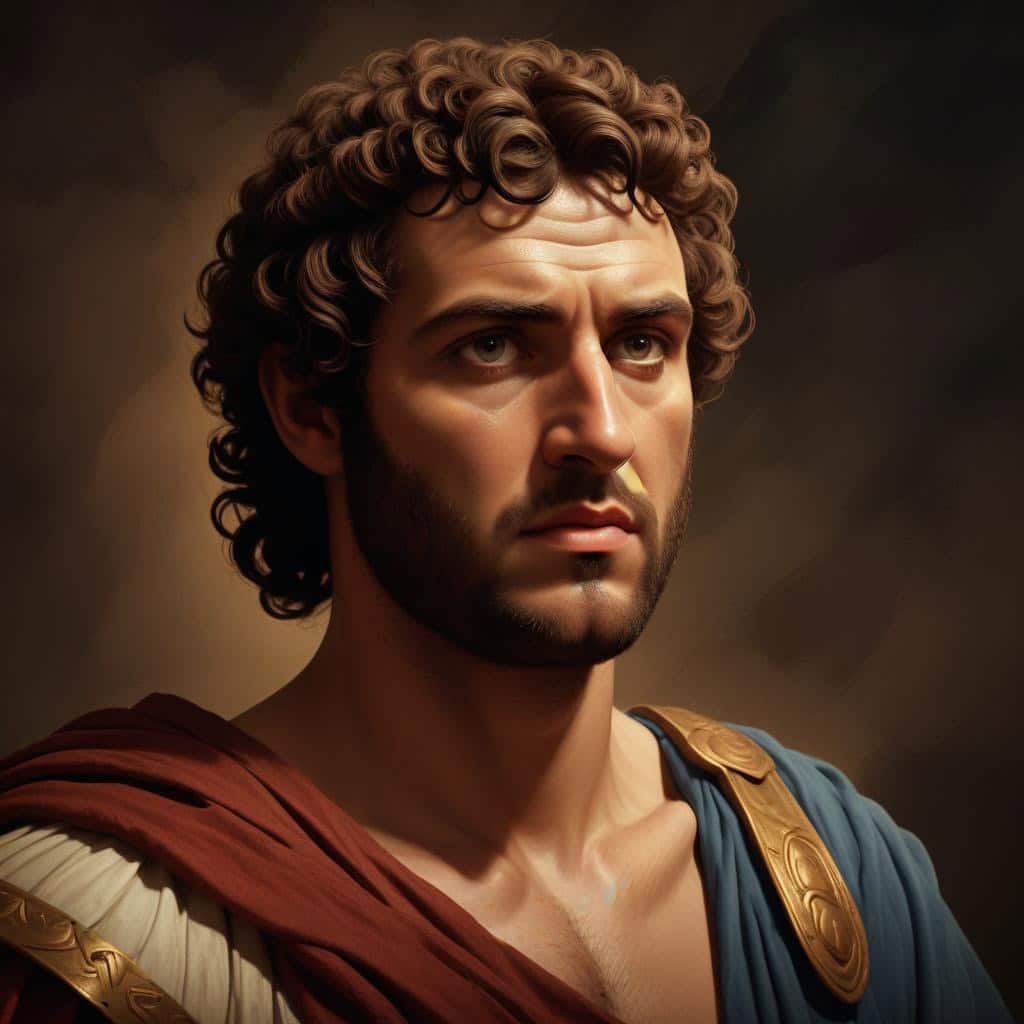
Alcibiades
Alcibiades is a prominent Athenian statesman and military leader who gives a speech praising Socrates.
-

Agathon
Agathon is a young and handsome tragic poet who hosts the symposium.
-
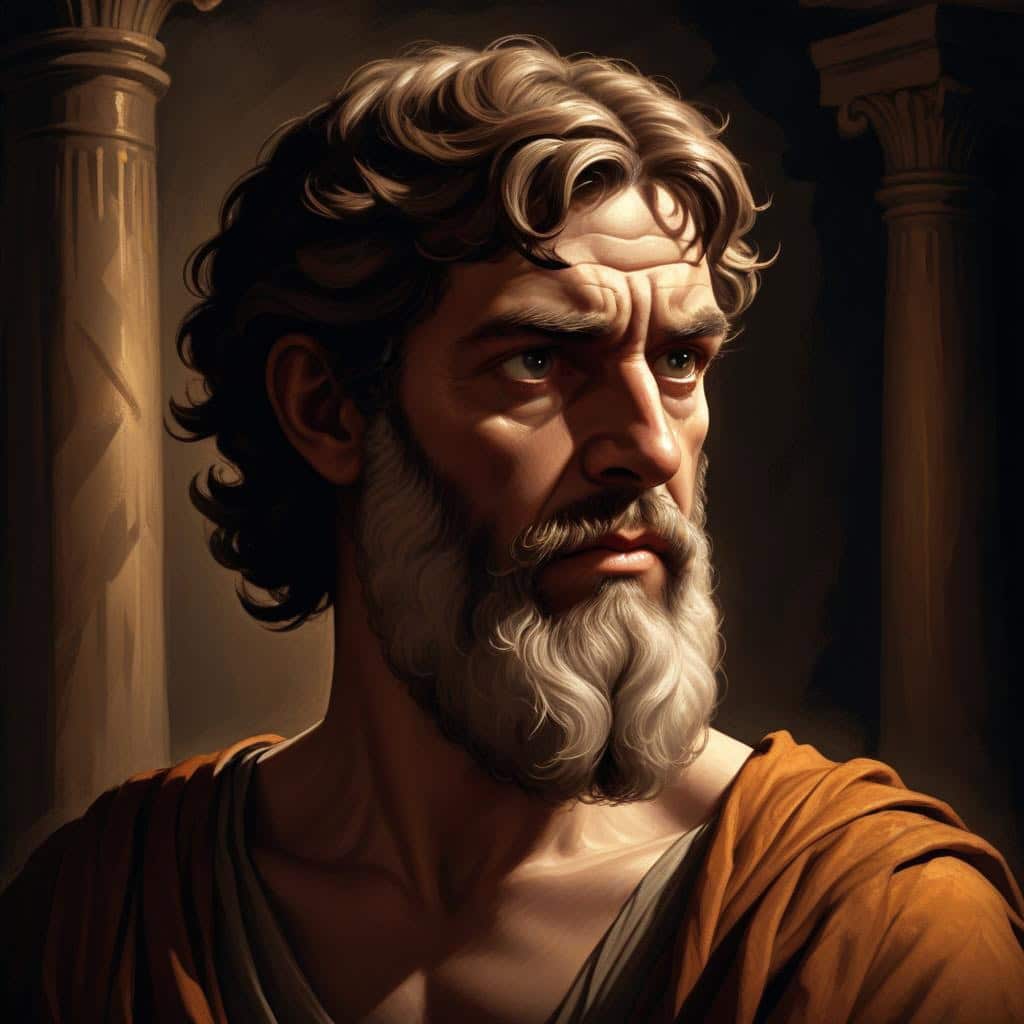
Phaedrus
Phaedrus is a young man who gives the opening speech on love.
-
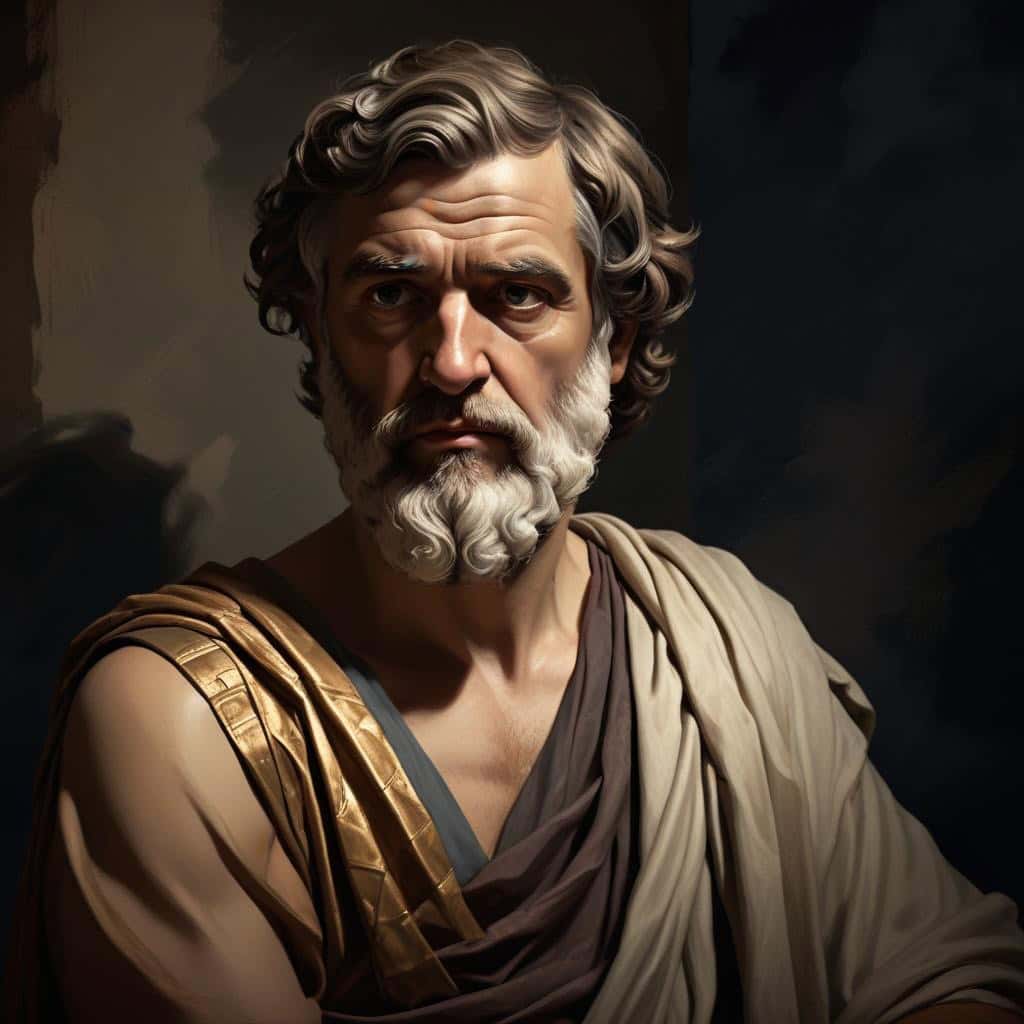
Pausanias
Pausanias is a legal expert who gives a speech on the nature of love.
-
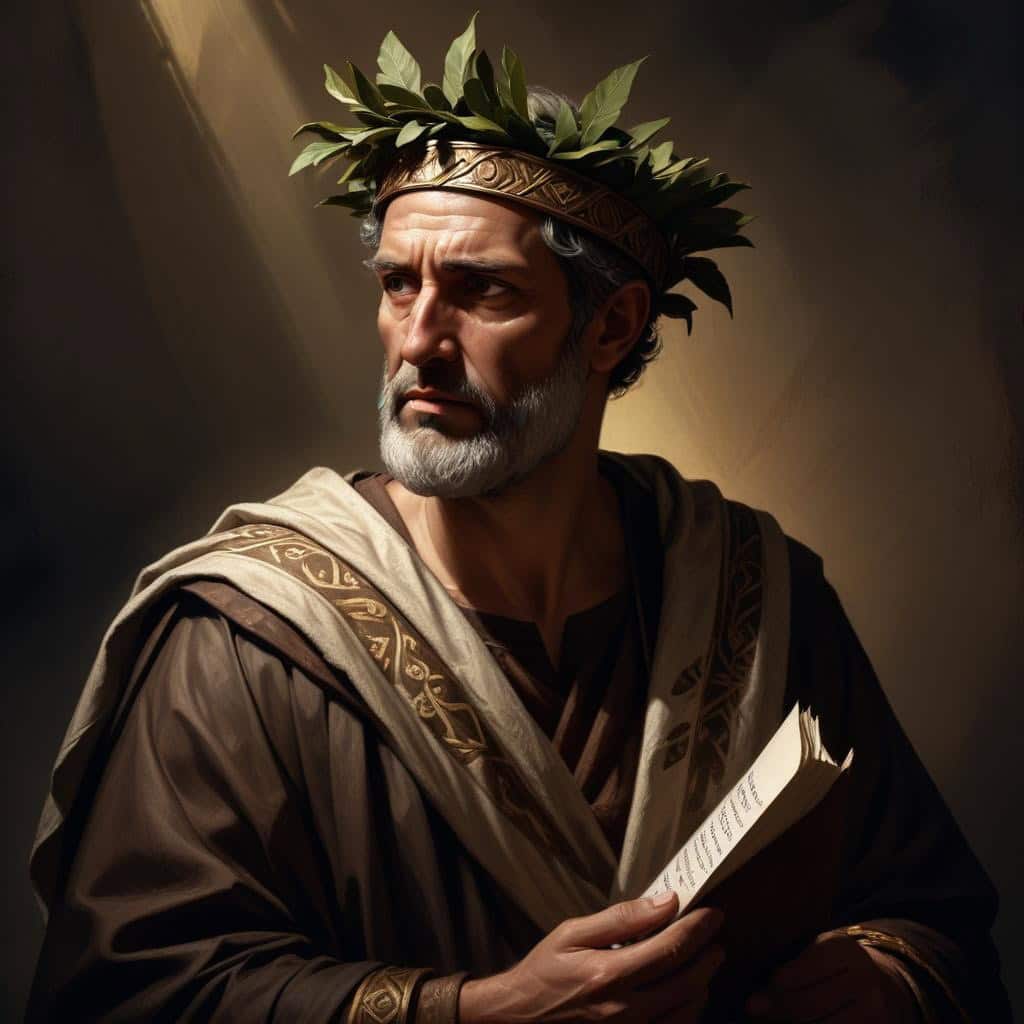
Eryximachus
Eryximachus is a physician who gives a speech on the role of love in medicine.
Timeline of Symposium
Agathon hosts a drinking party to celebrate his victory in a dramatic competition
Socrates arrives late to the party and joins the other guests
The guests begin discussing the nature of love and its various forms
Each guest gives a speech on love, including Phaedrus, Pausanias, Eryximachus, Aristophanes, Agathon, and Socrates
Alcibiades arrives at the party and gives a speech praising Socrates
Socrates gives a final speech on love, based on his conversation with Diotima
The party ends and the guests depart
Vocabulary List
- Eros
- The god of love and desire, discussed extensively in Symposium.
- Agathon
- A young and handsome tragic poet who hosts the symposium in his home.
- Diotima
- A wise woman who teaches Socrates about the nature of love and beauty.
- Phaedrus
- A young man who gives the first speech on love at the symposium.
- Aristophanes
- A comic playwright who gives a speech on the origin of love in Symposium.
- Alcibiades
- A prominent Athenian statesman who interrupts the symposium and praises Socrates.
- Pausanias
- A young man who gives a speech on the nature of love in Symposium.
- Socrates
- The central figure in Symposium who engages in dialogue with other guests about the nature of love.
- Platonic love
- A type of love that is non-sexual and based on intellectual connection, discussed in Symposium.
- Symposium
- A philosophical text by Plato that explores the nature of love through a series of speeches at a drinking party.
Key Facts
This is the information used in the fact matching game
- Symposium is a philosophical text written by Plato in the 4th century BC.
- The Symposium is a dialogue that takes place at a drinking party hosted by Agathon, a young tragedian.
- The main focus of the Symposium is on the nature of love, particularly romantic love and its relationship to beauty and truth.
- The characters in the Symposium include Socrates, Aristophanes, Agathon, Pausanias, Eryximachus, Phaedrus, and Alcibiades.
- Each character in the Symposium delivers a speech on the topic of love, exploring different aspects and interpretations of the concept.
- One of the speeches in the Symposium is delivered by Aristophanes, who presents a mythological account of the origin of love.
- Socrates' speech in the Symposium is delivered through the character of Diotima, a priestess and philosopher, who provides a unique perspective on love as a ladder of ascent to wisdom.
- The Symposium is considered one of Plato's major works and is highly regarded for its philosophical insights and literary style.
- The Symposium explores the idea of love as a form of divine madness that leads to the pursuit of higher truths and beauty.
- The structure of the Symposium, with its series of speeches on love, reflects the symposiastic tradition of philosophical discussion and debate during ancient Greek drinking parties.
- The Symposium is written in the form of a dramatic dialogue, with characters engaging in conversation and debate on the nature of love and its role in human life.
- Plato's Symposium has been a source of inspiration for numerous literary works, films, and artistic interpretations exploring the theme of love and beauty.
- The Symposium has been widely studied by scholars and philosophers for its complex analysis of love and its relationship to ethics, politics, and metaphysics.
- The Symposium is considered one of the foundational texts of Western philosophy and has had a lasting influence on the development of ethical and political thought.
- The Symposium challenges traditional notions of love and beauty, proposing a more nuanced and philosophical understanding of these concepts.
- The Symposium raises questions about the nature of desire, friendship, and the pursuit of wisdom, prompting readers to reflect on their own beliefs and values.
- Plato's Symposium is part of a larger body of works known as the Platonic dialogues, which explore various philosophical themes through the conversations and debates of different characters.
- The Symposium has been interpreted in different ways over the centuries, with scholars offering diverse perspectives on its meaning and significance in the history of philosophy.
- The Symposium remains a popular text for classroom study and academic research, attracting students and scholars interested in the intersections of literature, philosophy, and cultural history.
- The Symposium continues to be a source of debate and discussion among scholars and readers, who grapple with its complex ideas and interpretations of love, beauty, and truth.
Analysis & Significance
Impact on Literature
Plato’s ‘Symposium’ has had a profound impact on literature, particularly in the realm of philosophy and ethics. Its exploration of love, beauty, and the nature of existence has inspired countless works of fiction and non-fiction, influencing the way authors approach complex themes in their writing.
Enduring Themes
The timeless themes of love, desire, and the pursuit of knowledge explored in ‘Symposium’ still resonate with modern audiences. The work’s discussions on the nature of love and the search for truth continue to be relevant in today’s society, making it a classic piece of literature that remains widely studied and discussed.
Cultural Significance Today
‘Symposium’ continues to hold cultural significance today, with adaptations in various art forms such as plays, films, and even music. Its legacy as a thought-provoking and influential work of philosophy ensures that it will be remembered and studied for generations to come, solidifying its place in the literary canon.
Symposium Games


Take Your Learning Offline
Want a convenient, print-ready study guide for this lesson? Become a Memory Wizards Pro member to unlock the downloadable " Memory Scrolls" for this topic and our entire library!
- ✓ Complete Vocabulary Lists
- ✓ Key Facts & Timelines
- ✓ Beautifully Formatted for Print & Mobile