
How Do You Learn Best?
Learn by Reading
Immerse yourself in the 10-minute visual lesson for a comprehensive understanding of the topic.
Learn by Reviewing
Jump directly to the key facts, timeline, and vocabulary lists to build a solid foundation of details.
Learn by Doing
Challenge yourself! Jump straight into the interactive games to learn by trial, error, and discovery.
Phaedo in 10 Minutes
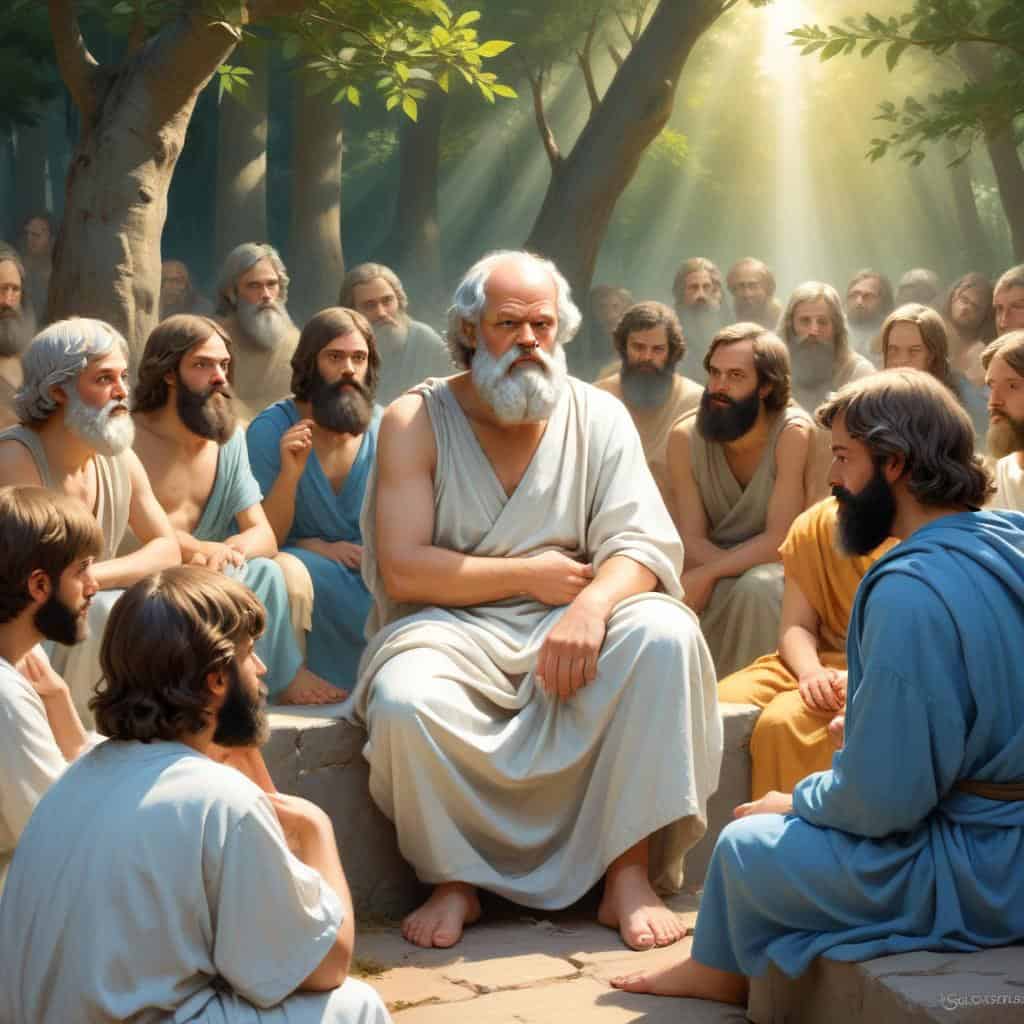
Introduction
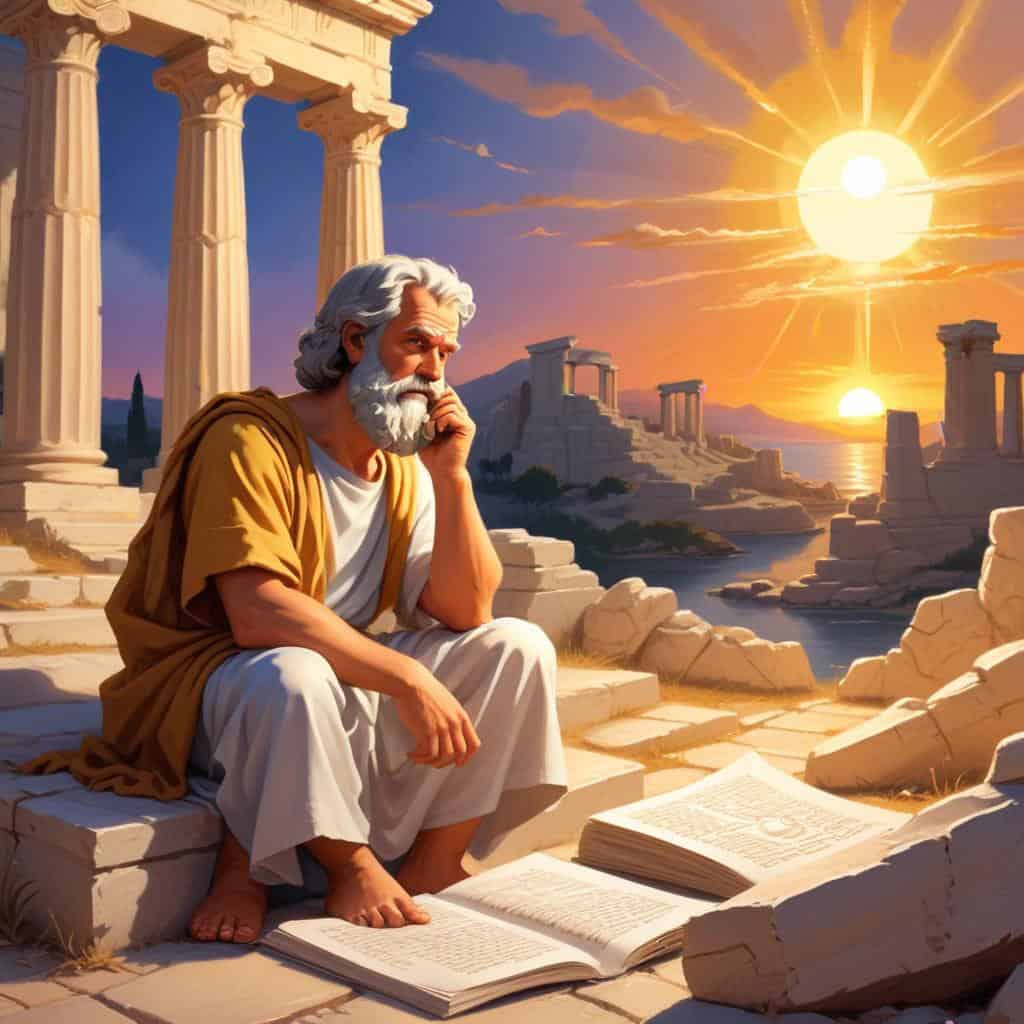


Socrates

Phaedo

Simmias

Cebes
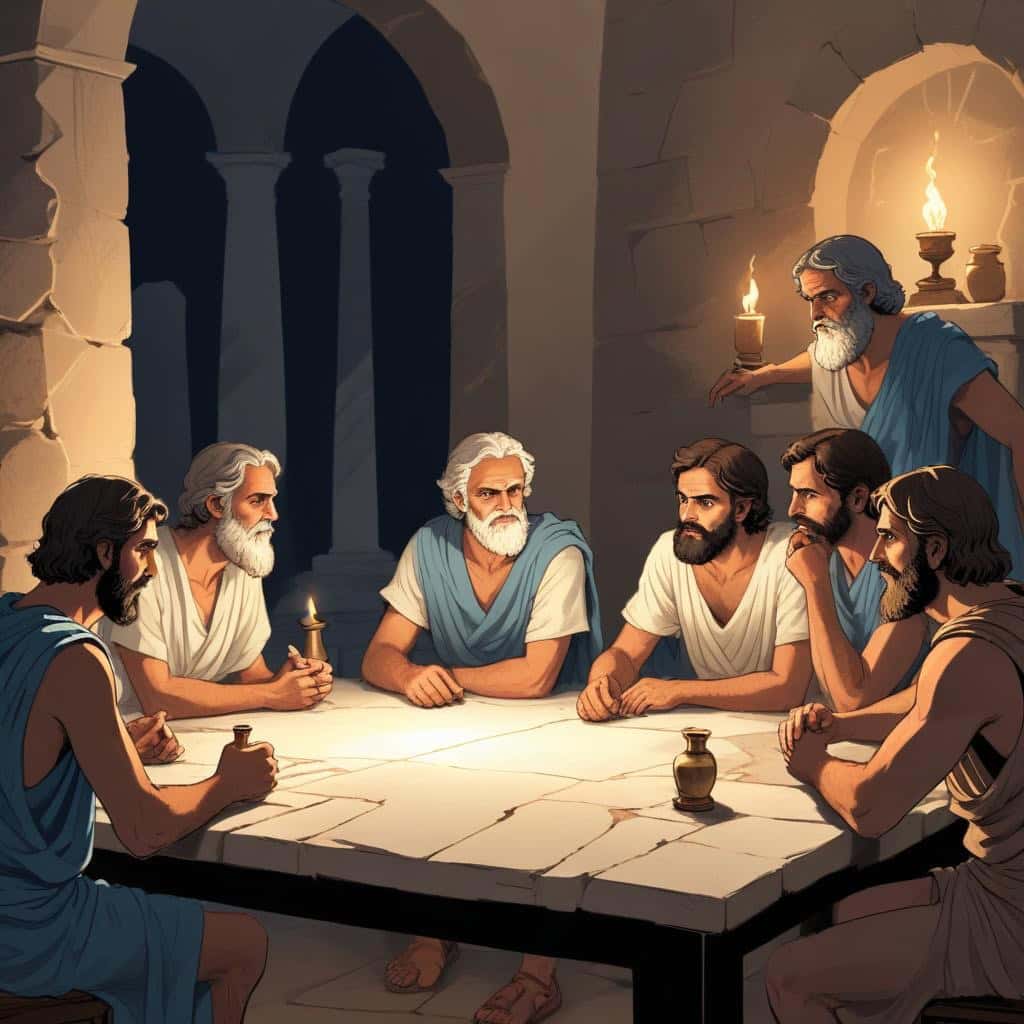
Echecrates
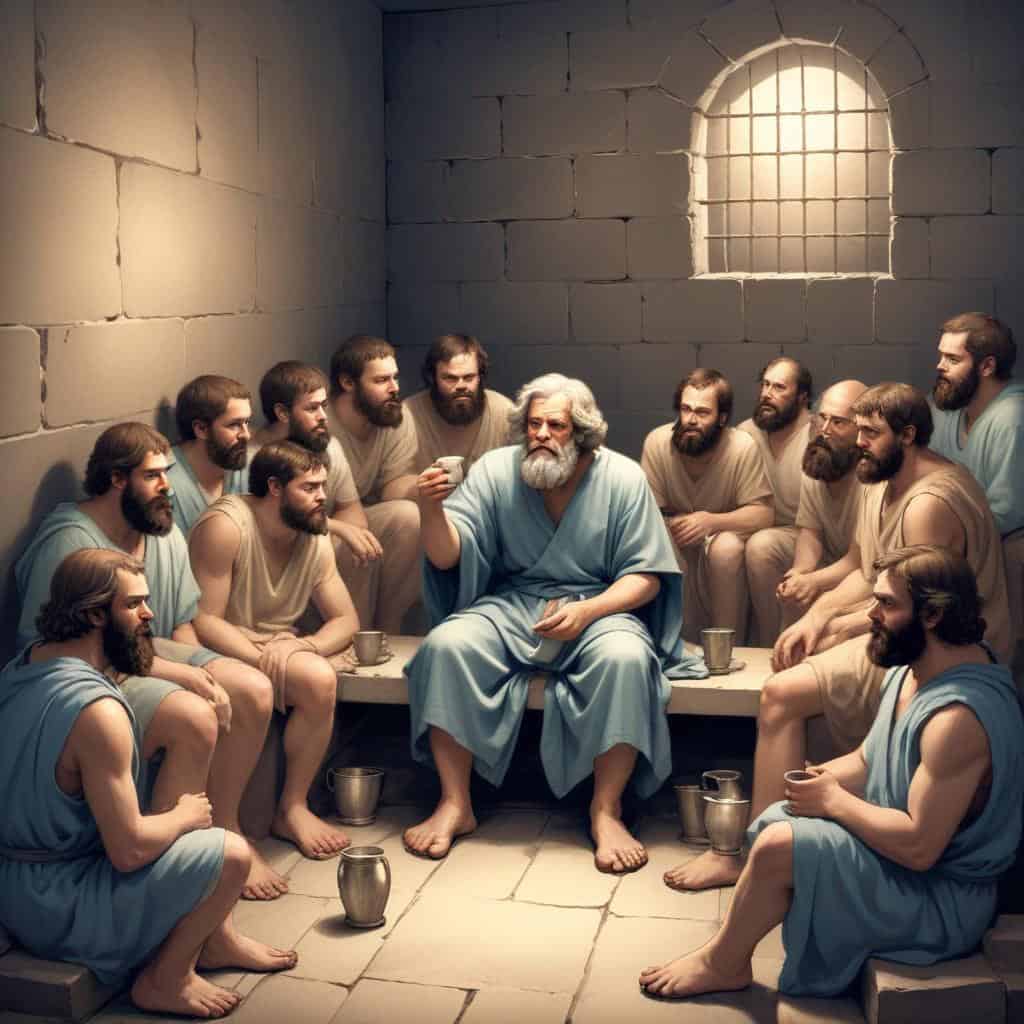
1. Socrates awaits his execution
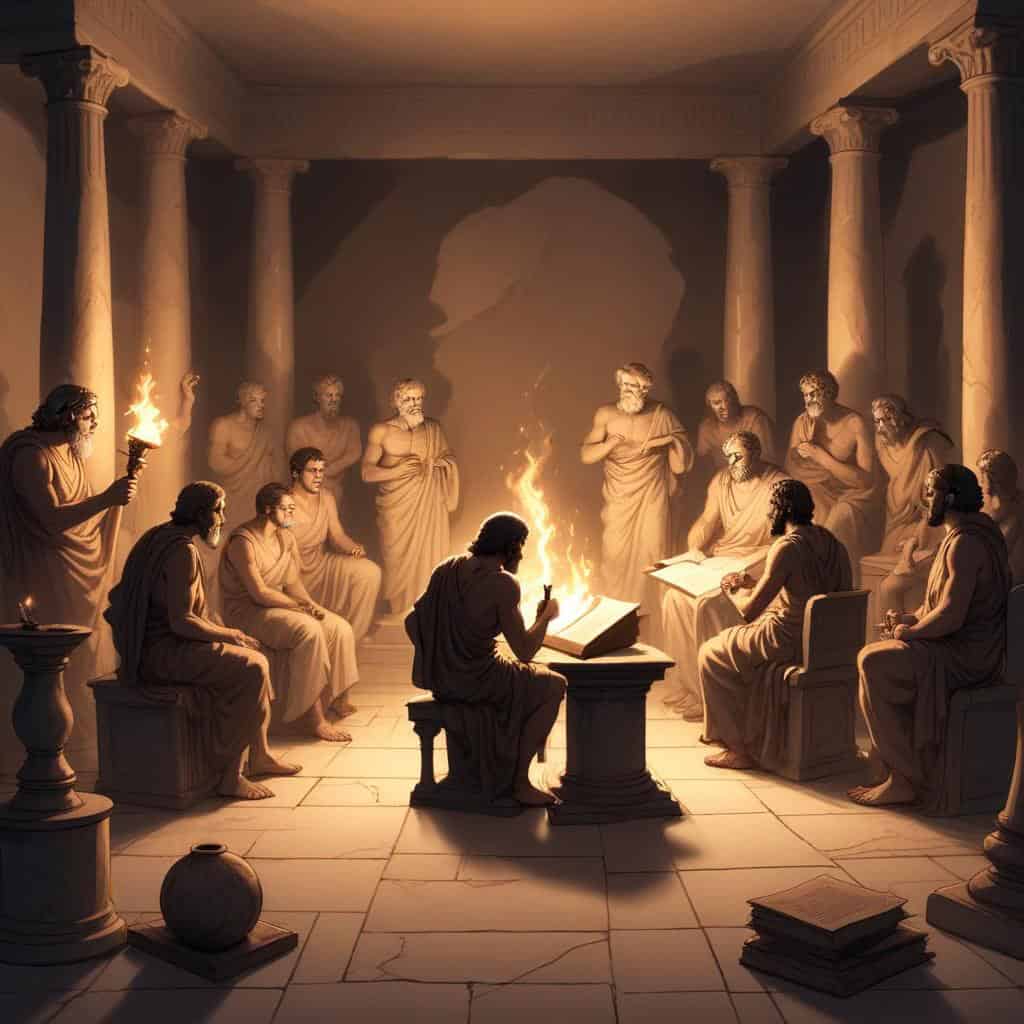
2. The immortality of the soul
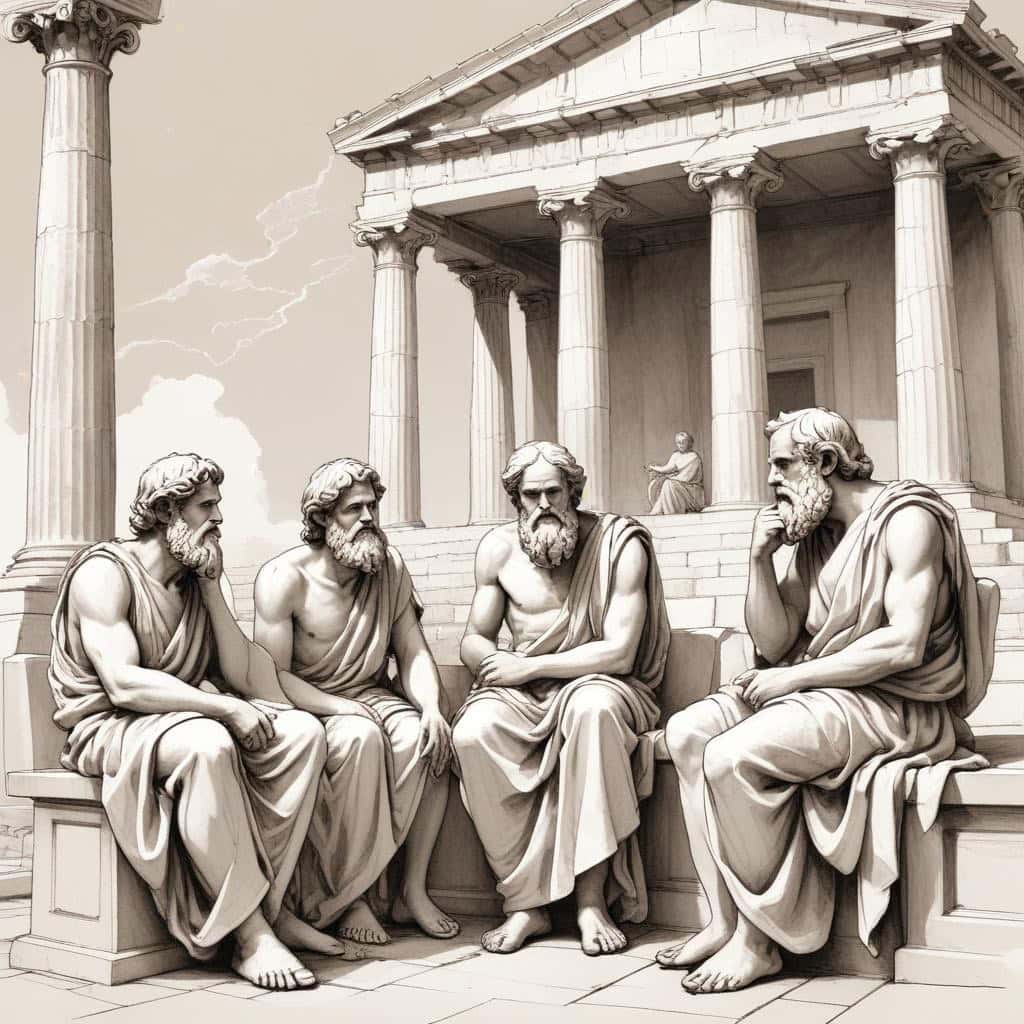
3. The theory of recollection
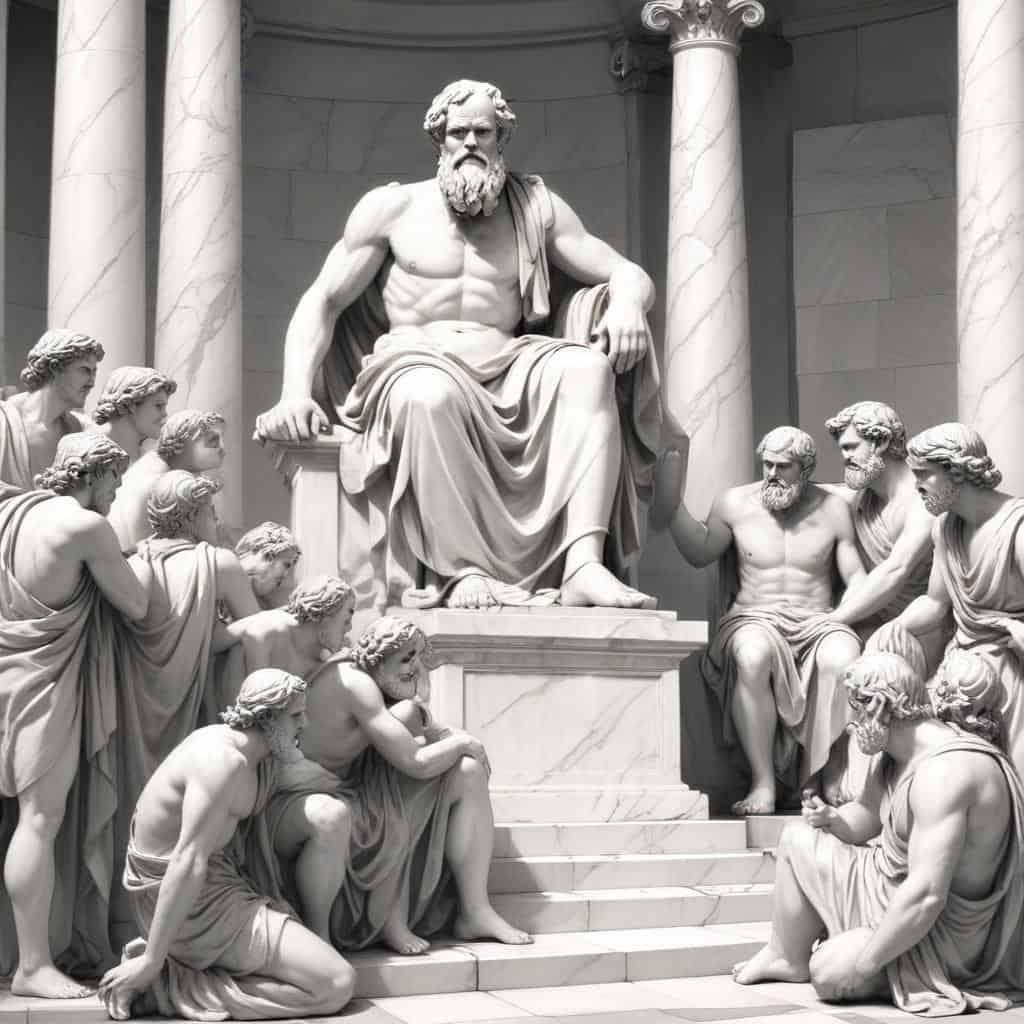
4. The nature of reality
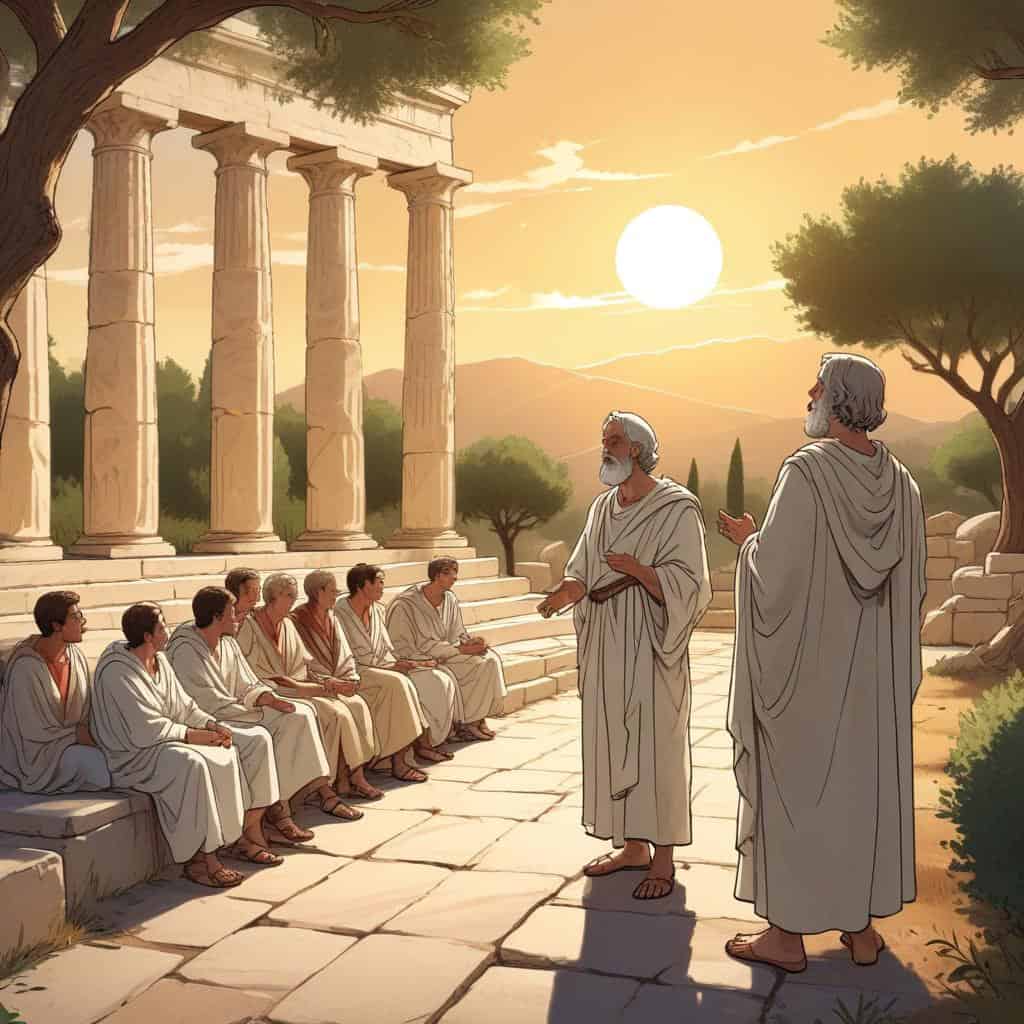
5. The philosophers duty
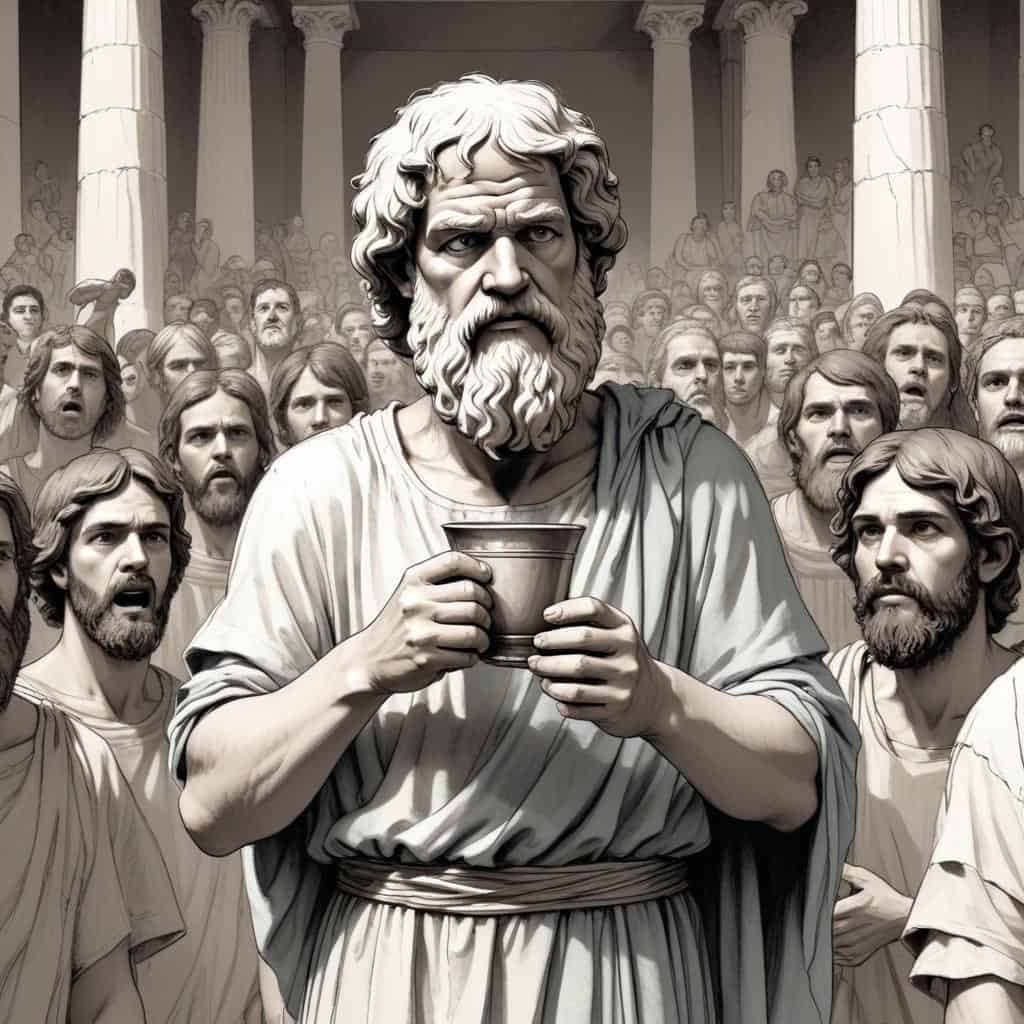
6. The execution of Socrates
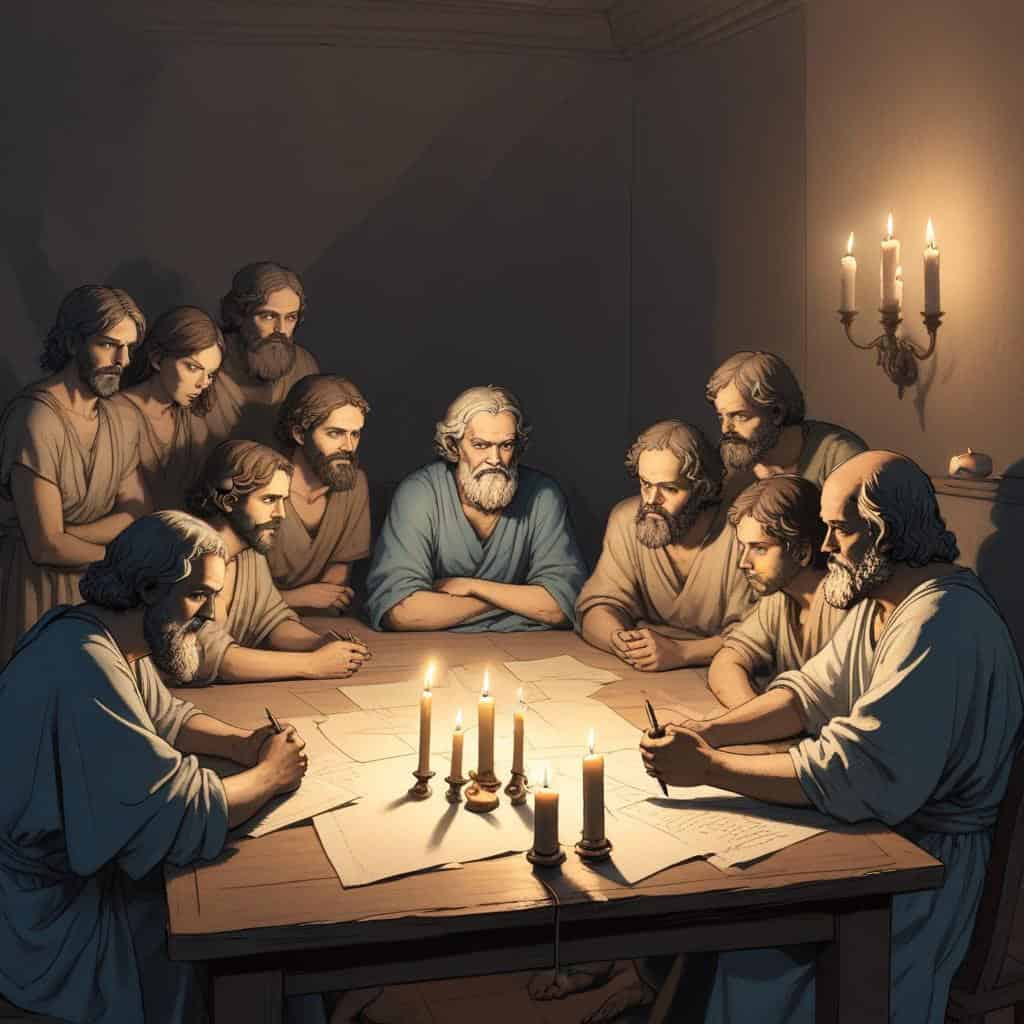
7. The aftermath of Socrates death

8. The legacy of Socrates

9. The enduring impact of Phaedo
10. Unlocking the secrets of Phaedo

Lesson Details & Resources
In a Nutshell
- What: ‘Phaedo’ by Plato
- When: Written in the Classical period
- Who: Socrates
- Theme: Immortality of the soul and philosophy of death
List of Characters in Phaedo
-
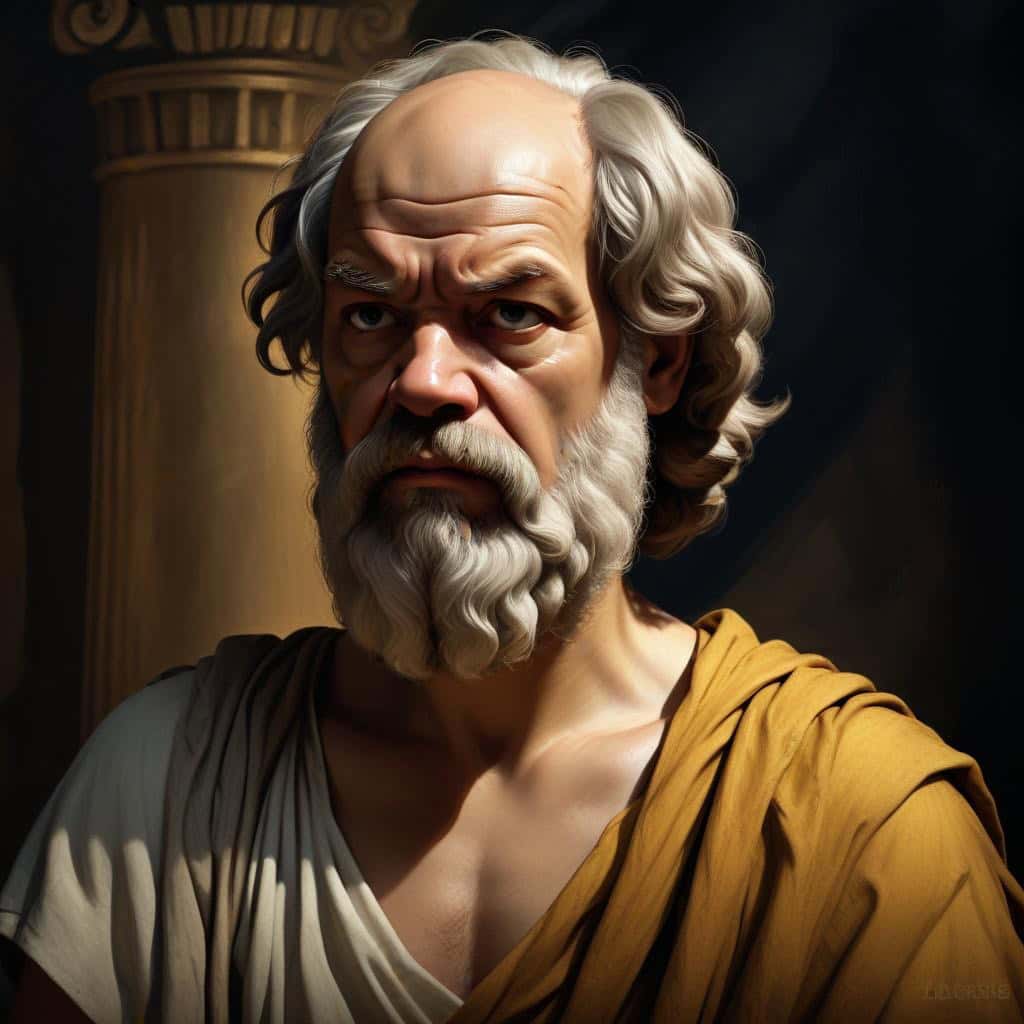
Socrates
Socrates is the main character and philosopher who is facing his impending death with grace and wisdom.
-

Phaedo
Phaedo is a student and close friend of Socrates who is present during his final hours.
-

Echecrates
Echecrates is a follower of Socrates who listens to the story of his death from Phaedo.
-
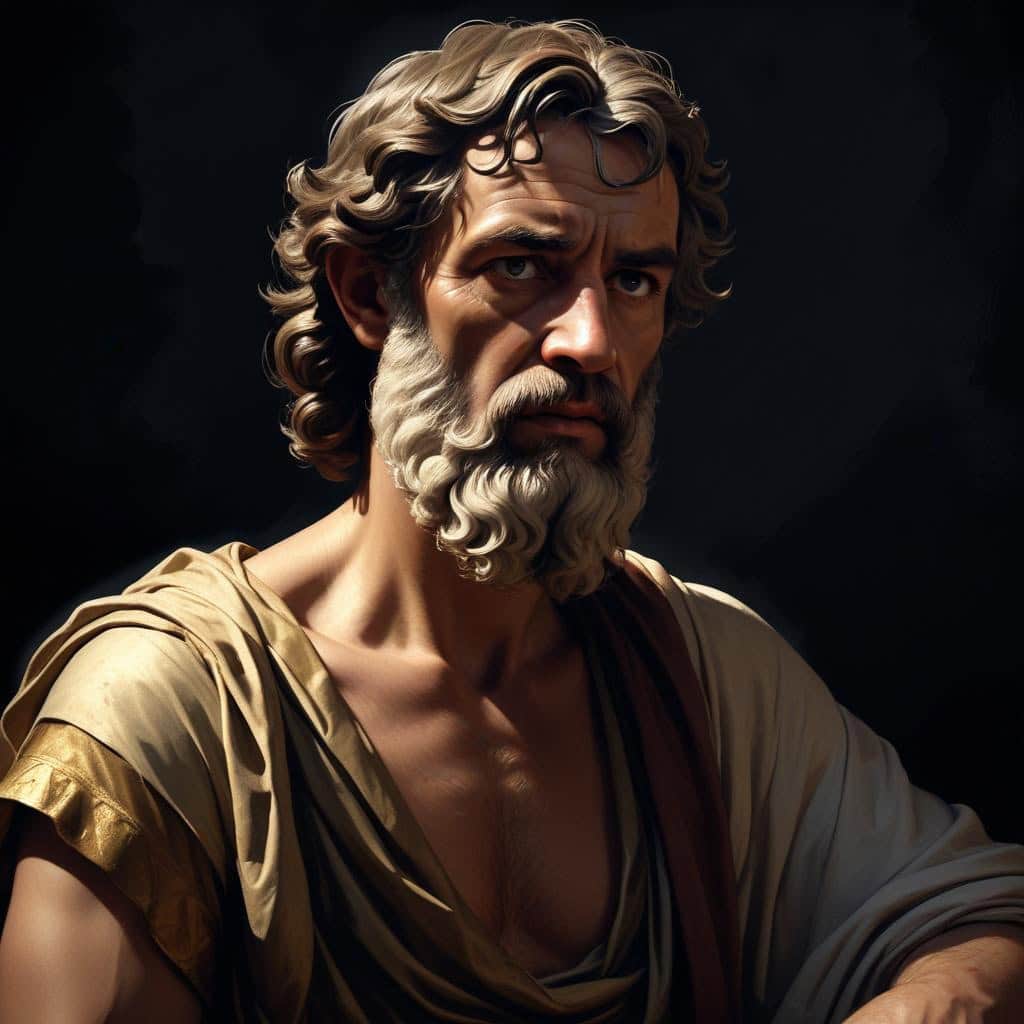
Cebes
Cebes is another student of Socrates who engages in philosophical discussions about the immortality of the soul.
-
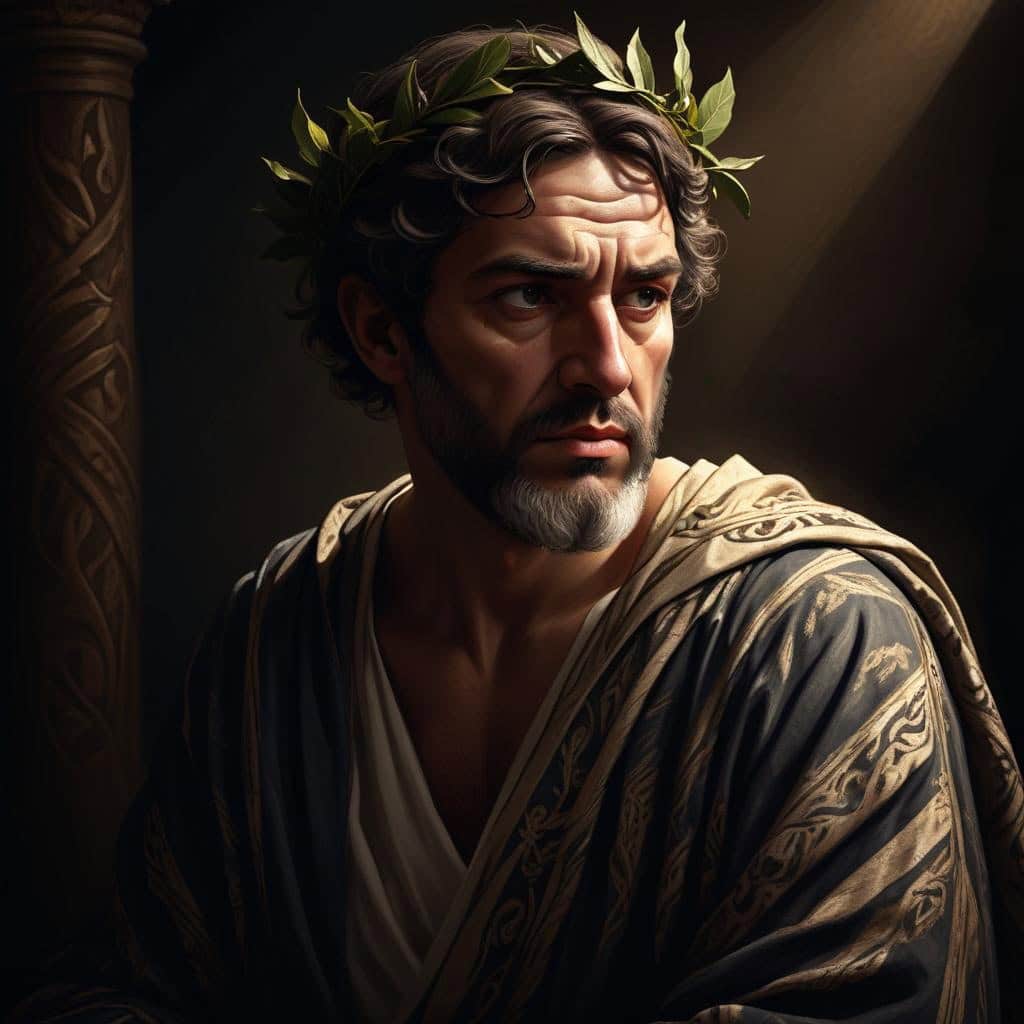
Simias
Simias is a disciple of Socrates who questions the arguments for the immortality of the soul.
Timeline of Phaedo
Phaedo, a student of Socrates, recounts the final moments of Socrates' life to Echecrates and other followers of Socrates.
Socrates is sentenced to death by drinking hemlock after being found guilty of corrupting the youth and impiety.
Socrates spends his final hours with his friends, discussing various philosophical topics, including the immortality of the soul.
Socrates argues that the soul is immortal and that true philosophers should not fear death.
Socrates drinks the hemlock and dies in the presence of his friends, including Phaedo.
Phaedo recounts Socrates' final moments and his peaceful acceptance of death.
Phaedo concludes that the philosopher's main goal should be to prepare for death and focus on the well-being of the soul.
Vocabulary List
- Immortality
- The dialogue in Phaedo discusses the concept of the soul's immortality.
- Dialectic
- Plato uses the dialectic method in Phaedo to explore the nature of the soul.
- Philosophy
- Phaedo is a philosophical dialogue that delves into the nature of reality.
- Socrates
- Socrates is the main character in Phaedo, engaging in discussions about death and the afterlife.
- Forms
- Plato's theory of Forms is mentioned in Phaedo as a way to understand the eternal nature of reality.
- Knowledge
- The pursuit of knowledge and wisdom is a central theme in Phaedo.
- Death
- The dialogue in Phaedo centers around Socrates' impending death and his thoughts on mortality.
- Dualism
- The concept of body and soul dualism is explored in Phaedo.
- Reminiscence
- Plato discusses the theory of reminiscence as a way to explain how the soul learns.
- Wisdom
- Socrates emphasizes the importance of wisdom and self-knowledge in Phaedo.
Key Facts
This is the information used in the fact matching game
- Phaedo is a dialogue written by the ancient Greek philosopher Plato.
- It is believed to have been written around 360 BC.
- The dialogue takes place on the day of Socrates' execution.
- Phaedo is one of Plato's middle dialogues.
- The dialogue explores the immortality of the soul.
- Phaedo is one of the most widely read dialogues of Plato.
- The dialogue is set in the prison of Athens.
- Socrates is the main character in Phaedo.
- Phaedo addresses the nature of the physical world.
- The dialogue discusses the theory of recollection.
- Phaedo also touches on the Theory of Forms.
- The dialogue ends with Socrates' death by drinking poison.
- Phaedo is considered a key text in the study of ancient philosophy.
- The dialogue is named after one of Socrates' disciples, Phaedo of Elis.
- Phaedo is one of the dialogues that make up Plato's tetralogy.
- The dialogue is structured as a series of arguments and counterarguments.
- Phaedo addresses the nature of knowledge and reality.
- The dialogue discusses the nature of death and the afterlife.
- Phaedo presents Socrates' final thoughts on life and death.
- The dialogue continues to be studied and debated by philosophers and scholars today.
Analysis & Significance
Impact on Literature
Phaedo, written by Plato, has had a significant impact on Western literature as one of the foundational texts of Western philosophy. It has influenced countless writers and thinkers, shaping the way we approach questions about life, death, and the nature of reality in literature.
Enduring Themes
The timeless themes of mortality, the immortality of the soul, and the pursuit of knowledge and truth in Phaedo still resonate with modern audiences. These themes continue to be explored in literature and philosophy, demonstrating the enduring relevance of Plato’s work.
Cultural Significance Today
Phaedo’s legacy can be seen in its influence on contemporary philosophical thought and its continued relevance in discussions about the nature of existence. The work has been adapted in various forms, from plays to films, further solidifying its cultural significance in today’s society.
Phaedo Games


Take Your Learning Offline
Want a convenient, print-ready study guide for this lesson? Become a Memory Wizards Pro member to unlock the downloadable " Memory Scrolls" for this topic and our entire library!
- ✓ Complete Vocabulary Lists
- ✓ Key Facts & Timelines
- ✓ Beautifully Formatted for Print & Mobile