
How Do You Learn Best?
Learn by Reading
Immerse yourself in the 10-minute visual lesson for a comprehensive understanding of the topic.
Learn by Reviewing
Jump directly to the key facts, timeline, and vocabulary lists to build a solid foundation of details.
Learn by Doing
Challenge yourself! Jump straight into the interactive games to learn by trial, error, and discovery.
Tanganyika in 10 Minutes
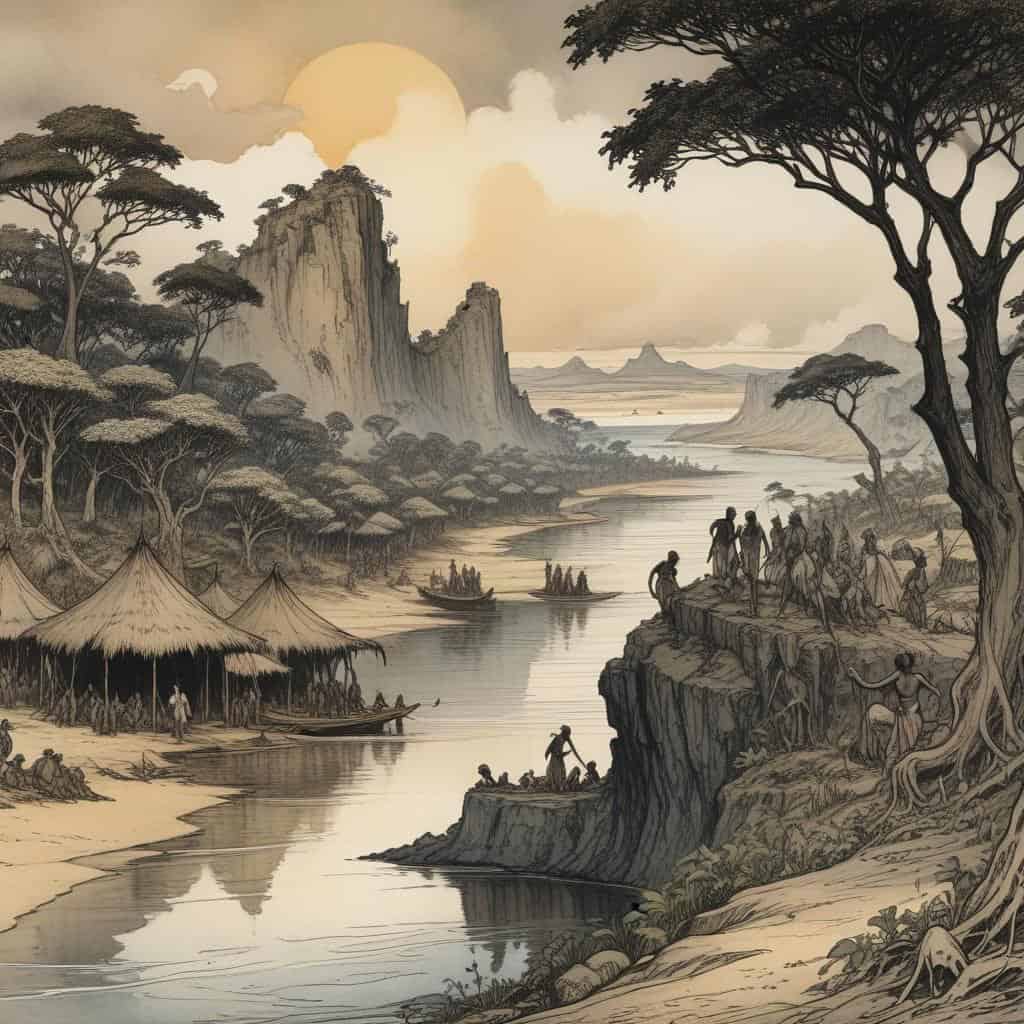
Introduction
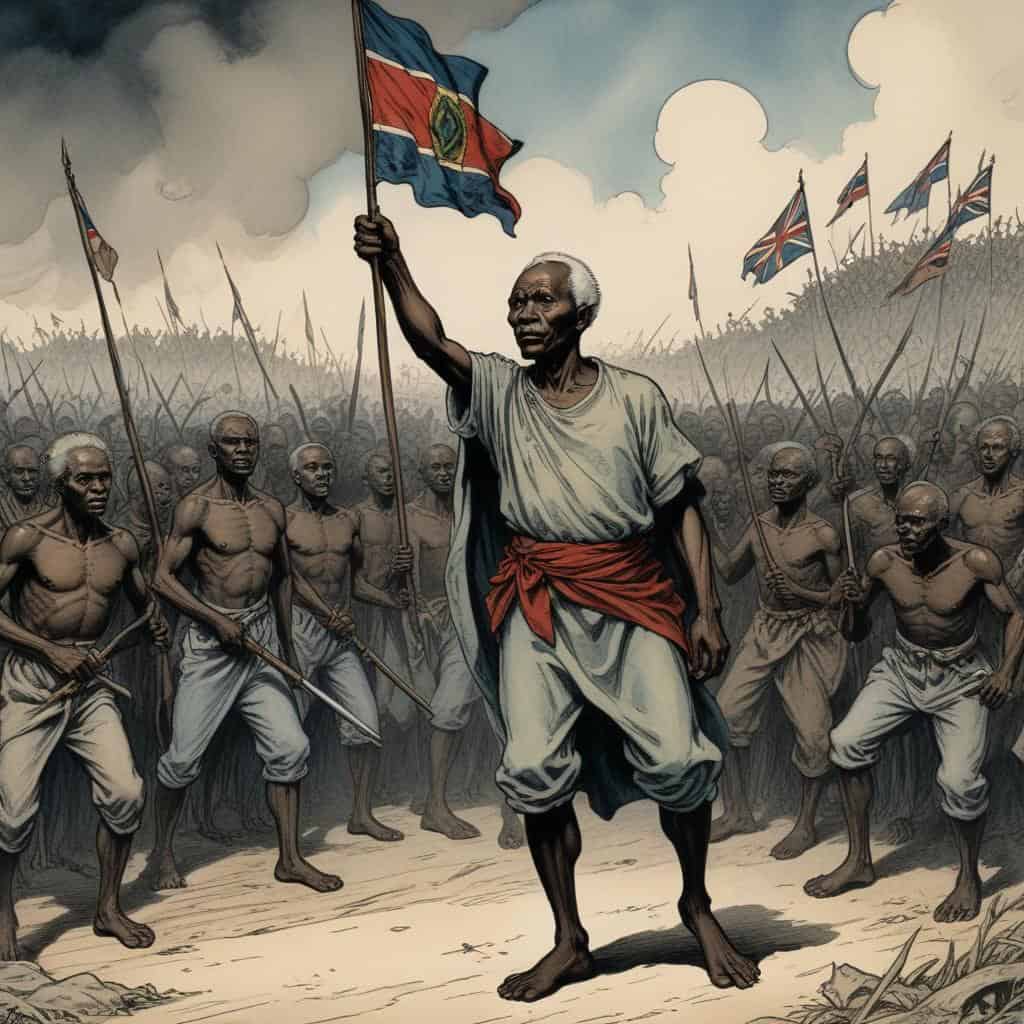
1. Julius Nyerere
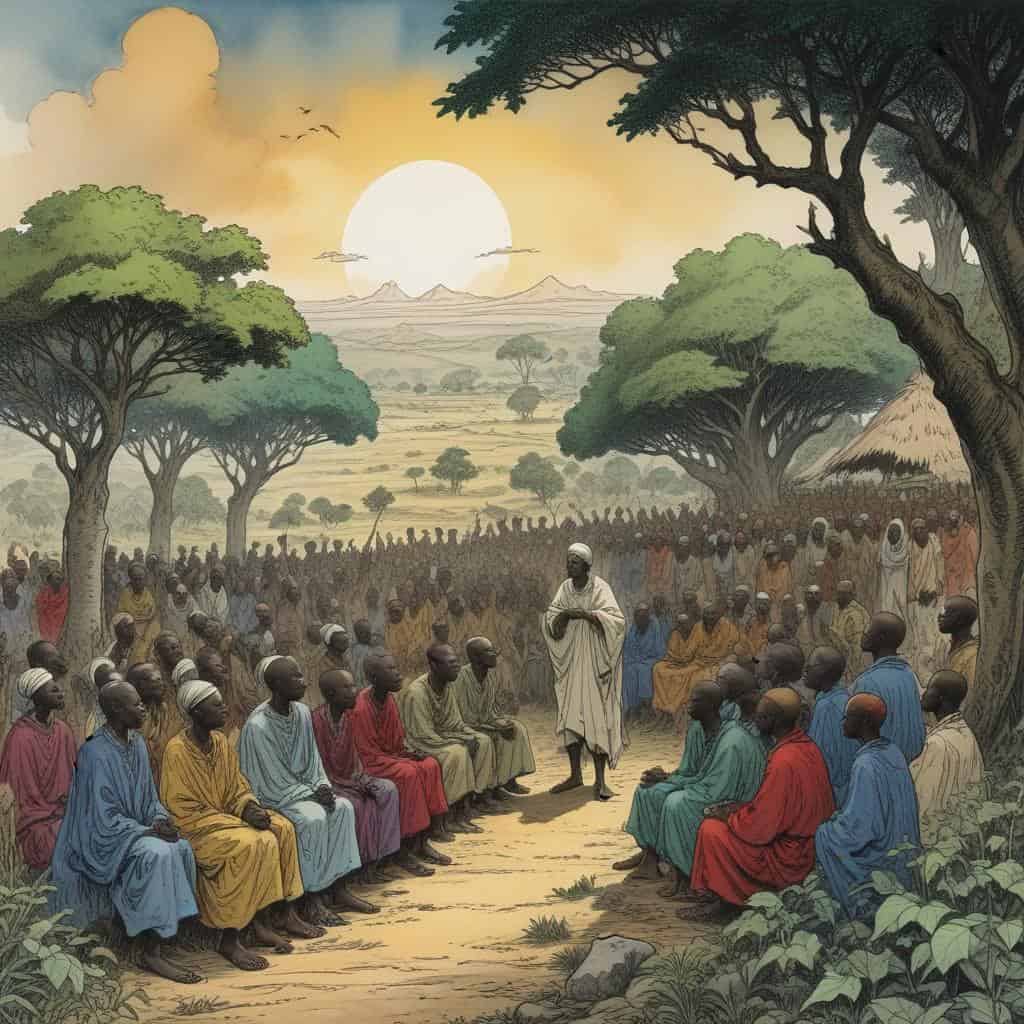
2. Mwalimu Nyerere
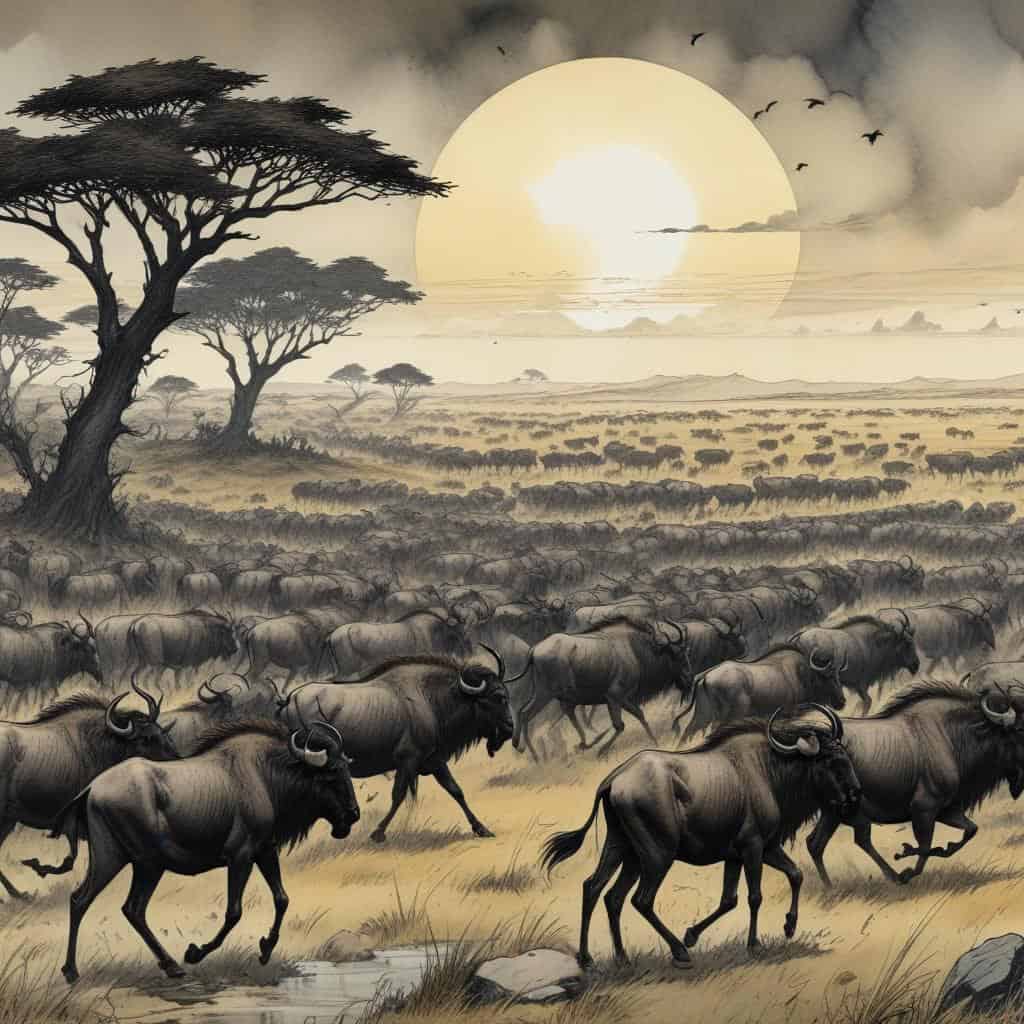
3. Serengeti National Park
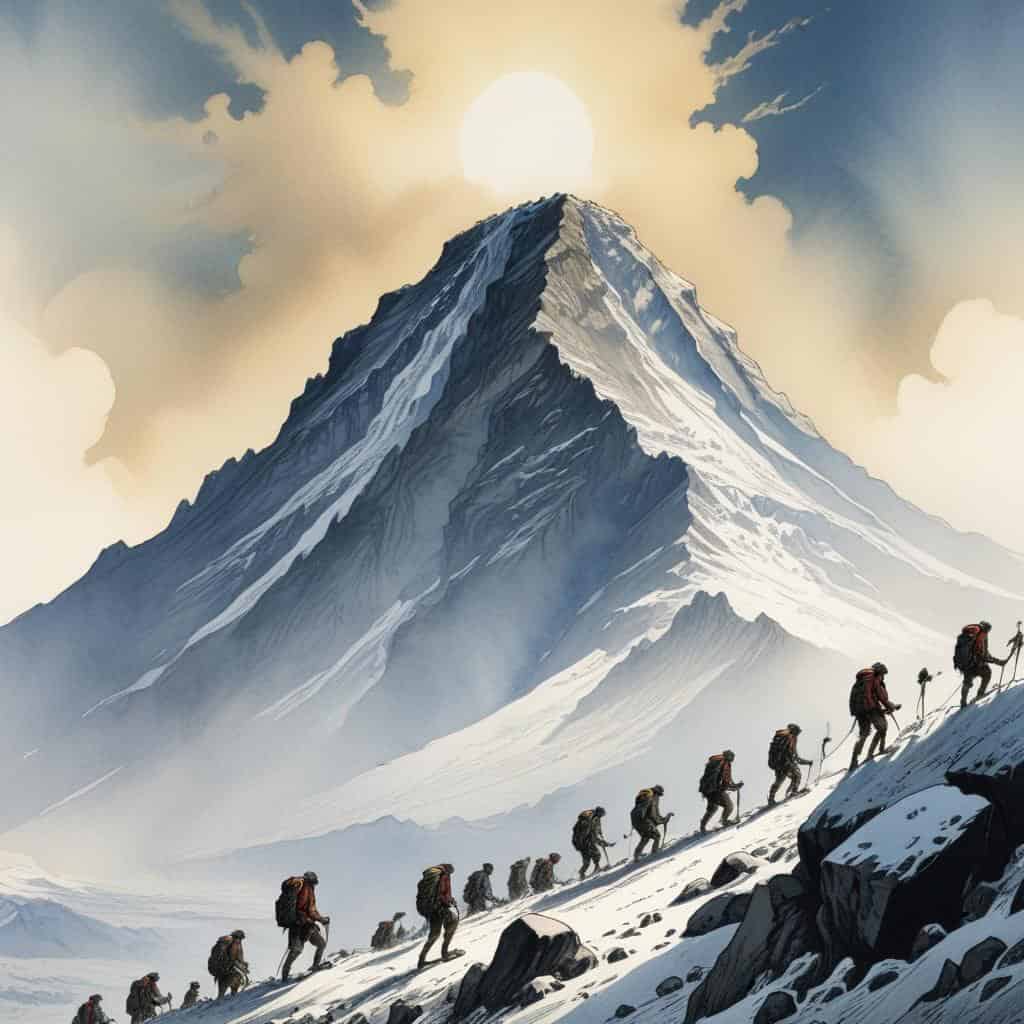
4. Mount Kilimanjaro
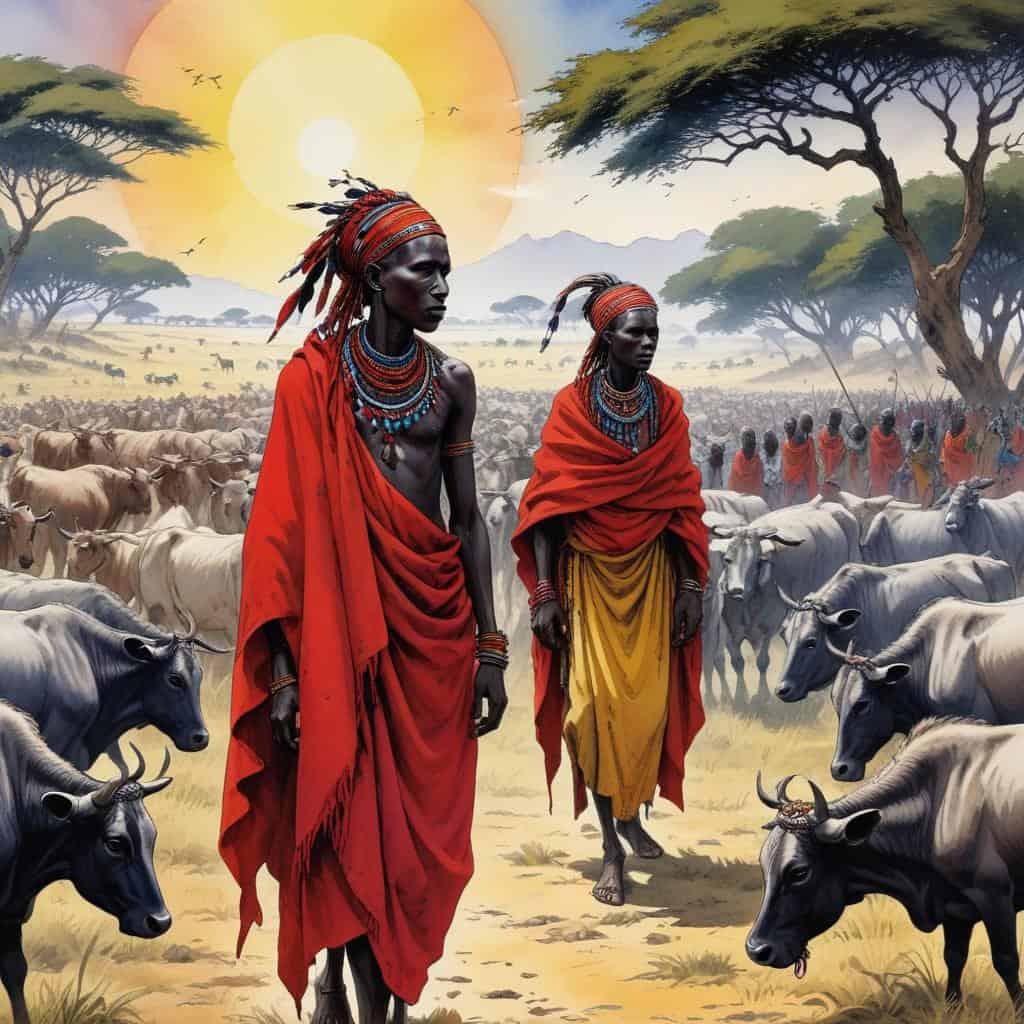
5. Maasai People
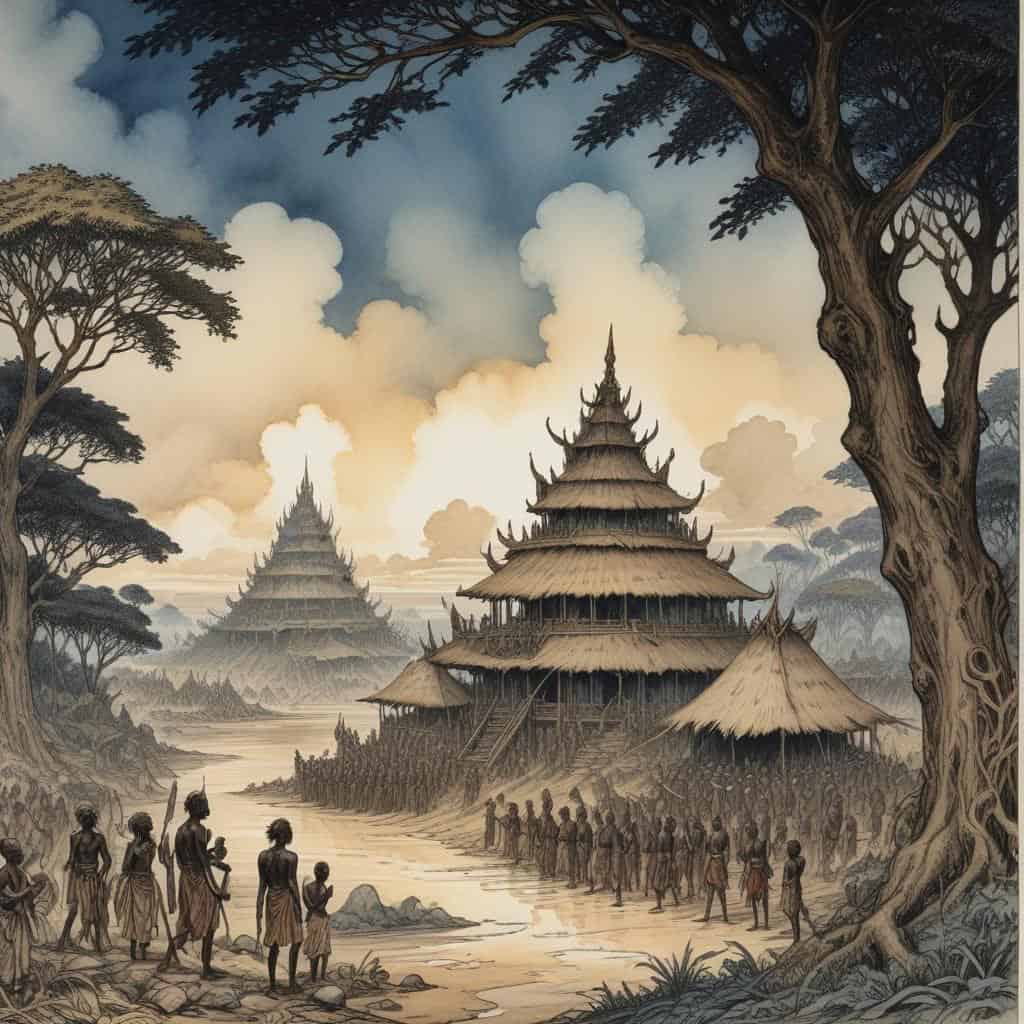
The Early History of Tanganyika
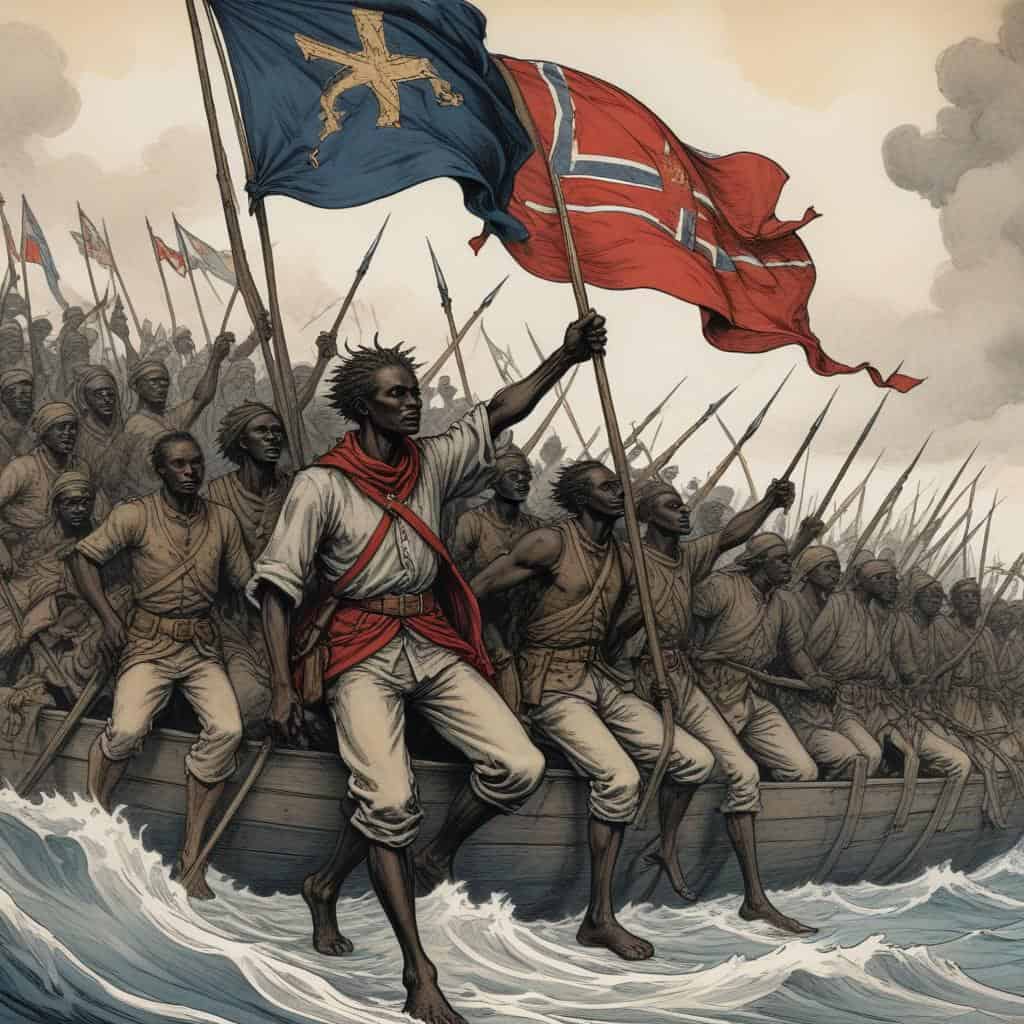
Colonial Rule and Independence
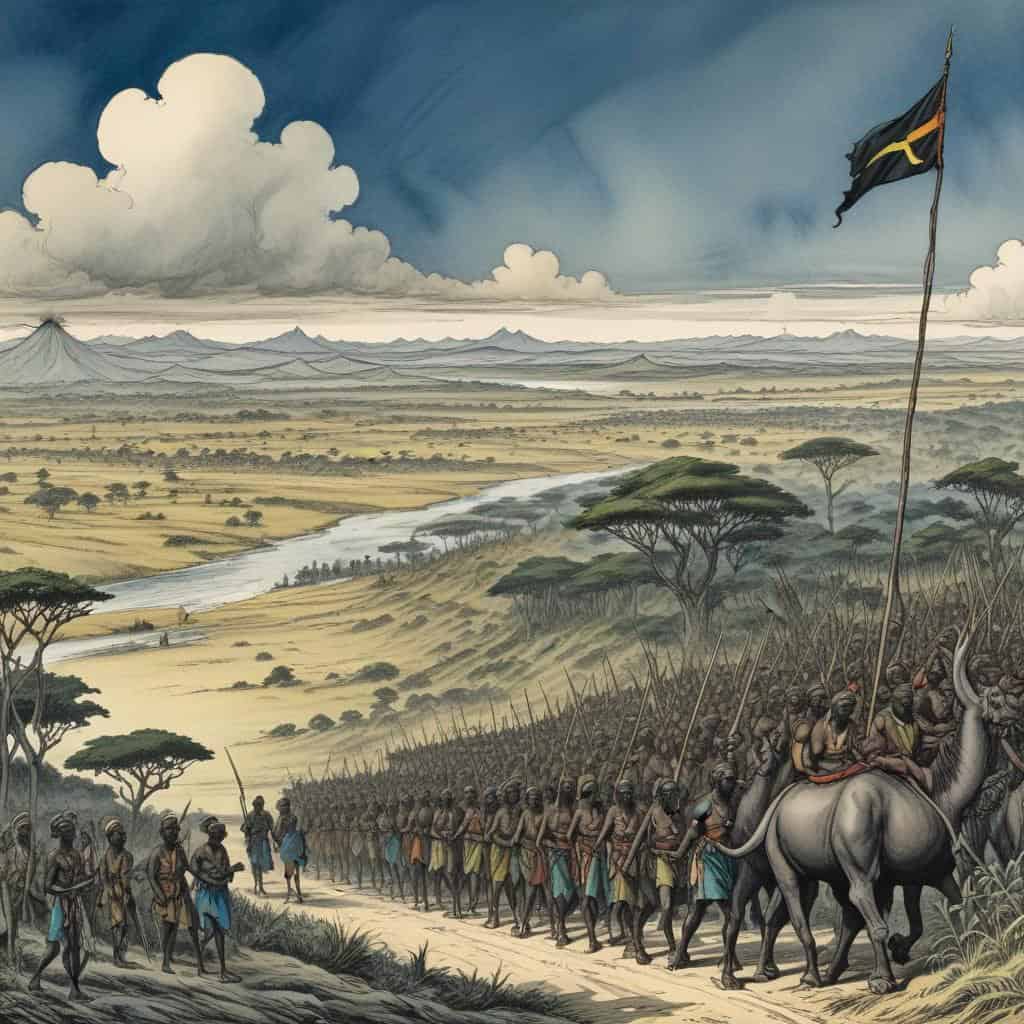
The Formation of Tanzania
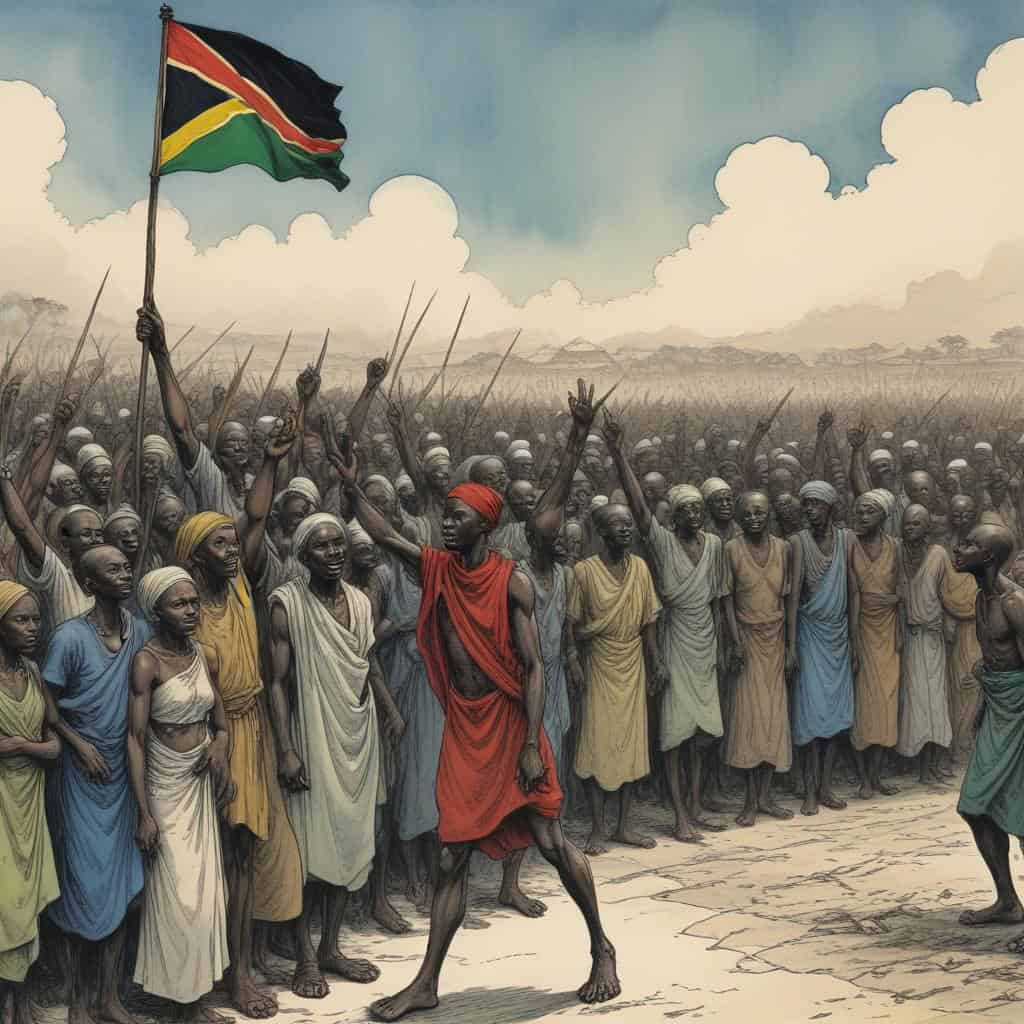
Economic Challenges and Political Changes
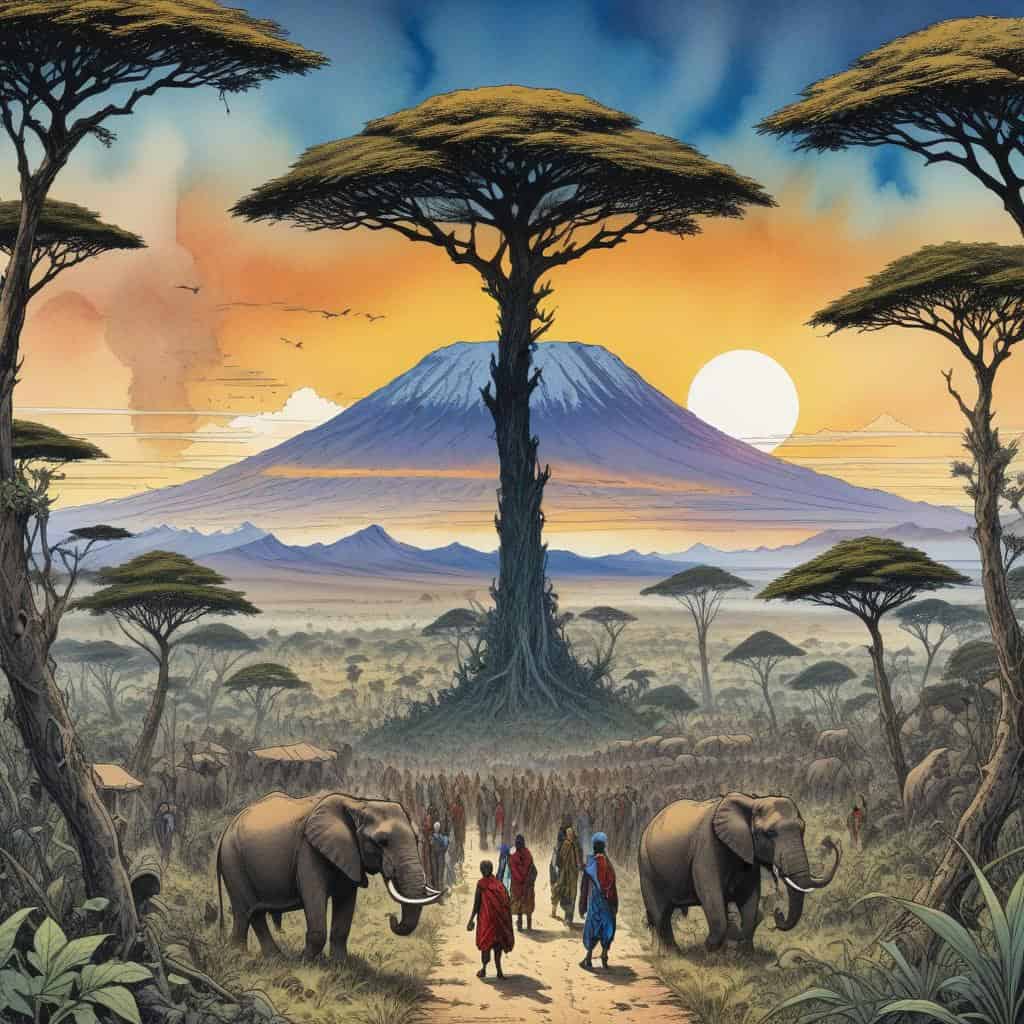
Cultural Diversity and Natural Beauty
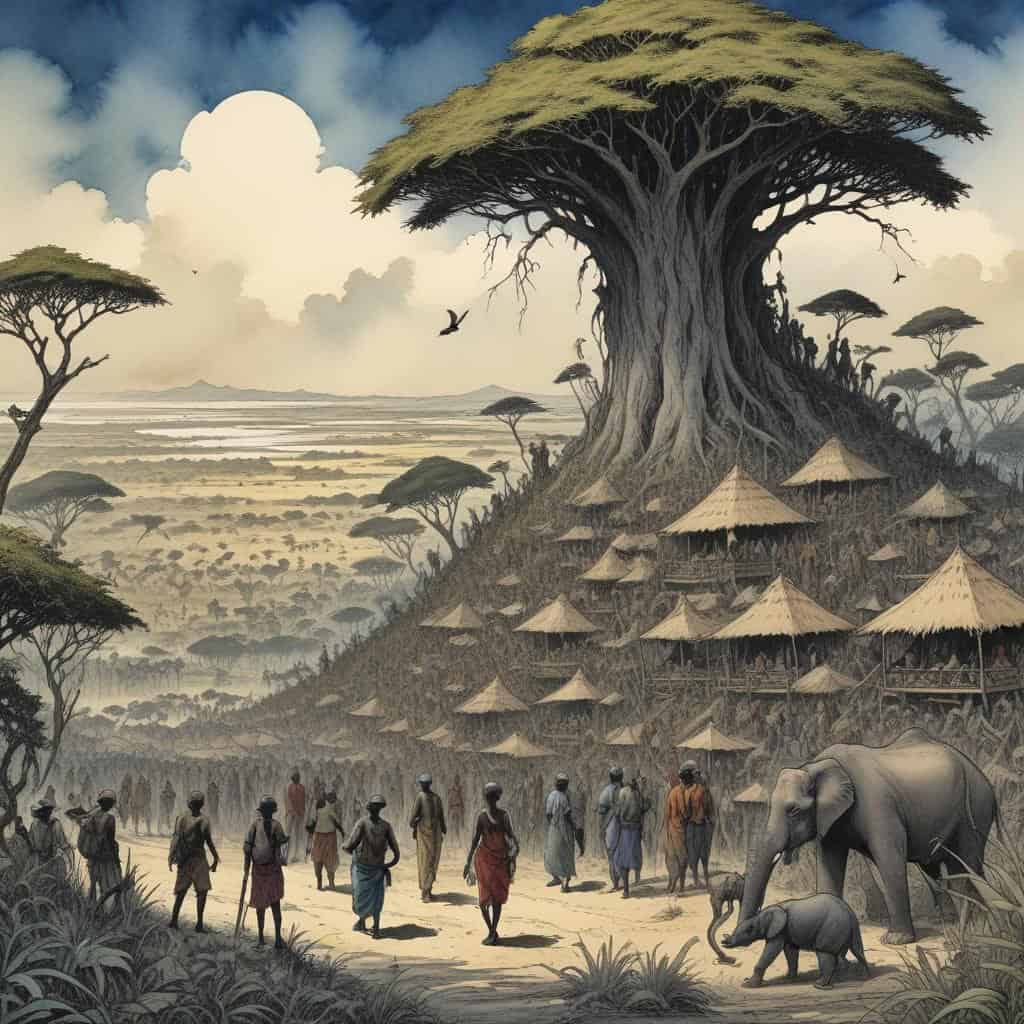
Tourism and Wildlife Conservation
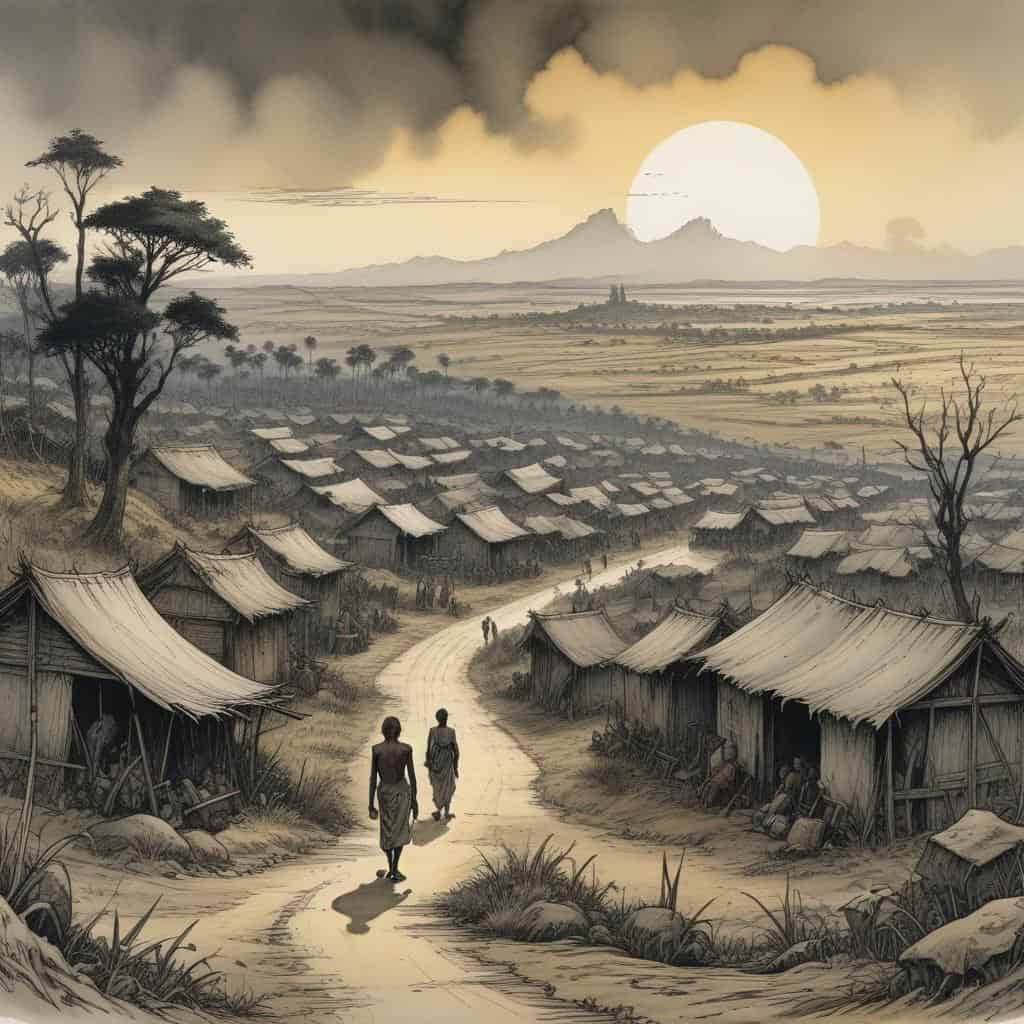
Challenges and Opportunities
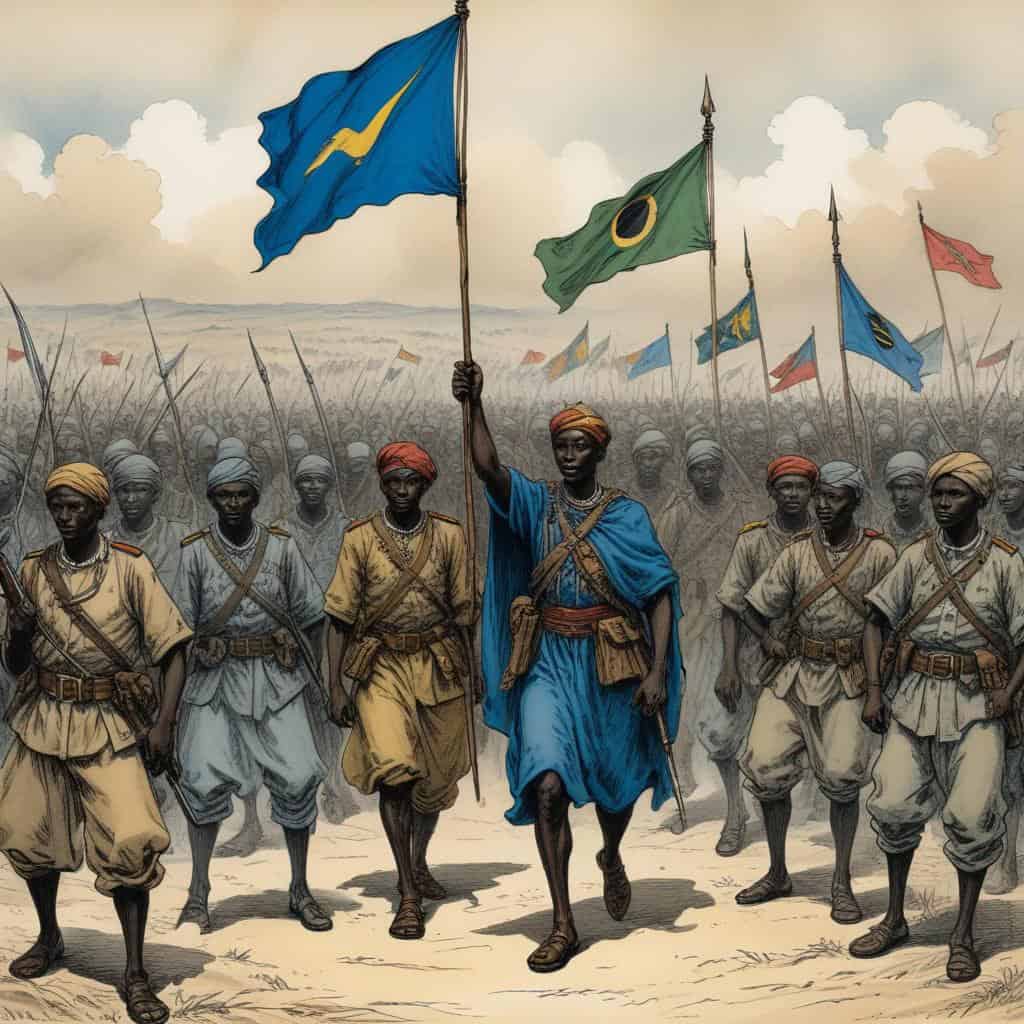
International Relations and Diplomacy
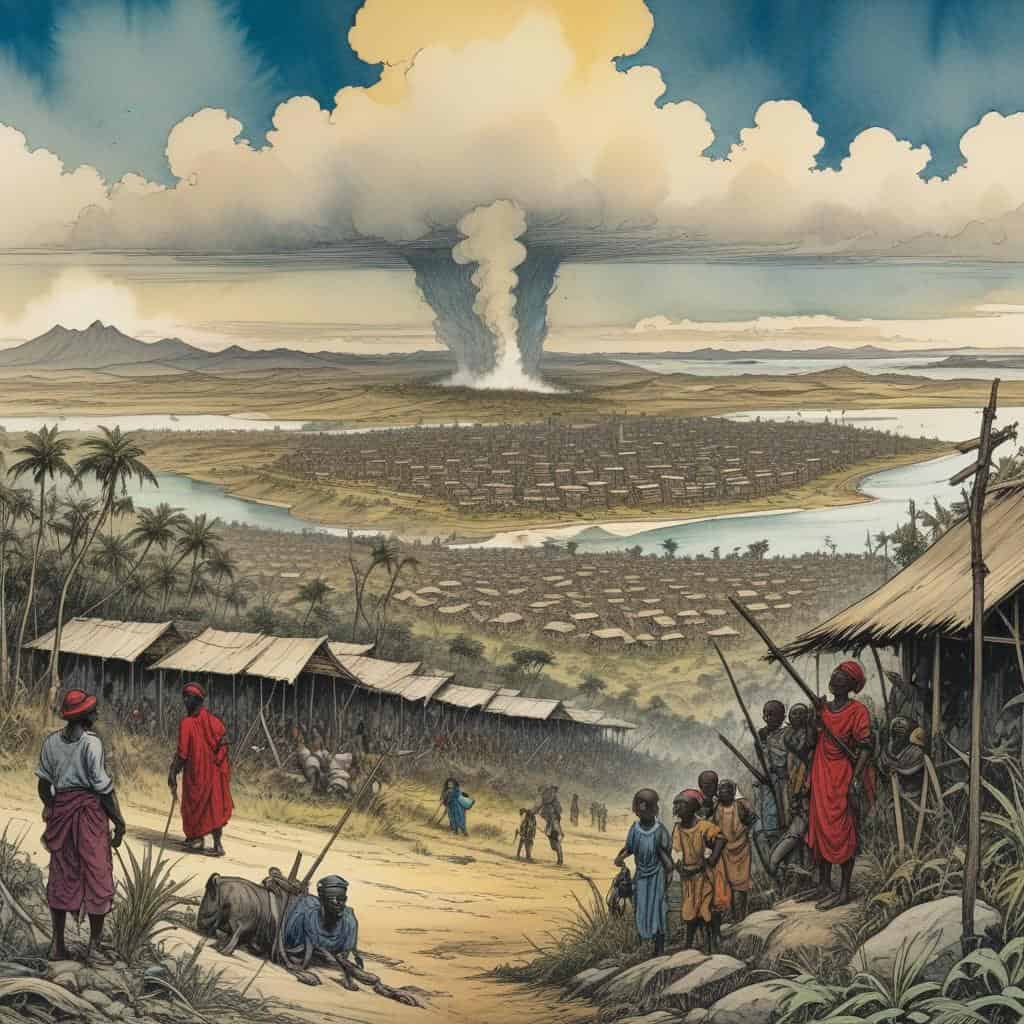
Future Prospects and Development
In a Nutshell
- Capital: Dodoma
- Population: Approx. 60 million (2023)
- Official Language: Swahili
- Currency: Tanzanian shilling (TZS)
Breaking Down the Country
No composition analysis points available.
Timeline of Tanganyika
Tanganyika is inhabited by various indigenous tribes
Arab traders begin to establish trade routes along the East African coast
Portuguese explorers arrive in East Africa and establish trading posts
Omani Arabs establish control over the Swahili Coast
German East Africa is established, including the territory of Tanganyika
Construction of the Central Line railway begins in Tanganyika
Tanganyika becomes a League of Nations mandate under British administration
Tanganyika becomes a United Nations Trust Territory under British administration
Tanganyika gains independence from British rule and becomes a republic
Julius Nyerere becomes the first President of Tanganyika
Tanganyika merges with Zanzibar to form the United Republic of Tanzania
Arusha Declaration is adopted, outlining socialist policies for Tanzania
Tanganyika National Parks are established, including Serengeti and Kilimanjaro
Julius Nyerere resigns as President of Tanzania
Multi-party elections are held in Tanzania
Tanzanian government relocates capital from Dar es Salaam to Dodoma
Tanganyika is officially renamed Tanzania
Discovery of human footprints at Laetoli in northern Tanzania
Tanzania hosts the World Economic Forum on Africa in Dar es Salaam
Tanzania celebrates 50 years of independence
Vocabulary List
- Lake Tanganyika
- Lake Tanganyika is the longest freshwater lake in the world, located in East Africa.
- Tanganyika cichlid
- The Tanganyika cichlid is a type of fish native to Lake Tanganyika.
- Tanganyika trench
- The Tanganyika trench is a deep underwater trench located in Lake Tanganyika.
- Tanganyika sardine
- The Tanganyika sardine is a species of fish found in Lake Tanganyika.
- Tanganyika blue
- Tanganyika blue is a color inspired by the beautiful blue waters of Lake Tanganyika.
Key Facts
This is the information used in the fact matching game
- Tanganyika was a sovereign state in East Africa from 1961 to 1964 before merging with Zanzibar to form Tanzania.
- The name Tanganyika is derived from the Swahili words tanga (sail) and nyika (wilderness), thus roughly translating to 'sail in the wilderness.'
- Tanganyika was a German colony from the 1880s until the end of World War I, when it was mandated to Great Britain by the League of Nations.
- Lake Tanganyika is the second oldest and second deepest freshwater lake in the world, and the second largest by volume.
- Tanganyika was under British rule from 1919 to 1961, when it gained independence.
- The capital of Tanganyika was Dar es Salaam during its existence as a sovereign state.
- The economy of Tanganyika was largely based on agriculture, with exports of coffee, sisal, tea, cotton, and cashew nuts.
- Tanganyika was a member of the British Commonwealth and had a constitutional monarchy with Queen Elizabeth II as the monarch.
- The flag of Tanganyika consisted of a green field with a black and a yellow band across the diagonal, symbolizing the country's natural resources and mineral wealth.
- Tanganyika was known for its diverse wildlife, including elephants, lions, giraffes, and zebras.
- The official language of Tanganyika was Swahili, with English also being widely spoken and used in government and education.
- Tanganyika had a population of over 10 million people at the time of independence in 1961.
- The education system in Tanganyika was based on the British model, with primary and secondary schools, and a few colleges and universities.
- Tanganyika was known for its rich cultural heritage, including traditional music, dance, and art forms.
- Tanganyika was a founding member of the East African Community, along with Kenya and Uganda.
- Tanganyika gained independence on December 9, 1961, and became a republic on December 9, 1962.
- The judiciary in Tanganyika was based on English common law, with a Supreme Court as the highest court of appeal.
- Tanganyika was divided into regions and districts for administrative purposes, with local government councils in each region.
- The railway system in Tanganyika was built by the Germans and expanded by the British, connecting major cities and ports.
- Tanganyika was known for its political stability and peaceful transition to independence, unlike some other African colonies at the time.
Why It Matters
Geopolitical Significance
Tanganyika, located in East Africa, holds strategic importance due to its borders with multiple countries like Burundi, Rwanda, and the Democratic Republic of Congo. Its position on Lake Tanganyika also affects regional trade and transportation routes.
Historical Importance
Tanganyika has a rich history as a former German and British colony, playing a key role in the development of East Africa. It was a focal point of anti-colonial movements and eventually gained independence, setting the stage for the formation of modern-day Tanzania.
Modern-Day Role
Today, Tanganyika’s legacy lives on in the culture and politics of Tanzania. Its natural resources, including minerals and agriculture, continue to contribute to the country’s economy. Tanganyika’s historical significance still resonates in the region’s social fabric and identity.
Tanganyika Games


Take Your Learning Offline
Want a convenient, print-ready study guide for this lesson? Become a Memory Wizards Pro member to unlock the downloadable " Memory Scrolls" for this topic and our entire library!
- ✓ Complete Vocabulary Lists
- ✓ Key Facts & Timelines
- ✓ Beautifully Formatted for Print & Mobile