
How Do You Learn Best?
Learn by Reading
Immerse yourself in the 10-minute visual lesson for a comprehensive understanding of the topic.
Learn by Reviewing
Jump directly to the key facts, timeline, and vocabulary lists to build a solid foundation of details.
Learn by Doing
Challenge yourself! Jump straight into the interactive games to learn by trial, error, and discovery.
Soviet Union in 10 Minutes
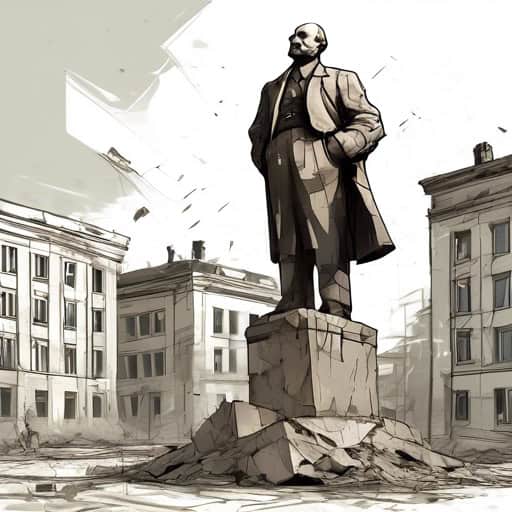
Introduction
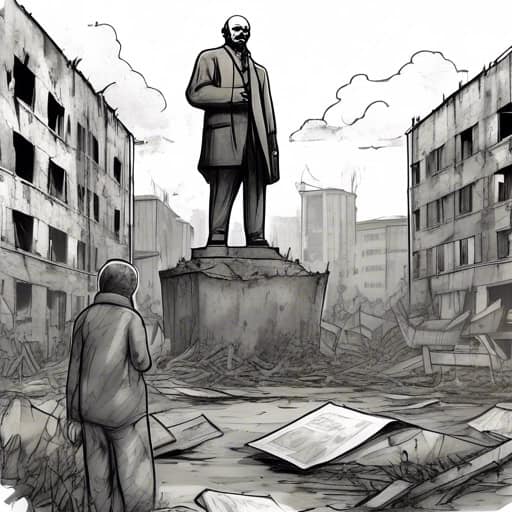
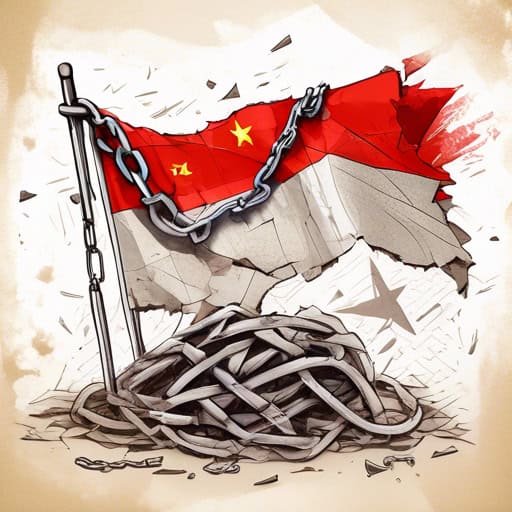
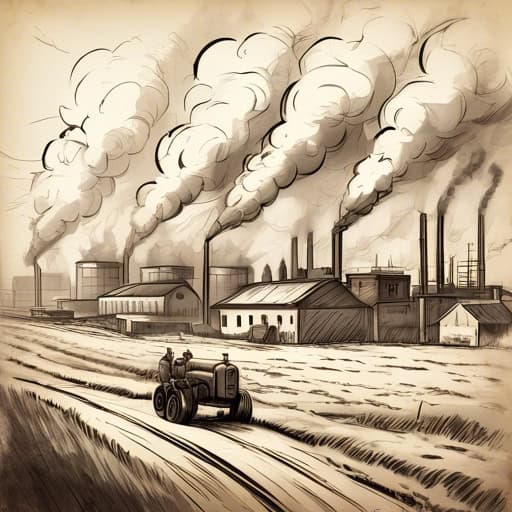
Joseph Stalin
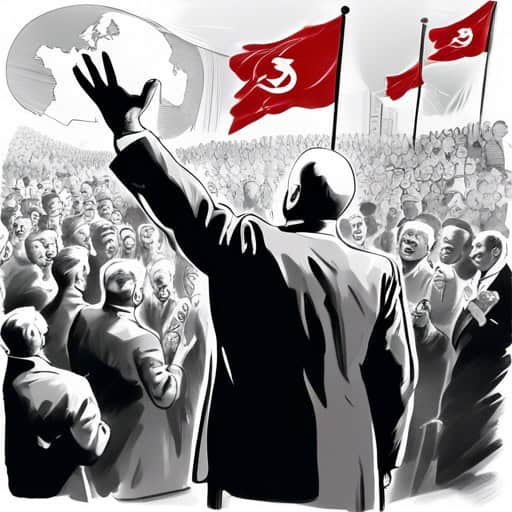
Nikita Khrushchev
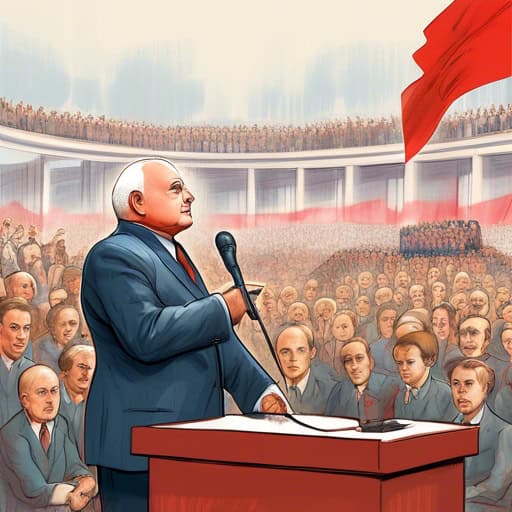
Mikhail Gorbachev
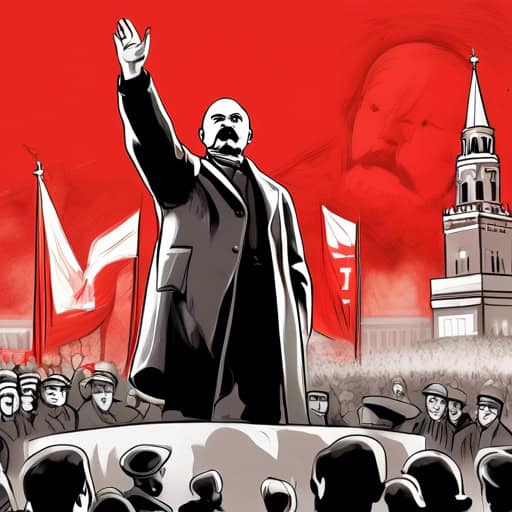
Vladimir Lenin
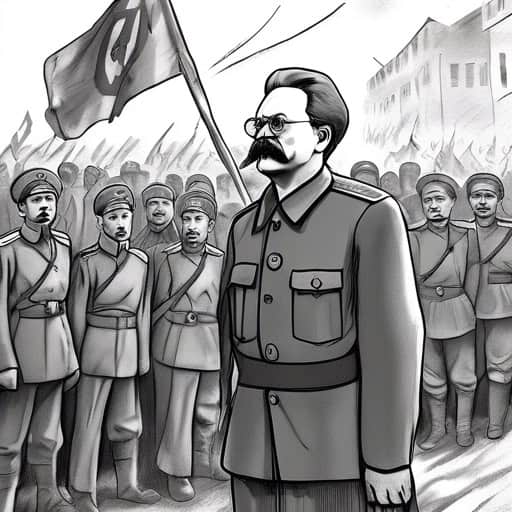
Leon Trotsky
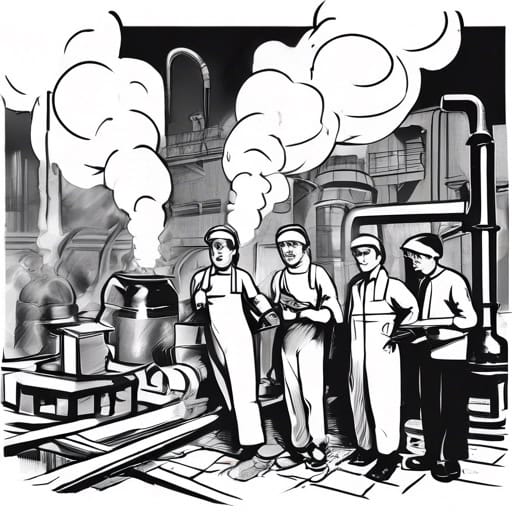
The Rise and Fall of the Soviet Union: A Brief Overview
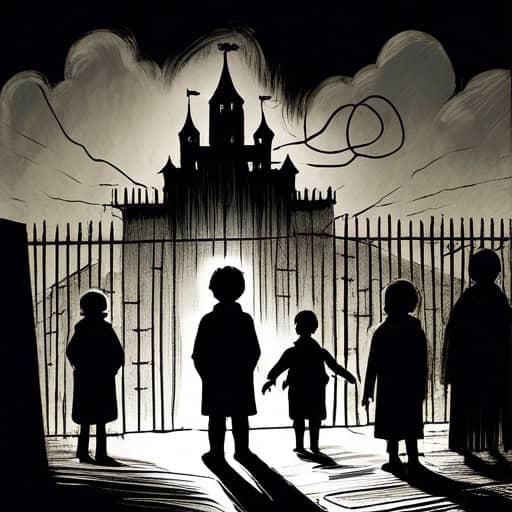
The Great Purge
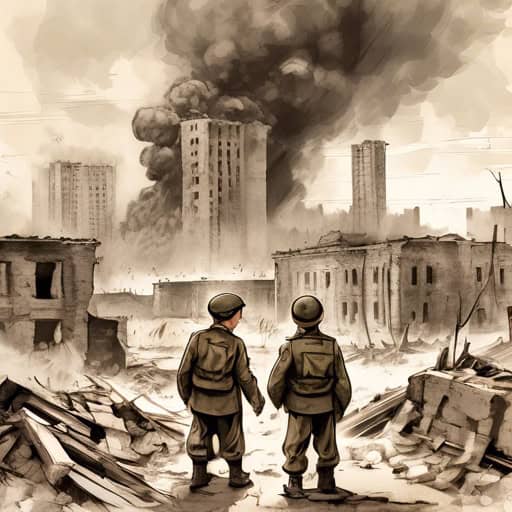
World War II
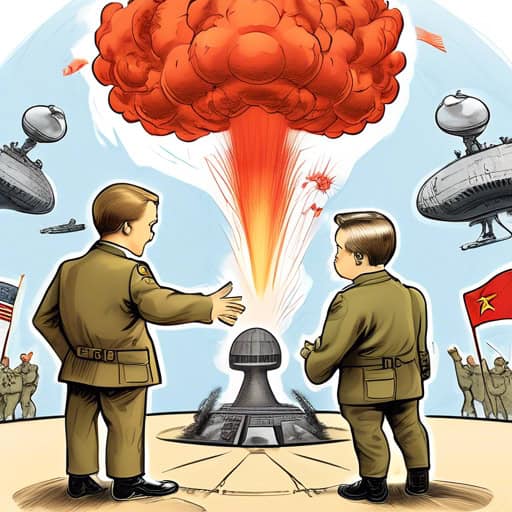
The Cold War
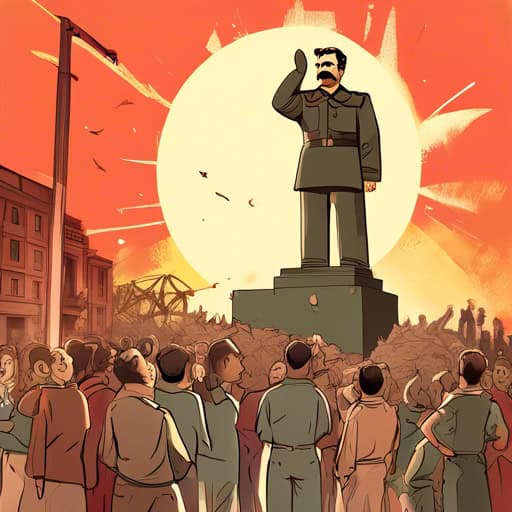
De-Stalinization
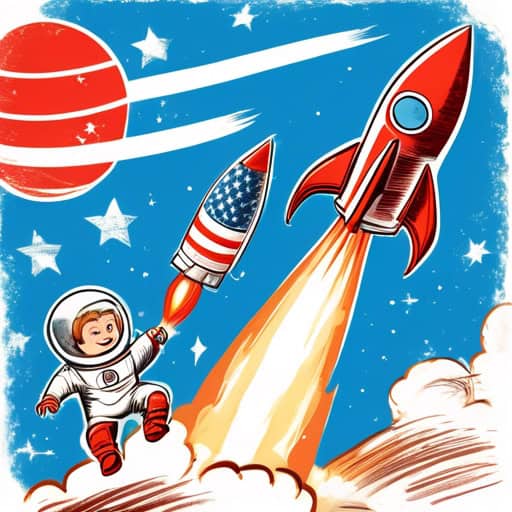
The Space Race
Perestroika and Glasnost
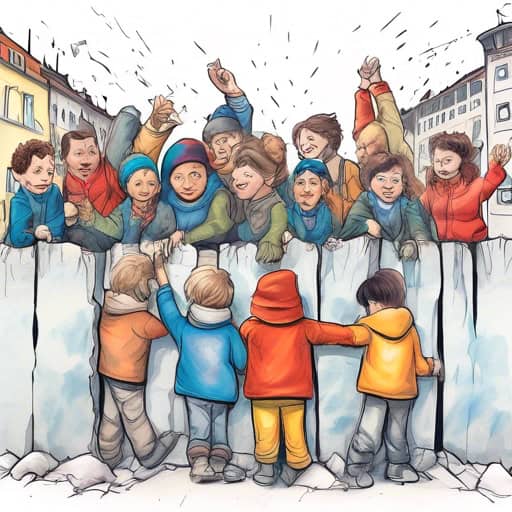
The Fall of the Berlin Wall
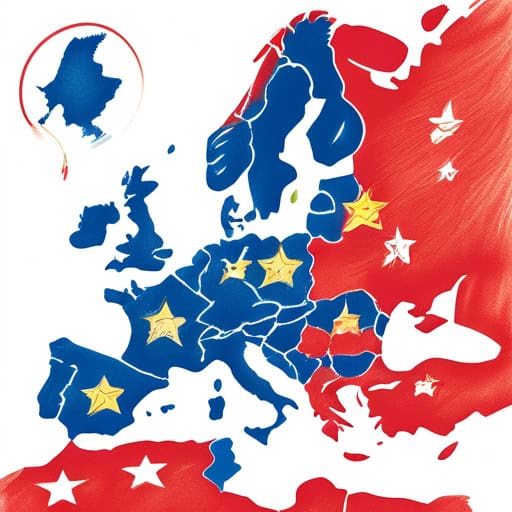
The Dissolution of the Soviet Union

Legacy of the Soviet Union

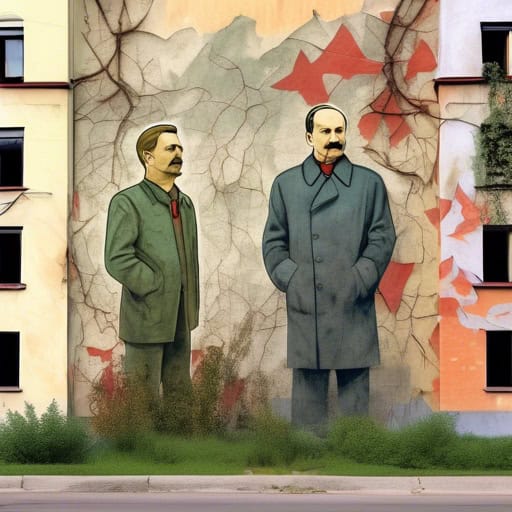
In a Nutshell
- Capital: Moscow
- Population: Approx. 293 million (1991)
- Official Language: Russian
- Currency: Soviet ruble (SUR)
Breaking Down the Country
No composition analysis points available.
Timeline of Soviet Union
Russian Revolution
Formation of the Soviet Union
Lenin's death
Stalin's rise to power
First Five-Year Plan
Great Purge
Molotov-Ribbentrop Pact
German invasion of the Soviet Union (Operation Barbarossa)
Battle of Stalingrad
Yalta Conference
End of World War II
Berlin Blockade
Korean War
Death of Stalin
Sputnik 1 launch
Cuban Missile Crisis
Prague Spring
Brezhnev Doctrine
Chernobyl disaster
Fall of the Berlin Wall
Vocabulary List
- Communism
- The Soviet Union was a communist state, governed by the principles of Marxism-Leninism.
- KGB
- The KGB was the secret police agency of the Soviet Union, known for its surveillance and intelligence gathering activities.
- Glasnost
- Glasnost was a policy of openness and transparency introduced by Soviet leader Mikhail Gorbachev in the late 1980s.
- Perestroika
- Perestroika was a series of economic and political reforms implemented by Gorbachev in an attempt to revitalize the Soviet economy.
- Cold War
- The Cold War was a period of political tension and military rivalry between the Soviet Union and the United States.
- Iron Curtain
- The Iron Curtain was the symbolic dividing line between Western Europe and the Soviet bloc countries during the Cold War.
- Sputnik
- Sputnik was the first artificial satellite launched into space by the Soviet Union in 1957, marking the beginning of the space race.
- Gulag
- The Gulag was a system of forced labor camps in the Soviet Union where political dissidents and other perceived enemies of the state were imprisoned.
- Stalinism
- Stalinism refers to the policies and practices associated with Soviet leader Joseph Stalin, characterized by totalitarianism and repression.
- Collectivization
- Collectivization was a policy implemented by Stalin in the 1930s to consolidate individual farms into collective farms, leading to widespread famine and hardship.
Key Facts
This is the information used in the fact matching game
- The Soviet Union was officially established on December 30, 1922.
- The Soviet Union was made up of 15 republics, including Russia, Ukraine, and Belarus.
- The Soviet Union was the first country to launch a satellite into space, Sputnik 1, in 1957.
- Joseph Stalin ruled the Soviet Union from 1924 until his death in 1953.
- The Soviet Union was involved in a Cold War with the United States from the late 1940s until the early 1990s.
- The Soviet Union collapsed in 1991, leading to the formation of independent states such as Russia, Ukraine, and Kazakhstan.
- The Soviet Union was a one-party state governed by the Communist Party.
- The Soviet Union was the world's largest producer of oil and natural gas.
- The Soviet Union had a planned economy, where the government controlled all major industries and resources.
- The Soviet Union was the first country to send a human, Yuri Gagarin, into space in 1961.
- The Soviet Union was involved in a disastrous war in Afghanistan from 1979 to 1989.
- The Soviet Union signed the Molotov-Ribbentrop Pact with Nazi Germany in 1939, dividing Eastern Europe into spheres of influence.
- The Soviet Union was a founding member of the United Nations in 1945.
- The Soviet Union had a vast network of forced labor camps, known as the Gulag, where political prisoners and dissenters were sent.
- The Soviet Union was the first country to successfully land an unmanned spacecraft on the moon in 1959.
- The Soviet Union was a major player in the Cuban Missile Crisis in 1962, bringing the world to the brink of nuclear war.
- The Soviet Union suffered a devastating famine in 1932-1933, known as the Holodomor, which resulted in millions of deaths in Ukraine.
- The Soviet Union was the first country to legalize abortion in 1920.
- The Soviet Union was a pioneer in space exploration, with numerous firsts including the first spacewalk in 1965.
- The Soviet Union was known for its propaganda posters and artwork promoting communism and the achievements of the state.
Why It Matters
Geopolitical Significance
The Soviet Union was a superpower that spanned 11 time zones, influencing global politics and shaping the balance of power during the Cold War. Its strategic location between Europe and Asia played a crucial role in international relations, especially in the context of nuclear arms race and ideological conflicts.
Historical Importance
The Soviet Union’s history is marked by revolutions, wars, and rapid industrialization. It emerged from the ashes of the Russian Empire and became a dominant force in the 20th century. Its impact on world events, such as World War II and the space race, continues to shape global history.
Modern-Day Role
Although the Soviet Union dissolved in 1991, its legacy still influences geopolitics, economics, and culture. Russia, as the successor state, maintains a significant presence on the world stage, impacting international relations, energy markets, and regional security in Eastern Europe and beyond.
Soviet Union Games


Take Your Learning Offline
Want a convenient, print-ready study guide for this lesson? Become a Memory Wizards Pro member to unlock the downloadable " Memory Scrolls" for this topic and our entire library!
- ✓ Complete Vocabulary Lists
- ✓ Key Facts & Timelines
- ✓ Beautifully Formatted for Print & Mobile