
How Do You Learn Best?
Learn by Reading
Immerse yourself in the 10-minute visual lesson for a comprehensive understanding of the topic.
Learn by Reviewing
Jump directly to the key facts, timeline, and vocabulary lists to build a solid foundation of details.
Learn by Doing
Challenge yourself! Jump straight into the interactive games to learn by trial, error, and discovery.
Rhodesia in 10 Minutes
Introduction
Cecil Rhodes
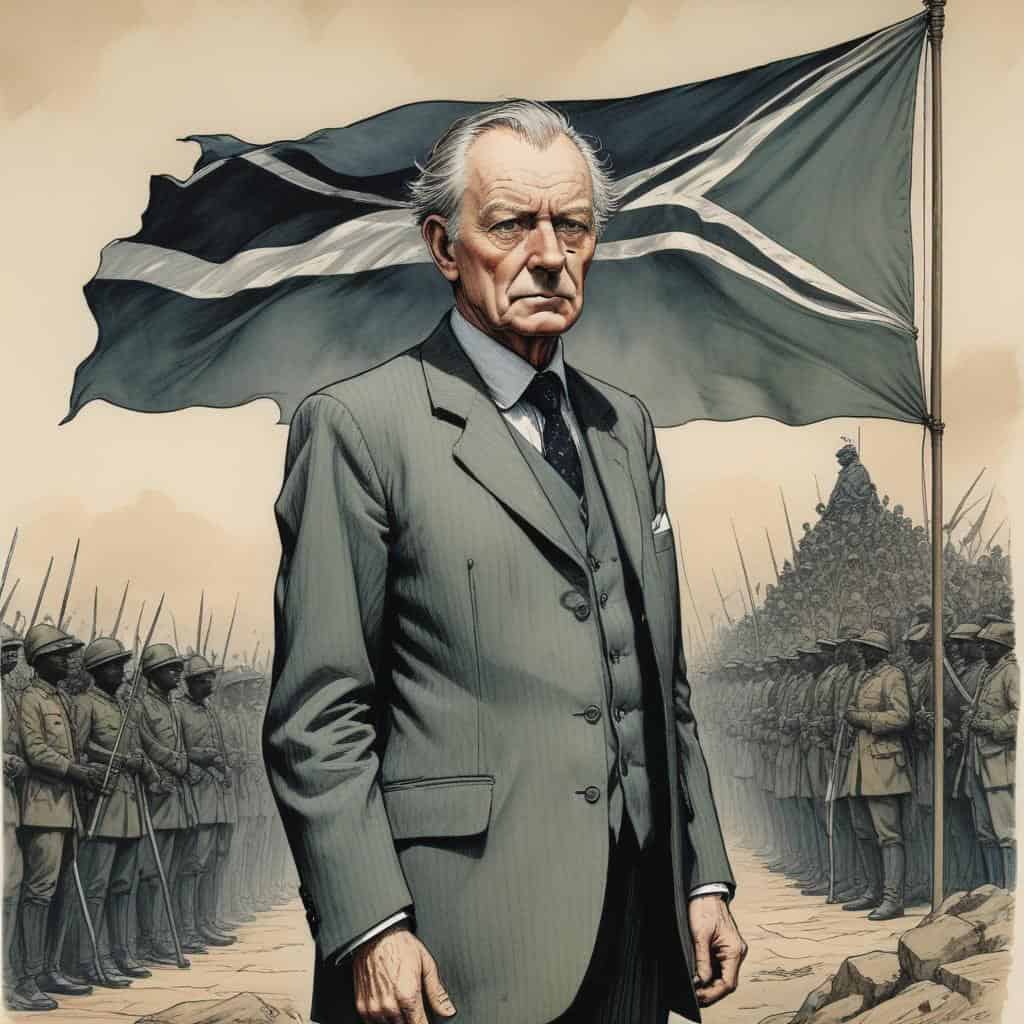
Ian Smith
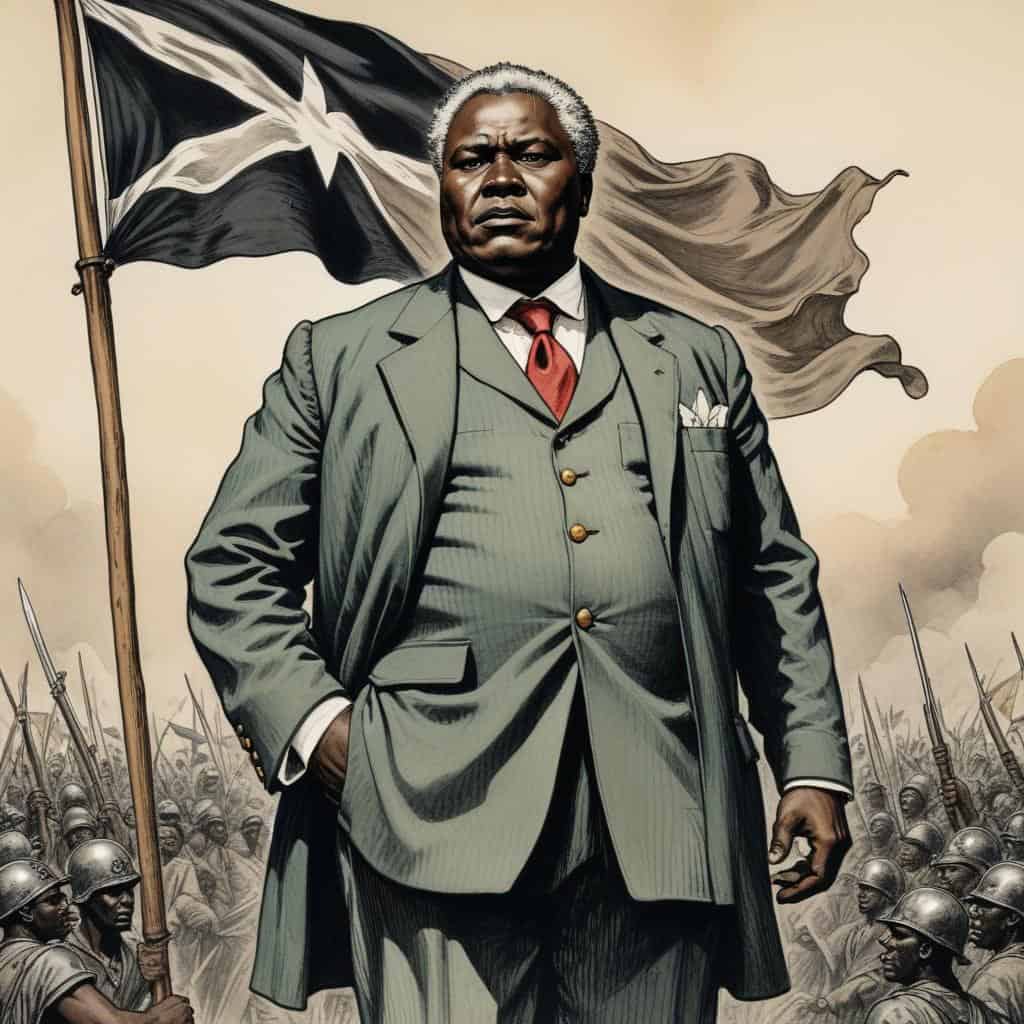
Joshua Nkomo
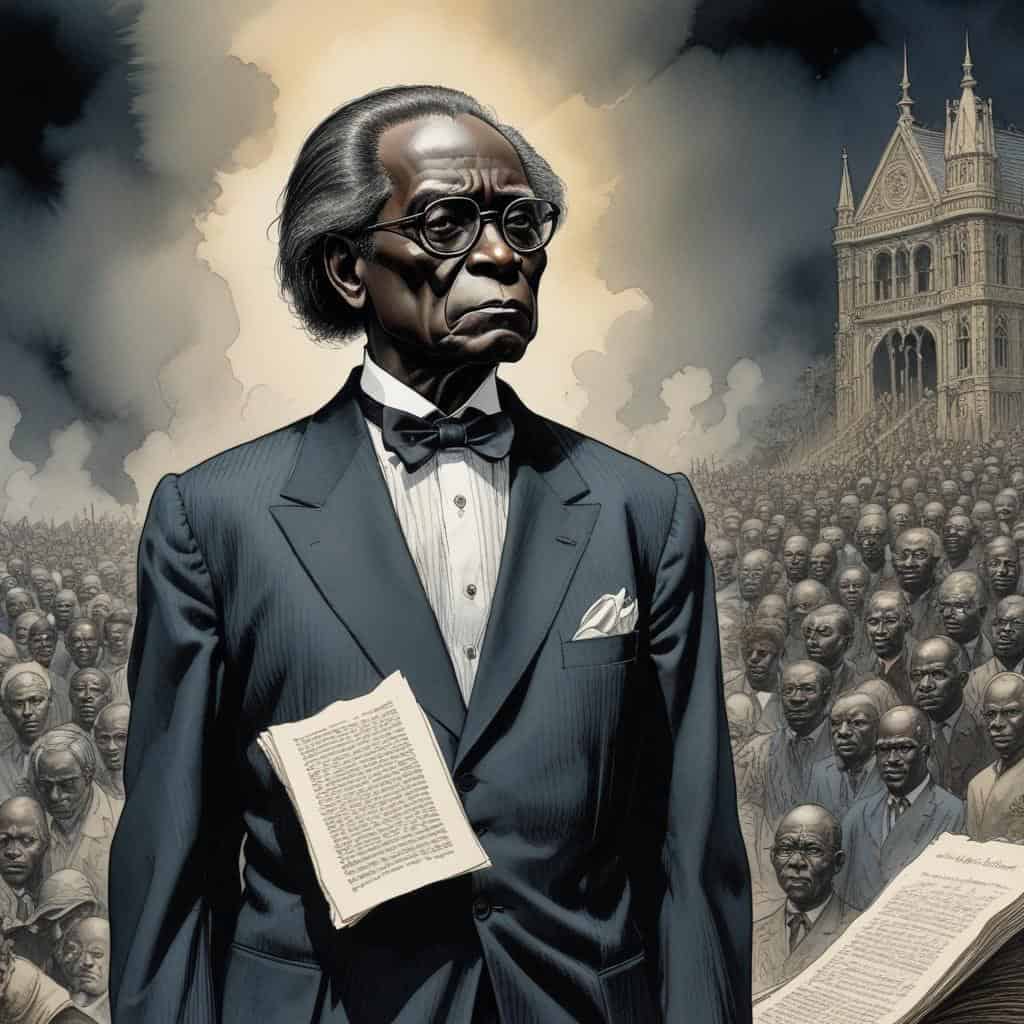
Robert Mugabe
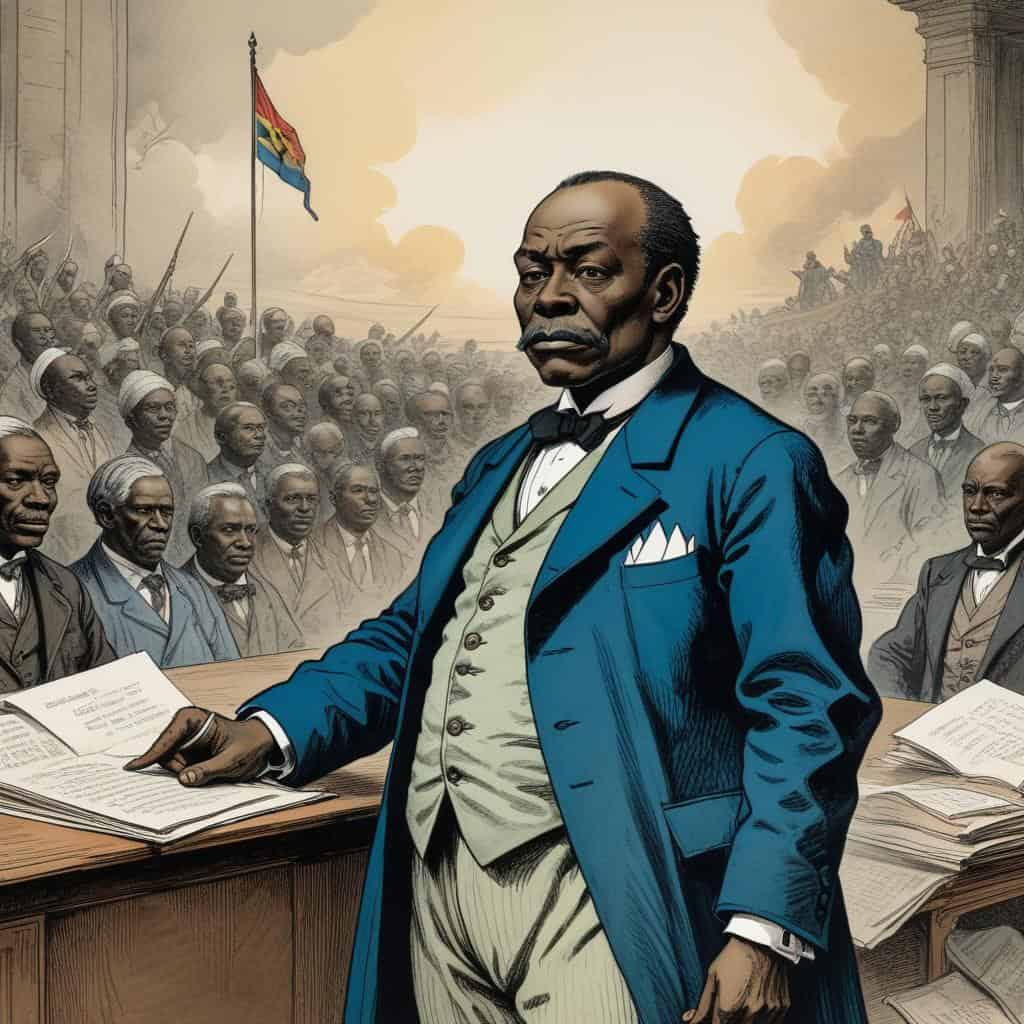
Herbert Ushewokunze

1. Early Settlement
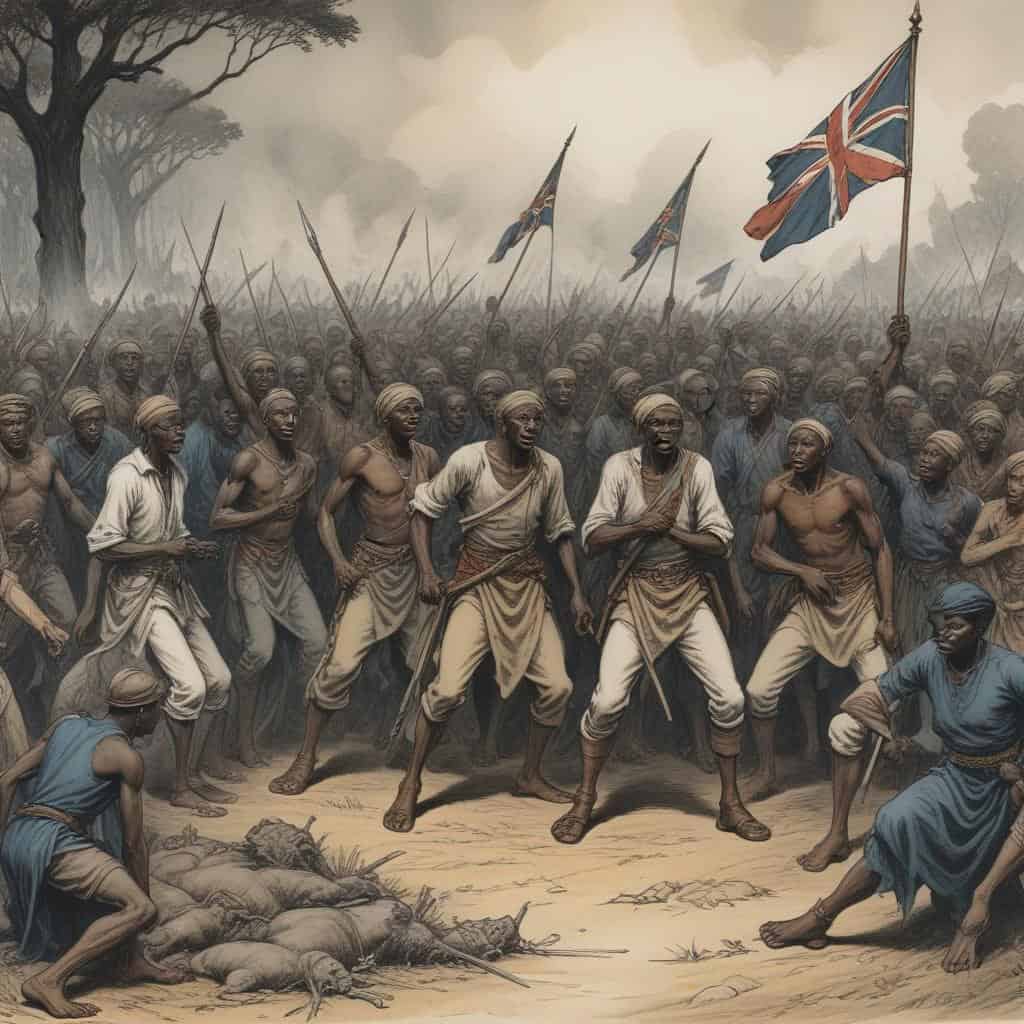
2. Colonial Rule
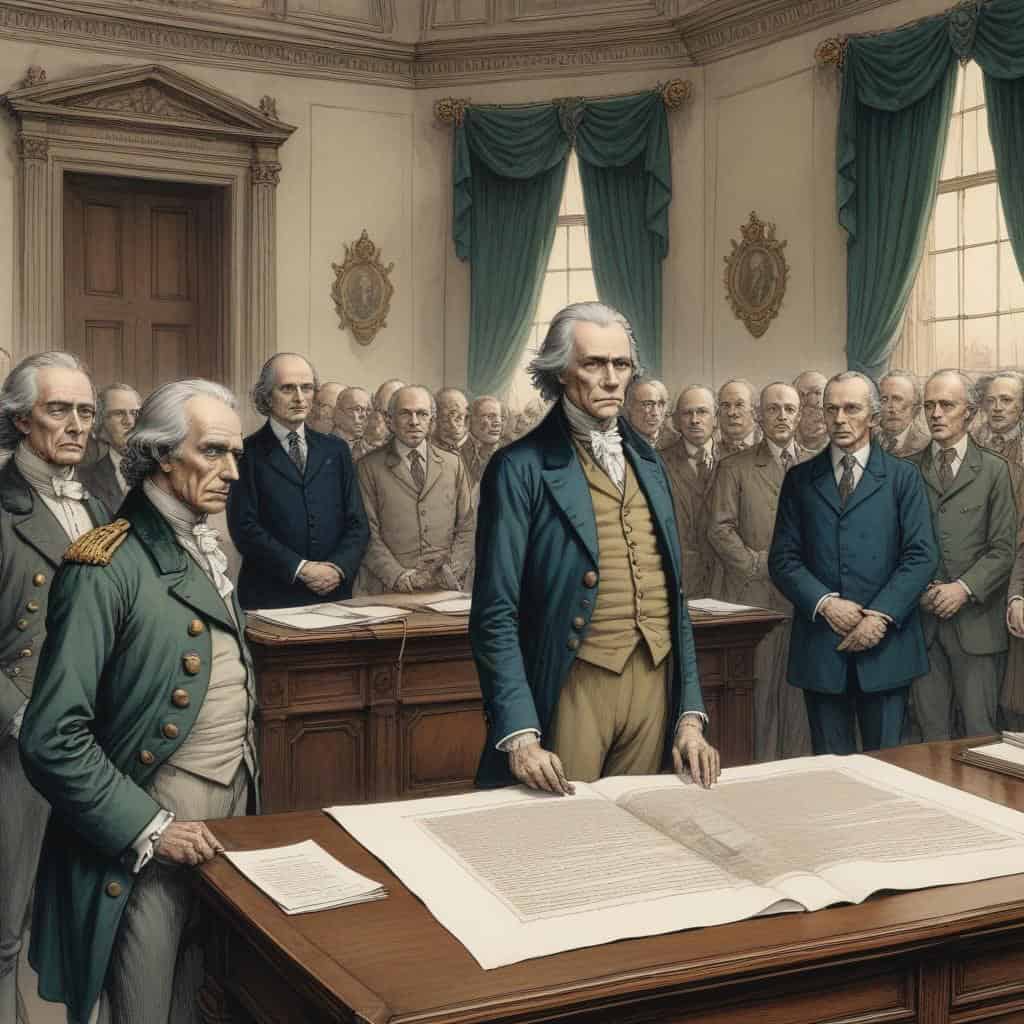
3. Unilateral Declaration of Independence
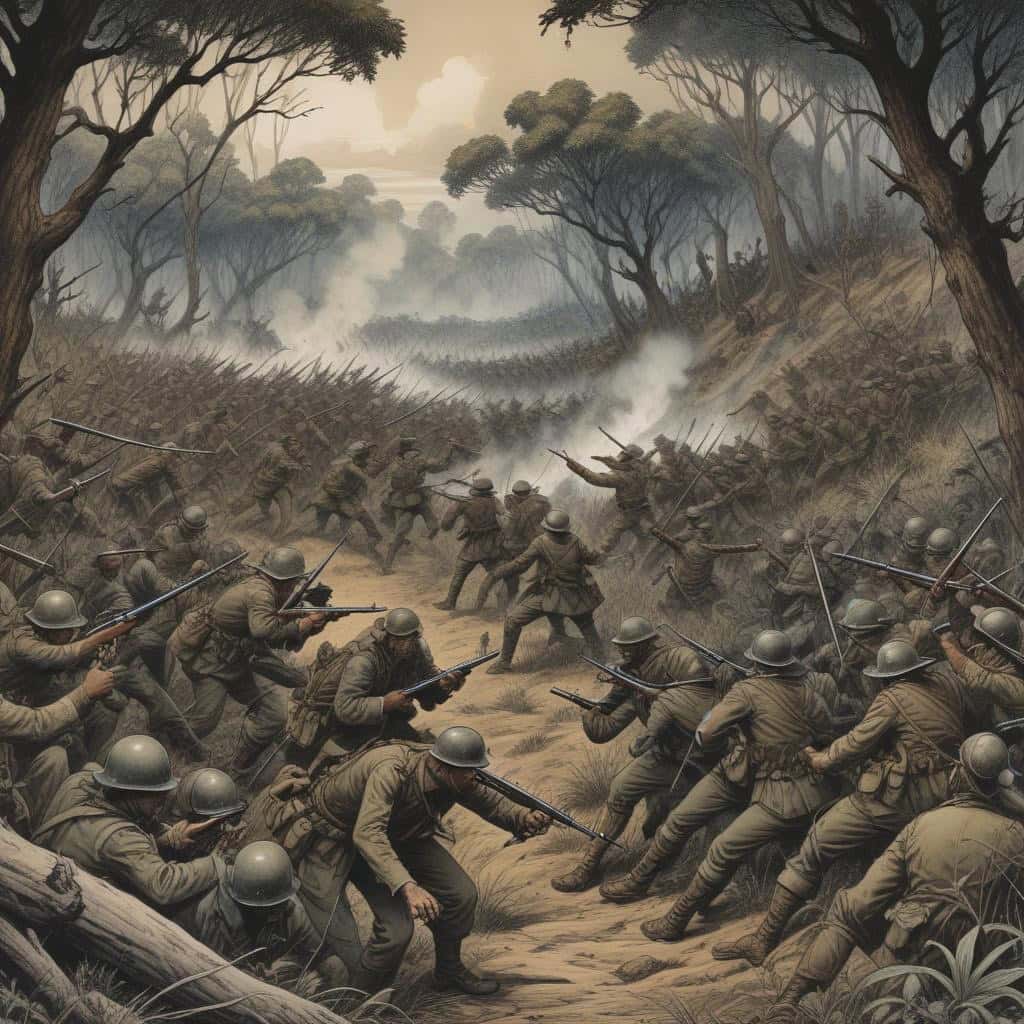
4. Rhodesian Bush War
5. International Sanctions
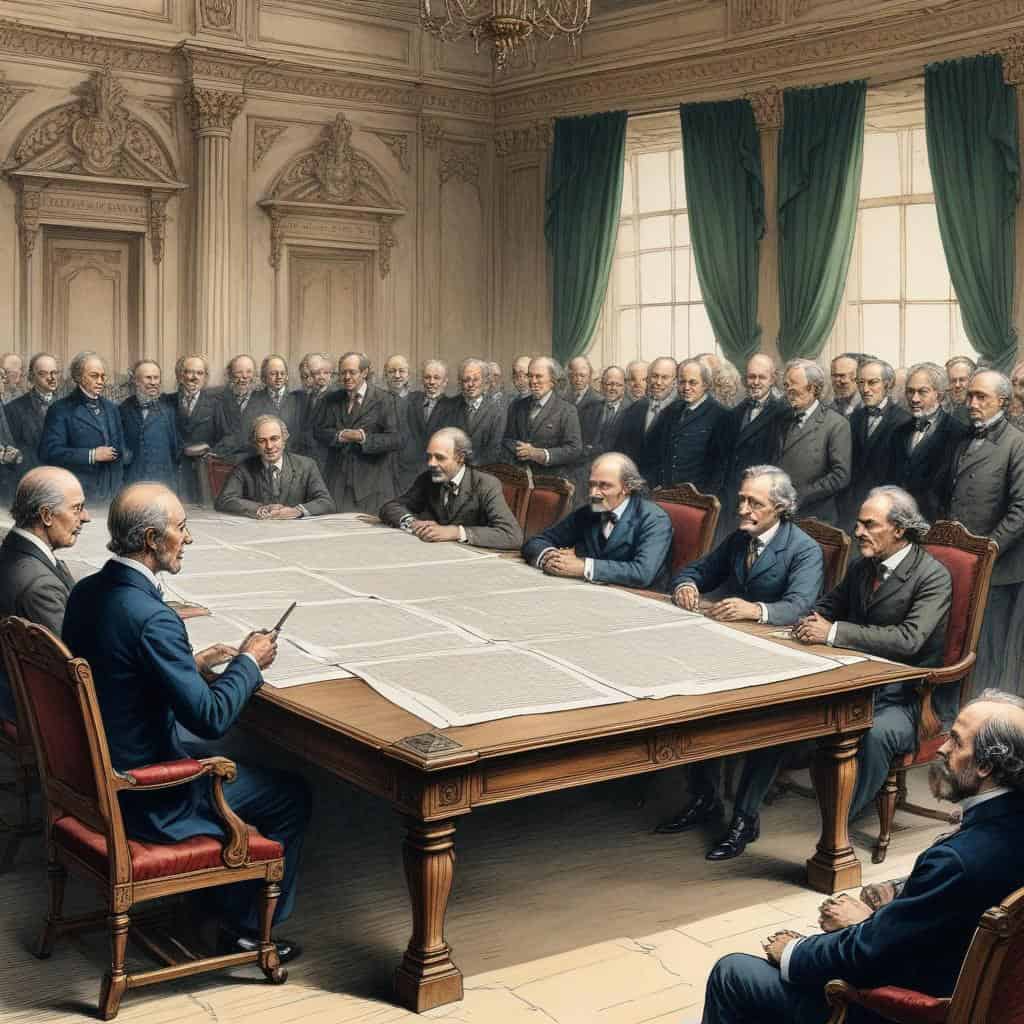
6. Lancaster House Agreement
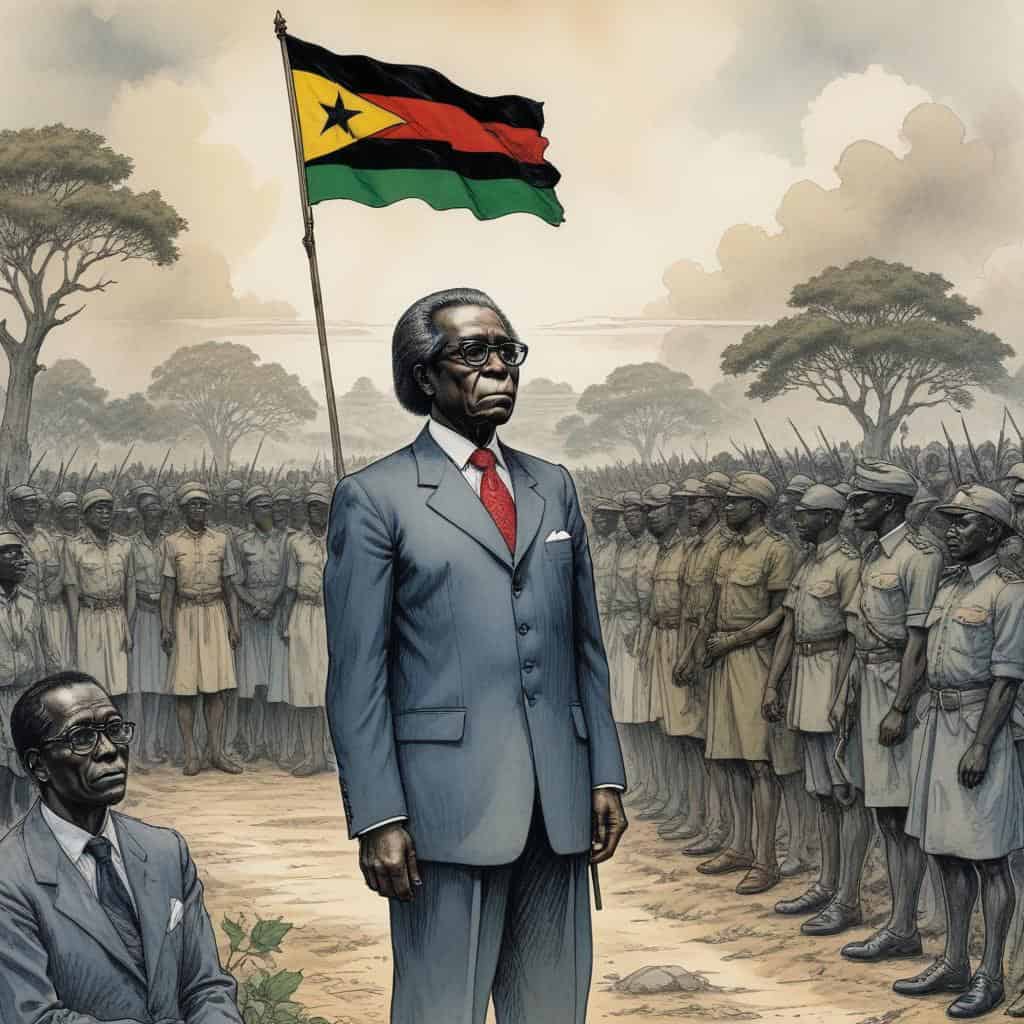
7. Transition to Zimbabwe
8. Post-Independence Challenges
9. Land Reform and Economic Crisis
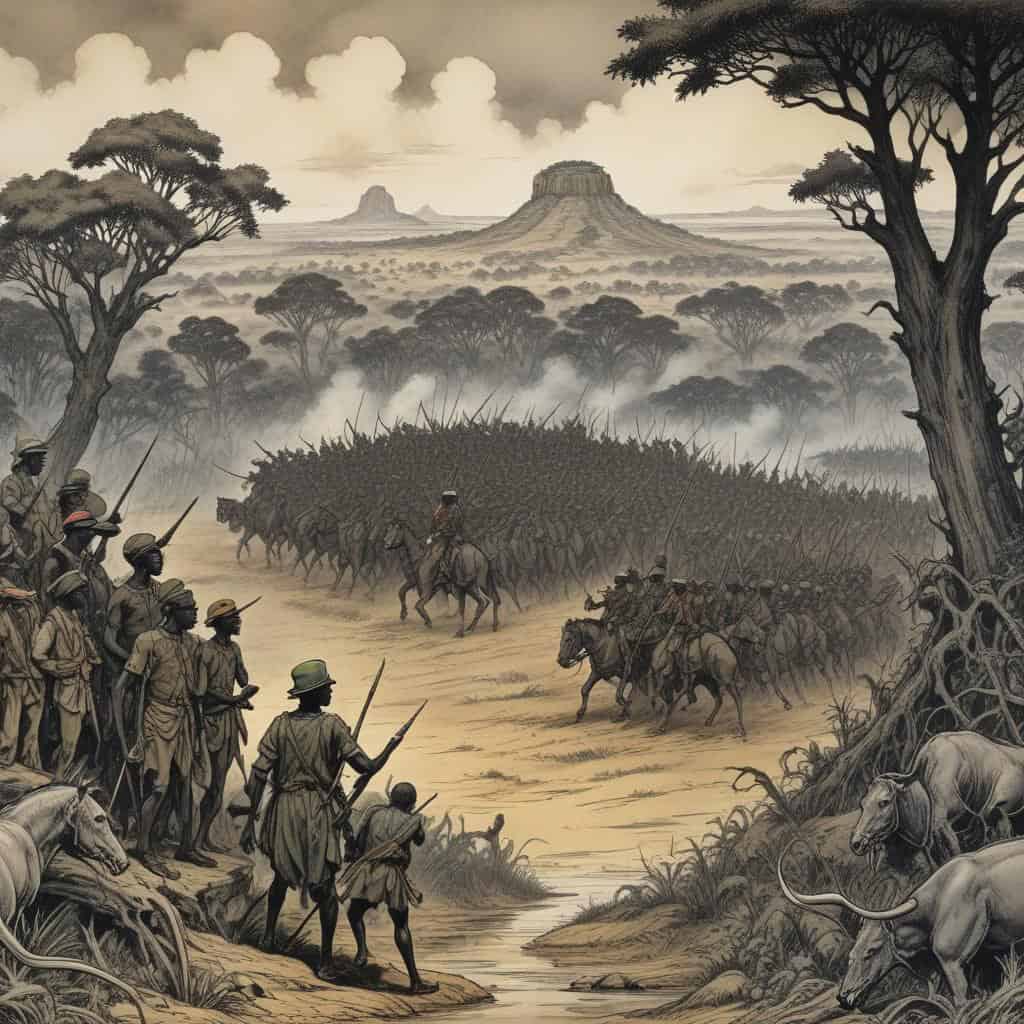
10. Legacy of Rhodesia
In a Nutshell
- Capital: Salisbury
- Population: Approx. 9.9 million (1979)
- Official Language: English
- Currency: Rhodesian dollar (RHD)
Breaking Down the Country
No composition analysis points available.
Timeline of Rhodesia
Rhodesia is established as a British colony
Rhodesia becomes a self-governing colony
Ian Smith becomes Prime Minister of Rhodesia
Rhodesia declares independence from Britain, becomes a republic and changes its name to Zimbabwe Rhodesia
Zimbabwe Rhodesia reverts back to British control, becomes Southern Rhodesia
Zimbabwe gains independence from Britain, becomes a republic and changes its name to Zimbabwe
The Rhodesian Bush War ends
Robert Mugabe becomes Prime Minister of Zimbabwe
Zimbabwean dollar is introduced
Land reforms in Zimbabwe begin
Hyperinflation in Zimbabwe reaches its peak
Zimbabwe abandons its currency and adopts foreign currencies
Robert Mugabe resigns as President of Zimbabwe
Emmerson Mnangagwa becomes President of Zimbabwe
Zimbabwe holds its first post-Mugabe elections
Zimbabwe faces economic challenges and political unrest
Calls for political reform and international pressure on Zimbabwe government
Vocabulary List
- Rhodesia
- Rhodesia was a country in Southern Africa that existed from 1965 to 1979, known for its white minority rule.
- Ian Smith
- Ian Smith was the Prime Minister of Rhodesia from 1964 to 1979, known for his role in declaring unilateral independence from Britain.
- Zimbabwe
- After gaining independence in 1980, Rhodesia was renamed Zimbabwe.
- Mugabe
- Robert Mugabe was the first Prime Minister of Zimbabwe, known for his role in the liberation struggle against white minority rule.
- UDI
- UDI stands for Unilateral Declaration of Independence, which was declared by Rhodesia in 1965 to break away from British rule.
Key Facts
This is the information used in the fact matching game
- Rhodesia was a country in southern Africa from 1965 to 1979.
- Rhodesia was named after British imperialist Cecil Rhodes.
- Rhodesia unilaterally declared independence from Britain in 1965.
- The capital of Rhodesia was Salisbury, now known as Harare.
- Rhodesia had a white minority government that enforced racial segregation policies.
- The black majority in Rhodesia fought against the white minority government in a protracted guerrilla war.
- The country's official language was English.
- Rhodesia's economy was heavily dependent on agriculture, particularly tobacco.
- Rhodesia was known for its strict immigration policies, particularly for black Africans.
- The United Nations imposed sanctions on Rhodesia in response to its unilateral declaration of independence.
- Rhodesia was not recognized as a legitimate state by the international community.
- The white minority government in Rhodesia was led by Prime Minister Ian Smith.
- Rhodesia had a well-equipped military that fought against the guerrilla forces.
- The Lancaster House Agreement in 1979 led to the transition of Rhodesia to majority rule and the establishment of Zimbabwe.
- Many white Rhodesians left the country after the transition to Zimbabwe, fearing reprisals from the new government.
- Rhodesia's flag featured a green, white, and blue horizontal tricolor with a red lion and black-and-white shield in the center.
- Rhodesia had a national anthem titled 'Rise, O Voices of Rhodesia.'
- The country had a strong sporting culture, particularly in rugby and cricket.
- Rhodesia's education system was segregated, with different schools for white and black students.
- Rhodesia's currency was the Rhodesian dollar, which was eventually replaced by the Zimbabwean dollar.
- The legacy of Rhodesia's racial segregation policies continues to impact Zimbabwe today.
Why It Matters
Geopolitical Significance
Rhodesia, located in southern Africa, was a key player during the Cold War era. Its strategic position and resources made it a focal point for regional conflicts and international interests. The country’s internal dynamics and relationships with neighboring nations had a significant impact on global politics.
Historical Importance
Rhodesia’s history is marked by colonization, resistance, and independence struggles. The legacy of British rule, the land conflicts, and the transition to Zimbabwe are all crucial aspects of understanding the country’s past. The experiences of its people and the events that unfolded continue to shape perspectives on colonialism and self-determination.
Modern-Day Role
Today, the legacy of Rhodesia is still felt in Zimbabwe, the nation that emerged from its ashes. The country’s complex history continues to influence its politics, economy, and social dynamics. Understanding Rhodesia’s past is essential for comprehending the challenges and opportunities facing Zimbabwe in the present day.
Rhodesia Games


Take Your Learning Offline
Want a convenient, print-ready study guide for this lesson? Become a Memory Wizards Pro member to unlock the downloadable " Memory Scrolls" for this topic and our entire library!
- ✓ Complete Vocabulary Lists
- ✓ Key Facts & Timelines
- ✓ Beautifully Formatted for Print & Mobile