
How Do You Learn Best?
Learn by Reading
Immerse yourself in the 10-minute visual lesson for a comprehensive understanding of the topic.
Learn by Reviewing
Jump directly to the key facts, timeline, and vocabulary lists to build a solid foundation of details.
Learn by Doing
Challenge yourself! Jump straight into the interactive games to learn by trial, error, and discovery.
Kingdom Of Sikkim in 10 Minutes
Introduction
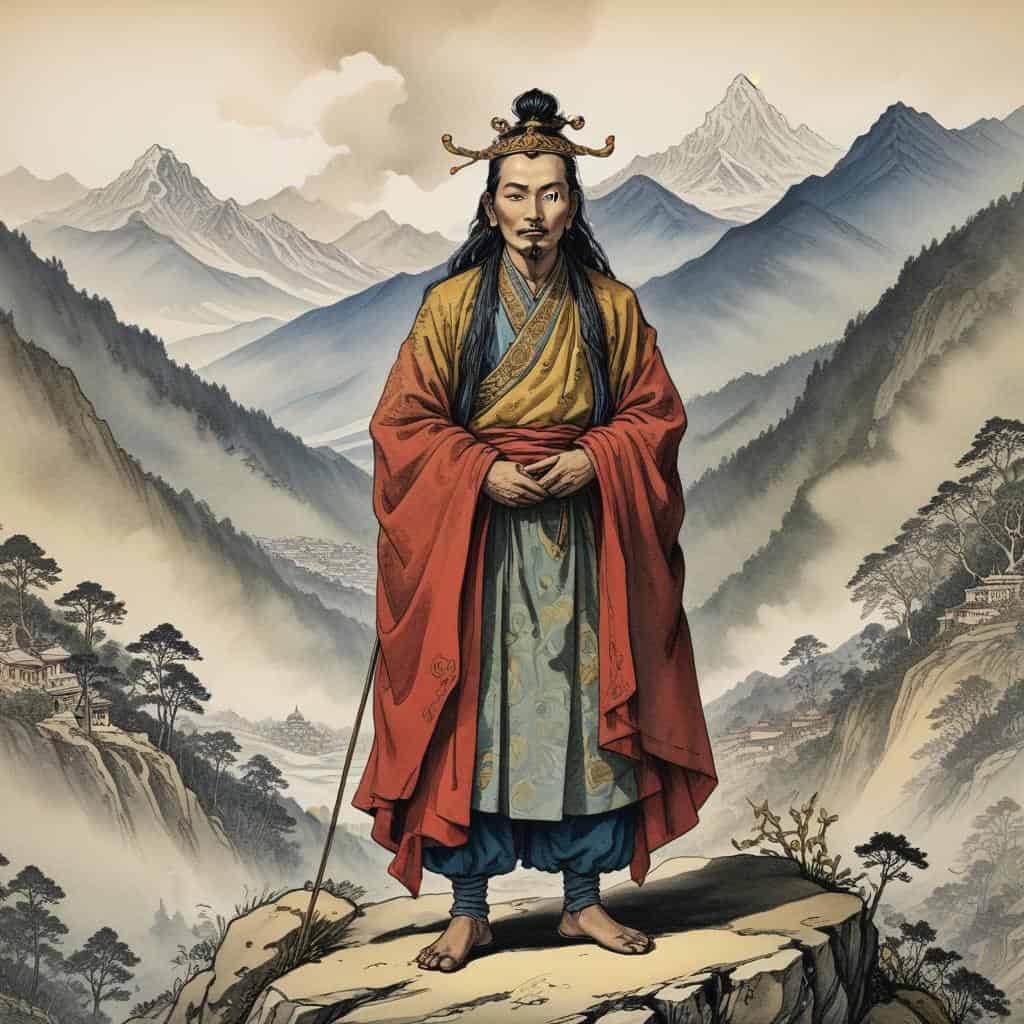
Chogyal Palden Thondup Namgyal
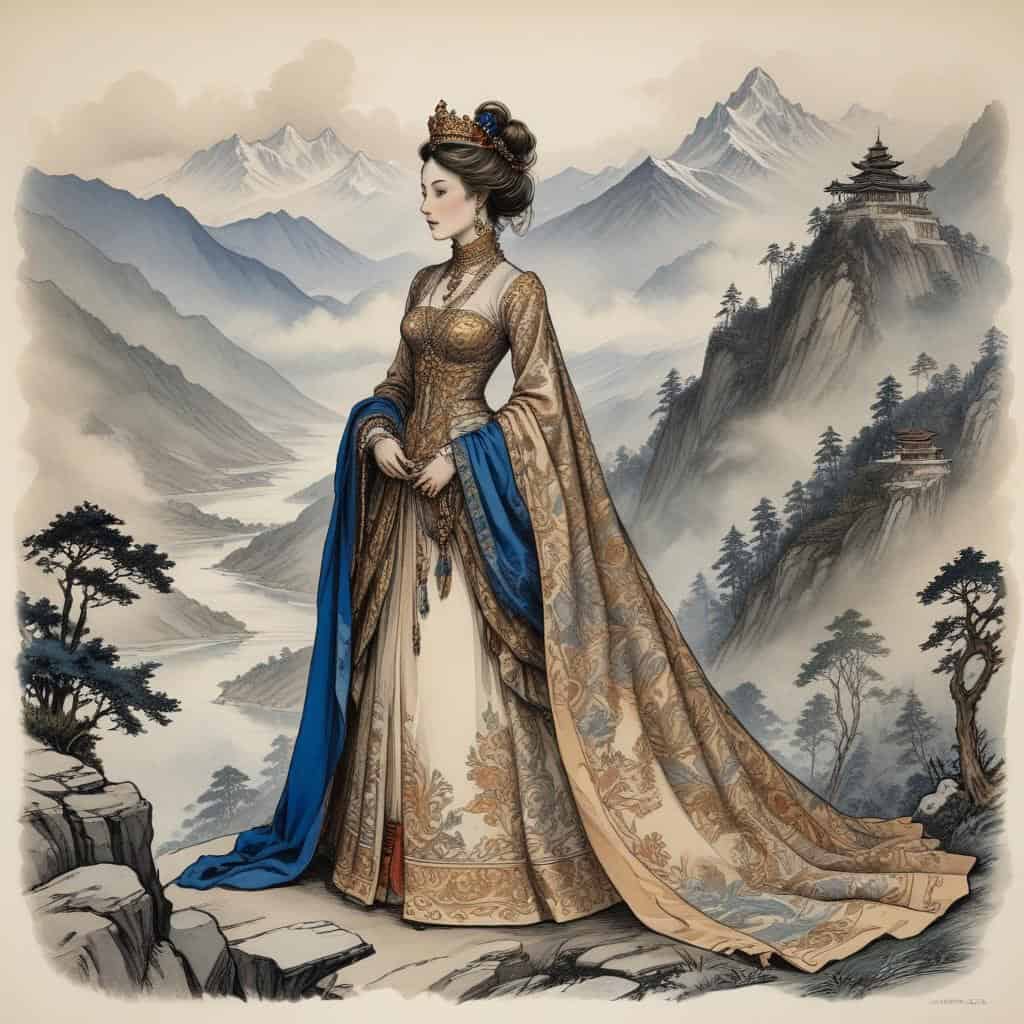
Hope Cooke
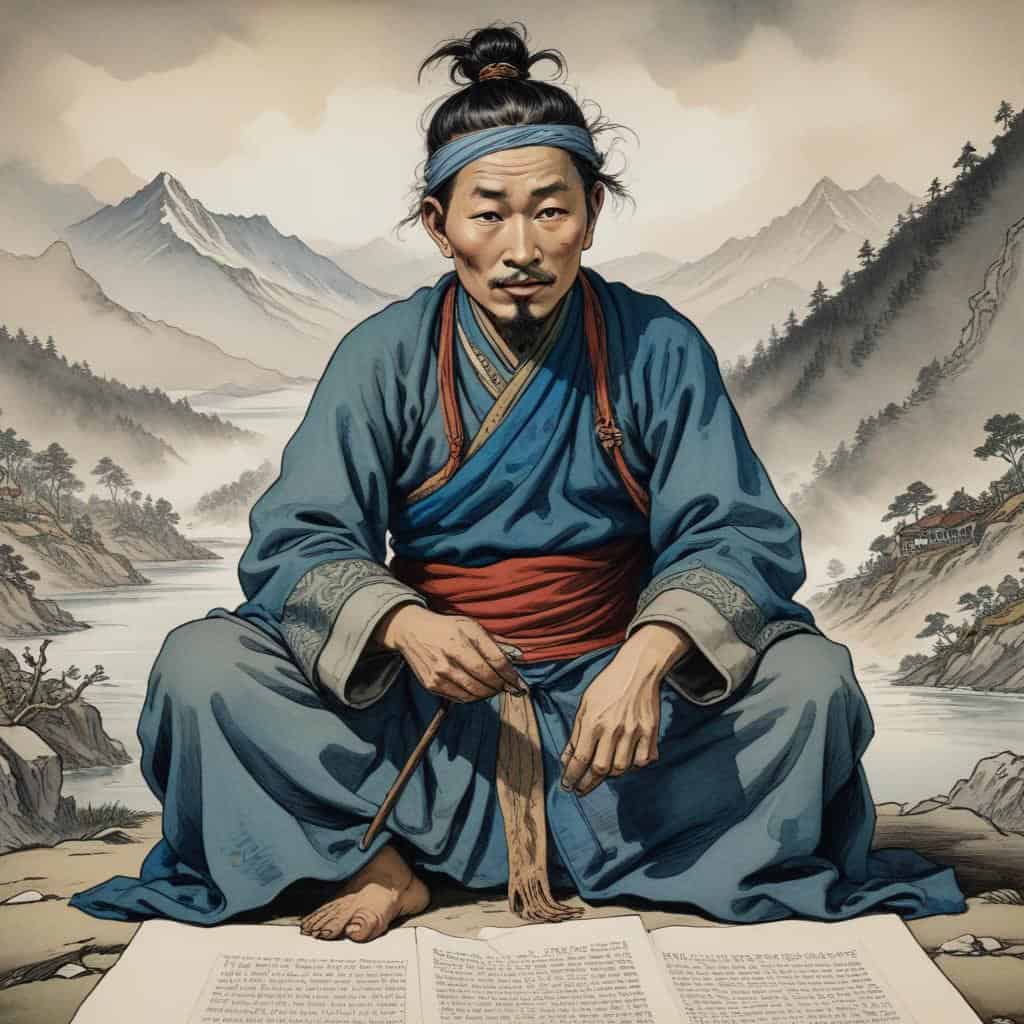
Kazi Lhendup Dorjee
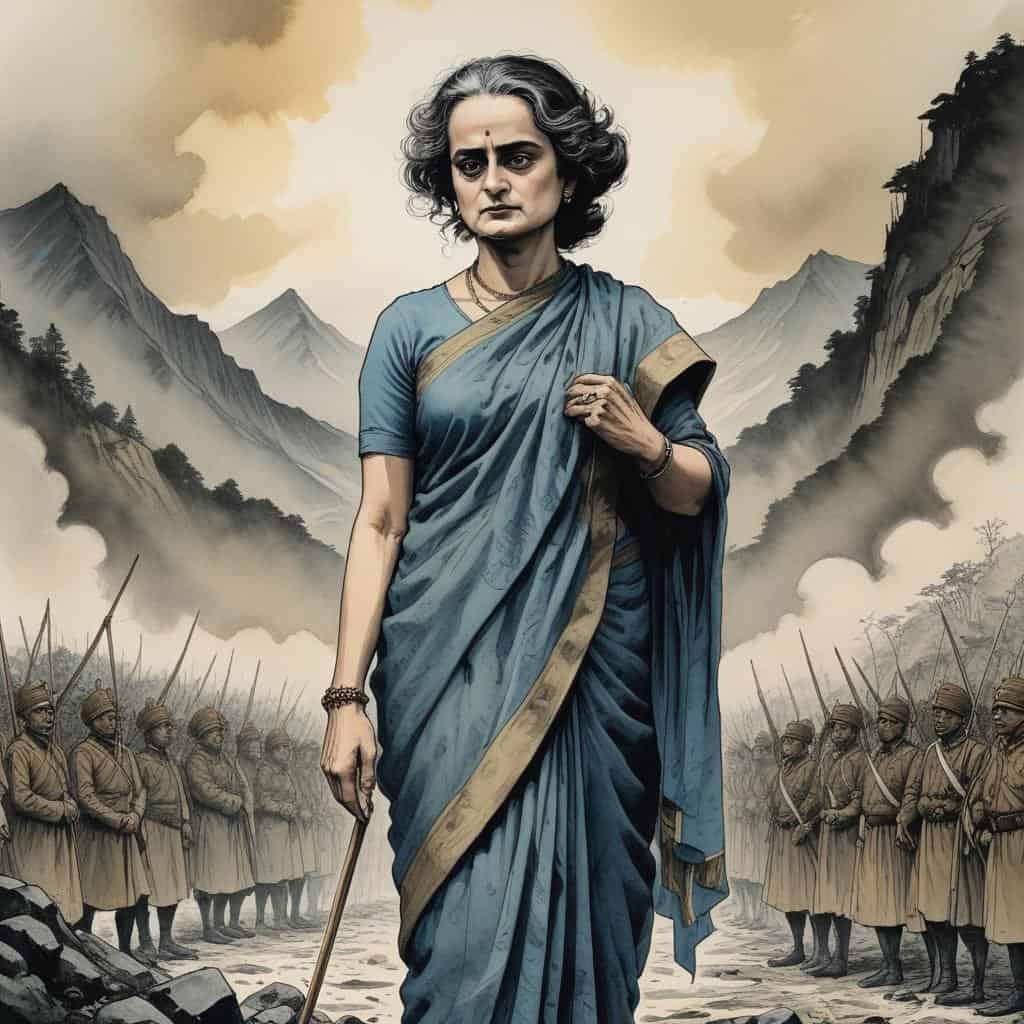
Indira Gandhi
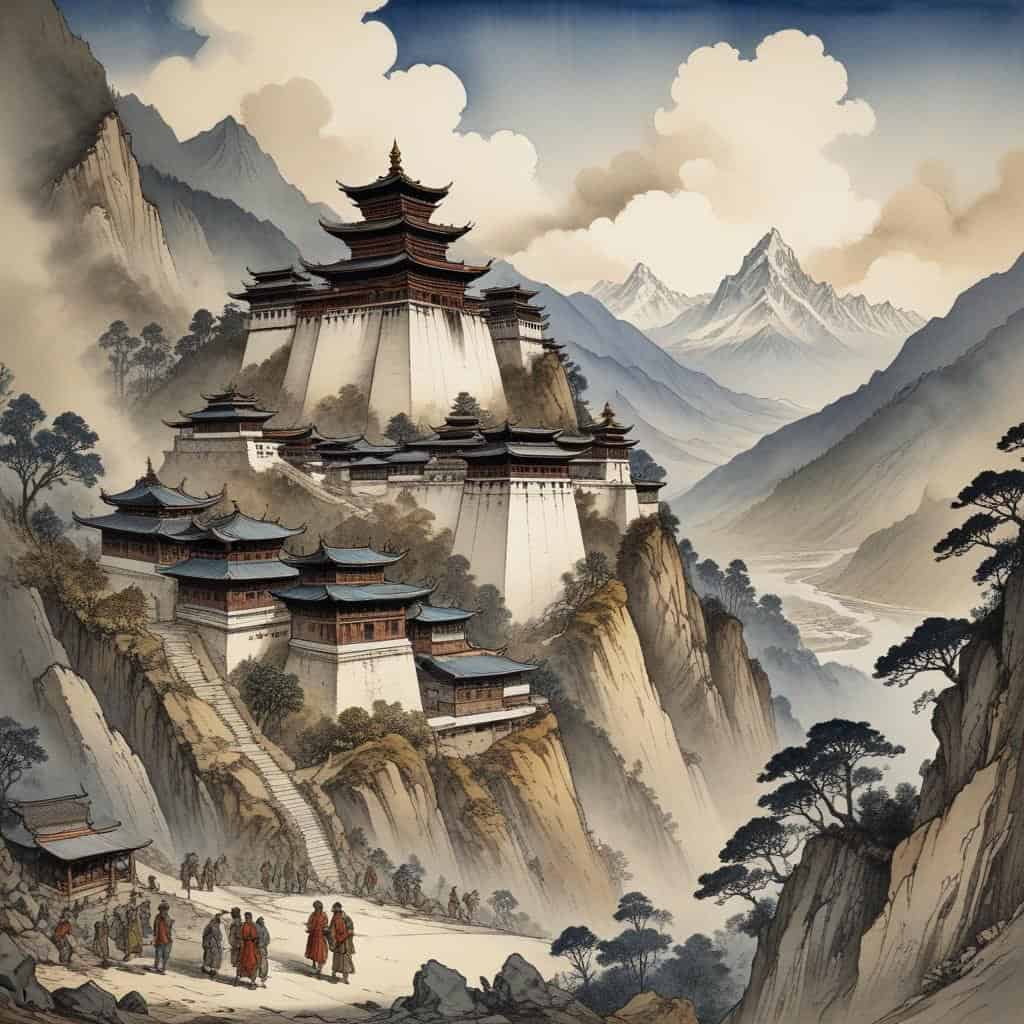
1. Early History
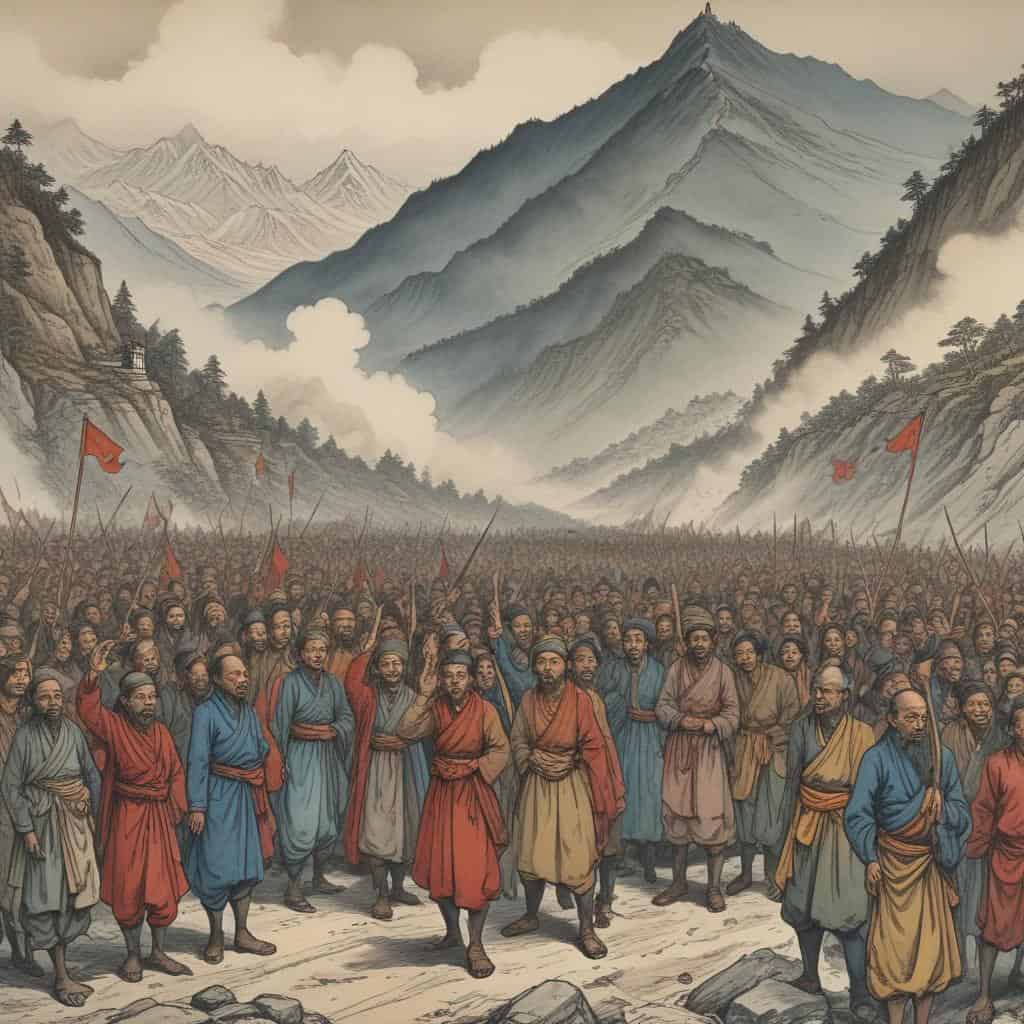
2. Annexation by India
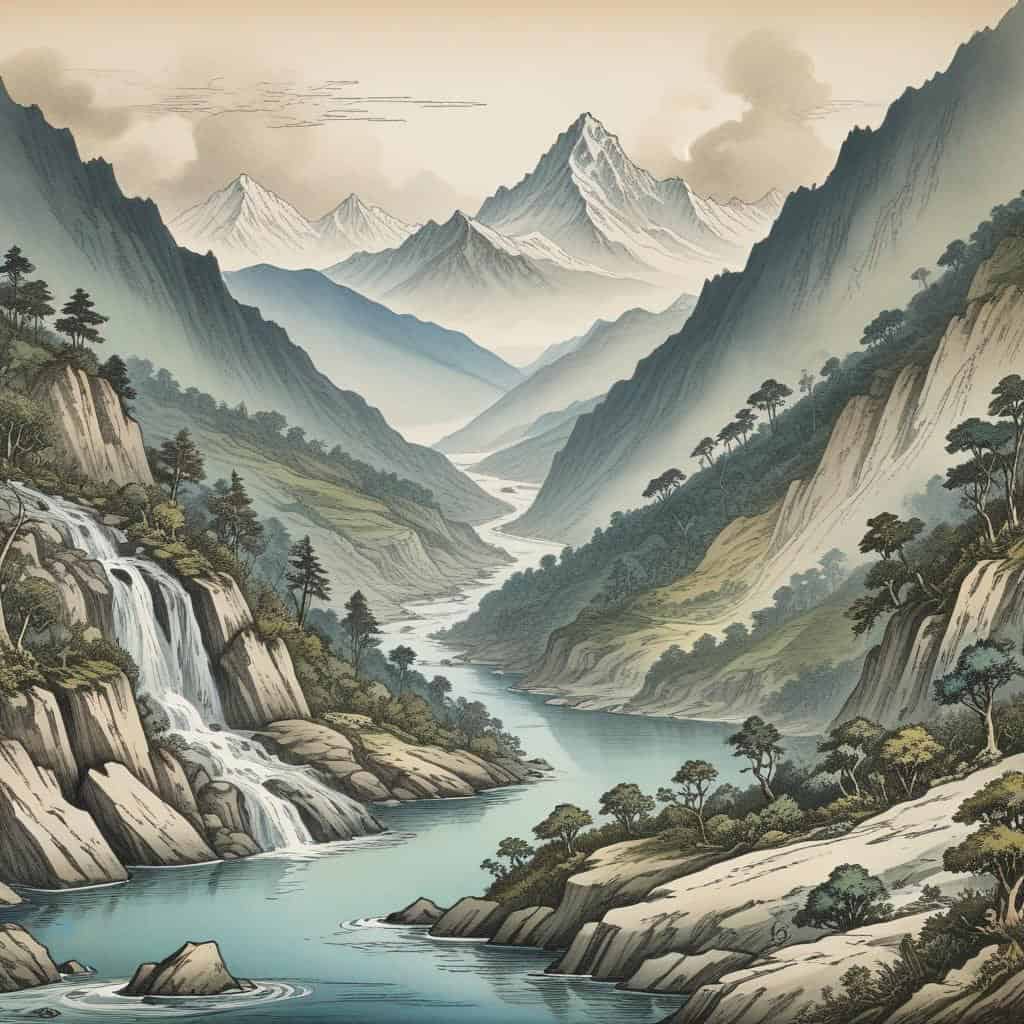
3. Geography and Climate
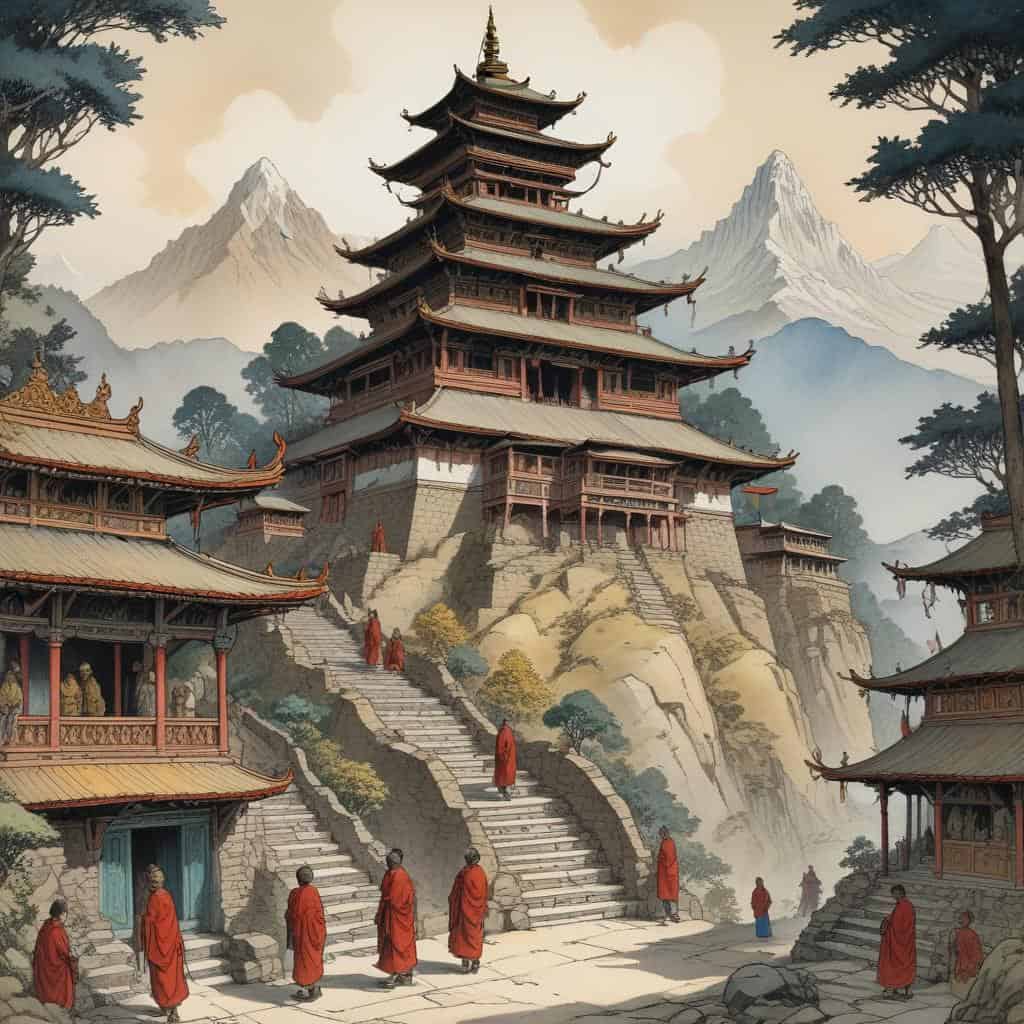
4. Culture and Religion
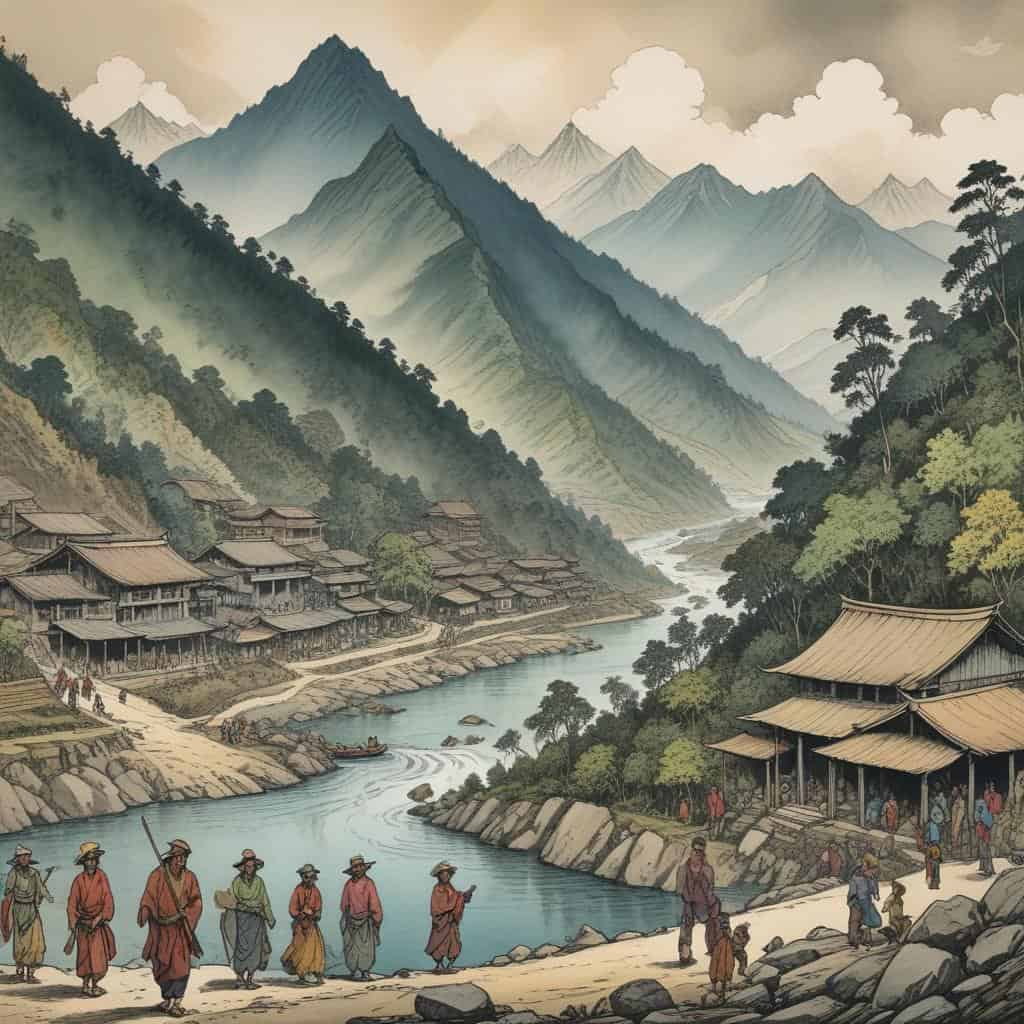
5. Economy and Tourism
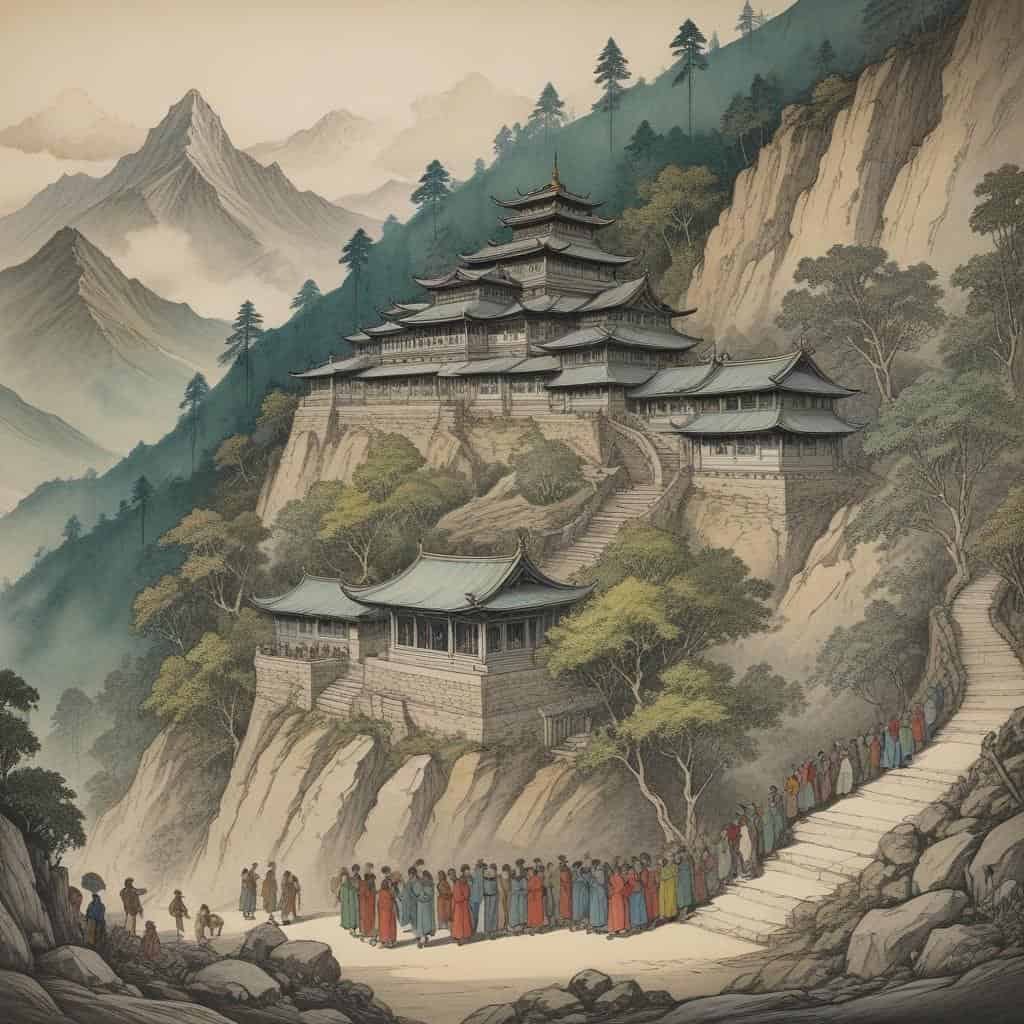
6. Education and Healthcare
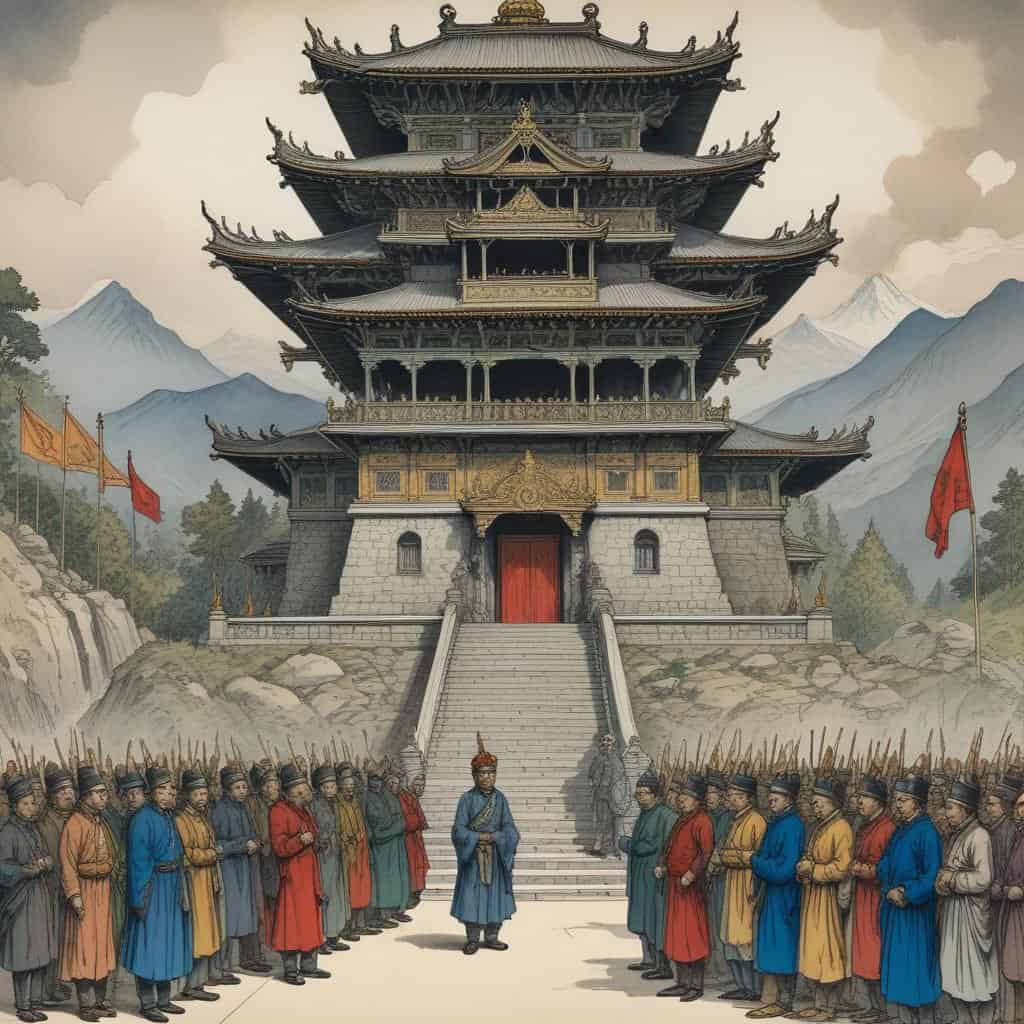
7. Political Structure
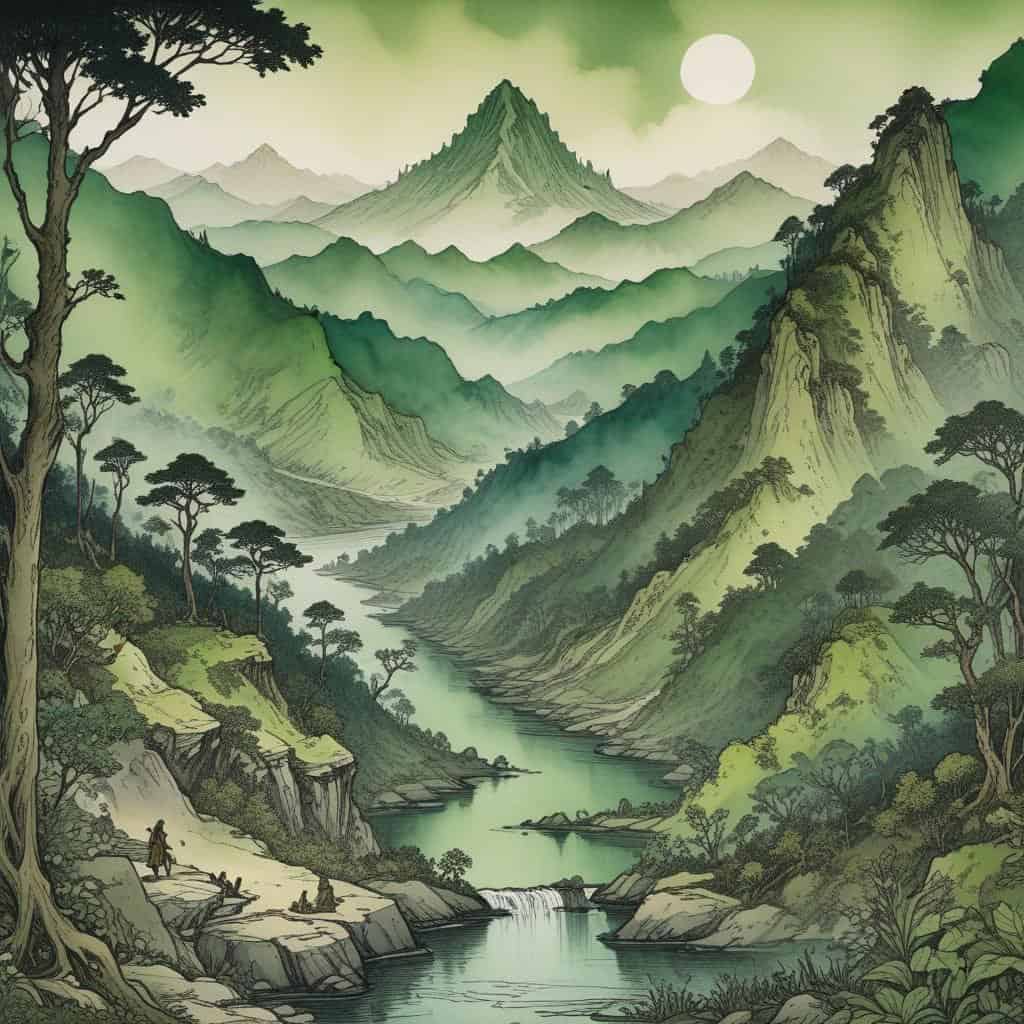
8. Environmental Conservation
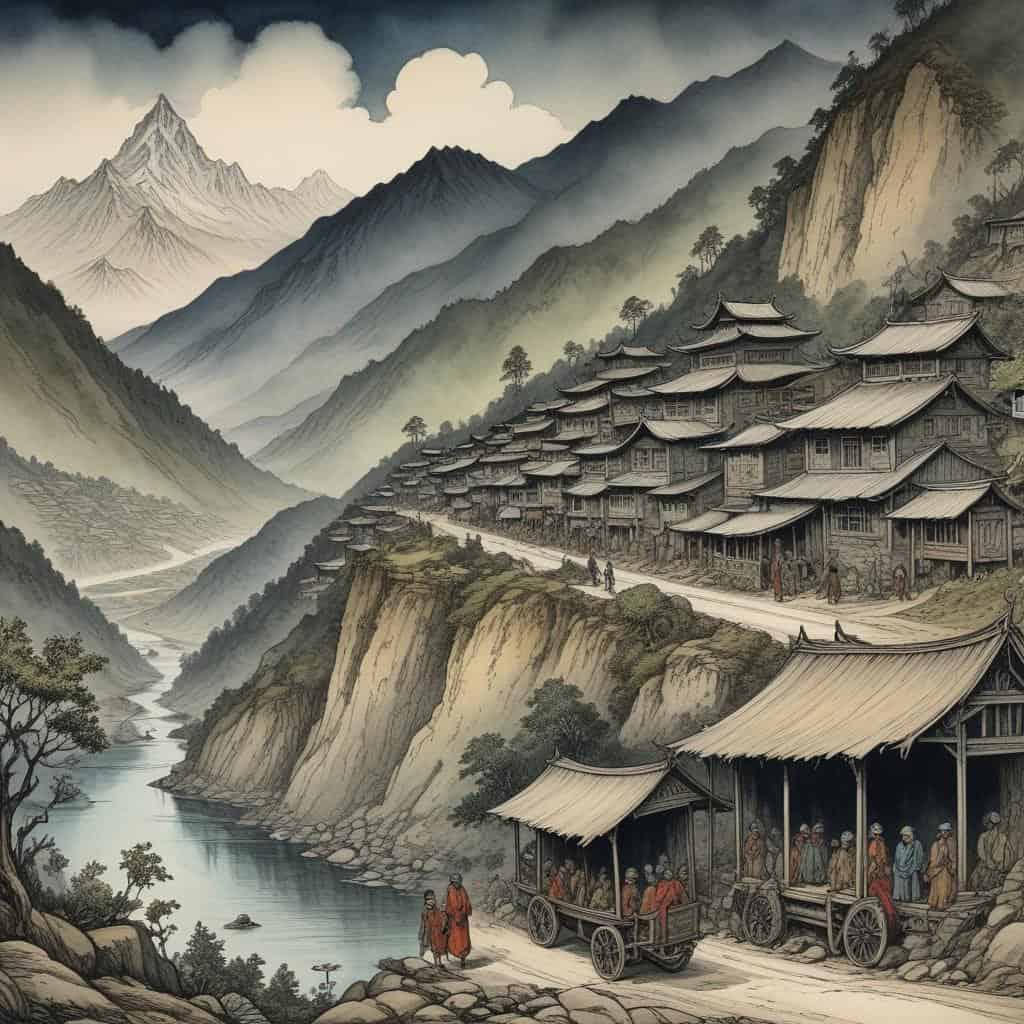
9. Challenges and Opportunities
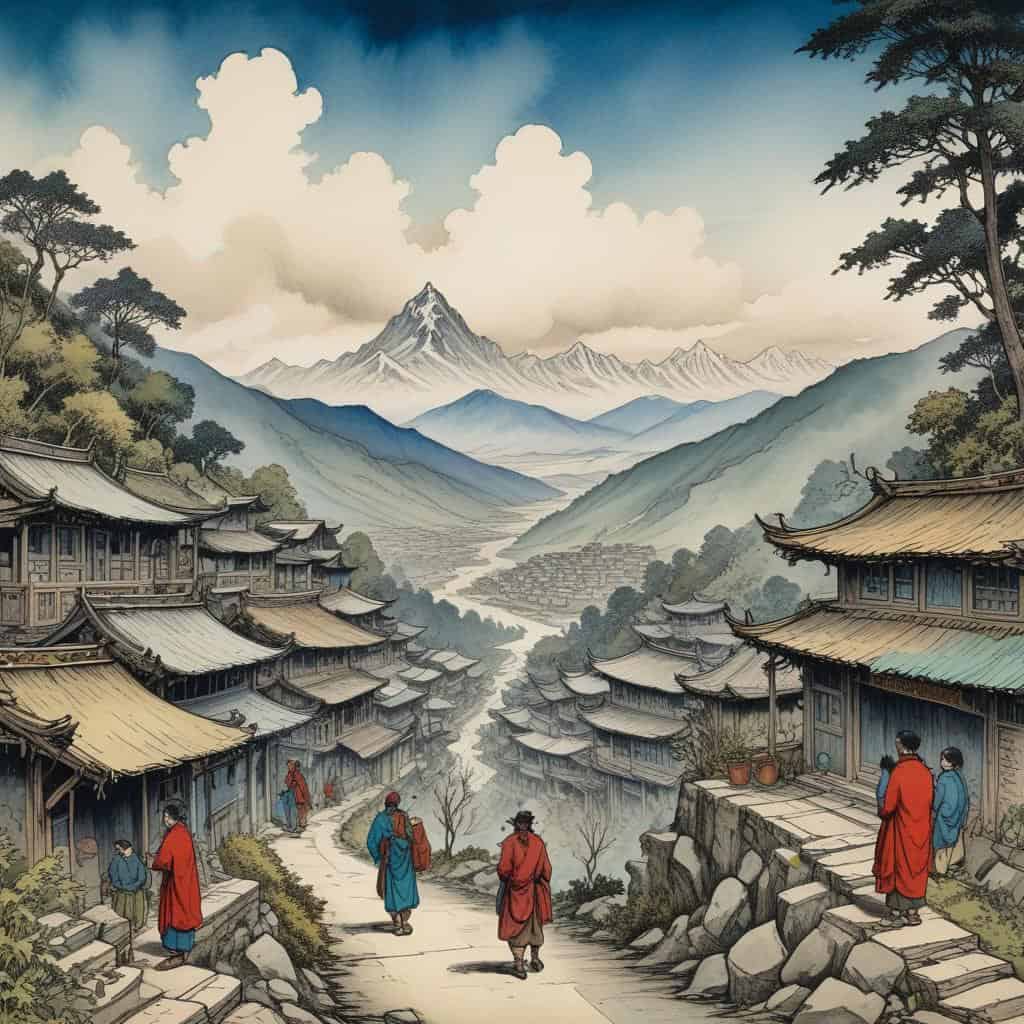
10. Future Outlook
In a Nutshell
- Capital: Gangtok
- Population: Approx. 6.2 million (2021)
- Official Language: Nepali
- Currency: Indian Rupee (INR)
Breaking Down the Country
No composition analysis points available.
Timeline of Kingdom Of Sikkim
Formation of Kingdom of Sikkim under the Namgyal dynasty
Treaty of Titalia signed between Sikkim and British East India Company
Sikkim becomes a protectorate of British India
First Anglo-Sikkim War
Second Anglo-Sikkim War
Chogyal Thutob Namgyal ascends the throne
Sikkim becomes a princely state under British India
Sikkim National Party formed to demand independence from India
India gains independence, Sikkim remains a protectorate
Chogyal Palden Thondup Namgyal ascends the throne
Sikkim joins the Indian Union as a state
Referendum in Sikkim approves merger with India
Sikkim officially becomes the 22nd state of India
End of the Namgyal dynasty rule in Sikkim
Sikkim becomes a part of the Darjeeling district of West Bengal
Sikkim gains full statehood within India
Sikkim becomes a part of the North Eastern Council of India
Sikkim celebrates its first general elections
Sikkim becomes the first fully organic state in India
Sikkim celebrates its 50th anniversary of joining India
Vocabulary List
- Gangtok
- The capital city of the Kingdom of Sikkim.
- Chogyal
- The title of the monarch of the Kingdom of Sikkim.
- Monarchy
- The form of government in the Kingdom of Sikkim before it became a part of India.
- Nepal
- A country that shares a border with the Kingdom of Sikkim.
- Bhutan
- Another neighboring country of the Kingdom of Sikkim.
Key Facts
This is the information used in the fact matching game
- Sikkim was an independent kingdom in the Himalayas before becoming a state of India in 1975.
- The capital of Sikkim is Gangtok.
- Sikkim is the least populous state in India.
- The official language of Sikkim is Nepali.
- Sikkim is known for its biodiversity and is home to a wide variety of flora and fauna.
- The Kanchenjunga, the third highest mountain in the world, is located in Sikkim.
- Sikkim is a popular destination for trekking and mountaineering.
- Sikkim was ruled by the Chogyal dynasty for over 300 years before merging with India.
- Sikkim was a protectorate of India from 1950 until 1975.
- Sikkim is the only state in India with a majority of Nepali-speaking population.
- Sikkim is known for its rich cultural heritage and festivals like Losar and Saga Dawa.
- Sikkim became the 22nd state of India on May 16, 1975.
- Sikkim is one of the few states in India to have a higher literacy rate among females than males.
- Sikkim is a landlocked state bordered by Nepal, Bhutan, and Tibet.
- The economy of Sikkim is largely based on agriculture, tourism, and hydropower.
- Sikkim is home to several important Buddhist monasteries and pilgrimage sites.
- Sikkim has a unique governance system called the Sikkim Legislative Assembly which consists of one house.
- Sikkim has a total area of 7,096 square kilometers.
- Sikkim is known for its organic farming practices and is the first organic state in India.
- Sikkim has a diverse population with communities like Lepcha, Bhutia, and Nepali living harmoniously.
Why It Matters
Geopolitical Significance
Located in the Himalayas between India, China, Bhutan, and Nepal, the Kingdom of Sikkim has historically been a buffer state and a key player in regional diplomacy. Its strategic position has influenced the dynamics of power and trade in the region.
Historical Importance
Sikkim has a unique history of independence and monarchy, blending Tibetan, Nepalese, and Bhutanese influences. Its past as a kingdom and its eventual merger with India in 1975 reflect the complex interactions between different cultures and political entities.
Modern-Day Role
Today, Sikkim is a peaceful state within India, known for its biodiversity, eco-friendly policies, and organic farming initiatives. It serves as a model for sustainable development and environmental conservation, attracting tourists and researchers alike.
Kingdom Of Sikkim Games


Take Your Learning Offline
Want a convenient, print-ready study guide for this lesson? Become a Memory Wizards Pro member to unlock the downloadable " Memory Scrolls" for this topic and our entire library!
- ✓ Complete Vocabulary Lists
- ✓ Key Facts & Timelines
- ✓ Beautifully Formatted for Print & Mobile